Trail Running Shoes
Hoka Speedgoat 5 vs Norda 001 Satisfy: Deeply Cushioned Trail Shoes Head to Head
Two deeply cushioned trail running shoes with similar weights and heel drops, but a huge price gap. We compare construction, performance and value.
Introduction
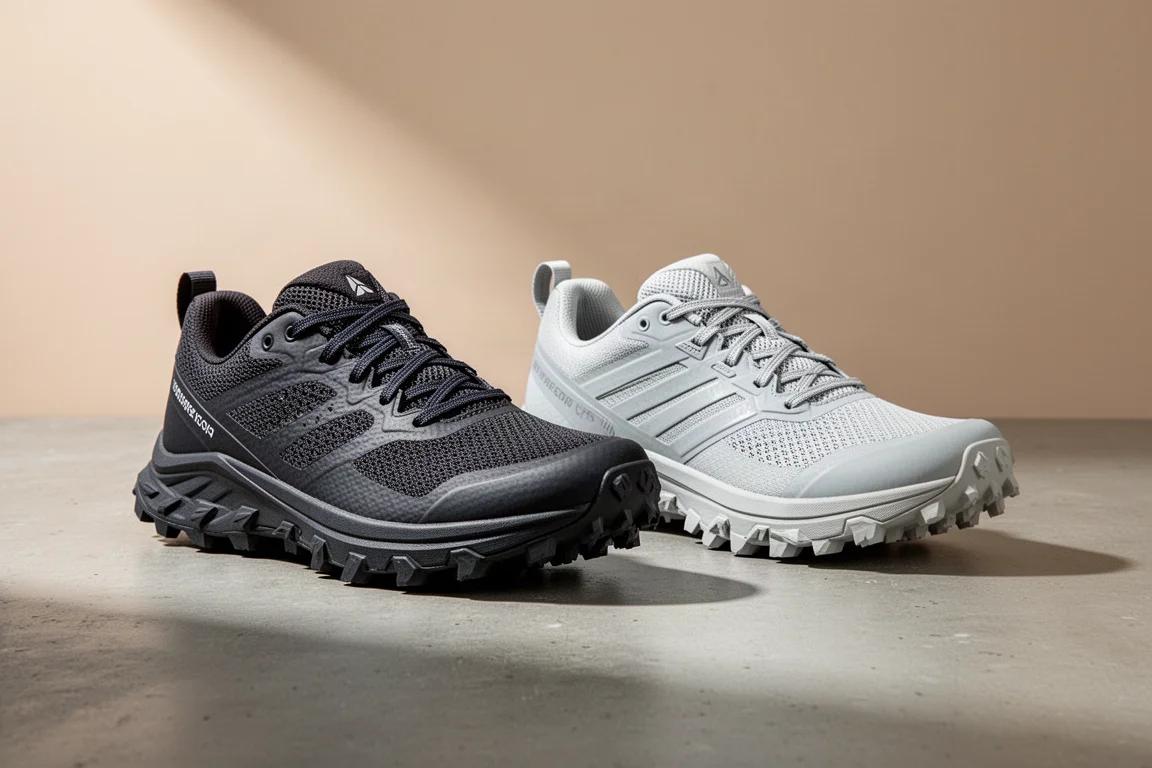
Deeply cushioned trail running shoes keep getting softer and stacked higher, and the trend has fully crossed over to the trail side. This head-to-head puts the original deeply cushioned trail shoe, the Hoka Speedgoat 5, up against one of the newer names in the space: the Norda 001, in its collaboration edition with lifestyle brand Satisfy.
The two shoes have a lot in common: very similar weights, almost identical heel drops and clearly deep cushioning. The big difference is price. The Speedgoat 5 retails in the UK for £130, while the Norda 001 Satisfy collaboration comes in at an eye-watering £280, one of the most expensive trail shoes you can run in. The standard Norda 001 sits at £220, still a pricey option. The question here is simple: is the Norda worth more than double the cost of one of the most popular long-distance trail shoes on the market?
Two Trail Shoes, Similar Specs
On paper these shoes are remarkably close. Weighed in a UK size 8, the Speedgoat comes in at 308g while the Norda 001 is a slightly heavier 315g, a difference of just 7g. Both shoes size up a little on the short side, so going up half a size in each delivers a good length fit.
Heel drop is nearly identical too: Hoka uses a 4mm drop, Norda a 5mm, just 1mm apart. Weight, length and heel offset all cross over, and the construction follows the same pattern.
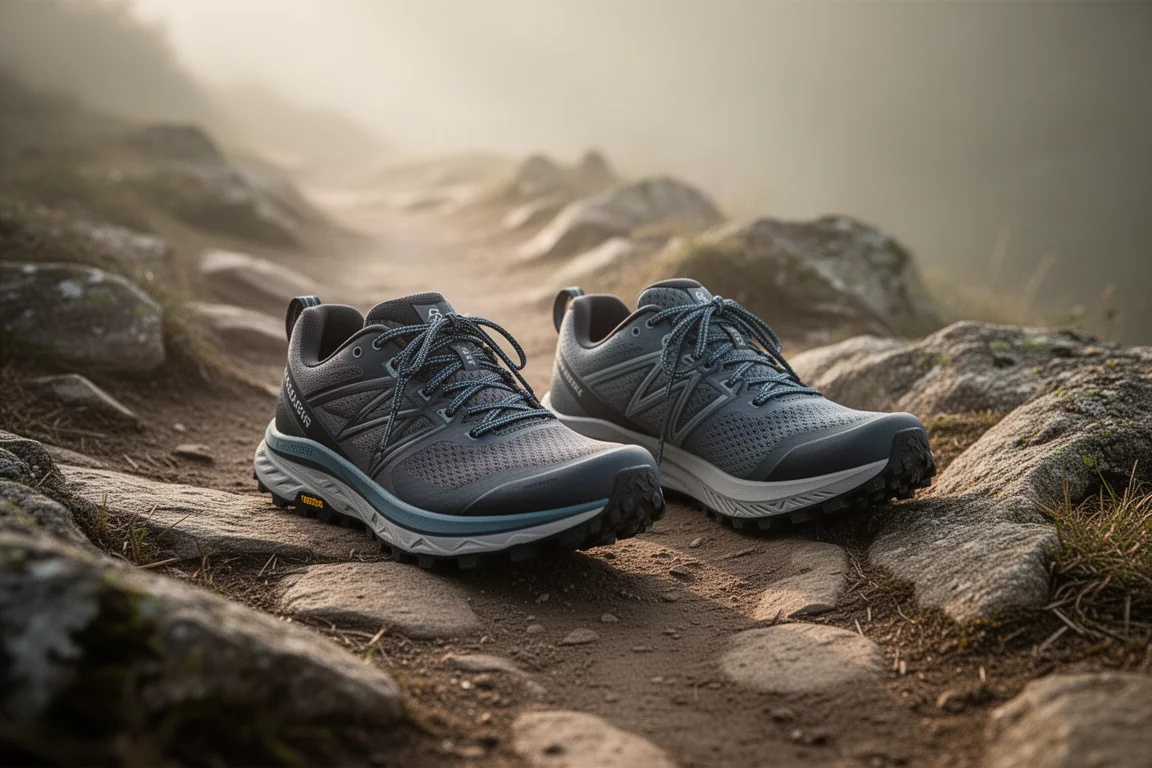
Both brands use Vibram Megagrip rubber on the outsole with a 5mm lug depth, though Norda uses the performance-oriented Lightbase variant, which cuts rubber thickness for a claimed 30% weight reduction without compromising grip or durability. In practice, both outsoles perform very similarly.
The midsoles are where the compounds differ. Hoka uses its lightweight in-house foam for a plush, deeply stacked ride that stays reasonably responsive on uneven technical trails. Norda sources its midsole from outsole specialist Vibram: the SLE EVA cushioning, claimed to be 30% lighter than standard EVA and designed to balance comfort with trail connection.
Outsole and Midsole Performance
With both shoes wearing Vibram Megagrip, rocky and wet rocky trails are handled brilliantly by either shoe. This rubber compound is outstanding on that type of terrain, and the weight-saving Lightbase variant is not noticeable in use since the saving is only a few grams.
There is a slight difference in mud, however. Hoka updated the lug pattern on the new Speedgoat and it does offer a bit more traction than before, but the Norda outsole still performs better in muddy conditions. The combination of Megagrip Lightbase and that lug design makes it a top-performing outsole for most terrains and conditions.
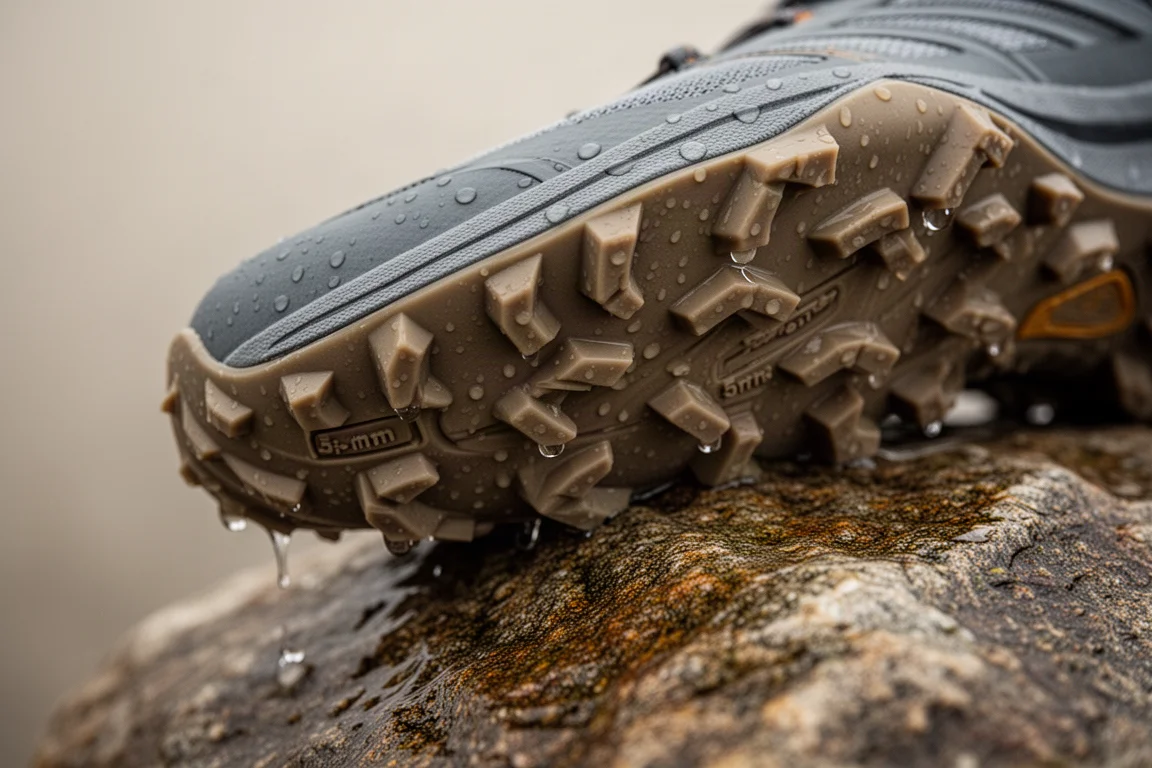
The midsoles look alike at first glance but feel different underfoot. The Hoka is all about softness and a plush ride, soaking up long miles with ease. The Vibram compound in the Norda is a little firmer and takes a couple of runs to bed in and soften up. Once it does, the comfort is genuinely good, and the firmer edge adds a bit more ground feel on technical trails. The balance between comfort and connection is arguably slightly better in the Norda 001, but there is not a lot in it, and both are excellent for runners who like heavily cushioned trail shoes.
Upper Comfort and Fit
The uppers are not a million miles apart, but the Norda 001 clearly has the lighter of the two. It is surprisingly stripped back for a shoe designed for long distances, and its biggest selling point is the biobased Dyneema fabric, which is 15 times stronger than steel of the same weight. That should make the upper very durable over many miles of wear and tear.

The trade-off is at the back of the shoe. The Norda’s gusseted tongue has essentially no padding, and the heel and ankle collar have very little structure; the collar can literally be folded down into the shoe, with only small padding zones inside and outside the ankle. That makes it hard to feel locked down in the heel, and it is the weakest part of the design.
The Speedgoat 5’s tongue is similarly thin, but the back end is far better resolved: a proper heel cup, structure around the ankle collar, well-judged padding, and a flared heel design that eases entry and reduces pressure on the Achilles tendon.
On fit, the Norda 001 offers more volume and width in the toe box, while the Speedgoat narrows slightly toward the toe. The Speedgoat has more midfoot volume, which means runners with shallow feet need to pull the laces tight for lockdown; the Norda fits that midfoot shape a little better out of the box.
Which Shoe Is Better Overall?
Both shoes handle the long stuff well. They soak up long sections of tarmac, keep a good level of connection on uneven trails despite the deep stack, and the Megagrip outsoles inspire full confidence on wet rock. The Norda 001 edges ahead in muddy conditions, but the Speedgoat wins hands down on fit, with far better lockdown around the heel.
If Norda listens to runner feedback and redesigns the ankle collar and heel cup in the next version, the 001 could become a genuinely complete package.
Is the Norda 001 Worth the Price?
At well over double the price of the Speedgoat 5, the answer here is no. The Dyneema upper should be very durable, but the midsole and outsole will break down at the same rate as any other trail shoe, and the poorly designed heel and ankle collar undermine the whole package.
There are real strengths: the Vibram SLE midsole is something of a revelation for comfort and connection, and Megagrip on the outsole is always welcome. But that does not justify £280. For the same money you could buy two pairs of Speedgoat 5s for £260 and still have change left over, rotating the two pairs to extend the lifespan of each. Alternatively, run the Speedgoat 5 in spring, summer and autumn and pair it with something like the Inov-8 X-Talon 260 for the wetter, muddier months, covering the whole year for less than the cost of one pair of Norda 001 Satisfy shoes.
Norda is a much smaller brand than Hoka and is still relatively new to the running shoe industry, and the 001 has clearly created real hype. If production costs come down over the next couple of years, more affordable options could follow.
Conclusion
The Hoka Speedgoat 5 remains the better value pick for most long-distance trail runners: plush cushioning, confident grip, a properly engineered heel and a fair price. The Norda 001 Satisfy brings an innovative Vibram midsole, superb mud performance and a tough Dyneema upper, but the understructured heel and the £280 price tag make it very hard to recommend over two pairs of Speedgoats. If you want one shoe that does the job well, the Speedgoat 5 is the sensible buy.
Product link
View more details for Hoka Speedgoat 5
This product is mentioned in the review. Check the specifications, options, and compatibility before buying.
View more details for Hoka Speedgoat 5Further reading
Related Reviews
Trail Running Shoes
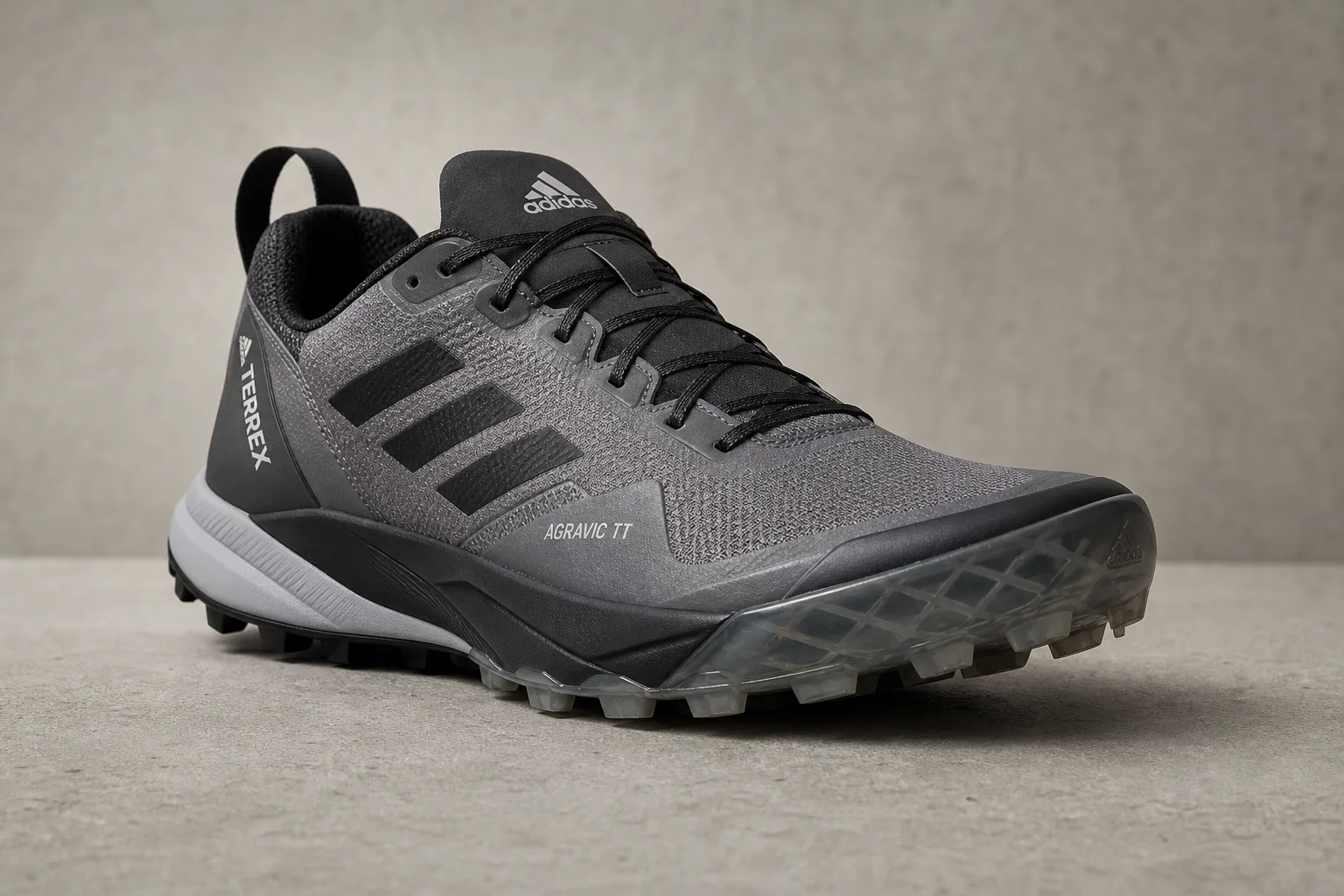
Adidas Terrex Agravic TT Review: A Technical Trail Shoe Built for Rocky Terrain
The Adidas Terrex Agravic TT combines a full-coverage rock plate with a firmer midsole to deliver protection and stability on technical, rocky trails. A capable choice for runners who prioritize underfoot defense over lightweight cushioning.
Trail Running Shoes
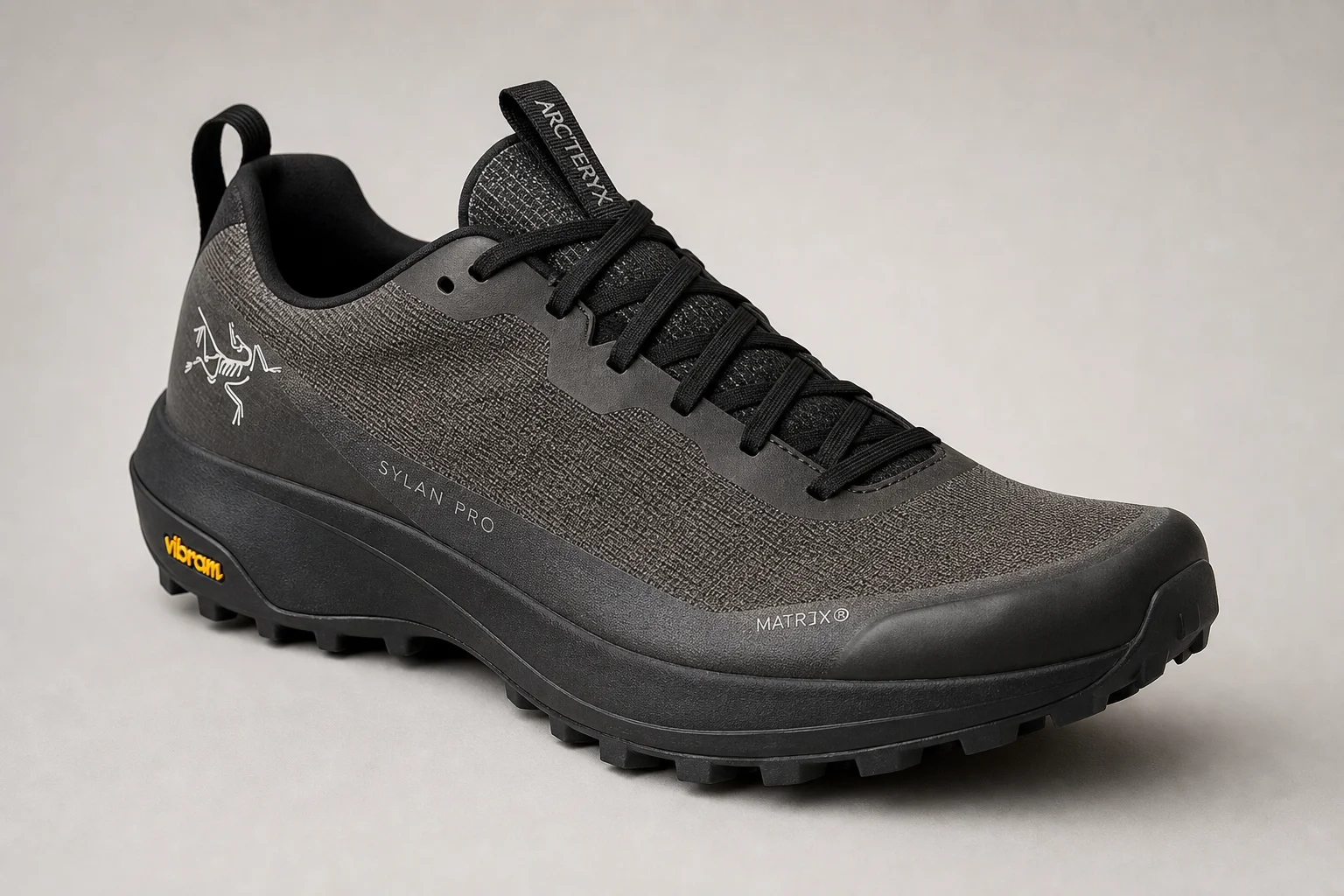
Arc'teryx Sylan Pro Review: A Rocker-Focused Mountain Running Shoe Tested on 20 Miles
The Arc'teryx Sylan Pro brings a pronounced rocker geometry and secure fit to mountain terrain. We tested it on a 20-mile Sawtooth loop to evaluate its climbing efficiency, protection, and handling of technical descents.
Trail Running Shoes
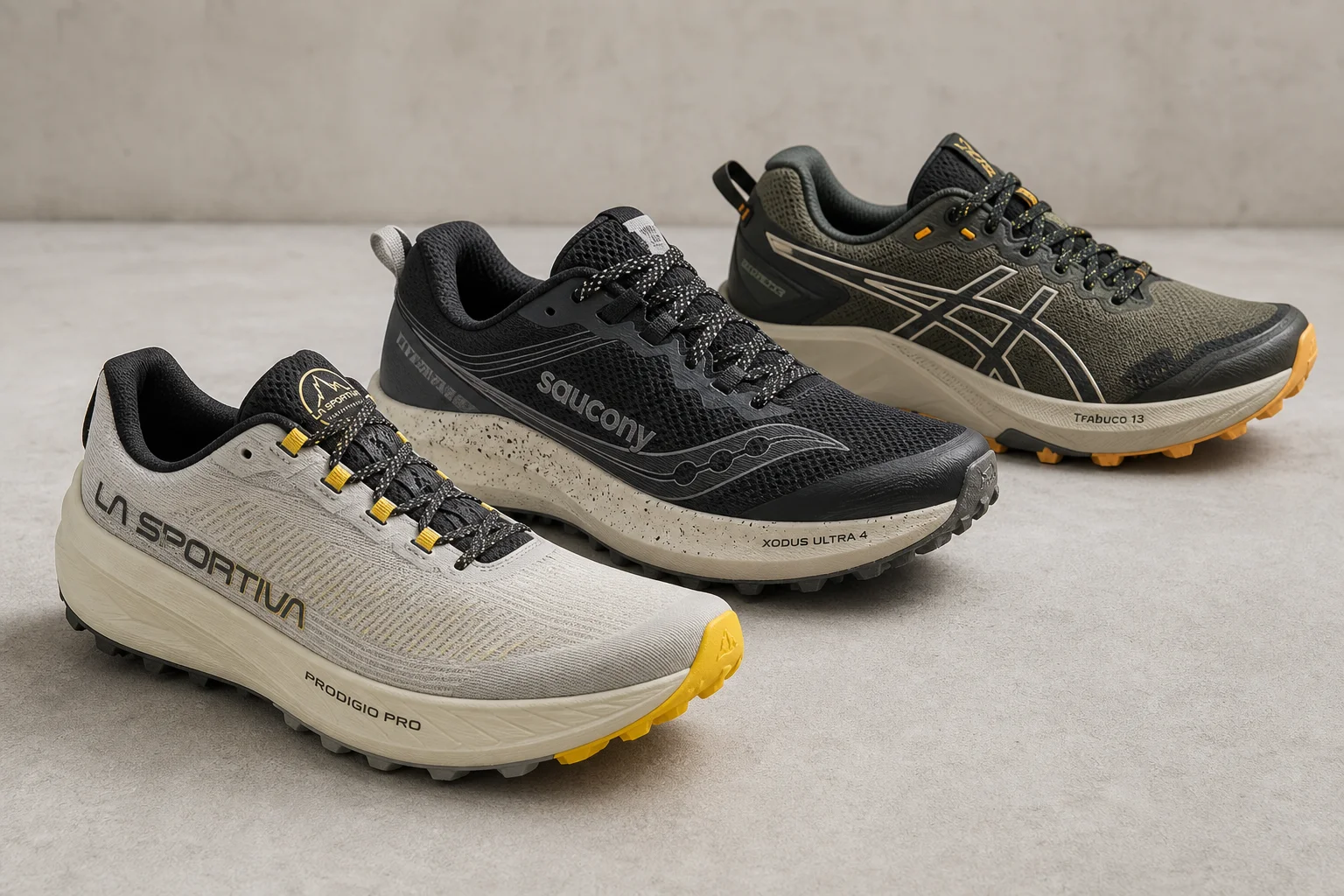
Best All-Mountain Trail Running Shoes: Three Versatile Options for Any Trail
A focused roundup of three all-mountain trail running shoes that handle technical terrain, long distances, and variable conditions with real strengths and practical trade-offs.