Trail Running Shoes
Hoka Speedgoat 5 Long-Term Review: 500 Miles of Trail, Alpine, and Desert Testing
A full year and 500 miles on the Hoka Speedgoat 5, covering wet coastal trails, alpine scrambles, and desert rock, plus what wore out first and why it still earns a repeat purchase.
Introduction
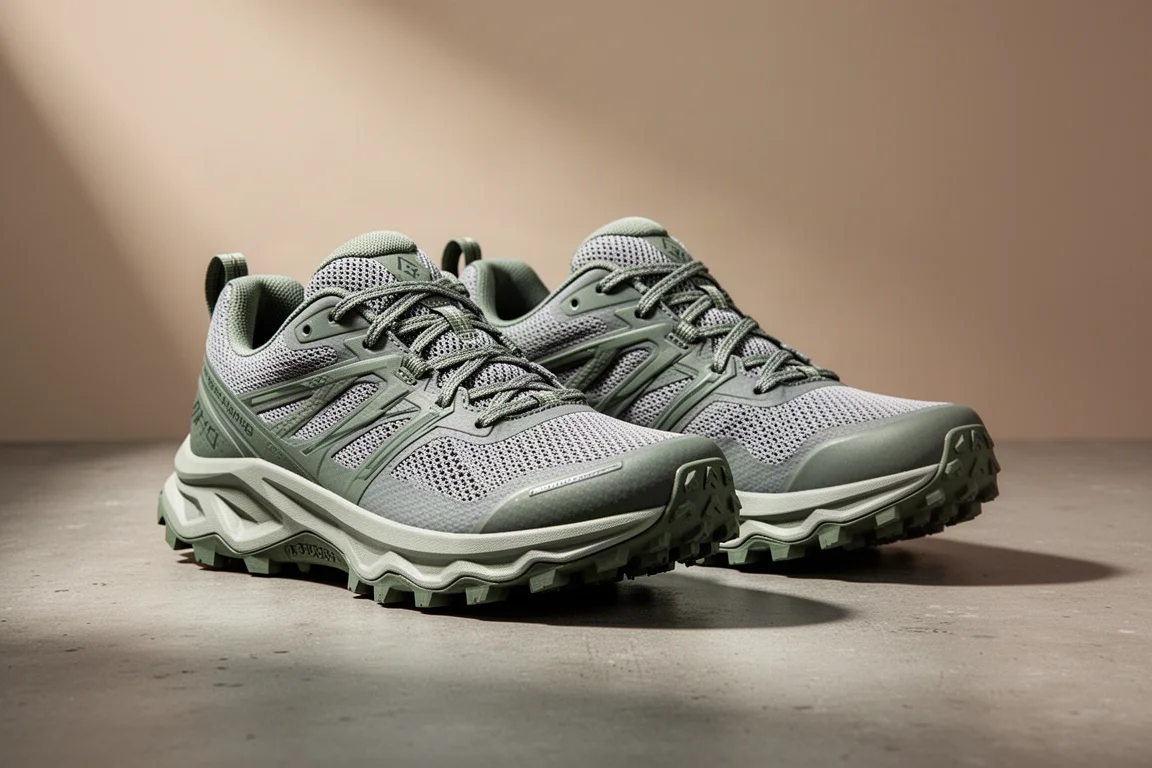
Five hundred miles is enough distance to expose every compromise built into a trail shoe. The Hoka Speedgoat 5 covered roughly that much ground over the course of a year, moving between coastal rainforest, alpine scree, and desert rock, and it finished with a crushed midsole, worn lugs, and holes at both pinky toes.
The final condition tells only part of the story. The previous generation, the Speedgoat 4, had been used on a thru-hike of the Great Divide Trail, where its cushioning and its level of support were exactly what long days on foot required. Durability was the weak point: the outsoles on all three pairs wore out after only a few hundred miles, and the heel area delaminated. So the Speedgoat 5 arrived carrying an obvious question. Had Hoka resolved it?
The answer is a qualified yes, and the details are worth understanding before you spend money.
Who the Hoka Speedgoat 5 Is For
This shoe is aimed at hikers and trail runners who put comfort first over long distances and accept that a heavily cushioned ride has a working lifespan. The Speedgoat 5 kept feet comfortable day after day on the Tour du Mont Blanc, a 100 mile route completed in eight days across rocky and uneven terrain, with no end-of-day foot pain.
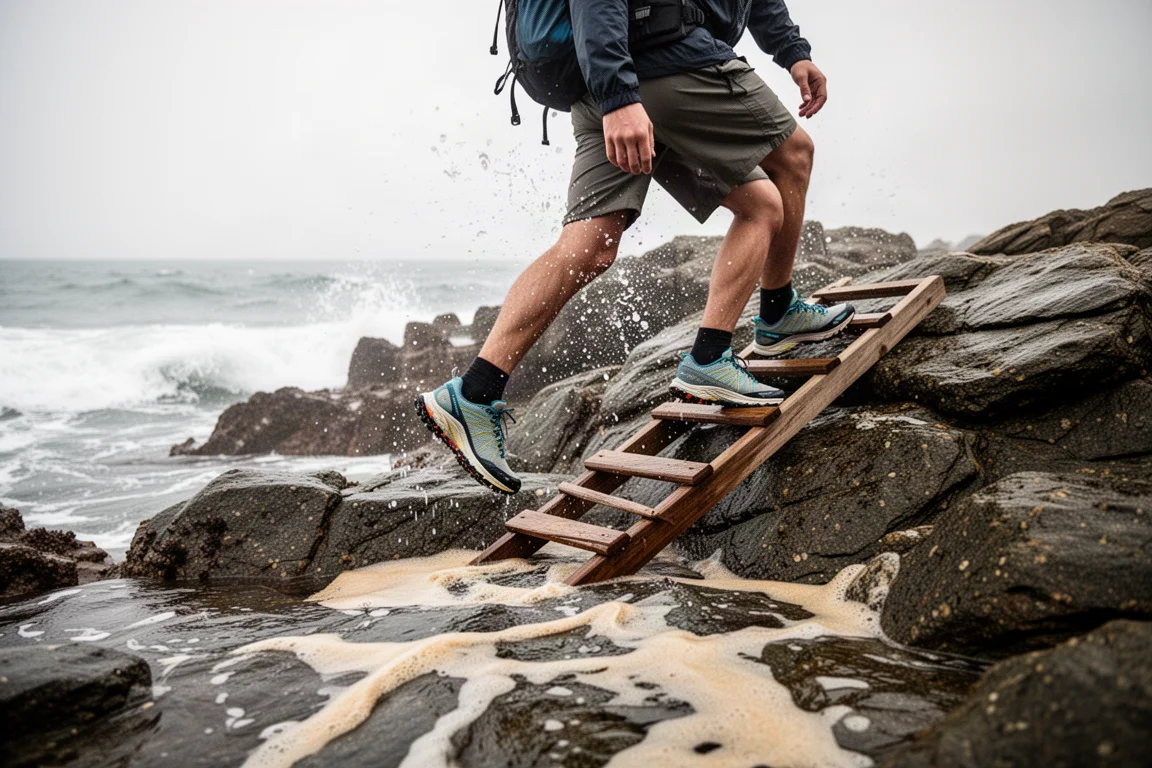
It also suits people who mix hiking with light scrambling and want predictable behaviour on wet ground.
Anyone planning to wear one pair for everything, from daily training to multi-day trips in abrasive terrain, should go in expecting to replace them within a season of hard use. That expectation is realistic rather than disappointing.
Main Strengths: Wet Grip, Long-Distance Comfort, and Heel Durability
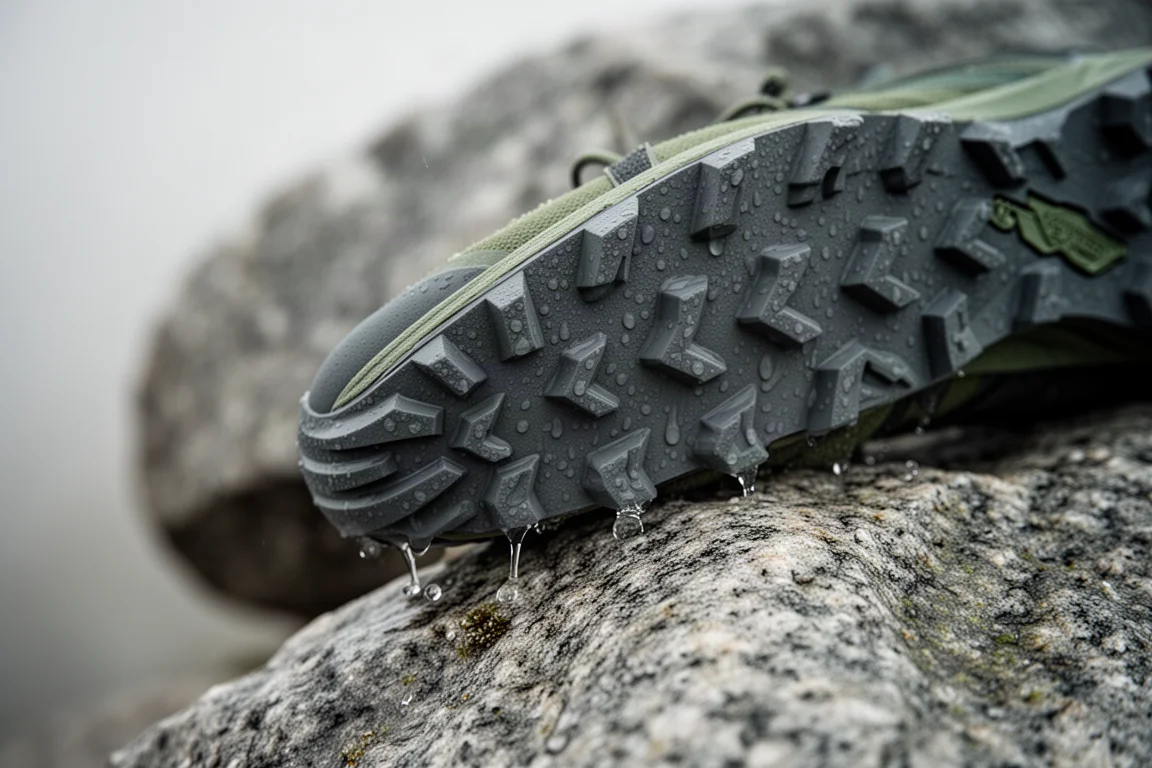
Wet surfaces are where the Speedgoat 5 makes its strongest case. On the West Coast Trail, a 90 kilometre route along the ocean, the shoes stayed wet for the entire trip and were repeatedly soaked in salt water. They came out of it without any durability problems, and the outsole held firm on wet ladders and wet rocks along the shoreline. The Vibram Megagrip sole is the reason.
Long-distance comfort is the second pillar. Across 100 miles in eight days on the Tour du Mont Blanc, over rocky and uneven ground, feet stayed in good shape and no issues developed. That consistency day after day is what separates a shoe that works for a single long outing from one that works for an entire trip.
Heel durability improved noticeably over the previous generation. The Speedgoat 5 adds reinforcements that connect the heel to the rest of the outsole, and the delamination that undermined the Speedgoat 4 did not appear at all.
Things to Consider Before Buying
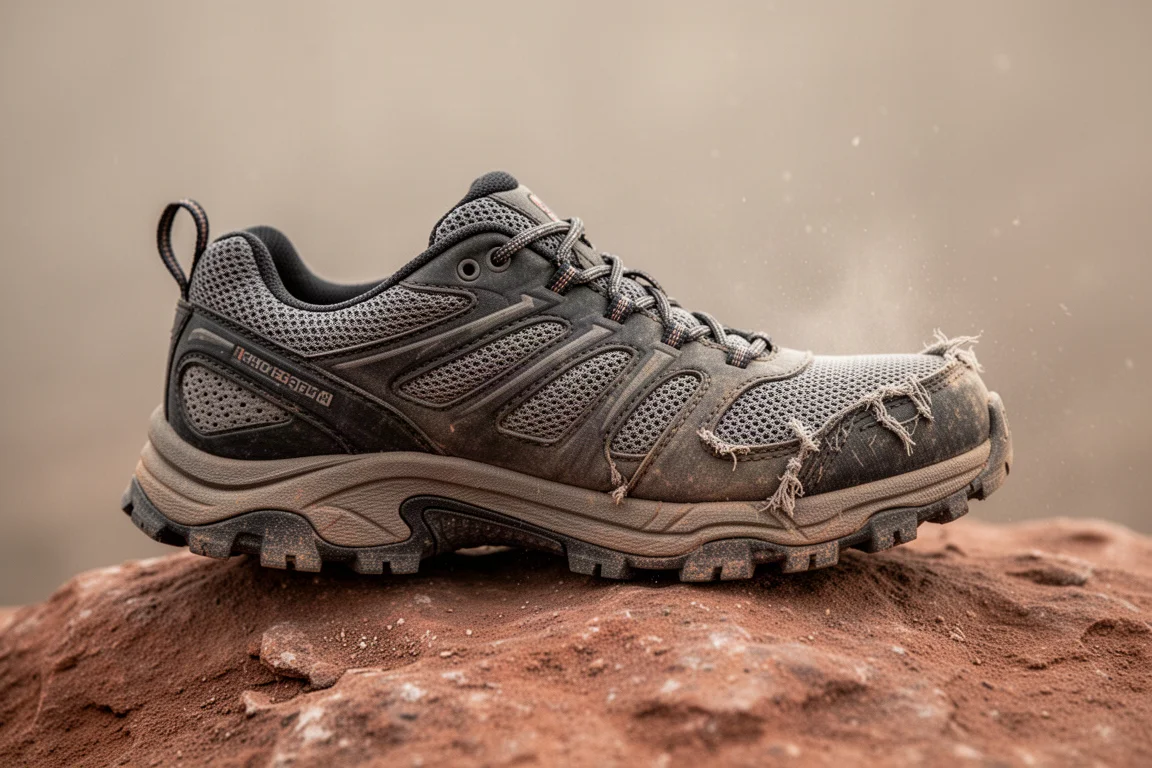
The upper is the main trade-off. The Speedgoat 4 used a material that felt more durable and included overlays that added protection. The Speedgoat 5 upper is stretchier and feels less resistant to abuse. On this pair, both shoes eventually developed holes at the pinky toes, right where the upper meets the midsole.
Two factors could explain that. The upper itself may simply be less durable, and the foot in question may have been slightly wide for the shoe. Both shoes were also used almost like rock climbing shoes on trips that involved moving over and under rocks, which puts concentrated pressure on exactly that area.
Other wear points appeared as the mileage accumulated. The midsole became noticeably crushed, and toward the end, feet started feeling uncomfortable after roughly 20 to 30 kilometres. The outsole lugs wore down as well, which reduced traction on loose soil and muddy terrain compared with earlier in the shoe’s life. The pinky toe holes were the ultimate failure point; without them, another 70 to 80 miles was probably left in the pair.
Cold weather is another consideration. This pair was deliberately kept away from winter conditions around minus 20 degrees Celsius, so there is no basis for judging how the materials behave in deep cold.
Buying Advice
Buy the Speedgoat 5 if comfort over long days matters more to you than maximum abrasion resistance. It is a strong choice for thru-hikes, multi-day routes, and long training blocks where feet need to feel good again the next morning.
If your feet run slightly wide, pay attention to fit before committing, since the failure on this pair happened at the widest part of the forefoot. If you plan to use the shoes for repeated scrambling over rough rock, expect the upper to be the first thing to go.
For anyone whose priority is a durable upper above all else, that trade-off is worth weighing carefully. For everyone else, the combination of cushioning, wet-weather grip, and improved heel construction is compelling enough that the same model was chosen again for the following season of hikes. The heel tab Hoka added to the Speedgoat 5 is a small but welcome detail.
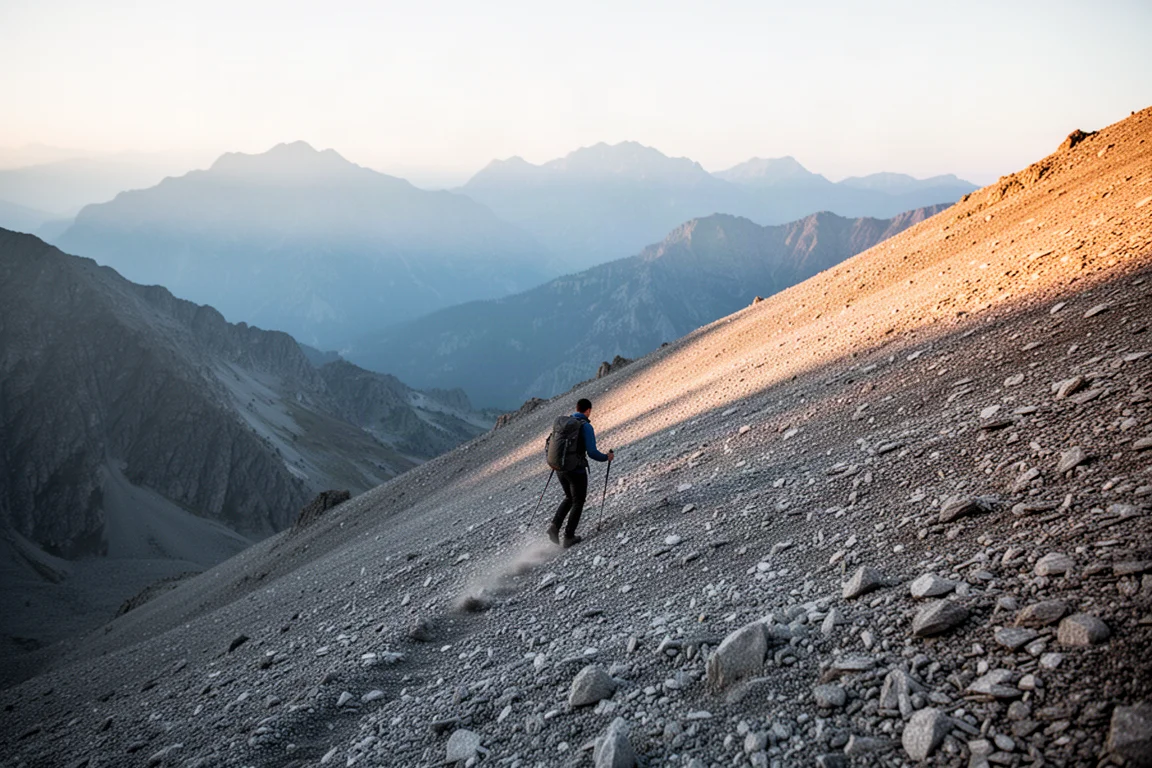
Rotating between two pairs is a practical way to stretch the usable life of a cushioned trail shoe, and it keeps a fresh pair available for the trips that matter most.
Conclusion
The Speedgoat 5 is not indestructible. It has a stretchy upper that wears through at the forefoot, and its midsole softens considerably after several hundred miles. What it does extremely well is keep feet comfortable across long, varied, and punishing terrain, and it resolved the heel delamination that held the previous version back. For hikers and trail runners who value cushioning and grip and who are realistic about lifespan, it remains an easy recommendation.
Product link
View more details for Hoka Speedgoat 5
This product is mentioned in the review. Check the specifications, options, and compatibility before buying.
View more details for Hoka Speedgoat 5Further reading
Related Reviews
Trail Running Shoes
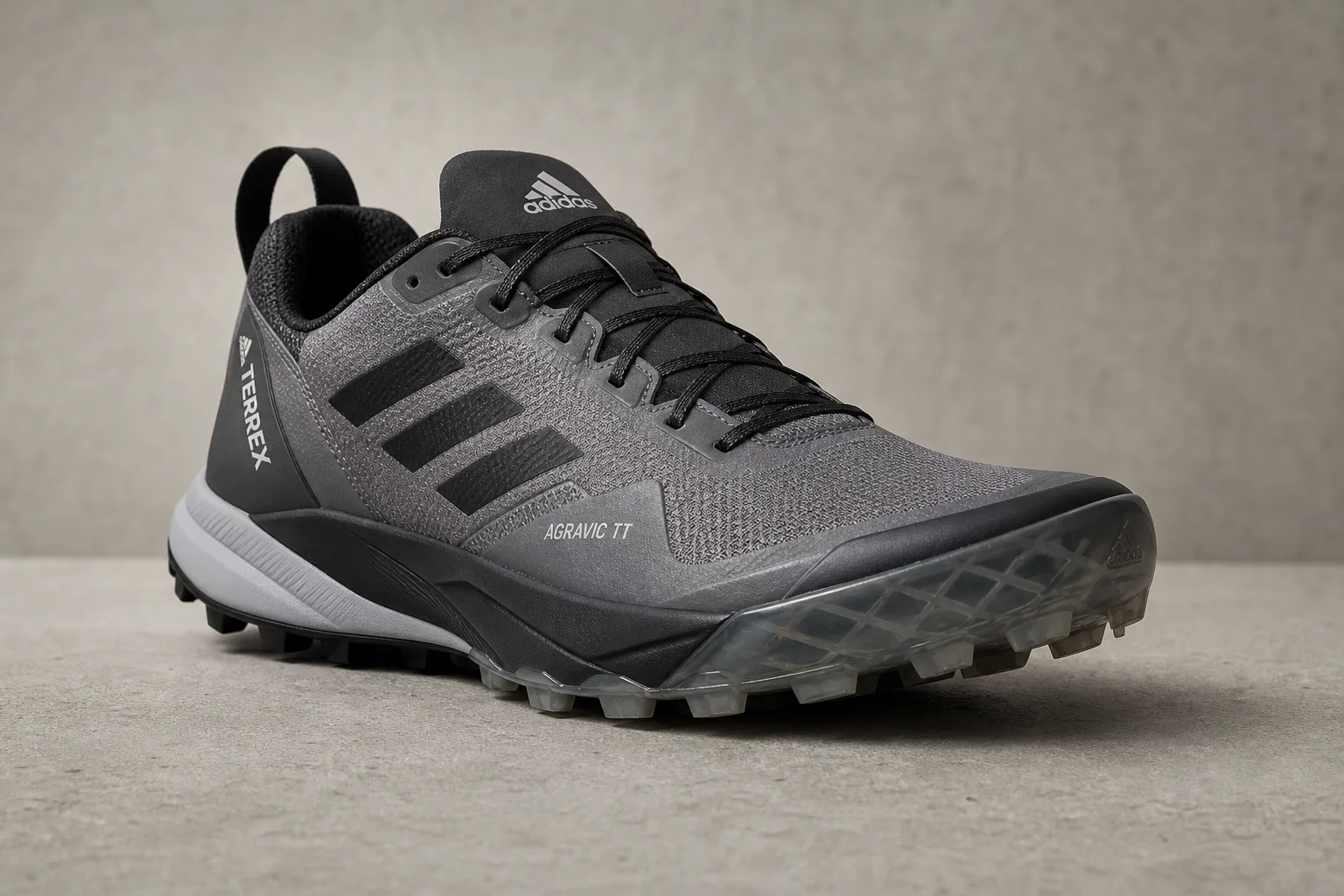
Adidas Terrex Agravic TT Review: A Technical Trail Shoe Built for Rocky Terrain
The Adidas Terrex Agravic TT combines a full-coverage rock plate with a firmer midsole to deliver protection and stability on technical, rocky trails. A capable choice for runners who prioritize underfoot defense over lightweight cushioning.
Trail Running Shoes
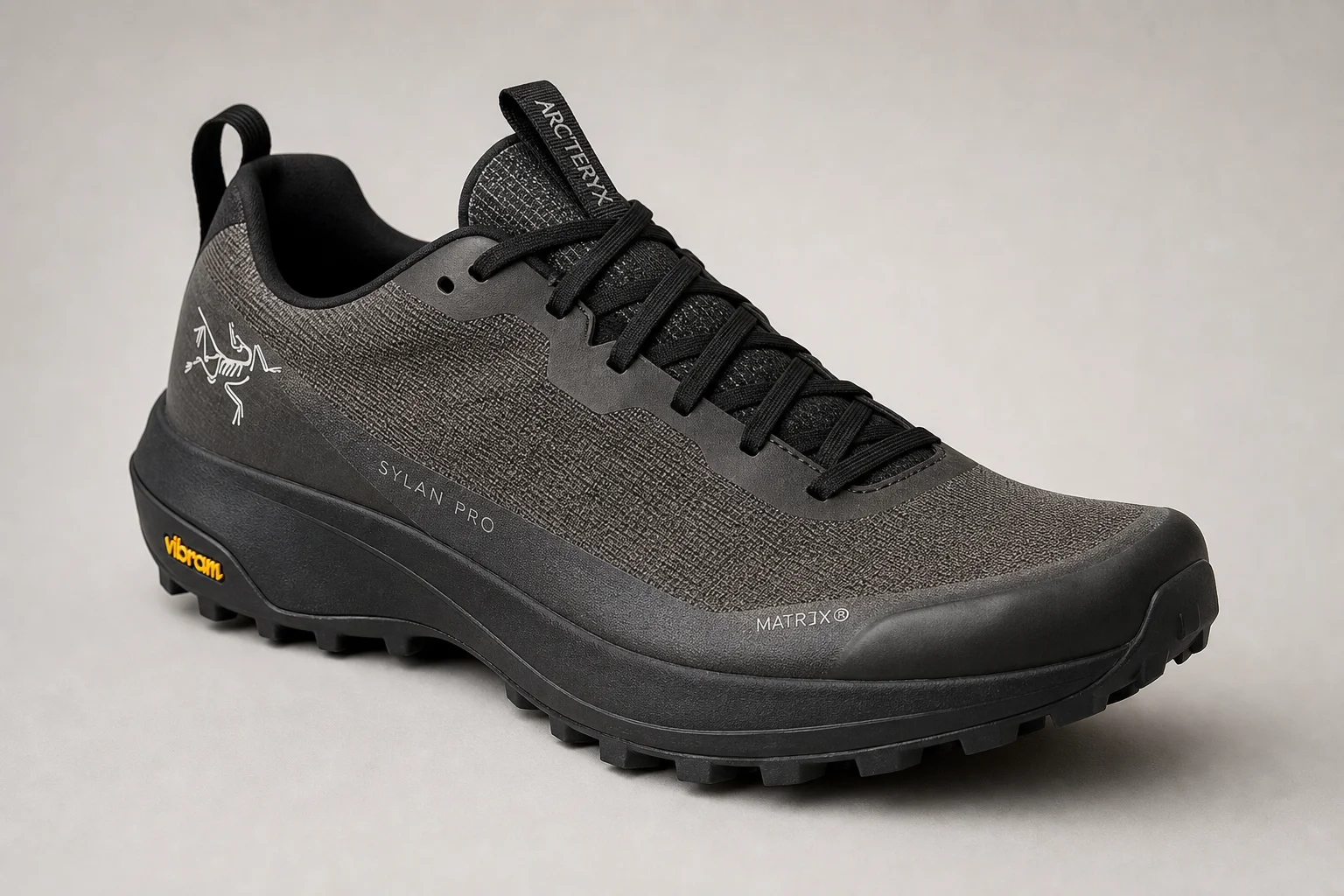
Arc'teryx Sylan Pro Review: A Rocker-Focused Mountain Running Shoe Tested on 20 Miles
The Arc'teryx Sylan Pro brings a pronounced rocker geometry and secure fit to mountain terrain. We tested it on a 20-mile Sawtooth loop to evaluate its climbing efficiency, protection, and handling of technical descents.
Trail Running Shoes
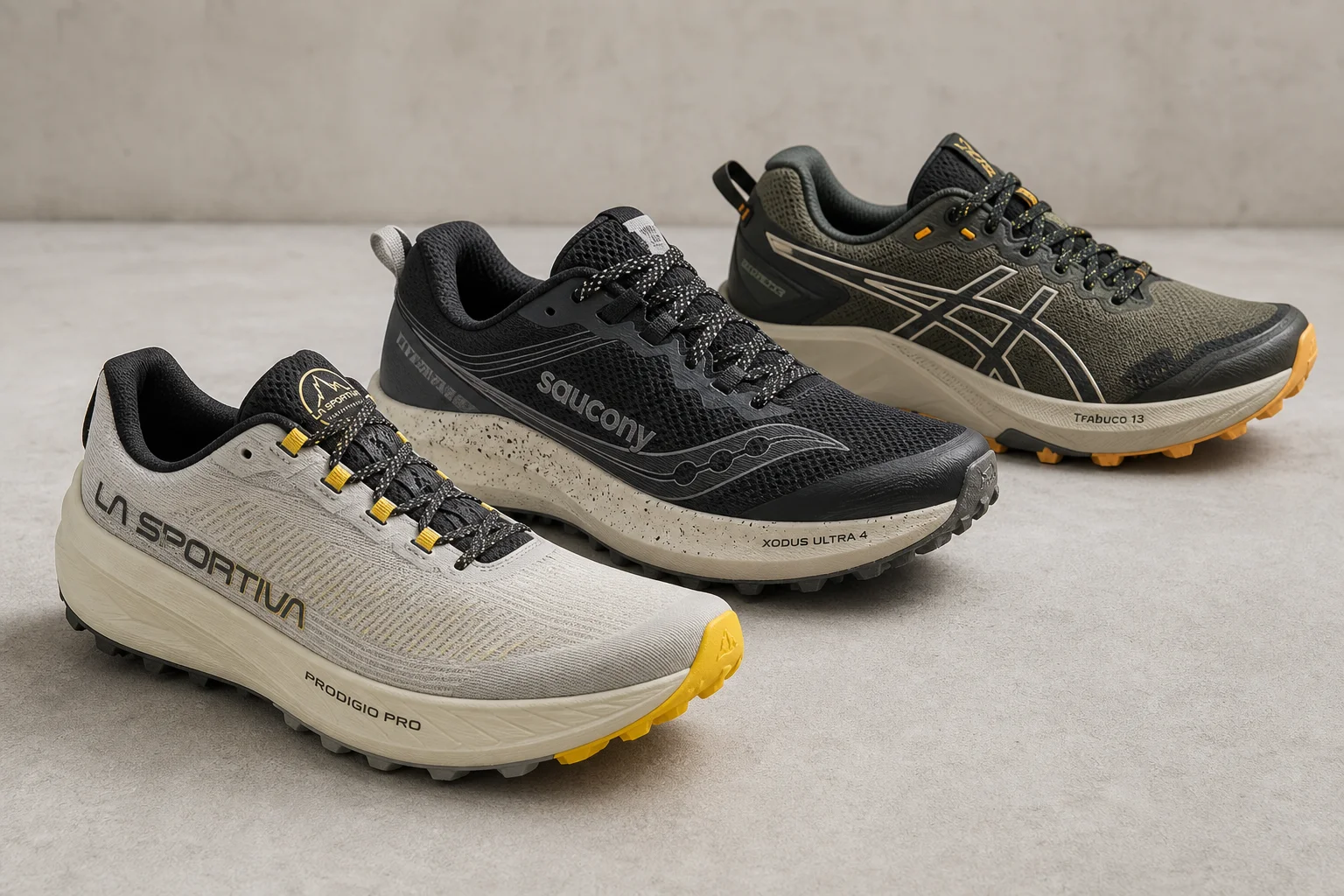
Best All-Mountain Trail Running Shoes: Three Versatile Options for Any Trail
A focused roundup of three all-mountain trail running shoes that handle technical terrain, long distances, and variable conditions with real strengths and practical trade-offs.