Trail Running Shoes
Hoka Speedgoat 4 vs Speedgoat 5: Which One Holds Up Better?
A durability-focused comparison of the Hoka Speedgoat 4 and Speedgoat 5, covering heel and tongue changes, long-term wear, and which shoe suits hikers and trail runners.
Introduction
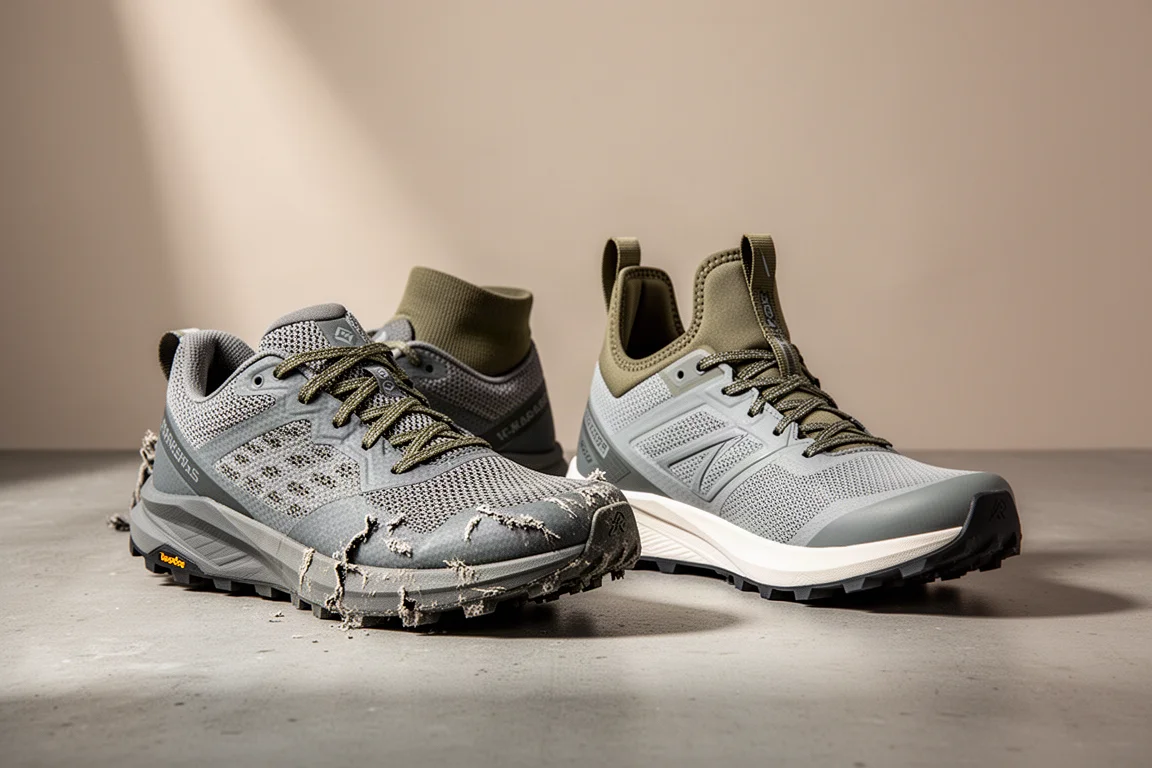
Hoka’s Speedgoat line has earned a following among hikers and trail runners who want something lighter and faster than a traditional hiking boot. The Speedgoat 4 built that reputation. The Speedgoat 5 arrived with a redesigned upper, a different heel collar, and a taller tongue, and those changes are not automatically improvements. After extended use of both models, the picture is fairly clear: the older shoe held up far longer, while the newer one shows significant wear in a fraction of the time.
This comparison looks at what actually changed between the two generations, how each shoe behaves over months of trail use, and which one is worth buying now that the Speedgoat 4 is out of production.
What Changed Between the Speedgoat 4 and Speedgoat 5
The two shoes share the same overall shape and the same intended use. Both are trail shoes that Hoka also positions for hiking, and the line includes waterproof versions, midsole versions, and a version intended for hiking in snow. That positioning matters, because features that are harmless on a groomed path can work against you on rocky, dusty terrain.
The differences between the two generations are concentrated in two places: the heel collar and the tongue. Both were revised for the Speedgoat 5, and both changes affect how the shoe handles dirt, debris, and daily wear.
Weight is the other visible difference. The Speedgoat 5 may feel slightly lighter in the hand, but the difference is small enough that it is hard to notice on foot, and it appears to come with a real cost in durability.
Hoka Speedgoat 4: The Shoe That Lasted a Year
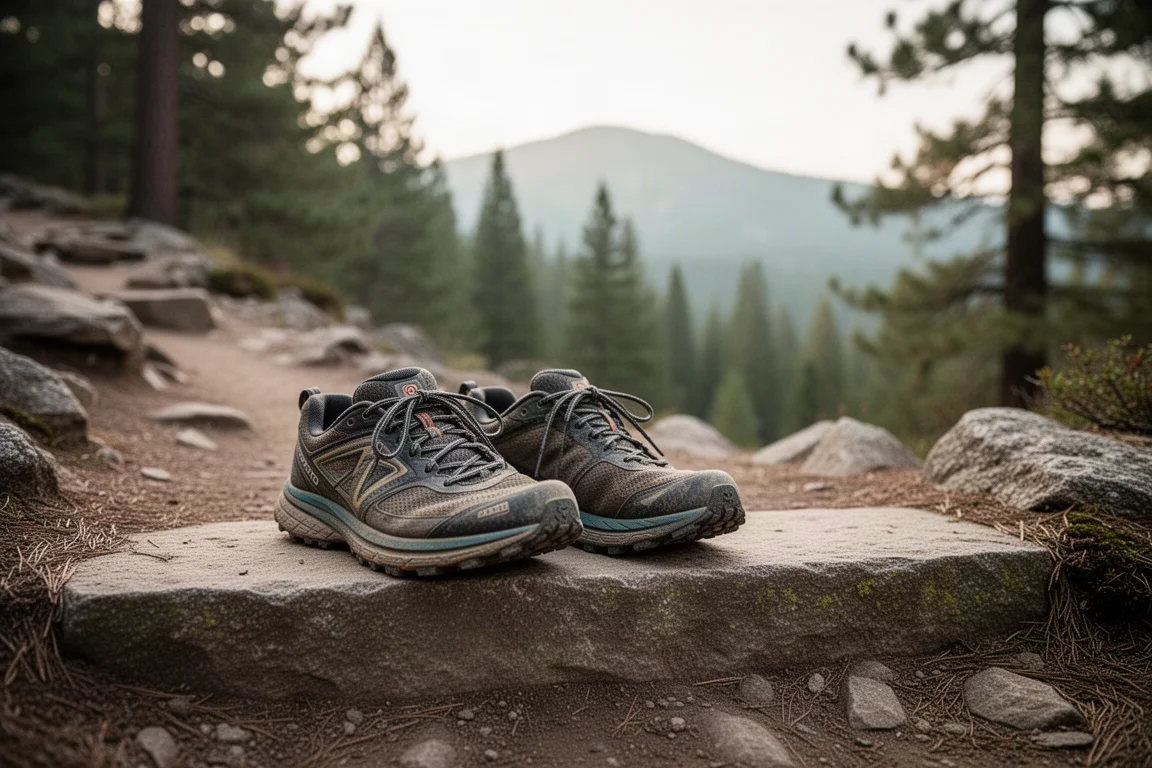
The Speedgoat 4 is a straightforward trail shoe that does not ask much of the wearer. The heel collar sits flush against the ankle, the tongue is low and simple, and the upper hugs the foot closely enough that trail debris stays outside. A small pull tab at the rear helps with entry, though it is not essential, since the shoe is not difficult to put on.
In practice, that combination holds up. A pair used regularly for hiking, trail running, and everyday wear lasted a full year before the lining developed a few small holes. Even then, the shoe remained usable, with no separation of the sole, no tears in the upper, and no collapse of the tongue. For a shoe asked to do three jobs at once, that is a strong result.
There is one practical catch. The Speedgoat 4 is no longer in production, so remaining pairs are limited to whatever stock retailers still hold.
Hoka Speedgoat 5: Lighter, But Quicker to Wear
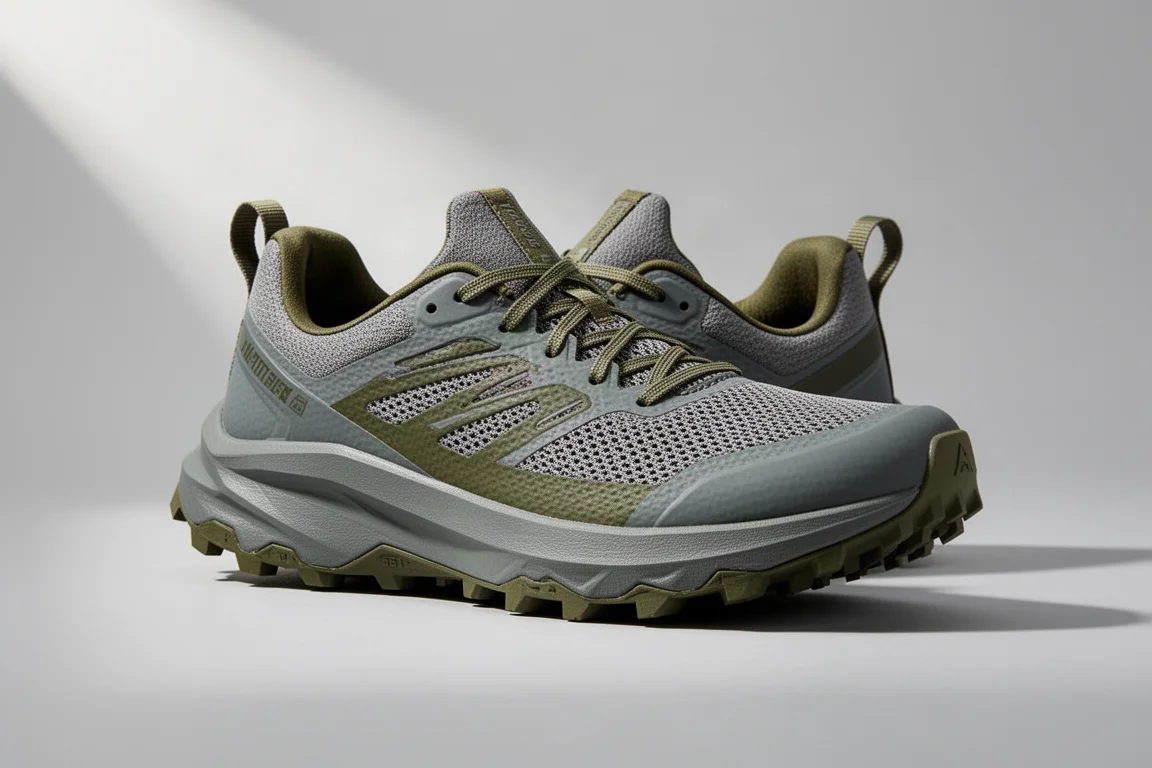
The Speedgoat 5 is the current model, and it is where the design changes become visible. After roughly three months of comparable use, the shoe already shows damage that the Speedgoat 4 took a year to develop: the sole is beginning to separate, a large hole has opened on the side, the tread is failing, and the tongue is breaking down.
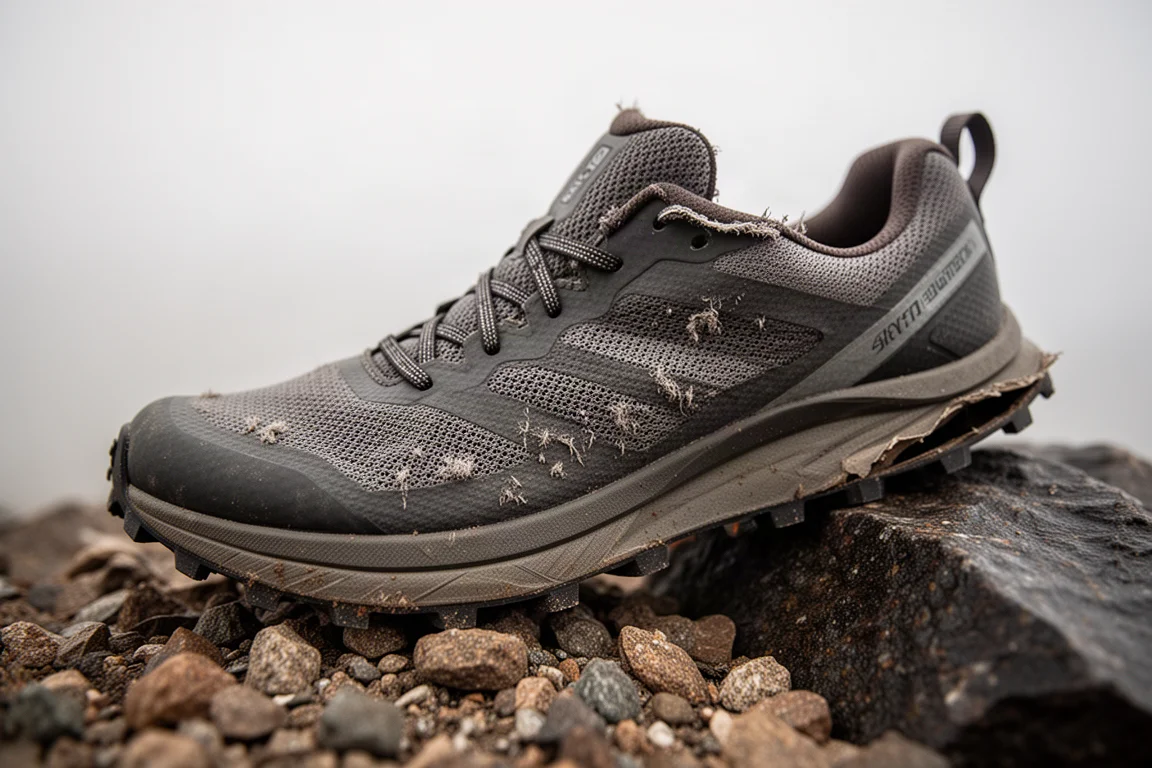
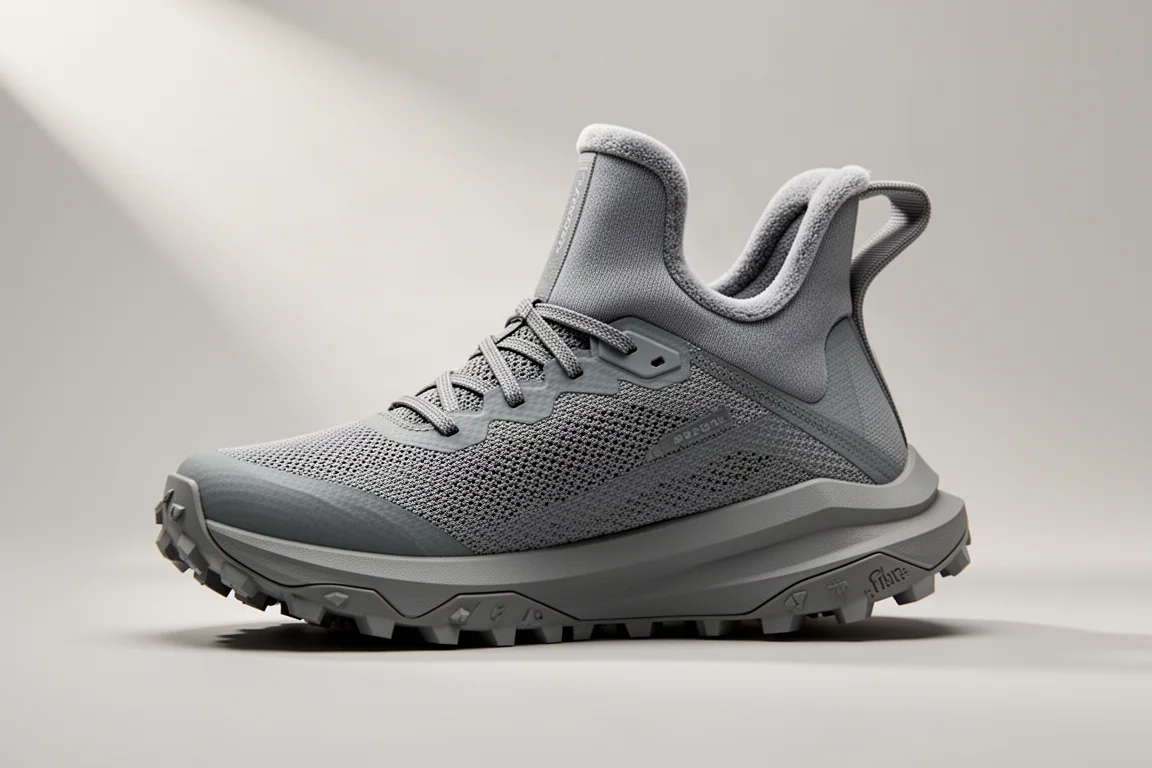
The heel collar is the most obvious change. Instead of sitting flush, it extends outward and away from the ankle. On loose ground, that gap acts as a funnel, collecting dirt, small stones, and grit directly against the heel. The older design, which wrapped the ankle closely, kept that debris out.
The tongue is the second change. The Speedgoat 5 uses a taller, more exposed tongue with soft fabric edges that sit outside the shoe rather than hugging the shin. It does not seal the opening against debris, and it wears quickly at the edges, which is exactly what happened within the first few months of use.
Heel and Tongue: Small Design Changes With Real Consequences
The heel and tongue changes deserve to be separated from the general wear discussion, because they help explain the durability gap. A heel collar that stands away from the ankle leaves a gap where trail debris collects. Grit that sits against the heel does not just feel uncomfortable; it works against the lining and the stitching with every step.
The tongue behaves in much the same way. A low tongue that hugs the shin closes the top of the shoe, so the upper keeps its shape and the opening stays tight. A taller tongue with raw fabric edges sits outside the shoe, exposed to abrasion from rocks, branches, and the opposite shoe, and it has no structural job to do. Both changes add material and complexity without solving a problem the older design had in the first place.
Durability Over Months of Real Use
Durability is where the two generations separate most clearly. The Speedgoat 4 was used for a full year across hiking, trail running, and everyday wear, and it came out of that year with only minor lining damage. It did not fall apart. The Speedgoat 5 reached visible sole separation, side damage, tongue breakdown, and tread wear within about three months of similar use.
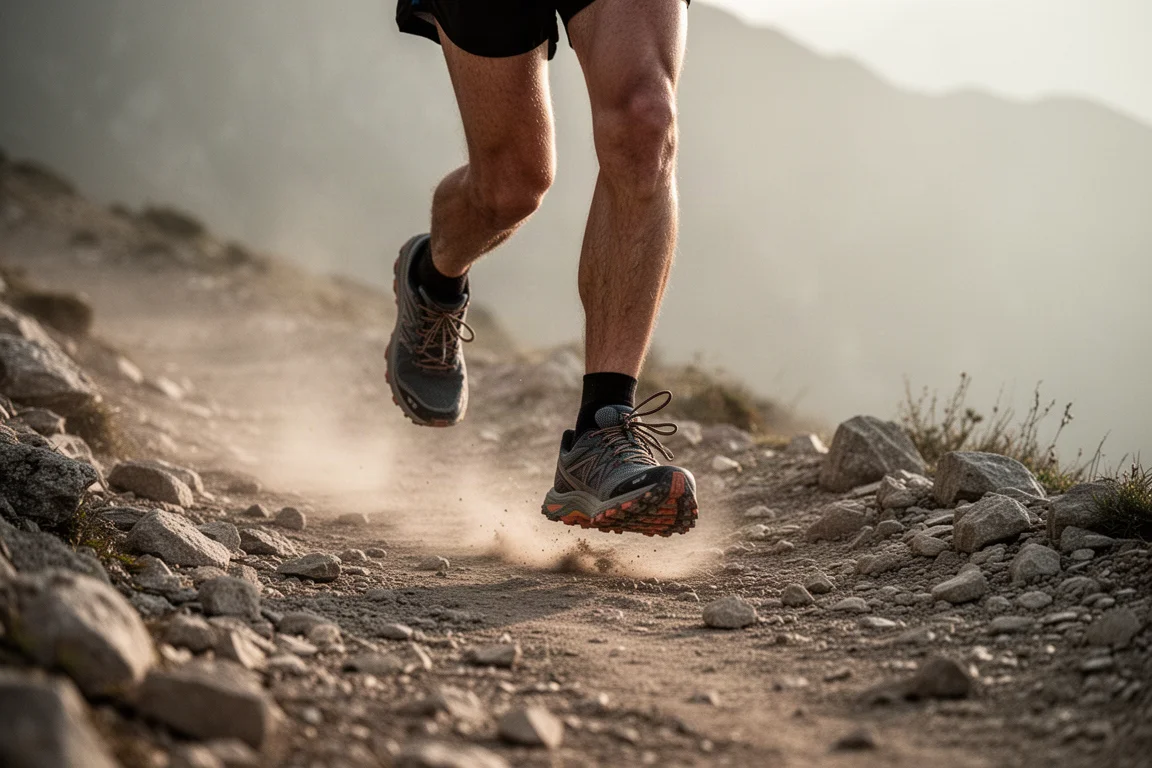
That gap matters for value. A trail shoe that lasts a year of mixed use costs less per mile than one that needs replacing after a season, even if the newer model feels marginally lighter in the hand. Hikers who put real mileage on their shoes will notice the difference long before the shoe is genuinely worn out.
It is also worth noting that the Speedgoat 4 is not indestructible. Lining holes do appear after heavy use, and no trail shoe is immune to wear. The point is the scale of the difference between the two generations, not perfection in either one.
Trail Running, Hiking, and Everyday Wear
Both shoes are designed for the same range of activity. They work for trail running, for day hiking, and for the kind of everyday wear that many owners put trail shoes through. Hoka also offers the Speedgoat line in configurations aimed at specific conditions, including waterproof versions, midsole versions, and a version for hiking in snow.
Because the shoes are used across so many conditions, the heel and tongue details matter more than they would on a shoe kept to groomed paths. Anyone using a trail shoe on mixed terrain will spend time on loose dirt and gravel, which is precisely where a collar that stands away from the ankle causes problems.
Buying Advice: Which Speedgoat Makes Sense Now
The Speedgoat 4 is the better shoe on durability, but it is no longer being made. If you can still find a pair in your size, it is a sensible buy for hikers and trail runners who want a shoe that holds up over a full year of regular use.
The Speedgoat 5 is the current model and the easier one to find. It may feel slightly lighter, but buyers should expect more visible wear in a shorter period, particularly around the sole, the tongue, and the upper. For anyone who prioritizes longevity over a barely noticeable weight difference, the Speedgoat 5 is a harder recommendation at full price.
If you do choose it, check the heel area and the tongue edges early, and treat any sign of sole separation as a signal that the shoe is approaching the end of its useful life rather than something that will resolve itself.
Conclusion
The Speedgoat 4 and Speedgoat 5 look like the same shoe from a distance, but they do not age the same way. The older model held up through a full year of hiking, trail running, and everyday wear. The newer model shows significant damage in around three months, and the revised heel collar and tongue are a large part of the reason. If durability is your priority and you can find remaining stock, the Speedgoat 4 is the stronger choice. Otherwise, go into the Speedgoat 5 knowing that its lighter feel comes with a shorter lifespan.
Further reading
Related Reviews
Trail Running Shoes
Adidas Terrex Agravic TT Review: A Technical Trail Shoe Built for Rocky Terrain
The Adidas Terrex Agravic TT combines a full-coverage rock plate with a firmer midsole to deliver protection and stability on technical, rocky trails. A capable choice for runners who prioritize underfoot defense over lightweight cushioning.
Trail Running Shoes
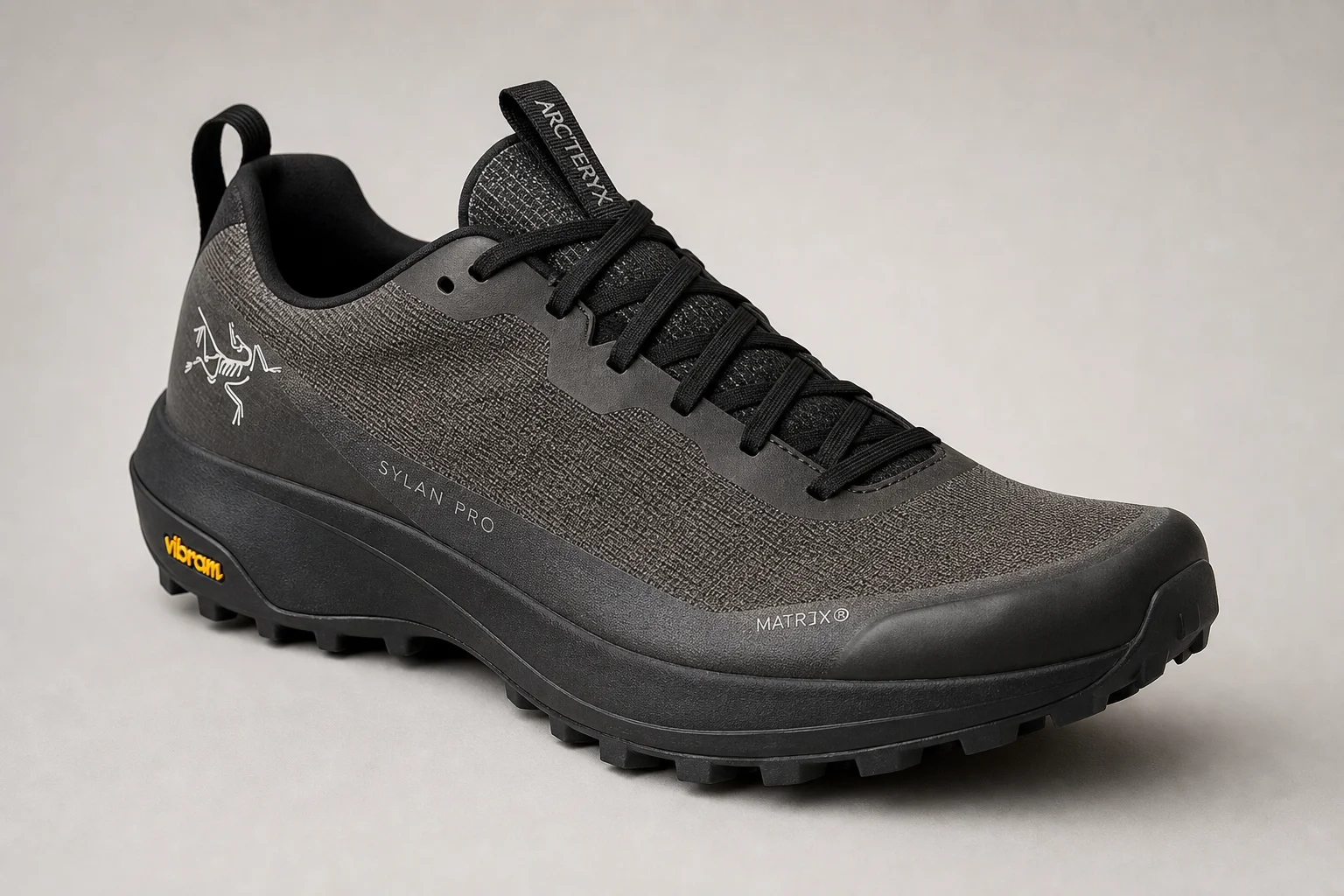
Arc'teryx Sylan Pro Review: A Rocker-Focused Mountain Running Shoe Tested on 20 Miles
The Arc'teryx Sylan Pro brings a pronounced rocker geometry and secure fit to mountain terrain. We tested it on a 20-mile Sawtooth loop to evaluate its climbing efficiency, protection, and handling of technical descents.
Trail Running Shoes
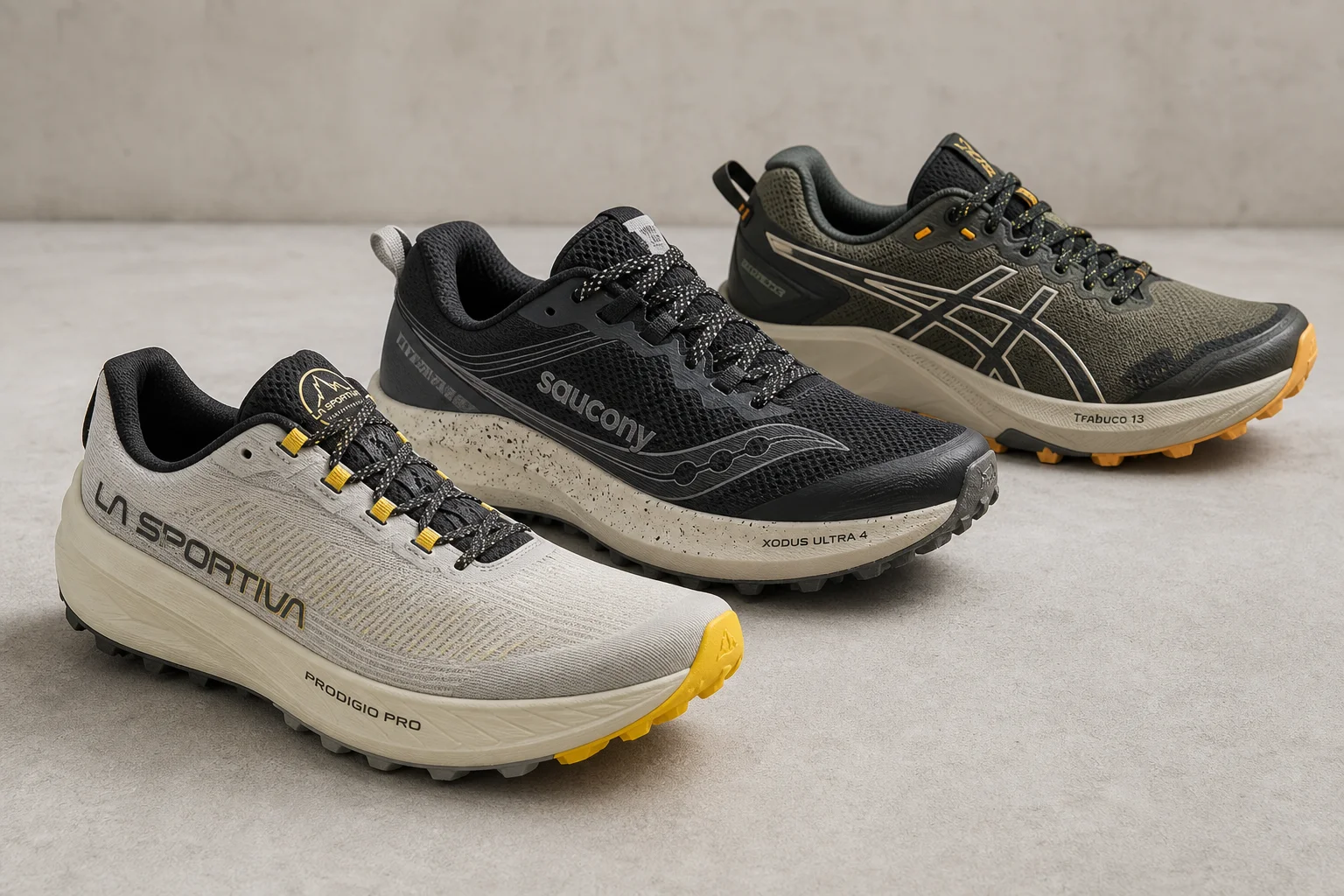
Best All-Mountain Trail Running Shoes: Three Versatile Options for Any Trail
A focused roundup of three all-mountain trail running shoes that handle technical terrain, long distances, and variable conditions with real strengths and practical trade-offs.