Trail Running Shoes
Hoka Speedgoat 4 Review: A Cushioned Trail Shoe Built for Long Miles
A long-term look at the Hoka Speedgoat 4, covering cushioning, grip, durability, warranty, and who should consider it.
Introduction
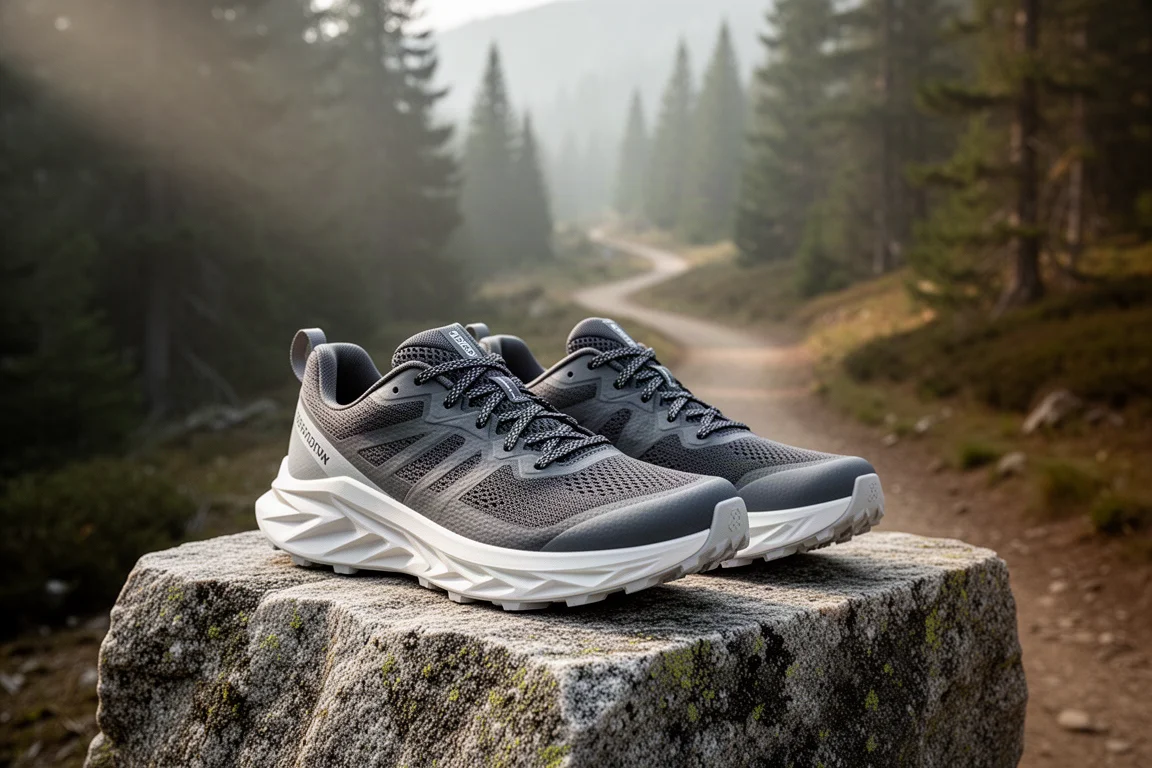
Some trail shoes ask you to accept a trade-off. The Hoka Speedgoat 4 does not, and that becomes clear over hundreds of miles rather than in the first week. On paper, a midsole this thick should feel vague underfoot and should compress long before the outsole wears out. In practice, the shoe has handled extended training, long hiking days, and multi-day 100 mile routes on the Colorado Trail without the foot pain, blistering, and midsole collapse that had come to feel like a normal part of high-mileage shoe ownership.
The story continued with the Speedgoat 5, which has now passed 400 miles without structural problems. Between the two, the Speedgoat line has become the default choice for long, loaded days on rough ground.
Who This Shoe Is For
The Speedgoat 4 makes the most sense for trail runners and hikers who want a lot of cushioning and do not want to give up grip or stability to get it. It also holds up well under heavier loads. At a 200 lb body weight, the foam stayed supportive across hundreds of miles, which is not something every high-stack trail shoe manages.
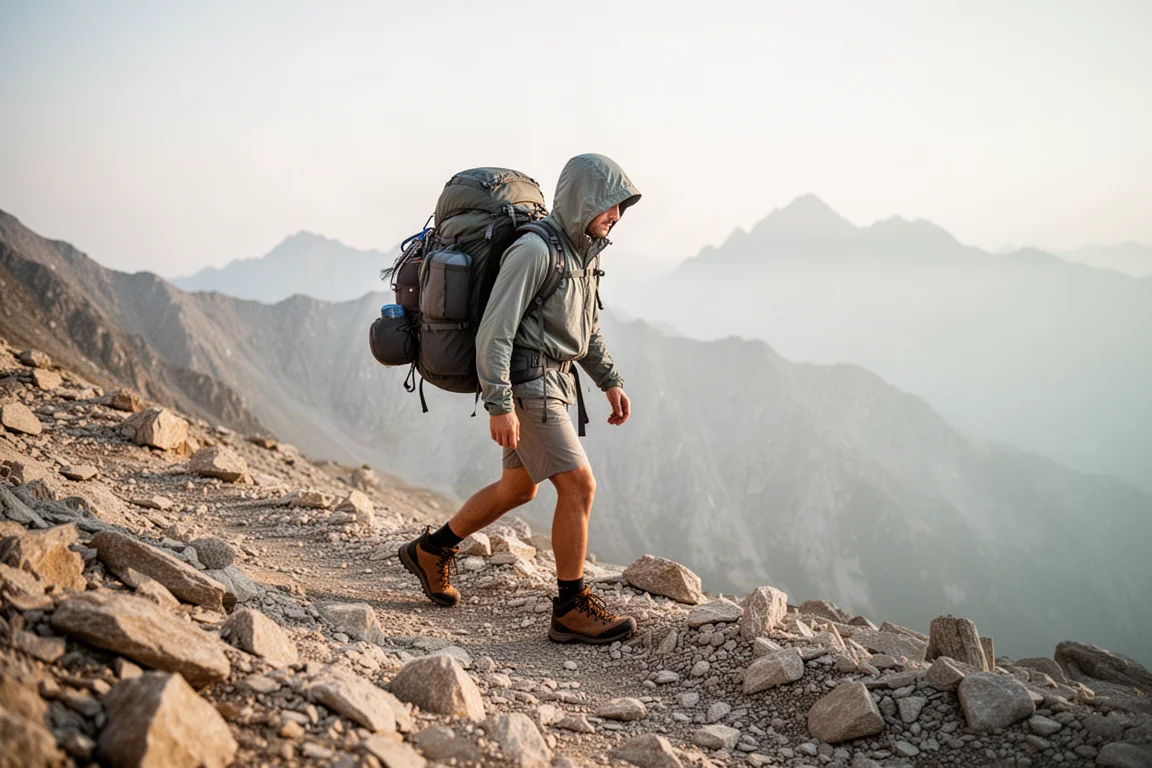
Long-distance hikers and multi-day runners are the clearest fit. On multi-day 100 mile trips, the shoe produced no tender or sore spots and no blisters, and the feet felt noticeably better than they had in previous shoes. If your days regularly run past six hours, that matters more than any spec sheet number.
It is a less natural fit for runners who want firm ground feel or who prefer a more traditional 8 mm heel-to-toe drop. The shoe it replaced here was a Salomon Sense Ride, which uses an 8 mm drop and weighs 10.2 oz.
Cushioning and the Rocker Shape
The foam is the centre of the whole design. It is soft without being vague, light for its volume, and it rebounds rather than packing out, which is why it still feels supportive after hundreds of miles. Despite the visual bulk, the stack height is only about 2 mm taller than the Salomon Sense Ride it replaced.
The outsole shape is just as important. Rather than a flat platform, the bottom is built with a rocker profile that rolls the foot through the stride and reduces the tendency to heel strike. The heel-to-toe drop is 4 mm, roughly half the 8 mm of the previous shoe. That lower drop appears to take pressure off the heels and shin muscles, and the effect is noticeable on long descents.
Grip and Traction
Grip is the other half of the story. The rubber compound holds on sandstone, shell, and granite, and the larger contact footprint adds security in loose, sandy conditions. The shoe stays planted rather than feeling tippy or rolly, which is unusual for something carrying this much foam underfoot.
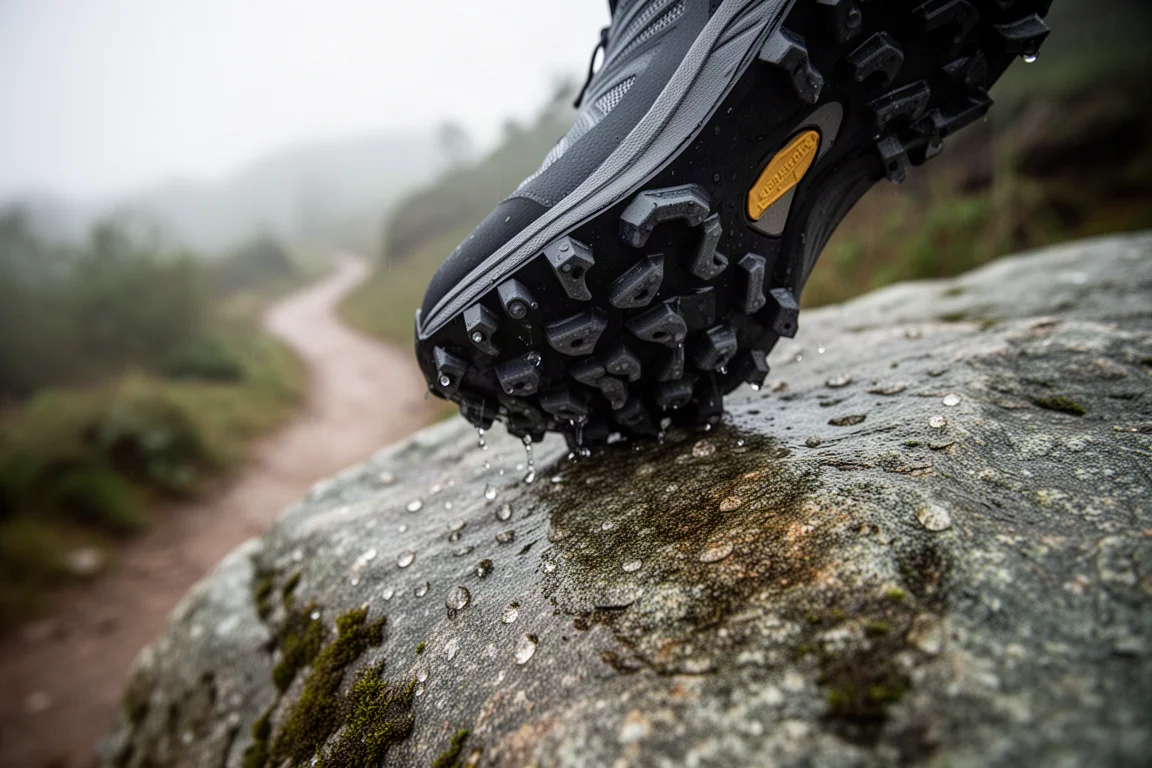
The contrast with the Altra Lone Peak was stark. In sandy, damp sandstone, that shoe’s grip felt unpredictable enough that falls followed, even with its very roomy toe box. For the mixed rock and loose surfaces most trail days actually deliver, the Speedgoat’s grippier compound and wider footprint are the more dependable combination.
Fit, Drop, and Weight
Weight is where the Speedgoat line surprises people. The Speedgoat 5 weighs 10.3 oz, essentially identical to the 10.2 oz Salomon Sense Ride, despite carrying a far larger midsole. That near-parity is why the shoe does not feel like a heavy, overbuilt hiker on the run.
The 4 mm drop is the bigger adjustment. Coming from an 8 mm shoe, the first few outings feel different, and a lower drop is best introduced gradually if you are used to a taller heel. Once adapted, the position encourages a more midfoot-oriented stride and takes load off the heel and shin.
Long-Term Durability and Wear
Hundreds of miles on the Speedgoat 4 and more than 400 miles on the Speedgoat 5 have produced no midsole collapse and no foot-alignment problems. That is the headline, and it is the reason the shoe keeps coming back into rotation.
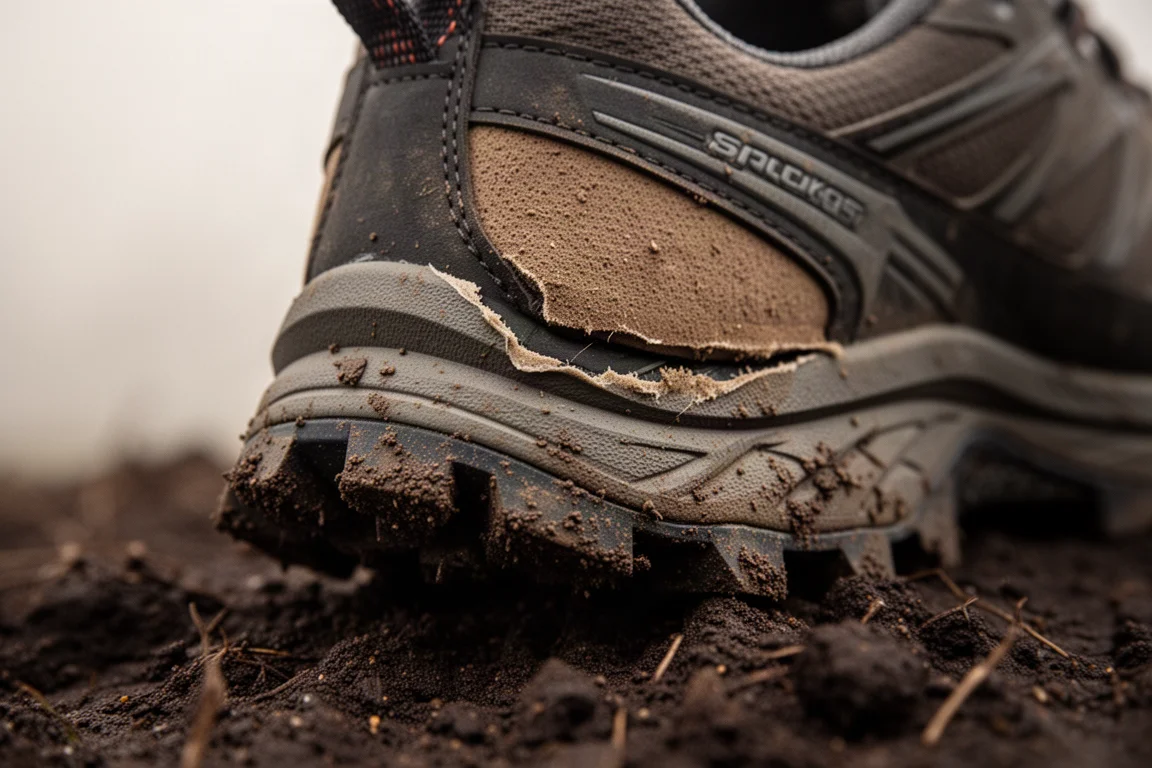
The one issue that did appear was mechanical rather than structural. On a late-season trip, the hard heel rubber began to pull away from the softer rubber above it, opening a small tear at the back of the shoe. The conditions were telling: cold, wet mud that glued itself to the outsole, combined with a lot of kicking and dragging of feet. It was a repair rather than a failure, and a little super glue closed it.
What to Consider Before Buying
Price is the first thing to weigh. At around $150, the Speedgoat 4 is not the cheapest trail shoe available, though the mileage it returns changes the calculation. If a shoe survives hundreds of miles without collapsing, the cost per mile is lower than the sticker suggests.
Warranty coverage is worth understanding before you buy. Hoka’s warranty runs for one year. In this case, a heel tear was acknowledged as a warranty-type issue, but the pair had been purchased two years earlier, so it fell outside the window and was not covered. Keeping the receipt and checking the shoe over early in its life is a sensible habit.
It is also worth saying that this is not a verdict against other brands. Salomon trail shoes suit plenty of runners, including one who covered 240 miles in a pair happily. The point is narrower: for a heavier runner covering long, rough days, the Speedgoat has been the more comfortable and more durable option.
Buying Advice
If you want one trail shoe for long, cushioned days on technical ground, the Speedgoat 4 is an easy recommendation. It pairs a genuinely comfortable midsole with grip that holds on rock and loose surfaces, and it keeps its shape far longer than most shoes in this category.
Buy it if you are logging long days, carrying a pack, or running trails where descending confidence matters. Look elsewhere if you want a firm ride, a shallow stack, or an 8 mm drop. And if the fit works for you, buying a second pair ahead of a big season is a reasonable move, because the durability record is the strongest argument for the shoe.
Conclusion
The Speedgoat 4 earns its reputation over distance, not in the shop. Soft, light foam, a rocker-shaped outsole, a 4 mm drop, and reliable grip combine into a shoe that has stayed comfortable and structurally sound across hundreds of miles, with a single heel tear as the only blemish. At around $150 with a one-year warranty, it is a considered purchase rather than a cheap one, and for high-mileage trail use it is one that holds up.
Product link
View more details for Hoka Speedgoat 4
This product is mentioned in the review. Check the specifications, options, and compatibility before buying.
View more details for Hoka Speedgoat 4Further reading
Related Reviews
Trail Running Shoes
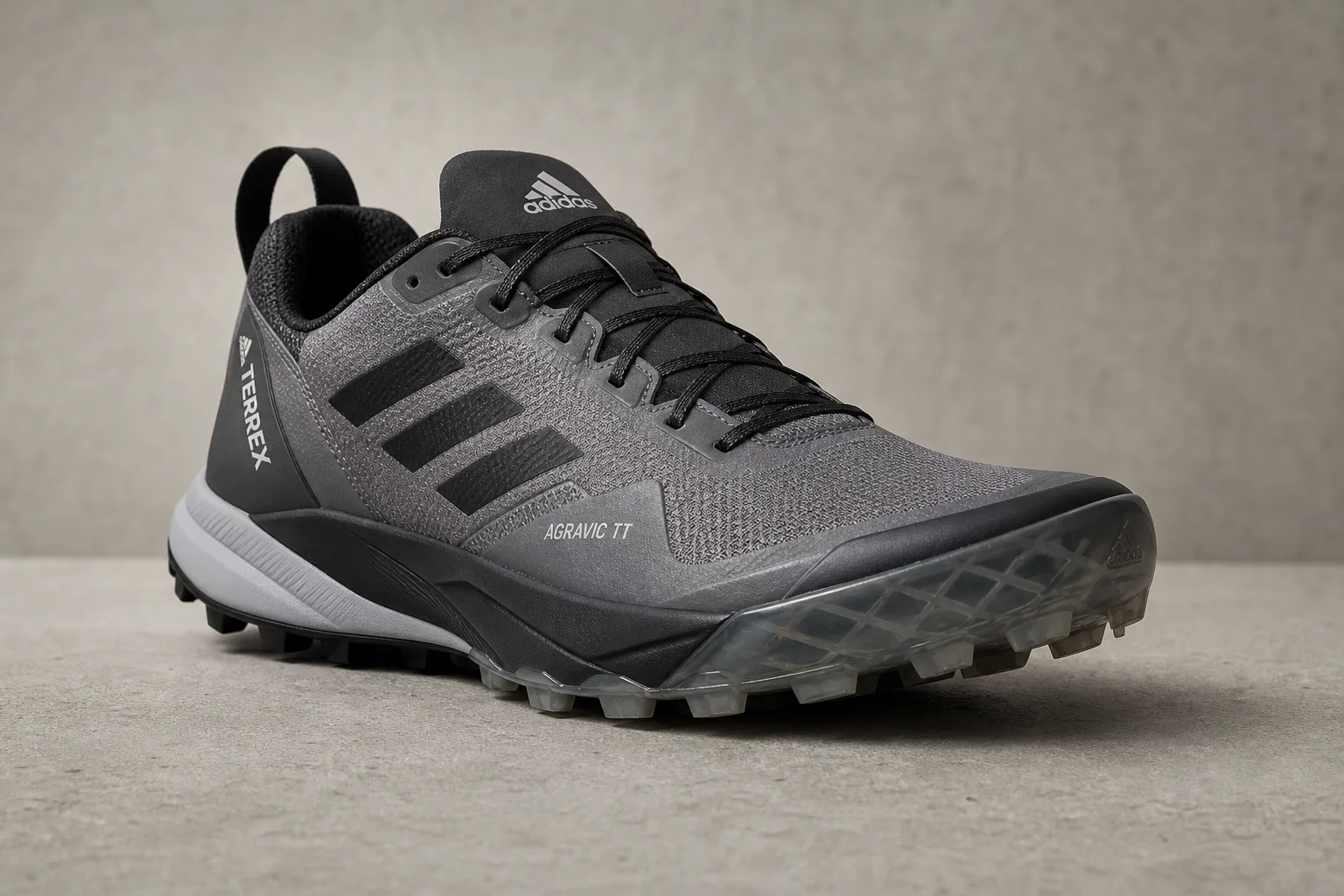
Adidas Terrex Agravic TT Review: A Technical Trail Shoe Built for Rocky Terrain
The Adidas Terrex Agravic TT combines a full-coverage rock plate with a firmer midsole to deliver protection and stability on technical, rocky trails. A capable choice for runners who prioritize underfoot defense over lightweight cushioning.
Trail Running Shoes
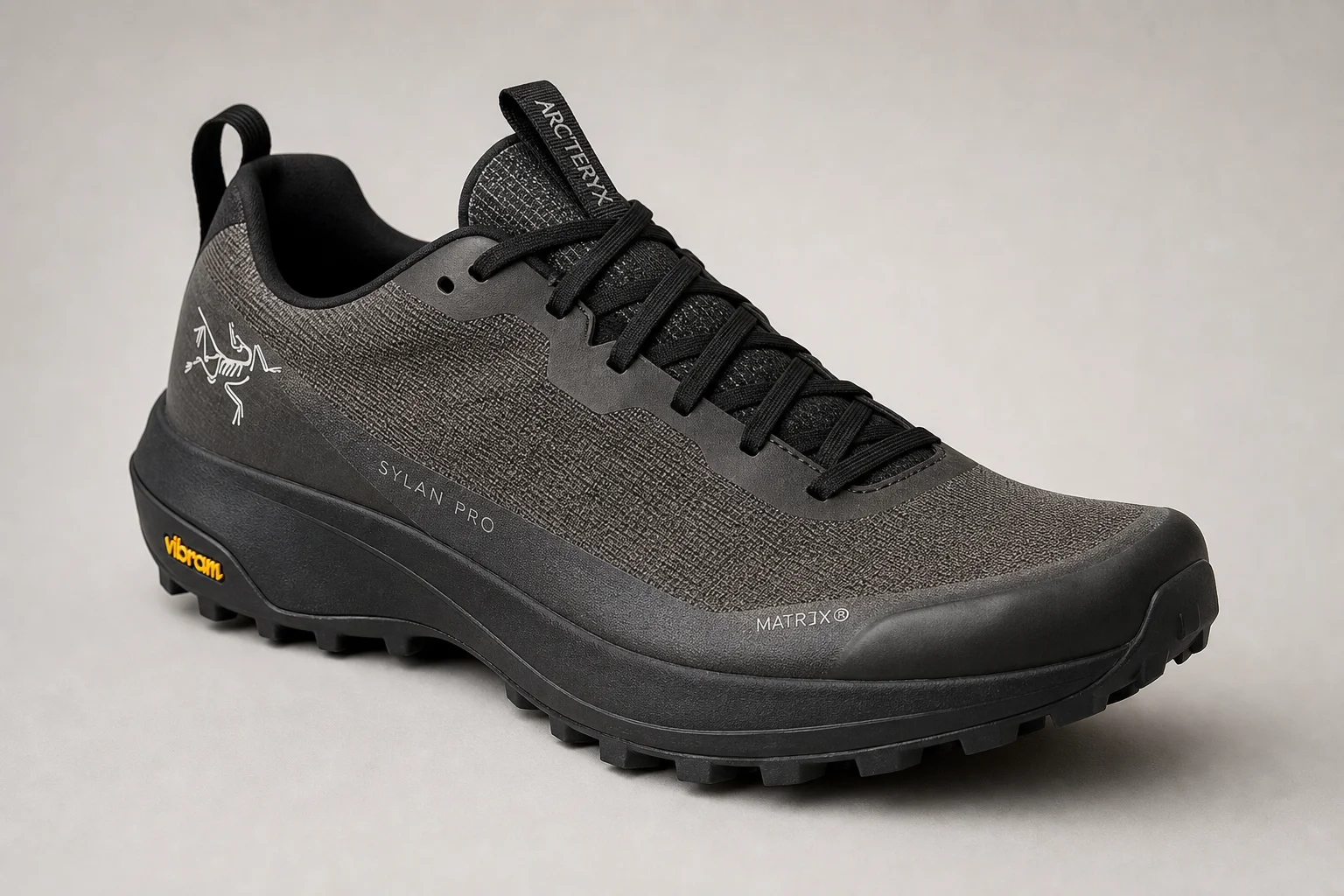
Arc'teryx Sylan Pro Review: A Rocker-Focused Mountain Running Shoe Tested on 20 Miles
The Arc'teryx Sylan Pro brings a pronounced rocker geometry and secure fit to mountain terrain. We tested it on a 20-mile Sawtooth loop to evaluate its climbing efficiency, protection, and handling of technical descents.
Trail Running Shoes
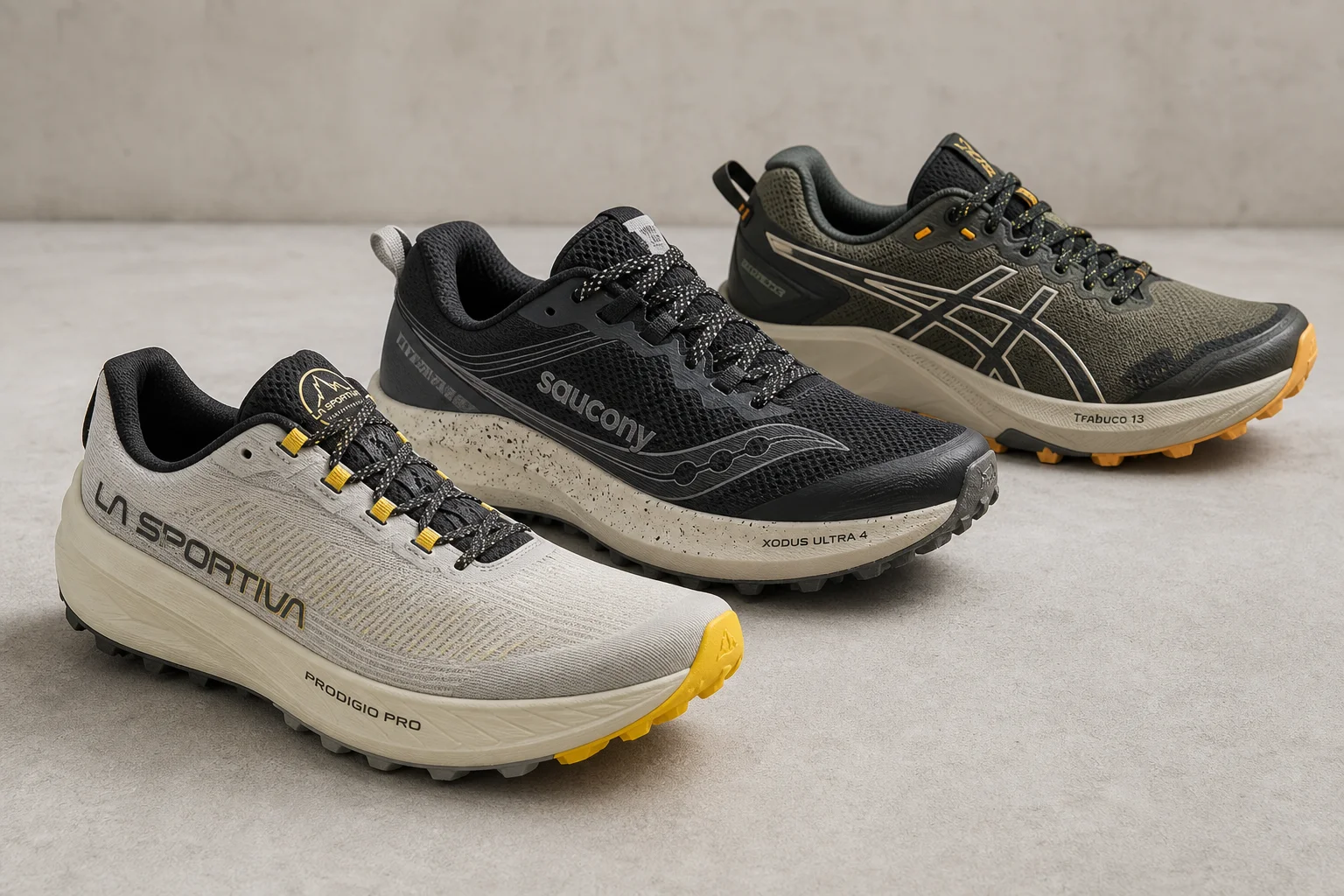
Best All-Mountain Trail Running Shoes: Three Versatile Options for Any Trail
A focused roundup of three all-mountain trail running shoes that handle technical terrain, long distances, and variable conditions with real strengths and practical trade-offs.