Running Shoes
Hoka Solimar First Look: A Gym-to-Running Shoe With Clear Limits
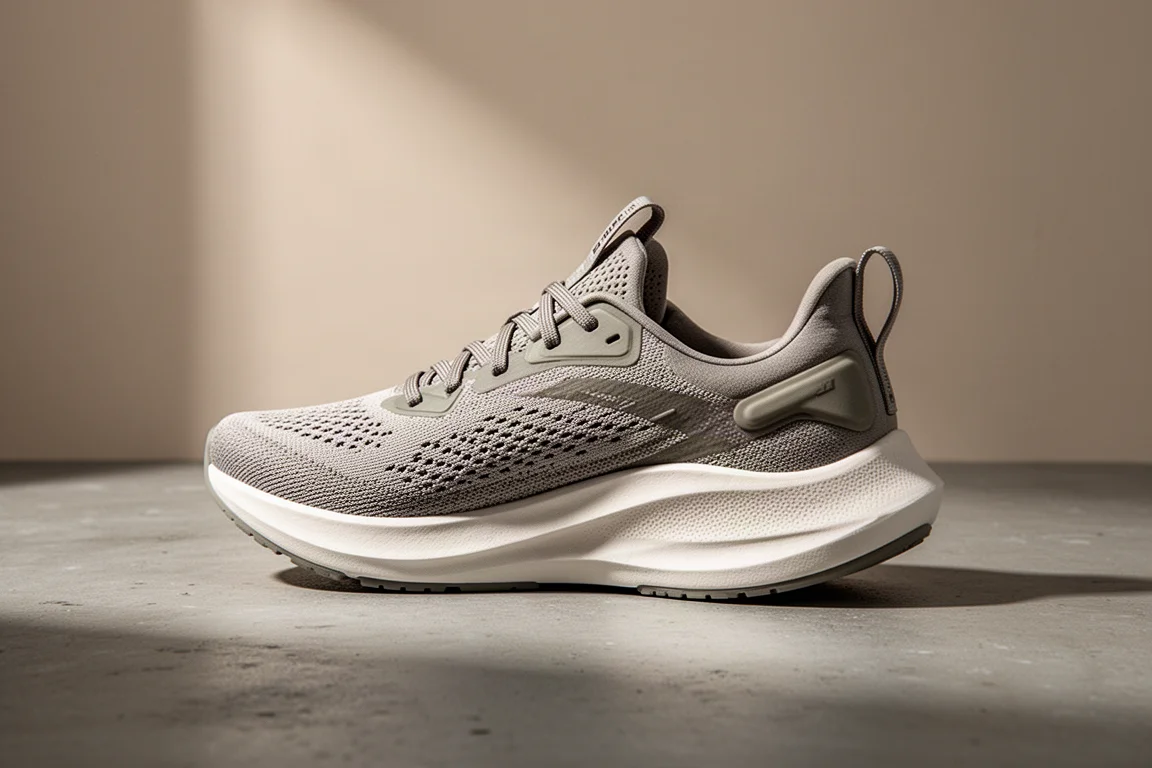
The Hoka Solimar keeps things simple with a lean build and firm ride, but our first-run testing shows it works best as a gym shoe with short runs on the side.
Introduction
The Hoka Solimar is positioned as a daily running shoe with a focus on simplicity, but after a first run in it, it reads more like a gym-to-running hybrid than a dedicated runner. Hoka prices it at $125 or £105, and it weighs 231 grams (8.1 ounces) for men in a size 8, with a 6mm drop. This first look breaks down what it does well, where it falls short, and who it actually makes sense for.
First Impressions and Fit
The Solimar is true to size, and we would not size up or down. Like most Hoka shoes it runs narrow, and this one feels a touch narrower than many recent Hoka releases, so that is worth factoring in if you have wider feet.
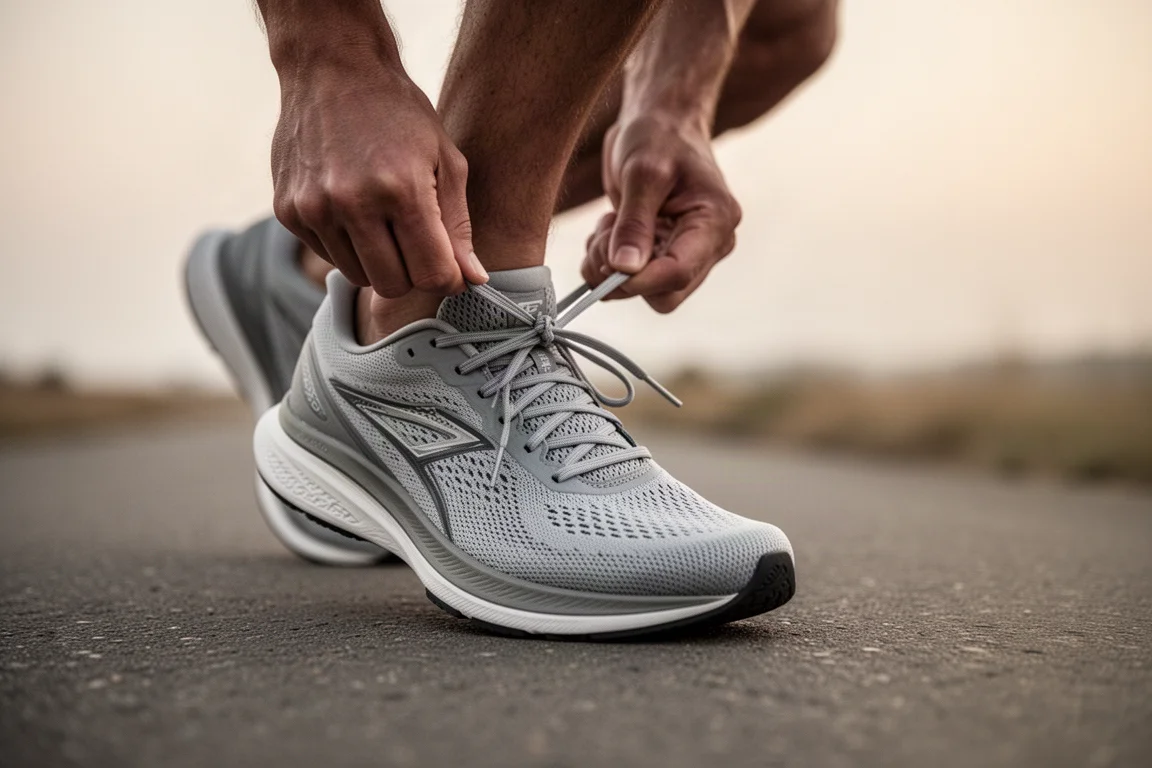
The upper is a highlight. It uses a recycled mesh with more padding than you would expect at this price level. It is not plush, but it was comfortable from the first run with no rubbing or hot spots, which matters in a lighter shoe where you tend to notice every seam.
Ride Feel: Firm and Fast but Not Cushioned
Underfoot, the Solimar uses a CMEVA midsole foam with a traditional, old-style character. It is firm rather than soft, and there is very little energy return or propulsion in it. Over a 14k tempo run at around 4:25 per kilometre, that lack of cushioning became obvious: by the end, legs were begging for something softer.

There is a flip side, though. The firm, lean midsole makes the shoe feel lighter than it is and surprisingly conducive to running at a faster pace. The pace held consistently without extra perceived effort, and the late-stage meta rocker produced a smooth, fluid turnover even if the rocker itself is not obviously noticeable. The honest ceiling, however, is around 5k. We would not take it beyond 10k.
Outsole and Grip
The outsole carries only a modest covering of rubber, mainly for grip, with large areas of exposed midsole foam. That layout does not promise great long-term durability, so treat the rubber as a traction feature rather than a wear shield.
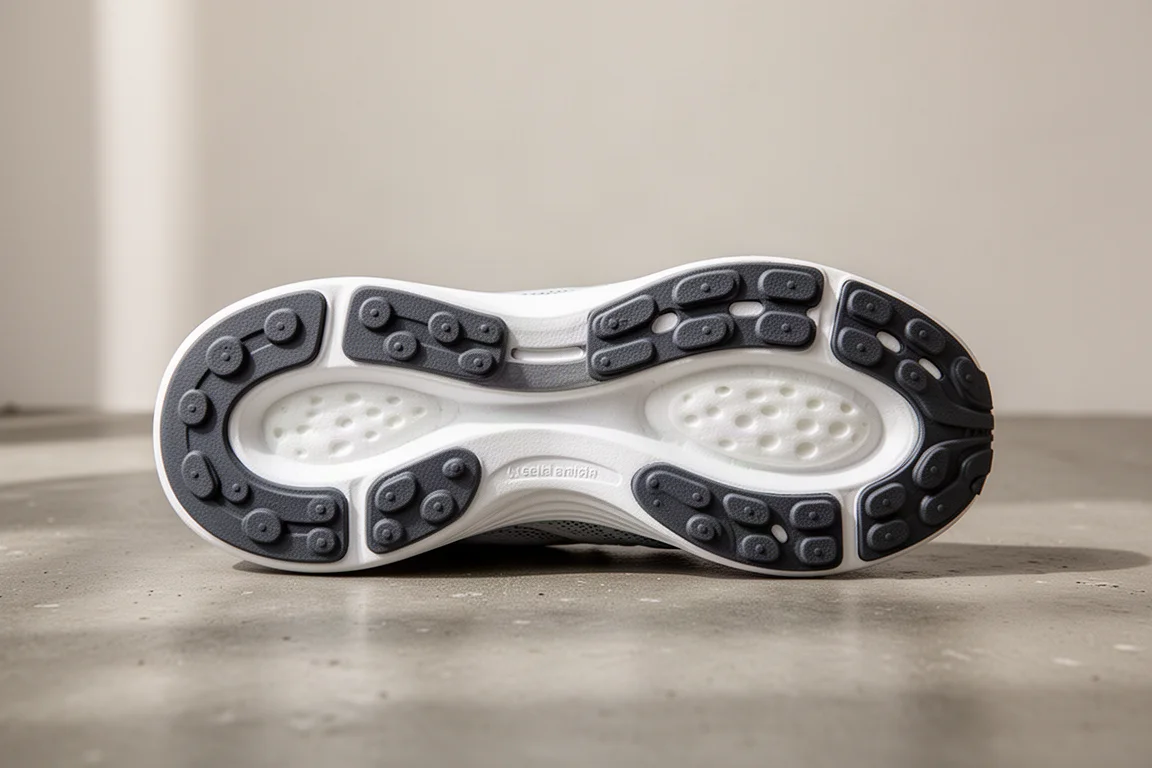
Within those rubber sections, grip is genuinely good. Wet roads and rolling inclines posed no problems during testing, as long as landings stay on the rubbered zones.
Who Should Buy the Hoka Solimar
The Solimar makes the most sense for gym goers who want one shoe for weights and a short treadmill or outdoor run of 3 to 5k. The firm, grounded midsole is stable and planted under load, which is exactly what you want for lifting, and there is just enough cushioning to jump on the treadmill afterwards.
If you are a runner shopping purely for running, better options exist, including from Hoka itself. The Hoka Rincon 3 sits at a similar stack height with a softer, more protective feel, more energy return, and an equally lightweight build at a relatively low price. The Under Armour Velocity Wind is a superior alternative to the Solimar for slightly more money: similar in feel but with better cushioning, more comfort, and enough versatility to go up to half marathon or even marathon distance. Both are worth a look before settling on the Solimar.
Buying Advice
Buy the Solimar if you like the look of it, spend time in the gym, and only run short distances on the side. Its simplicity, stable ride, and well-padded upper make it a fine generalist. If your goal is regular road running at 5k to half marathon or beyond, spend your money on a dedicated running shoe instead.
Conclusion
The Hoka Solimar is a simple, lean, nicely built shoe that rewards fast short runs and gym work but runs out of cushioning well before longer distances. For gym-first users it is an easy recommendation. For runners, the Rincon 3 or Velocity Wind will serve you better.
Product link
View more details for Hoka Solimar
This product is mentioned in the review. Check the specifications, options, and compatibility before buying.
View more details for Hoka SolimarFurther reading
Related Reviews

Running Shoes
Best Road-to-Trail Running Shoes: Three Versatile Options for Mixed Terrain
A practical guide to three road-to-trail running shoes that handle both pavement and mild trails, with clear strengths and trade-offs for different runner types.

Running Shoes
Best Running Shoes for Achilles Tendonitis: Three Options Explained
Three running shoes with different heel drops and support features designed to help reduce Achilles tendon pain during walking and running.

Running Shoes
Best Running Shoes for Women: Five Top Choices Ranked
A ranked guide to five women's running shoes, from versatile daily trainers to high-performance racing options, with real strengths and trade-offs for each.