Running Shoes
Hoka Skyward X 2 Review: Plus the Max Cushion Alternatives Worth Comparing
A closer look at the Hoka Skyward X 2's bouncy max cushion ride, and how it stacks up against the Bondi 9, Saucony Paramount Max, and ASICS Superblast 3.
Introduction
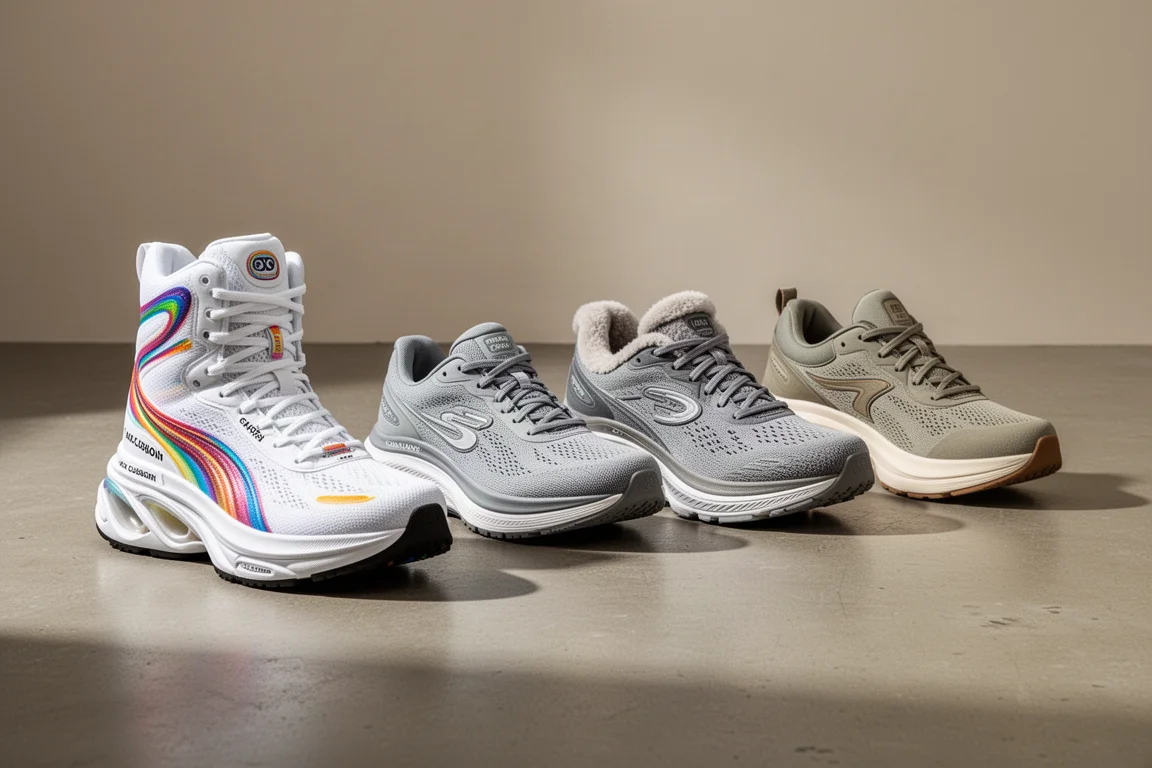
Max cushion shoes have quietly become one of the most competitive corners of the running shoe market. The original Hoka Skyward X was a confusing proposition: enormous, loaded with foam and a carbon element, and hard to place. The Skyward X 2 changes that. It drops weight, softens the ride, and finally commits to being a premium max cushion trainer. But at $225, it faces serious competition, and three alternatives deserve a spot in the conversation: the Hoka Bondi 9, the Saucony Paramount Max, and the ASICS Superblast 3.
Hoka Skyward X 2: Specs and Build
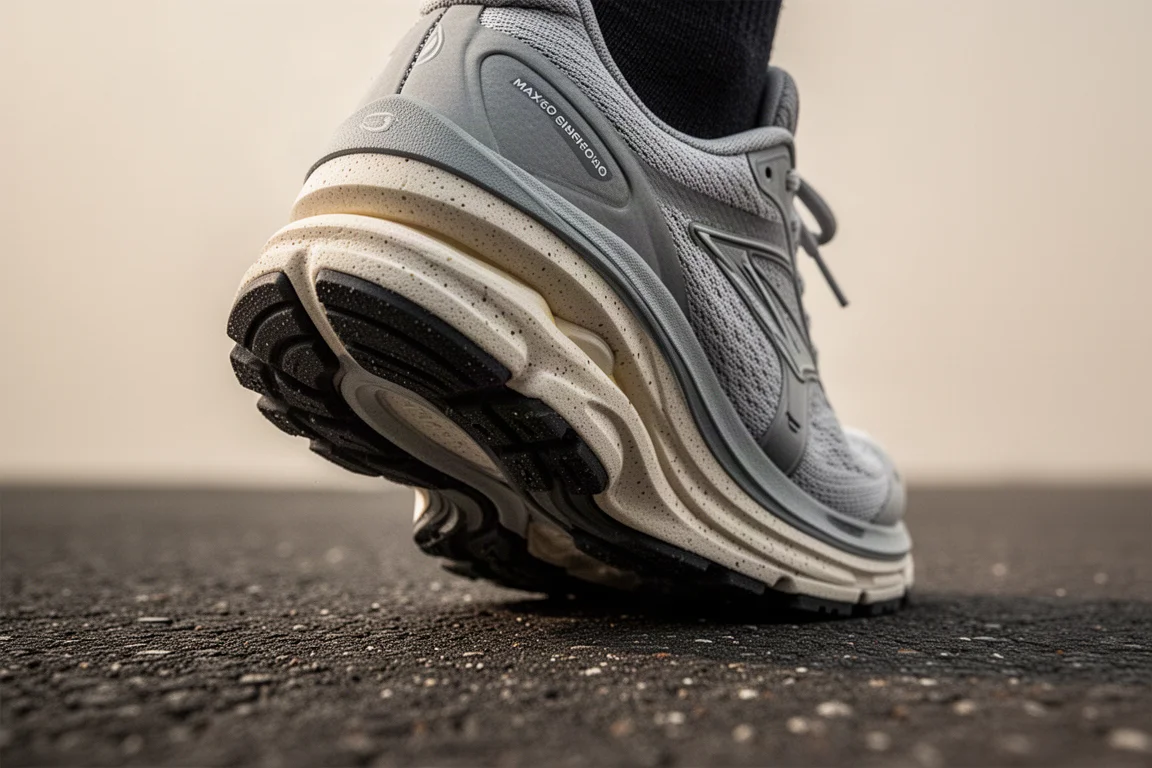
The Skyward X 2 is still a tall shoe, just slightly less towering than before. Stack height drops from 48 mm to 46 mm in the heel, with a 5 mm drop and 41 mm of foam in the forefoot. The three-layer construction carries over: a PEBA top layer, a super critical EVA bottom layer, and a carbon fiber stabilizing framework rather than a traditional plate. The outsole uses Hoka’s Durabrasion rubber with a large channel and a window to the carbon element, and it offers plenty of grip and durability.
The upper is a strong but breathable jacquard mesh. The tongue is thinner this year with less padding, and the plastic armor around the heel cup has been slimmed down, though large lateral and medial sidewalls still hold the foot in place. Sizing runs true to a regular running shoe size; a US men’s 9 worked well for a runner who typically sizes up in the Bondi.
Weight is where the update really shows. In a reference US men’s 9, the Skyward X 2 measures 9.7 oz (276 g), a drop of 1.4 oz compared with last year’s shoe in the same size.
How It Runs: A Softer, Bouncier Identity
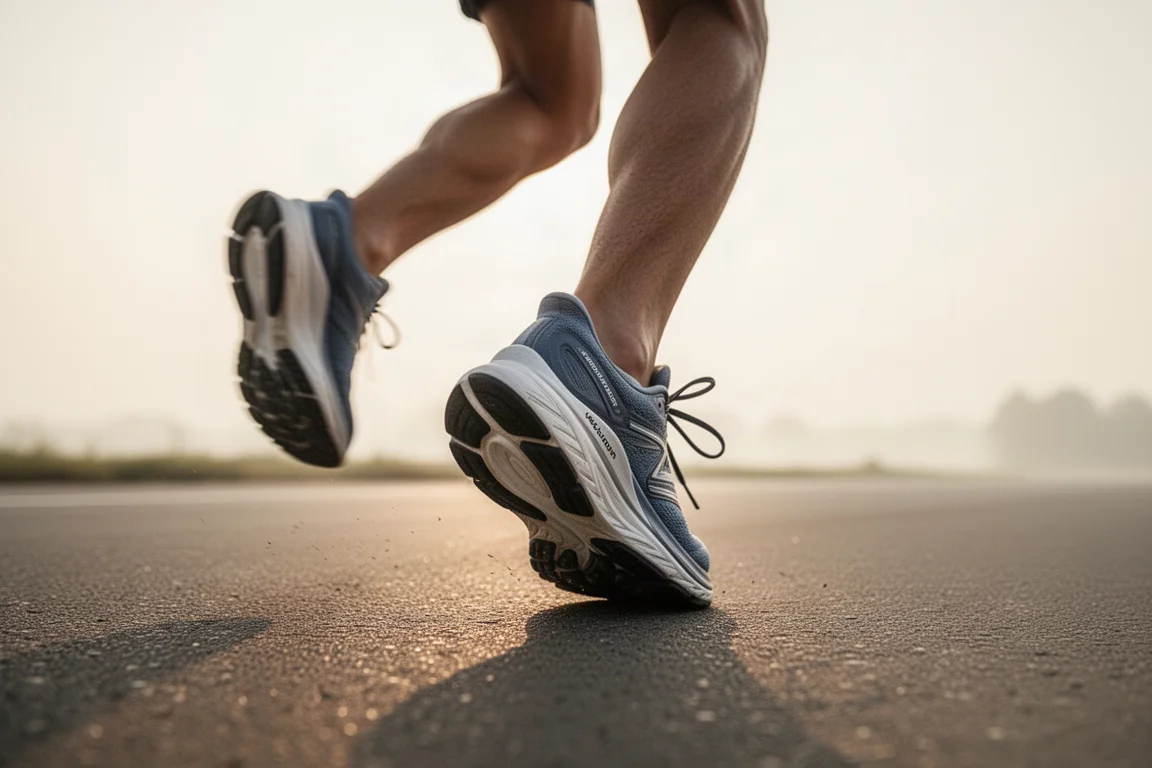
The original Skyward X sat awkwardly between a mega max cushion shoe and a long run shoe, doing neither especially well. The Skyward X 2 commits to being a genuinely premium max cushion shoe, and the ride benefits. The shift in the ratio of lightweight PEBA foam to super critical EVA produces a ride that is softer, bouncier, and airier than before.
The carbon element is less about speed and more about stability, keeping the soft materials from feeling unstable under foot strike. The result is a shoe for runners who love the Bondi and want that soft, cloud-like experience pushed even further with more energy return.
Hoka Skyward X 2: Buying Advice
At $225, the Skyward X 2 is a serious investment in comfort. Skipping back to the Skyward X 1 is not a great money-saving move: that shoe is firmer, more heavily stabilized, and, at the time of writing, still retails at the full $225. If you want this shoe’s softer, bouncier character, the second version is the one to buy.
Hoka Bondi 9: The Cheaper, Toned-Down Option
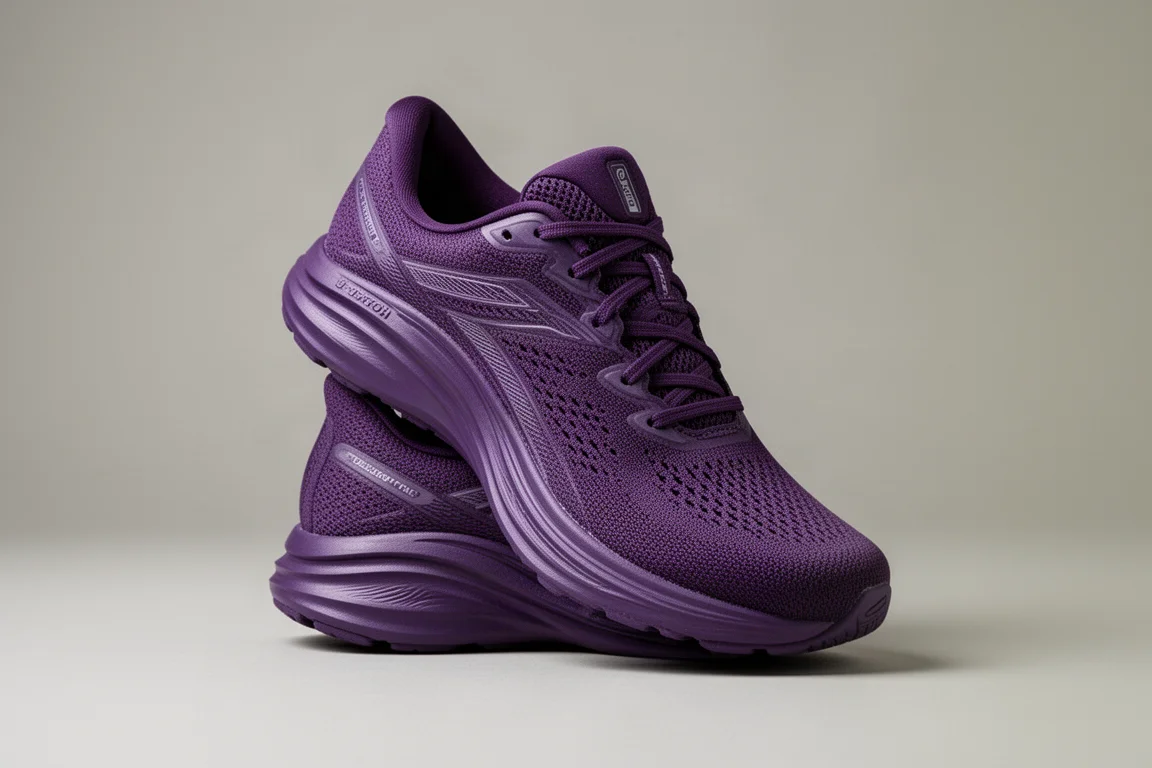
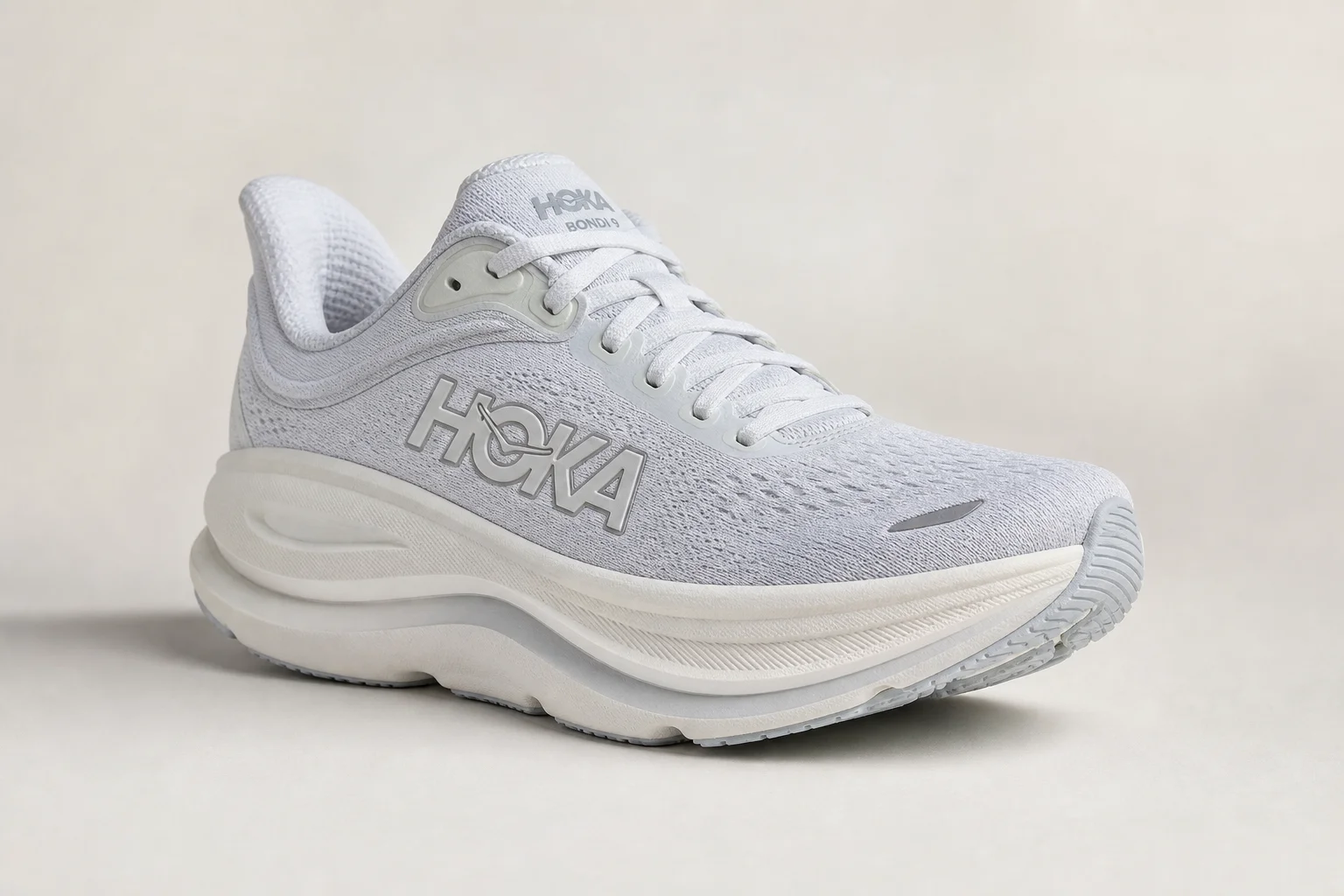
The Bondi 9 is essentially a toned-down version of the Skyward X 2. It uses super critical EVA without the PEBA top layer or carbon framework, but it still delivers a surprisingly bouncy experience, a tall stack height, and a wide footprint that adds stability. It is arguably the best Bondi Hoka has made.
It retails at $175, $50 less than the Skyward X 2, and some colorways can be found discounted down to $140. Walkers and people who spend long hours on their feet may actually prefer it: the way feet interact with a shoe while walking or standing differs from running, and the Bondi suits both worlds better.
Saucony Paramount Max: The Direct Challenger
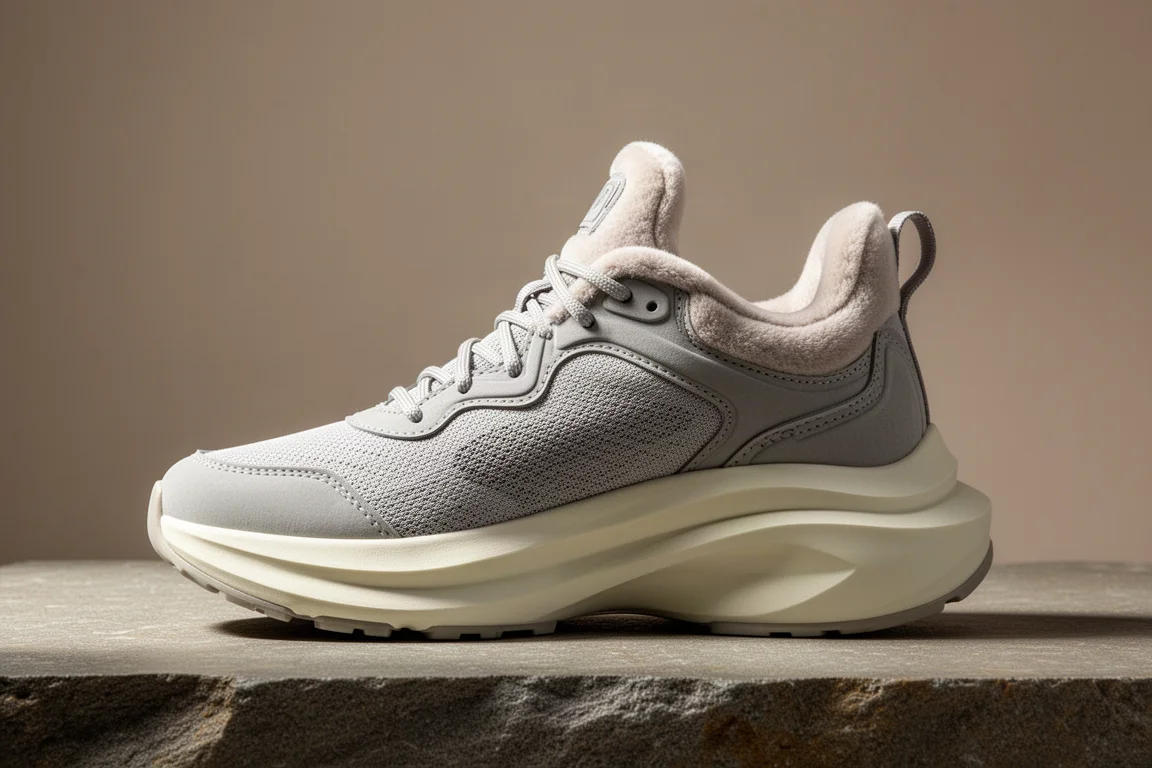
The Saucony Paramount Max looks like Saucony’s attempt at the ultimate Bondi competitor, right down to the styling. It uses Saucony’s high-end PWRRUN PB-family foam, nominally the same foam as the $290 Endorphin Elite 3 racing shoe, but set up with a wide footprint, very tall stack height, and plush materials throughout the upper.
The experience is soft yet bouncy, aimed at cushioned daily training. At a $200 retail price, it undercuts the Skyward X 2 by $25. The choice between the two is close: the Paramount Max wins on price, while the Skyward X 2 wins on styling.
ASICS Superblast 3: The Most Versatile of the Bunch
The ASICS Superblast 3 is another tall, soft, bouncy shoe, built with an aliphatic TPU top layer over a daily training foam bottom layer and no plate or carbon framework. It works as a max cushion shoe for recovery days, a comfortable daily trainer for most days of the week, and, thanks to the energetic TPU top layer, it can still pick up the pace on long runs.
Its huge range of uses, combined with its light weight and fun ride while still delivering max cushion, makes it the standout of this group. At $210, it also comes in slightly cheaper than the Skyward X 2.
Which One Should You Buy?
If you want the softest, squishiest, most energetic version of the Bondi experience and are willing to pay for it, the Skyward X 2 delivers. If you mix running with lots of walking or want to save money, the Bondi 9 is the sensible pick. If price matters most and you like the idea of premium foam in a cushioned daily trainer, the Paramount Max is compelling. And if you want one shoe that can do recovery runs, daily training, and faster long runs, the Superblast 3 is hard to beat.
Conclusion
The Skyward X 2 finally makes sense: a lighter, bouncier, more committed max cushion shoe that justifies its premium positioning for runners who want maximum softness with a stabilizing carbon framework underneath. Whether it beats the Bondi 9, the Paramount Max, or the Superblast 3 for you comes down to how much cushion you want, how you use the shoe, and how much you are willing to spend.
Further reading
Related Reviews

Running Shoes
Best Road-to-Trail Running Shoes: Three Versatile Options for Mixed Terrain
A practical guide to three road-to-trail running shoes that handle both pavement and mild trails, with clear strengths and trade-offs for different runner types.

Running Shoes
Best Running Shoes for Achilles Tendonitis: Three Options Explained
Three running shoes with different heel drops and support features designed to help reduce Achilles tendon pain during walking and running.

Running Shoes
Best Running Shoes for Women: Five Top Choices Ranked
A ranked guide to five women's running shoes, from versatile daily trainers to high-performance racing options, with real strengths and trade-offs for each.