Running Shoes
Hoka Skyward X vs the Max-Cushion Giants: Four 40mm+ Trainers Compared
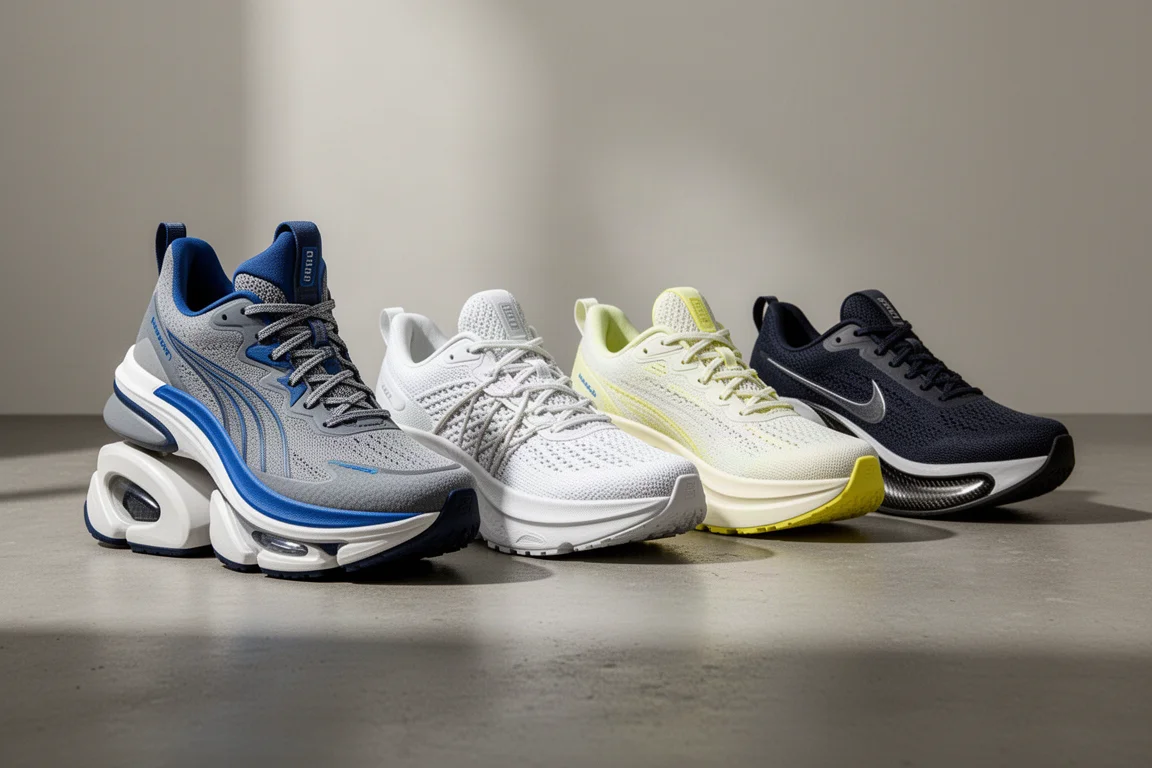
The Hoka Skyward X takes on the Adidas Prime X Strung 2, Asics Superblast, and Saucony Kinvara Pro. Here is how the stacked-up trainers shape up against each other.
Introduction
There is a growing crowd of running shoes that sail past the 40 mm stack limit imposed for championship racing. For competitive racing that limit matters, but for the rest of us it simply means access to an enormous amount of cushioning with no real penalty. This comparison focuses on shoes with more than 40 mm of stack height in the heel: the Hoka Skyward X, the skyscraper-like Asics Superblast, the Adidas Prime X Strung 2, and the often forgotten Saucony Kinvara Pro. Here is how these premium cushion models shape up against each other.
Hoka Skyward X: The Colossal Beast
The Skyward X has recently launched in the US, after being available in the UK for several weeks. It is a massive shoe in every sense: around 54 mm of stack in the heel in a typical size, putting it almost level with the Adidas Prime X Strung 2, and around 355 g on the scale, which means carefully walking through low door frames is a fair warning.
Where the Skyward X genuinely earns its keep is the underfoot feel. Compared with the Adidas Adizero Prime X 2 Strung, the upper here is far more plush and comfortable, with a similar ride quality underneath but none of the upper bunching that plagued the Prime X 2. The foot is anchored far better on top of the midsole base. Hoka has also improved the outsole rubber considerably in recent models: grip is far better than in the earlier Carbon X models, and the quality of the materials is a real step up. Around 100 miles in, outsole durability has held up well.
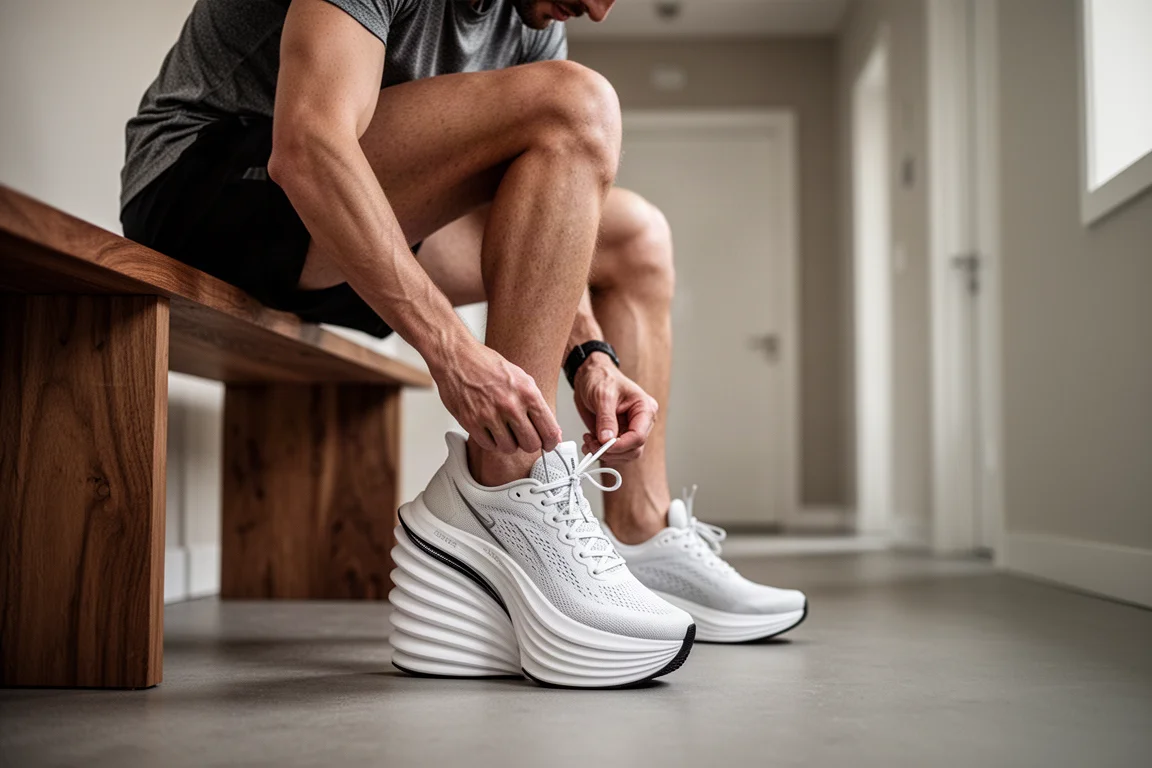
Against the Prime X Strung 2 there is little contest: the Skyward X is the better shoe. It is also around £70 cheaper in the UK, retailing at about £185, and some retailers have already discounted it. If you want the same kind of cushion-and-stack concept done with a lighter, more propulsive feel and a slightly lower stack, the Hoka Cielo X1 is worth a look instead.
Adidas Prime X Strung 2: Great Stack, Frustrating Execution
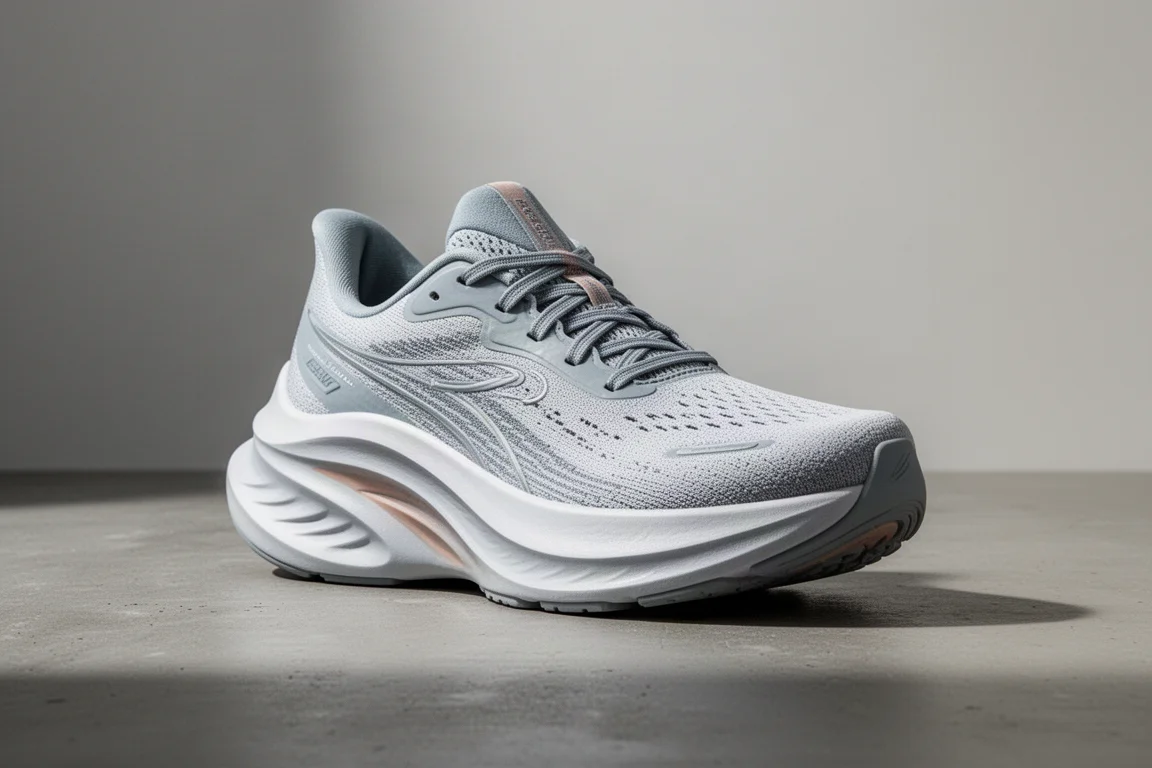
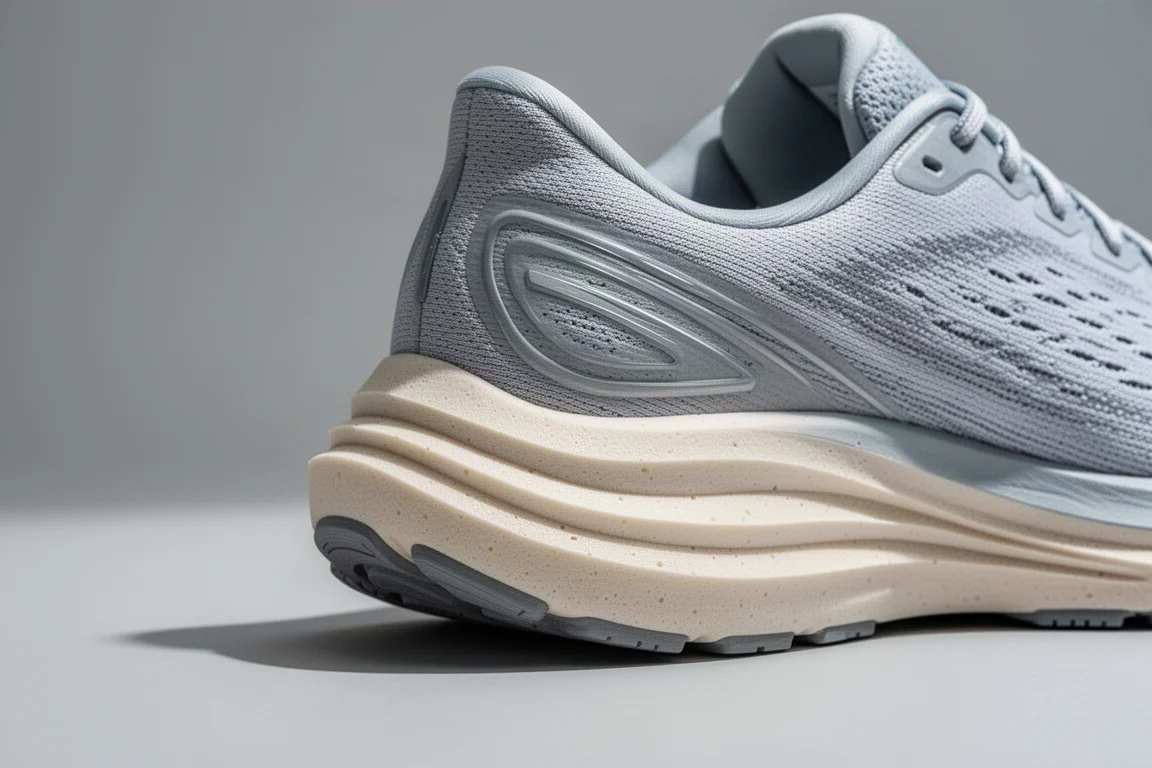
The Prime X Strung 2 brings a similar heel stack to the Skyward X and an almost identical weight, but the execution is where it falls down. The upper bunches up and does not hold the foot securely over that massive midsole base, which is hard to forgive at this price.
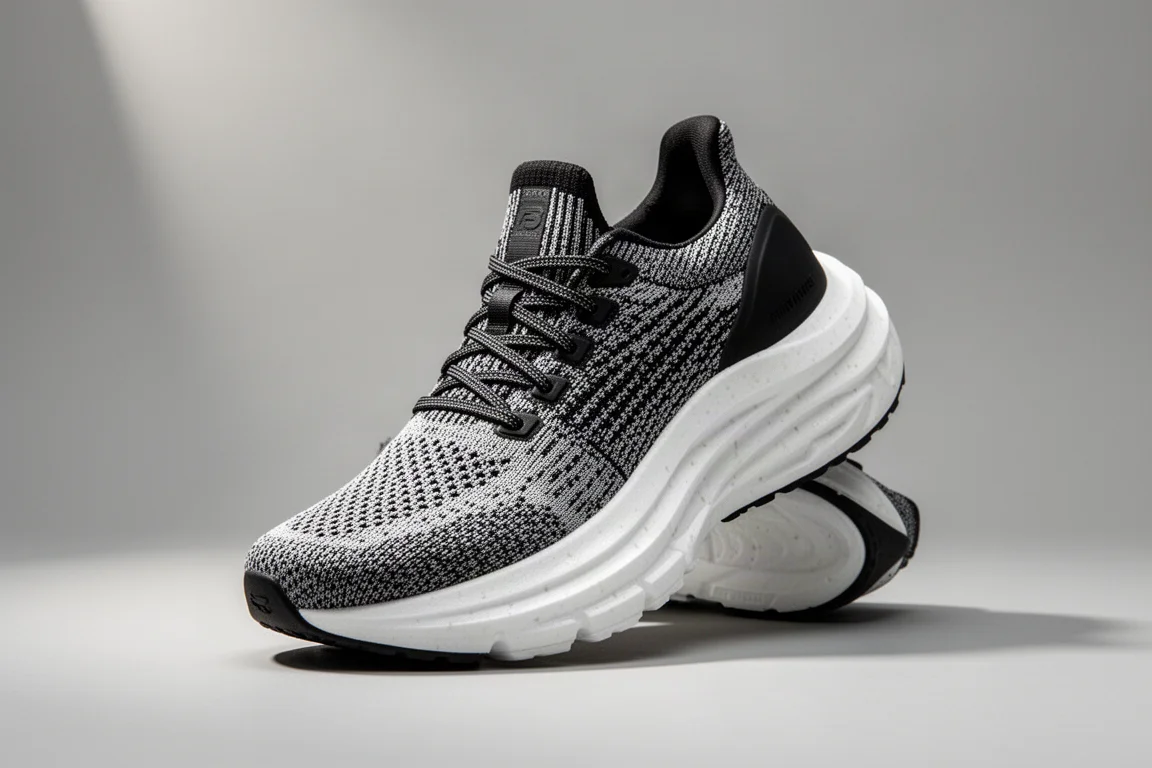
The honest advice here is that if you want this kind of cushion and stack but want it to be far more fun and exciting to run in, the original Prime X Strung is the better pick. It was a livelier, more enjoyable shoe in almost every way. Sadly it does not look like there are many pairs left at regular retailers, so you may need to check reseller sites to find your size.
Asics Superblast: The Light and Nimbler Option
Next to the Skyward X, the Asics Superblast is a different animal. This is easily the widest shoe here in both forefoot and heel, which gives it a wonderfully stable platform, and the weight difference is dramatic: 281 g in the same size versus 355 g for the Skyward X. That is a gap of over 70 g, and in practice it is not even close.
Asics has kept things deliberately simple. Instead of plates and layered tech, the Superblast uses two sections of foam: FF Turbo on top and a firmer FF Blast Plus layer underneath. The result is easily the most forgiving cushioning underfoot in this group, and a much more versatile overall package. The upper is more breathable and more flexible than the Skyward X’s, probably the better bet in warm, humid climates where a heavily padded, plated shoe starts to feel oppressive.
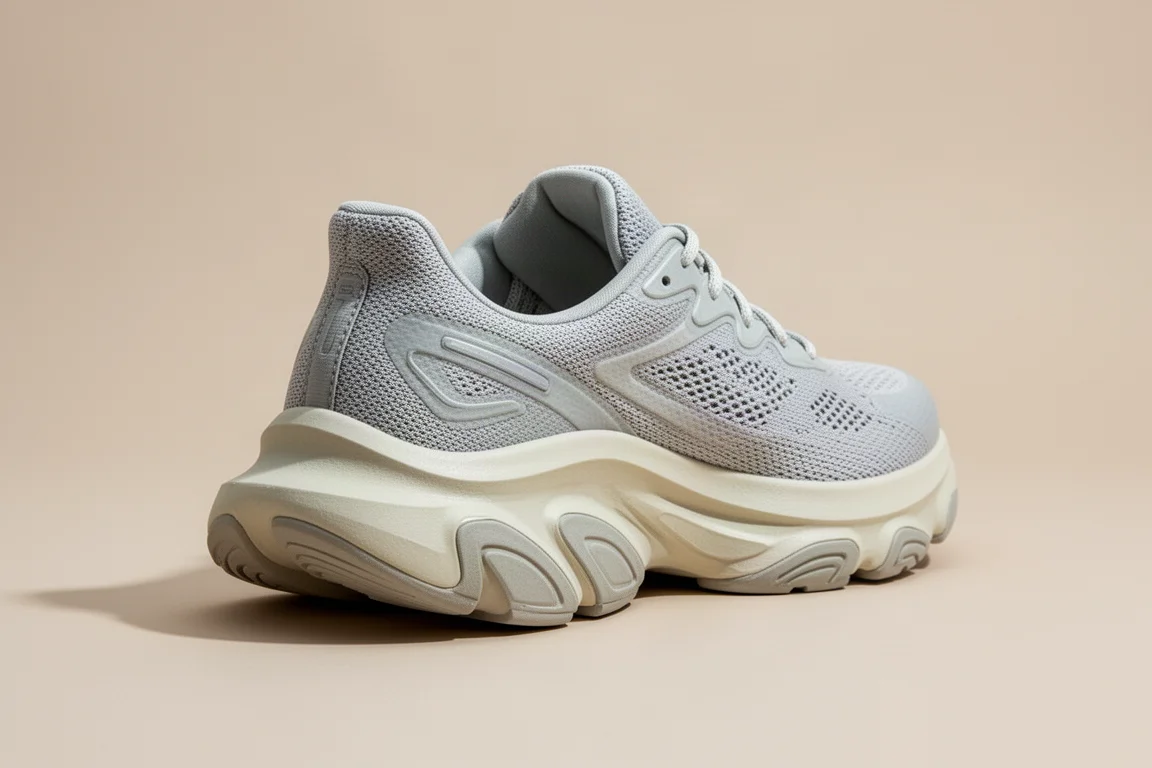
The price sits almost in super shoe race territory at about £195 in the UK, though Asics has actually made it slightly cheaper than the original release. It is a lot of money, but if you can only have one shoe in your rotation, the Superblast justifies it. The Skyward X is compressive but the extra plate keeps it from feeling as squashy, and it is not a shoe for all-out 5K or 10K efforts. It is an easy-day offering for tired legs, recovery runs, and long runs where leg protection is the priority. It does break in nicely after a few runs, losing some of its out-of-the-box rigidity.
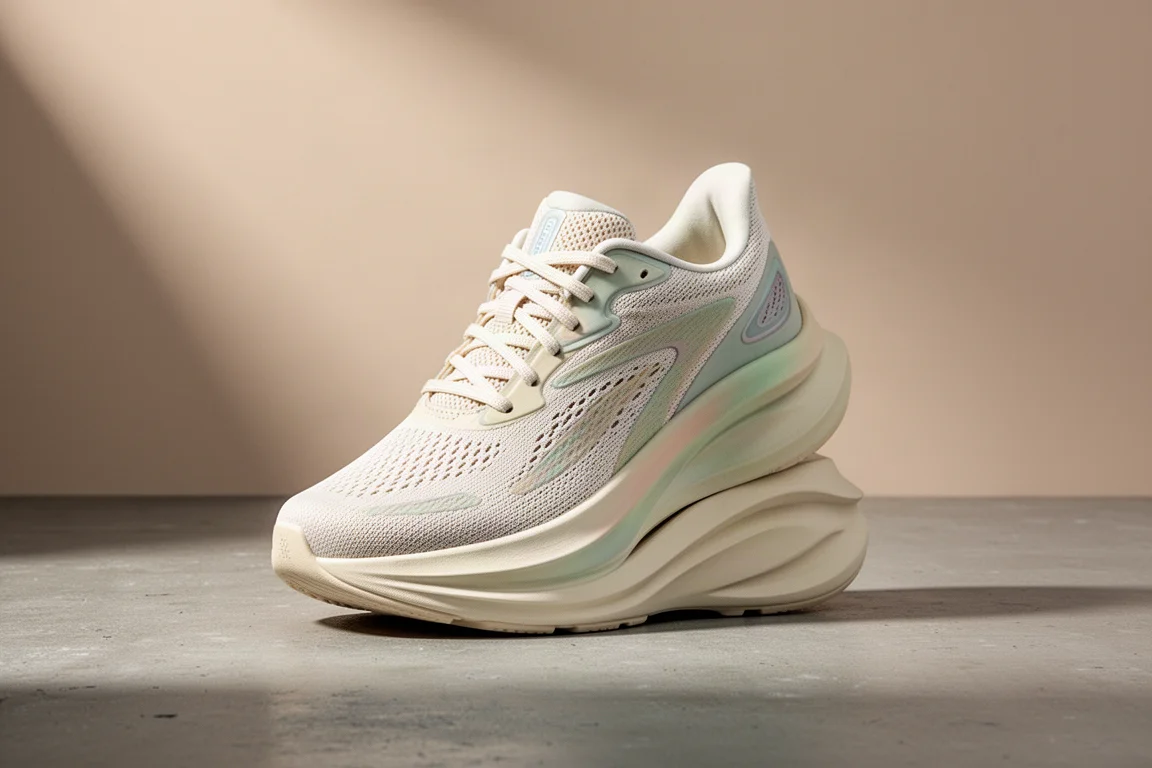
Comparing these two is a bit of apples and oranges. The Asics wins on weight, breathability, and versatility, while the Hoka offers more tech and more stack for less money. If forced to choose one pair, the Superblast is the safer bet for most rotations.
Saucony Kinvara Pro: The Often Forgotten One
The Kinvara Pro is another mammoth midsole shoe, though there is not much traditional Kinvara about it. The Kinvara 14 was a lightweight trainer, while the Pro comes in at about 322 g, lighter than the Skyward X but a completely different proposition to the nimble Kinvara lineage.

Expectations were that this would be a nimble longer-distance shoe, something like a Saucony version of the Superblast. In practice it is far from that. The 3/4 length carbon plate makes it very rigid, and it works best at steady paces with a few bursts thrown in. At slower recovery paces it feels like the shoe is controlling you rather than the other way around. Saucony also used the bottom layer of the midsole foam as the outsole, which wore quickly, whereas the Skyward X has plenty of proper rubber that should last for ages and offers far better traction.
Overall Buying Advice
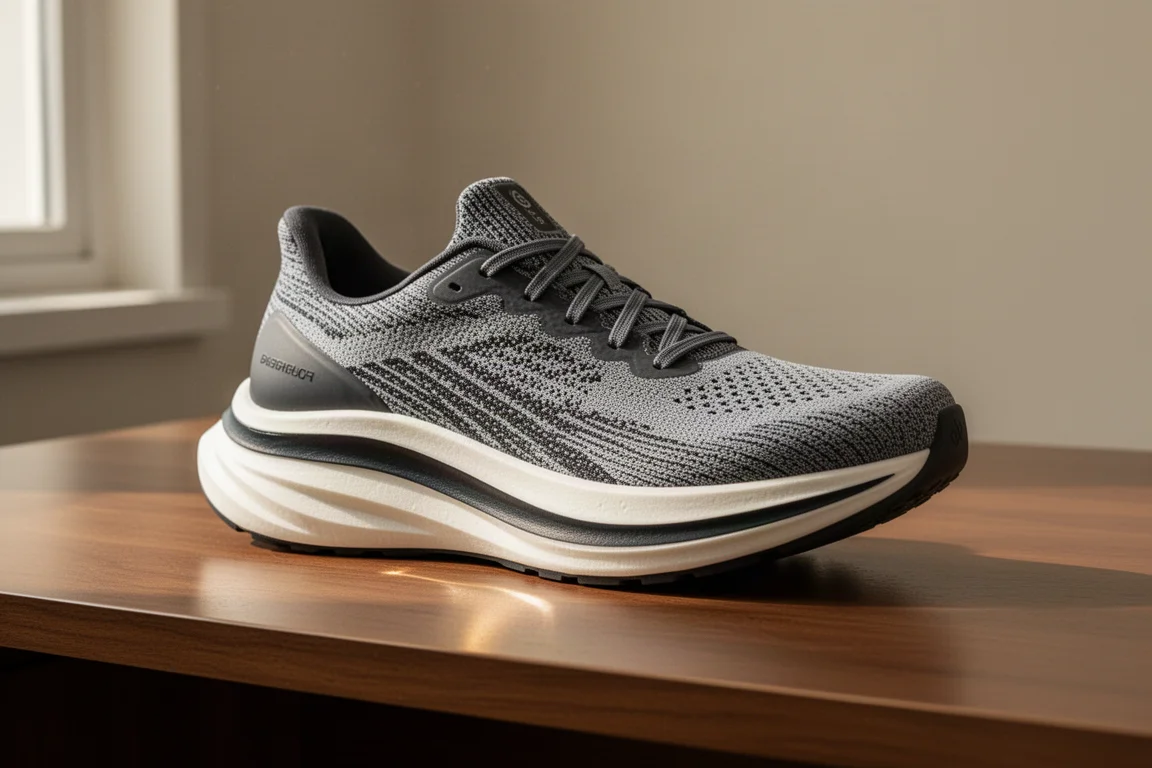
The Skyward X is the strongest all-rounder of this group for easy days and marathon training: plush, anchored, well built, and reasonably priced next to the Prime X Strung 2. The Superblast remains one of the best shoes of recent years and the pick if you want one versatile pair. The Kinvara Pro shows that a carbon plate alone does not make a stacked shoe work; the whole package has to come together. And the Prime X Strung 2 is best skipped in favour of the original if you can still find it.
Conclusion
Max-cushion trainers above 40 mm of heel stack are no longer a niche. The Hoka Skyward X leads this group on overall execution and value, the Asics Superblast remains the unicorn do-everything option, the Saucony Kinvara Pro is best reserved for steady-paced efforts, and the Adidas Prime X Strung 2 is the one to approach with caution. Choose based on how much versatility you actually need from a single pair.
Further reading
Related Reviews

Running Shoes
Best Road-to-Trail Running Shoes: Three Versatile Options for Mixed Terrain
A practical guide to three road-to-trail running shoes that handle both pavement and mild trails, with clear strengths and trade-offs for different runner types.

Running Shoes
Best Running Shoes for Achilles Tendonitis: Three Options Explained
Three running shoes with different heel drops and support features designed to help reduce Achilles tendon pain during walking and running.

Running Shoes
Best Running Shoes for Women: Five Top Choices Ranked
A ranked guide to five women's running shoes, from versatile daily trainers to high-performance racing options, with real strengths and trade-offs for each.