Running Shoes
Hoka Skyward X Revisited: Still the Max-Cushion Trainer to Beat
A second look at the Hoka Skyward X after new max-cushion rivals arrived, covering its ride, fit, plate, and whether it is worth the price.
Introduction
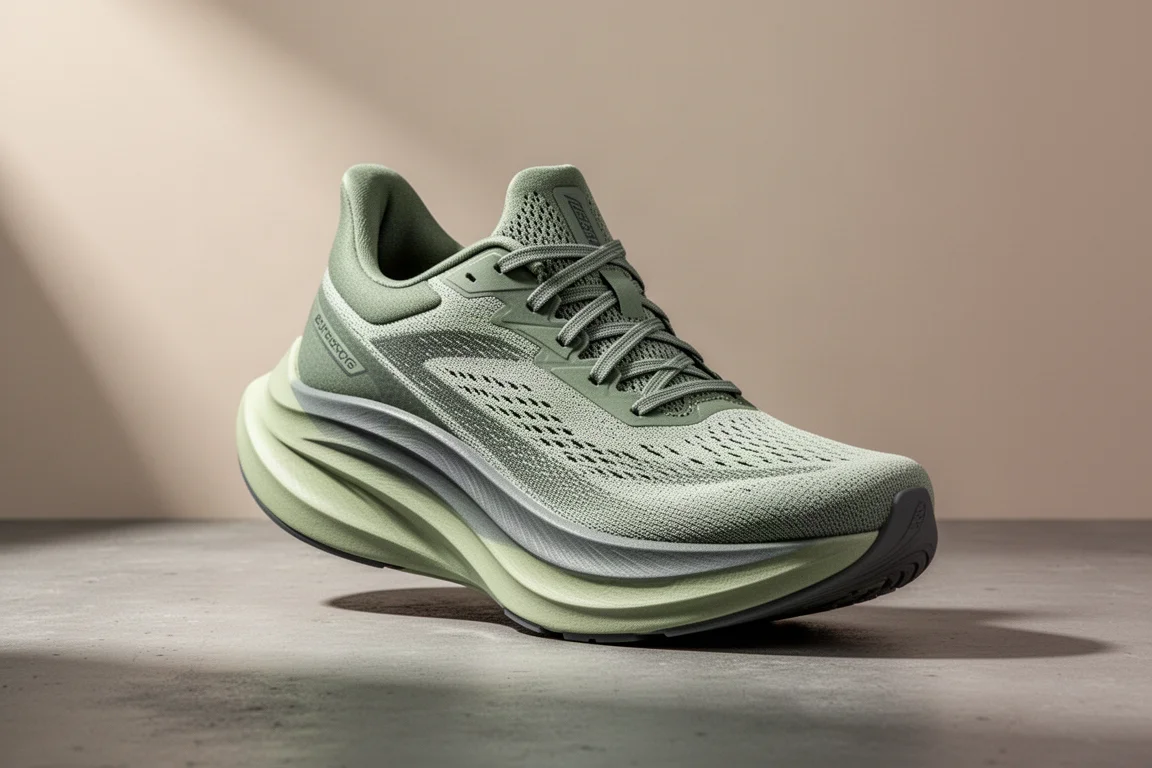
Some shoes age well, and some shoes age so well that newer releases struggle to knock them off their pedestal. The Hoka Skyward X is firmly in the second camp. Even after a wave of new max-cushion trainers landed this year, it still feels like the shoe that best captures what modern training shoes are about: huge cushioning, real bounce, and a ride that works at almost any pace.
That is why it deserves a second look rather than a passing mention. After roughly 100 miles, the ride is still as good as it was fresh out of the box, and that is rarer than it sounds.
Who This Shoe Is For
The Skyward X suits runners who want maximum cushioning without giving up fun. It works for easy miles, daily training, and even faster tempo work, which is unusual for a shoe this tall. If you run with a bit more force through the shoe, or you consider yourself a bigger runner, this is one of the few max-stack shoes that genuinely holds up under that load. Its dual-foam construction, combining a stable supercritical EVA base with a bouncy PEBA race foam on top, gives it both structure and pop.
Lighter runners are not excluded. Feedback so far suggests that if you are lighter on your feet but running quicker paces, around seven-minute miles with strides at six-minute pace, the Skyward X still delivers, whereas slow, low-cadence running in very soft max-stack shoes can feel unproductive.
Main Strengths
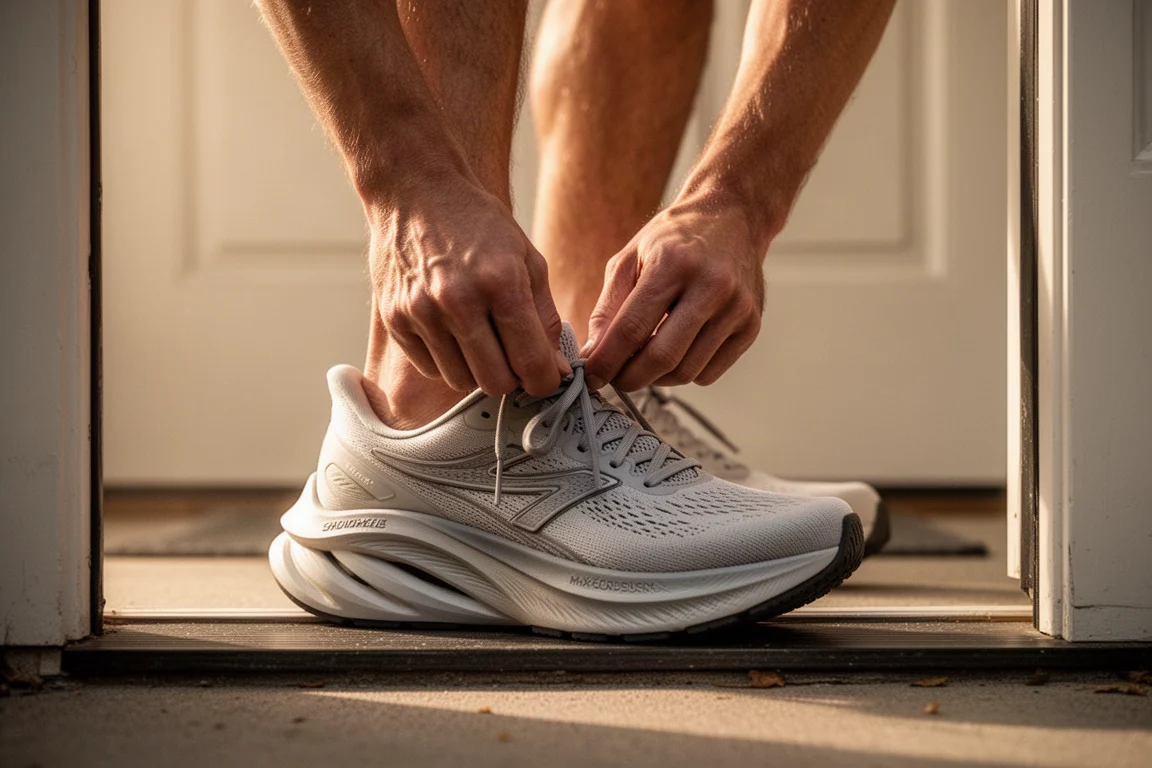
The headline feature is the ride. The rocker geometry is deeply curved, the foam stack is enormous, and a carbon fiber plate sits closer to the foot than in most shoes this tall. That plate stabilizes the midsole, reinforces the rocker, and prevents the sinking, fighting-against-the-foam sensation that plagues some plateless max-cushion competitors. The bounce simply carries you along: you do not think about compressing the foam or turning the legs over, you just run.
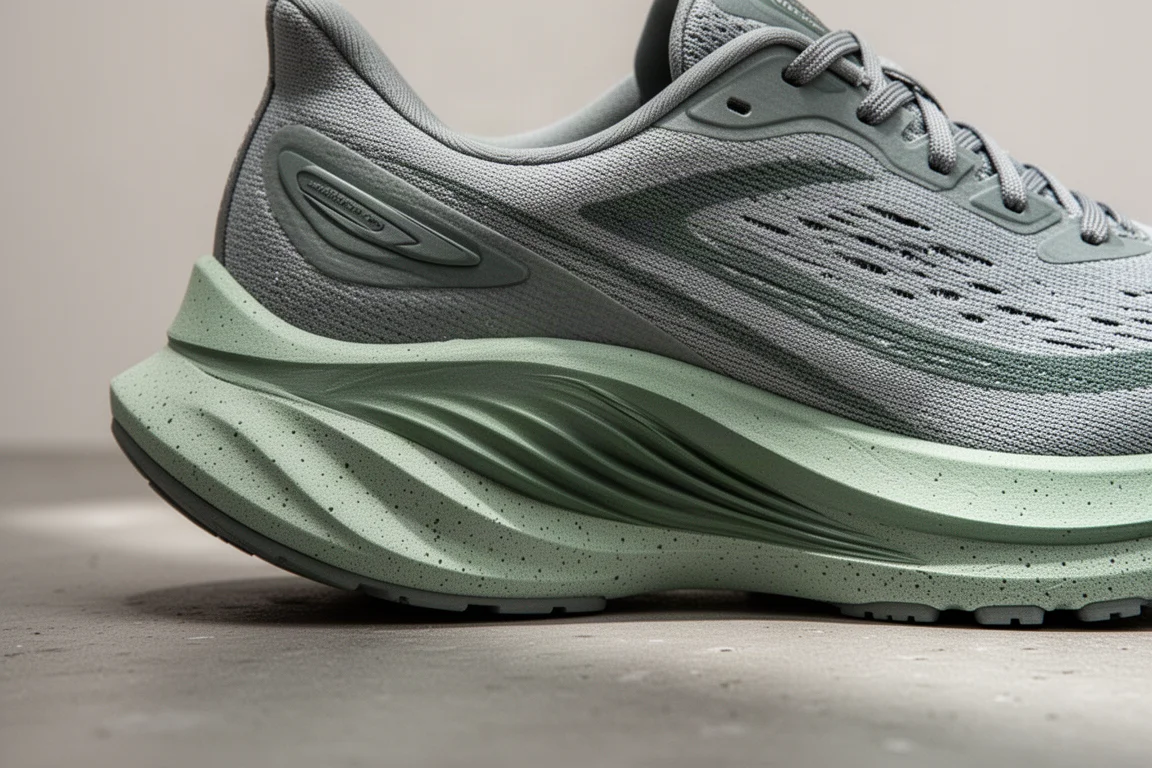
The upper is another quiet win. The tongue is properly padded, the fit is true to size with great length, and the feel is comfortable even if it is a touch snug for some. It is a heavy shoe and Hoka made no attempt to disguise that with a flimsy race upper, which is part of its charm. There are also multiple colorways available now beyond the original white, red, and blue, so options are decent.
What makes it special is how it escapes the usual trade-offs. It is stable yet fun, cushioned yet fast enough for 6:30-pace efforts, and comfortable without feeling squishy or squirrelly. Very few shoes manage all three.
Things to Consider Before Buying
Price is the obvious sticking point. At around $225, this is an expensive single trainer, and it is fair to hesitate before committing that much to one shoe. The technology justifies it to a degree, but it is worth knowing what you are getting.
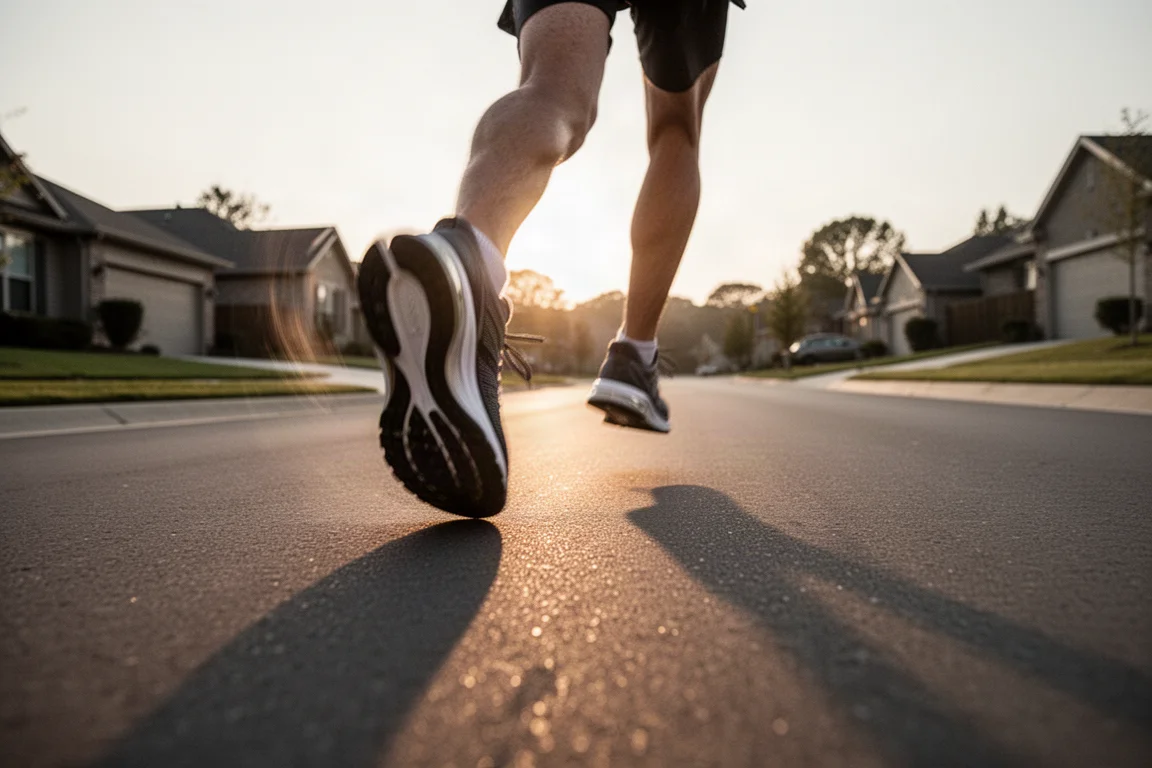
The other consideration is the plate. This is a carbon-plated shoe, and running in plated shoes every single day is a common-sense concern for many runners. It also makes an odd walking shoe: it is comfortable enough, but walking daily in a plated max-stack trainer is overkill when dedicated walking-friendly options exist at much lower prices. As a rotation piece alongside a plated-free daily trainer, it makes far more sense than as your only shoe.
Buying Advice
If you are buying just one training shoe, a plate-free option is the safer pick, and something like the Cloudmonster Hyperion-style trainers may be the more practical daily driver. But if you already rotate shoes, the Skyward X slots in beautifully as the cushion-first, bounce-heavy option for easy days, recovery runs, and long miles. Runners who found shoes like the New Balance 1080 too soft will likely appreciate the slightly firmer, more structured balance here.
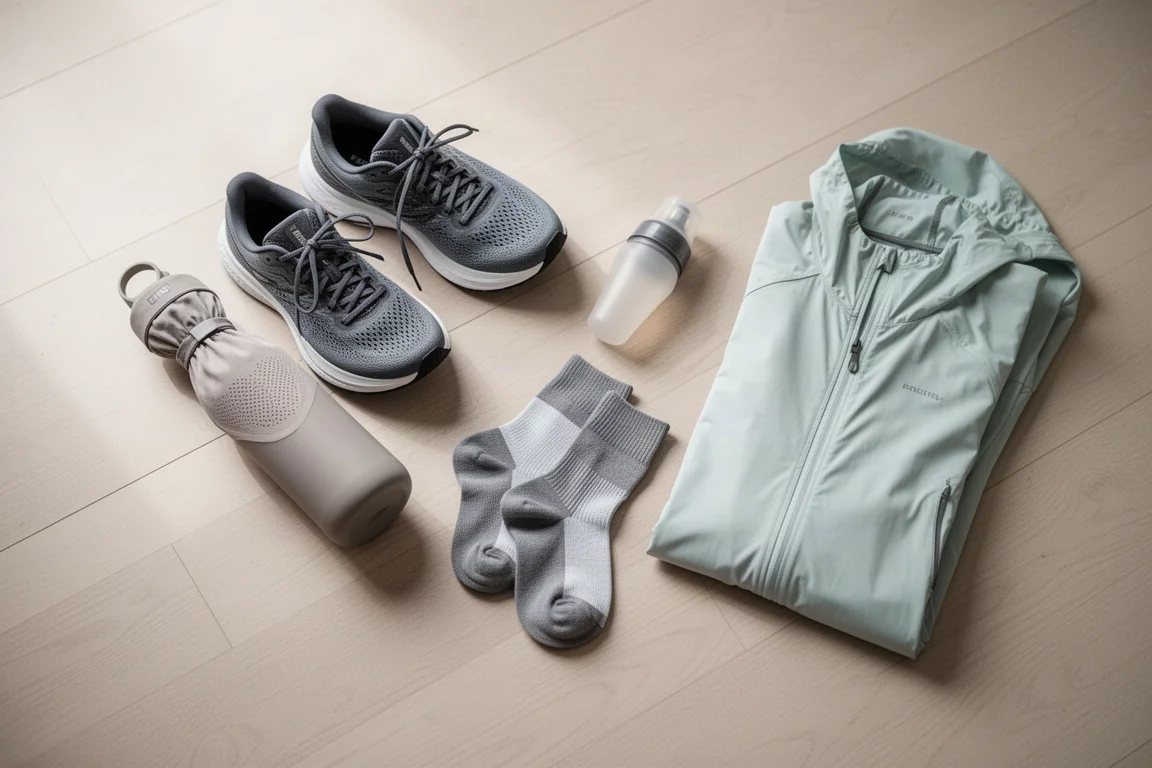
Compare it carefully with the newer rivals before deciding. The lighter, plateless alternatives can feel quicker and cheaper, but they trade away some of the stability and consistency that make the Skyward X so easy to run in. If maximum protection, support, and bounce top your list, this remains the benchmark.
Conclusion
The Hoka Skyward X is still as good as it was at the start of the year, and the newest competition has only highlighted what it does well. It is expensive, it is heavy, and the plate makes it a questionable everyday-only choice, but as a versatile, high-mileage, genuinely fun max-cushion trainer, nothing tested this year has matched it. For the right runner in the right rotation, it is an easy recommendation.
Product link
View more details for Hoka Skyward X
This product is mentioned in the review. Check the specifications, options, and compatibility before buying.
View more details for Hoka Skyward XFurther reading
Related Reviews

Running Shoes
Best Road-to-Trail Running Shoes: Three Versatile Options for Mixed Terrain
A practical guide to three road-to-trail running shoes that handle both pavement and mild trails, with clear strengths and trade-offs for different runner types.

Running Shoes
Best Running Shoes for Achilles Tendonitis: Three Options Explained
Three running shoes with different heel drops and support features designed to help reduce Achilles tendon pain during walking and running.

Running Shoes
Best Running Shoes for Women: Five Top Choices Ranked
A ranked guide to five women's running shoes, from versatile daily trainers to high-performance racing options, with real strengths and trade-offs for each.