Running Shoes
Hoka Skyward X Review: A Tall, Plush Max-Cushion Shoe With Two Strong Alternatives
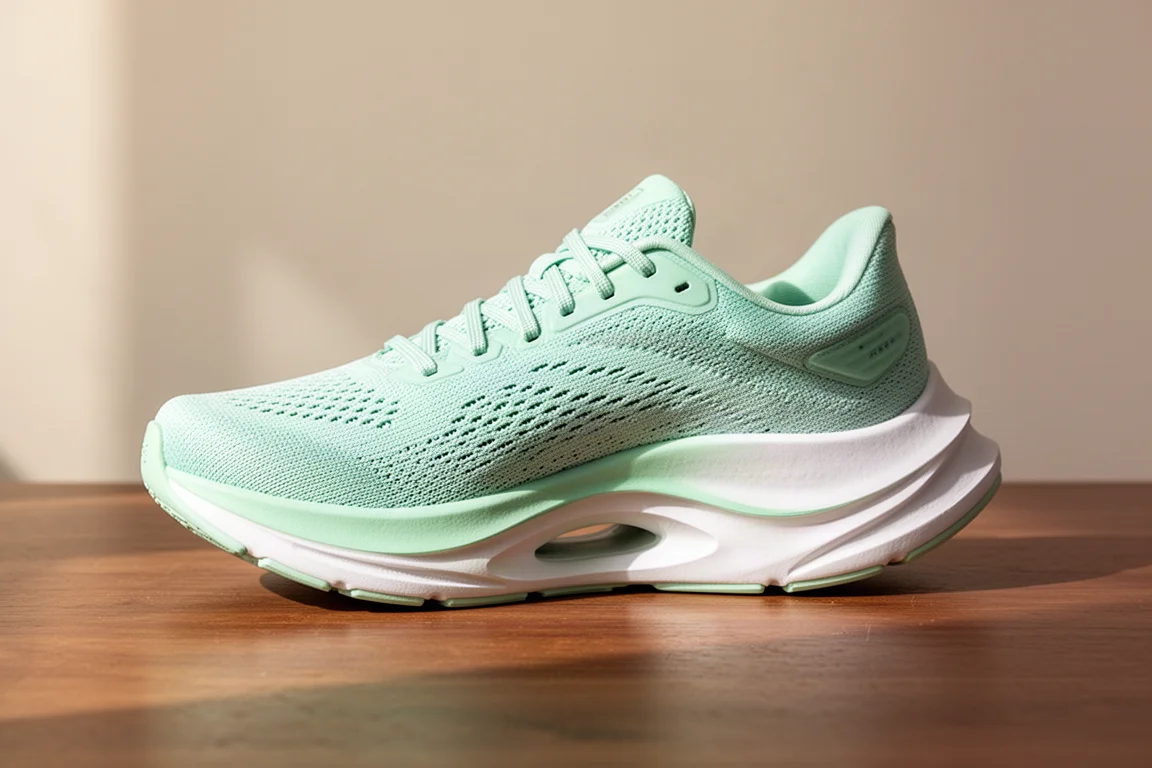
A close look at the Hoka Skyward X, plus two alternatives worth comparing before you spend: the New Balance SC Trainer version 2 and the Hoka Bondi 8.
Introduction
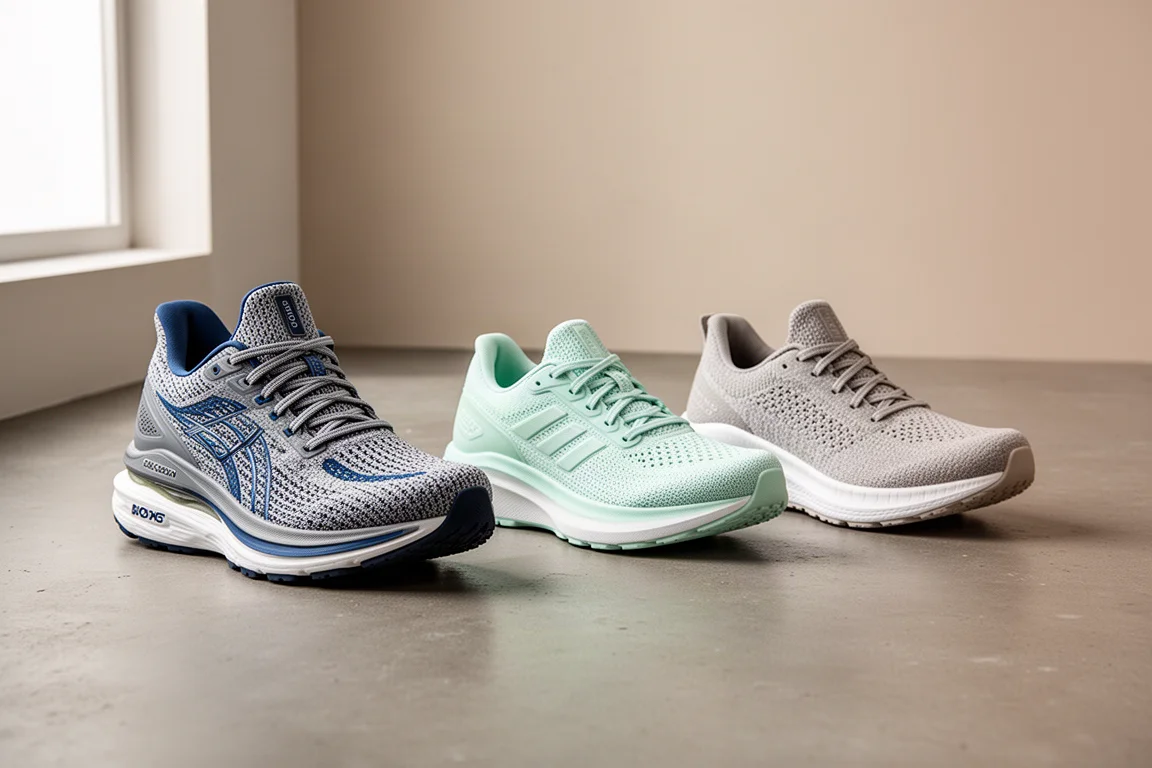
Hoka’s Skyward X is a shoe built on risk. It packs racing-style foam and a carbon fiber plate into a 48 mm stack, then wraps it all in a wide, stable, everyday-friendly package. The result is a shoe that is genuinely comfortable but, in our testing experience, feels more controlled than the exciting materials inside it suggest. This guide breaks down what the Skyward X actually delivers, and then compares it with two alternatives that approach the same idea from different angles: the New Balance SC Trainer version 2 and the Hoka Bondi 8.
What Is the Hoka Skyward X?
The Skyward X is a 48 mm stack shoe with just a 5 mm drop, which means you start high and stay high, with 43 mm of foam under the forefoot. The stack is built from three main components: a PEBA top layer, a super critical EVA bottom layer, and a carbon fiber double H plate in between.
PEBA is typically reserved for racing shoes, and super critical EVA is an upgrade over regular EVA, being lighter, spongier, and more fun to run in. Up top, there is Hoka’s flat knit upper, which is comfortable, with a moderately padded tongue and generous heel padding leading into an Achilles flare. The heel cup is rigid, with a plastic flare running up the back of the heel that creates a secure seat for your foot.
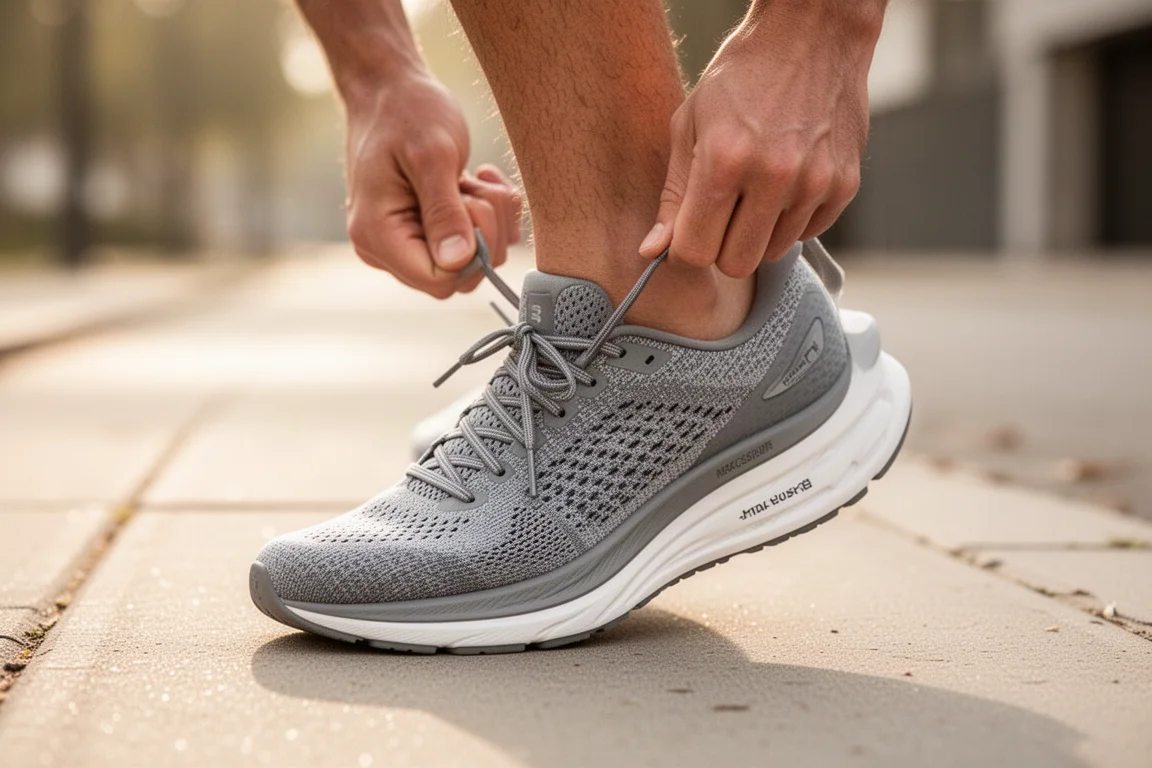
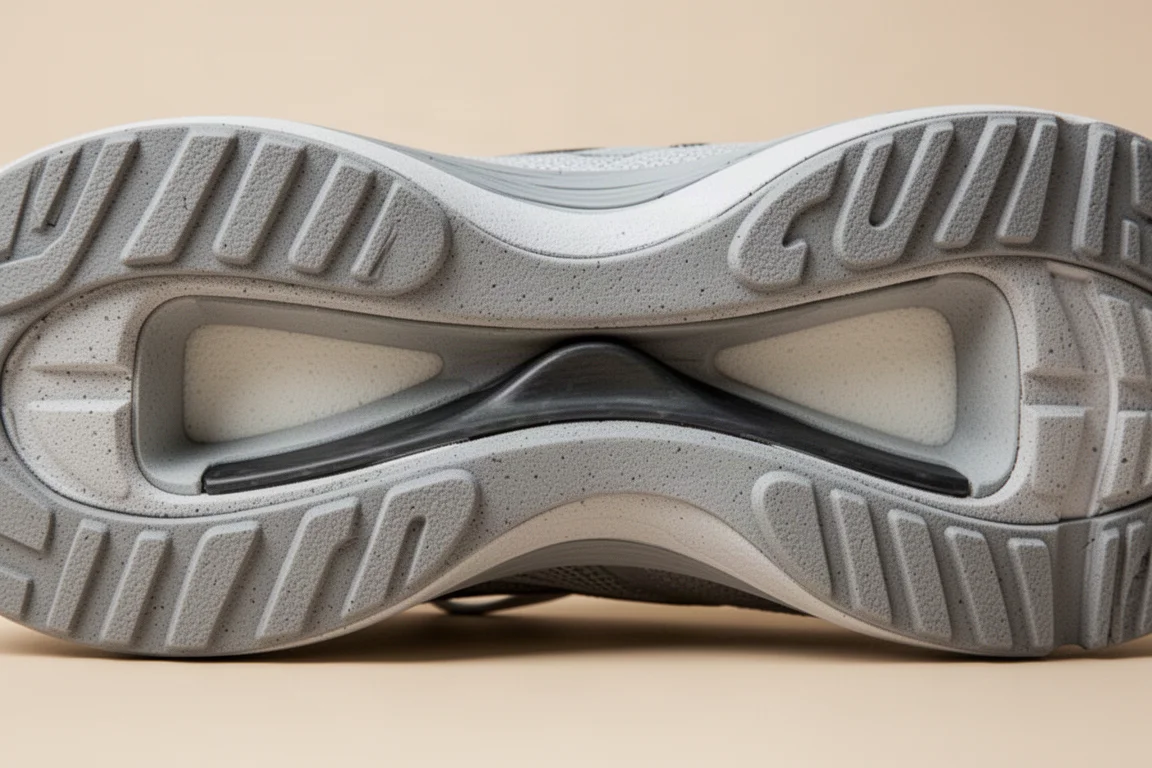
Weight is on the hefty side. Hoka lists 11.3 oz for a US men’s size 10, and a men’s size 9 comes in at 11.1 oz, or 316 g. The outsole has decent rubber coverage, a long channel through the middle, and a large window into the foams and plate.
The Plate: Built to Roll, Not to Pop
The carbon fiber piece in this shoe is hard to call a plate in the traditional sense. Instead of a single racing-style scoop, it uses two separate carbon rails along the sides, similar to the Tecton X trail shoe, with two cross members to add stability. The design is also convex, with a hump in the middle, rather than the soup-ladle shape you see in racing plates.
That convex design, combined with a lateral flare on the back of the heel, tells you what the plate is for: making the shoe roll smoothly and stabilizing the squishy foams above it. It is not there to add pop. When your foot lands and compresses the midsole, the plate keeps everything predictable rather than letting the soft foams squish in unstable ways.
This convex, roll-forward approach resembles the plate design in shoes like the New Balance SC Trainer version 2 and the Mizuno Wave Rebellion series. The goal is to land toward the heel, roll through the foot strike, and transition into the next stride.
How It Runs
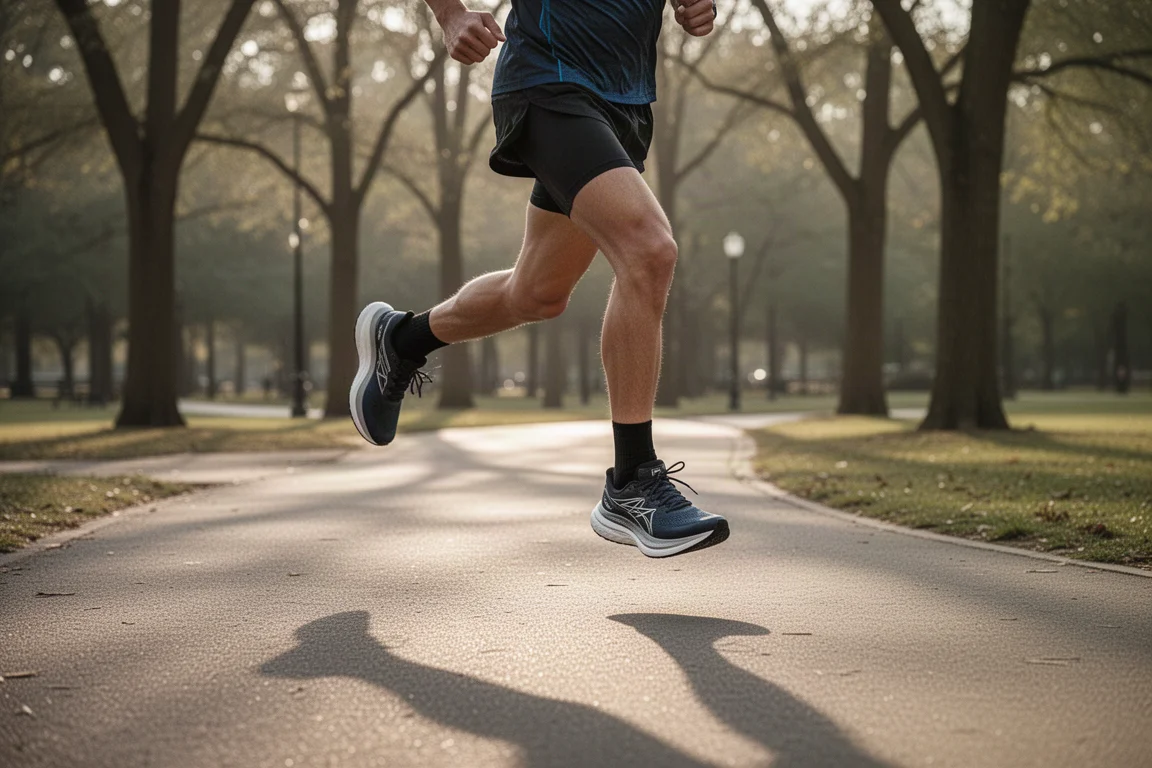
The run experience is tall, comfy, and controlled. There is a lot of exciting material in this shoe, but the way Hoka puts it together tones down the potential and mutes the experience quite a bit. The more generous interpretation is that the brand has stabilized dynamic materials in a way that many runners will find more approachable.
The PEBA here feels firmer than you would expect. PEBA can be tuned through formula, geometry, and surrounding materials, and in this shoe it does not deliver the lively, racing-style feel the name implies. The super critical EVA layer provides a nice amount of squish and comfort, but it feels muted and controlled rather than the airy, bouncy ride this much stack should be capable of.
For easy runs and longer runs at easy or slightly faster paces, it is a genuinely comfortable experience, and the shoe rolls well. The question is why it had to be this big. A tall shoe needs a reason for the height, and it is not obvious here. It is not a lightweight big shoe for longer fast runs in the way some competitors are; it is a big shoe that is really comfortable and plush, closer in spirit to a Bondi X successor than a Prime X or Superblast competitor.
Strides reveal the shoe’s limits. Pushing force into it on the toes does show what these materials could have delivered, and the squish and response up front feel nice. But with 11.1 oz on the scale and a very wide footprint, it is not a shoe most runners will reach for when the pace drops.
The Stronger Alternative: New Balance SC Trainer version 2
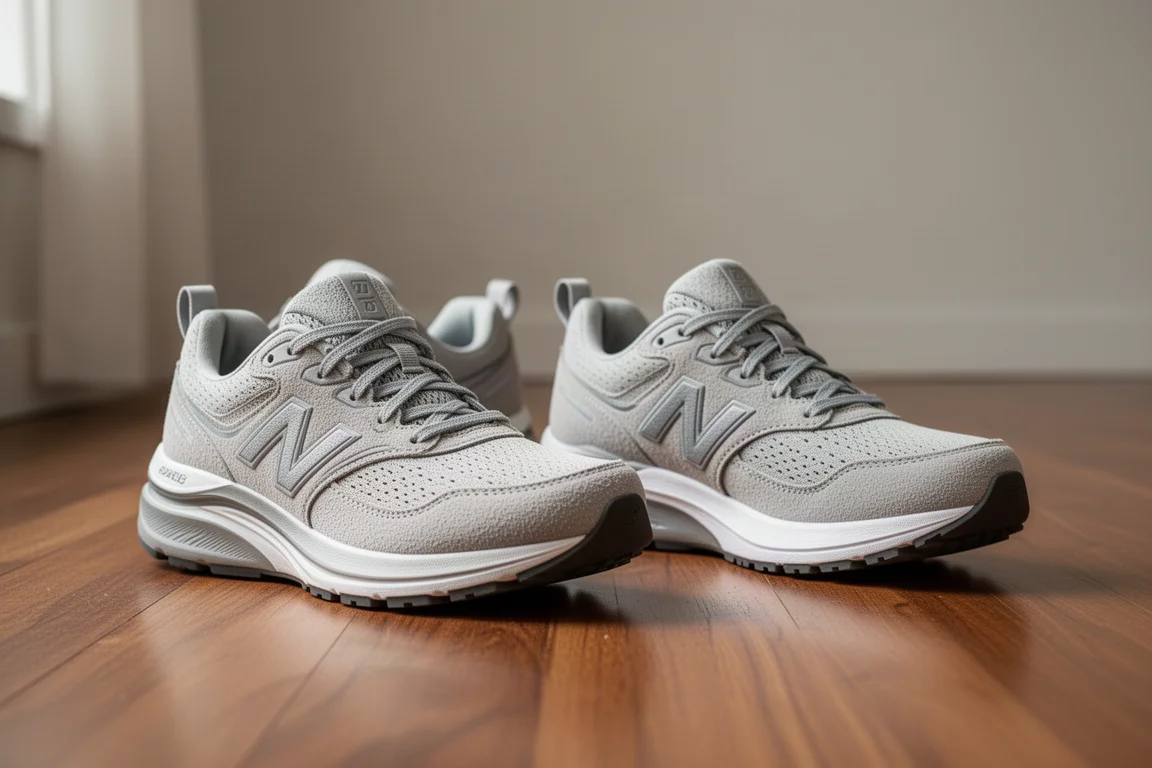
If you want the same squishy-but-stable tall-shoe experience, the New Balance SC Trainer version 2 arguably does it better. It comes in under 40 mm of stack but uses two layers of Fuel Cell, New Balance’s racing foam at the time of release, with a carbon fiber plate sandwiched in between.
The Energy Arc is New Balance’s sculpted carbon plate design, and it delivers much of the same rolling and stabilizing benefit as the Skyward X’s double H plate. For runners who have found racing shoes and tall shoes too unstable, it offers a similar squishy but stable experience. At $180 retail, and often less at other retailers, versus the Skyward X’s $225, it is the shoe we would recommend first. Note that an update to this shoe may be due soon, so watch for refreshes.
The Budget-Friendly Alternative: Hoka Bondi 8
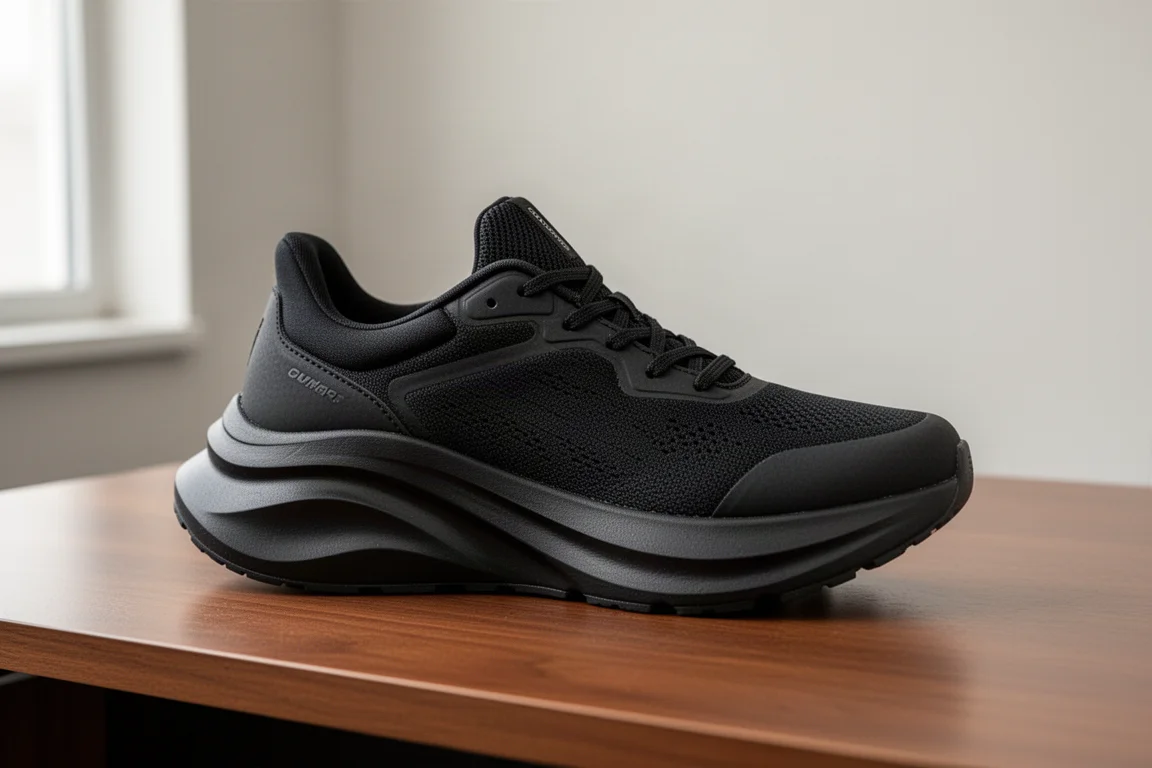
The other obvious comparison is Hoka’s own Bondi 8. It is a tall, comfortable, stable shoe with a very controlled ride and a wide footprint, just like the Skyward X. The upper is puffy and comfortable, giving a plush step-in feel. Both shoes, incidentally, are a bit less squishy than their appearance or marketing suggests, so if you want a controlled cushioning experience, both are compelling.
At $165, the Bondi 8 costs $60 less than the Skyward X while weighing only about 0.2 to 0.3 oz more. For anyone interested in the Skyward X, the Bondi 8 is the shoe to look at first.
Building a Rotation Around It
If the Skyward X is your everyday shoe, pair it with something faster and a dedicated race shoe. The Hoka Mach X shares a lot of the same DNA, with super critical EVA, a PEBA top layer, and a stabilizing PEBA plate rather than carbon. If you love the Mach X’s muted, safe execution, the Skyward X will feel like a natural, taller companion. For racing, the Hoka Cielo X1 uses PEBA in a genuinely racy way with a carbon plate that pops, making it a fun option for half marathons and marathons in the same rotation.
Conclusion
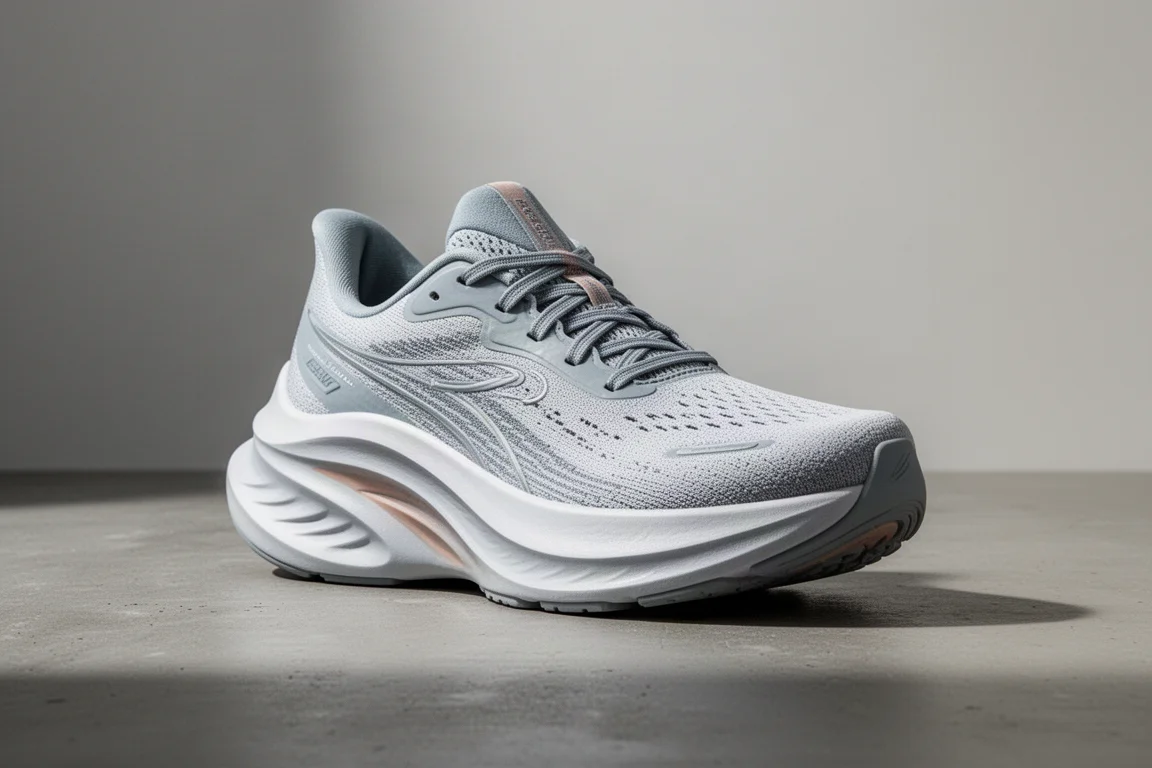
The Hoka Skyward X is a comfortable, stable, plush daily trainer with an unusual carbon plate design and premium materials. The catch is that those materials never quite live up to their potential, and at $225 the value is hard to defend. If you want the same stable, squishy tall-shoe ride for less, the New Balance SC Trainer version 2 is the pick. If you simply want a controlled, cushioned everyday shoe, the Bondi 8 does much of the same for $60 less. The Skyward X makes sense only if you specifically want maximum stack in a very stable, comfort-first package.
Further reading
Related Reviews

Running Shoes
Best Road-to-Trail Running Shoes: Three Versatile Options for Mixed Terrain
A practical guide to three road-to-trail running shoes that handle both pavement and mild trails, with clear strengths and trade-offs for different runner types.

Running Shoes
Best Running Shoes for Achilles Tendonitis: Three Options Explained
Three running shoes with different heel drops and support features designed to help reduce Achilles tendon pain during walking and running.

Running Shoes
Best Running Shoes for Women: Five Top Choices Ranked
A ranked guide to five women's running shoes, from versatile daily trainers to high-performance racing options, with real strengths and trade-offs for each.