Running Shoes
Hoka Skyward X 2 Review: 100 Miles in Hoka's Super Maximal Trainer
After 100 miles, the Skyward X 2 proves to be a much-improved rolling, stable-neutral long run shoe, with a firmer ride and a lower weight than its predecessor.
Introduction
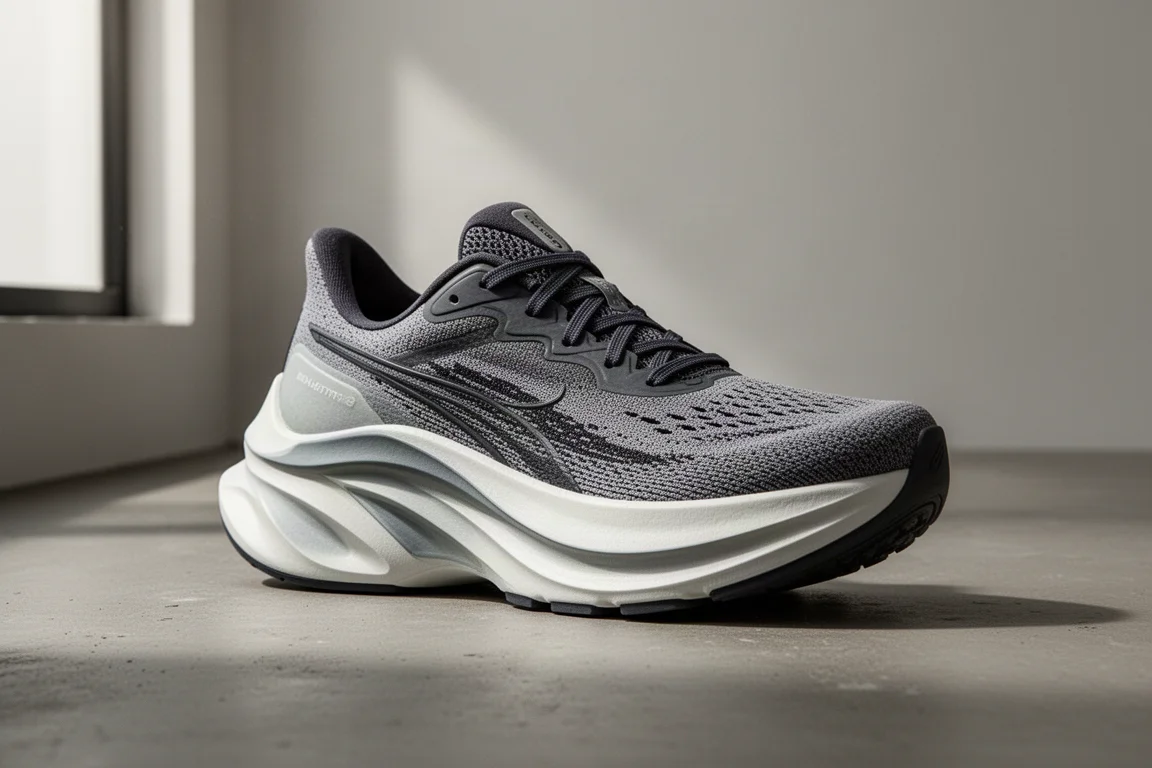
The Hoka Skyward X 2 is Hoka’s super maximal daily trainer, built for long runs and ultramarathon-style mileage. The first version was one of the tallest shoes on the market, but it was softer than expected, less stable than ideal, and heavier than it needed to be. Version 2 trims the stack slightly, drops a significant amount of weight, and turns the Skyward X into a far more runnable shoe across a wider range of easy and long efforts.
After 100 miles, the verdict is positive: this is not the fastest shoe on the market, and it is not trying to be. But as a long run and marathon-distance trainer, it rolls forward efficiently, stays remarkably stable for its height, and holds its ride character far better than most plated maximal shoes. It is also a genuinely expensive shoe, so durability matters, and on that front the midsole shows almost no change after 100 miles.
Specs and Midsole
In a men’s size 10, the Skyward X 2 weighs 10.2 oz (290 g), a substantial drop from the 11.1 oz of version 1 in the same size. Reported stack height is 44 mm in the heel and 39 mm in the forefoot for a 5 mm drop, though independent measurement came out closer to 46-47 mm in the heel. Version 1 measured around 50 mm. This is still a very tall shoe, just a little less extreme, which partly explains the weight savings.
The midsole uses two foams: a top layer of PEBA foam sitting in a bottom layer of EVA. The tall sidewalls and wide platform give the shoe a stable-neutral character that keeps you centered rather than biasing you in either direction. The ride is a touch firmer than you would expect from this much foam, which is a deliberate improvement over the mushier, sink-in feel of version 1.
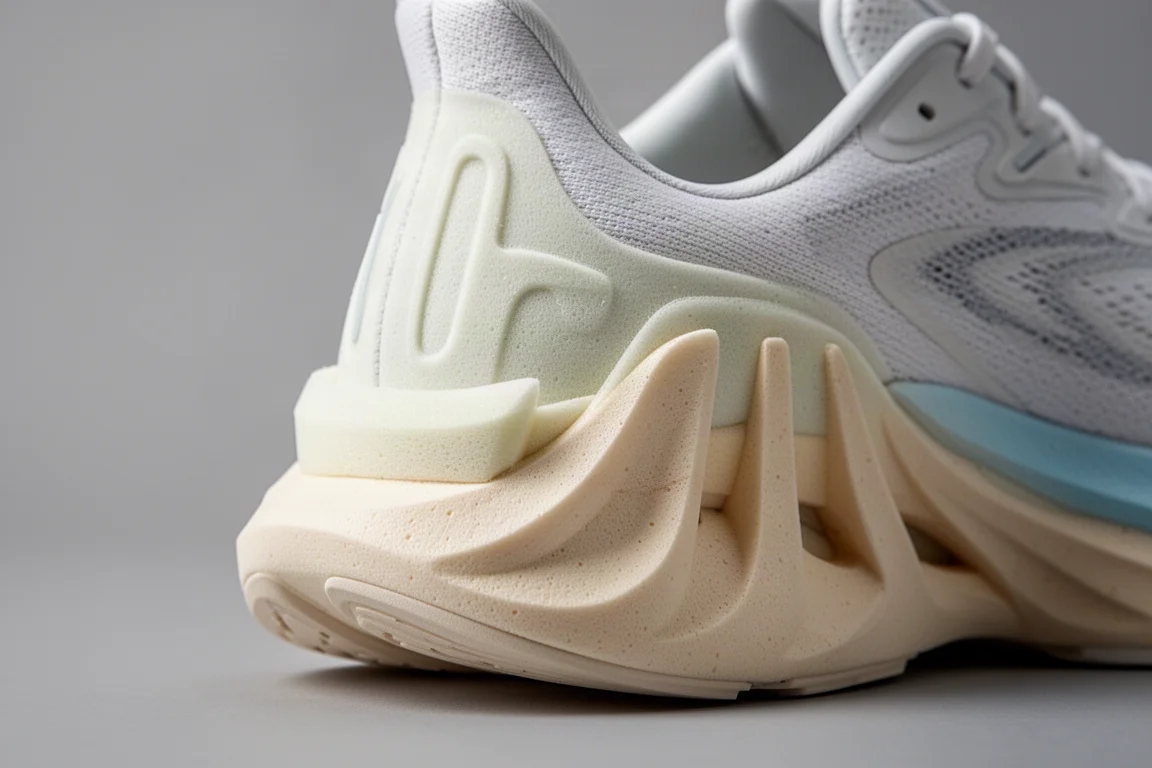
There is also a heel bevel, angled slightly medially, that needs some break-in time since most runners land on the lateral side of the foot. It does soften in with use, and the lower drop shifts your landing slightly forward, which helps.
Ride and Performance
The defining trait of this shoe is a rolling ride rather than a bouncy one. The long forefoot rocker pitches you forward early and makes cruising paces feel very efficient. It is not a shoe for 5K or 10K racing, and intervals felt like a struggle, but long runs are where it excels: you can lock into a pace and simply hold it. Up-tempo and marathon-pace work is possible depending on how quick your marathon pace is.

Surprisingly, it also handles easy runs, recovery runs, and daily training well, despite carrying a lot of foam plus a carbon plate. The plate is not there for propulsion; it simply maintains structure and helps roll you forward, which suits the shoe’s purpose perfectly. That said, there is zero flexibility. If you want a flexible, ground-connected ride, this is not your shoe. If you have limited toe mobility, such as hallux rigidus, the completely rigid platform may actually be an advantage, with the caveat of the narrow toe box discussed below.
Durability and Stability
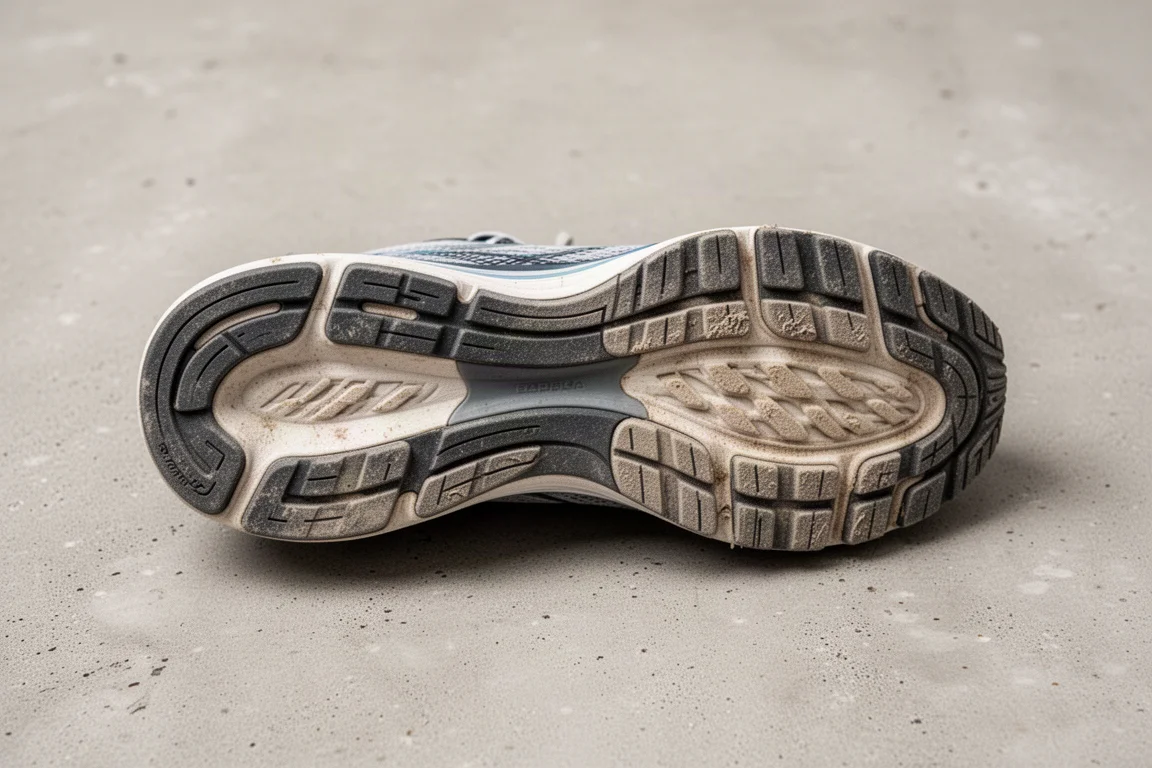
Wear after 100 miles is genuinely impressive. Nothing has torn off, the outsole is only lightly scuffed, and the midsole feels exactly the same as day one. The foam does not go mushy over time, which matters a lot at this price point.
Stability is one of the shoe’s quiet strengths. The sidewalls are significant on both sides through the heel and midfoot, extending toward the forefoot, and the wide, straighter last with side flare keeps you nicely centered whether you drift medial or lateral. On long runs there was no posterior tibialis fatigue, and it performed better than some dedicated stability shoes tested recently. Just be aware that, like many Hokas, the pronounced sidewalls can cause blistering if your feet do not tolerate them.
Fit and Upper
The upper is where this shoe struggles. The forefoot is noticeably tapered and narrow, in a step back toward older Hoka fits, which makes the shoe feel slightly short. It loosened up after roughly 70-80 miles of break-in, but if you are between sizes, a half size up is worth considering. The catch is that sizing up in such a tall, rockered shoe can shift where the rocker apex lines up with your toe joints, potentially making the shoe feel even stiffer, so trying before buying is strongly recommended.
The midfoot opens up wider, so laces need to be locked down for a secure fit and to stop the foot sliding forward, which otherwise adds pressure on the toes. Toe blistering showed up on almost every long run before the lacing was dialled in.
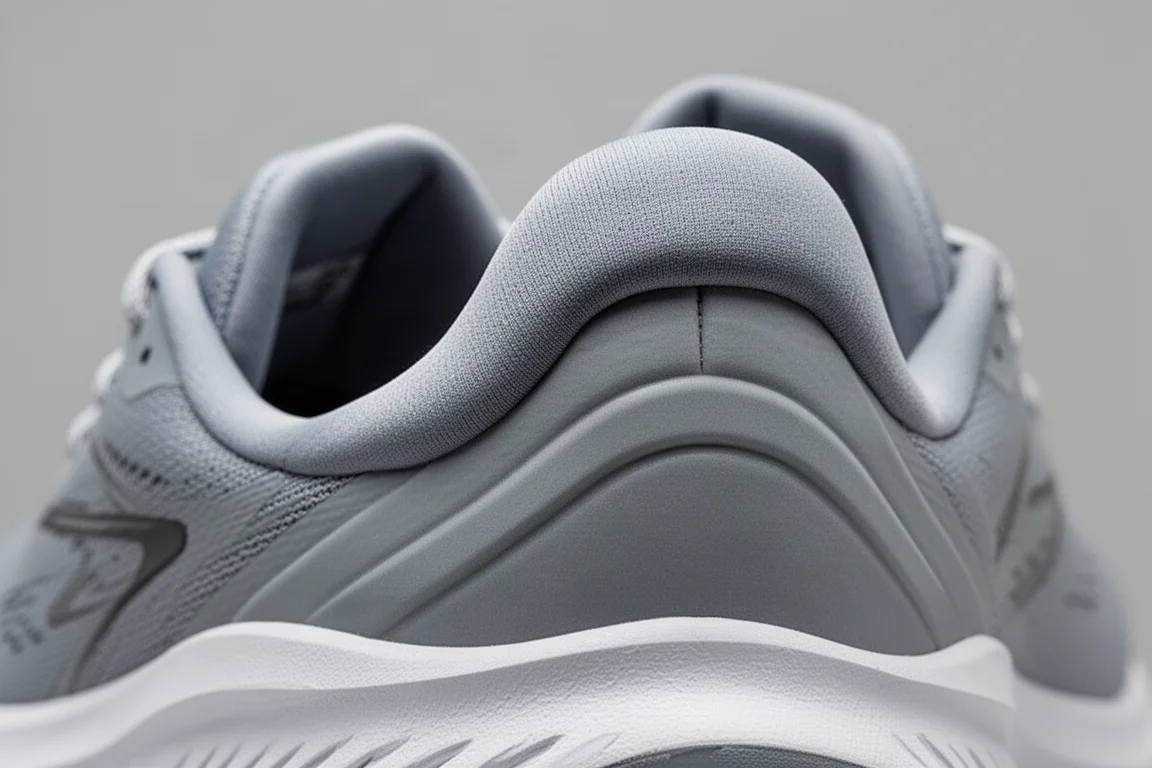
The heel is more encouraging. The heel counter is much more rounded than typical designs, which takes pressure off sensitive heels and Haglund’s-type bumps. The collar wraps back in an “elf heel” shape that sits comfortably around the Achilles tendon rather than digging in. There is a lot of padding back there, but as it compresses with wear, the very stiff heel counter underneath becomes more noticeable, so sensitive heels should keep that in mind.
Buying Advice
The Skyward X 2 makes the most sense as a long run, easy day, and marathon-distance trainer for runners who want maximum cushioning with genuine stability. For marathon times in the 3:30 to 4-hour range, it could serve well as a marathon road shoe, as long as the tapered forefoot works for your foot shape. If you want a soft, bouncy ride, look elsewhere; this is a firmer, rolling, efficient platform. If you want a low, connected feel, it is also the wrong tool. But if you want a lot of shoe underfoot that holds its character for hundreds of miles, it is one of the stronger options available.
Conclusion
Version 2 fixes most of what held the original back: it is lighter, firmer, more stable, and far more versatile across easy and long efforts. The trade-offs remain the narrow, tapered toe box, the total lack of flexibility, and a heel counter that grows more noticeable as the padding compresses. For long runs and ultramarathon training, though, the Hoka Skyward X 2 has earned its place in the rotation.
Product link
View more details for Hoka Skyward X 2
This product is mentioned in the review. Check the specifications, options, and compatibility before buying.
View more details for Hoka Skyward X 2Further reading
Related Reviews

Running Shoes
Best Road-to-Trail Running Shoes: Three Versatile Options for Mixed Terrain
A practical guide to three road-to-trail running shoes that handle both pavement and mild trails, with clear strengths and trade-offs for different runner types.

Running Shoes
Best Running Shoes for Achilles Tendonitis: Three Options Explained
Three running shoes with different heel drops and support features designed to help reduce Achilles tendon pain during walking and running.

Running Shoes
Best Running Shoes for Women: Five Top Choices Ranked
A ranked guide to five women's running shoes, from versatile daily trainers to high-performance racing options, with real strengths and trade-offs for each.