Running Shoes
Hoka Skyward X Review: 100 Miles in Hoka's Max-Cushion Plated Trainer
After 100 miles, the Skyward X stands out as a max-cushion marathon trainer that blends comfort, stability, and surprising pace, with a few trade-offs worth knowing.
Introduction
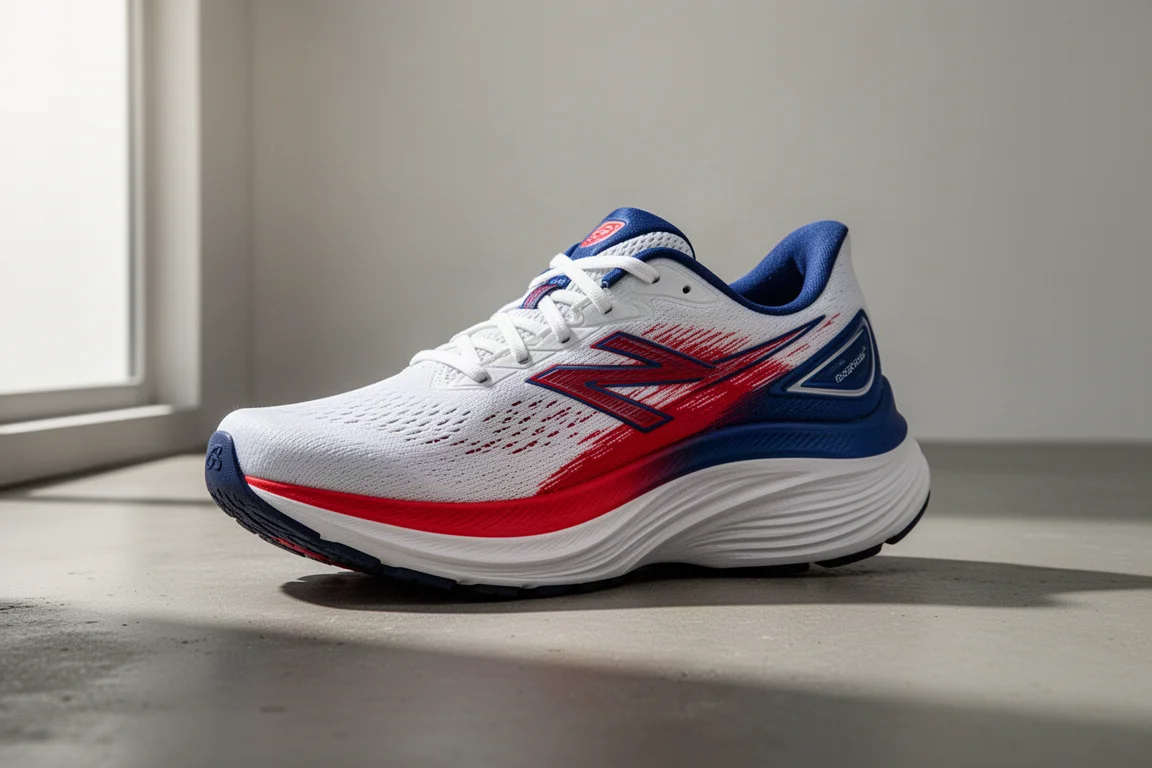
Some shoes impress you on the first run and fade from your rotation within a week. The Hoka Skyward X has done the opposite. Across 100 miles, it has not produced a single bad run. Every time it was laced up, including on tired days, post-marathon recovery days, and double-run days, the shoe simply delivered: comfortable, smooth, and consistently enjoyable. That kind of reliability is rare, and it is the core reason this shoe has earned a permanent spot as a favorite marathon training shoe.
What Kind of Shoe the Skyward X Actually Is
The Skyward X is a max-cushioned marathon training shoe, and the category is worth understanding before buying. Unlike traditional daily trainers that are designed to simply cruise along, shoes in this segment pair tall stacks and racing foams with enough support to make long miles feel easy. The idea is not just comfort; it is comfort plus a little speed assistance for the miles in between recovery and race day.
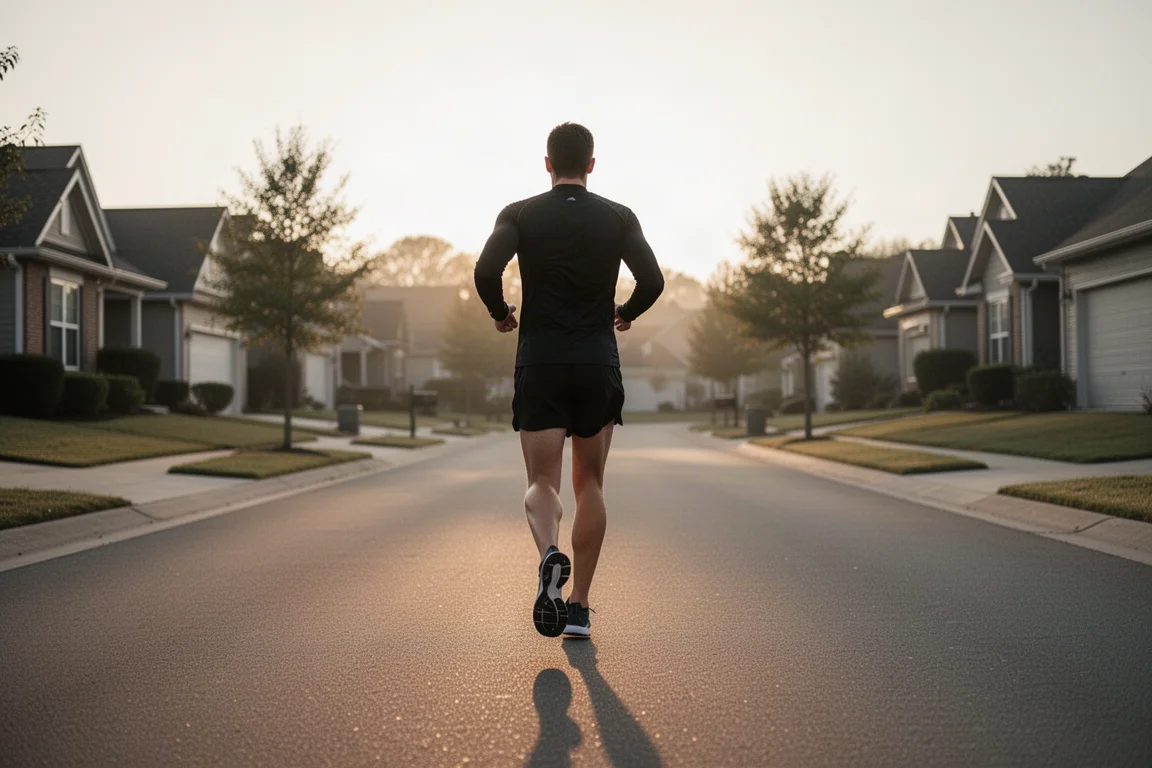
Within this category, which includes shoes like the Adidas Superblast-style max-stack trainers and the On Cloudmonster, the Skyward X has been the most satisfying of the bunch. Part of that comes from the enormous stack, and part from how the midsole is engineered. Together, they make running feel easier than it has any right to feel.
Midsole, Stack, and Ride
The headline feature is the stack: nearly 50mm in the heel, one of the tallest setups available. But raw height alone would not make this shoe special. The midsole uses two different foams. The top layer is PEBA, the same type of racing foam found in Hoka’s carbon racing shoes. The bottom layer and the surrounding cradle use a supercritical EVA foam, the same material found in the Hoka Mach 6.
That combination gives the Skyward X a bouncy, propulsive feel that is far from the slow cruiser the stack might suggest. A full-length carbon fiber plate sits in the middle of the midsole, and a pronounced rocker curves the sole so each stride rolls forward smoothly. Unlike the Mach 6, where the foam can eventually feel a bit flat, the Skyward X keeps its bounce deep into long runs.
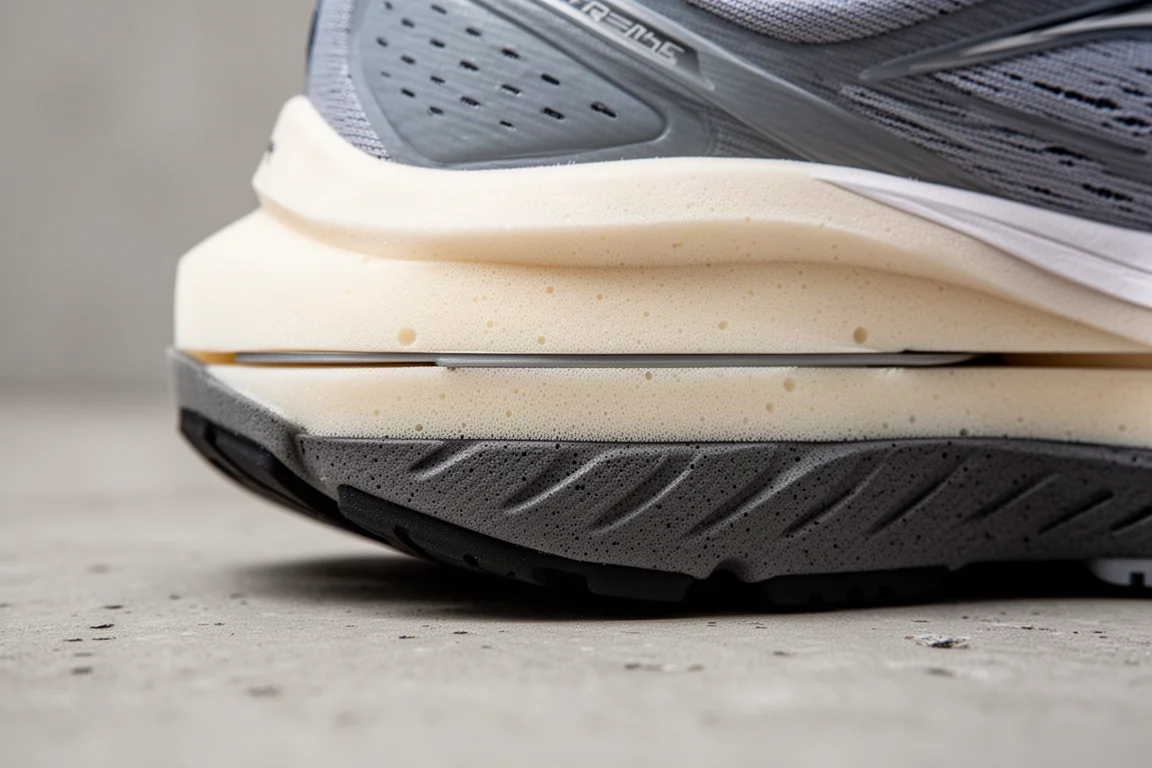
Stability is the other half of the story. The back end of the shoe is wide and supportive, with roughly an extra half-inch of width up near the foot compared with a standard trainer. The result is a shoe that never wobbles, even at very tall stack heights. That blend of speed and support reflects a broader trend in both training and racing shoes: designers increasingly understand that heavier, more powerful runners want cushioning that will not bottom out. For runners around 160 pounds or more, this shoe feels planted, secure, and lively all at once.
Weight: The Obvious Trade-Off
Yes, this shoe is heavy. The right shoe weighs about 335 grams, roughly 100 grams more than the Hoka Mach 6. That is a significant difference on paper.
The honest way to think about it: the weight is not there because Hoka used cheap or sluggish materials. It exists because the shoe is packed with supportive foam, a carbon plate, and a heavily padded upper. The trade-off is function. On the run, at paces from 9-minute miles down to the mid-6s, the weight simply did not register. The bounce and rocker mask it almost completely. If the weight were unknown, most runners would struggle to identify it from the ride alone. But if every gram matters to you, this is the one legitimate reason to look elsewhere.
Upper, Fit, and Comfort
The upper prioritizes comfort over lightness. It is generously padded around the heel and tongue, with a thick tongue and a solid plastic heel cup for structure. There is no lace pressure and no hot spots. The fit is locked-in without feeling tight, closer to a supportive racer-inspired feel than the plush wrap of something like a New Balance 1080.
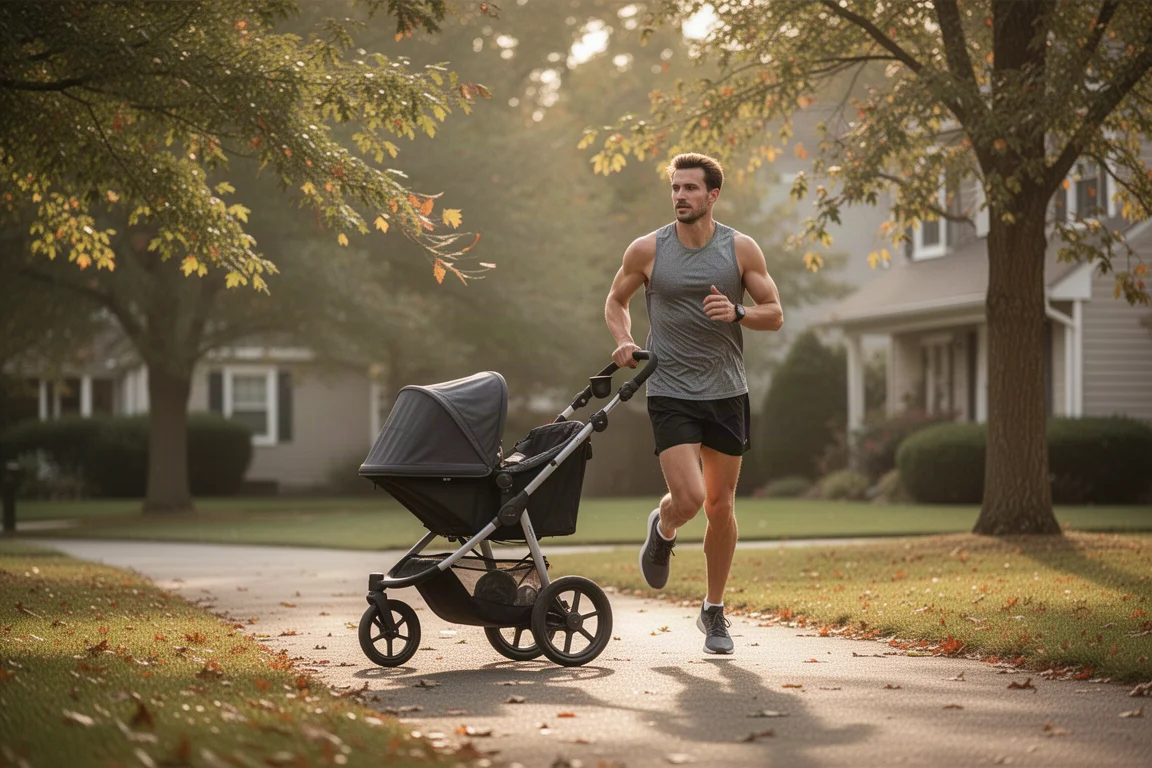
Sizing runs true. A US 10.5 delivered roughly half an inch of toe room, and the fit matched expectations exactly. That matters because Hoka’s sizing has been inconsistent on other recent models, where the same size felt drastically short. The Skyward X is refreshingly predictable.
Two caveats. First, the toe box runs slightly narrow in standard width; runners with wider feet felt a touch of pressure on the outside of the forefoot, though it warmed up and loosened during runs. A wide version would be worth checking on release. Second, breathability is only average. The upper handles up to around 80 degrees fine, but in hotter summer conditions a lighter mesh trainer like the Mach 6 will breathe better.
Durability, Outsole, and Grip
After 90 to 100 miles, the shoe looks and feels nearly identical to mile zero. There is no loss of pop or bounce, and the only visible damage is a small cosmetic scuff in the exposed foam near the inside of the midsole. The outsole shows some flattening of texture at the heel-strike area, but the rubber layer there is thick and should hold up well. The full-length carbon plate also tends to keep plated shoes feeling peppy through their lifespan, and there is no reason to expect this one to fall apart before 300 miles.
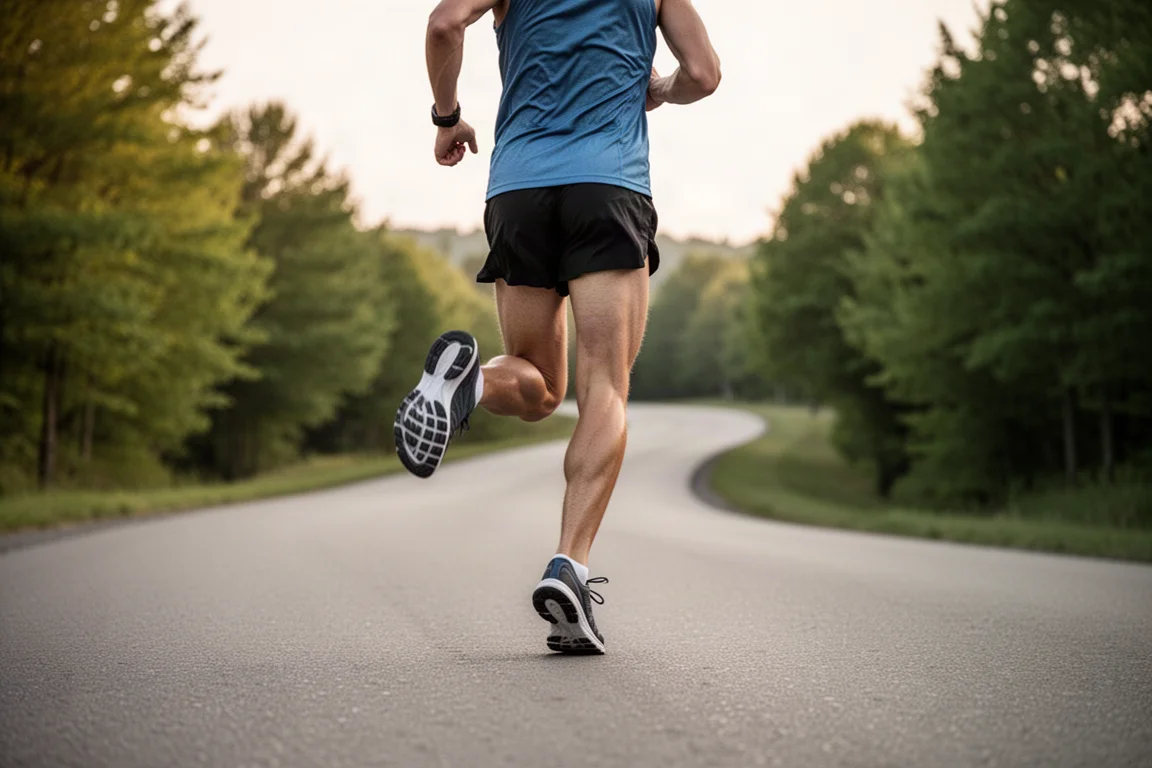
Grip is solid but not elite. Hoka uses the same rubber across its current lineup, and in wet conditions it performed adequately: not slippery, but not as surefooted as the best rubber from Adidas or Puma. In heavy rainstorms, expect competence rather than confidence. Notably, the outsole includes rubber coverage at the heel, which some lighter trainers in the same price neighborhood skip entirely.
Who This Shoe Is Best For
The Skyward X shines for runners logging high mileage at a steady, moderately quick pace. Think runs consistently longer than 45 minutes to an hour, with paces anywhere from 9-minute miles down to the mid-6s. It kept legs feeling fresh through a demanding training week that included double-run days, and it handles everything from relaxed aerobic running to steady tempo work.
It is also remarkably versatile within a rotation. It works for easy days, long runs, and faster steady efforts alike, which is exactly the do-everything quality that made the original plated trainer category so appealing in the first place.
Buying Advice and Alternatives
At $225, this is a premium shoe, and the price is worth pausing on. The honest assessment: it earns its price through performance, but there are strong alternatives if the number stings.
- Saucony Endorphin Speed lineage alternatives: The SC Trainer V2 offers a similar soft, comfortable long-run experience with a lighter feel, often found on sale for well under the Skyward X’s list price. Some runners report feeling its plate near the heel; the Skyward X’s plate is completely unnoticeable underfoot.
- Asics Novablast 4: A great non-plated option for longer, more relaxed miles, very stable and comfortable, though it prefers slower paces and its outsole rubber is a weak point.
- Nike Invincible 3: Full racing foam with real bounce, fun for 45-to-60-minute runs and often found at a significant discount, but less versatile and harder to control at some paces.
- Asics Gel-Nimbus 25: Softer and better for recovery miles, but best kept under an hour.
- Hoka Mach 5: A lower-stack, budget-friendlier pick for shorter, faster running.
- Saucony Endorphin Shift 3: Frequently found around $80, with a nearly identical curved rocker geometry and wide supportive base. It is much firmer, but for bigger runners who like a structured ride, it is the ultimate value pick.
If the budget stretches and the running pattern matches, the Skyward X is worth the premium. It delivers more comfort, more cushioning, and a more complete package than anything cheaper tested alongside it.
Conclusion
After 100 miles, the verdict is simple: the Hoka Skyward X is an outstanding max-cushion marathon training shoe. It combines a huge, comfortable stack with a bouncy PEBA-and-EVA midsole, a full-length carbon plate, and genuine stability, all in a package that has never produced a bad run. The weight and the $225 price are the two real obstacles, and for many runners neither will matter once the shoe is on foot. For high-mileage training with a bit of speed mixed in, this is about as good as the category gets.
Product link
View more details for Hoka Skyward X
This product is mentioned in the review. Check the specifications, options, and compatibility before buying.
View more details for Hoka Skyward XFurther reading
Related Reviews
Running Shoes
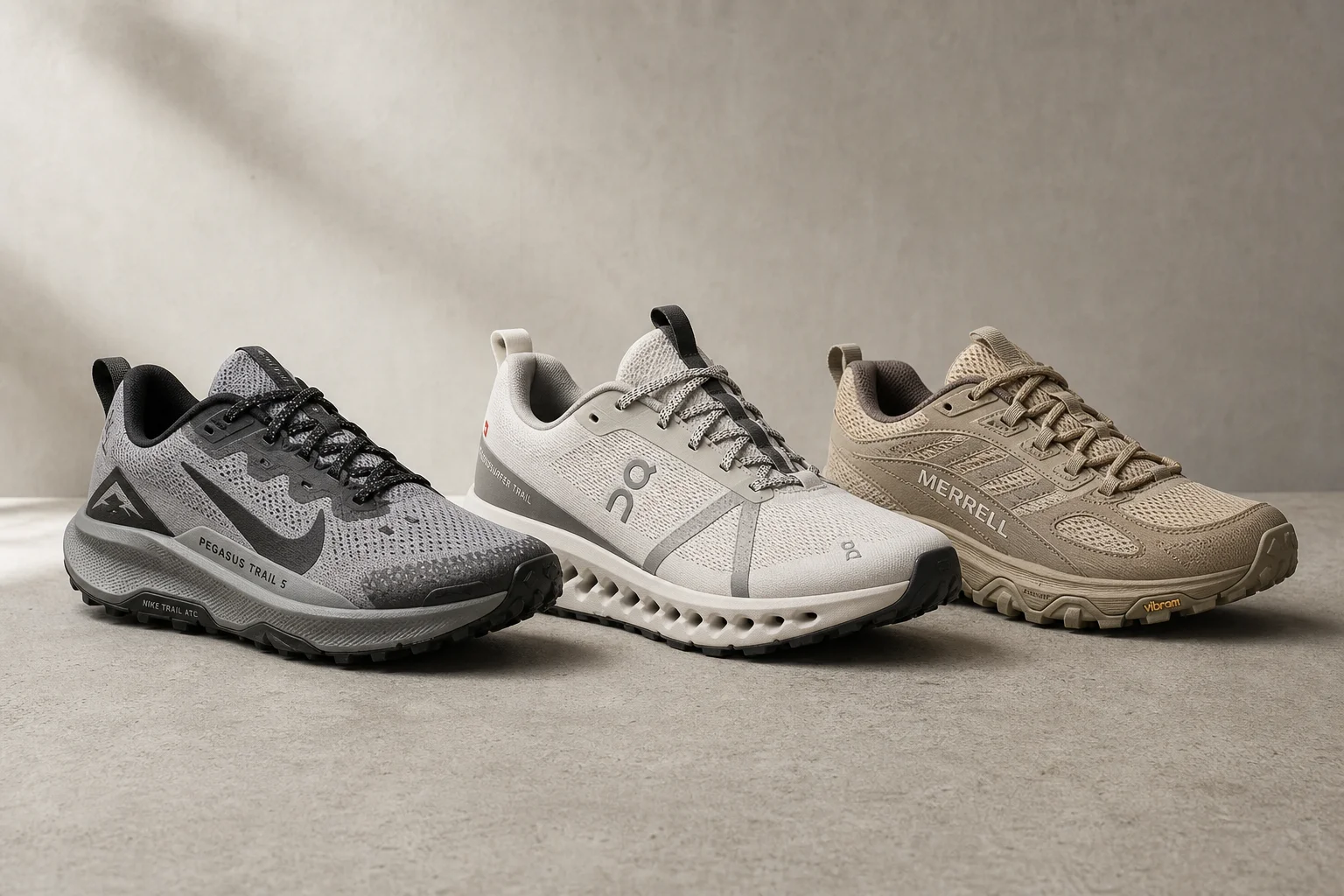
Best Road-to-Trail Running Shoes: Three Versatile Options for Mixed Terrain
A practical guide to three road-to-trail running shoes that handle both pavement and mild trails, with clear strengths and trade-offs for different runner types.
Running Shoes
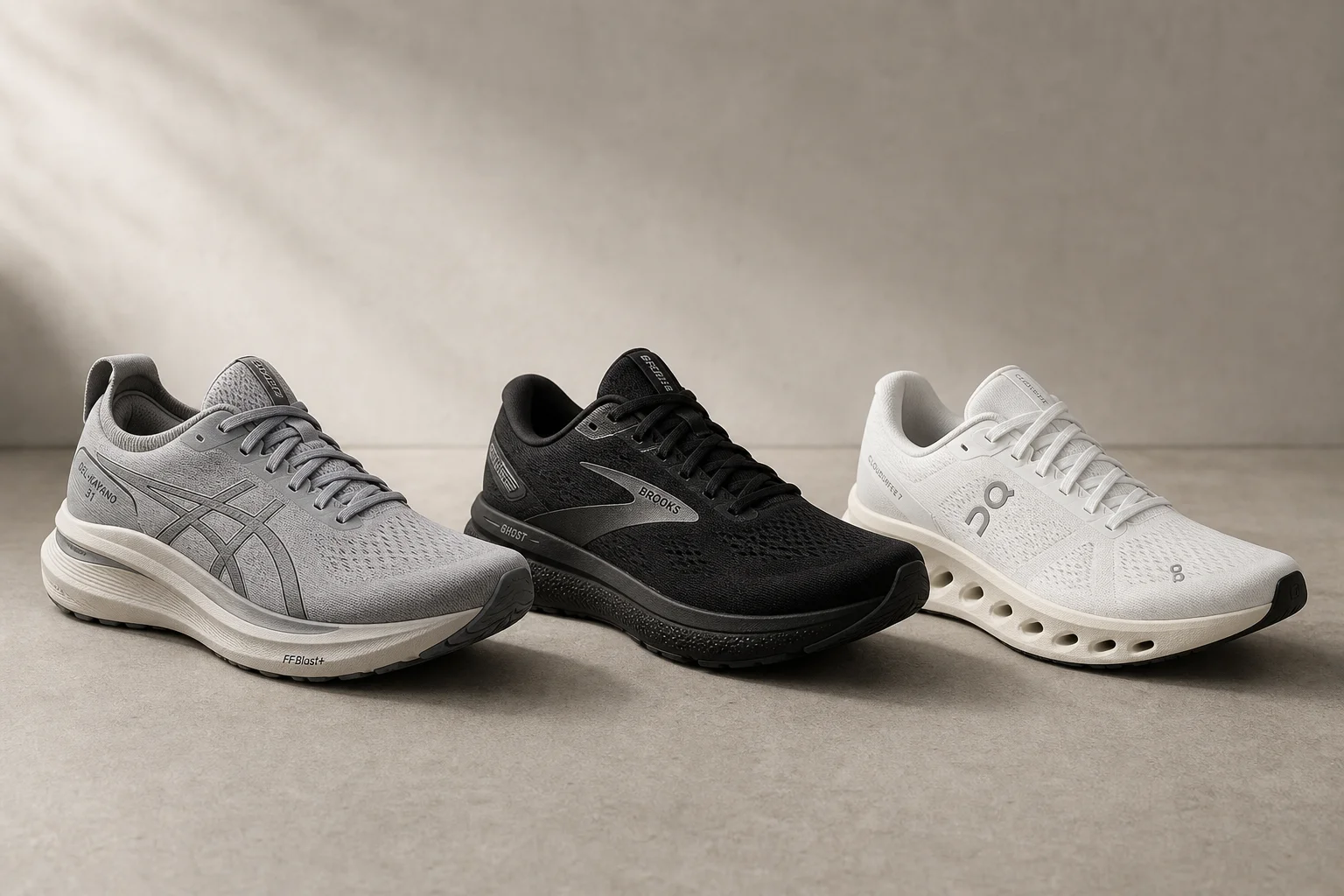
Best Running Shoes for Achilles Tendonitis: Three Options Explained
Three running shoes with different heel drops and support features designed to help reduce Achilles tendon pain during walking and running.
Running Shoes
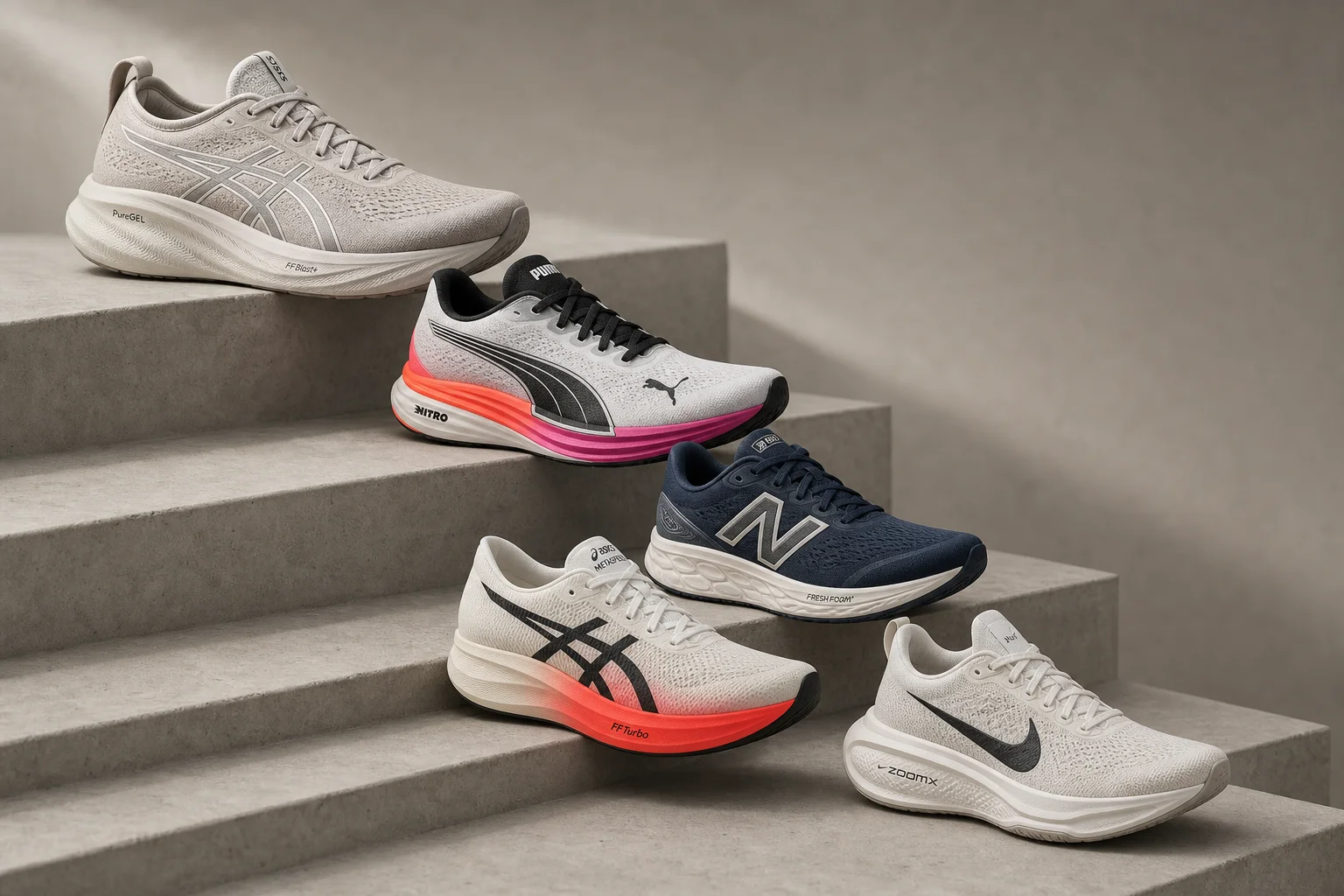
Best Running Shoes for Women: Five Top Choices Ranked
A ranked guide to five women's running shoes, from versatile daily trainers to high-performance racing options, with real strengths and trade-offs for each.