Running Shoes
Hoka Skyflow vs New Balance Fresh Foam 1080 v14: Which Cushion Daily Trainer Wins?
Two of the year's best cushioned daily trainers compared, covering ride feel, fit, stability, and which runner each shoe suits best.
Introduction
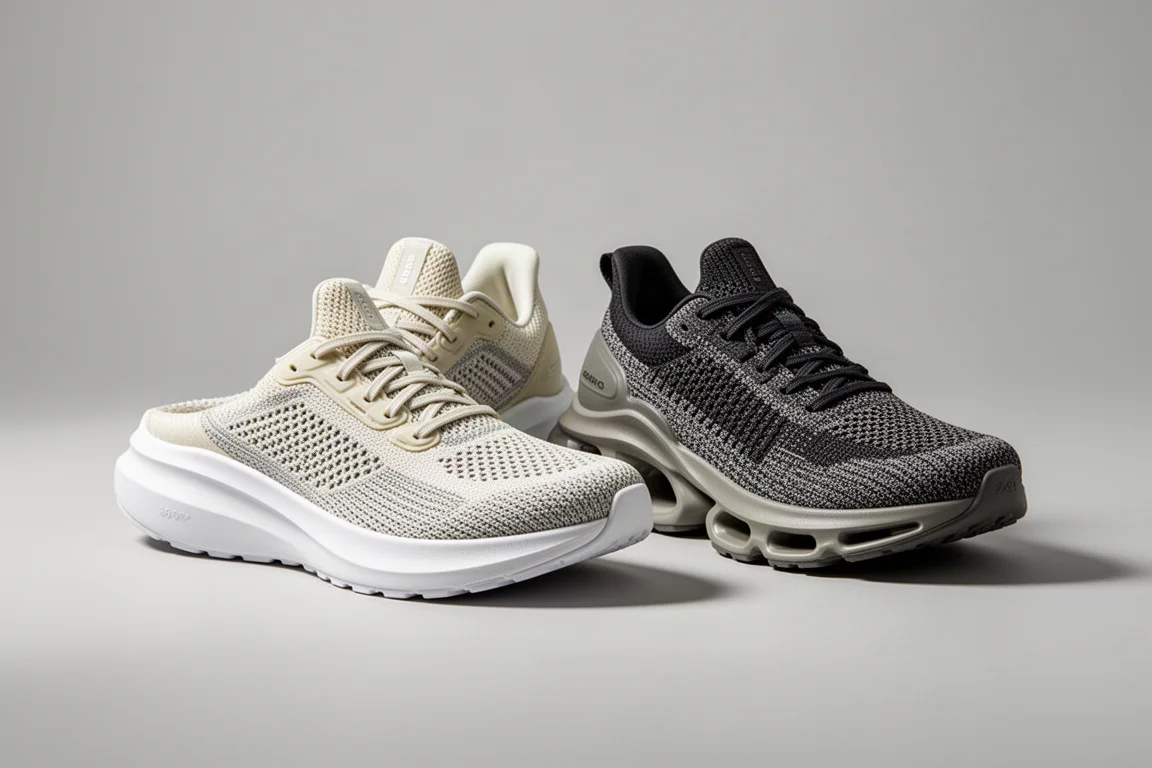
The Hoka Skyflow and the New Balance Fresh Foam 1080 v14 both sit at the top of their brands’ ranges of neutral cushion daily trainers. The Skyflow is essentially an upgraded Clifton, while the 1080 v14 is the latest version of New Balance’s long-running cushion daily trainer line.
These two are among the strongest cushioned daily trainers of the year, and the differences between them come down to feel, comfort, and versatility. Here is how they compare.
Specs at a Glance
The 1080 v14 is the slightly more expensive shoe at £60 / $165, while the Skyflow comes in at £50 / $160. They are almost exactly the same weight: 285g (10oz) for the Skyflow in a UK 9, versus 287g (10.1oz) for the New Balance.
Stack heights are close too. The Skyflow runs a 5mm drop with 40mm at the heel and 35mm at the forefoot in the men’s shoe (38/33 in the women’s), while the 1080 v14 has a 6mm drop with a 38mm heel and 32mm forefoot.
Design and Construction
The Skyflow uses a creel jacquard upper with a fair amount of padding on the tongue and collar, plus a fairly stiff internal heel counter. The midsole is supercritical EVA with Hoka’s meta rocker design and side walls of foam that the foot sits within. That supercritical EVA is the main upgrade over something like the Clifton, which uses a more standard version of the foam.
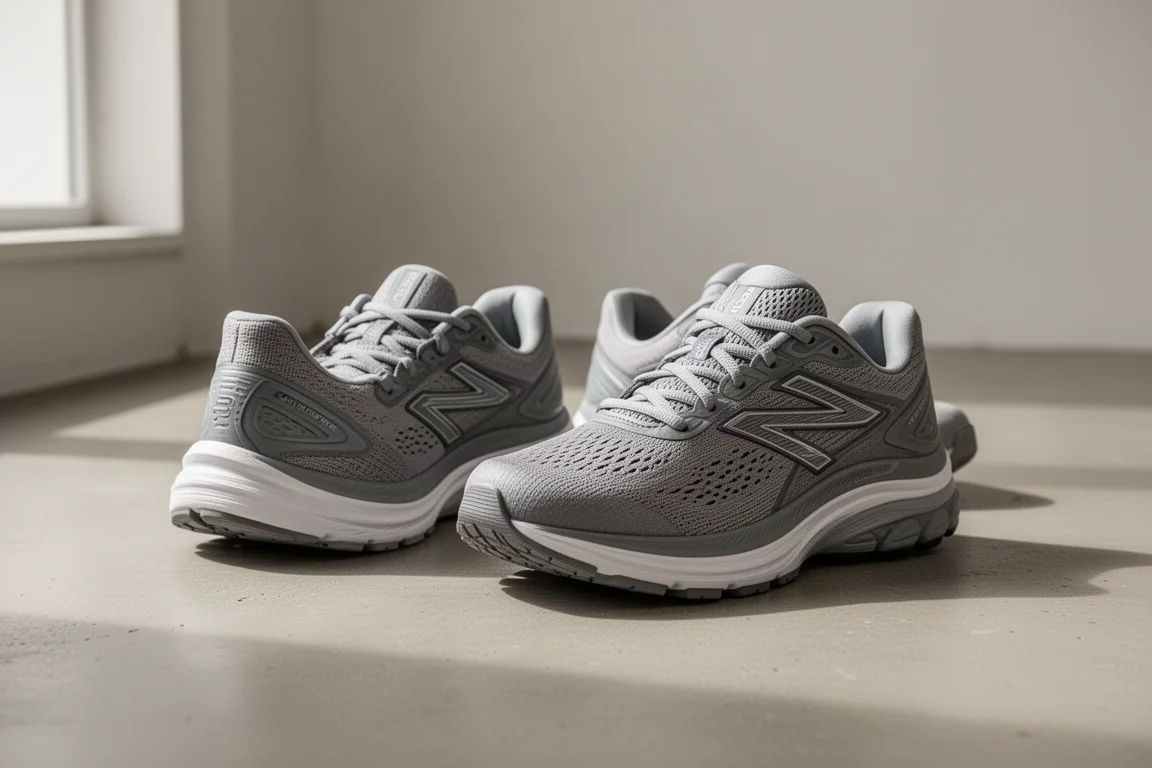
The outsole rubber covers most of the shoe’s length, with some exposed foam and a large recessed cutout that trims a little weight without touching the ground. All the key impact areas are covered with a thick layer of rubber.
The 1080 v14 counters with an engineered mesh upper, plenty of padding at the tongue and collar, and a good internal heel counter. Its Fresh Foam X midsole is similar to the previous v13 but slightly firmer and more balanced rather than outright softer. The rubber outsole covers less area than the Hoka’s, but the heel and forefoot impact zones still get a decent layer of rubber.
Fit and Sizing
In a UK 9 (US 9.5) for both brands, both shoes fit well and hold nicely around the heel and midfoot, with no concerns about the heel counters or cushioning at the back.
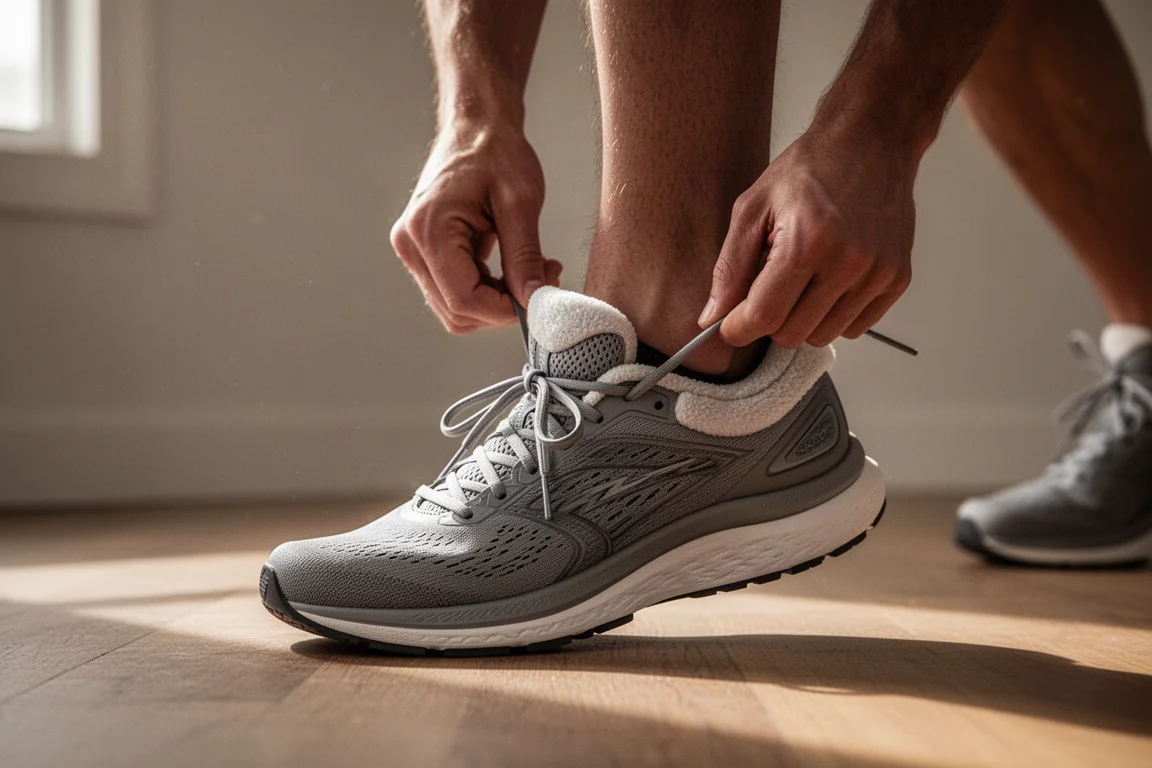
Both shoes come in two widths. If you have even a slightly wide or normal-width foot, the wider Skyflow is worth considering because, like many Hoka shoes, it runs a little narrow. That narrow fit suits narrower feet very well. Stick to your normal running shoe size with both.
One small difference: the Skyflow has a classic tapered Hoka collar, while the 1080 v14’s collar is more padded in the center, which some runners may find can rub the heel slightly.
Ride and Feel
The Skyflow’s ride is a little firmer and stiffer than the 1080 v14’s. The supercritical EVA does not have a huge amount of give, so you do not get sink-in softness, but it stays comfortable on long runs and moves you through foot strike very smoothly thanks to the classic Hoka meta rocker. Off the forefoot there is a bit more response from the firmer, poppier foam, making it a cushion shoe that handles daily training well with a little speed work mixed in.
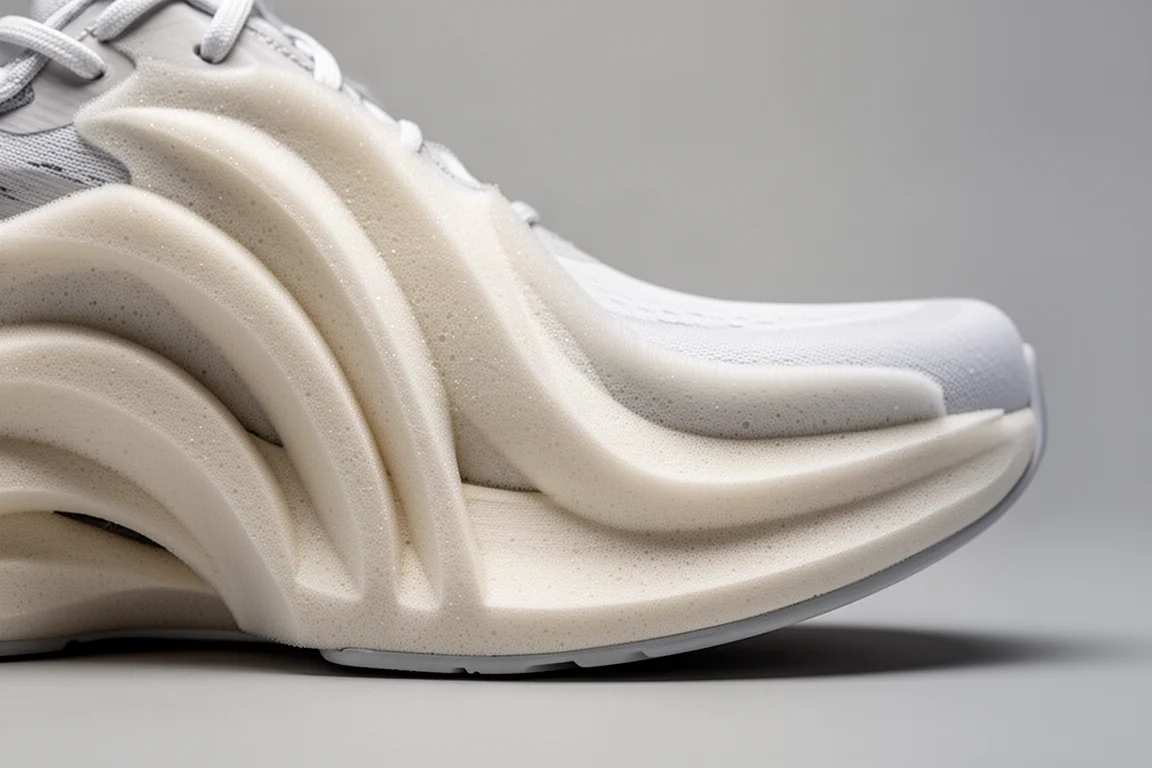
The 1080 v14 is the softer, squishier shoe, particularly under the heel, but unlike the v13 it does not leave you sinking into the foam. There is more rebound here, and the firmer foam makes the rocker effect more noticeable, letting you flow through your stride instead of sinking in. Recovery runs and slow cruising feel plush and comfortable, with a bit of bounce off the toes rather than anything explosive.
Run side by side, the differences are clear: squishy softness at the back of the New Balance, a firmer but smoother rocker ride on the Skyflow that feels lighter off the toes.
Stability
Both shoes feel stable for their stack heights. The 1080 v14 is more stable than the very soft v13, and the Skyflow is naturally stable with its wide base, foam side walls, and rocker, plus that firmer foam adds a feeling of stability from the base of the shoe. The Skyflow is arguably the slightly more stable of the two, but neither felt wobbly underfoot.
Overall Buying Advice
Both shoes hoover up mileage in comfort and offer a bit of versatility beyond easy runs, though they are at their best for easy runs and daily training rather than flat-out cushioning like max-stack shoes.
The 1080 v14 is the softer and more comfortable shoe, without being mushy. If your priority is comfortable easy runs, recovery runs, and long runs at cruising pace, it takes a slight edge. It is also the better cushion daily trainer in a rotation, and the better single-shoe pick for newer runners who want comfort and protection for everything.
The Skyflow, meanwhile, has more response and a better feeling when running fast, making it the slightly better pick if you want one cushioned shoe to do everything, including progression runs, tempo runs, and racing long distances.

Conclusion
These are both very strong cushion daily trainers and the choice is close. Pick the 1080 v14 for maximum comfort at easy paces or as the cushioned slot in a rotation; pick the Skyflow if you want a bit more snap and versatility for faster running. For this runner’s own rotation, the extra comfort of the 1080 v14 gives it the narrow overall edge.
Product link
View more details for Hoka Skyflow
This product is mentioned in the review. Check the specifications, options, and compatibility before buying.
View more details for Hoka SkyflowFurther reading
Related Reviews

Running Shoes
Best Road-to-Trail Running Shoes: Three Versatile Options for Mixed Terrain
A practical guide to three road-to-trail running shoes that handle both pavement and mild trails, with clear strengths and trade-offs for different runner types.

Running Shoes
Best Running Shoes for Achilles Tendonitis: Three Options Explained
Three running shoes with different heel drops and support features designed to help reduce Achilles tendon pain during walking and running.

Running Shoes
Best Running Shoes for Women: Five Top Choices Ranked
A ranked guide to five women's running shoes, from versatile daily trainers to high-performance racing options, with real strengths and trade-offs for each.