Running Shoes
Hoka Skyflow First Run Review: A More Cushioned Take on the Mach Formula
The Hoka Skyflow brings supercritical EVA foam to a cushioned daily trainer, sitting somewhere between the Clifton and Bondi in the Hoka range.
Introduction
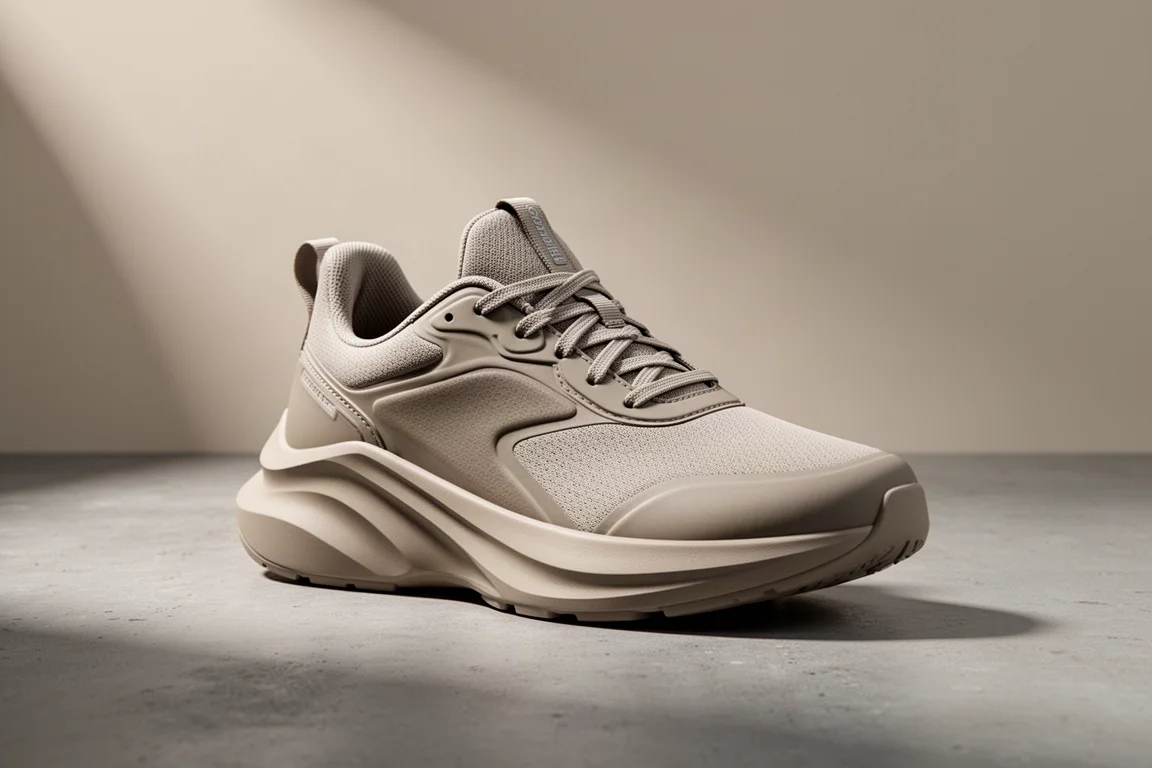
The Hoka Skyflow is a new cushioned daily trainer in the Hoka range, positioned slightly above the Clifton 9 in price at £150 or $160. In this UK size 9 it weighs 285g or 10 oz, with a 5mm drop. Stack height is 40mm at the heel and 35mm at the forefoot in the men’s shoe, and 38mm at the heel with 33mm at the forefoot in the women’s version.
On paper it looks like a familiar Hoka cushioned trainer. On the foot, the difference shows up quickly: the entire midsole is built from supercritical EVA foam rather than the compression-moulded EVA used in models like the Clifton and Bondi.
What Makes the Skyflow Different
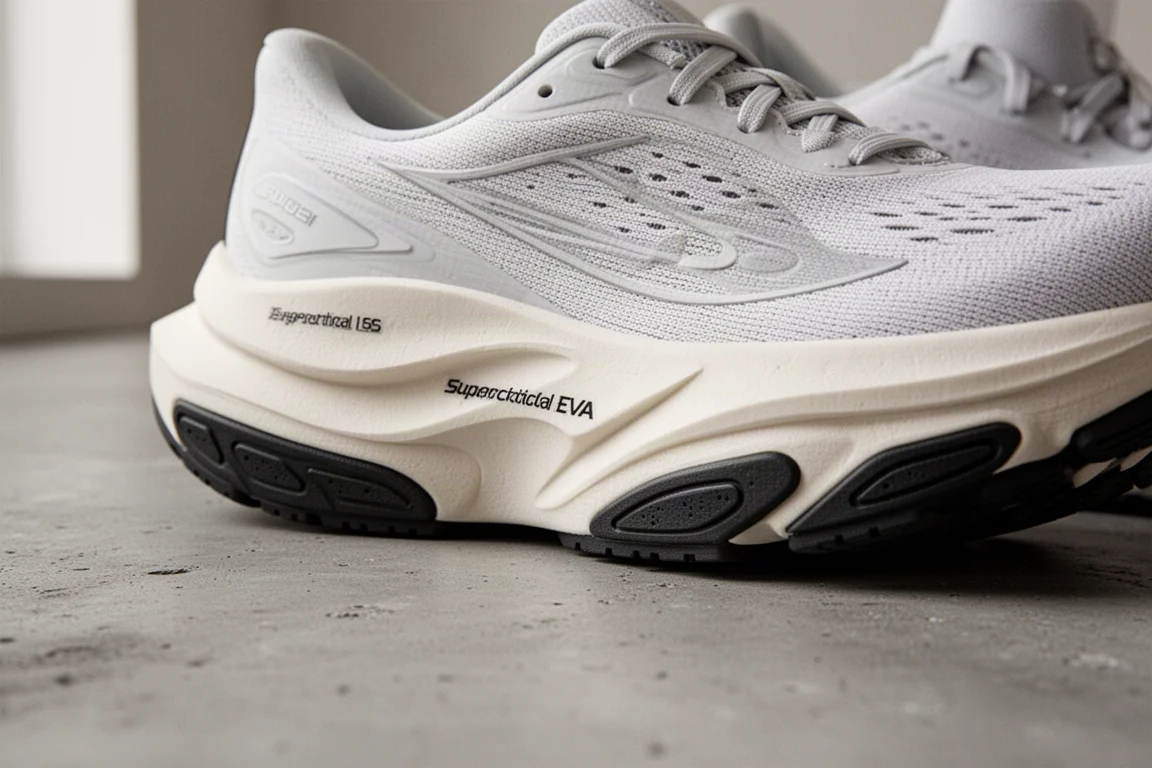
The headline upgrade is that supercritical EVA midsole, a material Hoka has previously used mainly in the Mach line rather than in a standard cushioned daily trainer. It is a lighter, bouncier foam, and it gives the Skyflow a slightly livelier feel than the traditional compression-moulded EVA in the Clifton and Bondi.
Beyond the midsole, this is classic Hoka territory. The upper is an engineered jacquard mesh, the tongue is notably more padded than most Hoka shoes, and there is a fair amount of padding around the collar. An internal heel counter and Hoka’s usual heel design sit alongside the brand’s early-stage meta rocker. The rubber outsole is thick with good coverage in the key impact areas, though not complete, with a gouge in the midsole and some exposed foam. Durability should still be strong, which is what you want from a daily trainer.
Fit and Sizing
The Skyflow fits true to normal Hoka sizing. In a UK 9 (US 9.5), the fit is very much a classic Hoka fit all around: secure hold through the midfoot, a comfortable forefoot, and a heel design that avoids irritation. For a narrow-footed runner, the forefoot is excellent, though wider-footed runners who struggle with Hoka shoes in general may find the same issues here.
The heavily padded tongue was the main question mark before running. It held the foot nicely and stayed comfortable over a sore spot on the top of the foot caused by lace bite from another shoe. Despite the extra padding, it did not feel hot or oppressive in warm conditions, though longer runs will be the real test.
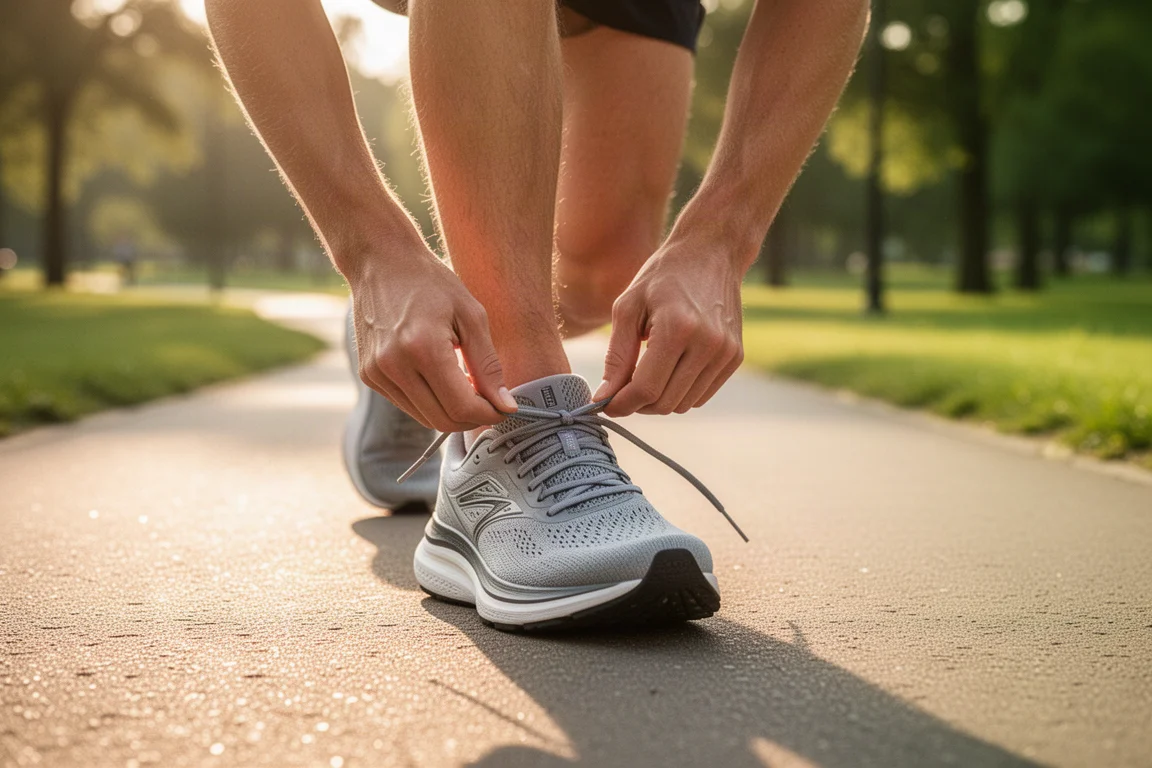
The heel counter is a quiet strength. It provides a little support without being obtrusive, and it caused none of the Achilles irritation that certain heel designs can trigger. If you already own other Hoka shoes, you can confidently size based on that experience.
First Run Impressions
The first run was just over 10K in about 45 minutes at a relaxed, easy pace on a hot day, mixing road and light trail. The shoe simply disappeared on the foot. The padded tongue was not a problem, the foam felt good underfoot, and the rocker meant you could just run without thinking about the shoe much.
The foam is not soft and squishy in the way of something like a max-cushion shoe. It is not there to wow you. Instead it has a slight bounce and mostly ticks over very nicely. When you put more force into it, you get more compression and bounce back: a resilient, two-level effect. Heavier runners may feel that at all paces, while faster-paced running will bring it out for many others. That combination of easy comfort with a bit of speed underneath is exactly what you want from a daily trainer.

It is a bigger shoe than the Mach, which works well as a complement rather than a replacement. If you found the Mach 5 or Mach 6 a bit too lightweight or not cushioned enough for daily miles, the Skyflow gives you a similar feel in a more cushioned package set up for everyday running, leaving the Mach as the faster, lighter option in a rotation.
Where It Fits in the Hoka Range
The clearest way to describe the Skyflow is an improved Clifton. It shares a lot with the Clifton 9 but has better foam in the midsole and simply feels like a better shoe. Compared with the Bondi, it offers a similar level of cushioning while moving far better, so it could plausibly replace the Bondi for runners who found that shoe heavy and sluggish.
The complication is price. At £150 or $160 it sits above Clifton territory and pushes against premium cushion shoes like the Nimbus and Triumph rather than direct Clifton competitors like the Pegasus. If the price had stayed at Clifton levels it would be outstanding value. As it stands, it is a comfortable cushion shoe that should still compete reasonably well at this higher mark.
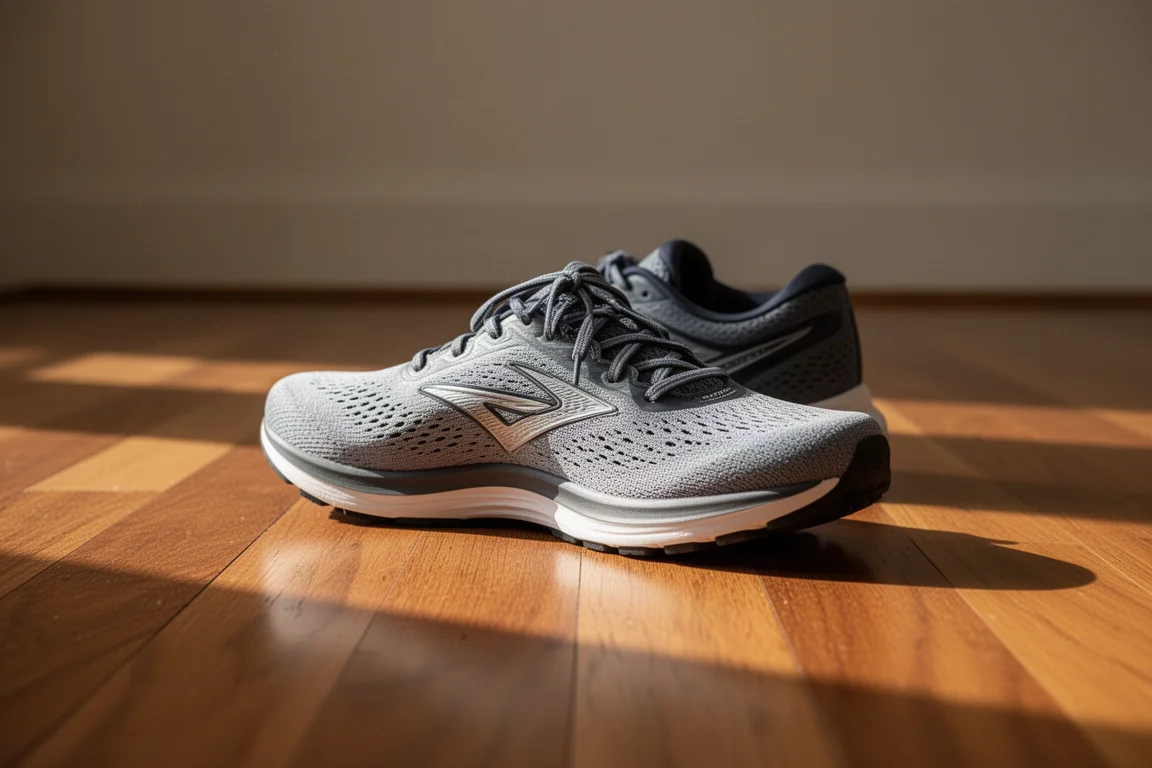
The shoe it most resembles after a first run is actually the ASICS Novablast 4: a well-cushioned trainer that still keeps a fair amount of lightness and versatility. If the Skyflow proves comparable in a full review, it will be a genuinely good option, though the Novablast 4 is a bit cheaper.
Things to Consider Before Buying
The Skyflow is not going to knock your socks off. It is not the most exciting shoe, and it is not a flashy super shoe. What it is, is a well-rounded cushioned daily trainer that gets out of the way, ticks over nicely, and should handle a wide range of runs and a wide range of runners. It should also have versatility similar to other big cushion shoes, with enough bounce to do some faster running, though whether it sits more at the cushioned end of the daily spectrum will become clearer with more mileage.
Conclusion
The Hoka Skyflow is a strong addition to the Hoka line: a cushioned daily trainer with a supercritical EVA midsole that feels like a more refined Clifton. It suits runners who want easy-mile comfort with a hint of speed, and it is especially appealing to anyone who found the Mach line too sparse for daily miles. The higher price is the main drawback, but the shoe itself is well executed and enjoyable to run in.
Product link
View more details for Hoka Skyflow
This product is mentioned in the review. Check the specifications, options, and compatibility before buying.
View more details for Hoka SkyflowFurther reading
Related Reviews

Running Shoes
Best Road-to-Trail Running Shoes: Three Versatile Options for Mixed Terrain
A practical guide to three road-to-trail running shoes that handle both pavement and mild trails, with clear strengths and trade-offs for different runner types.

Running Shoes
Best Running Shoes for Achilles Tendonitis: Three Options Explained
Three running shoes with different heel drops and support features designed to help reduce Achilles tendon pain during walking and running.

Running Shoes
Best Running Shoes for Women: Five Top Choices Ranked
A ranked guide to five women's running shoes, from versatile daily trainers to high-performance racing options, with real strengths and trade-offs for each.