Running Shoes
The Full Hoka Lineup Compared: Which Running Shoe Fits Your Stride
From the budget-friendly Rincon 4 to the premium Cielo X1 2.0, here's how each shoe in Hoka's current range stacks up for daily miles, long runs, and race day.
Introduction
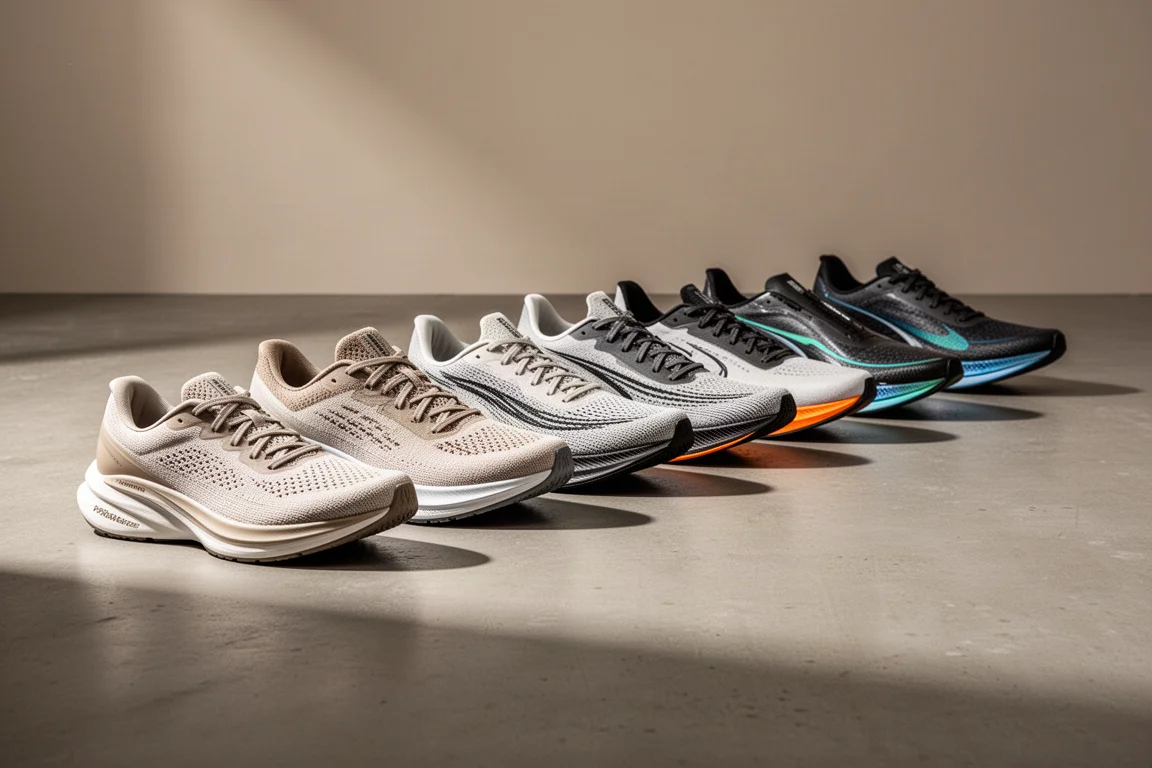
Hoka’s lineup covers a huge spread of running needs, from inexpensive daily trainers to high-end carbon racers, and each shoe has a clear reason to exist. This guide walks through the range from cheapest to most expensive, with what each shoe is designed for, what works well, and where it falls short.
How the Range Is Organized
The comparison starts with Hoka’s entry-level option and climbs through daily trainers, max-cushion cruisers, plated speed shoes, and finally two carbon racers. Stability options round things out at the end. Prices below are as encountered in the UK market, and specs reflect each shoe’s stated stack height, drop, and weight in a UK size 12 where noted.
Hoka Rincon 4
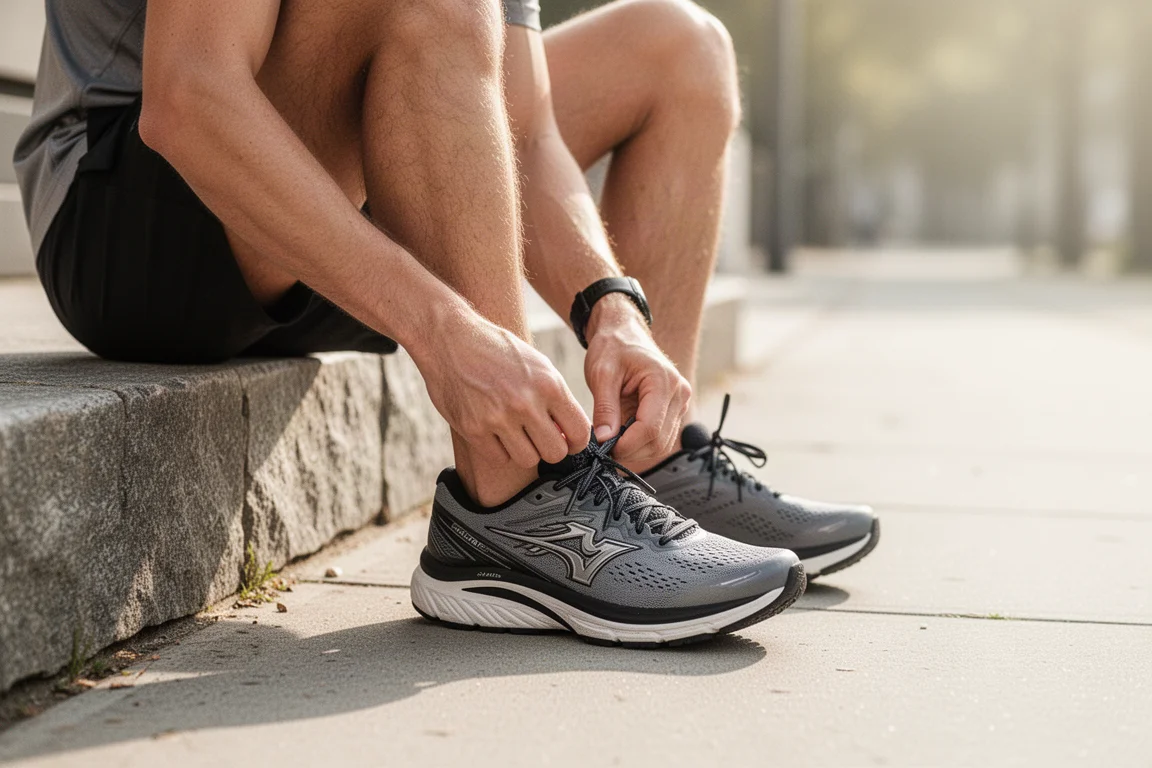
The Rincon 4 is Hoka’s entry-level daily shoe at £110, with a 33 mm heel stack, 5 mm drop, and a relatively light 280 g weight in a two-layer EVA midsole. Sizing runs small, so consider going half a size or even a full size up.
The good news: the price is rare from a major brand, the shoe is lightweight, and wider fits are available. The bad news is significant. It rides stiff and firm, fits narrow, heel lockdown is poor even when laced tightly, and there is no dedicated outsole rubber, which raises durability concerns. At this price point, rivals such as the Adidas SL2 or Puma Velocity Nitro make more sense, and hunting down a discounted Rincon 3 is another route to a better shoe.
Hoka Clifton 10
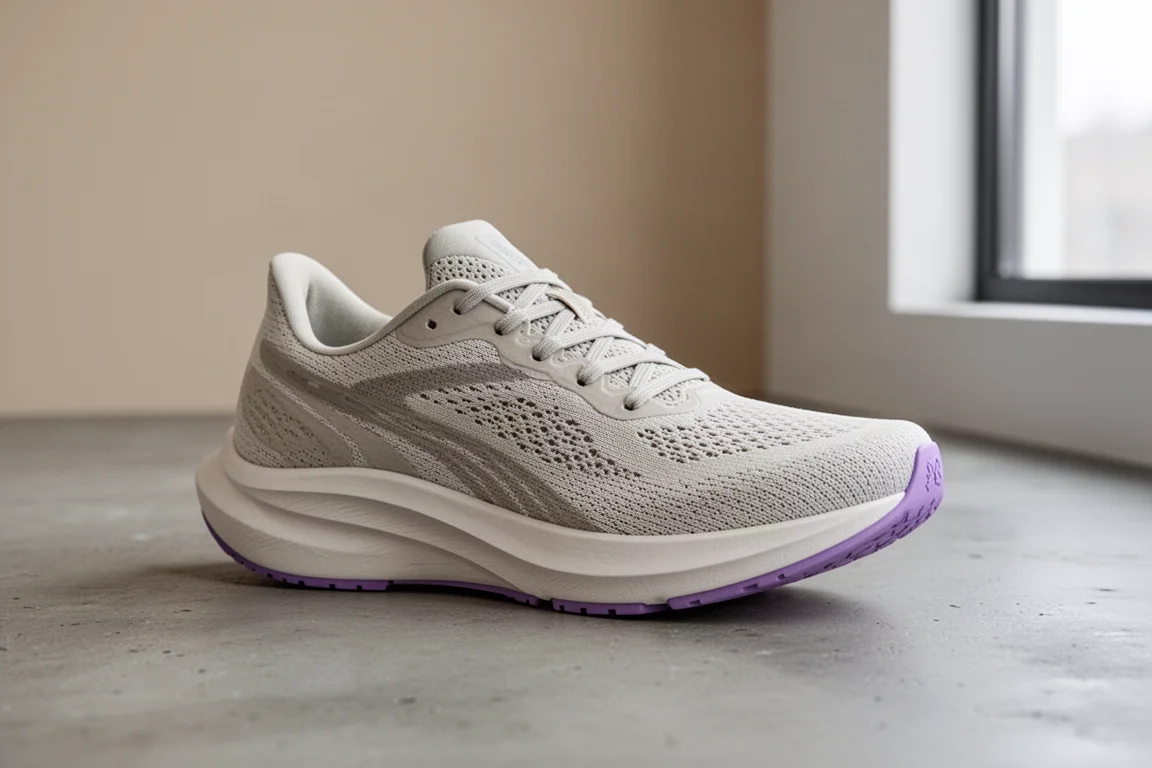
The Clifton 10 is Hoka’s best-selling classic daily trainer at £140, with 42 mm of heel stack, an 8 mm drop, and 324 g in a CMEVA midsole with no plate. Sizing is true to size.
Its greatest strength is comfort and dependability. Hoka keeps updates minimal year over year, and the result works for nearly every runner: it comes in three widths, stays stable in the foam, and suits rearfoot, midfoot, and forefoot strikers alike. It is also an excellent walking shoe for anyone on their feet all day. The downside is that the ride feels a little boring and dated, with limited bounce from the EVA foam. Still, as a solid, good-value shoe for everyday miles, it remains very hard to fault.
Hoka Mach 6
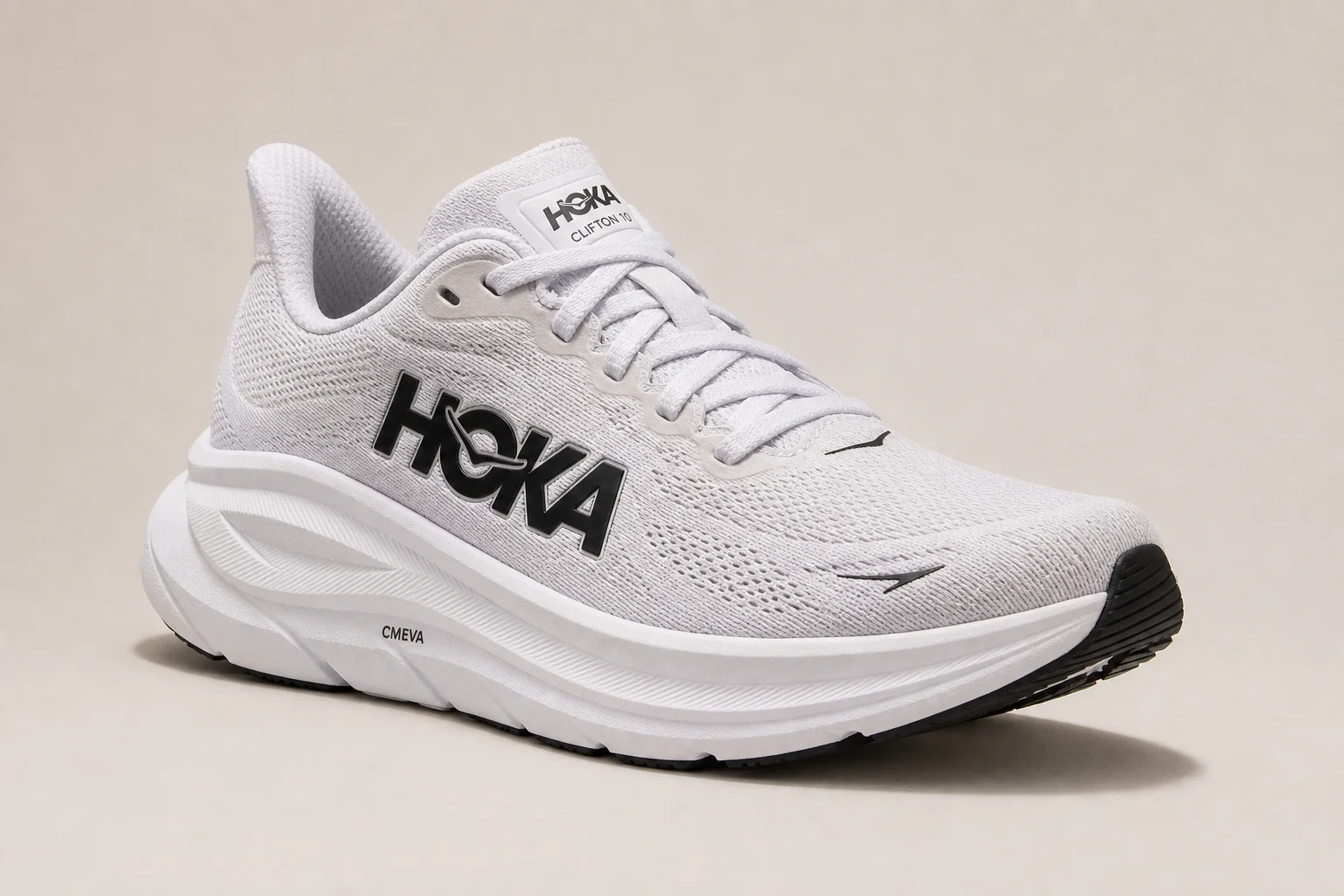
The Mach 6 steps things up as a daily and speed shoe in a non-plated package, also priced at £140. It has 37 mm of heel stack, a 5 mm drop, and a much lighter 276 g weight, built on a supercritical foam midsole. Sizing is true to size.
This is a comfortable, fun, responsive ride with noticeably better foam than the Clifton, and the outsole offers good durability and grip. The Mach 6 received a full redesign versus version 5, including around 7 to 8 mm of added stack and a firmer, stiffer feel that some will prefer and others may not. It runs slightly narrow, though a wide option exists. Overall it is ideal for easy runs with a bit of pace and tempo work, but it is not the shoe for slow recovery days.
Hoka Bondi 9
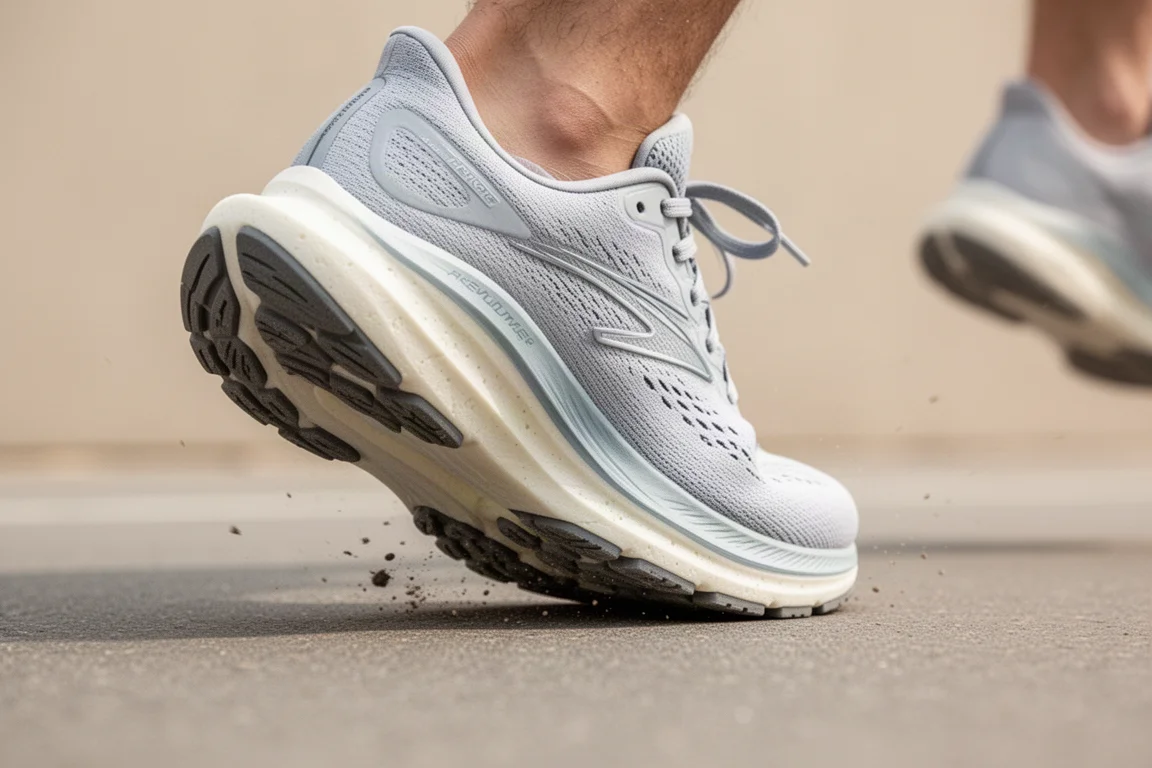
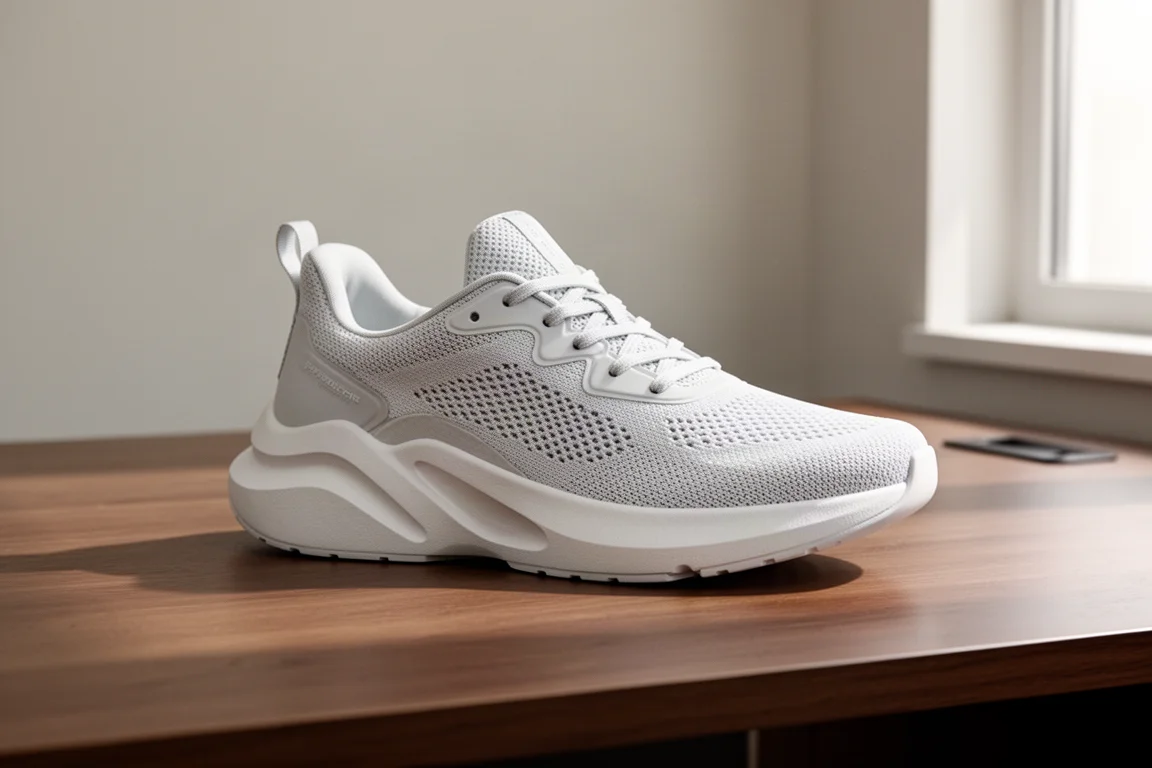
The Bondi 9 is the max-stack recovery and easy-run shoe, and a strong walking option too. It offers 43 mm of heel stack, a 5 mm drop, and 363 g in a chunk of supercritical EVA foam. Sizing is true to size.
Stability is excellent given the stack height, thanks to a wide base and a foot that sits low in the foam. Transitions are smooth with a mild rocker, three widths are available, and it was the go-to shoe for long days standing at expos. The foam is not the softest, so those wanting a marshmallow-soft recovery ride should look at the Skyward X, and there is a short break-in period. It is also a specialized shoe, best kept for easy and recovery miles only. Think of it as a Clifton with more cushioning underfoot.
Hoka Mach X 3
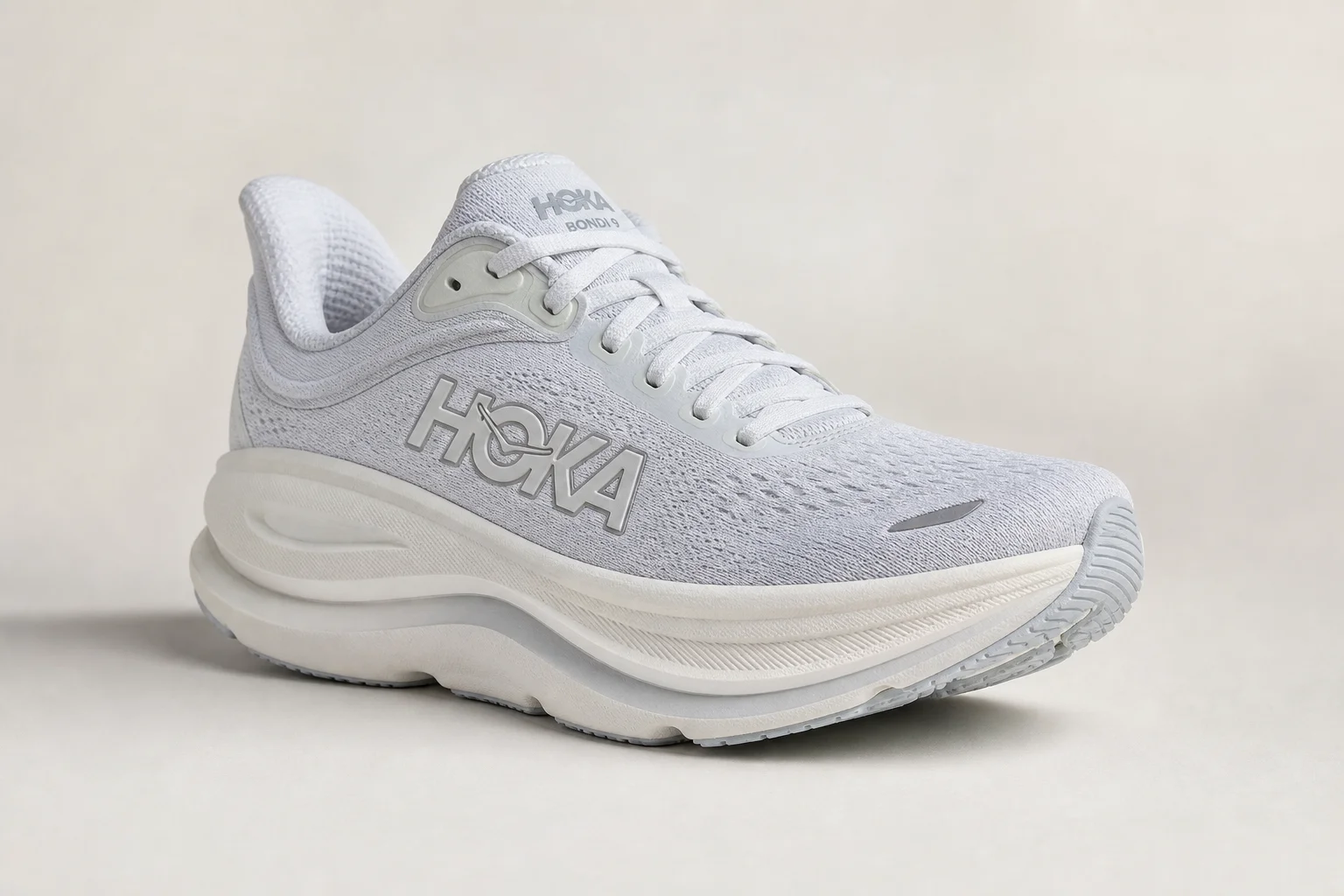
The Mach X 3 is the plated speed shoe for tempos, intervals, and less aggressive racing at £170. Specs include 44 mm of heel stack, a 5 mm drop, and 314 g, with a PEBA layer over a PEBAX plate and an EVA layer underneath. Sizing is true to size.
It strikes a great balance of responsiveness and cushioning for hard and long workouts, and it makes a comfortable race day option for half marathons and marathons. The Achilles issues that affected many runners in version 2 appear resolved thanks to a redesigned heel. The main complaints are heel lockdown while walking, a slightly heavier weight than some rivals, and a snug, narrow midfoot with limited width options. For runners who do not want to spend on top-tier carbon race shoes, it is a very solid pick.
Hoka Skyward X
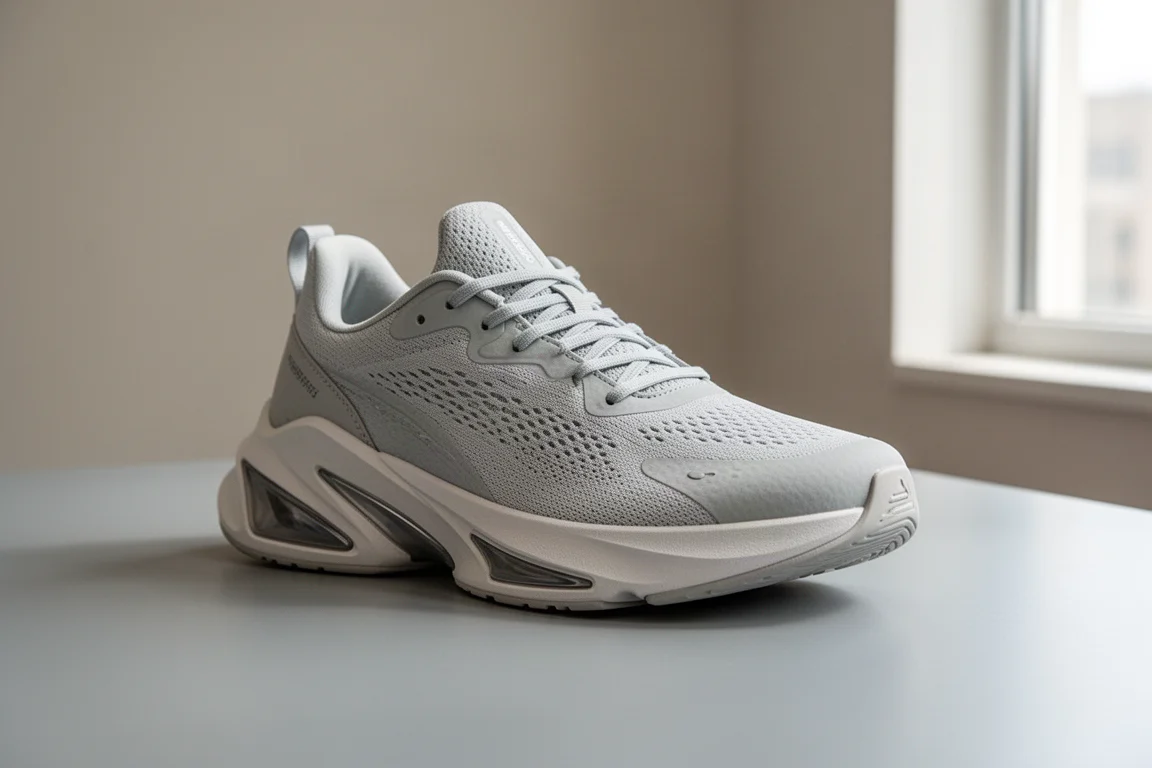
The Skyward X is Hoka’s radical max-stack shoe at £185, built for long, easy, and recovery runs. It packs 48 mm of heel stack, a 5 mm drop, and 378 g, with PEBA foam on top, EVA below, and a plate between them. Sizing is true to size.
Running in it is genuinely fun, with huge bounce, a secure fit with no rubbing or hot spots, and excellent durability; many hundreds of kilometres were covered in test, and some runners have completed 100-mile ultramarathons in this shoe. The caveats: it is heavy, expensive for a specialist shoe, and the plate exists purely for stability in all that soft foam, not for speed. It is a fantastic match for marathon training, especially those 20-mile-plus long runs at a very easy effort.

Hoka Rocket X 3
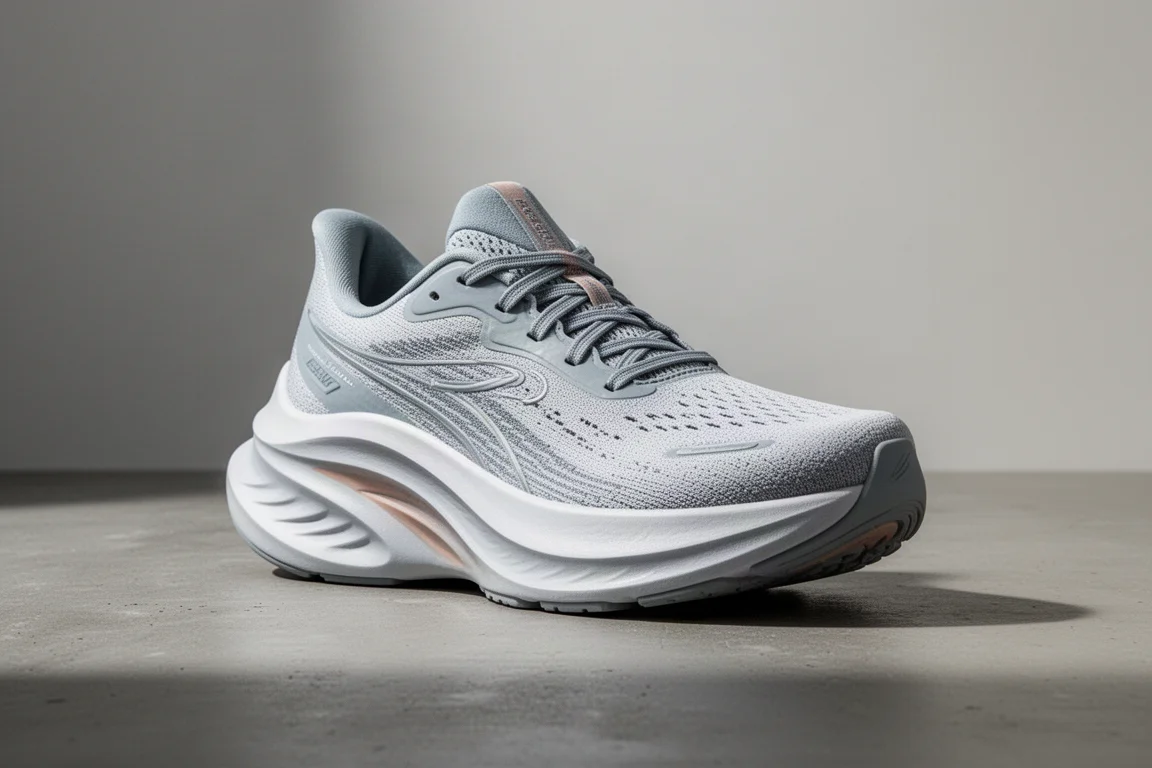
The Rocket X 3 is a pure racing shoe covering 5K through the marathon at £220, with 40 mm of heel stack, a 7 mm drop, and a light 241 g weight in a dual-density PEBA midsole with a winged carbon plate. Sizing is true to size.
The ride is smooth, stable, and fast-feeling, getting you up on the balls of your feet, and the foot sits slightly into the foam for support. Comfort and fit improved significantly over version 2 with much more padding, and the moderate rocker geometry caters to rearfoot, midfoot, and forefoot strikers alike, making it a friendly race day option for regular runners. It is not quite as fast as some rival super shoes, but it is more comfortable and likely to have wider appeal. For a three-and-a-half to five-hour marathoner, this is one of the standout shoes in the range.
Hoka Cielo X1 2.0
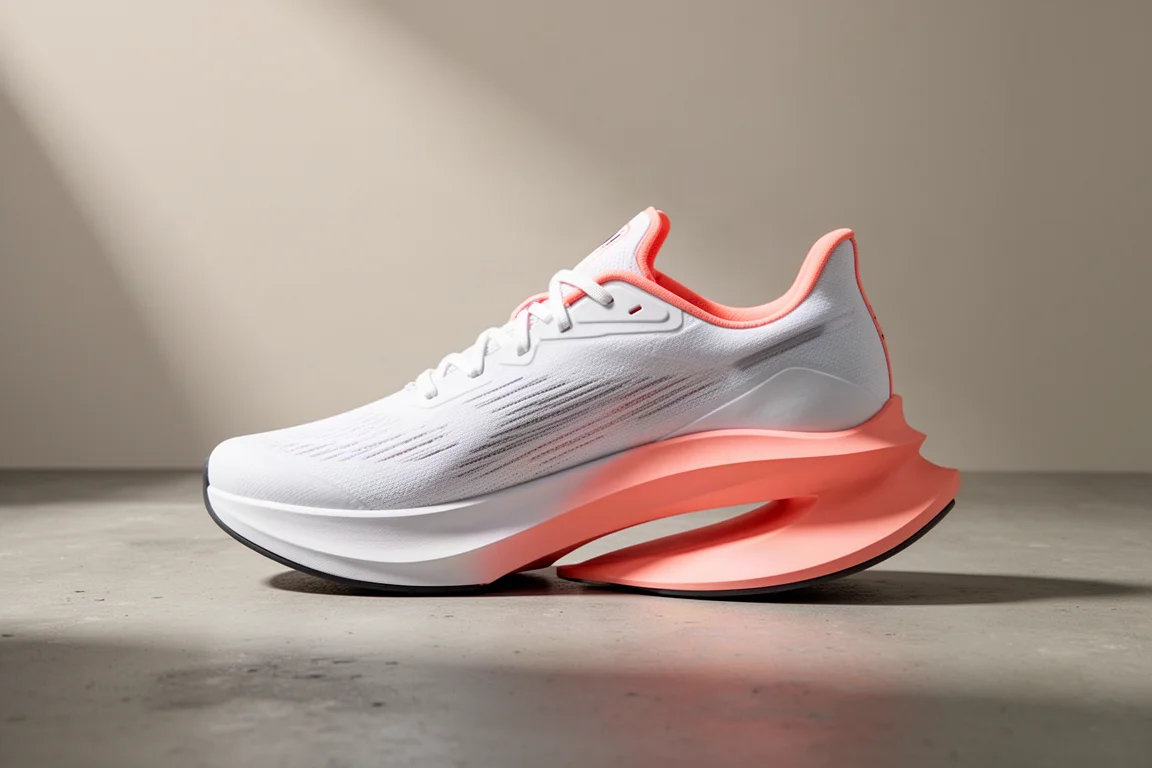
The Cielo X1 2.0 is Hoka’s most expensive and highest-end carbon racer at £250, aimed at sub-three-hour marathoners and sub-elite or elite runners over 5K to marathon distances. It has 40 mm of heel stack, a 7 mm drop, and a super-light 248 g in a dual-density PEBA midsole with a winged carbon plate. Sizing is true to size.
It is fast and fun, with a huge front rocker that tips you forward, a bouncy responsive ride at marathon pace, half marathon pace, and threshold, and a breathable upper that holds the foot down well. But it is expensive, roughly £30 more than the equivalent Adidas shoe, it is unstable at the rearfoot due to a heel cutout, and it demands good running form landing midfoot or forefoot. Heel strikers should avoid it. Most runners will be better served saving the money on the Rocket X, which is more user-friendly and more comfortable over long distances.
Hoka’s Stability Options: Arahi 8 and Gaviota 5
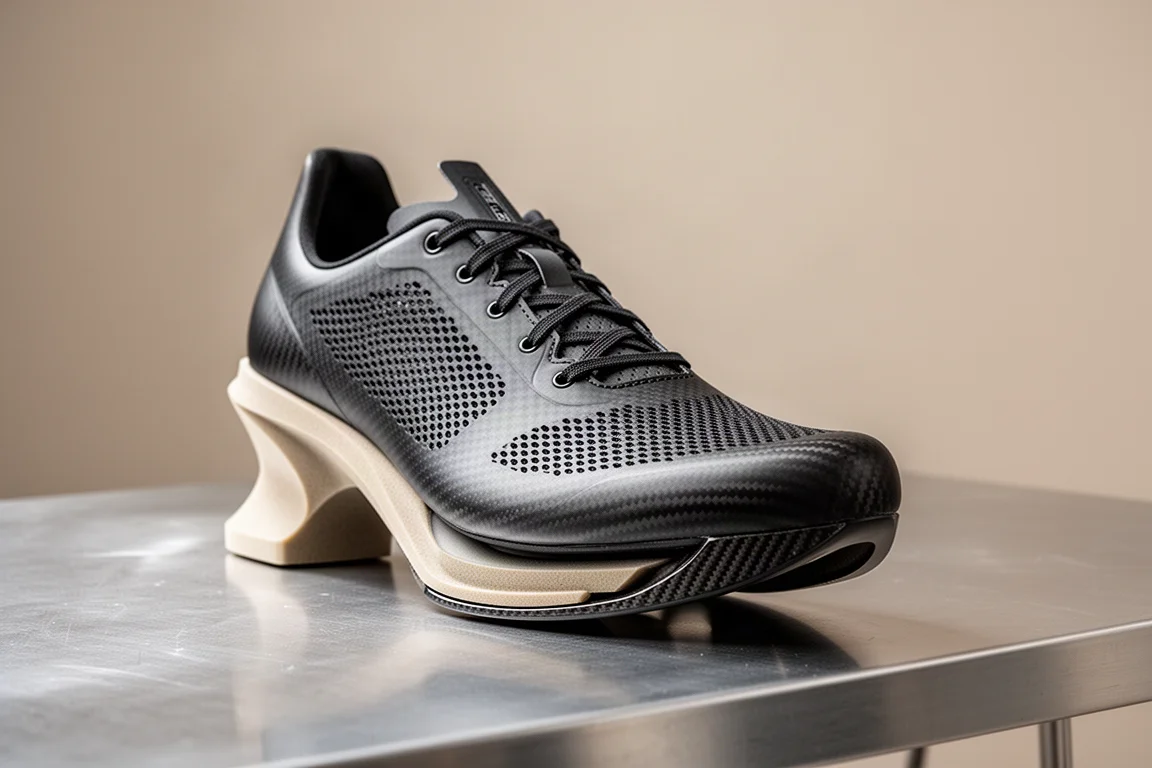
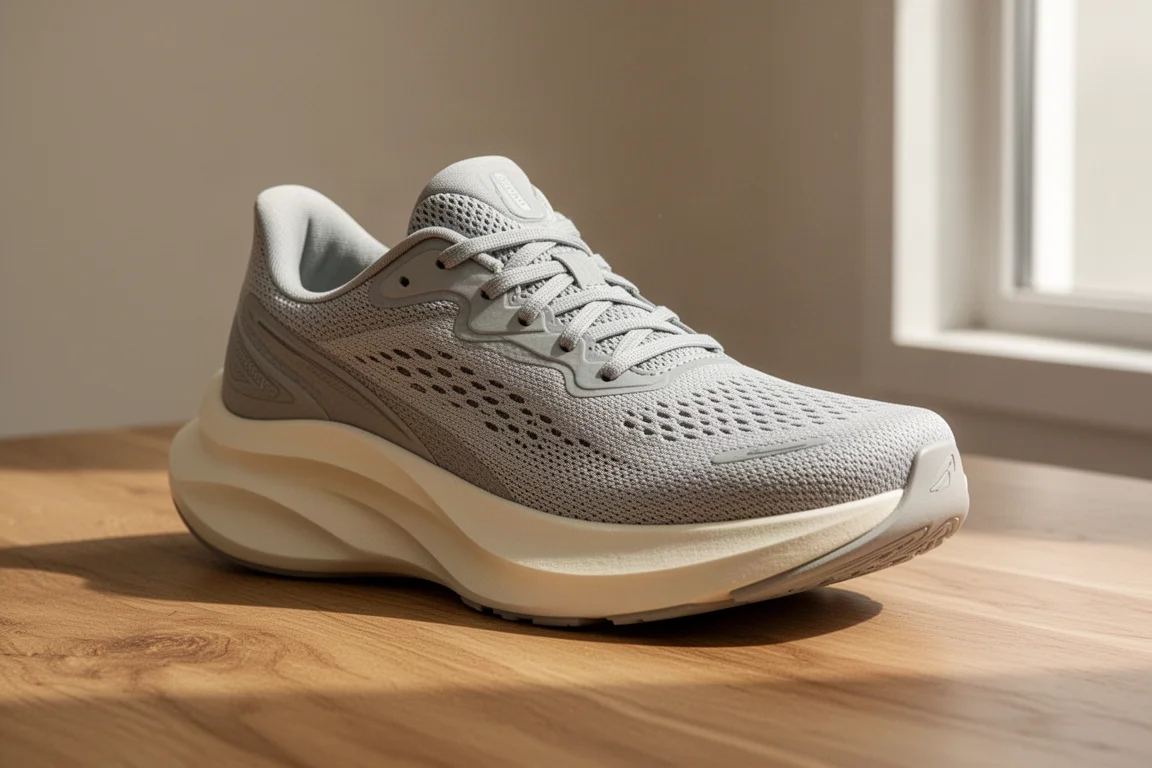
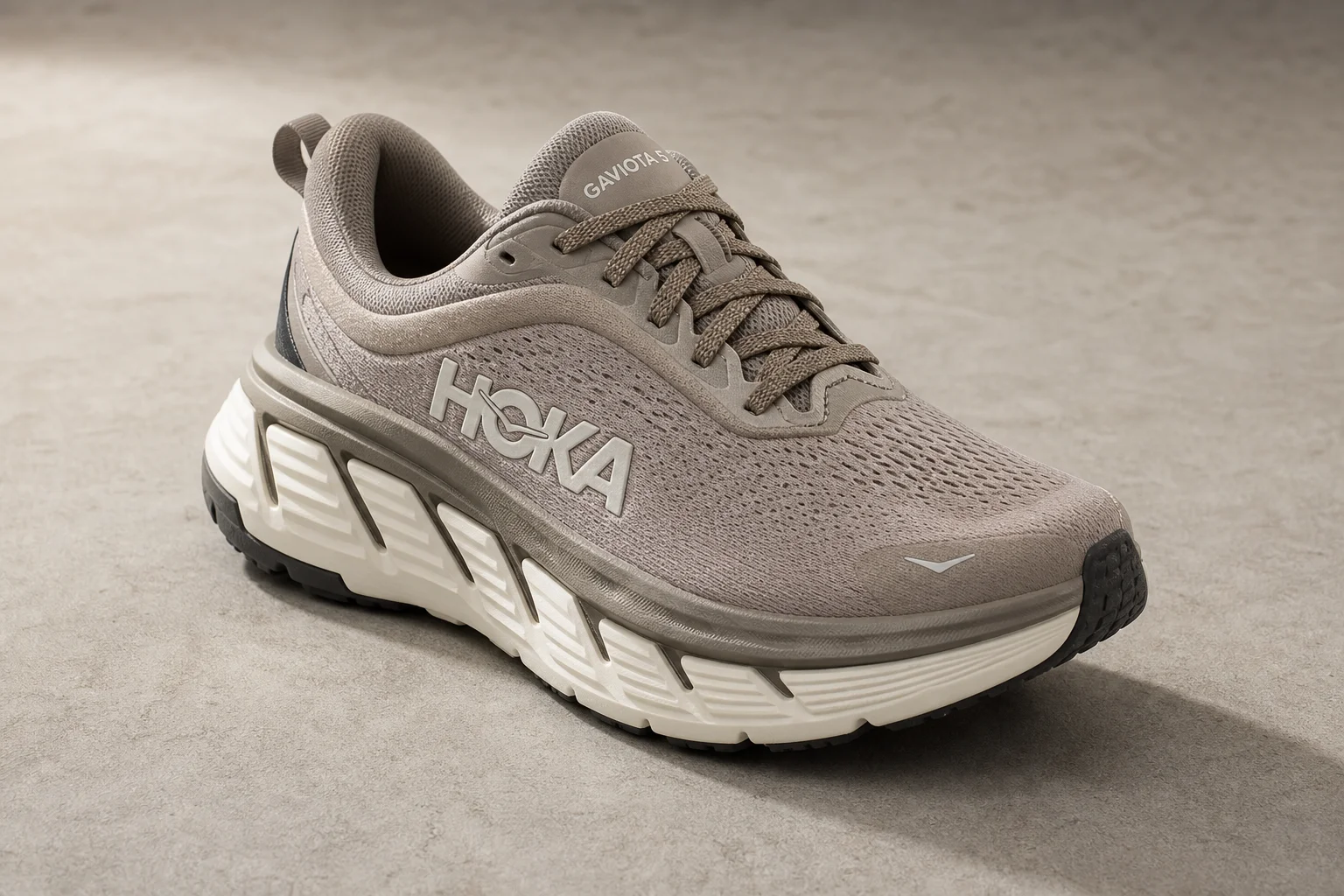
Hoka rounds out the lineup with two stability shoes. The Arahi 8 is a daily trainer with stability elements built in that stays light and reasonably responsive, making it the pick for runners who want support through their everyday miles.
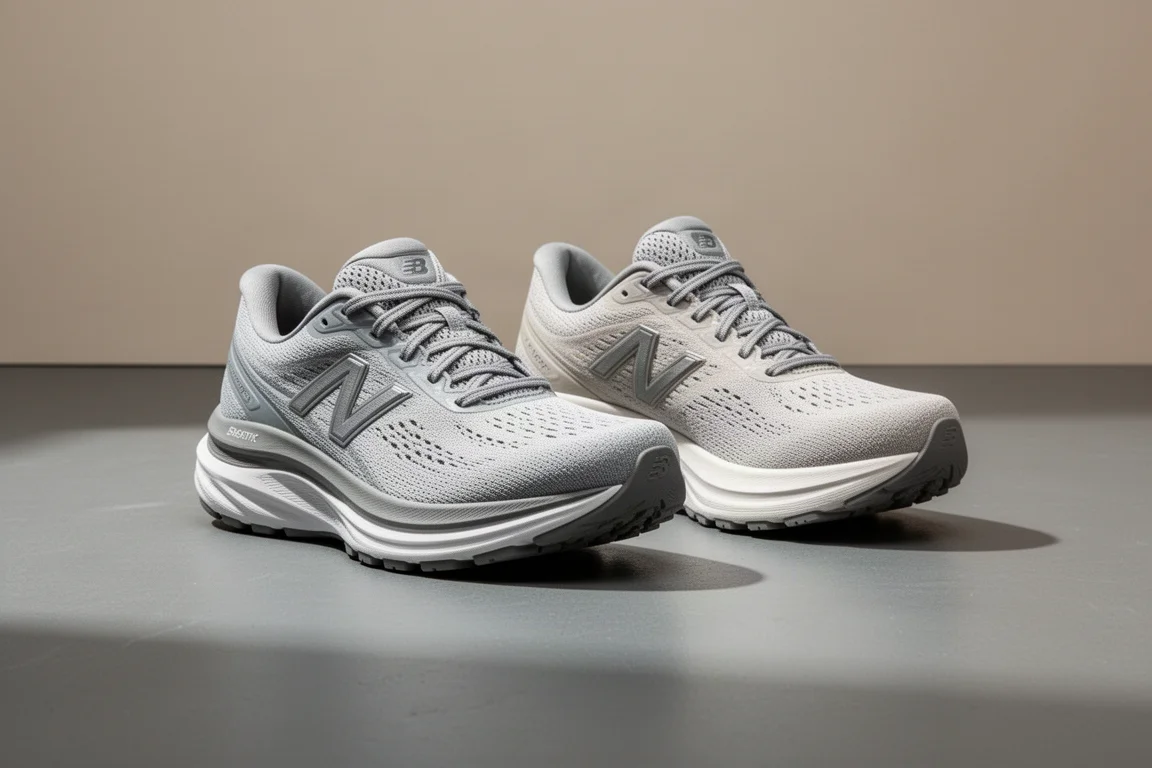
The Gaviota 5 sits below it in the stability tier as a softer, plusher option better suited to slower, longer runs. Between the two, the Arahi 8 fits quicker daily running and the Gaviota 5 fits relaxed, high-cushion sessions.
Which Hoka Should You Buy?
For most runners, the Clifton 10 and Mach 6 remain the sweet spots for daily miles, while the Bondi 9 and Skyward X handle recovery and long runs. On race day, the Rocket X 3 is the standout all-rounder and the smarter buy over the Cielo X1 2.0 unless you are genuinely running sub-three-hour marathons with midfoot or forefoot form. The Rincon 4 is best skipped despite the price, and runners needing support should match their pace to the Arahi 8 or Gaviota 5.
Conclusion
Hoka’s current range rewards matching the shoe to the job: dependable EVA trainers for everyday miles, supercritical foam for faster days, max-stack cruisers for long slow kilometres, and two carbon racers split by ability level. Knowing which category you are shopping for is the easiest way to pick the right pair.
Further reading
Related Reviews

Running Shoes
Best Road-to-Trail Running Shoes: Three Versatile Options for Mixed Terrain
A practical guide to three road-to-trail running shoes that handle both pavement and mild trails, with clear strengths and trade-offs for different runner types.

Running Shoes
Best Running Shoes for Achilles Tendonitis: Three Options Explained
Three running shoes with different heel drops and support features designed to help reduce Achilles tendon pain during walking and running.

Running Shoes
Best Running Shoes for Women: Five Top Choices Ranked
A ranked guide to five women's running shoes, from versatile daily trainers to high-performance racing options, with real strengths and trade-offs for each.