Running Shoes
Hoka Rocket X3 vs Rocket X2 vs Cielo X1 2.0: Which Hoka Racer Fits Your Marathon?
The Rocket X3 is a very different shoe from the version it replaces. We compare it with the outgoing Rocket X2 and the top-spec Cielo X1 2.0 to see who each one is really for.
Introduction
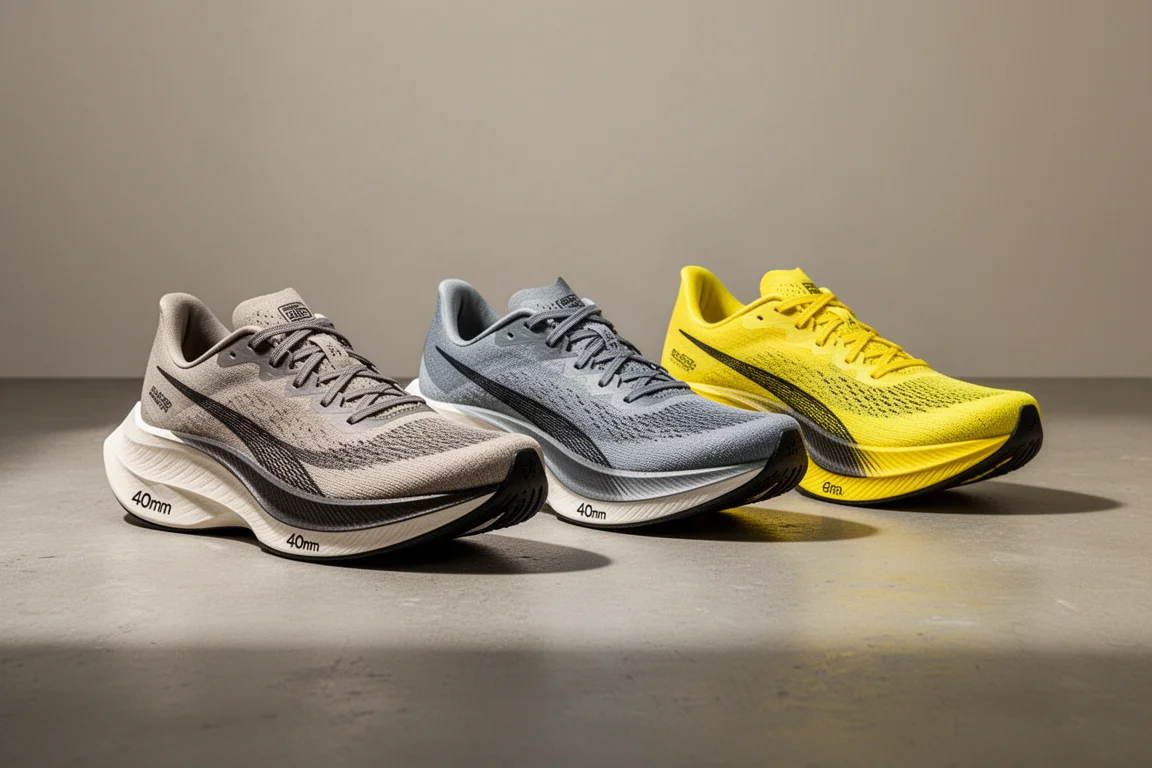
When Hoka launched the Cielo X1 2.0 earlier this year, it became the brand’s top-spec marathon racing shoe: an aggressive, fast, snappy racer best suited to sub-three-hour marathoners. That naturally raised a question about the Rocket X, the flagship carbon racer it effectively replaced. Would it be phased out, or could a refresh give it a clear identity of its own?
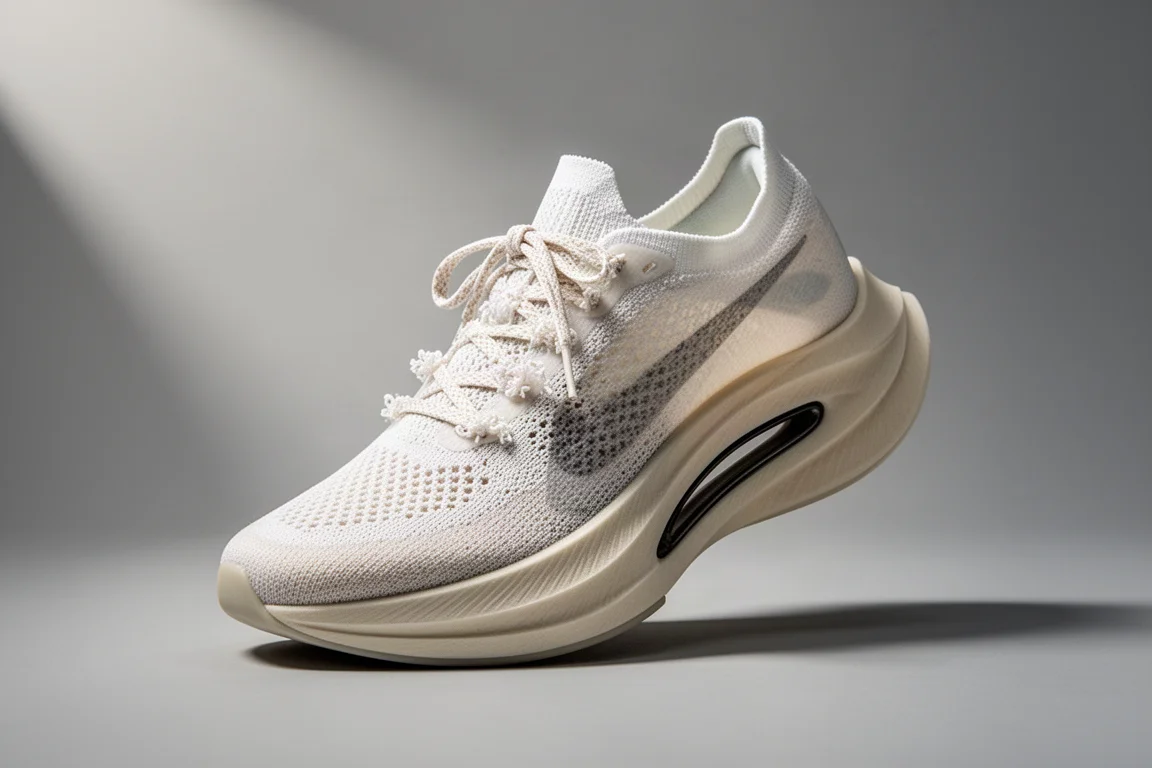
The Rocket X3 answers that question, and the answer is a significant reshuffle. Hoka has swapped the roles of the Cielo and the Rocket. The Cielo X1 2.0 is now the ultra-aggressive, expensive, snappy racer. The Rocket X3 has become the comfortable, bouncy, softer racing shoe that doubles as a long-run option. This is a fundamentally different shoe from the Rocket X2, which will no doubt frustrate some fans of that version, but it also opens the shoe up to a much wider group of runners. Here is how the three models compare.
What Is New in the Rocket X3
There is a lot that has changed in version three. The carbon plate has a slightly different shape, with new winglets on the lateral side to help increase stability. The outsole is different too, with stickier rubber that grips better in the dry. Up top, the technical synthetic mesh of the previous shoe is gone, replaced by a jacquard warp knit upper.
The tongue construction has changed as well: the gusset has been removed, and there is noticeably more padding around the heel, a genuinely welcome update. Hoka has also added 4 mm of stack and an extra 2 mm of drop, so the ride feels different. Despite that, the new version came out 14 g lighter than the outgoing Rocket X2, and prices remain the same.

Key Specs and Fit
The Rocket X3 sits right at the 40 mm legal stack limit, which makes it fully race-legal for triathletes and anyone who cares about that. Drop is now 7 mm. Weight came out at 241 g in the reviewer’s UK size 11, though note there is no UK size 12 available, so sizing may require going half a size down. Going true to size is recommended if you can.
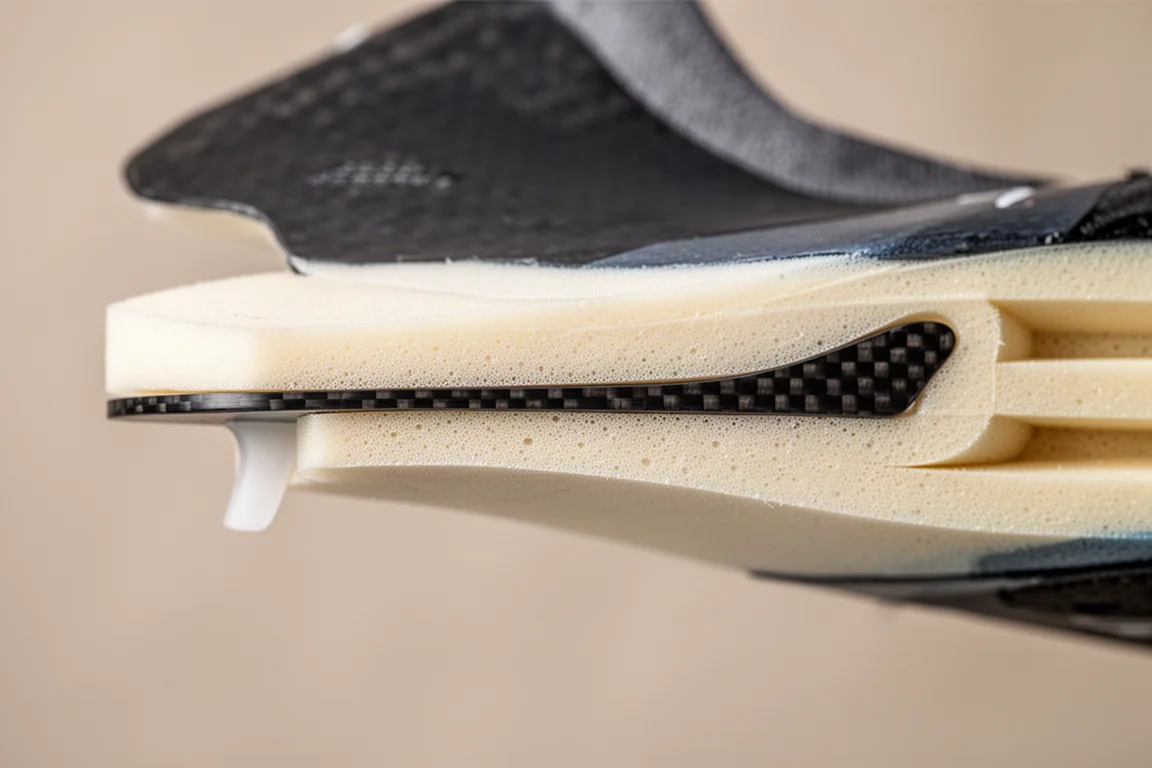
The midsole uses a dual-density PEBA foam with that winged carbon plate, and the ride is definitely bouncy. There are no different widths available, but there is a good amount of room in the shoe, slightly more than version two. Pricing is £220, which is on the high side given this is now more of a redesigned, comfort-focused racer rather than an all-out flagship.
Strengths of the Rocket X3
The first strength is that it is super smooth and very stable. The new plate and lateral winglets add real stability, and the foot feels nicely supported in the heel with no slipping, so heel-lock lacing is optional. Runners who normally train in a stability shoe will find this a genuinely good racing option. It is still a neutral shoe, but noticeably more stable than many super shoes.
Fit and comfort are far better than version two, thanks to the extra heel padding. It is also not super aggressive with its geometry, which makes it a strong option for regular runners rather than elite specialists. The rocker at the front is not over the top, encouraging a natural foot strike and staying comfortable at all paces, even between reps. All foot strikers are catered for: heel, midfoot, and forefoot. That rear stability matters late in a marathon when form fades, and for triathletes the shoe is legal for racing.

Things to Consider Before Buying
It is a fast shoe, but not the fastest on the market. Compared with options like the Adidas Pro Evo 4 generation of racers, the Metaspeed from Asics, or the Vaporfly from Nike, it is simply not as aggressive. At £220, it also feels expensive for what it now is: more of a long-run and occasional racing shoe than an all-out flagship. Something like a full flagship racer can cost the same money, which makes this a tough sale on price alone.
The launch colorway has also divided opinion. It is a bit dull and simple, so if you like bright race-day colors, look closely at photos before ordering.
Rocket X3 vs Rocket X2
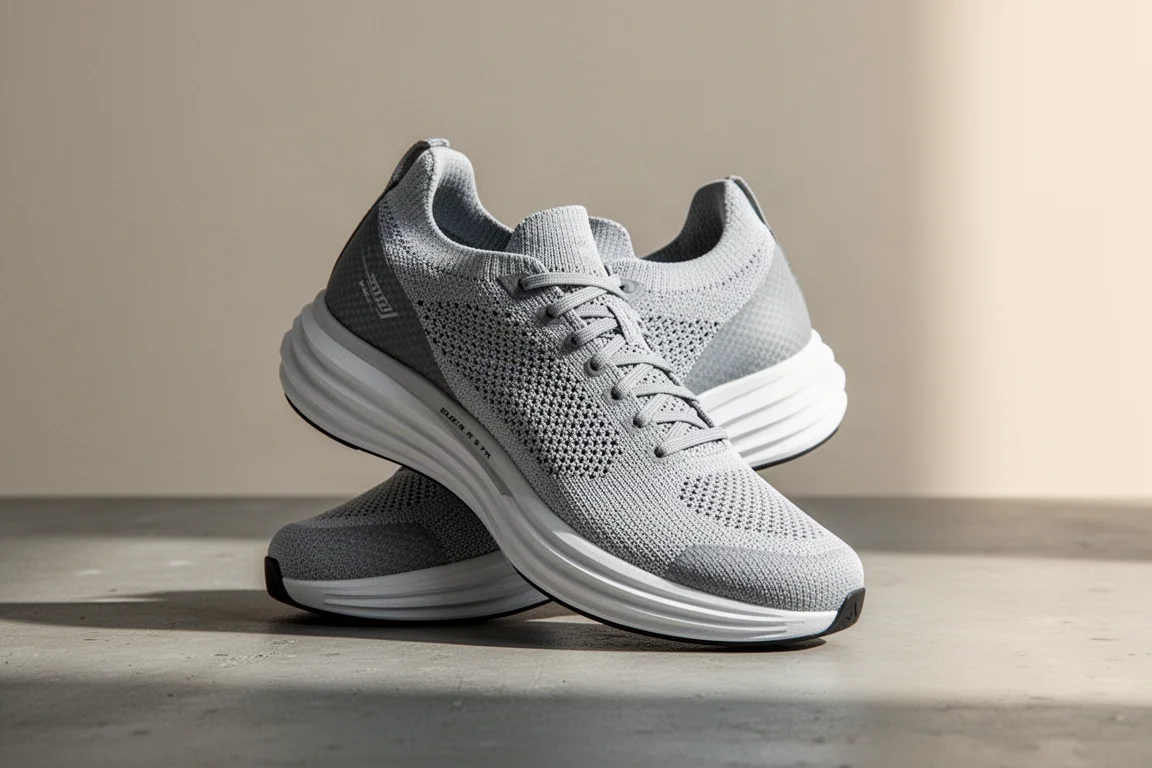
If you were a big fan of the Rocket X2, this new version really is quite different, and stocking up on the outgoing model is a reasonable move. The X2 was the previous flagship carbon racer, with a technical synthetic mesh upper, a gusseted tongue, less heel padding, 4 mm less stack, 2 mm less drop, and about 14 g more weight. It was the aggressive, snappy role that the Cielo X1 2.0 has now taken over.
Rocket X3 vs Cielo X1 2.0
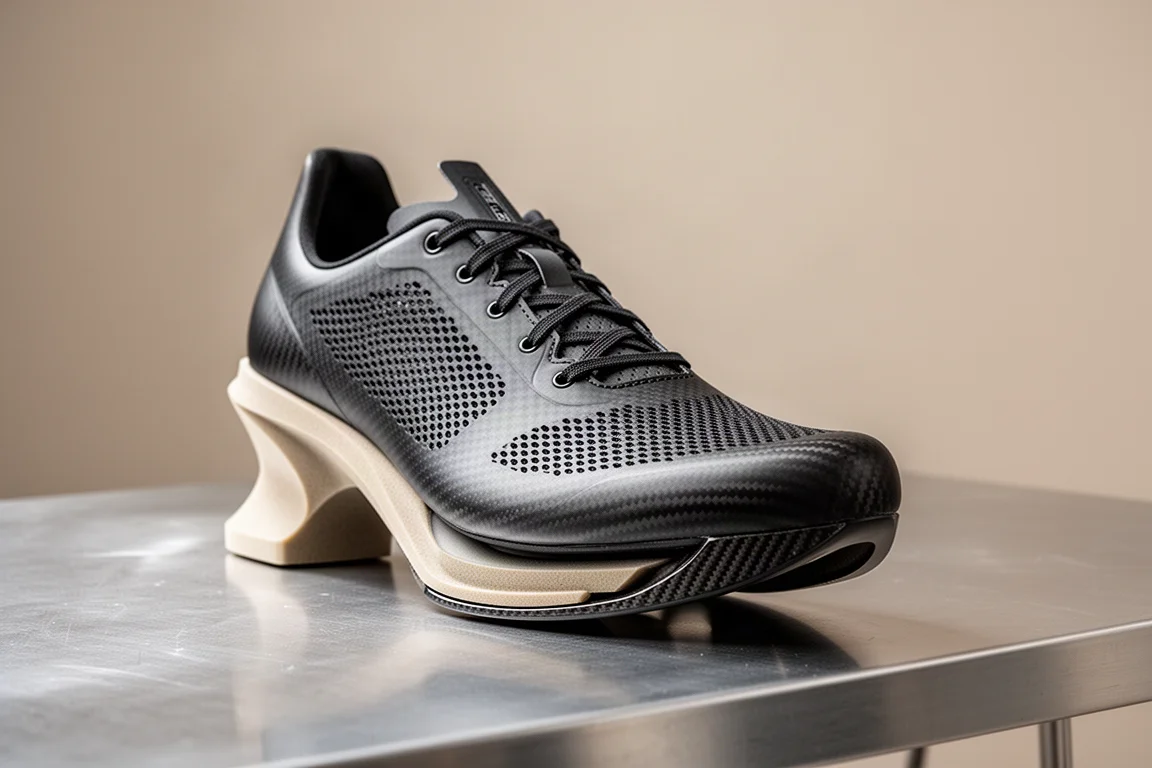
The Cielo X1 2.0 is £30 more expensive and a few grams heavier, though stack and drop are identical. It is a much faster shoe, but it demands good form and real strength to get the most out of it. It is also noticeably less stable, especially at the back of the shoe, which makes it a harder recommendation for three-to-five-hour marathoners who are still building strength. The Rocket X3 offers far more support and forgiveness for that group.
Buying Advice
The Rocket X3 serves its new purpose very well, with one clear caveat: the price feels a little high. It is a genuinely great option for anyone getting long runs done at any speed or ability, particularly runners in the three to five hour marathon range. It is light, comfortable enough for very long efforts, stable, and engaging to run in.
Conclusion
The Hoka lineup now splits cleanly. Sub-three-hour marathoners with strong form should look at the Cielo X1 2.0. Fans of the old Rocket X2 should consider stocking up before it disappears. And for the wide middle ground of marathoners and long-run runners who want comfort, stability, and enough speed to make a difference, the Rocket X3 is the pick, provided the £220 asking price sits comfortably with you.
Further reading
Related Reviews

Running Shoes
Best Road-to-Trail Running Shoes: Three Versatile Options for Mixed Terrain
A practical guide to three road-to-trail running shoes that handle both pavement and mild trails, with clear strengths and trade-offs for different runner types.

Running Shoes
Best Running Shoes for Achilles Tendonitis: Three Options Explained
Three running shoes with different heel drops and support features designed to help reduce Achilles tendon pain during walking and running.

Running Shoes
Best Running Shoes for Women: Five Top Choices Ranked
A ranked guide to five women's running shoes, from versatile daily trainers to high-performance racing options, with real strengths and trade-offs for each.