Running Shoes
Hoka Rocket X3 vs Mach X3: Which Hoka Speed Shoe Should You Buy?
A head-to-head look at Hoka's snappier pairing: a carbon racer with stabilizers and a plated super trainer that can handle nearly everything.
Introduction
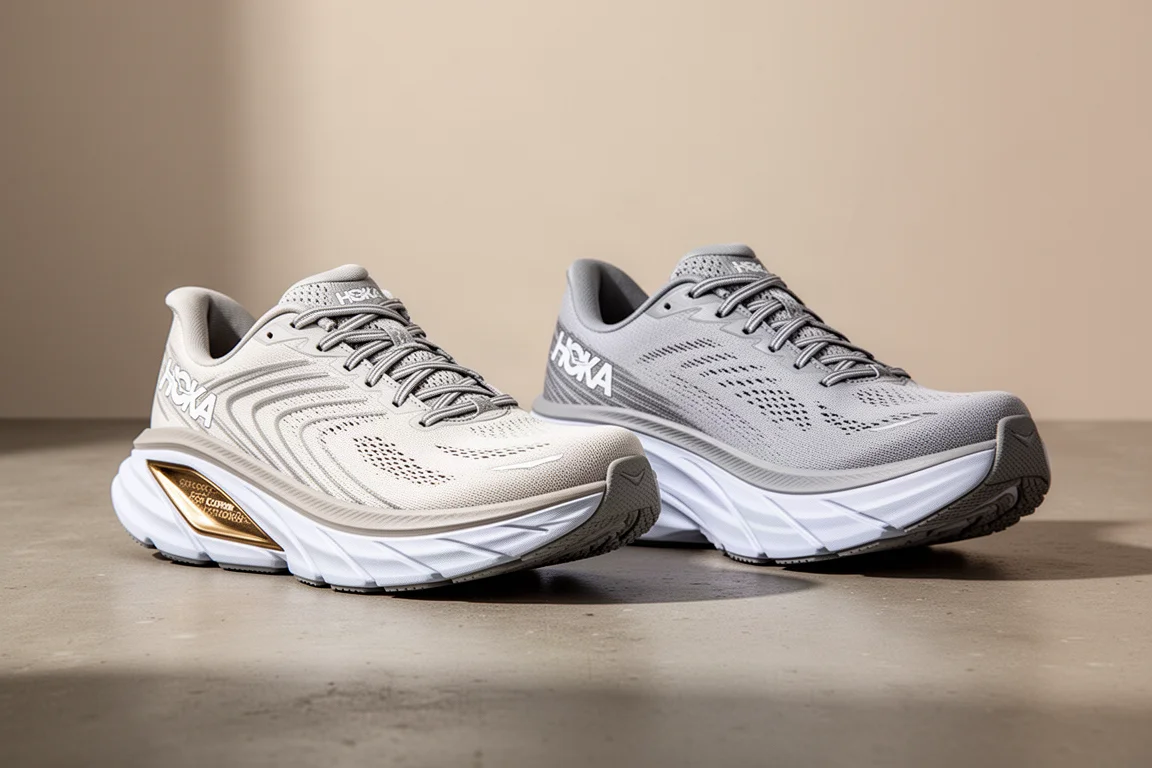
Hoka currently offers two shoes in its faster lineup that sit closer together than you might expect. The Rocket X3 is a carbon racer that could plausibly double as a faster trainer. The Mach X3 is a faster trainer that could plausibly do a job as a racer. After putting serious mileage into both, the short version is this: they do their jobs well, and picking between them comes down to whether you need a race day shoe or a workhorse speed trainer.
Specs and Construction
On paper, the two shoes separate cleanly. The Mach X3 has 44mm of stack in the heel and 39mm in the forefoot for a 5mm drop. The Rocket X3 comes in lower at 40mm heel and 33mm forefoot for a 7mm drop. In a UK 9 / US 9.5 test pair, the Mach X3 weighs 9.4 oz (266g), while the Rocket X3 tips the scales at 7.5 oz (212g). On price, the Mach X3 lands at £170 in the UK and $190 in the US, with the Rocket X3 at £220 or $250.
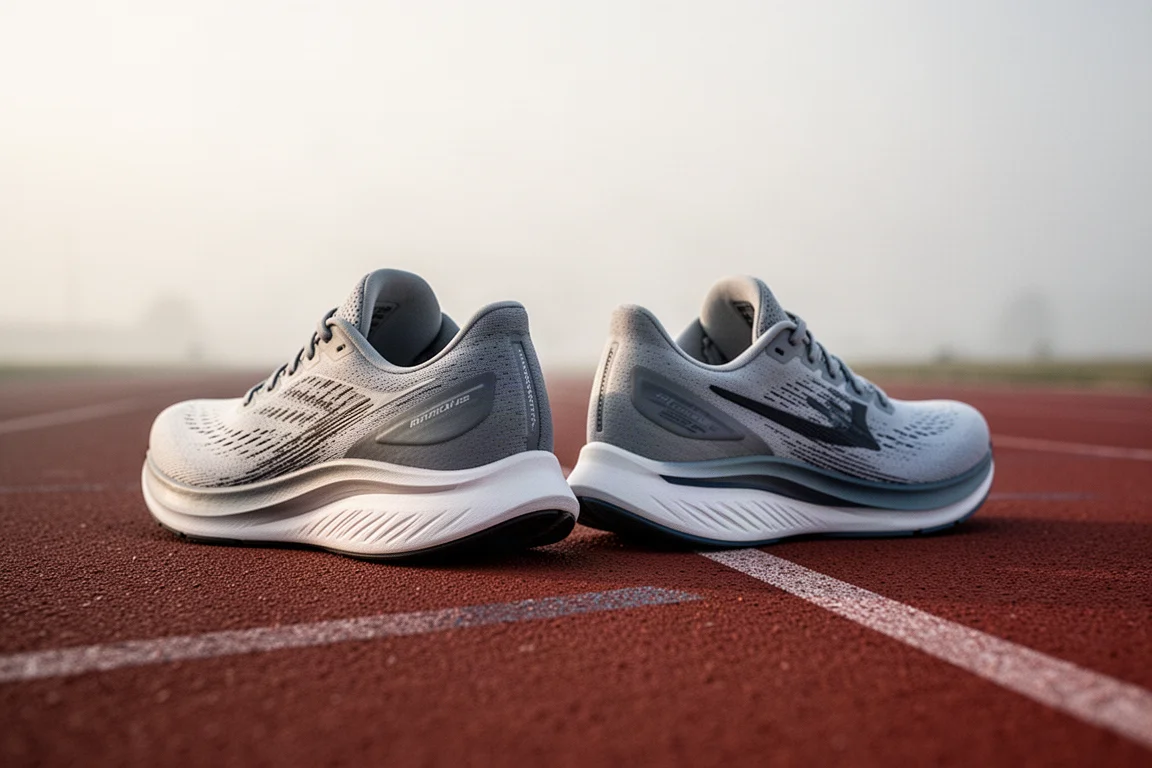
Both shoes deploy a dual-density PEBA midsole with a PEBA top layer and a stabilizing EVA lower layer, plus a substantial rocker. The Rocket X3 uses a carbon plate winged only on the lateral side, while the Mach X3 carries a PAX plate. Hoka positions the Rocket as delivering more cushion and speed, and the Mach X3 as serving up speed with more stability. That stability comes partly from extra width in the Mach X3’s heel and a slightly wider forefoot platform.
Up top, both get breathable single-layer warp knit uppers. Everything about the Rocket X3 is a bit more stripped back: thinner uppers, slightly less padding in the heel collars and tongues, though not by a huge margin. Neither tongue is gusseted, and both share the narrower heel cup with a rising kickback common to Hoka designs. Underfoot, the outsole rubber level and thickness are broadly similar, with maybe slightly more protection in the heel impact zones of the Mach X3.
Hoka Rocket X3
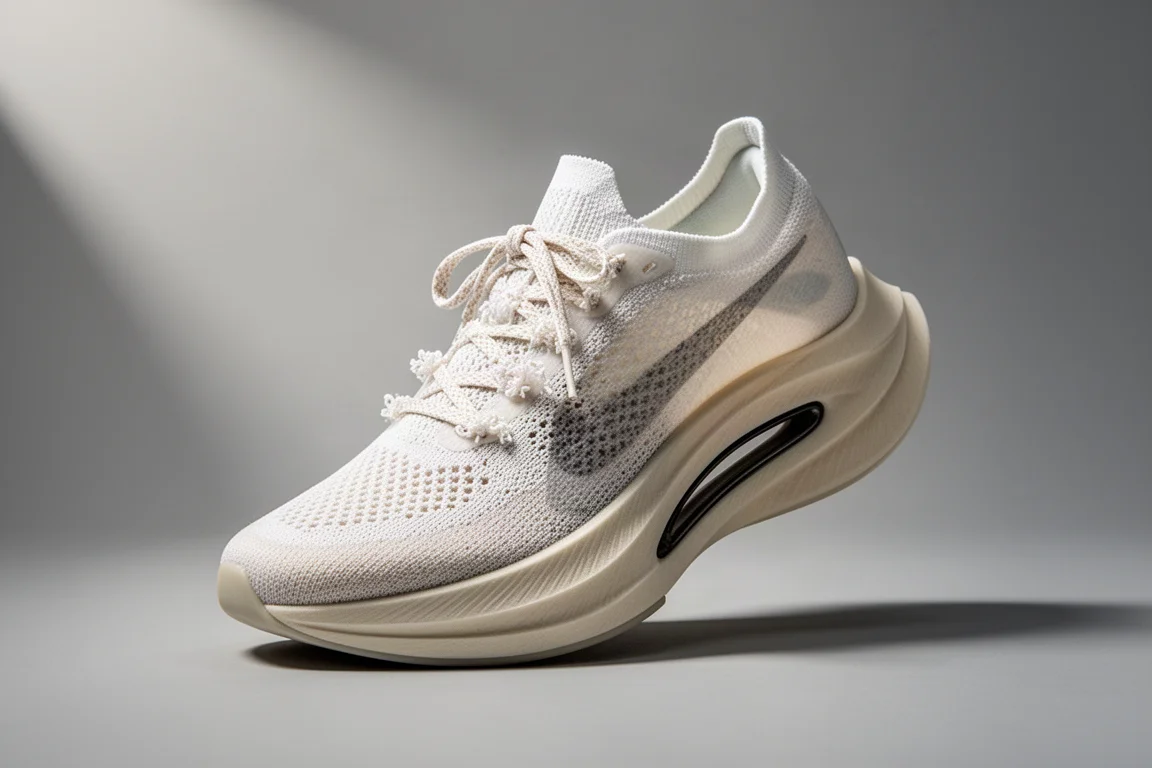
The Rocket X3 delivers a smooth, clip-along transition across the pace range thanks to the combination of rocker and carbon plate. Landings are not too soft or wobbly, the ride is bouncy, and it eats the road nicely. There is confident reliability underfoot and a consistency in this platform that is unusual for a carbon racer, which gives you the confidence to run more freely without focusing on foot strike.
It is quite accommodating at slower paces and with a slightly loose, ragged easy-run form. It is not the fastest-feeling carbon shoe at the top end, but it is no slouch, and it gives back when you run with intent. That profile makes it interesting as a potential trainer if you are happy to train in a carbon shoe. In testing, the Rocket X3 handled hard marathon training sessions well, including a 20-miler with a fast sub-six-minute-per-mile finish, plus warmups and cooldowns around the track.
Hoka Mach X3
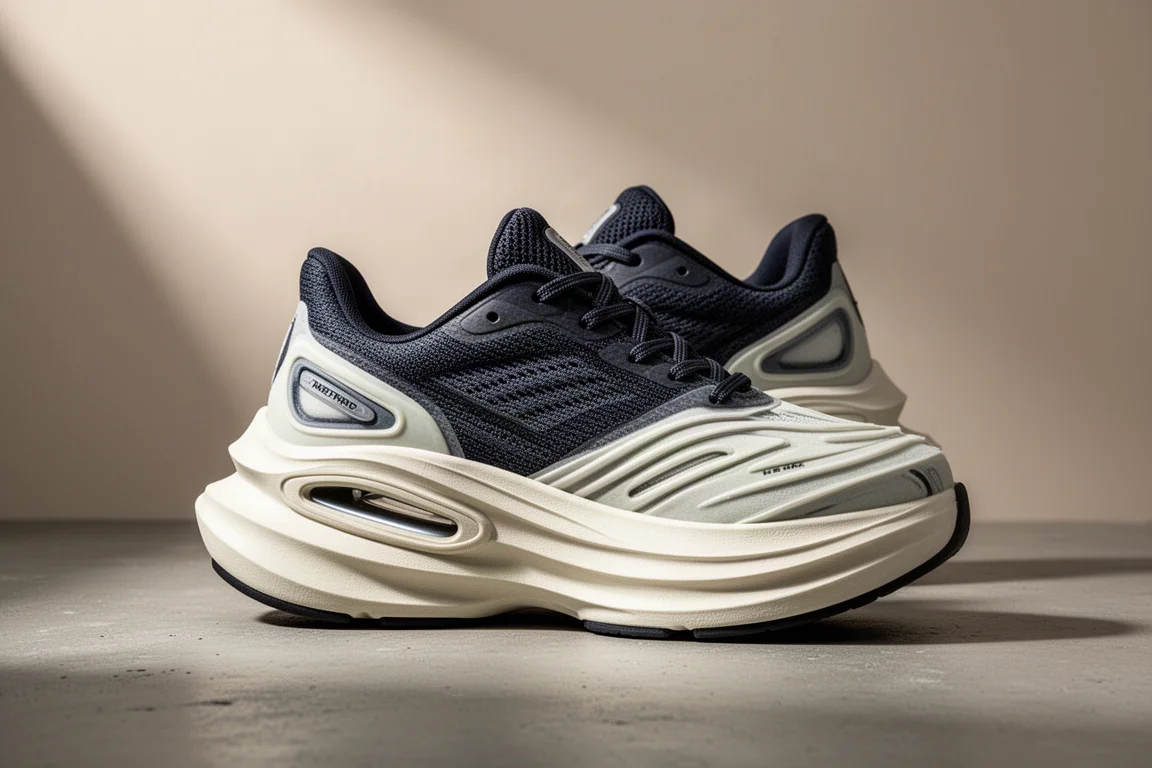
The Mach X3 offers clearly improved comfort over the Mach X2. If the heel collars on the previous version put you off, it is worth taking another look. The big-stack, plated midsole delivers plenty of protection with some bounce and spring energy, a combination that makes it better suited to longer runs and tempo work than to short all-out efforts.
For 400-meter repeats, the Rocket X3 is the better tool, and there are punchier plated trainers outside Hoka’s range as well. But the Mach X3 is a lovely shoe to run in, with great range, possibly wider than the Mach X2, and it now appeals to a broader group of runners as a training shoe. It remains a strong versatility option with good value, sitting beneath the super shoes.
In longer testing, roughly 120km went into the Mach X3, largely on easy running and long, hard marathon training sessions of 15 to 16 miles. It is comfortable, supportive, and durable enough to pick up day after day, which the pricier Rocket X3 is not really designed for.
Ride Comparison: Side by Side
Running a side-by-side mile with the Rocket X3 on one foot and the Mach X3 on the other, the similarities stand out first: big, soft, bouncy, energetic midsoles with noticeable bounce coming back from both. The differences are in character. The Rocket X3 has more compression in the foam and rebounds stronger for a bigger, bouncier ride. The Mach X3 is slightly firmer, more supportive, more stable, more controlled, and a little less energetic.
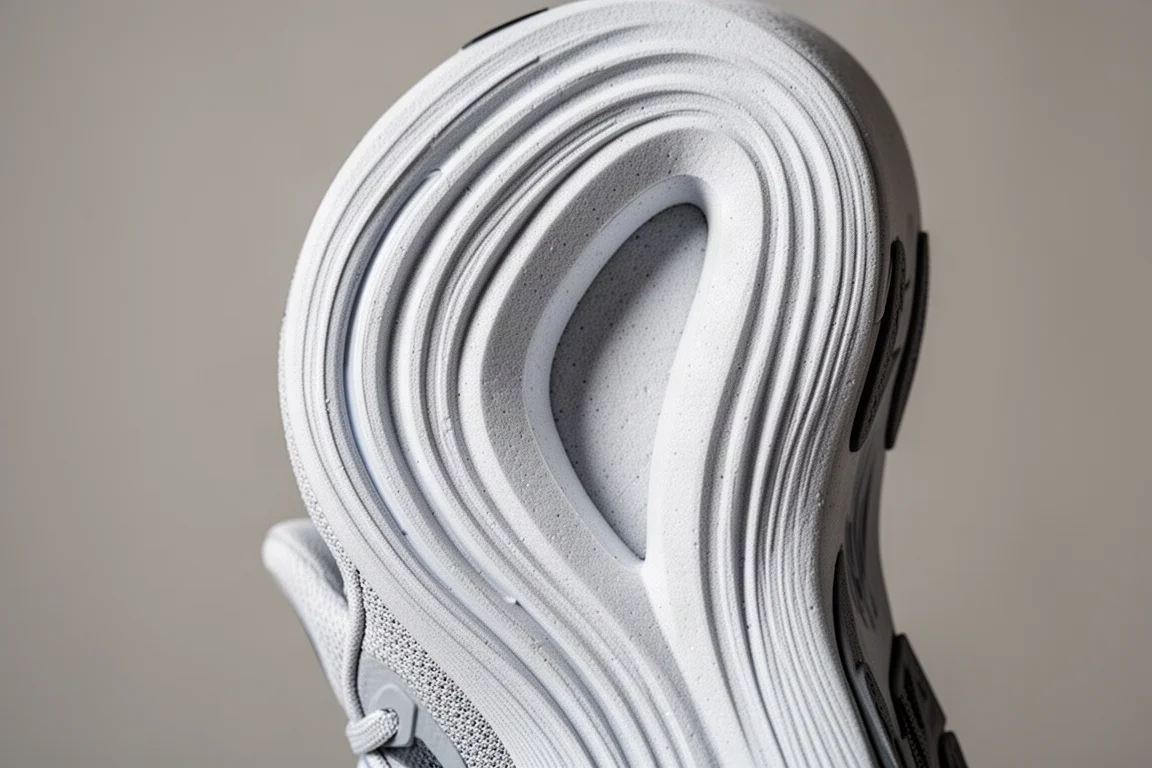
The Mach X3 feels like more shoe on the foot: you can sense the extra weight and the width of the platform. The Rocket X3 brings more agility and a more pronounced rocker that rolls you through to toe-off quicker. The Mach X3 feels a bit flatter and less rolling, which feeds that sensation of control. Notably, even at a very easy plod pace of around 12.5-minute miles, the Rocket X3 does not feel out of place as a daily trainer, although the Mach X3 is still the better pick for long, everyday training miles thanks to its extra stability, durability, and toe box room.
Fit and Sizing
Fit feedback varied between testers. One tester took both shoes a half size up over a normal Hoka size and found the Mach X3 roomier and airier in the toe box, with good security across the toe knuckles and midfoot, while the Rocket X3 has a narrower, sharper taper and a more race-like hold. Neither had lace pinch issues, and both have nicely padded heel collars, though the Mach X3 needs to be laced down securely to avoid heel slipping.
Another tester took both shoes in their normal running size and found plenty of room around the midfoot and toes with a comfortable hold at the heel, calling the Mach X3 upper a big improvement over the Mach X2 and noting both were comfortable on long runs. If past Hoka shoes fit you well, sticking with your usual size is a reasonable call.
Rotation and Buying Advice
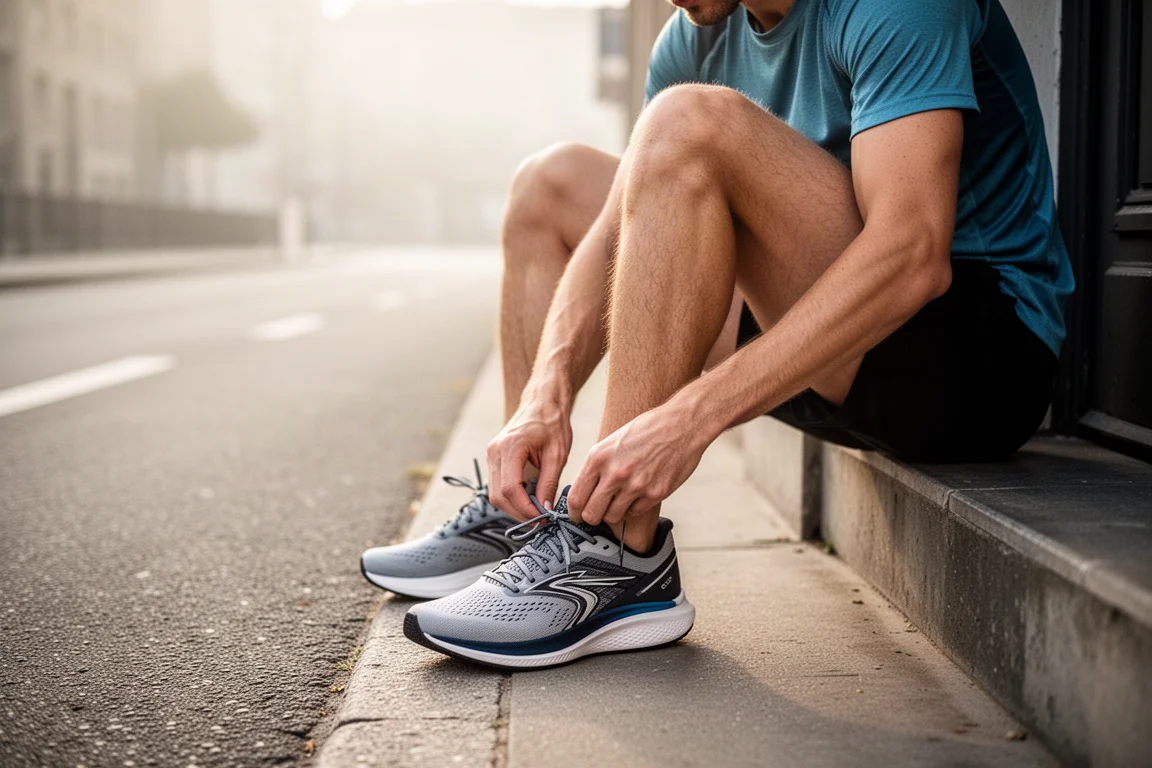
Within Hoka’s range, these shoes fill different roles. The Rocket X3 is a pure racing shoe: lighter, more aggressive, more expensive, and with more stability than some carbon racers. The Mach X3 is a plated super trainer built to be very versatile, primarily as a speed trainer in a rotation, but able to handle a bit of everything. The Rocket X3 is definitely the faster shoe, but you pay more for it, while the Mach X3 is more comfortable for long, hard training.
For the Mach X3 as a racing option, newer runners will find it a genuinely good choice for something like a marathon: plenty of pop, bounce, stability, and support, and cheaper than a dedicated race shoe. It can also slot into a three-shoe rotation alongside a comfortable trainer and a full racing shoe, or cover nearly everything on its own paired with a cushioned option.

For the Rocket X3, buying it as a rotation speed shoe makes little sense when the Mach X3 does that job well at a lower price. It is best bought as your race shoe, with the understanding that it is somewhat limited in what else it can do. If you are hedging between the two as a pair, the Mach X3 paired with a different, faster shoe gives more variety, since these two feel quite close in character.
Conclusion
The simplest breakdown holds up: the Rocket X3 is your carbon racer with stabilizers on, and the Mach X3 is a solid fast-edged daily trainer that can move up the gears but comes in a bit heavy for the fastest efforts. If you need a racing shoe, the Rocket X3 is worth the outlay and may be among the more accessible carbon race shoes for runners new to racing. If you want an all-rounder or a speedy trainer to use regularly, the Mach X3 is the pick: more durable, more comfortable, cheaper, and one of the better plated trainers on the market for racking up fast marathon training miles.
Further reading
Related Reviews

Running Shoes
Best Road-to-Trail Running Shoes: Three Versatile Options for Mixed Terrain
A practical guide to three road-to-trail running shoes that handle both pavement and mild trails, with clear strengths and trade-offs for different runner types.

Running Shoes
Best Running Shoes for Achilles Tendonitis: Three Options Explained
Three running shoes with different heel drops and support features designed to help reduce Achilles tendon pain during walking and running.

Running Shoes
Best Running Shoes for Women: Five Top Choices Ranked
A ranked guide to five women's running shoes, from versatile daily trainers to high-performance racing options, with real strengths and trade-offs for each.