Running Shoes
Hoka Rocket X3 vs Cielo X1 2.0: Which Hoka Race Day Shoe Fits You?
Two carbon-plated racers from Hoka take different approaches to speed. We break down fit, foam, weight, and price to help you pick the right one.
Introduction
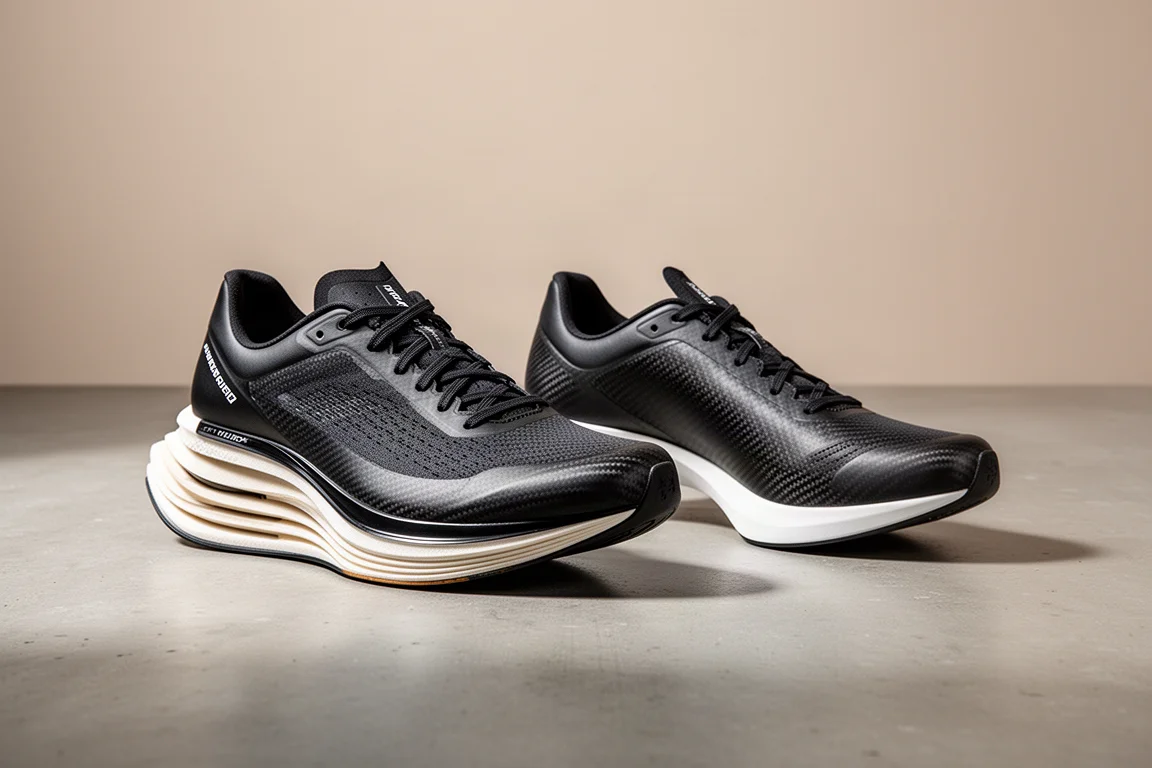
Hoka now has two serious carbon-plated racers in its lineup, and they serve noticeably different kinds of runners. The Rocket X3 is the third version of the shoe that first put Hoka on the super shoe map, and it has been reworked with a friendlier upper, a reshaped foam stack, and a slightly more forgiving ride. The Cielo X1 2.0 sits above it as the brand’s most aggressive race day weapon. Here is how the two stack up.
Upper and Fit: Built More Like a Trainer Than a Razor
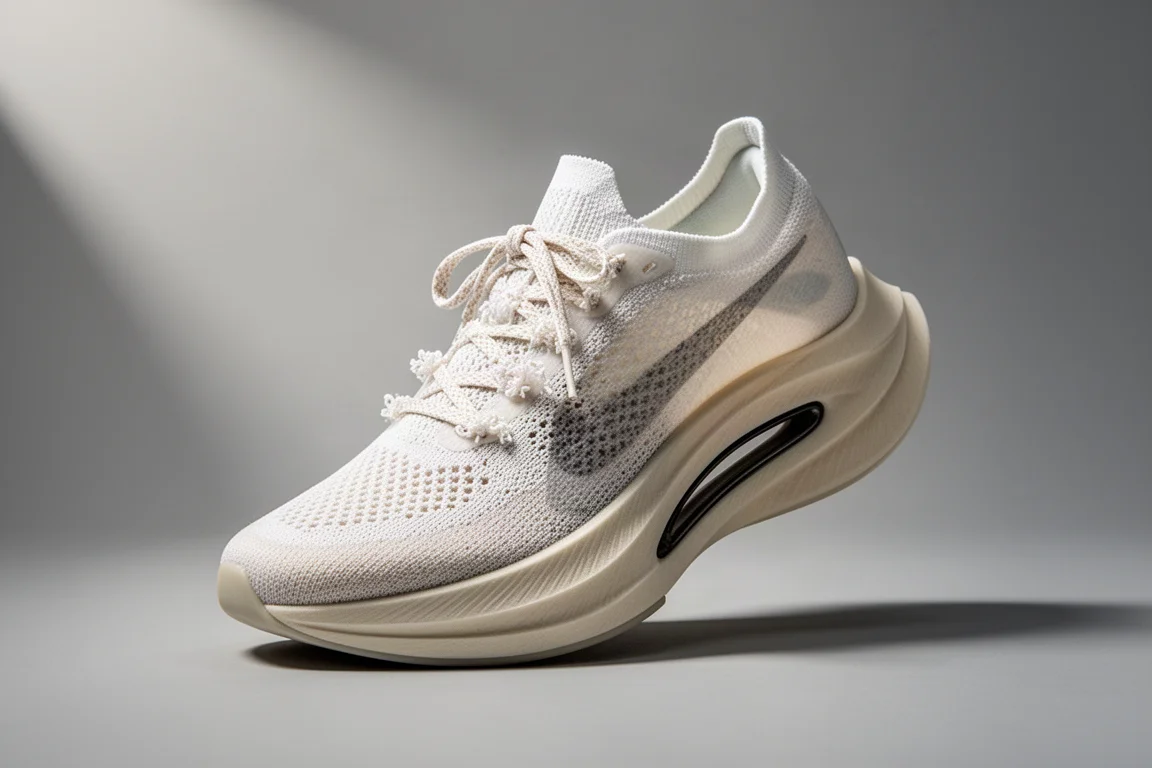
The most obvious update on the Rocket X3 is around the collar and heel, where Hoka added more padding and structure. Instead of chasing the ultra-minimal race collar that many brands have used to shave weight, this one is built almost like a daily trainer in that area. That matters because razor-thin collars have caused Achilles abrasion and bleeding for some runners, a trend that several brands are now quietly walking back.
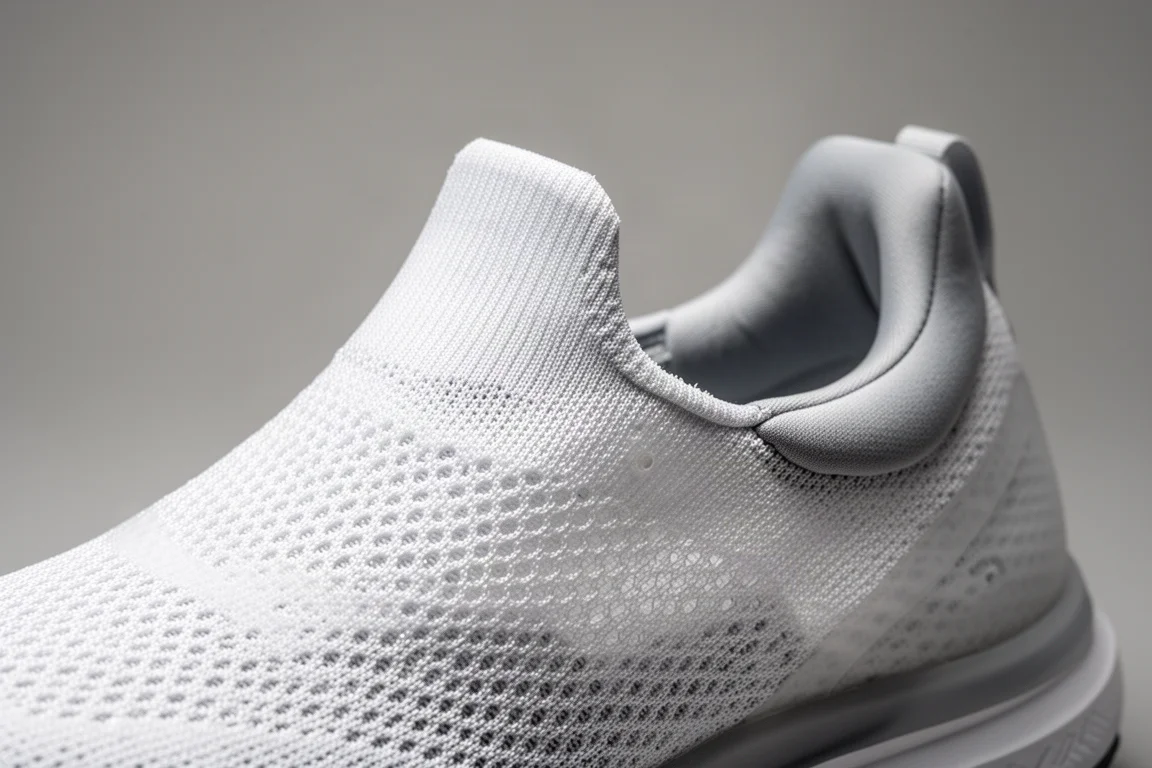
The tongue is no longer gusseted, which usually reads as a negative but works in Hoka’s favor here. Triathletes and anyone transitioning quickly in and out of the shoe were finding the gusset snagged during fast entries, so Hoka moved to a simple, easy-to-grab tongue. The upper itself shifts from a TPU-based material to a breathable nylon yarn mesh that still sheds water well and breathes better in heat.
Fit runs true to size. Testers with wider feet found it accommodating, especially with the non-gusseted tongue, while narrower feet still got a snug, secure race-day feel with no slipping. No hot spots or rubbing showed up even on longer runs.
Ride and Geometry: Heel Striker vs Midfoot Striker
Under the foot, the Rocket X3 keeps its dual-density PEBA setup: a softer PEBA-based foam directly beneath the foot, a carbon fiber plate in the middle, and a firmer PEBA layer below. What changed is placement, with the softer foam now concentrated primarily in the forefoot. The result is a noticeable bounce and soft landing up front while still popping you forward at toe-off, with more heel cushioning than before.
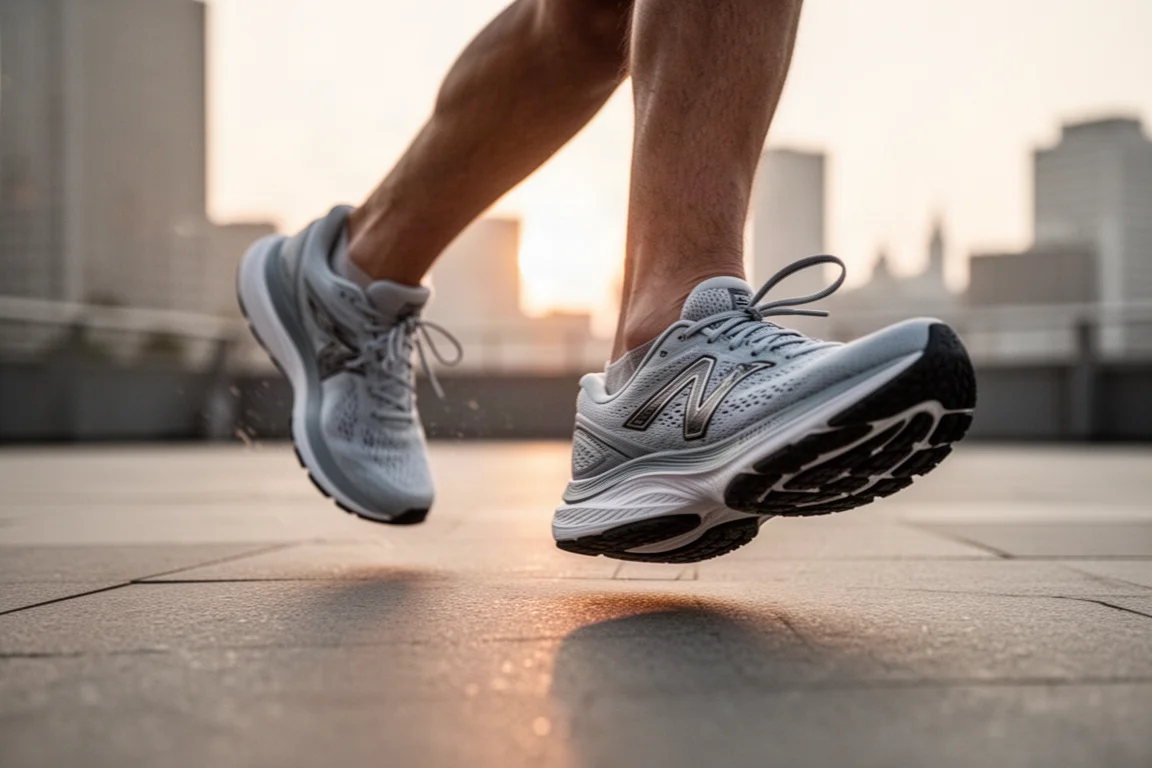
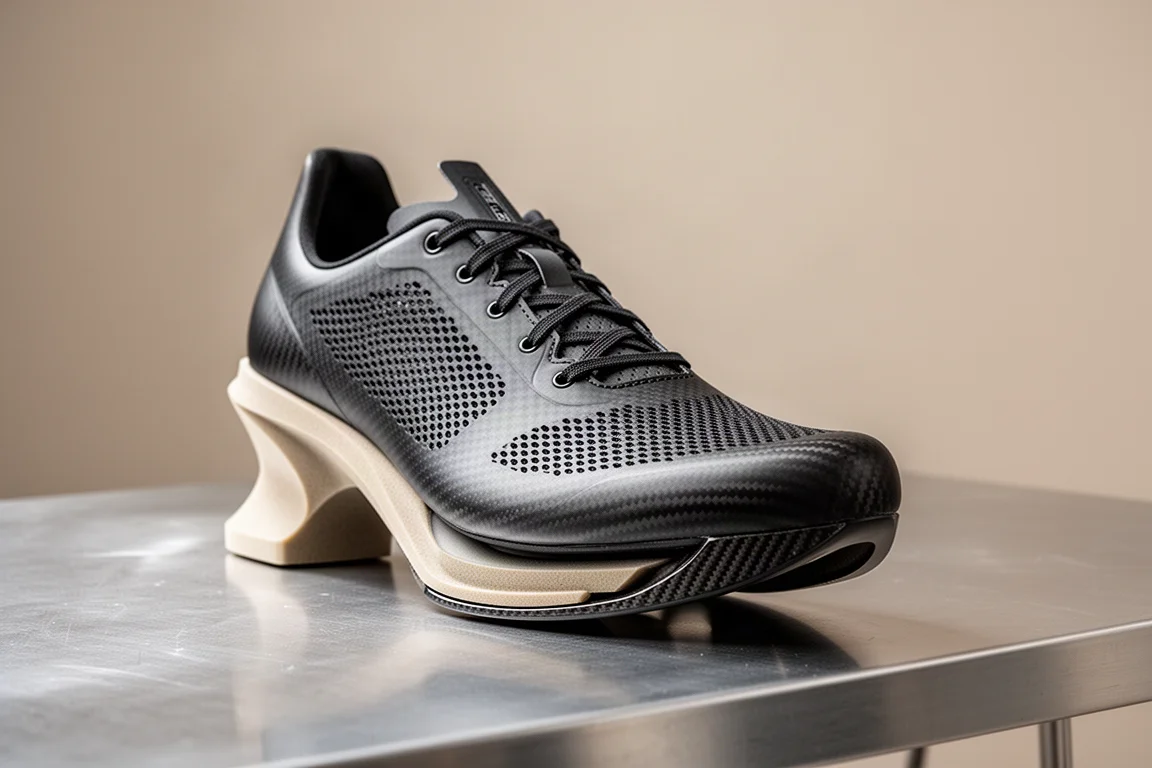
This is the clearest dividing line between the two Hoka racers. The Rocket X3 is built to accommodate runners who land further back in their stride, making the heel-to-toe transition the sweet spot for getting the most from the plate geometry. The Cielo X1 2.0 is the more aggressive shoe, tuned for the uptempo midfoot striker who loves an extreme rocker and a stripped-down race feel. Hoka describes the Cielo as the top expression of its race day line, with cutouts and every weight-saving measure aimed at being the fastest shoe in the arsenal.
Weight and Everyday Usability
A men’s size 10.5 comes in at 7.8 ounces or 221 grams, while a women’s size 7 came in at 6.07 ounces or 172 grams. In today’s market, where race shoes are dropping into the six-ounce range and even below, the Rocket X3 is now one of the heavier options in the category. That extra weight buys a more accommodating fit and a more comfortable upper, which makes it friendlier to more runners.

That friendliness extends to daily use. Across roughly 35 to 40 miles of testing, the Rocket X3 held up fine even at easy paces, not just during workouts. It can carry you from tempo-day warm-up miles through fast work, and even onto race day, making it a rare super shoe that covers training to racing in one pair.
Pricing and Scores
The Rocket X3 is priced at $250, undercutting the Cielo X1 2.0 at $275.
On scoring, fit earned a five out of five, one of the better-fitting super shoes available thanks to the padded collar, breathable nylon upper, and true-to-size feel. Form scored a three, knocked down for the extra weight and a look that lacks the aggressive race-day aesthetic some runners want when they lace up. Function landed at a four, held back by the crowded field of lighter race day alternatives. That totals 12 out of 15, still a green light.
Which One Should You Buy?
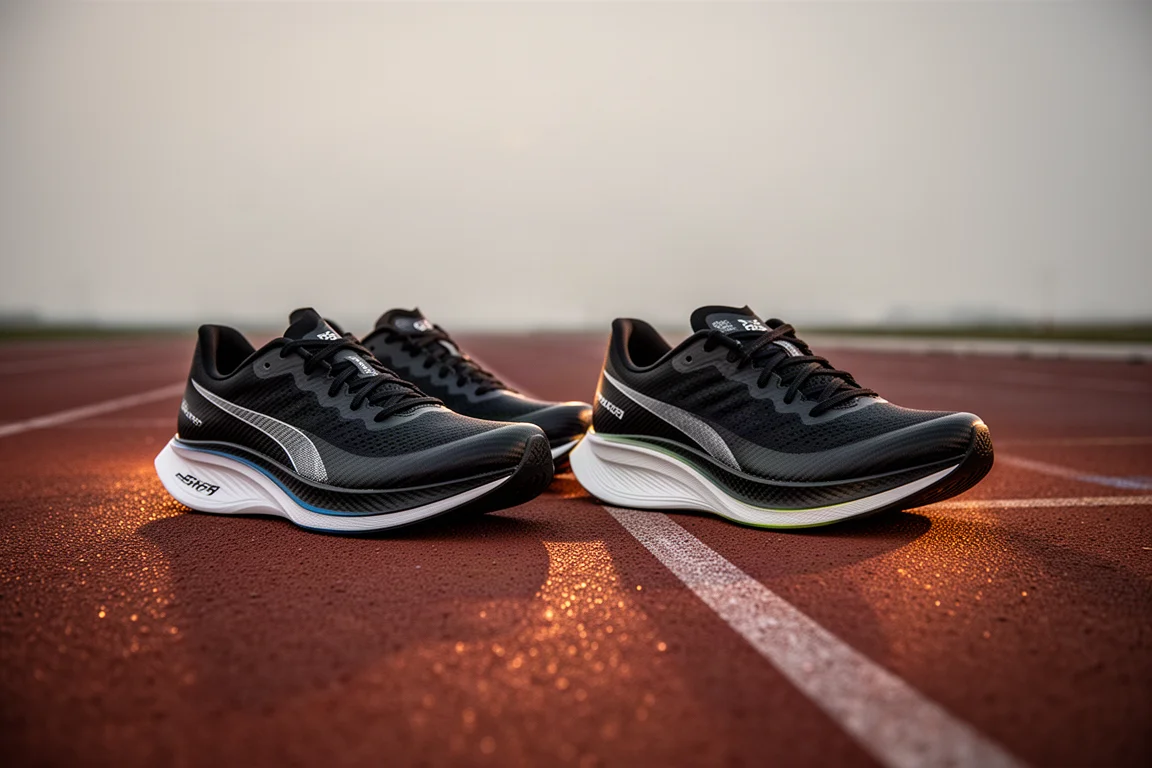
The practical split comes down to race distance and strike pattern. For a half marathon, the more aggressive Cielo X1 2.0 is the sharper tool. For a full marathon, the Rocket X3’s added comfort and stability help if your form breaks down late in the race, and the $250 price is easier on the wallet. Fast, tuned runners chasing every advantage, including weight, will gravitate toward the Cielo. Mid-pack and back-of-pack runners, or anyone wanting one shoe for workouts and race day, get more from the Rocket X3.
Conclusion
The Rocket X3 is a comfortable, versatile super shoe that works across the gamut of paces, from easy runs to race day, and it fits better than most of the category. The Cielo X1 2.0 remains Hoka’s most aggressive racer for runners who want maximum speed over all-around usability. Choose based on how you land, how far you race, and how much comfort you want wrapped around the speed.
Further reading
Related Reviews

Running Shoes
Best Road-to-Trail Running Shoes: Three Versatile Options for Mixed Terrain
A practical guide to three road-to-trail running shoes that handle both pavement and mild trails, with clear strengths and trade-offs for different runner types.

Running Shoes
Best Running Shoes for Achilles Tendonitis: Three Options Explained
Three running shoes with different heel drops and support features designed to help reduce Achilles tendon pain during walking and running.

Running Shoes
Best Running Shoes for Women: Five Top Choices Ranked
A ranked guide to five women's running shoes, from versatile daily trainers to high-performance racing options, with real strengths and trade-offs for each.