Running Shoes
Hoka Rocket X3 Review: A Stable Race Day Shoe for Heel Strikers, Plus Four Alternatives
A detailed look at the Hoka Rocket X3 carbon racing shoe, how it compares to the Hoka Cielo X1 2.0, and how it stacks up against the Rocket X2, Puma Deviate Nitro Elite 3, and ASICS Meta Speed Edge Tokyo.
Introduction
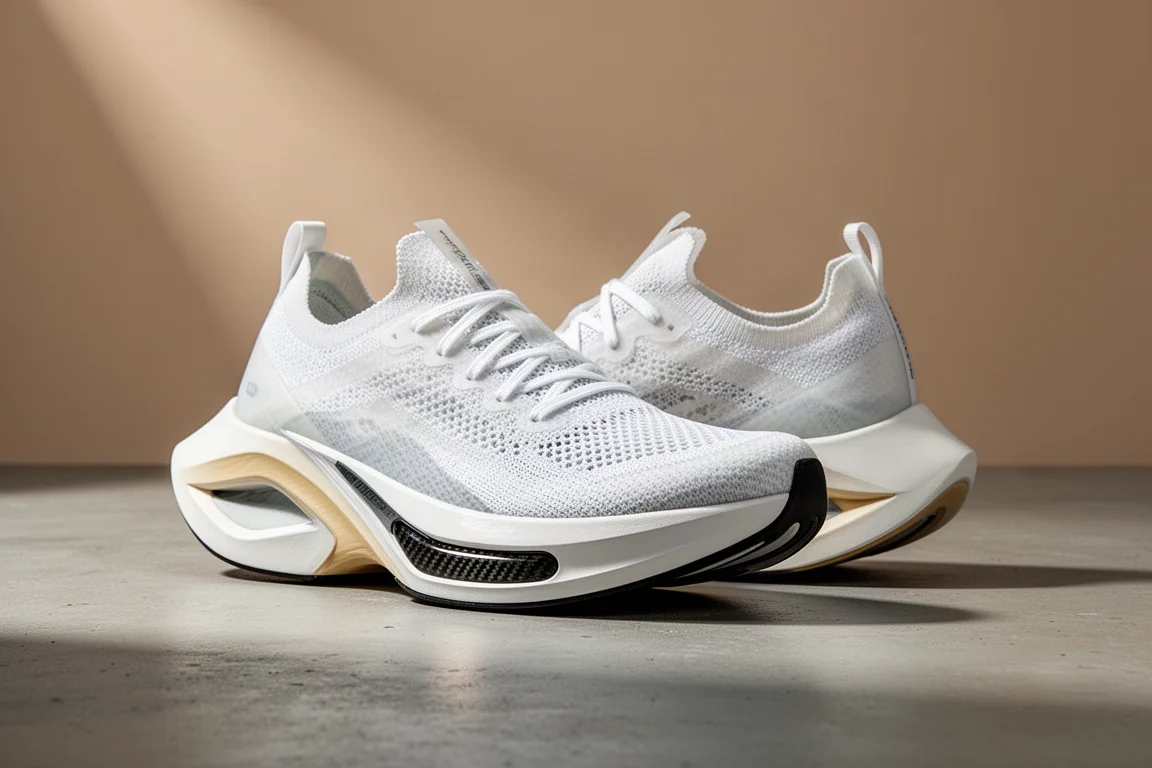
Hoka’s Rocket line has changed dramatically from one version to the next, and the Rocket X3 finally feels like the shoe that settles the franchise into a clear identity. On the surface, it looks a lot like the Hoka Cielo X1 2.0, and the two shoes share a lot of construction DNA. But they are built for noticeably different types of runners, and understanding that split is the key to choosing between them.
This guide breaks down the Rocket X3 in detail, explains how it differs from the Cielo X1 2.0 and the Rocket X2, and compares it against two strong rivals: the Puma Deviate Nitro Elite 3 and the ASICS Meta Speed Edge Tokyo.
Hoka Rocket X3: Specs and Construction
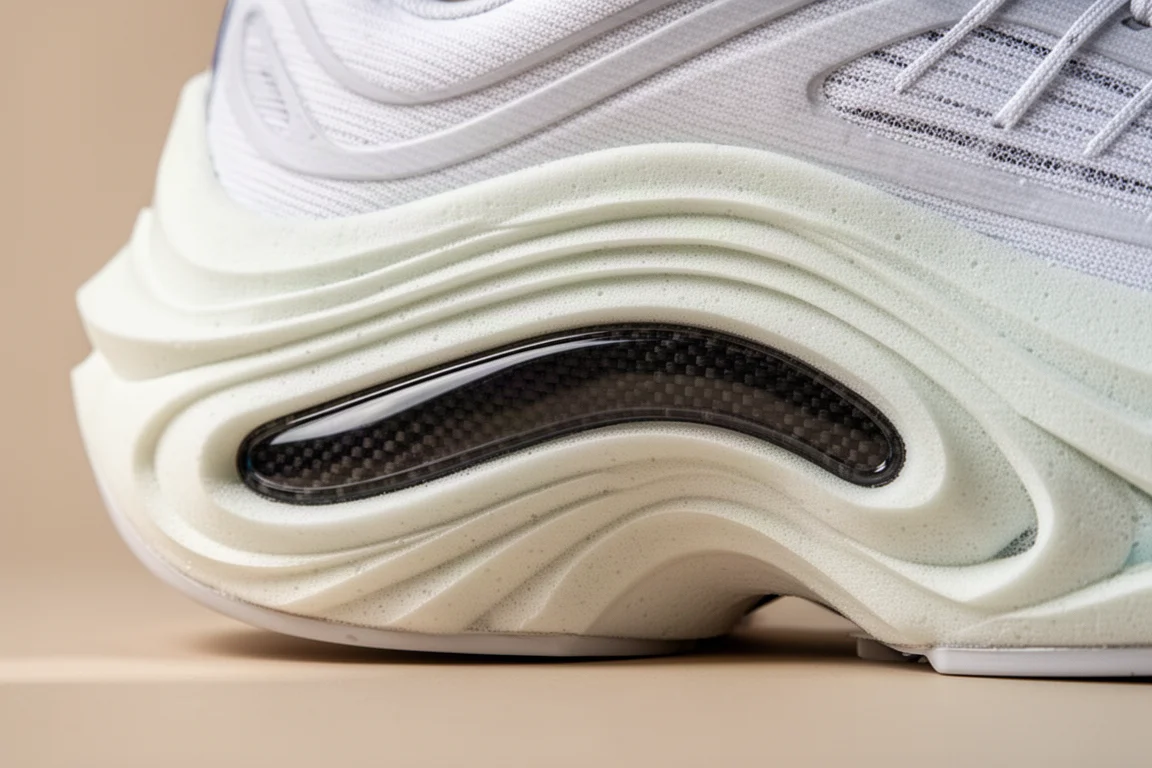
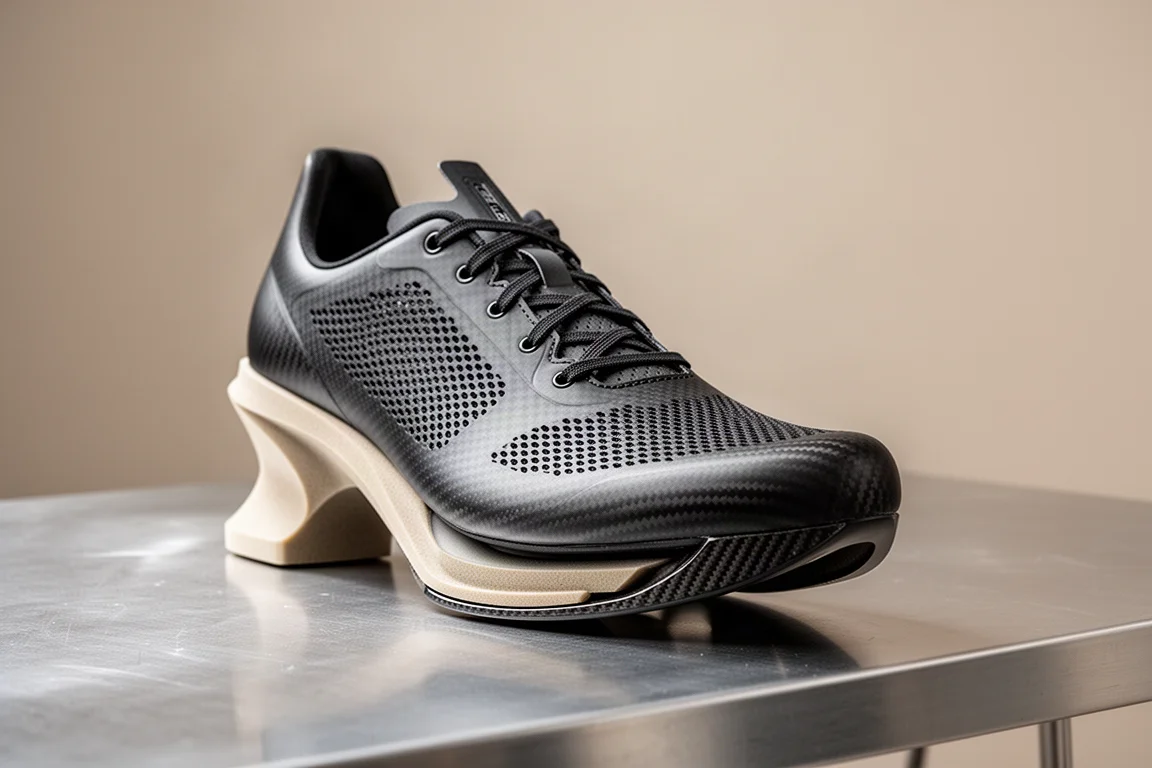
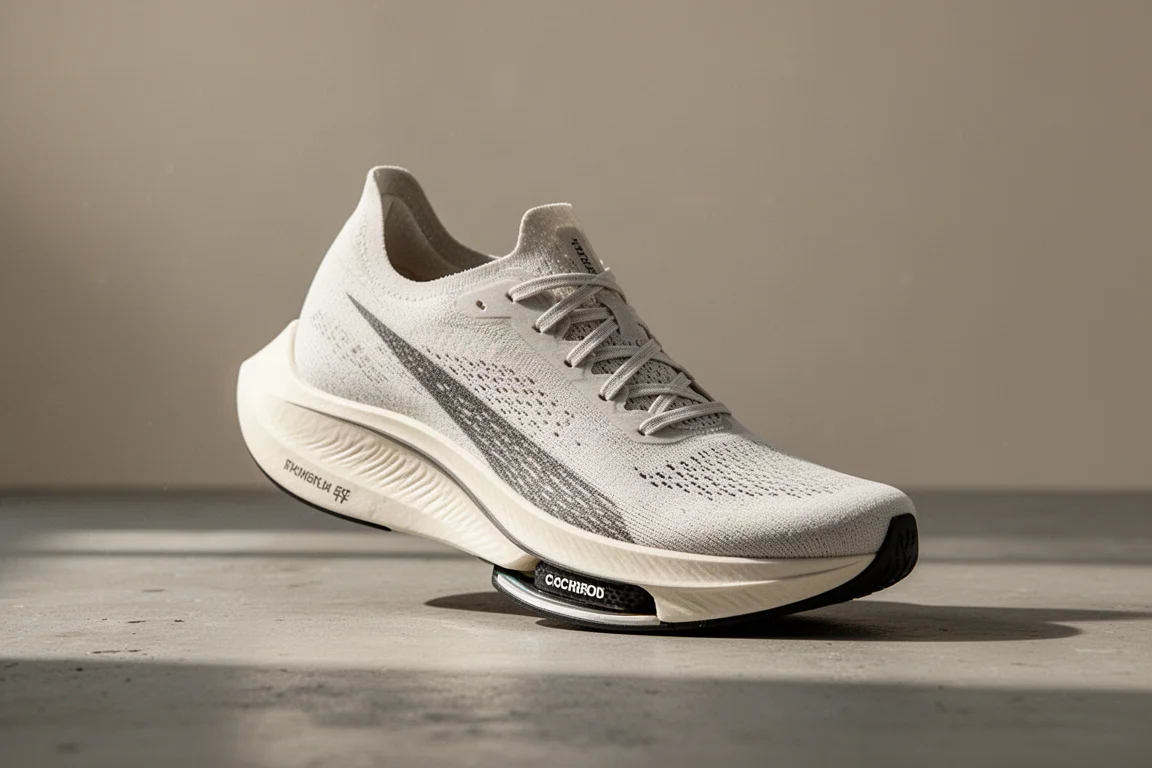
The Rocket X3 carries 42 mm of stack height in the heel with a 7 mm drop, giving 35 mm of stack in the forefoot. Inside the shoe are three components: two different densities of supercritical PEBA midsole foam, and between them a winged carbon fiber plate. Part of that wing peeks out through a lateral window on the side of the shoe, a design cue that signals the plate curls upward to help keep the shoe from tipping over too far to that side.
The plate itself has a large scoop: it starts high in the back of the shoe, then drops close to the ground toward the forefoot before scooping down underneath the pads of the foot. That spoon-shaped plate position is common in racing shoes built for stability, and it generally points to a shoe that favors heel strikers.
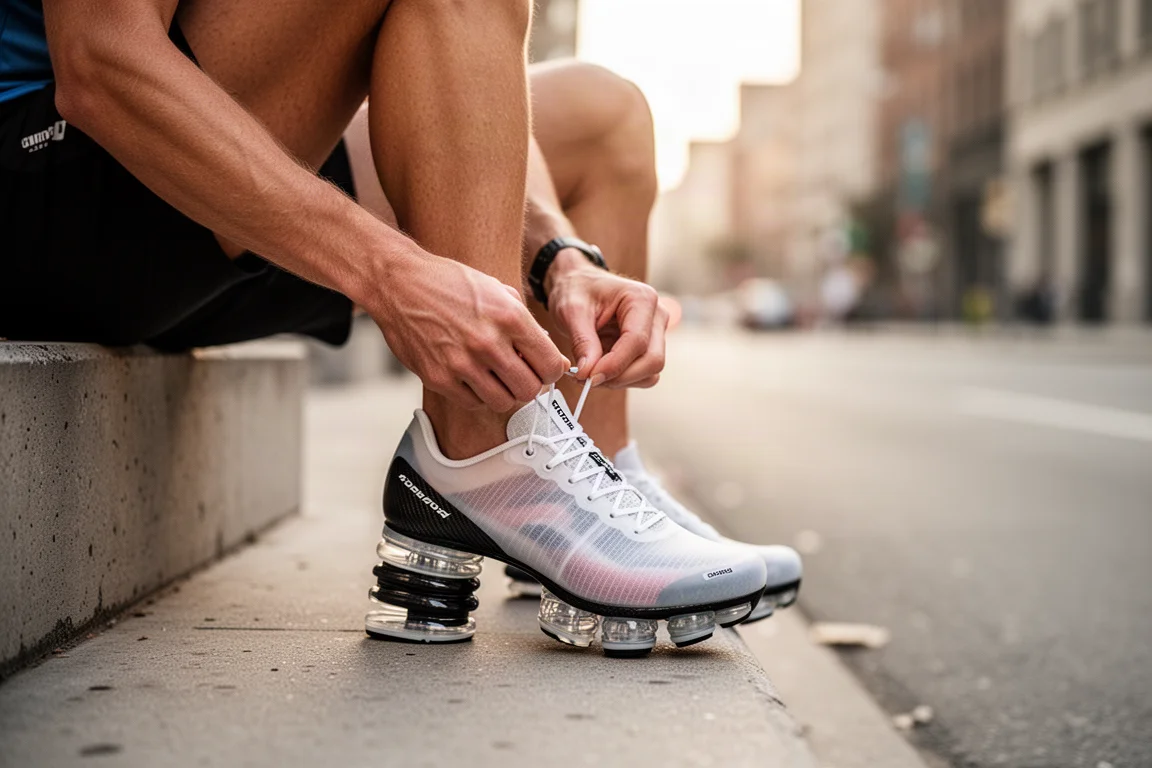
Stability shows up again in the mid to rearfoot Active Foot Frame, where the foam rises up around the sides of the foot to form sidewalls that hold your foot in place through the gait cycle. Rubber coverage is practical rather than full: small pads on each side of the heel, two foam channels running heel to forefoot, and a larger rubber patch in the forefoot split by a center groove. Hoka repeatedly describes this outsole as sticky rubber, which appears to be a direct response to grip complaints about the Rocket X2. The rubber in the Rocket X3 looks noticeably softer, which should help with tackiness and grip.
The upper is a single-layer warp knit with a wire-mesh quality. It is not the softest material, but it is strong, very airy, and slightly translucent, holding the foot in place at speed and through tight corners while keeping things well ventilated. The gusset has been removed from the tongue, which Hoka says makes the shoe easier to put on, potentially useful for triathletes coming off the bike. The floating tongue feels a bit tall and floppy for a racing shoe, though it never became a problem while running. The laces are the frilly, stay-put type, there is a little stretch up front for comfort, and the heel cup has just enough padding without getting in the way. Nothing inside the shoe should cause abrasion or discomfort; all visible stitching sits on the outside at the back.
In a US men’s size 9, the Rocket X3 measures 7.3 oz (208 g).
On the run, the foams feel lighter and springier than the Rocket X2, with less density overall. The shoe is at its best at faster paces. At threshold mile repeats, with quicker turnover and more time spent on the forefoot, the plate and foams come alive. At marathon effort and slower, the shoe becomes assertive and pulls you toward a heel-striking stride. If you naturally run that way, that is a compliment. If you are a dedicated midfoot or forefoot runner, it can feel like fighting the shoe.
The fit runs slightly narrow and slightly short in your usual running shoe size, but not enough to recommend sizing up. All in all, the materials and craftsmanship are excellent. This is simply a shoe built around a specific running style, and the ideal buyer is a heel striker or any runner who wants extra stability in their race day shoe.
Rocket X3 vs Hoka Cielo X1 2.0
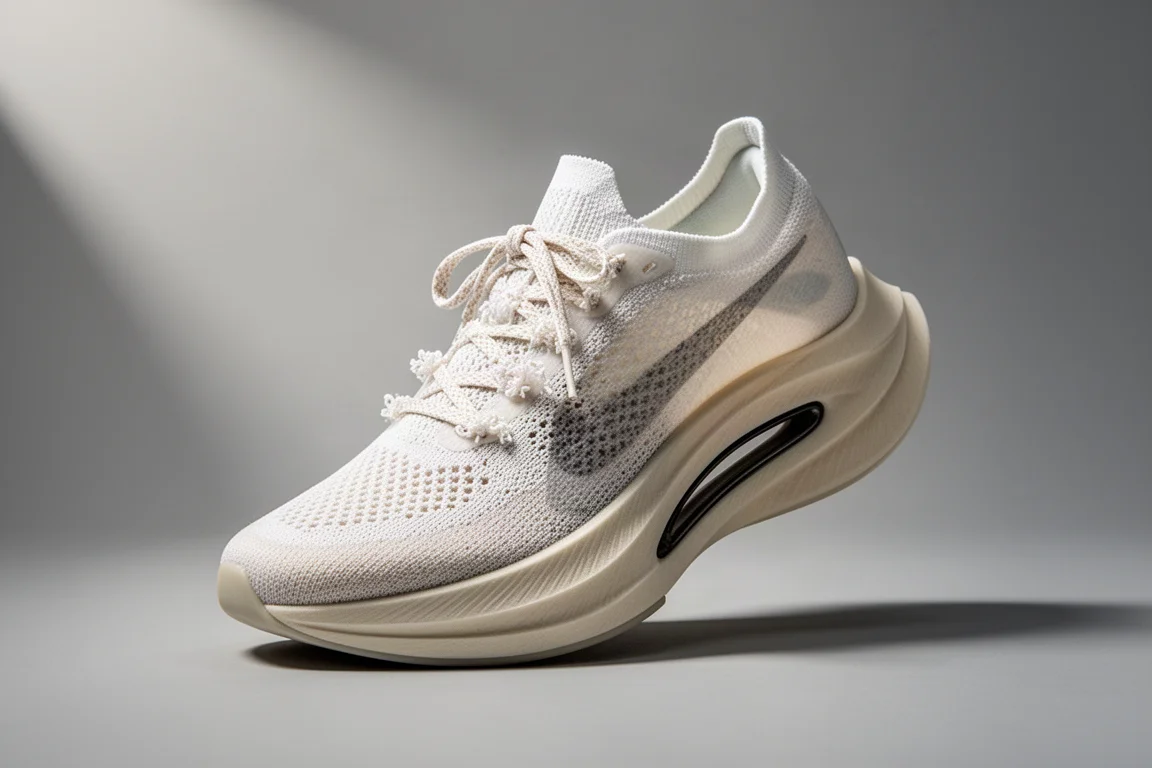
The Rocket X3 and Cielo X1 2.0 look very similar, and both use dual-density supercritical PEBA foams, winged carbon plates, and aggressive plate positions that start high in the heel and scoop low under the foot pads. The difference lies in how much of each foam density Hoka uses and where, along with whether the Active Foot Frame is present.
The result: the Rocket X3 is the heel striker shoe, while the Cielo X1 2.0 suits pure midfoot strikers. If the Cielo X1 2.0’s plate sat higher in the back, it would be a forefoot striker shoe, but that is not the intent. Put simply: heel strikers should pick the Rocket X3; midfoot or forefoot strikers should pick the Cielo X1 2.0.
Rocket X3 vs Hoka Rocket X2
The Rocket X3 is a nice, measured update over the Rocket X2 rather than a drastic overhaul. The setup and target runner are largely the same. The main improvements are lighter, springier foams and a less dense ride. The X2’s rubber was also a bit dense; the X3 softens it up, which should improve grip.
If you want to save money, dropping back to the Rocket X2 is a sensible move. It is a little heavier and a denser experience, but for a heel striker seeking a stable race shoe, both versions will serve you well. Hoka appears to have sold through its own inventory of the X2, but it has been found for under $190 from reputable running store websites.
Puma Deviate Nitro Elite 3
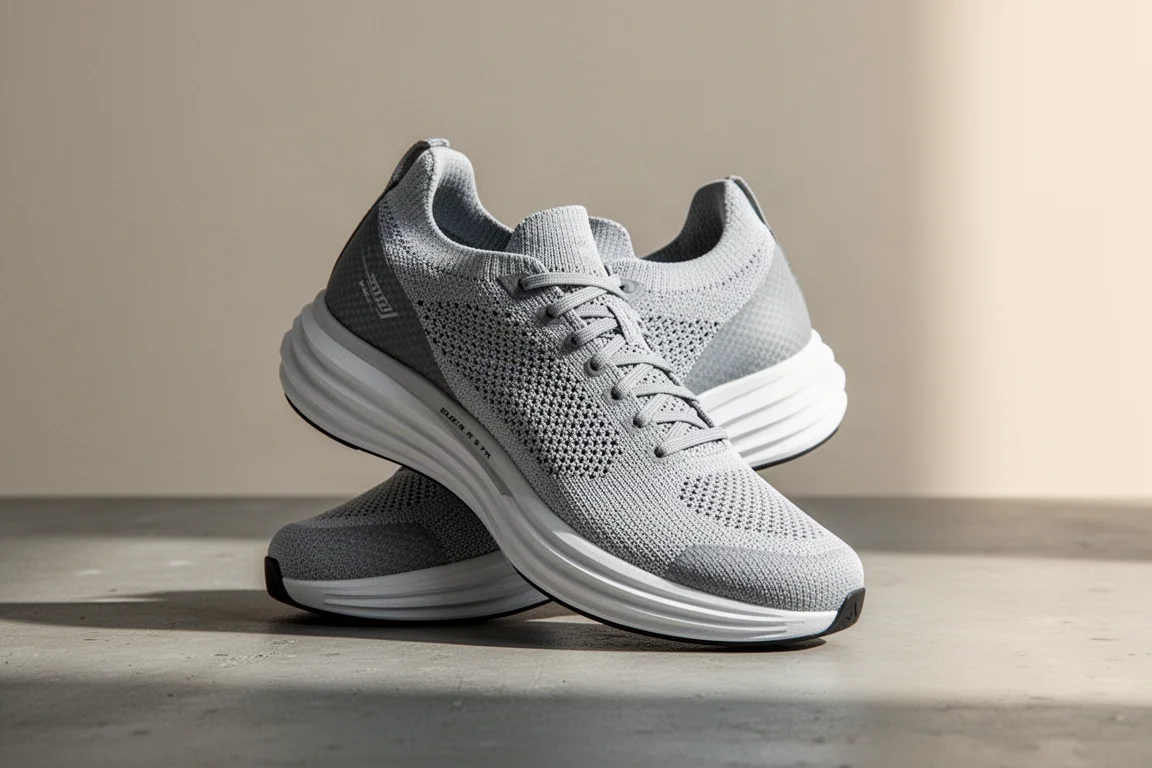
When thinking about marathon shoes for heel strikers, the Puma Deviate Nitro Elite 3 comes to mind first. Even though it is built around a similar high-in-the-back, scoop-down-low plate shape that creates a wedge in the rear for heel strikers rolling forward into the next stride, it works for forefoot runners too.
The standout here is the aliphatic TPU foam, a material that reliably delivers an enjoyable ride in race products. It is also one of the lightest racing shoes around, and genuinely fun to run in. It has consistently retailed for $230, which likely explains why it is hard to find in stock. Between the Rocket X3 and the Nitro Elite 3, the Puma is the preferred pick of the two. For a forefoot runner, it works best at half marathon distance or slightly faster than marathon pacing rather than a full marathon.
ASICS Meta Speed Edge Tokyo
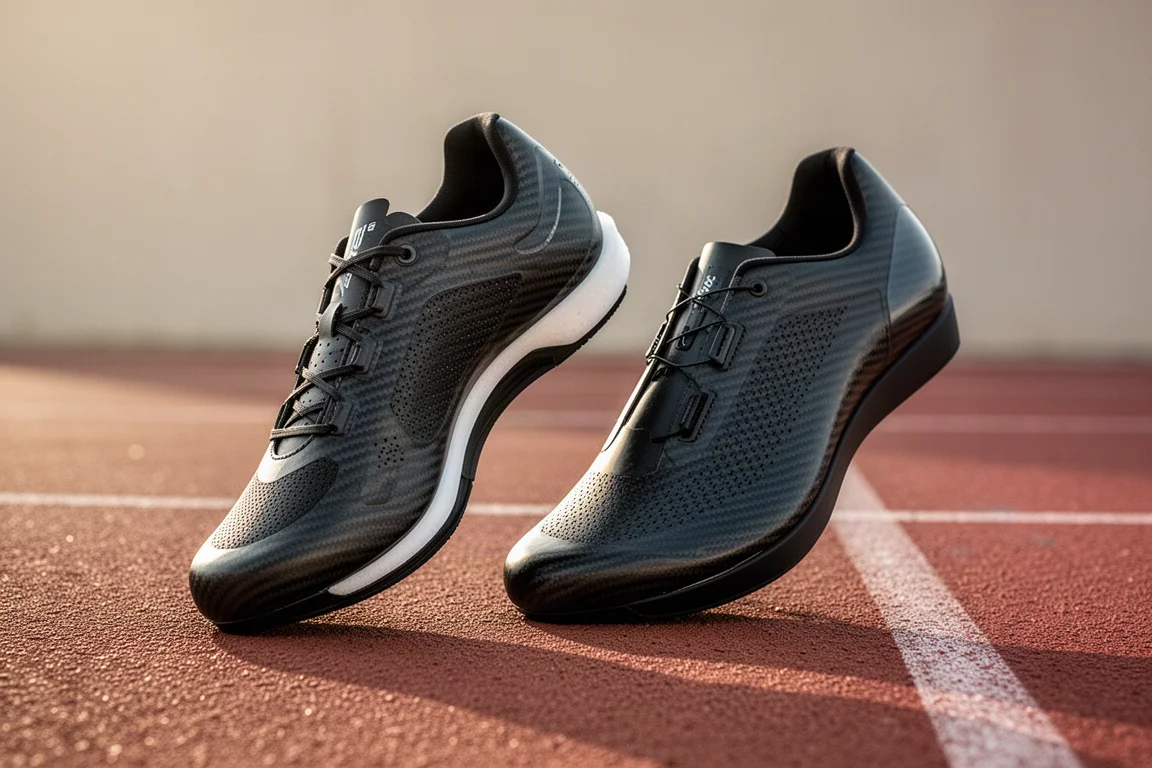
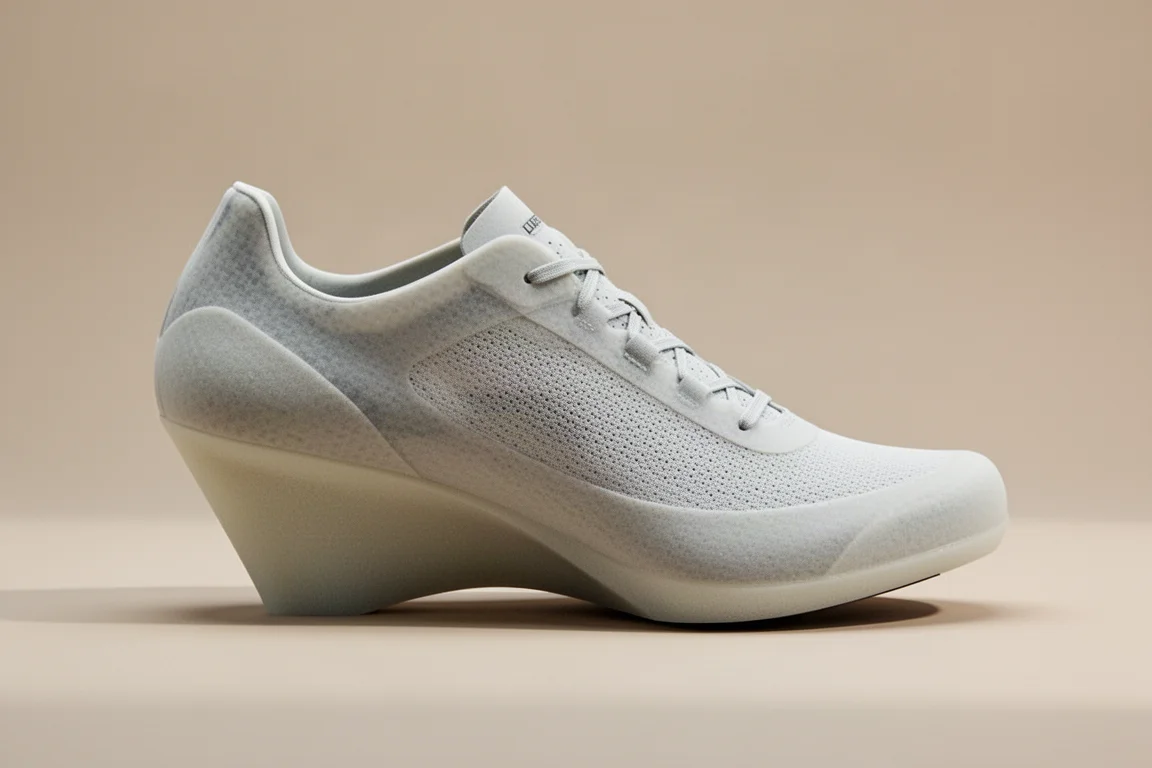
The ASICS Meta Speed Edge Tokyo shares a family resemblance problem Hoka now has too: a near-identical sibling with a different purpose. In the Meta Speed series, the Meta Speed Sky is the forefoot striker shoe, while the Meta Speed Edge is the heel striker option.
Like the Rocket X3, it uses dual-density foams, a carbon plate that starts high and scoops low, and a stripped-down lightweight upper. Both are excellent for heel strikers at marathon effort. Of all the shoes covered here, the Meta Speed Edge has the broadest appeal, working well for heel strikers and forefoot strikers alike, largely thanks to one of its main foams being aliphatic TPU. That performance comes at a tariff-inflated price of $270, a clear premium over the Puma and a bit more than the Rocket X3.

Buying Advice: Choosing Between Them
All three of the main heel-striker contenders, the Rocket X3, Deviate Nitro Elite 3, and Meta Speed Edge Tokyo, will serve heel strikers well. The simplest way to choose is by how much stability you want. The Rocket X3 is the most stable of the three, and the Meta Speed Edge Tokyo is the least stable, even among heel strikers.
For forefoot strikers, none of these are the first choice, but if forced to pick: the Meta Speed Edge Tokyo for a marathon, the Deviate Nitro Elite 3 for a half marathon or shorter, and the Rocket X3 perhaps for tough workouts.
At $250, the Rocket X3 is good value for what you get. If the budget is tighter, the Rocket X2 remains a capable fallback for under $190.
Conclusion
The Hoka Rocket X3 is a light, snappy race day shoe with genuinely well-chosen materials, but it has a clear personality: it is built for heel strikers and runners who want stability in their racing shoe. Pair that against the midfoot-friendly Cielo X1 2.0, the cheaper Rocket X2, the lightweight aliphatic TPU ride of the Puma Deviate Nitro Elite 3, and the broadest-appeal ASICS Meta Speed Edge Tokyo, and you have a strong set of options. Match the shoe to your strike pattern and stability needs, and you will get the most out of whichever one you choose.
Further reading
Related Reviews

Running Shoes
Best Road-to-Trail Running Shoes: Three Versatile Options for Mixed Terrain
A practical guide to three road-to-trail running shoes that handle both pavement and mild trails, with clear strengths and trade-offs for different runner types.

Running Shoes
Best Running Shoes for Achilles Tendonitis: Three Options Explained
Three running shoes with different heel drops and support features designed to help reduce Achilles tendon pain during walking and running.

Running Shoes
Best Running Shoes for Women: Five Top Choices Ranked
A ranked guide to five women's running shoes, from versatile daily trainers to high-performance racing options, with real strengths and trade-offs for each.