Running Shoes
Hoka Rocket X3 First Run Review: A Stable, No-Gimmick Racer Put Through a 20-Mile Test
The Rocket X3 keeps the Rocket X2's Goldilocks formula with a much better upper, a revised stability plate, and a 220g weight. Here is how it held up over a 20-mile long run.
Introduction
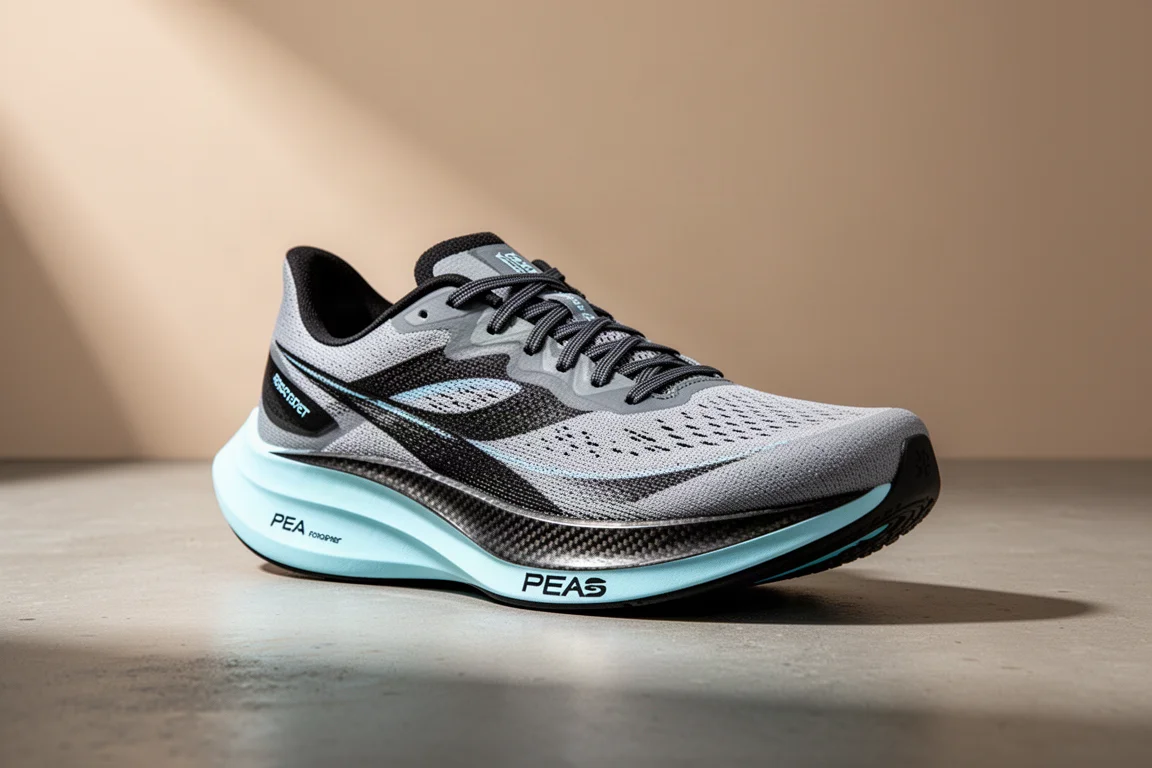
The Hoka Rocket X3 has been one of the most anticipated racing shoe releases of the season, and for good reason. Its predecessor, the Rocket X2, was one of the most universally liked race shoes on the market: a normal, gimmick-free racer with a carbon plate, a great rocker, and a Goldilocks midsole that worked for elites, sub-3 marathoners, 4-hour finishers, and everyone slower in between.
The X3 does not reinvent that formula. It keeps the same 100% PEA foam identity, refines the upper, and adds a revised plate layout aimed at stability. It launches at $250, sits around 220g in the tested size 10.5, and comes in a gray, black, and light blue colorway that has divided opinion. After taking it straight into a 20-mile long run, here is the full picture.
Who This Shoe Is For
Hoka is now positioning the Rocket X3 as its stability-oriented race shoe. That makes it a natural fit for runners who want reliability and a locked-in feel rather than an exotic, hyper-specialized racer. It is a shoe with training-shoe manners and racing-shoe speed: stable, comfortable at the heel, and fast enough to crank to 10K pace.
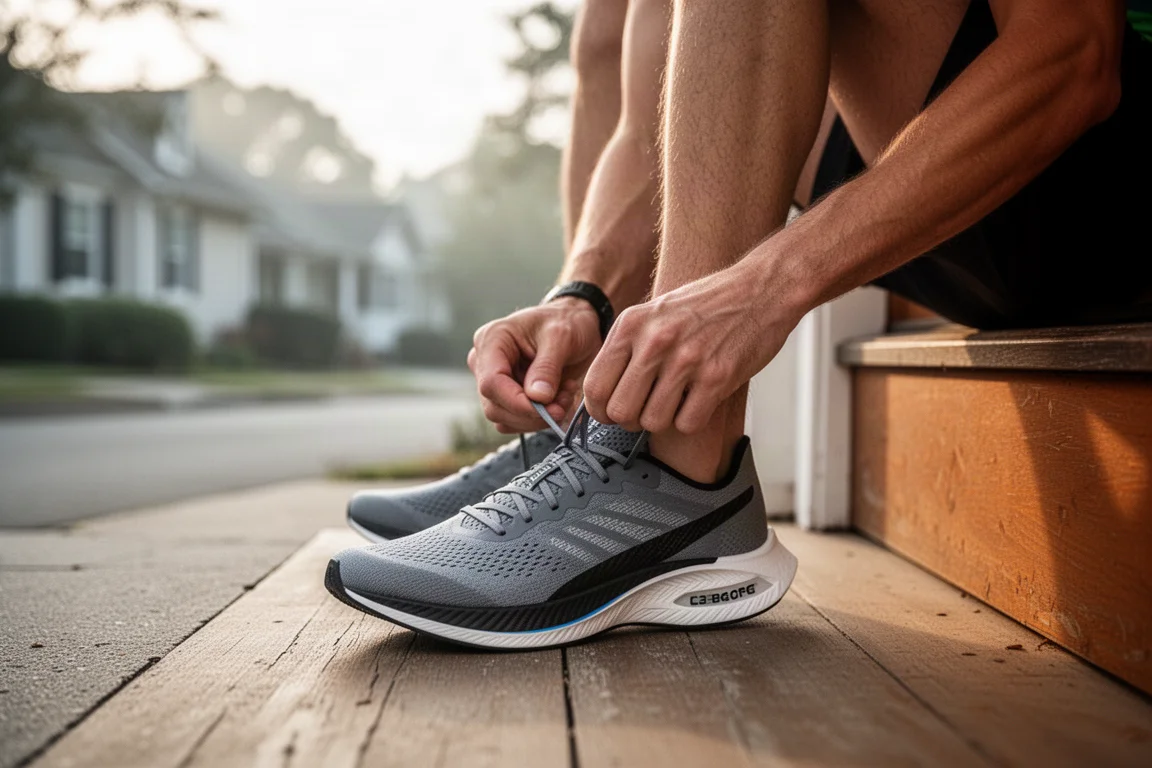
If you liked the Rocket X2, this is a safe and satisfying replacement. It is also a genuinely good first carbon race shoe for anyone who wants the feel of a training shoe with the pop of a plate.
What Changed From the Rocket X2
Hoka deliberately kept the update conservative, and that is mostly a good thing. The midsole remains 100% PEA with a slightly softer top layer, the geometry is nearly identical, and the push test still lands in that same Goldilocks zone between soft and firm.
The two meaningful changes are the upper and the plate. The old X2 upper was the weakest part of that shoe, and the new one is a real improvement: lightweight through the forefoot, well padded at the heel with a structured plastic heel cup, and very secure through the midfoot. Wide midfoot volume opens up nicely when laced, though the toe box is not especially wide, so a 2E foot may want to look elsewhere.
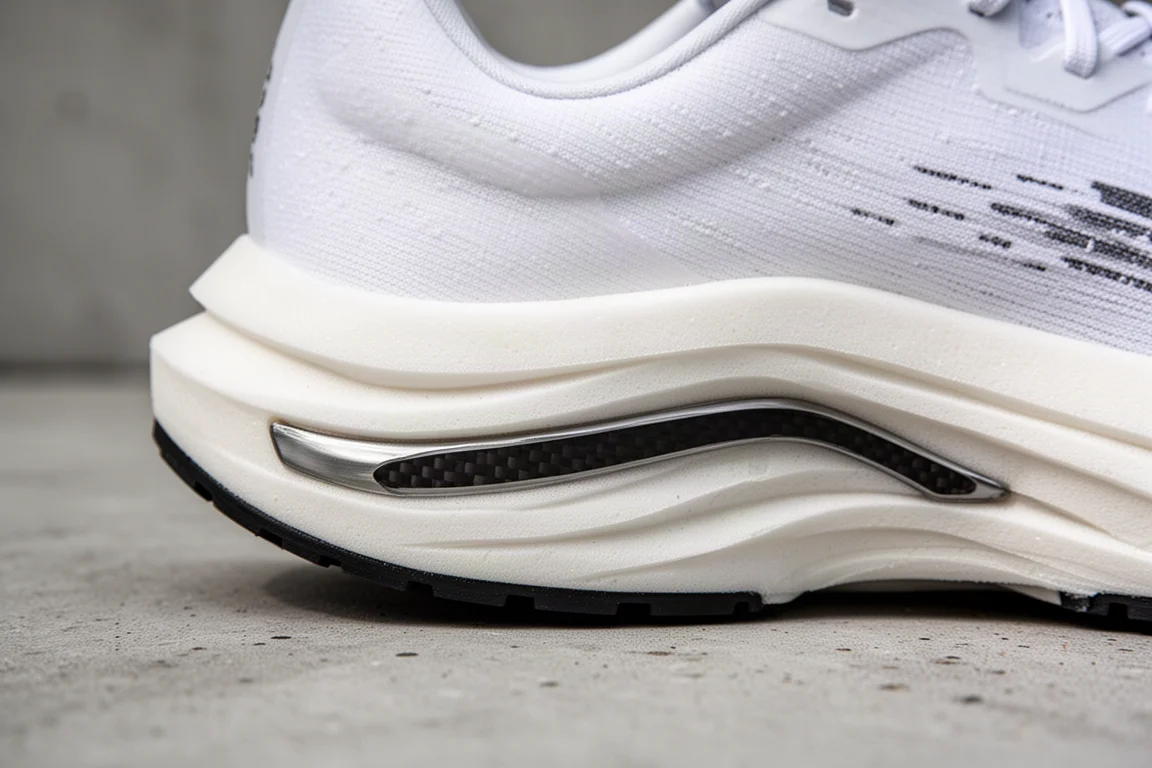
The plate now pokes out at the sides and shows extra carbon in the forefoot, echoing the stable feel of shoes like the Cielo OG and Mach X2. Weight lands around 220g, down slightly from the X2’s 239g, with a slightly wider heel, a trimmed midfoot and forefoot, and reduced outsole rubber coverage at the back. It fits true to size.
The 20-Mile Long Run Test
The Rocket X3 passes the 20-mile long run test, but not without a caveat. Early miles feel fantastic: bouncy, stable, and floating on top of the ride, like a race version of the Mach X2. Heel lockdown is excellent, and stability is arguably top of the racing category.
The surprise came deep into the run. Around mile 16 and 17, with fatigue setting in, the shoe felt surprisingly firm and rigid in the forefoot, bordering on punishing. At 6:20 to 6:30 pace it came alive and gave real speed assistance, but at slower effort over two hours on feet, the comfort was not quite what the stability-focused positioning suggests. It felt more like a shoe for the half marathon and below, or for firmer-footed runners who enjoy an aggressive platform similar to the Saucony Endorphin Elite V1.

The trade-off is real comfort at faster paces and dependable stability everywhere else, just not the max-cushion long-run softness some marathoners may expect.
Verdict: B+ With a Pass
Overall, this is a really dialed shoe. It is fast, stable, and comfortable through the heel, with a no-frills feel that is increasingly rare in a market split between super-soft and hyper-aggressive racers. It never gets mushy and never bottoms out.
The main downside is the firmness and carbon rigidity deeper into long efforts. The launch colorway is also unusually drab for a race shoe, and Hoka’s usual vibrant personality is missing here.
Buying Advice
If you want maximum comfort for long training runs, options like the Puma Deviate Nitro Elite 3 or the Cielo offer a softer midsole feel. If you want the lightest marathon racer, the ASICS MetaSpeed Sky Tokyo is significantly lighter at 176g.
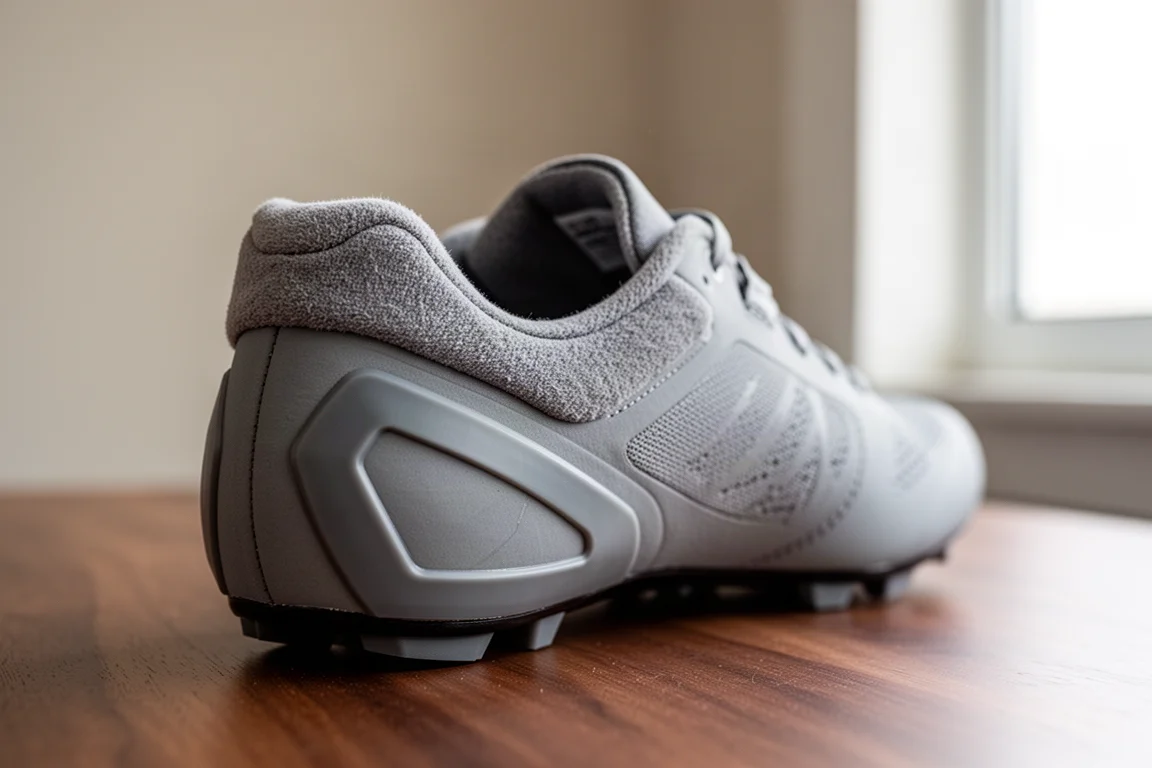
But if you want a fast, stable, gimmick-free racer that handles any pace and doubles as a workout shoe, the Rocket X3 is one of the best options available. Great for bigger runners who need a shoe that will not bottom out, and a strong pick for anyone moving on from the Puma Deviate Nitro Elite 3 who wants something more aggressive.
Conclusion
The Hoka Rocket X3 keeps a beloved formula and sharpens it in the right places: a superb upper, better stability, and the same honest PEA ride. Its one flaw, forefoot firmness deep into long runs, will not matter to runners who like a firmer platform. As a stable, versatile race and workout shoe, it earns its B+ and its pass.
Product link
View more details for Hoka Rocket X3
This product is mentioned in the review. Check the specifications, options, and compatibility before buying.
View more details for Hoka Rocket X3Further reading
Related Reviews

Running Shoes
Best Road-to-Trail Running Shoes: Three Versatile Options for Mixed Terrain
A practical guide to three road-to-trail running shoes that handle both pavement and mild trails, with clear strengths and trade-offs for different runner types.

Running Shoes
Best Running Shoes for Achilles Tendonitis: Three Options Explained
Three running shoes with different heel drops and support features designed to help reduce Achilles tendon pain during walking and running.

Running Shoes
Best Running Shoes for Women: Five Top Choices Ranked
A ranked guide to five women's running shoes, from versatile daily trainers to high-performance racing options, with real strengths and trade-offs for each.