Running Shoes
Hoka Rocket X2 vs Rocket X3: Should You Upgrade This Racing Shoe?
A close comparison of two stable neutral super racing shoes from Hoka, covering weight, stack, foam feel, fit, stability, and durability.
Introduction
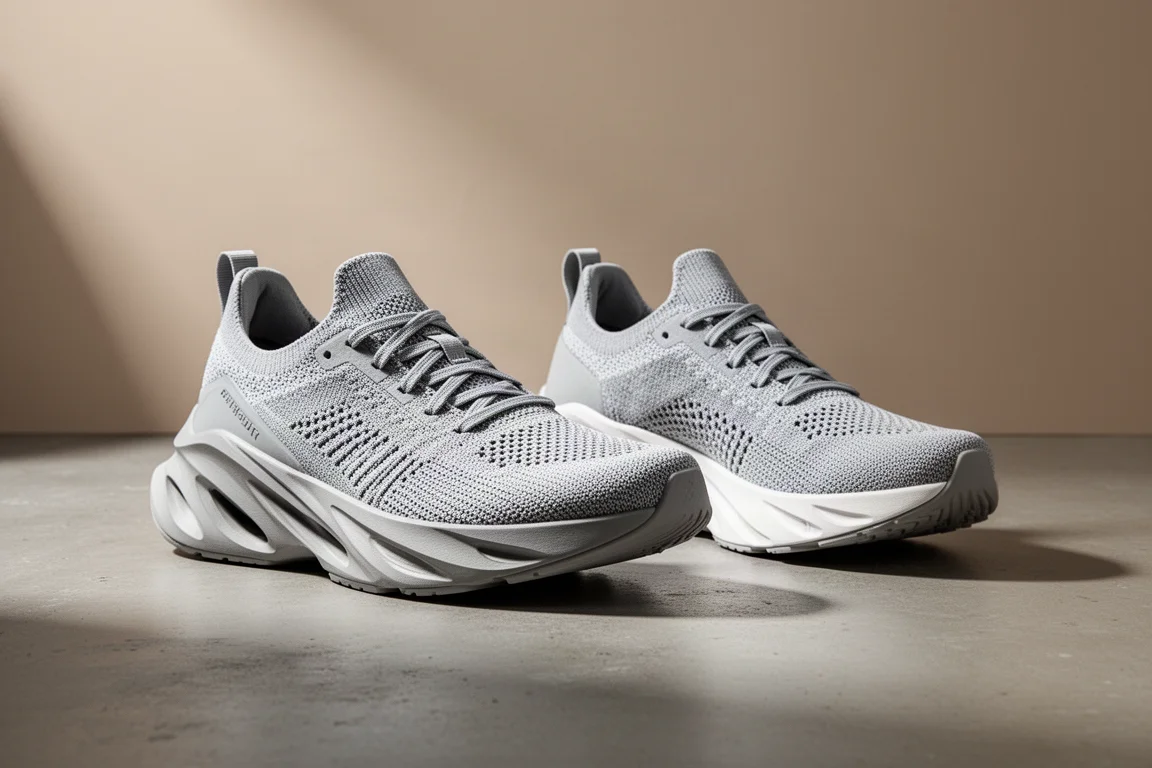
The Hoka Rocket X2 and Rocket X3 occupy the same slot in the Hoka lineup: the standard inline super racing shoe. With the X3, Hoka has repositioned it as the more stable option in the range, sitting below the more premium and aggressive Cielo X1 v2 in attitude, if not in bounce.
The Rocket X3 has been almost completely redone, but plenty of similarities remain, which raises the obvious question: should you upgrade, or is the Rocket X2 worth picking up, especially since many retailers currently list both at the same price? Here is how they compare in practice.
Weight, Stack Height, and Drop
In a men’s size 10, the Rocket X2 comes in at 228 g (about 8.1 oz). The Rocket X3 is slightly lighter at 224 g (about 7.9 oz), which is notable because it also carries a taller stack.
The Rocket X2 sits at roughly 36-37 mm in the heel and 31 mm in the forefoot for a 5-6 mm drop, though it feels considerably lower than those numbers suggest. The Rocket X3 measures 40 mm in the heel and 33 mm in the forefoot for a 7 mm drop. Despite the taller stack, the X3 still reads as a low-drop shoe on the foot; if anything, it feels less aggressive than the X2.
Ride and Foam Feel
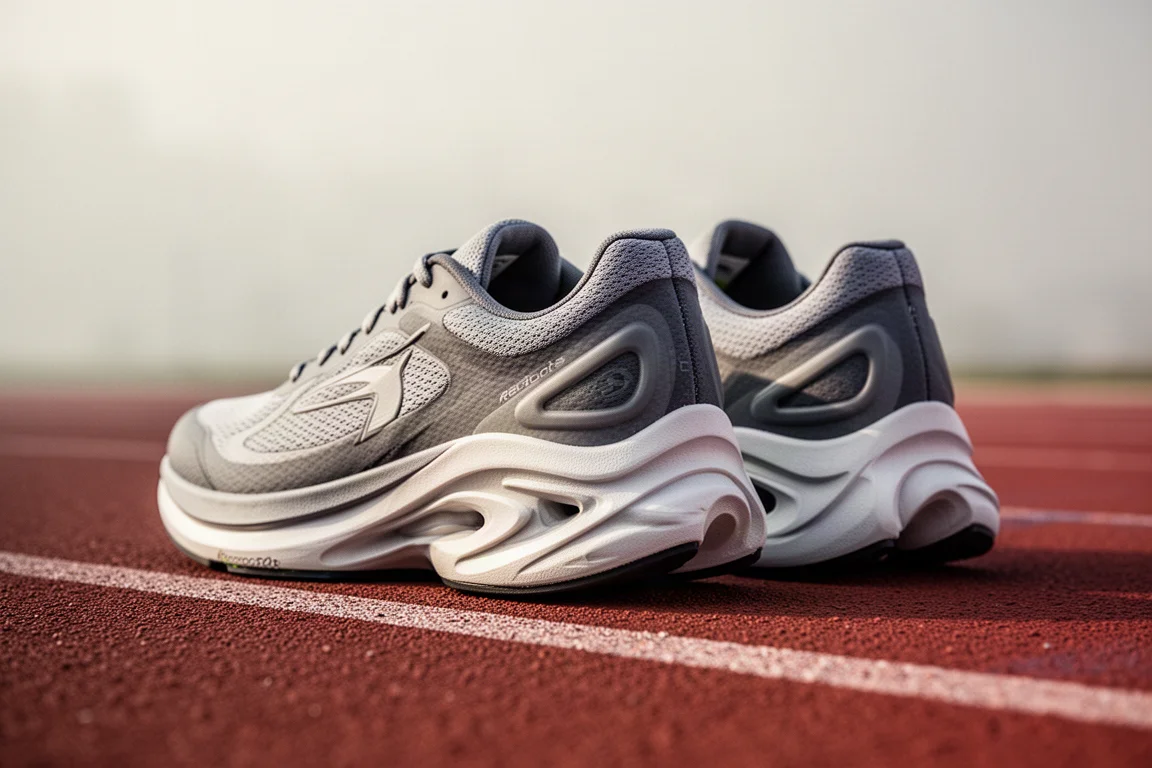
The Rocket X2 uses full-length PEBA foam, while the X3 reportedly blends two similar PEBA foams. Whatever the exact recipe, the forefoot in the X3 feels firmer and more responsive. The X2 had a pronounced speed bump sensation in the forefoot, so the most responsive part of that shoe was really the rearfoot: to get the most out of it, you had to land back, bounce through the heel, and roll forward.
The X3 flips that experience. Getting up on your toes feels genuinely good, with a bouncy heel that is slightly firmer and snappier overall than the softer X2. If you are a heel striker who likes a plusher landing, the X2 may suit you better. If you like finishing your stride on the forefoot, the X3 is the stronger choice, and it works well even for a midfoot-to-heel striker.

Stability
Stability is the defining trait of both shoes, and one of the few stable neutral racing options still on the market. Both share a filled-in midfoot with no large cutouts, good sidewalls in the rearfoot and midfoot on both medial and lateral sides, and a stiff platform that adds torsional rigidity.
The X3 does narrow the sole slightly, but this does not sacrifice stability. What it adds is a plate that rises slightly on the lateral sides, creating a form of forefoot sidewall that the X2 lacked. For runners who need a touch of forefoot guidance, as many race shoes offer none, the X3 has a small edge. The X3 also adds a nicely beveled posterolateral heel that transitions very smoothly, better than the X2’s version of the same feature.
Fit and Upper
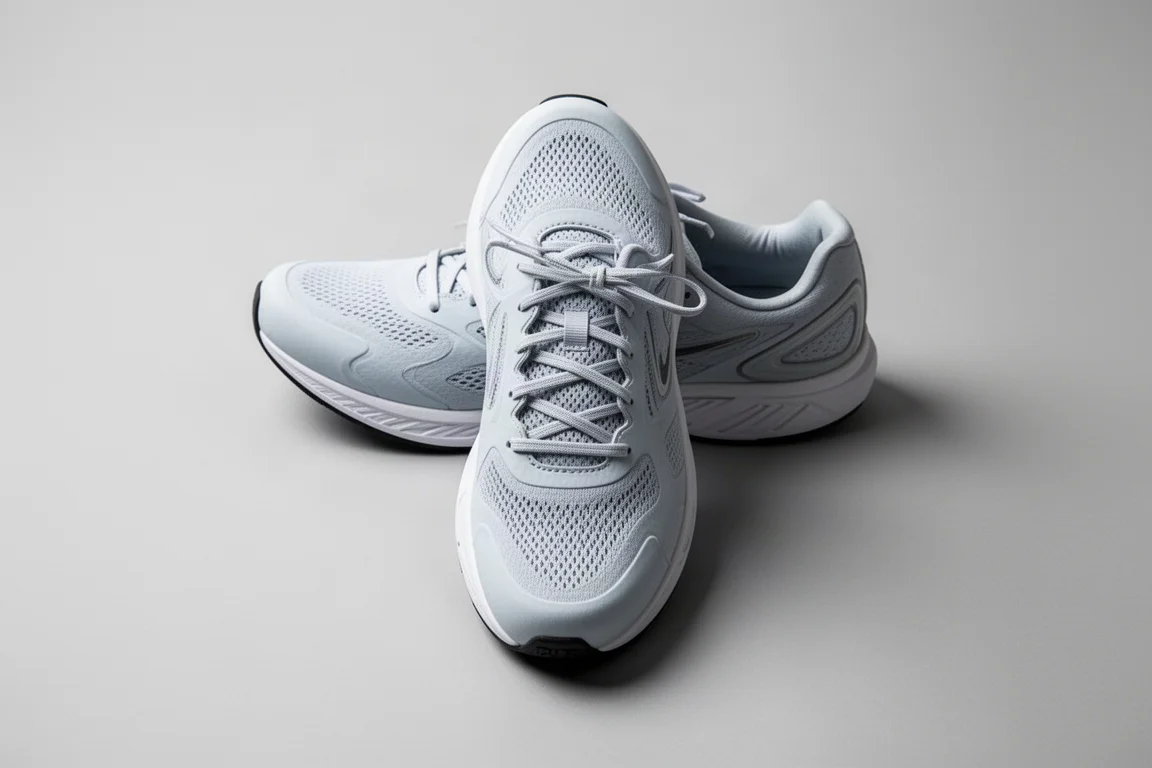
The uppers are completely different. The Rocket X2 fit slightly wider but with very low volume, so low that it caused toe bruising in testing. It also ran hot and had no heel counter, which makes it one of the few racing shoes that suits sensitive heels and haglund’s deformities well. If you are between sizes in the X2, go up half a size.
The Rocket X3 is more snug and slightly narrower in fit, but with higher volume and plenty of stretch in the upper, so it fits true to size for most normal-width feet. Wide feet may struggle a bit. The X3 adds a rounded heel counter that gives some rearfoot structure; it has not caused irritation in testing, but runners sensitive to heel counters should be aware of the change.
Durability
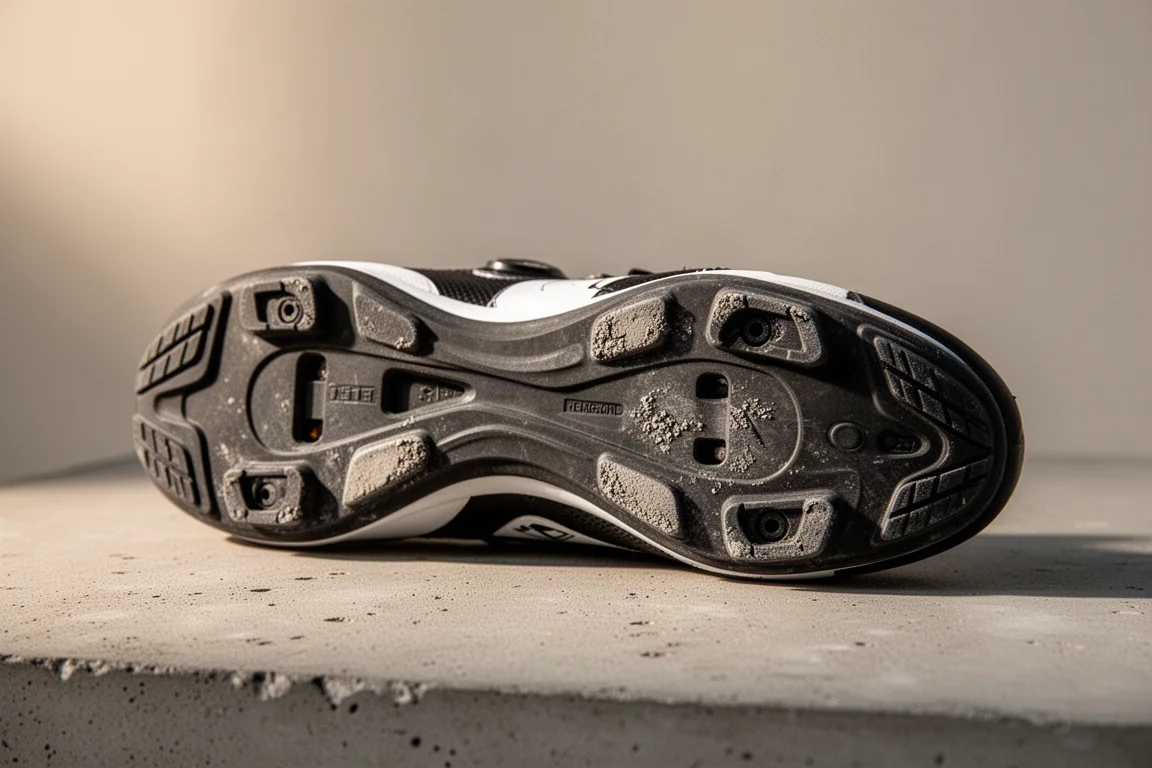
Outsole durability is a weak point for both shoes. In testing, one X2 outsole element began separating after about 65 miles, and the other shoe showed outsole tearing at around 30 miles. Neither will hold up well to heavy road abrasion. The upside is the midsole: if you are light on your feet, it will last a very long time.
Buying Advice
If you want a lower-volume upper, a bouncier heel, and no heel counter, the Rocket X2 remains a great pick, especially if you can find it at a discount. If you want a smoother forefoot, a touch more forefoot stability, a more conventional fit, and slightly less weight, the Rocket X3 is the better choice. Both are genuinely stable neutral racing shoes, and the X3 in particular is among the few top-tier stable neutral super shoes currently available, alongside options like the Saucony Endorphin Pro 4. It easily earns a place near the top of any stable-neutral racing shortlist.
Conclusion
The Rocket X3 is the more refined shoe overall, with a smoother forefoot ride, better forefoot stability, and a more forgiving fit. The Rocket X2 still makes sense for heel-focused runners who value its softer, bouncier rearfoot and heel-counter-free upper. Whichever you choose, both represent some of the last stable neutral super racing shoes on the market, and that alone makes them worth serious consideration.
Product link
View more details for Hoka Rocket X2
This product is mentioned in the review. Check the specifications, options, and compatibility before buying.
View more details for Hoka Rocket X2Further reading
Related Reviews

Running Shoes
Best Road-to-Trail Running Shoes: Three Versatile Options for Mixed Terrain
A practical guide to three road-to-trail running shoes that handle both pavement and mild trails, with clear strengths and trade-offs for different runner types.

Running Shoes
Best Running Shoes for Achilles Tendonitis: Three Options Explained
Three running shoes with different heel drops and support features designed to help reduce Achilles tendon pain during walking and running.

Running Shoes
Best Running Shoes for Women: Five Top Choices Ranked
A ranked guide to five women's running shoes, from versatile daily trainers to high-performance racing options, with real strengths and trade-offs for each.