Running Shoes
Hoka Rocket X2 vs Nike Vaporfly Next% 2: Which Racing Shoe Fits You?
A head-to-head look at two new-generation carbon racing shoes, covering fit, ride, weight, and which runner each one suits best.
Introduction
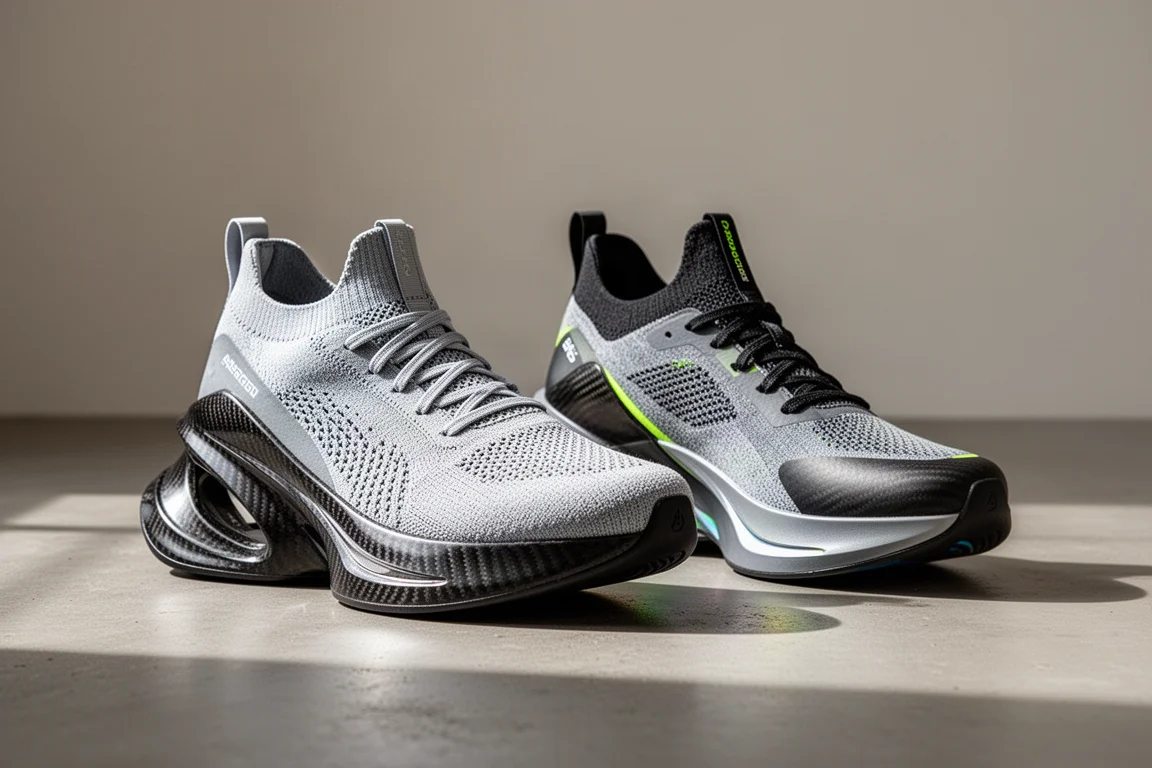
The Hoka Rocket X2 and the Nike Vaporfly Next% 2 are two of the most talked-about new-generation racing shoes, and the questions about how they compare keep coming. The short version: they share a lot of DNA, but they are not interchangeable. One is more streamlined and race-specific, while the other is more accommodating and comfortable at easier paces. Here is how they stack up.
What They Share
Both shoes belong to the current generation of super shoes built around a PEBA-based midsole with a carbon plate. Both also sit at the 40 millimeter heel stack height that matches the World Athletics standard, so neither is holding back on cushioning.
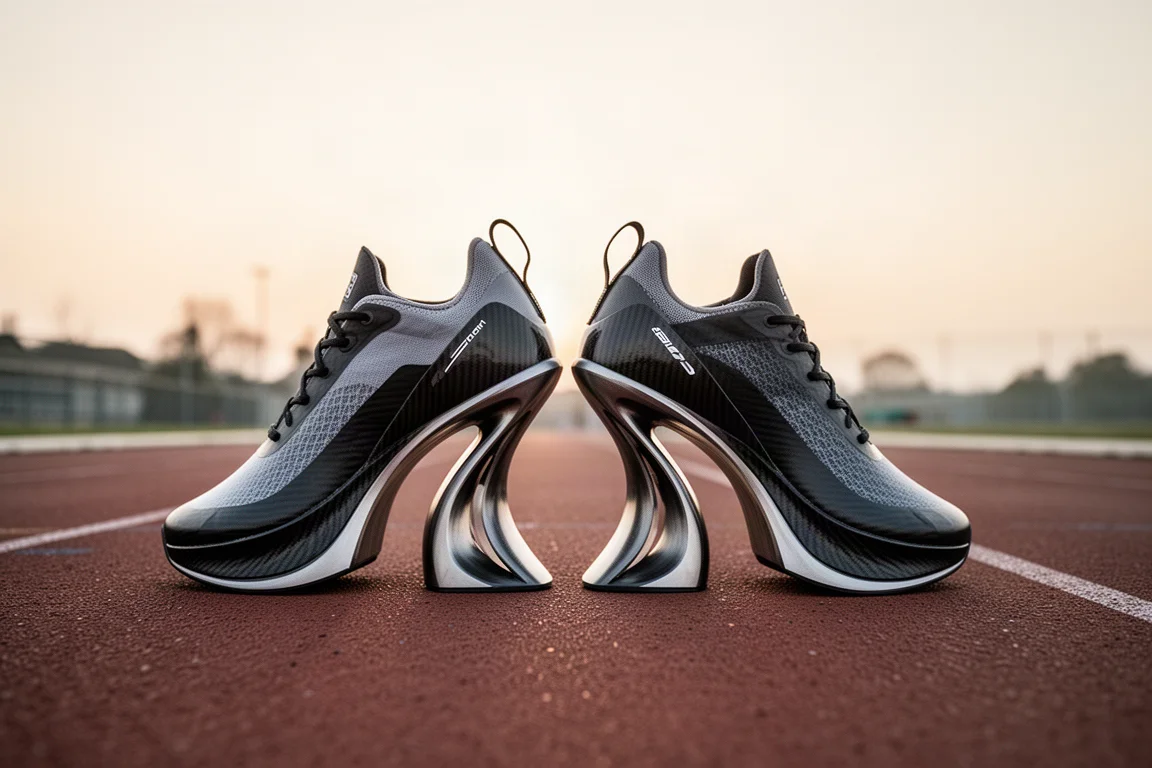
Where they start to differ is the geometry. The Nike Vaporfly Next% 2 uses an 8 millimeter drop with 32 millimeters of stack in the forefoot, while the Rocket X2 sits at a 5 millimeter drop with 35 millimeters in the forefoot. There is a weight difference too: in a men’s 9.5, the Vaporfly Next% 2 came in at 7.1 ounces, and the Rocket X2 weighed 7.8 ounces on the scale, notably lighter than its listed 8.3 ounces.
Fit and Upper
The Rocket X2 is the more accommodating of the two. It fits a little wider, especially through the midfoot, with extra volume in the forefoot. The heel sits at a normal width and locks down well through the lacing, helped by a small suede area that adds just enough friction to hold the heel in place.
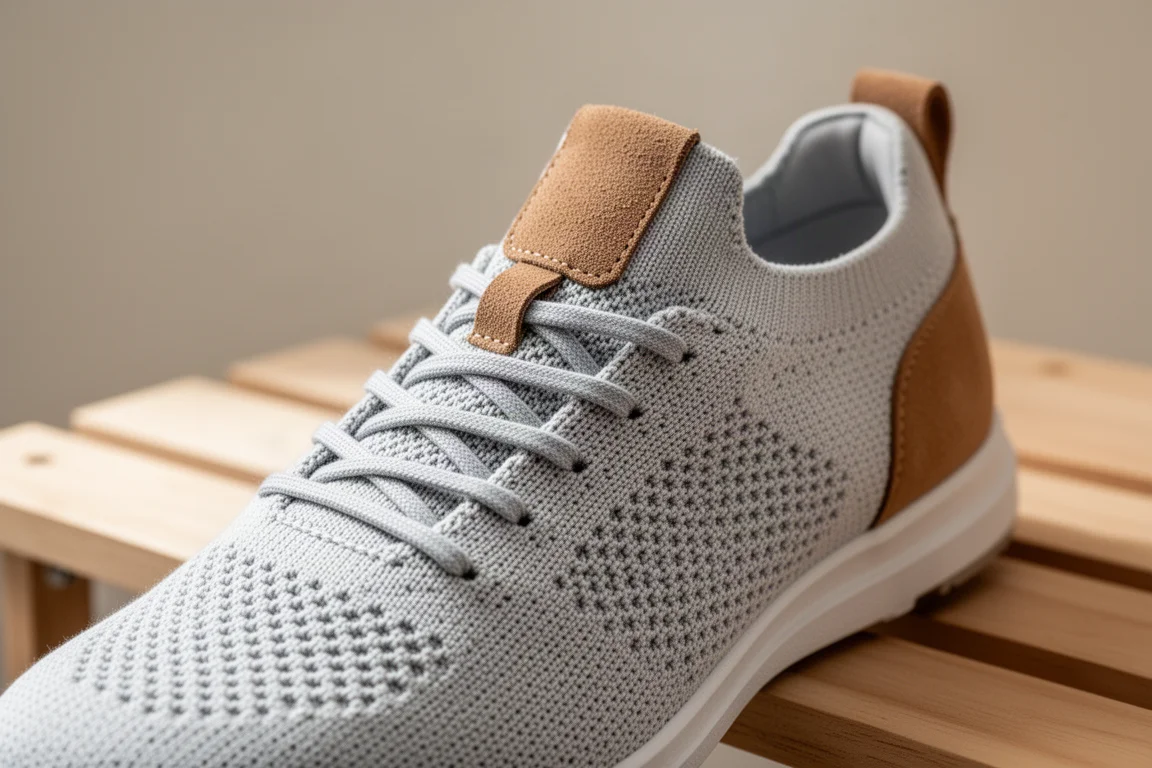
If you are sensitive to heel counters, the Rocket X2 is worth a close look. It skips the firm heel counter and relies on internal fabric reinforcement instead. The Vaporfly runs narrower through the midfoot, and the heels of the two shoes are actually fairly similar. Both use thin racing tongues, but the extra volume in the Hoka makes it feel a touch more comfortable and it laces down tighter for a secure fit.
Ride and Geometry
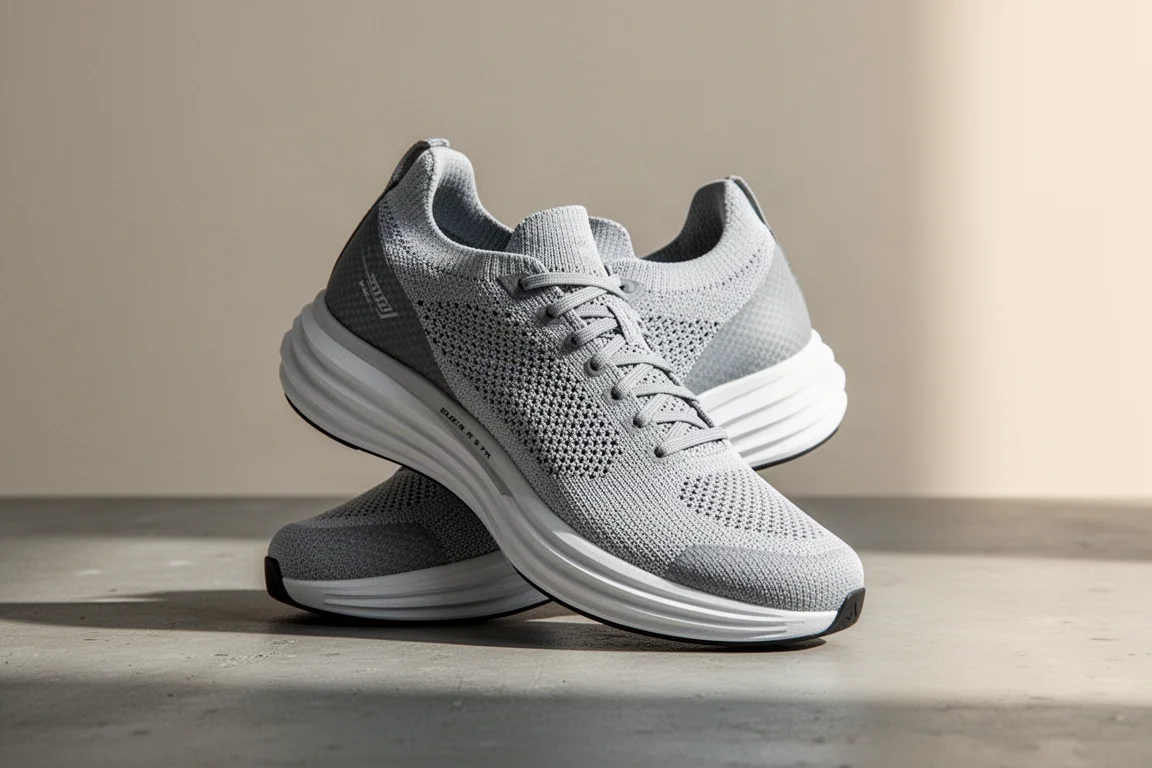
Both shoes use a beveled ride with toe spring, and while the toe spring looks sharper in the Vaporfly, the Rocket X2’s roll starts a little earlier. The result is still a rolling sensation through the forefoot, but with a more fluid heel-to-toe transition.
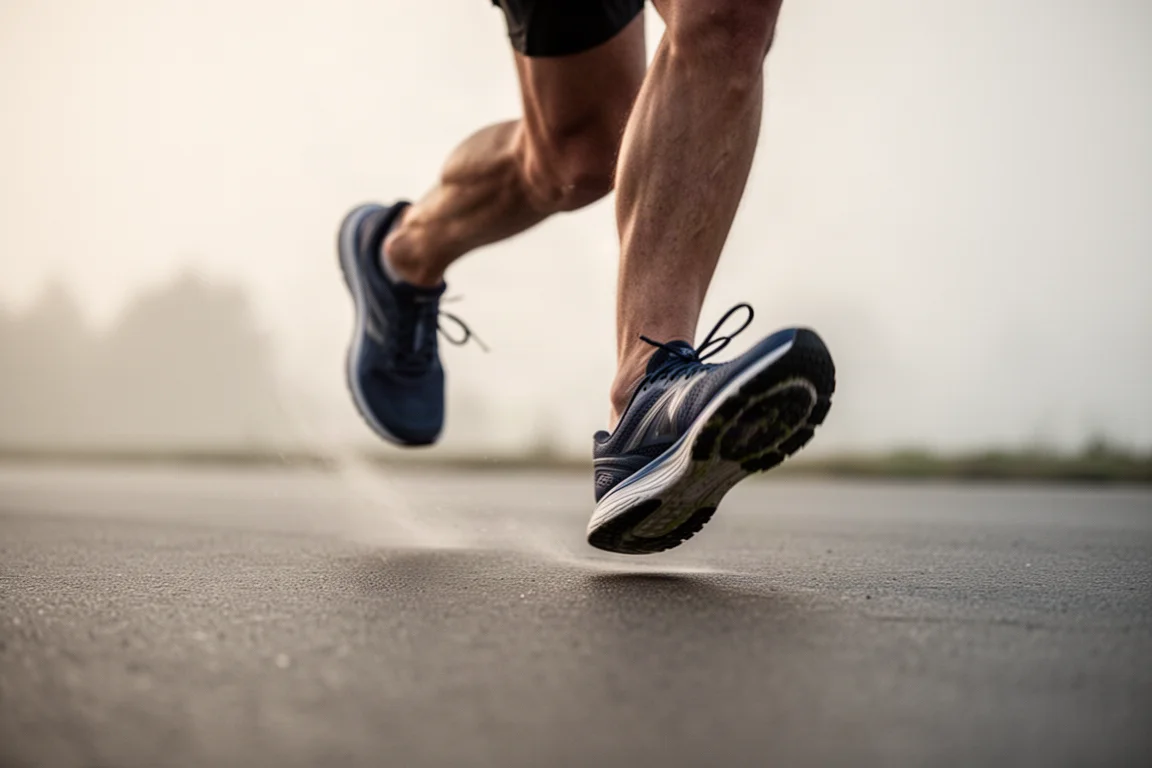
In the Vaporfly, the heel can feel slightly elevated and the midfoot transition a bit clunky before the forefoot takes over. The Rocket X2 smooths that out and feels more balanced underfoot while still delivering responsiveness off the front. On foam, the Vaporfly’s ZoomX midsole still offers a little more bounce, but the Rocket X2 remains solid, bouncy, and well protected. Traction also goes to the Rocket X2, with more outsole coverage that proved sticky enough in slick conditions, and its wider platform adds a touch of stability.
Which One Should You Pick?
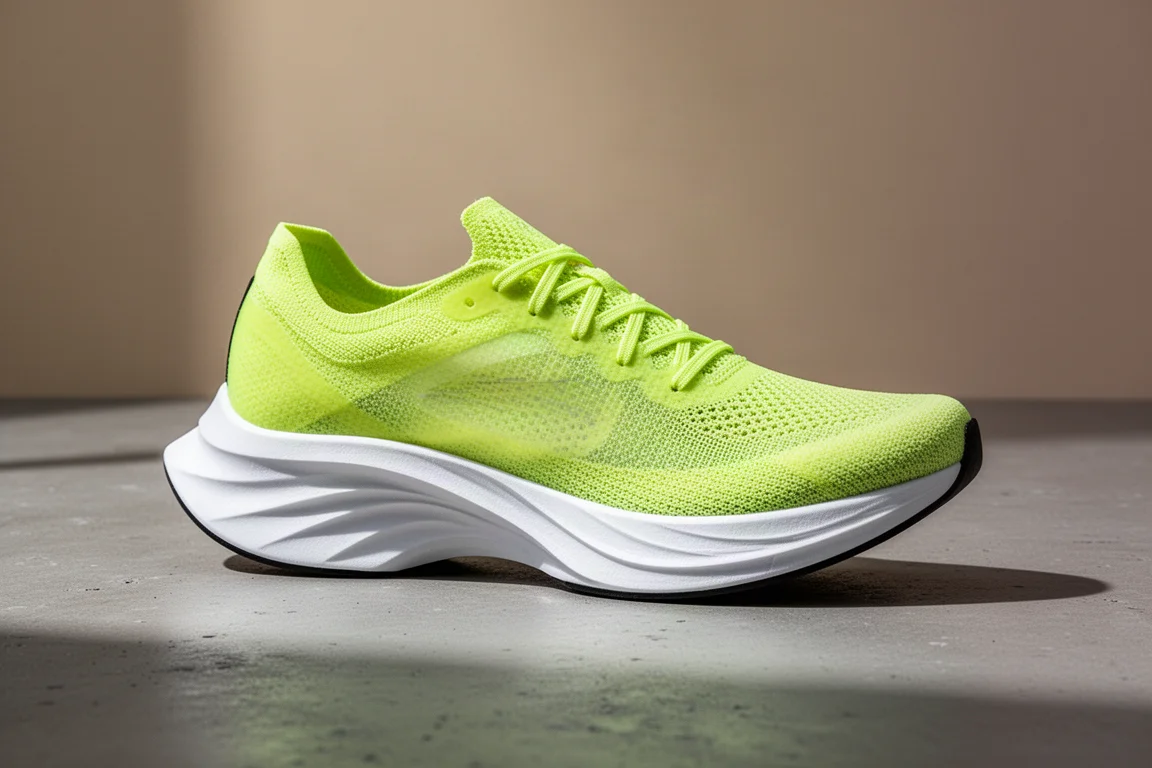
Boiled down, the Vaporfly Next% 2 is more streamlined, slightly lighter, and built on a narrower platform. It is the more race-specific shoe, the kind you will not particularly want to run easy miles in. The Rocket X2 keeps much of that speed but is more comfortable at slower paces, making it easier to live with beyond race day.
For the runner testing these side by side, the Rocket X2 came out on top for personal mechanics, but this genuinely comes down to preference. The Rocket X2 has earned its place in the super shoe conversation, and for wider-footed runners or anyone wanting a shoe that handles both easy and fast running, it is the more forgiving choice.
Conclusion
Both are legitimate racing shoes that suit different runners. Choose the Vaporfly Next% 2 if you want the most streamlined, race-focused ride with maximum bounce. Choose the Rocket X2 if you want a more accommodating fit, better traction, and a shoe that stays comfortable at easier paces while still rolling well when you push the pace.
Further reading
Related Reviews

Running Shoes
Best Road-to-Trail Running Shoes: Three Versatile Options for Mixed Terrain
A practical guide to three road-to-trail running shoes that handle both pavement and mild trails, with clear strengths and trade-offs for different runner types.

Running Shoes
Best Running Shoes for Achilles Tendonitis: Three Options Explained
Three running shoes with different heel drops and support features designed to help reduce Achilles tendon pain during walking and running.

Running Shoes
Best Running Shoes for Women: Five Top Choices Ranked
A ranked guide to five women's running shoes, from versatile daily trainers to high-performance racing options, with real strengths and trade-offs for each.