Running Shoes
Hoka Rocket X2 vs Nike Vaporfly 3 vs Vaporfly Next% 3: Carbon Racing Shoe Comparison
Three top-tier carbon racing shoes go head to head on ride feel, fit, cushioning, and durability to help you pick the right race-day weapon.
Introduction
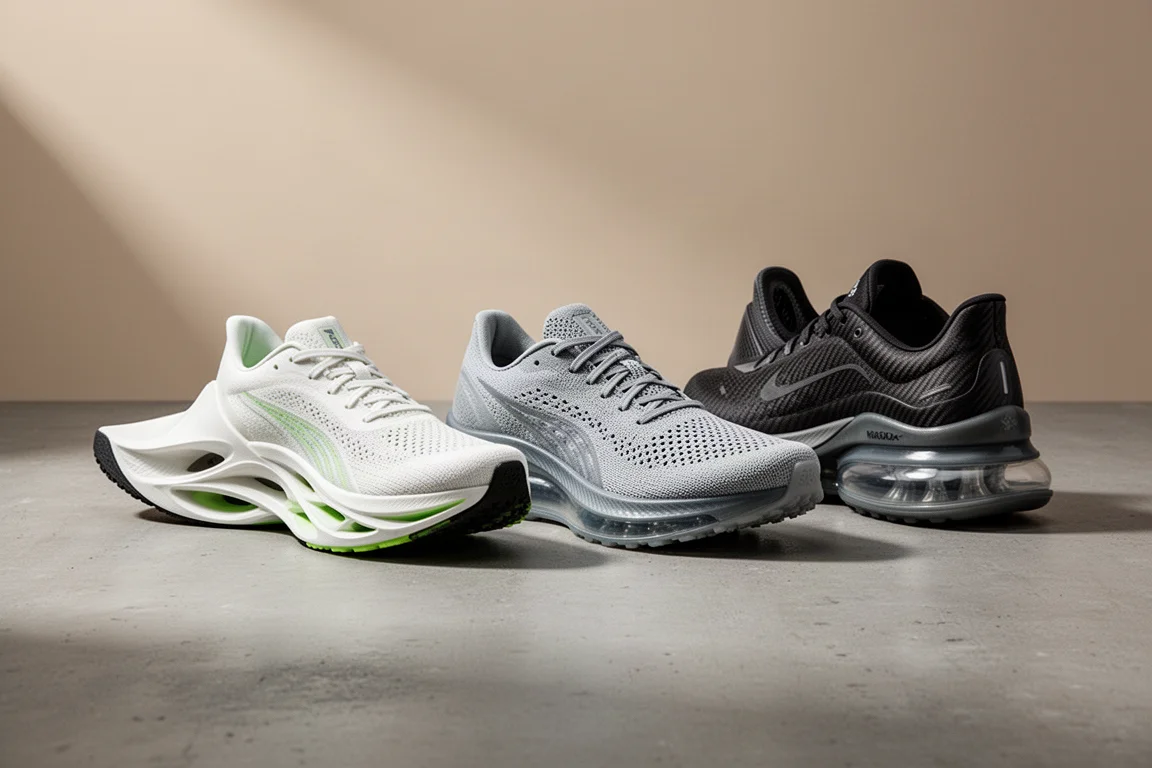
The carbon racing shoe market keeps getting more competitive, and this comparison covers three of the most interesting options: the Hoka Rocket X2, the Nike Vaporfly 3, and the Nike Vaporfly Next% 3. The Rocket X2 represents a big leap forward for Hoka, while the Vaporfly 3 refines Nike’s long-standing carbon shoe formula and the Next% 3 pushes closer to the 40mm stack limit.
Pricing is close: the Vaporfly 3 sits at £235 in the UK and $250 in the US, the Rocket X2 at £220 or $250 in the US, and the Next% 3 is the priciest of the group in the UK. On paper, the Vaporfly 3 is the lightest at 206g (7.3oz) in a UK 9, versus 225g (7.9oz) for the Rocket X2. The Rocket X2 has the lower drop at 5mm with a listed 36mm heel and 31mm forefoot stack, while the Vaporfly Next% 3 sits right up against the 40mm maximum.
Hoka Rocket X2
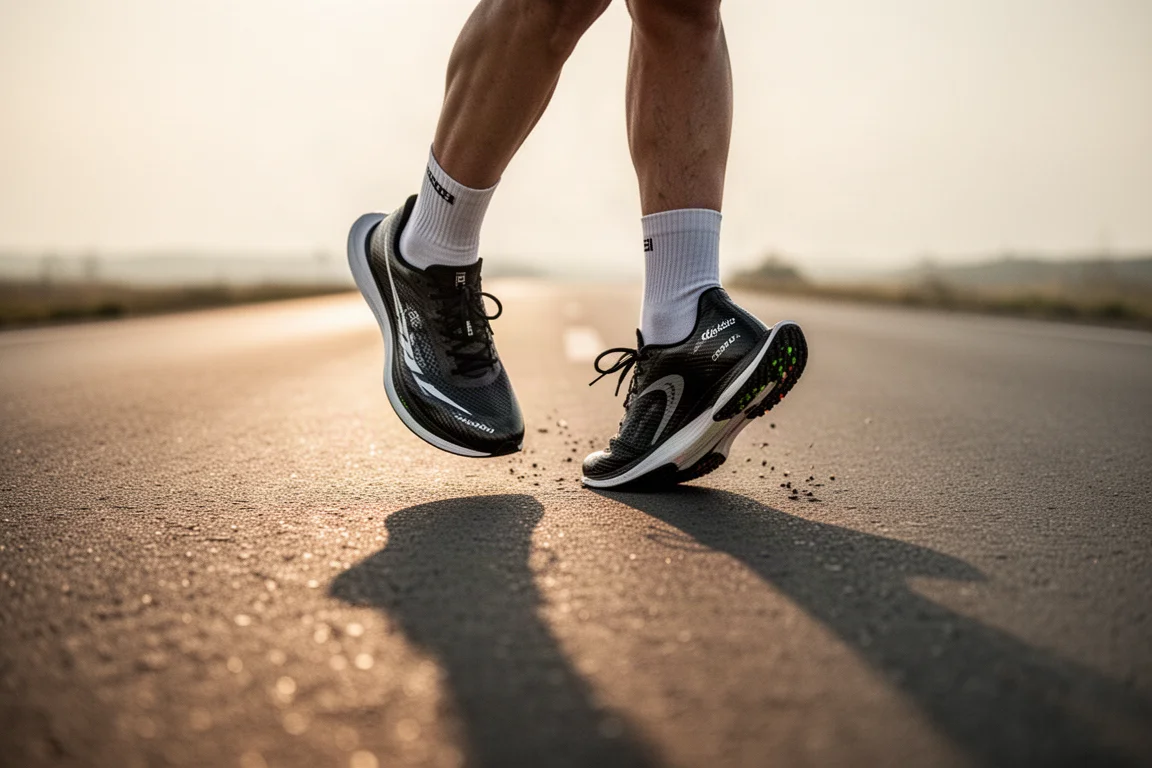
The Rocket X2 uses a lightweight mesh upper that is more closed than Nike’s, with minimal heel structure and cushioning. The ProFly X midsole is dual-density, with a slightly softer foam layer on top and generous sidewalls that cradle the foot for added stability. A full-length carbon plate and a rocker shape deliver a punchy, propulsive toe-off that makes this the fastest, most aggressive racing shoe Hoka has produced.
The outsole uses harder, thicker rubber with better rear coverage than its rivals, which should translate to better durability, though the midsole can compress and lose some bounce if used on consecutive days. Fit is where caution is needed: the Rocket X2 runs narrow across the midfoot and can pinch at the toe box. Narrow-footed runners will love the dialed-in race fit, but wider feet may want to consider going up half a size. There is also a genuine low-drop character here with a flatter, smoother push through the stride rather than a big tip-forward feel.
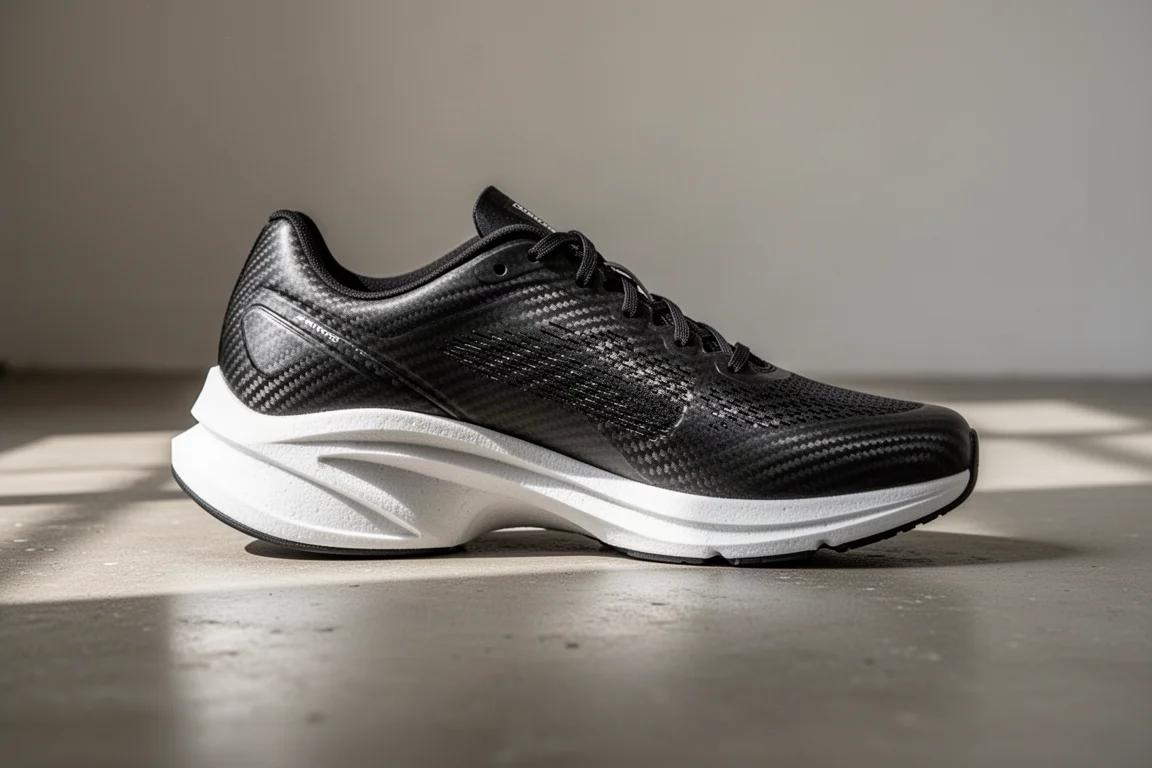
For short, fast racing up to around 10K, and even a half marathon, this is a nippy, poppy shoe that rewards aggressive running. The only real reservation is midsole resilience over longer distances, where the foam can start to feel slightly deader by the end of big efforts.
Nike Vaporfly 3
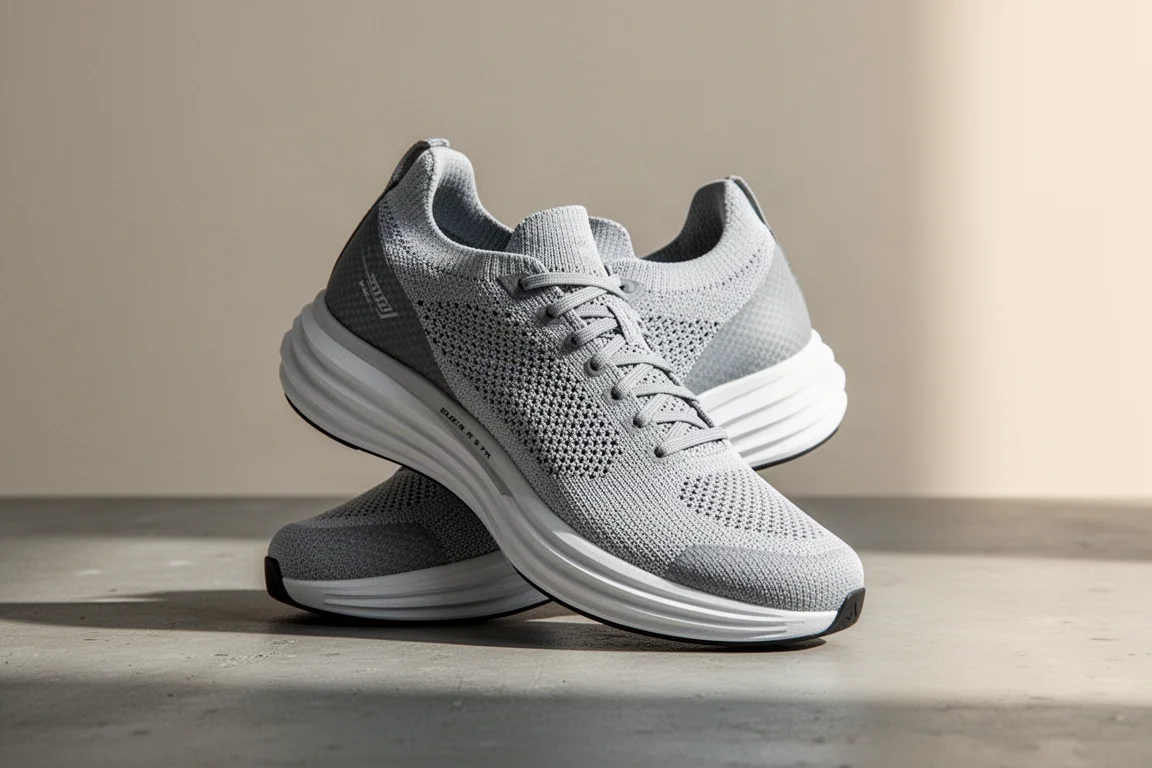
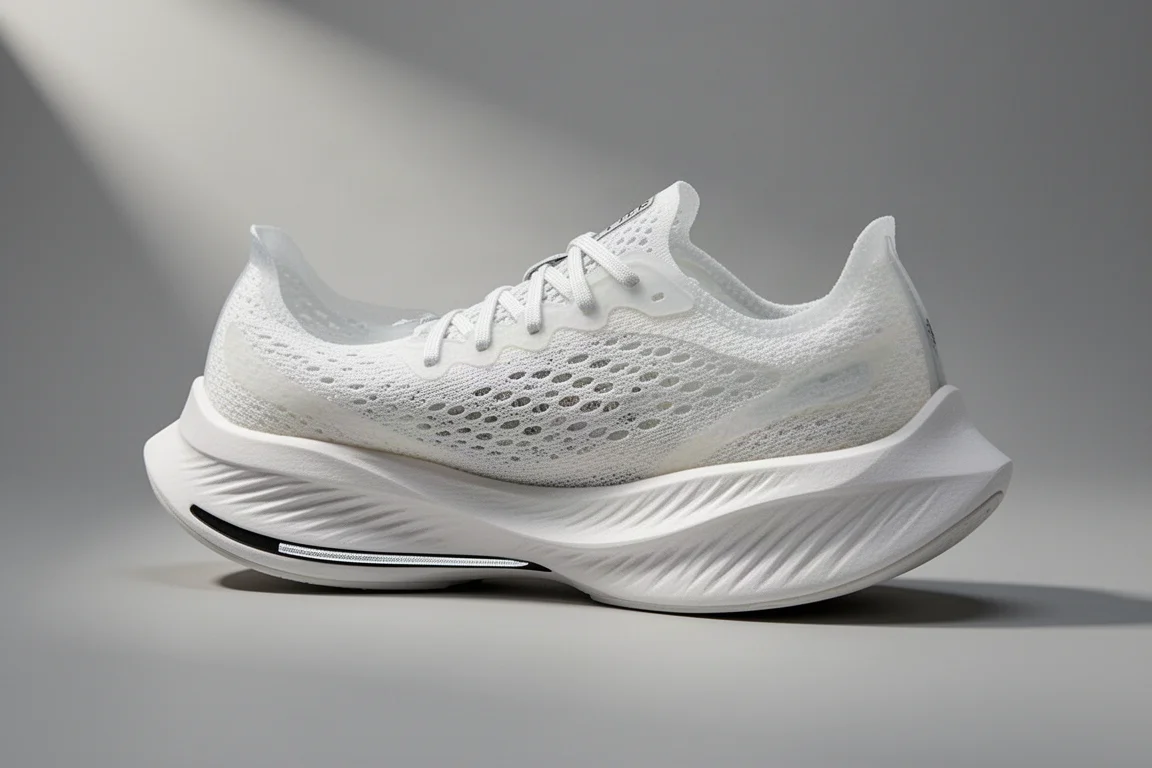
The Vaporfly 3 takes Nike’s proven ZoomX midsole with a full-length scooped carbon plate and wraps it in a very open Flyknit mesh upper with more forefoot room than past versions. There is a little more structure around the heel, with a thin strip of cushioning that cradles the Achilles. The outsole is thinner than on previous Vaporfly shoes to squeeze in more ZoomX foam, and the rear rubber patches are smaller, which raises some durability questions.
On the run, this is a slightly softer, more cushioned shoe than the Rocket X2, and that extra comfort becomes noticeable in the latter stages of a race. It retains the signature tip-forward roll that helps a heel striker stay springing forward even when tired, whether in a marathon or a short 5K. Grip has held up well even in very wet race conditions.

Durability is the main concern. Rear outsole wear after around 100K was more pronounced than on previous Vaporfly versions, which makes this feel like a shoe to save for race day and key sessions rather than everyday training. Still, as an all-rounder for any distance, it remains one of the best carbon racers available.
Nike Vaporfly Next% 3
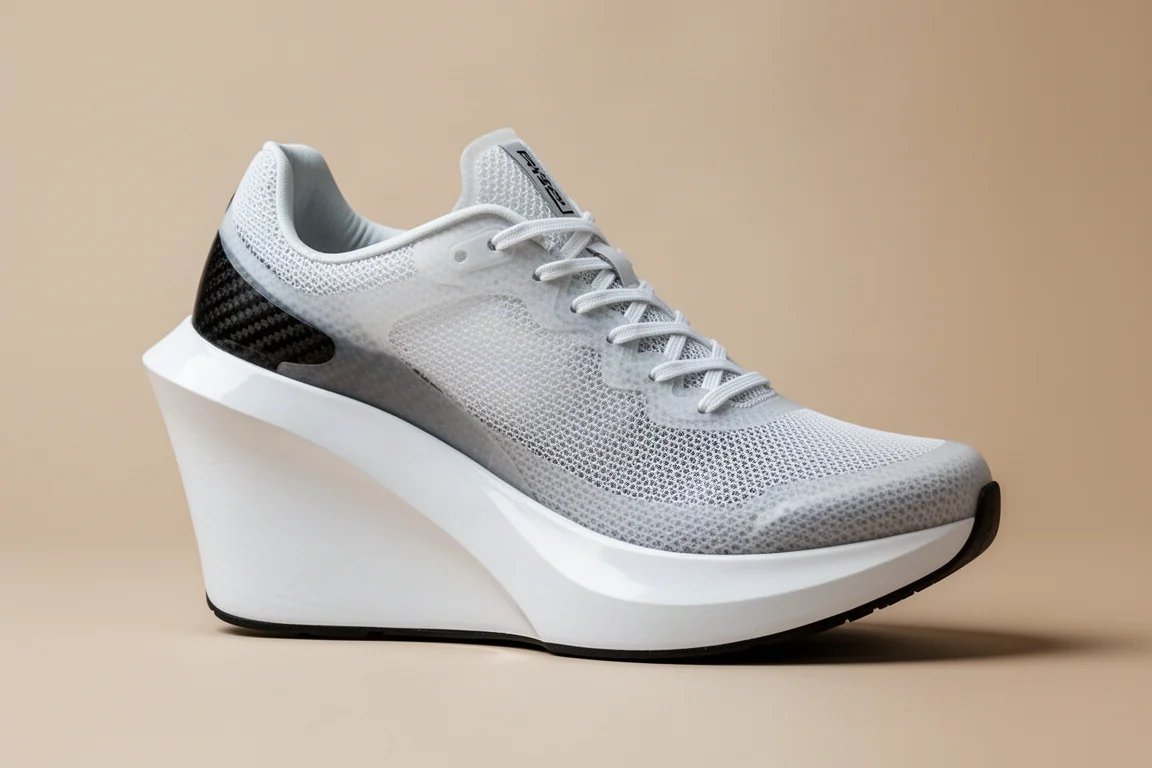
The Next% 3 stacks up against the 40mm limit with ZoomX foam and a roomy, almost crochet-like open mesh upper that offers lots of wiggle room in the toe box. That roominess comes at a cost: the upper is already showing stretch at the toe box, raising long-term durability questions, and the shoe holds the foot less securely than the Rocket X2.
The ride is where this shoe divides opinion. The ZoomX foam feels softer and squishier, collapsing a little more under load, which costs some of the stiffness and all-out raciness that made the Next% 2 feel so propulsive. In exchange, it is more protective, especially late in a marathon when form deteriorates. Stability and cushioning protection are on a par with the Rocket X2, so the choice here really comes down to ride character.
If you loved the aggressive, up-on-your-toes feel of the Next% 2, this version may feel like a small step backwards. If you prioritize maximum cushioning and protection for the marathon, it still delivers plenty of energy return deep into long runs.
Overall Buying Advice
These are all excellent carbon racing shoes, but they suit different runners. If you want a dialed-in, punchy, slightly firmer ride with a low drop and better outsole durability, the Rocket X2 is a superb pick and arguably the best value in the UK. If you want slightly more cushioning, a roomier toe box, and a proven all-rounder for any distance up to the marathon, the Vaporfly 3 is hard to beat, just be mindful of outsole wear. If maximum cushioning and protection matter most and you prefer a softer, roomier fit, the Next% 3 is the choice, though it has traded away some of its predecessor’s all-out raciness.
Conclusion
Hoka has genuinely closed the gap in the carbon racing shoe space. The Rocket X2 now delivers an energy and race feel that stands alongside the best of Nike, and its lower UK price gives it the edge for many buyers. The Vaporfly 3 still wins on all-round comfort and efficiency across distances, while the Next% 3 offers the most cushioning but feels a touch less racy than before. Match the shoe to your foot shape and race distance, and you will not go wrong with any of them.
Further reading
Related Reviews

Running Shoes
Best Road-to-Trail Running Shoes: Three Versatile Options for Mixed Terrain
A practical guide to three road-to-trail running shoes that handle both pavement and mild trails, with clear strengths and trade-offs for different runner types.

Running Shoes
Best Running Shoes for Achilles Tendonitis: Three Options Explained
Three running shoes with different heel drops and support features designed to help reduce Achilles tendon pain during walking and running.

Running Shoes
Best Running Shoes for Women: Five Top Choices Ranked
A ranked guide to five women's running shoes, from versatile daily trainers to high-performance racing options, with real strengths and trade-offs for each.