Running Shoes
Hoka Rocket X2 Review: Hoka's First True Super Shoe
A dual-density PEBA midsole, full-length carbon plate, and a genuinely low-drop ride make the Rocket X2 Hoka's best carbon shoe yet, with a few trade-offs to weigh for longer races.
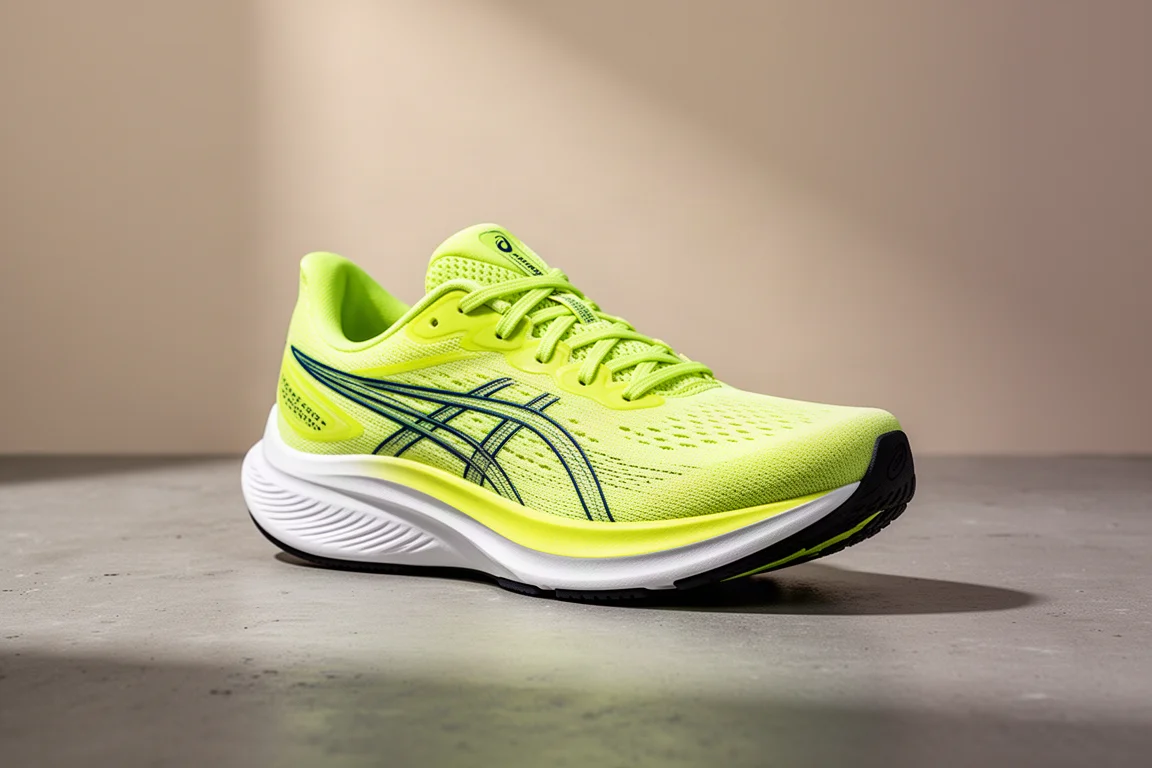
Introduction
The Hoka Rocket X2 is the brand’s first full-blown super shoe. Previous carbon offerings from Hoka sat somewhere in the trainer-racer category, without foams that matched the best on the market. This one changes that: a big stack of PEBA foam, a full-length carbon plate, and a price to rival the top racing shoes.
It costs £220 in the UK and $250 in the US, positioning it firmly alongside other premium super shoes rather than undercutting them. After extended testing across track sessions, a fast parkrun, and a long run at marathon effort, the picture that emerges is of a very good shoe with a distinctive low-drop character that will suit some runners far better than others.
Design and Specifications
In a UK size 9, the Rocket X2 weighs 225g (7.9 oz). The stack is 36mm at the heel and 31mm at the forefoot, for a 5mm drop. Notably, Hoka has opted against going right up to the 40mm limit set by World Athletics, and this represents a 6mm jump in stack height over the original Rocket X.
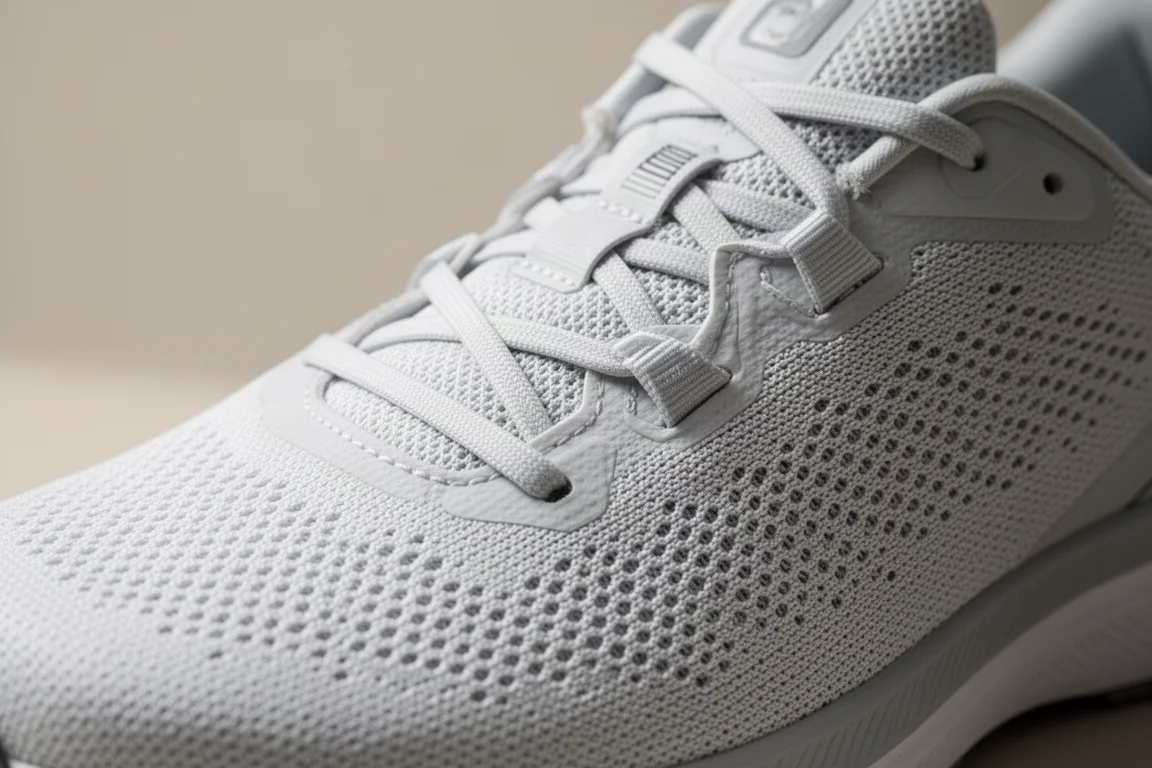
The upper is a lightweight synthetic mesh with internal structure added around the midfoot. Heel support is minimal, though a little cushioning and thin lines cradle the back of the foot during the run. The midsole uses dual-density PEBA foam, with a slightly softer layer on top and a firmer layer underneath, and a full-length scooped carbon plate sits between them. Hoka says this foam delivers better rebound than the EVA foams used in the Carbon X and original Rocket X, and the softer, bouncier feel is exactly what the brand had been missing.
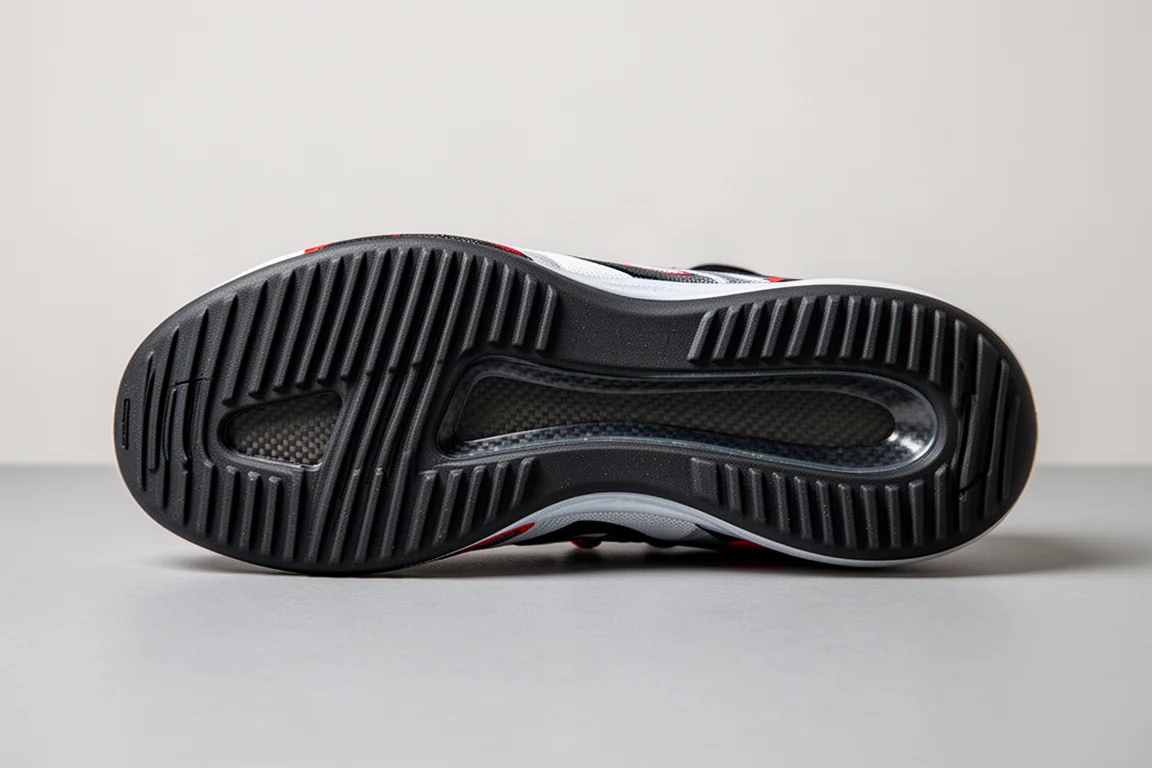
The outsole has rubber coverage in all the key impact areas: two strips at the back, good forefoot coverage, and a large cutout in the middle to reduce weight.
Fit and Comfort
Fit is a little tricky. Length is good, with a reasonably tight racing-shoe toe box that is not too cramped, though runners with wider feet may find it tighter than the tester, who has narrow feet. The bigger problem is at the heel: there was noticeable heel rub on the left foot over extended runs, which seems related to the way the heel bows in rather than the small fold-over flap. Heel locking and a plaster made longer runs manageable, but it is a real concern to be aware of.
How It Runs: Track and Tempo Sessions
Early runs in the Rocket X2, including a track session of 8x400m reps with short jog recoveries, revealed a shoe that is strikingly soft at easy pace. Heel strikers sink into the back of the shoe, and the soft heel makes the low drop feel even lower. The initial worry was that there would not be enough tip-forward, but at speed the foam firms up nicely underfoot.
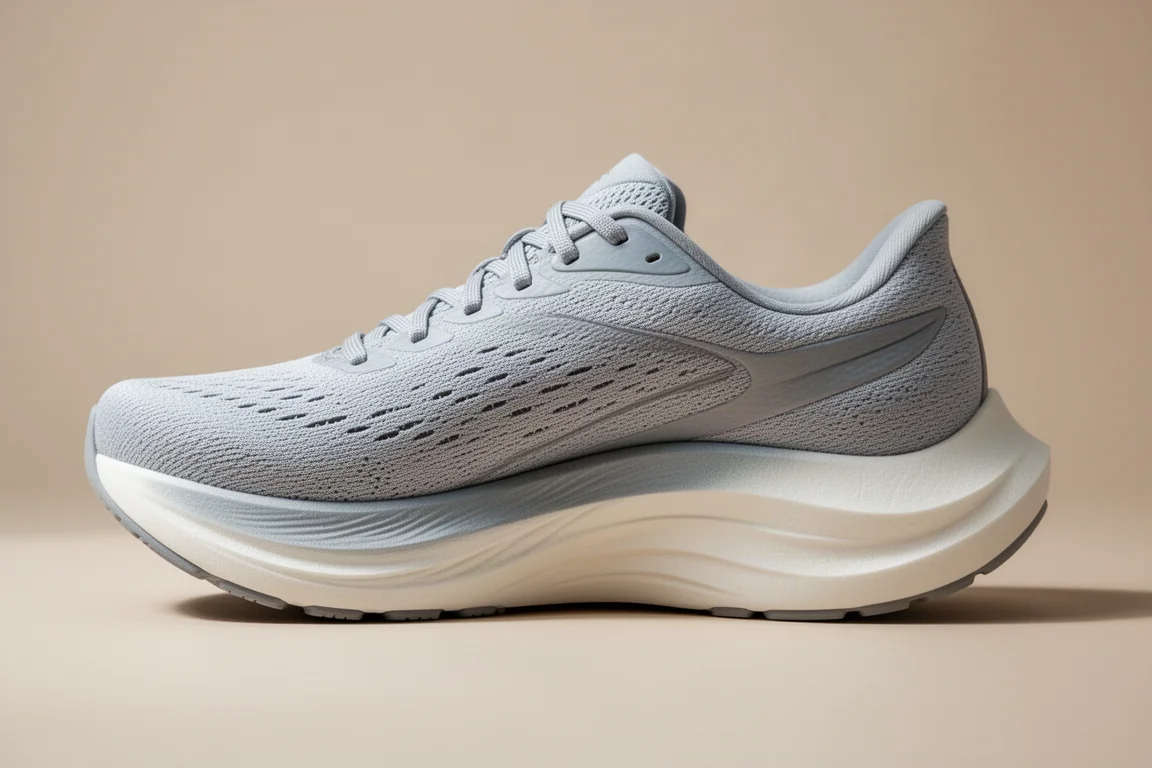
Compared side by side with the original Rocket X, the difference at slow pace is night and day; at faster pace they feel closer, though the X2 remains softer and bouncier. The transition is snappy and pushes you forward quickly, but it is not as powerfully punchy as very high-stack shoes like the Alphafly or Wave Rebellion Pro. Instead it feels lighter and nimbler.
Racing It: A Fast 5K Test
A hard session of 5K near marathon effort followed by an all-out parkrun, finished in 16:40, showed the Rocket X2 at its best and worst. Cruising in control at marathon-ish pace felt excellent: easy, rolling, and comfortable. But when form faded in the final kilometres, the soft heel and low drop meant less propulsion and tip-forward than higher-drop alternatives.
The heel rub also returned clearly at the end of the race, regardless of whether the heel flap was up or down. As a heel-striking, shuffling runner, the tester found the shoe works best when holding a controlled effort rather than grinding when fatigued. More powerful, bounding midfoot runners will likely get more propulsion from the same platform.
Long Run Verdict and Marathon Concerns
A 10-mile run with a steady 10K at marathon effort in the middle showed the Rocket X2 at its most cruisy. Even with a heavy shuffling stride it rolled along nicely. By the final couple of kilometres, though, the shoe seemed to bottom out slightly more than other carbon shoes, possibly due to the lower stack or the soft foam compressing, and propulsion faded a little by comparison with higher-stack, bouncier options.
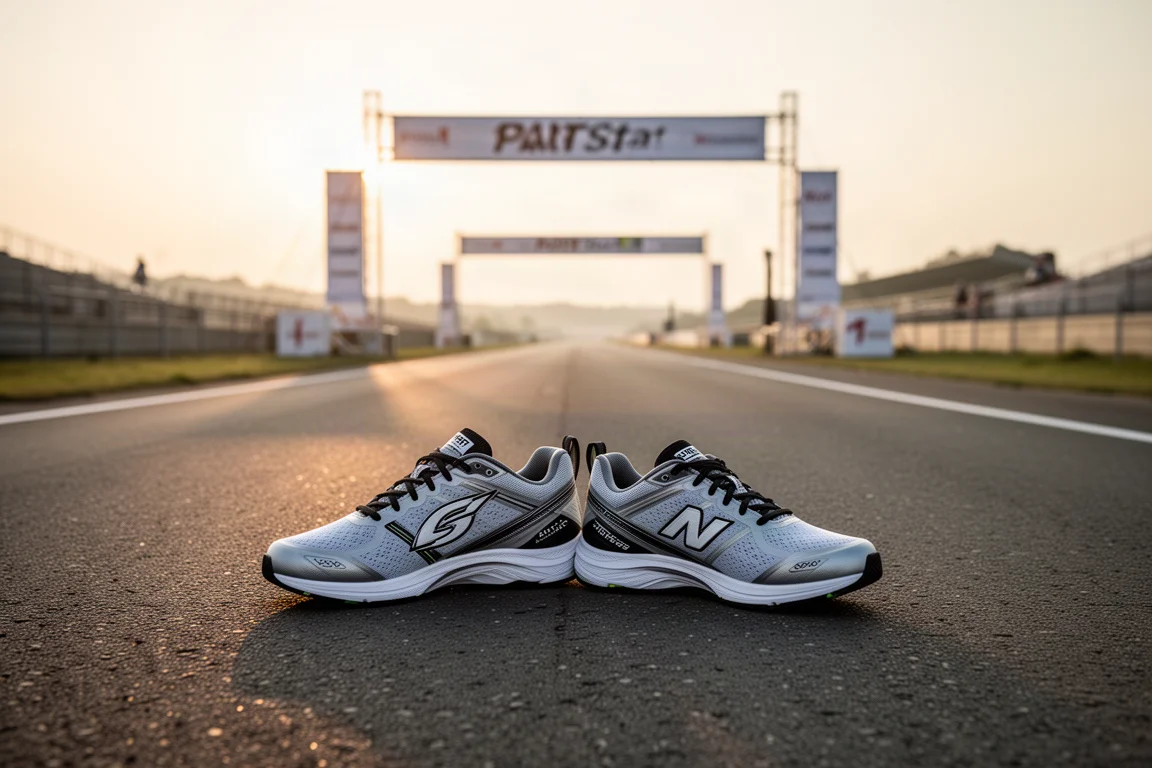
For the marathon, two concerns stand out. First, as form deteriorates late in a race, the soft heel may not deliver the fast, tippy-forward transition of something like the Vaporfly. Second, the slightly lower stack may not protect the legs as well in the closing 10K. A shoe like the Adidas Adizero Adios Pro-family Metaspeed-style competition, such as the Metaspeed Sky Plus, retains its balance and propulsion deeper into long runs, and the Rocket X2’s foam may be a touch too soft to hold its spark all the way through. It was still feeling very good at the end of the long run; these are fine margins.
Buying Advice
The Rocket X2 is Hoka’s best carbon shoe for any distance, and a clear step up from the original Rocket X. It has a genuine super-shoe feel underfoot while remaining relatively natural, thanks to the lower stack, lower drop, and softer heel. That makes it a rare thing: a true low-drop super shoe that actually feels low drop. For that reason alone, it is worth considering if you want almost a zero-drop feel in a race shoe.
For short distances, especially tearing up a 10K or a half marathon, it is a great option, and the lower drop adds a bit of stability the shoe needs given its softness. It is less stable than expected for a soft super shoe, so ultra runners may prefer more stable options in the Hoka range. For the full marathon, more propulsive, slightly higher-stack shoes with firmer foam that hold their rebound deeper into the run may have the edge, particularly for heel strikers who want a firmer, more aggressive late-race feel. The Metaspeed Sky Plus is the most direct low-drop rival and offers more rebound, so the choice between them may come down to just how low you want the drop to feel.
Conclusion
The Hoka Rocket X2 is a very good carbon racing shoe and Hoka’s best effort yet, capable of rivalling the best shoes on the market. It looks great, feels natural, and you can run very fast in it. Its identity is clear: soft, low drop, nimble, and best suited to shorter races or runners with a bounding midfoot style. For heel-strikers who want maximum propulsion late in a marathon, competitors with firmer, higher-stack platforms may be a better fit. Either way, Hoka is now genuinely in the super shoe conversation.
Product link
View more details for Hoka Rocket X2
This product is mentioned in the review. Check the specifications, options, and compatibility before buying.
View more details for Hoka Rocket X2Further reading
Related Reviews
Running Shoes
Best Road-to-Trail Running Shoes: Three Versatile Options for Mixed Terrain
A practical guide to three road-to-trail running shoes that handle both pavement and mild trails, with clear strengths and trade-offs for different runner types.
Running Shoes
Best Running Shoes for Achilles Tendonitis: Three Options Explained
Three running shoes with different heel drops and support features designed to help reduce Achilles tendon pain during walking and running.
Running Shoes
Best Running Shoes for Women: Five Top Choices Ranked
A ranked guide to five women's running shoes, from versatile daily trainers to high-performance racing options, with real strengths and trade-offs for each.