Running Shoes
Hoka Rocket X2 vs New Balance SC Elite v3 and SC Trainer: Three Super Foam Shoes, Three Very Different Jobs
Two marathon racing shoes and one high-stack trainer compared on fit, foam feel, stability, and which distances each one actually suits.
Introduction
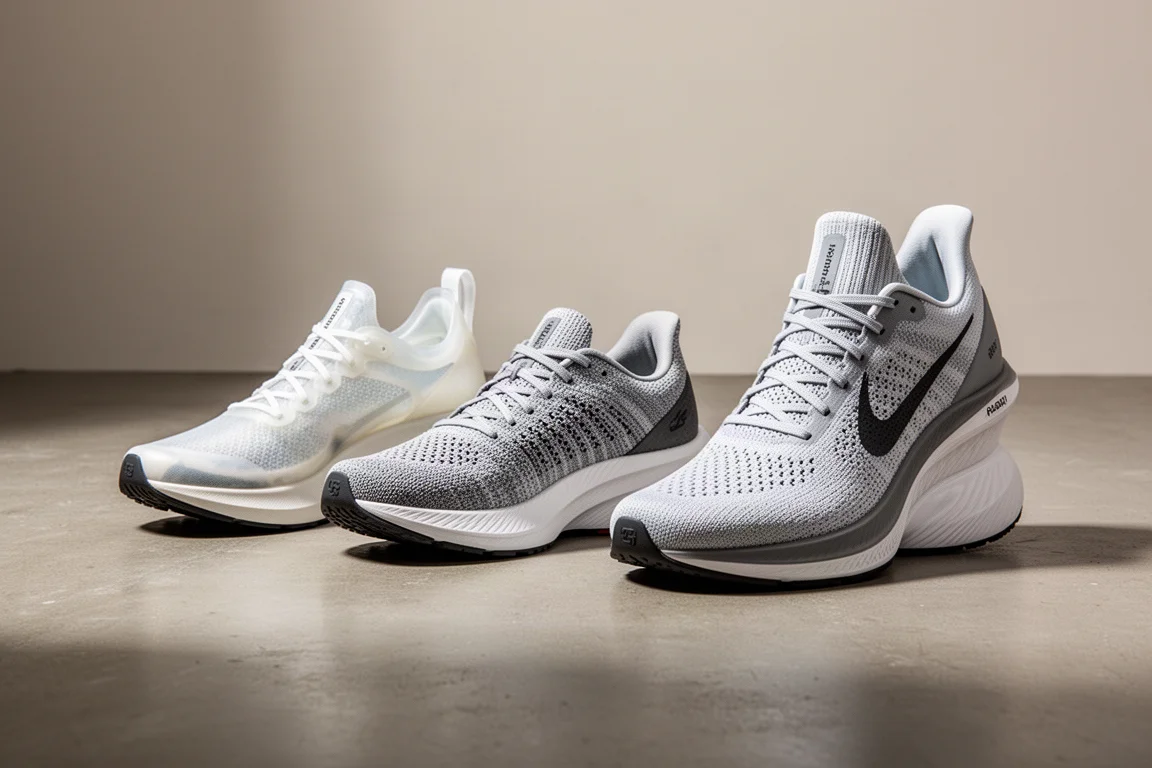
Some racing shoes want to be pushed. Others want you to settle into a rhythm and forget about them. The Hoka Rocket X2, the New Balance FuelCell SC Elite v3, and the New Balance FuelCell SC Trainer sit at three distinct points on that spectrum, and understanding the difference is the key to choosing the right one for your next half marathon, marathon, or long training block.
All three share the modern super shoe formula: tall foam stacks, plates, and geometry designed to make you faster. How each one gets there, and who each one actually suits, is where the real story lies.
Hoka Rocket X2: Specs and First Impressions
The Rocket X2 is Hoka’s first market shoe to use a PEBA-based midsole, built as a dual-layer, dual-density setup: firmer foam on the bottom layer and softer foam above it. Stack height sits at 36mm in the heel and 31mm in the forefoot. In a men’s size 9.5 it weighed 7.8 ounces, keeping it in that light racing category.
One sizing note worth knowing: Hoka now lists its spec sheet weights and measurements based on a men’s size 10, while most other brands use a men’s size 9. Keep that in mind when comparing published numbers across reviews.
Fit and Upper
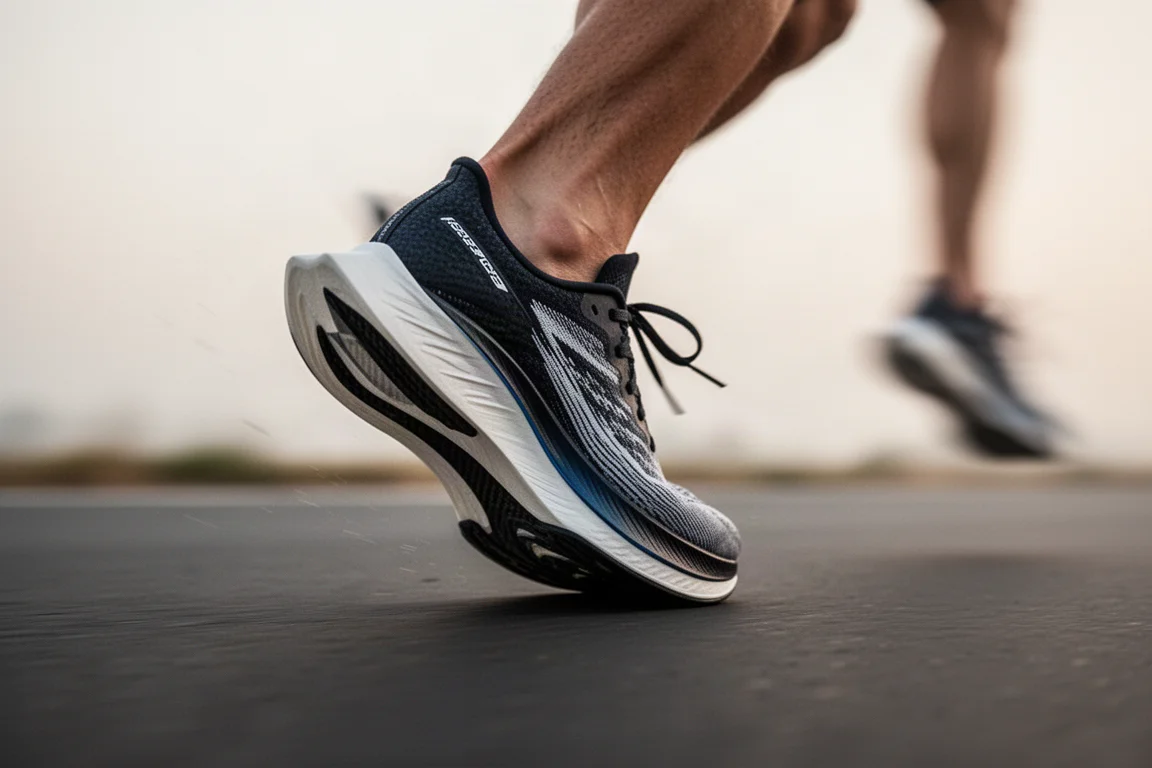
The upper is a thin, translucent synthetic mesh with structure placed just where it is needed: a touch through the midfoot, minimal in the forefoot, and essentially no traditional heel counter. That makes it a strong option for runners with sensitive heels. The tongue is gusseted, which helps the lockdown without overdoing it, and a small suede backing at the heel helps prevent slippage.
There is a break-in period. Out of the box the shoe feels slightly short and stiffer than expected, but after a few runs it settles into a true-to-size fit with just enough forefoot room. Compared with many racing shoes, it has a little more volume and width, almost trainer-like in how it fits, while the heel stays snug.
Ride: Fast When You Push It
This is a firmer, snappier bounce rather than a soft, plush one. It is not a mushy ride. The foam has more give than some PEBA compounds, which lets you use the geometry more, and it responds strongly when you push off the forefoot.
The geometry is the real engine here. The heel is beveled and rounded nicely, the forefoot rocker starts early and gradually, and the plate is genuinely stiff. At easy paces the shoe can feel clunky, and quick pace changes take some figuring out, but once you settle into rhythm at tempo, 10K, or half marathon effort, it flows beautifully. Smooth heel-to-midfoot transitions make it feel quicker on turnover than some rivals that slap the ground hard at the heel.
Stability: One of the Most Grounded Racing Platforms
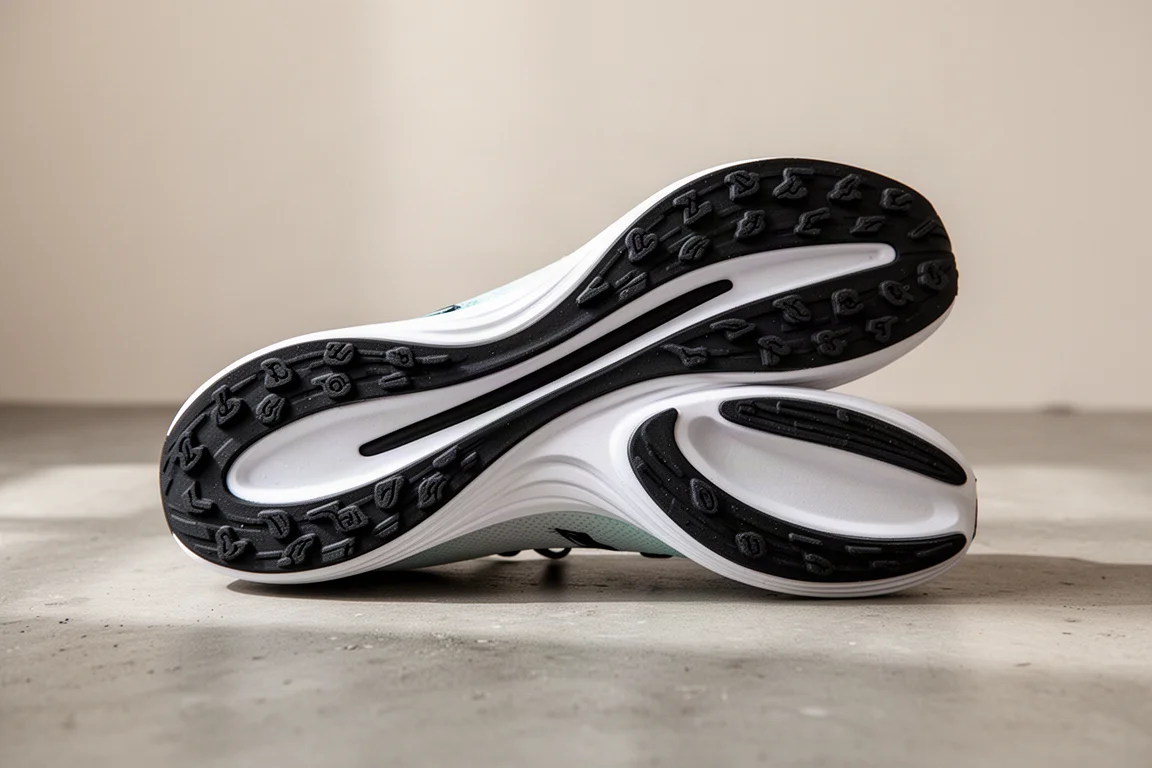
This is arguably one of the most stable super shoes available. The midfoot is wide, the heel sidewalls are well executed, the deep midline groove keeps you centered, and the firmer foam means you do not sink through the platform. It handles track cornering at fast paces without a second thought, and the outsole traction is dependable even in heavy rain.
One caveat: some testers felt the sharp, forward-propulsive geometry demands control in the forward-backward plane, so your mileage may vary depending on how you load the forefoot. For runners with quick turnover and strong mechanics, it rates as stable neutral. For others, it simply rates as a very well-executed neutral racing shoe.
New Balance FuelCell SC Elite v3: Specs and First Impressions
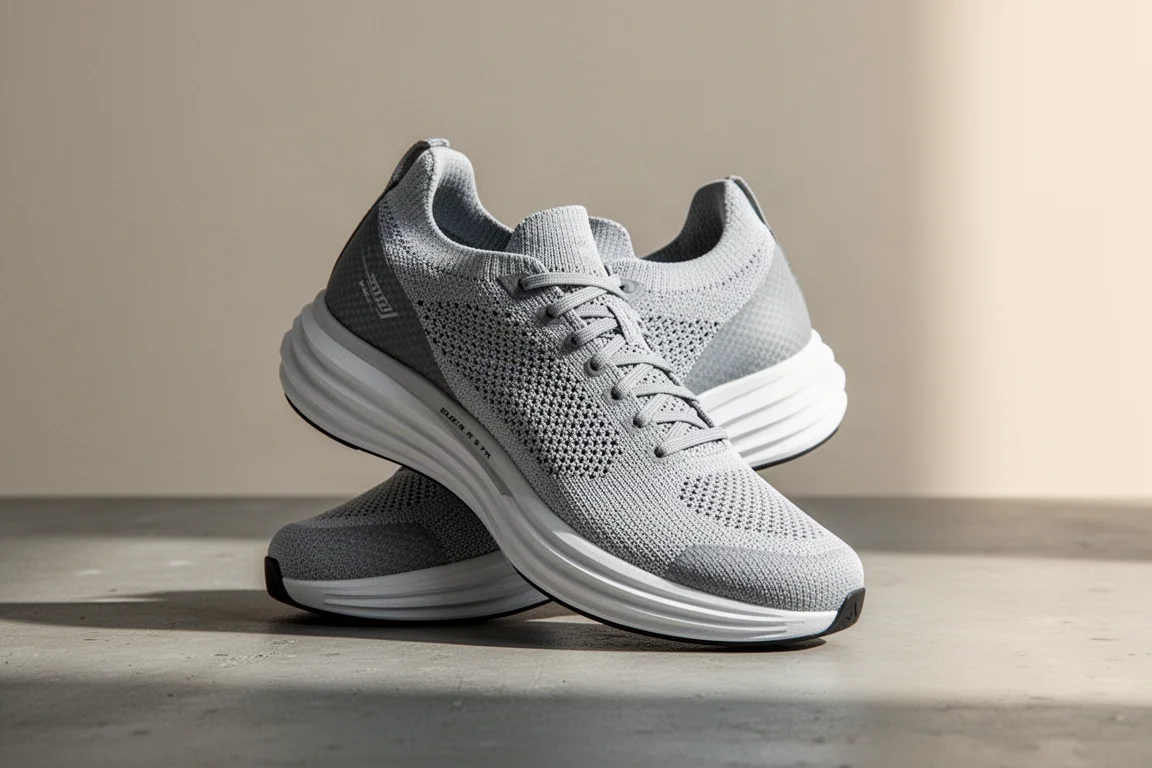
The SC Elite v3 uses full-length FuelCell foam, an Energy Arc carbon plate, and an all-new knit upper. In a men’s size 9 it weighs 7.6 ounces, with a 40mm heel and 36mm forefoot for a 4mm drop, although it feels higher than that number suggests thanks to an early-stage rocker you fall down rather than climb over.
Fit and Upper
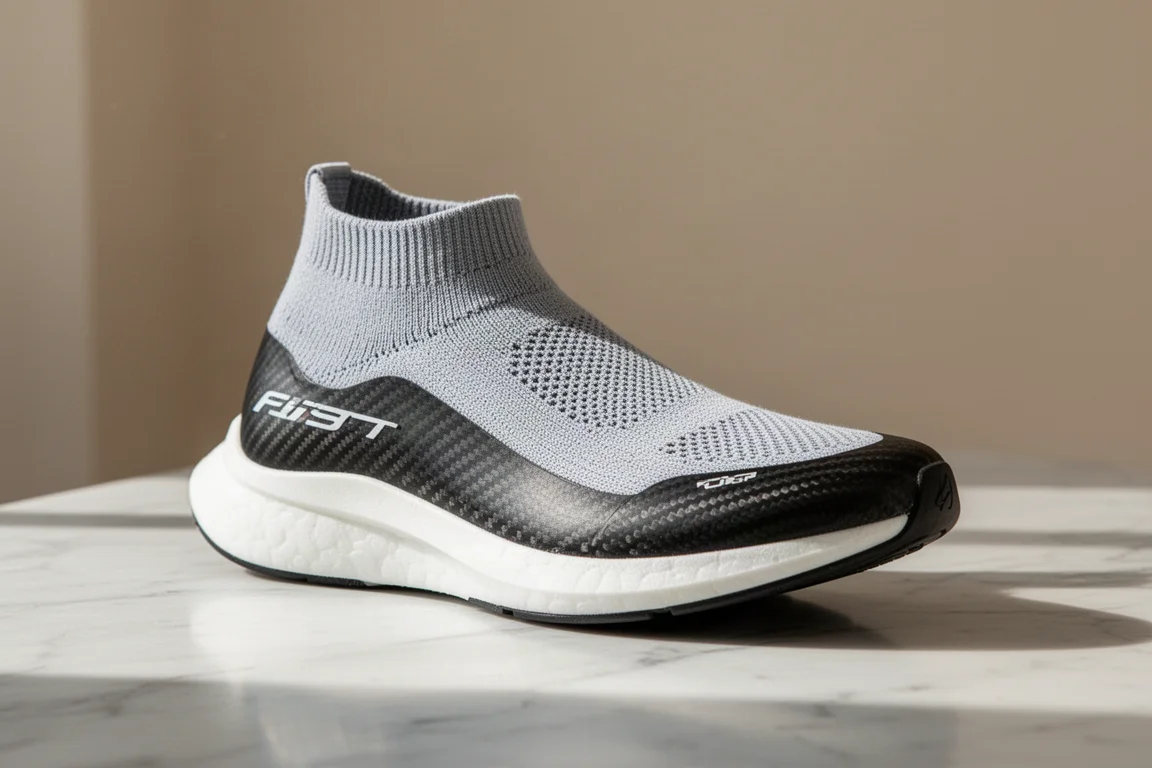
The upper could not be more different from the Rocket X2. It is a sock-like knit construction, soft and comfortable, with decent width through the midfoot and forefoot and accommodating volume. If you have wide or high-volume feet and have struggled to find a super shoe that fits, this is one to consider. The heel has a minimal, shallow counter that adds structure without irritation.
The main complaint is the lacing system. The stitched, eyelet-free design creates bulbous stitched areas across the tongue, and with such a thin tongue those areas dig into the top of the foot. At easy to marathon paces this is a non-issue, but when you try to cinch the shoe down for faster work, the laces bite and some heel slippage appears. If race-day comfort is your priority, test this carefully first.
Ride: Soft, Smooth, and Versatile
FuelCell is soft and bouncy, but the bounce here is cushioning-oriented rather than propulsive. You sink in slightly, roll forward, and come off with a smooth, rhythmic heel-to-forefoot transition. It is quiet underfoot, works comfortably at easy paces and long-run paces, and still moves well down at half marathon effort.
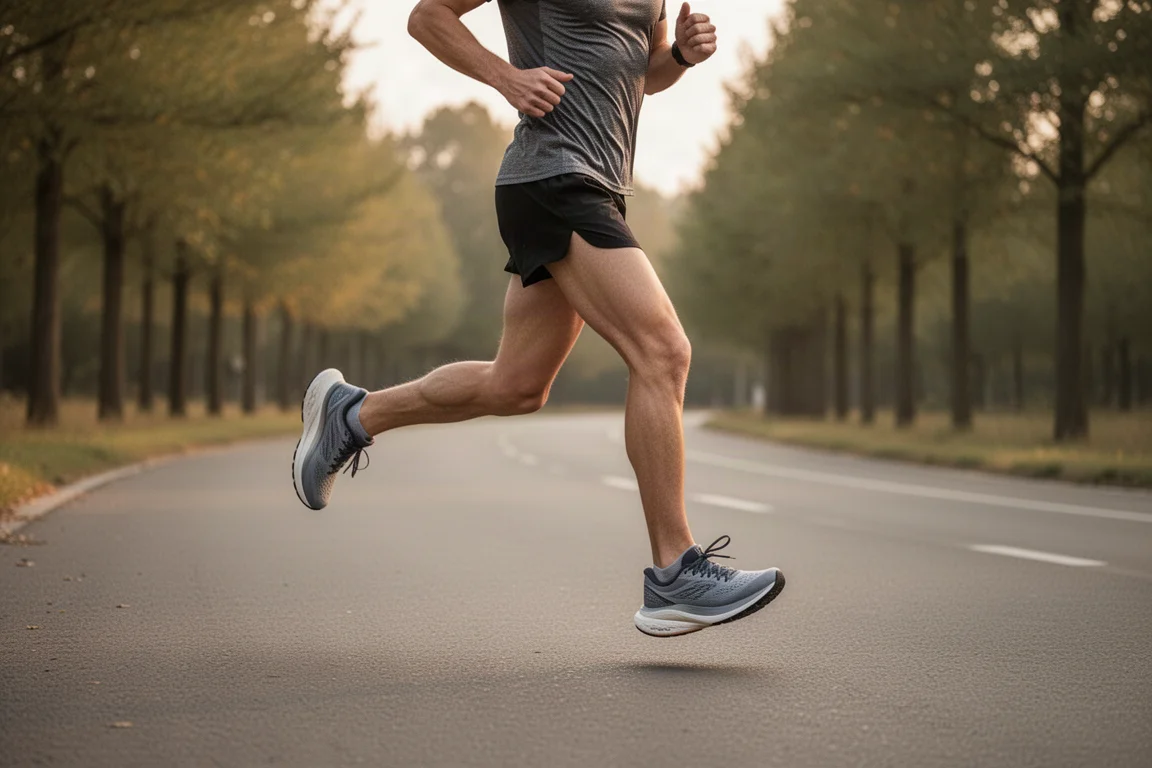
That versatility is its greatest strength and its subtle limitation. It is arguably the least aggressive super shoe in a good way: it adapts to whatever you ask of it, never bites, and feels like a very well-cushioned, lightweight trainer that can still go fast. The trade-off is that it does not have a single standout gear. If you want a shoe that can genuinely do everything and excites you at none of them, this is that shoe, and for newer runners eyeing their first super shoe, that adaptability is a real advantage.
Stability: Neutral, Not Unstable
FuelCell is a very soft, compliant midsole, and that alone limits how stable any shoe built on it can feel. The deep center groove, solid outsole, good traction, and decent upper lockdown all help, and it feels far more grounded than some softer predecessors, but this is a neutral shoe, not a stability shoe. If your hips and glutes are strong, it will feel well controlled. If you need genuine support higher up the chain, look elsewhere.
New Balance FuelCell SC Trainer
The SC Trainer deserves its own mention here because it pairs so naturally with the SC Elite v3. If you like how one feels, you will almost certainly like the other. They share the Energy Arc plate, FuelCell foam, and a similar rocker-led geometry, but the SC Trainer is a training shoe: heavier, taller, and built with more upper reinforcement to handle its extreme stack height.
That extra structure makes it more demanding of fit precision, and more structured overall, while the SC Elite v3’s upper is stretchier and roomier. As a high-cushion daily trainer with a super shoe flavor, and as a companion piece to the v3 on race day, it fills its role well.
Which Shoe for Which Race?
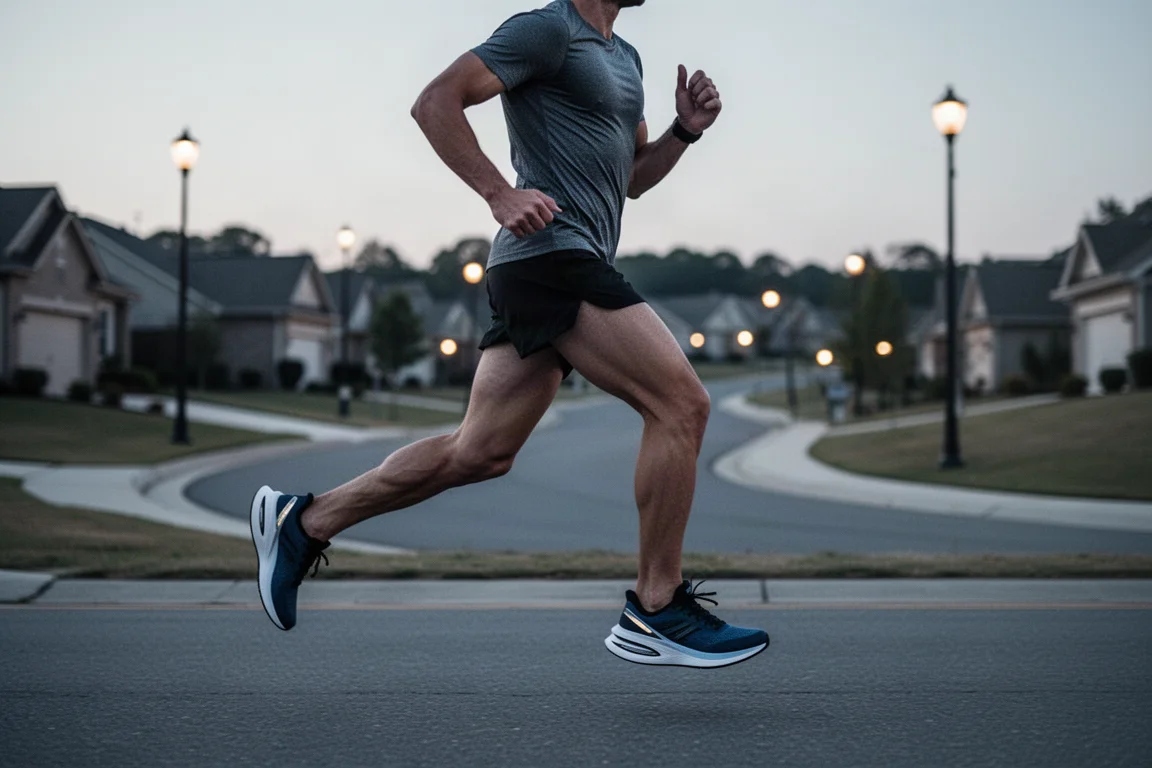
The Rocket X2 is the shoe that wants tempo, 10K, and half marathon efforts where you can settle into a fast rhythm and push off the forefoot. Many testers would not choose it for a full marathon, but it is a legitimate, fully-credentialed super shoe that belongs in the same conversation as the category leaders.
The SC Elite v3 is the adaptable all-rounder: comfortable straight out of the box, happy at easy paces, reliable at marathon pace, and a strong pick for wide or high-volume feet, provided the lacing bite does not bother you. It is the easiest recommendation here for a newer runner wanting a super shoe that will not punish them.
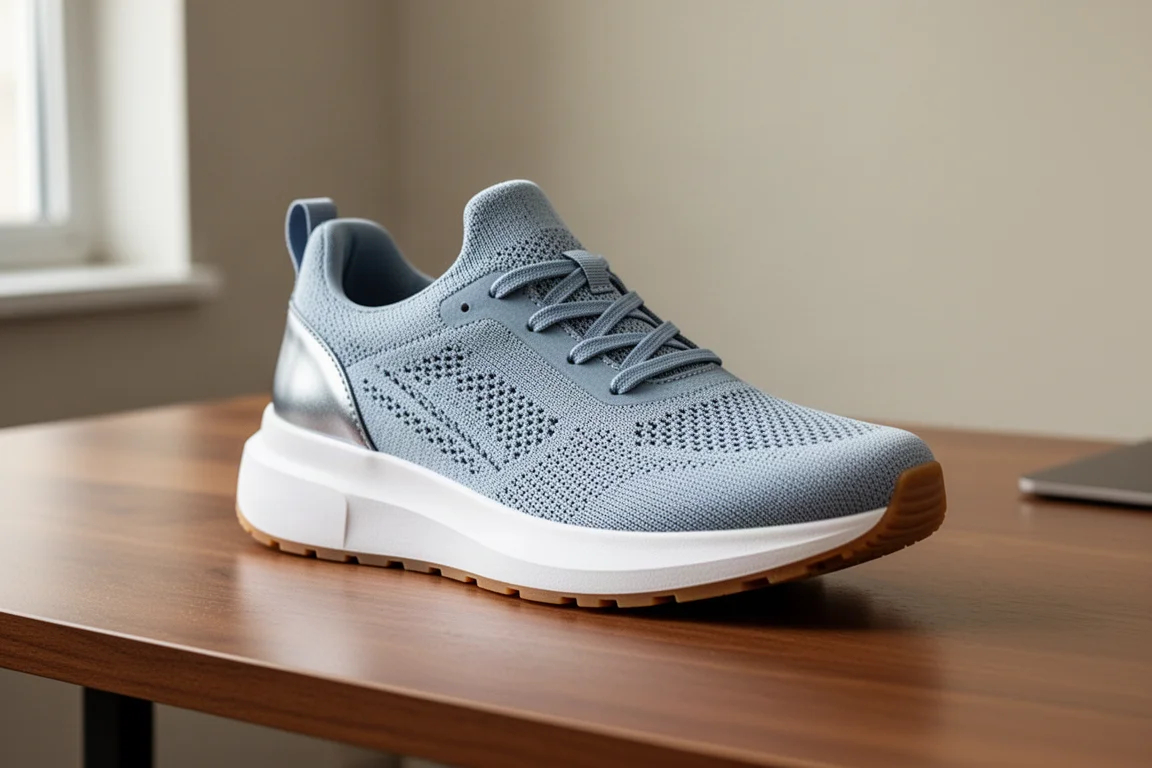
The SC Trainer is not a racing shoe, and at its weight you should not treat it as one. It is a high-cushion training partner that mirrors the race-day feel of the SC Elite v3, which makes the two an unusually well-matched pair for runners who want their training and racing to feel connected.
Conclusion
All three are well-executed shoes that solve different problems. Match the Rocket X2 to fast, rhythmic racing, the SC Elite v3 to comfortable versatility and race-day-long efforts, and the SC Trainer to high-cushion training that previews your race shoe. Choose based on the paces you actually run and the fit your feet actually need, and each of these has a clear case.
Further reading
Related Reviews

Running Shoes
Best Road-to-Trail Running Shoes: Three Versatile Options for Mixed Terrain
A practical guide to three road-to-trail running shoes that handle both pavement and mild trails, with clear strengths and trade-offs for different runner types.

Running Shoes
Best Running Shoes for Achilles Tendonitis: Three Options Explained
Three running shoes with different heel drops and support features designed to help reduce Achilles tendon pain during walking and running.

Running Shoes
Best Running Shoes for Women: Five Top Choices Ranked
A ranked guide to five women's running shoes, from versatile daily trainers to high-performance racing options, with real strengths and trade-offs for each.