Trail Running Shoes
Hoka Rocket X Trail Review: A Max-Stack Trail Racer That Does More Than Gravel
A carbon-plated, 42mm-heel trail racer born from a pro racer's request, with a unique ATPU midsole, a surprisingly versatile fit, and one big durability caveat.
Introduction
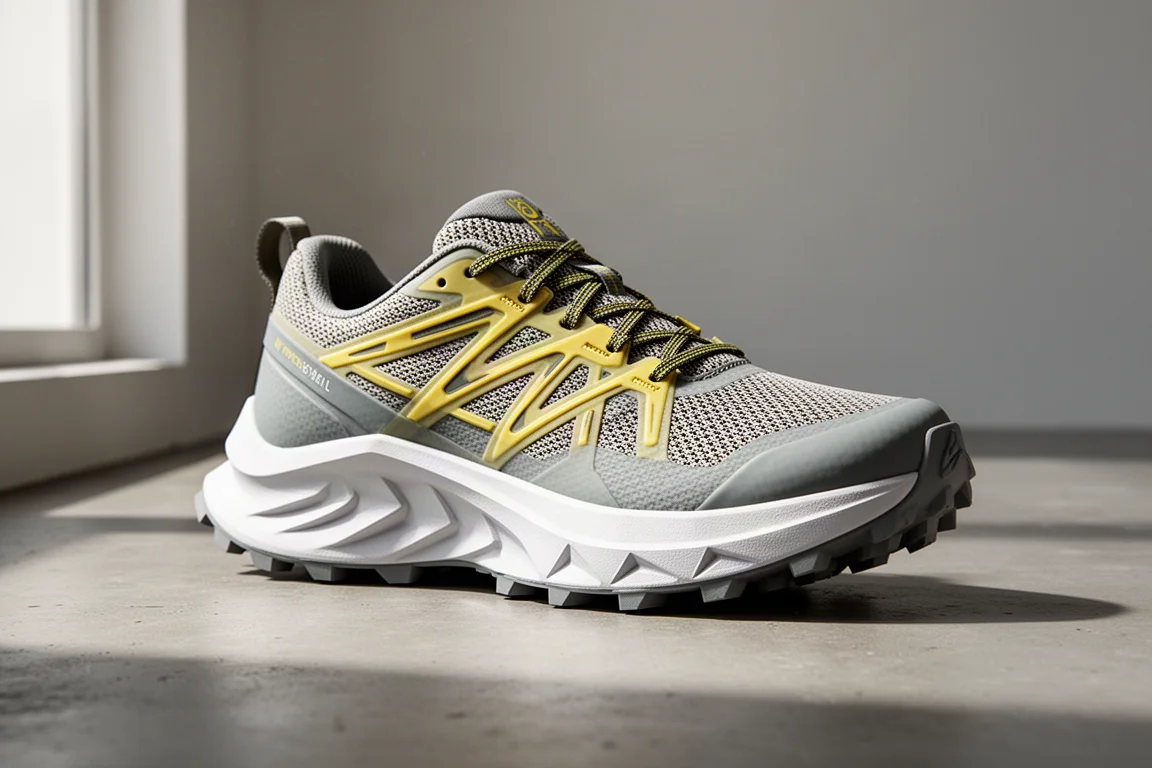
Some of the best trail racing shoes start as a simple request. The Hoka Rocket X Trail began exactly that way: a top ultrarunner liked how the road Rocket X felt underfoot, with its cushion, energy return, and snappy ride, and wanted that same sensation for the trail. What Hoka delivered is not a one-for-one conversion. Aside from some shared midsole geometry and a true carbon plate inside, almost everything else is new: a more technical upper, a different midsole foam, and a reshaped plate.
The result is a max-stack trail racer with a 42mm heel and 36mm forefoot, a 6mm drop, and a weight of just 10 oz in a men’s US 10.5. It is marketed as a gravel shoe, built with Western States-style ultra racing in mind, but in use it handles more terrain than that label suggests. After a summer of testing across smooth California trails, long gravel miles, black dirt singletrack, and steep, wet, technical routes, the conclusion is simple: this shoe is more versatile than its category name implies.
Who This Shoe Is For
This is a shoe for trail and ultra runners racing on moderate, less technical trails, especially those who can hold a running gait for most of their distance. As a running shoe it feels excellent; as a hiking shoe, less so, so it rewards runners who keep moving quickly.
It also suits road runners who want a familiar race-day feel when they cross over to trails. If you love the super shoe sensation on pavement, this is one of the closest options to that feel off-road. And if you simply want a fun, fast trail shoe for workouts and long runs on smoother terrain, it fits that brief well.

Main Strengths
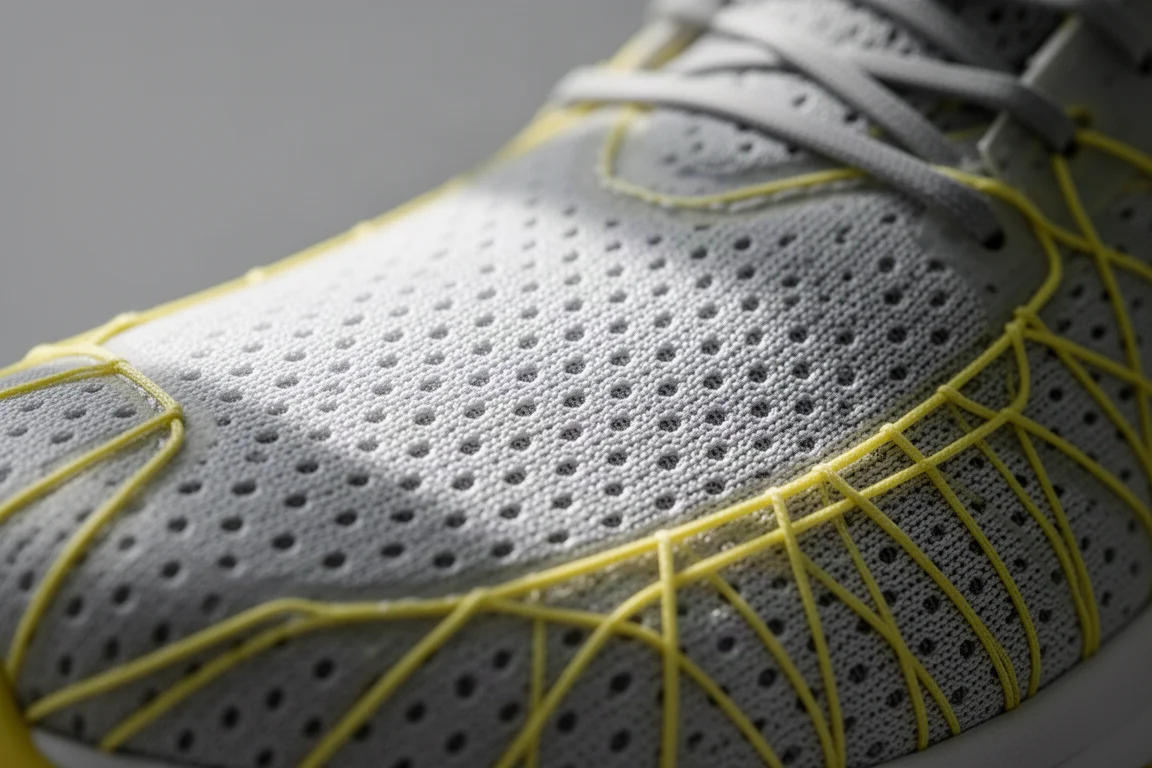
The upper is a genuine highlight. It uses a single-layer technical engineered mesh, comparable in construction to what you’d find on premium trail racers, with a dense pattern of perforations that keeps it breathable in hot, dry conditions. A well-designed web of overlays and a yellow cage-like structure lock the foot down without excessive pressure, and the race-day laces help with that too.
The forefoot is more generous than expected. Compared with narrower trail racers, this is a broader, ultra-distance-minded fit that accommodates foot swelling over long hours. Just as importantly, Hoka committed to real structure and padding in the heel, which makes it easy to pull your foot back into the heel pocket and feel secure across varied terrain. Even the semi-gaitered racing tongue, often a complaint elsewhere, stayed soft and irritation-free over long runs here.
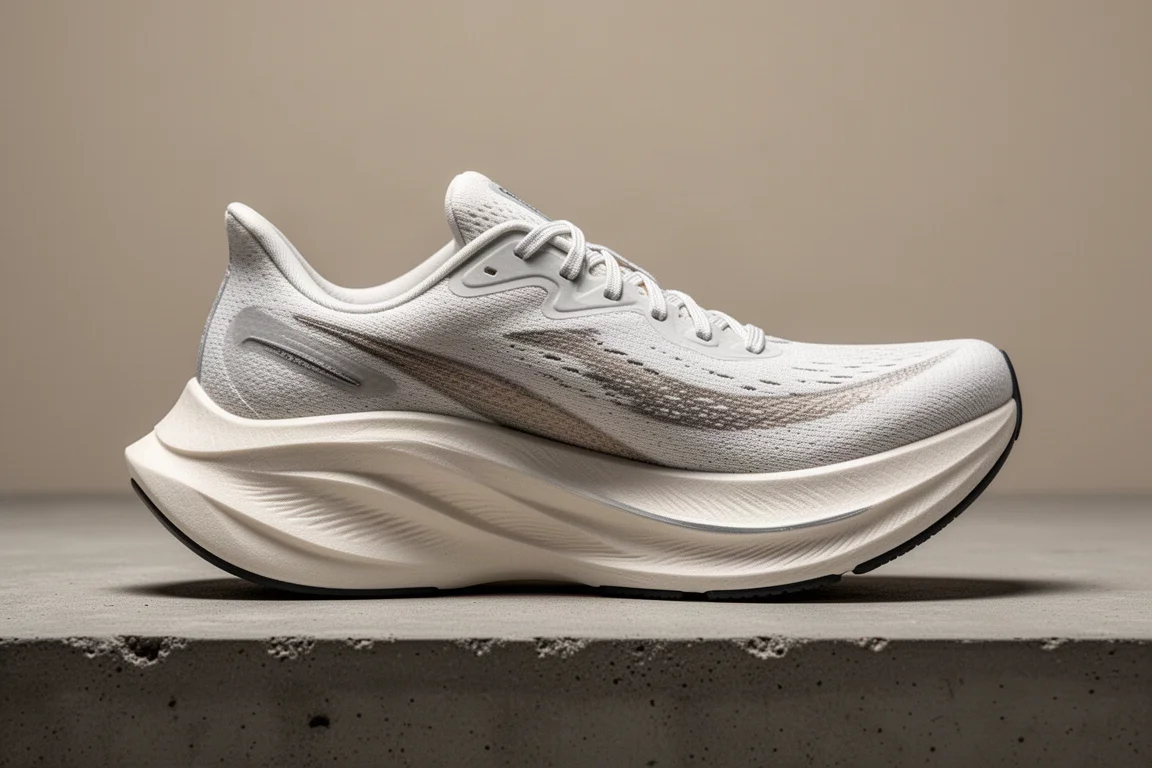
The midsole is where this shoe earns its money. It uses an ATPU-based foam that is rarely seen in running shoes, offering cushioning similar to premium superfoams but denser and noticeably more durable. The ride is medium-soft, bouncy and airy rather than the sink-in-and-release feel of some competitors. Combined with an H-shaped carbon plate, a wide stable base, and a later-stage rocker positioned forward in the forefoot, the result is a highly efficient, energetic ride with an exciting toe-off. Efficiency is the real story here, and it is what makes this shoe so effective at ultra distance.
Things to Consider Before Buying
Fit is the first thing to check. Despite loving the overall shape, longer runs of three to four hours revealed a slightly short, “stumpy” feeling. For ultra-distance races, sizing up a half size is a sensible move to gain toe box room.
The tongue, while soft, can bunch up on either side when you cinch the midfoot lacing tightly. It caused no irritation in testing, but runners sensitive to that kind of folding should take note.
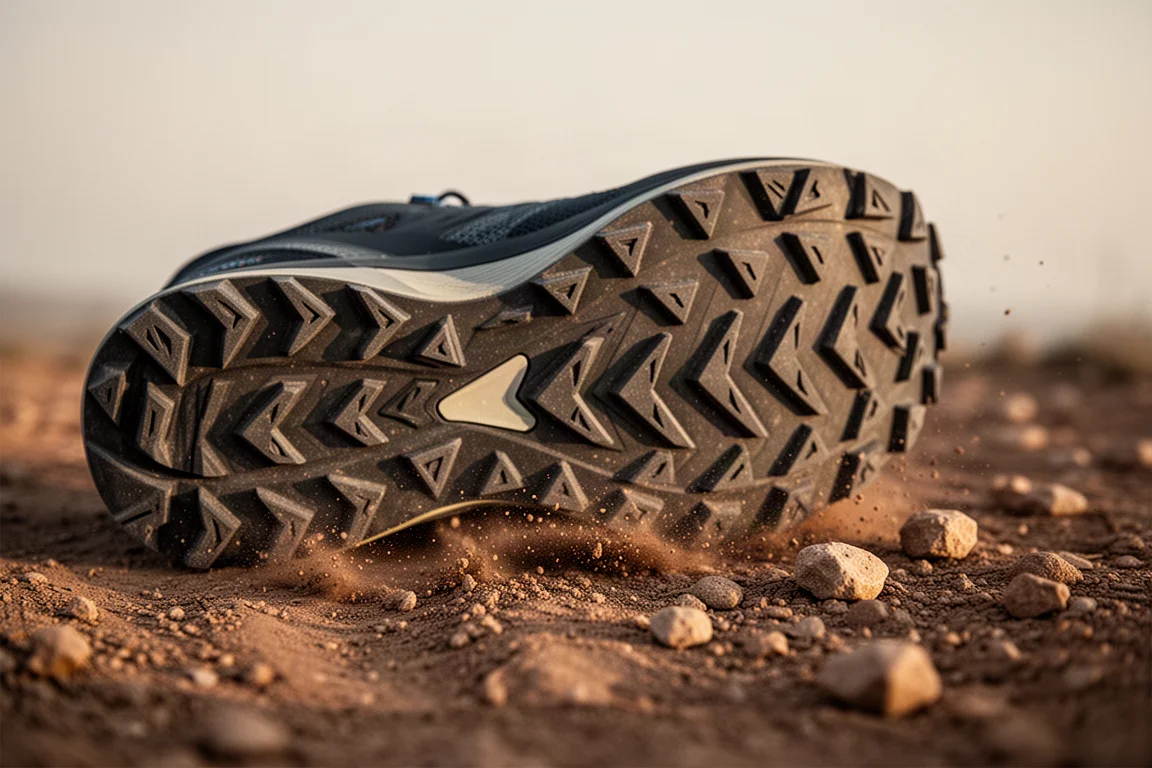
The outsole is the weakest link. The 3.5mm lugs and tacky rubber grip surprisingly well, even on wet hardpack, and the multi-directional chevron shapes transition nicely between surfaces. But durability lags behind the rest of the shoe, with wear showing significantly in the forefoot. Expect the outsole to go before anything else.
Finally, the big one: stability on rough ground. The wide platform and carbon plate make this shoe naturally stable on gravel and light trail, but on genuinely technical terrain, when it goes, it goes. A caught edge can produce a serious ankle roll, so runners prone to that should think carefully.
Buying Advice
At $250, the Rocket X Trail sits right alongside the other race-day options, so the price is in line with the category. The question is whether its strengths match your races. For Western States-style events, ultra distances on smoother terrain, and long workouts where efficiency matters more than raw snappiness, it is a superb pick. It even handles road well enough that a road marathon in these would be entirely reasonable. If your races lean steep and technical, or if outsole wear on abrasive terrain worries you, look elsewhere.
Conclusion
The Hoka Rocket X Trail is one of the most distinctive trail racing shoes in recent memory, pairing an uncommon ATPU midsole with a true carbon plate, a secure and breathable upper, and a genuinely efficient ride. It is fun, fast, functional, and far more capable than its gravel-shoe label suggests, held back mainly by a slightly short fit, a bunching tongue, and an outsole that wears faster than it should. For racers who spend most of their time running smooth to moderately technical trails, it is easy to recommend.
Product link
View more details for Hoka Rocket X Trail
This product is mentioned in the review. Check the specifications, options, and compatibility before buying.
View more details for Hoka Rocket X TrailFurther reading
Related Reviews
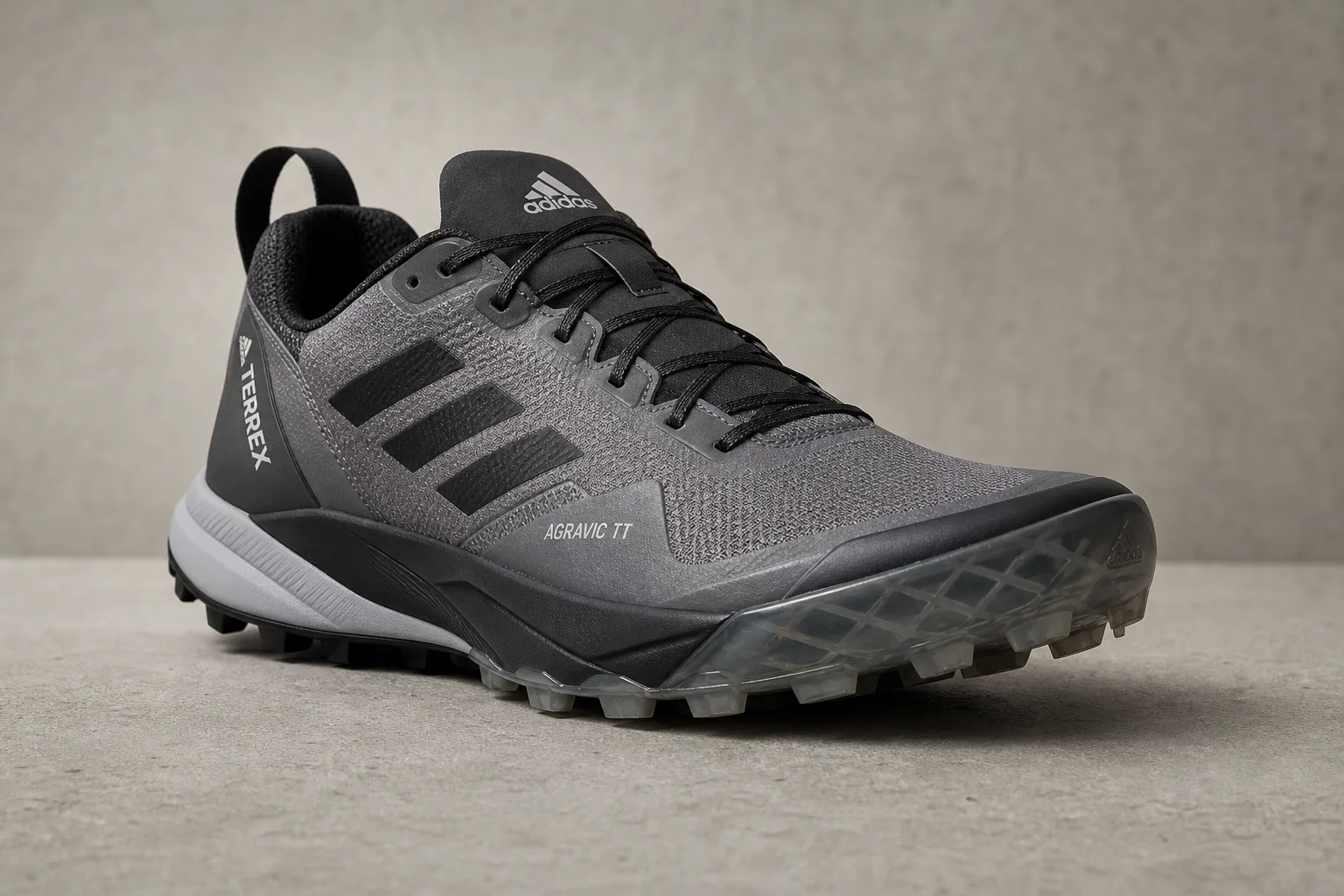
Trail Running Shoes
Adidas Terrex Agravic TT Review: A Technical Trail Shoe Built for Rocky Terrain
The Adidas Terrex Agravic TT combines a full-coverage rock plate with a firmer midsole to deliver protection and stability on technical, rocky trails. A capable choice for runners who prioritize underfoot defense over lightweight cushioning.
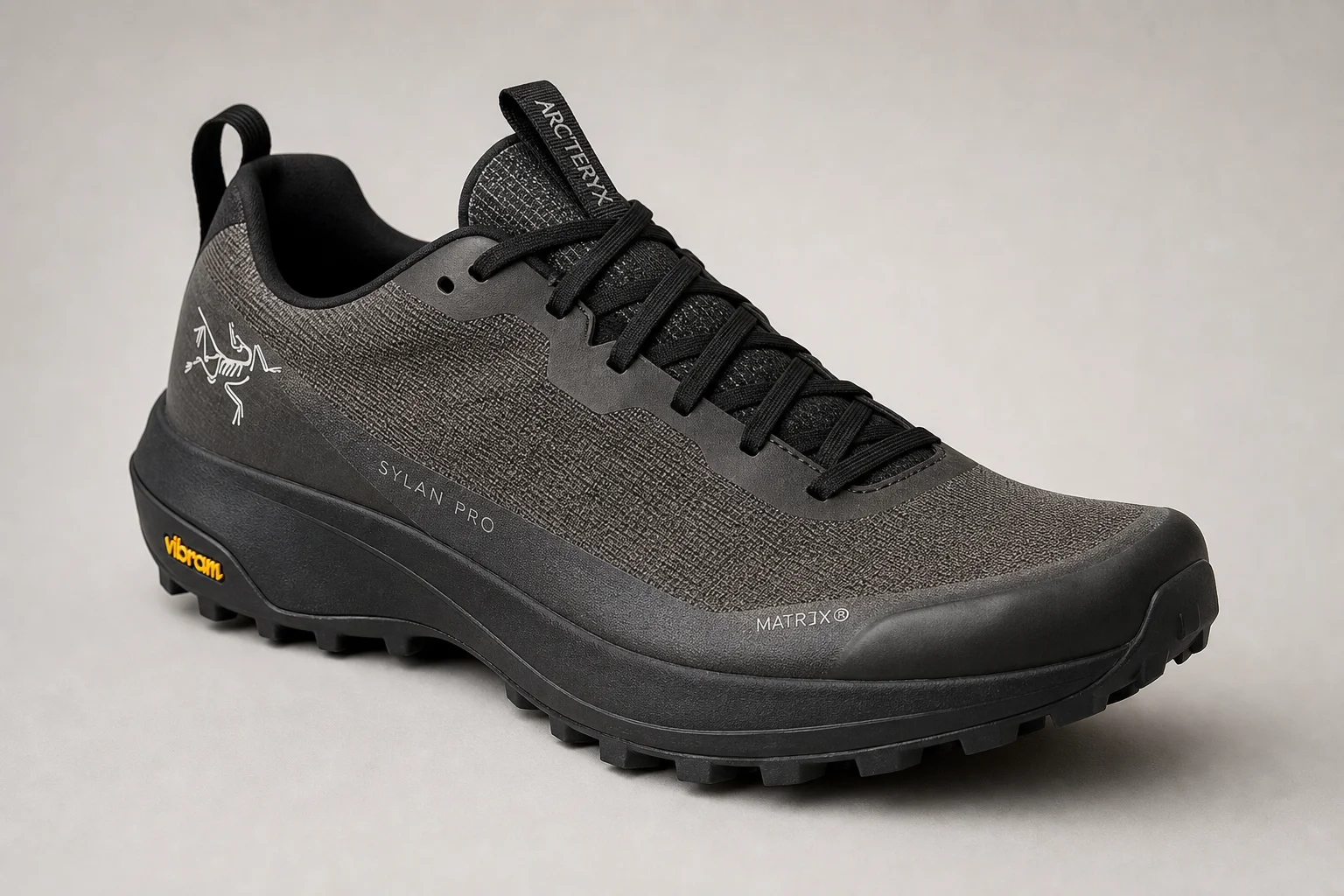
Trail Running Shoes
Arc'teryx Sylan Pro Review: A Rocker-Focused Mountain Running Shoe Tested on 20 Miles
The Arc'teryx Sylan Pro brings a pronounced rocker geometry and secure fit to mountain terrain. We tested it on a 20-mile Sawtooth loop to evaluate its climbing efficiency, protection, and handling of technical descents.
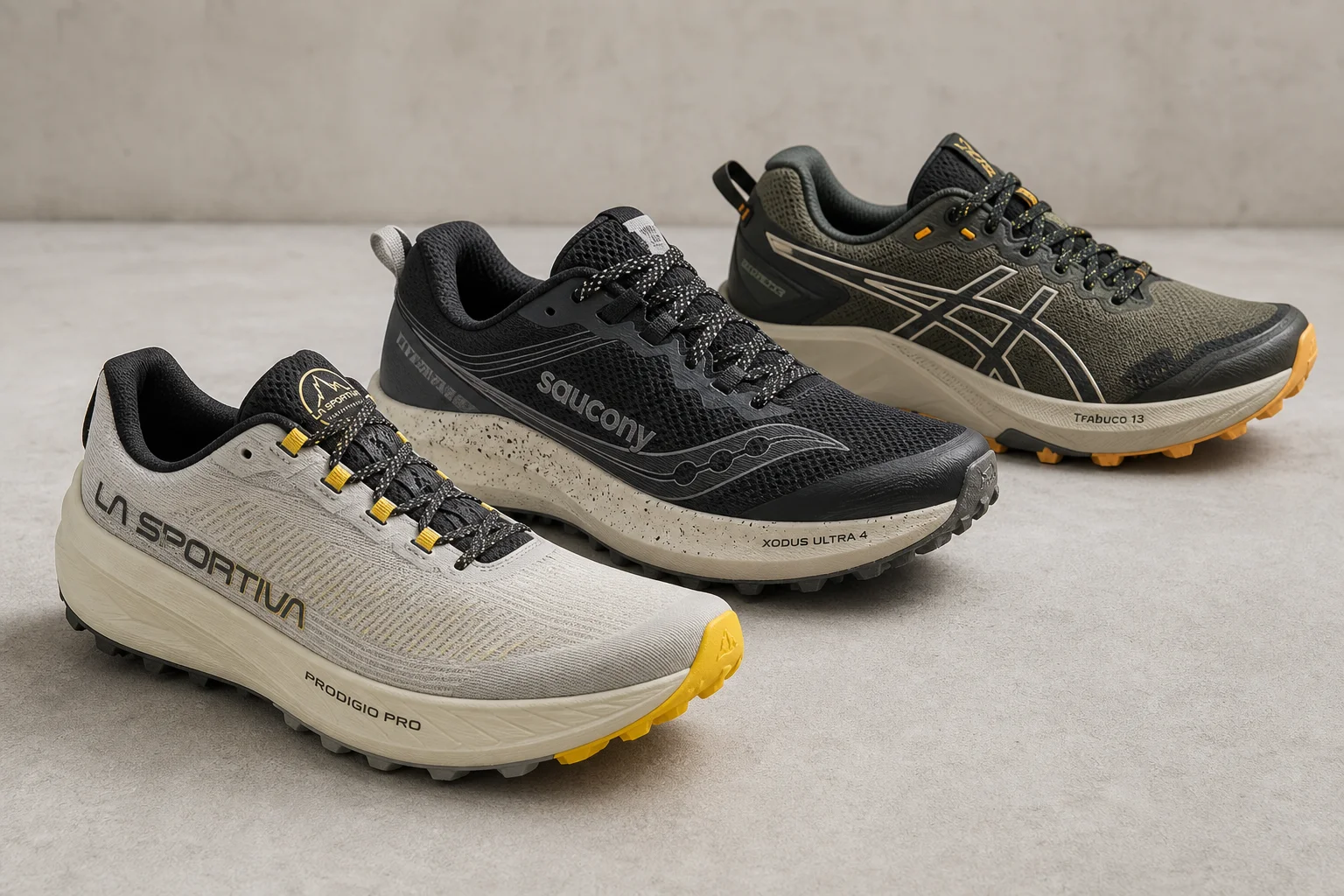
Trail Running Shoes
Best All-Mountain Trail Running Shoes: Three Versatile Options for Any Trail
A focused roundup of three all-mountain trail running shoes that handle technical terrain, long distances, and variable conditions with real strengths and practical trade-offs.