Running Shoes
Hoka Rocket X 3 Review: A Rare Stable Neutral Super Shoe
The Rocket X 3 is Hoka's latest carbon racing shoe, with a winged plate and dual-layer PEBA midsole that adds real stability, though durability and fit depend heavily on your mechanics.
Introduction
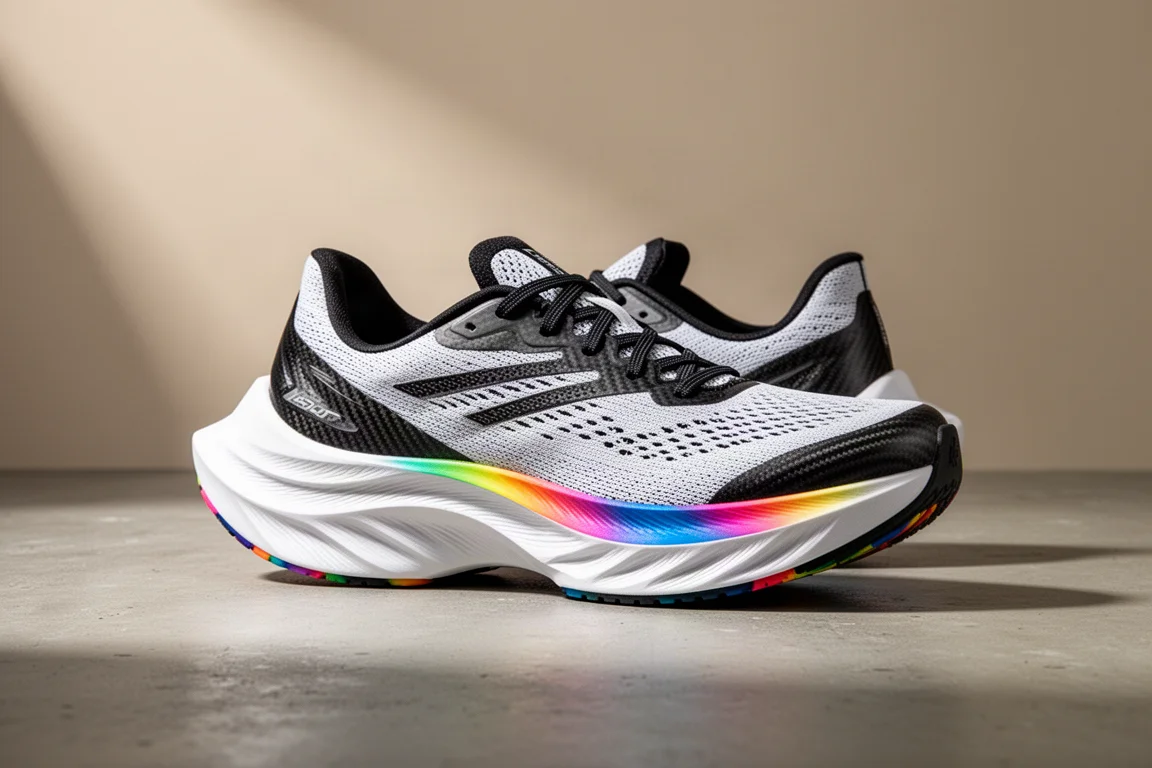
The Hoka Rocket X 3 is the latest version of Hoka’s inline carbon-plated racing shoe, and it does something genuinely uncommon in the super shoe category: it stays neutral while adding a meaningful amount of stability. That combination makes it one of the few options worth considering if you need some guidance at faster paces, but it also means the shoe behaves very differently depending on your mechanics. After testing, two testers with opposite foot strike patterns came to sharply different conclusions, which is exactly what makes this shoe worth a closer look.
What the Rocket X 3 Is
This is Hoka’s first fully updated take on its classic inline super racing shoe since version 2, which was the brand’s first true super shoe with a carbon plate and modern PEBA foam. Version 3 keeps all the expected super shoe ingredients: a full-length carbon fiber plate and a full-length PEBA midsole, now in a dual-layer construction.
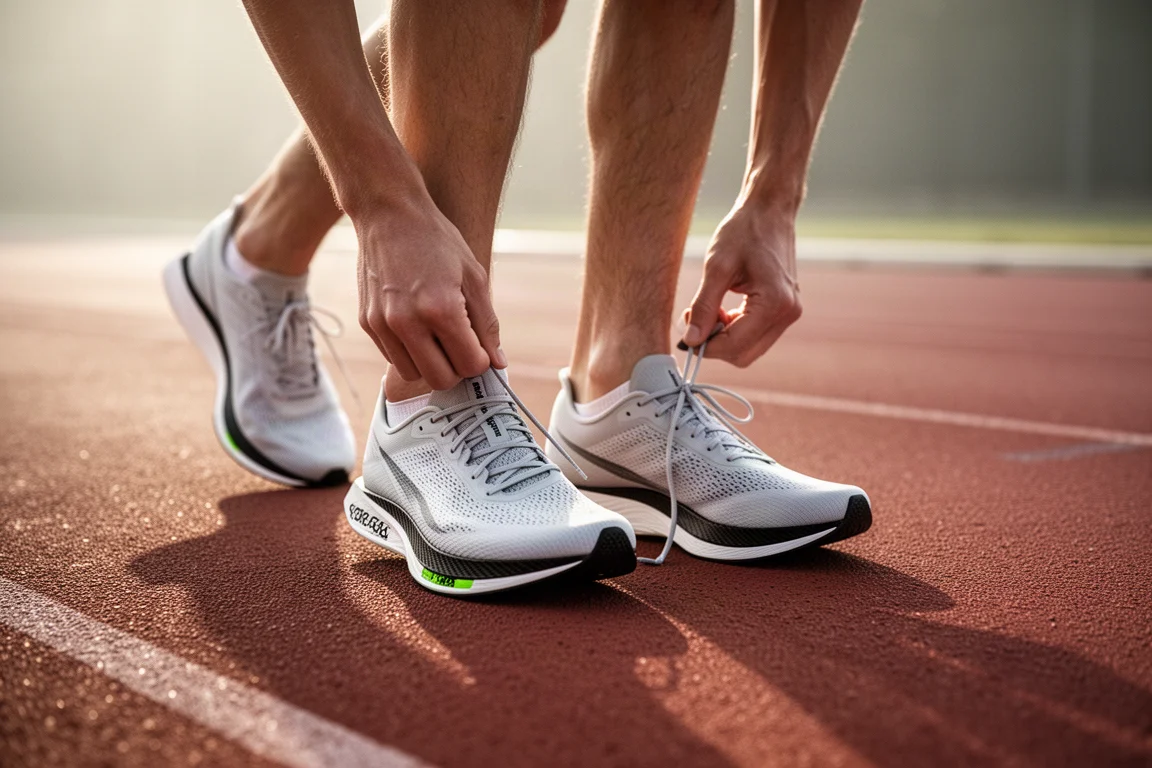
The midsole feels unusual for the category. It manages to be both firm and bouncy at the same time, and it feels noticeably different from other PEBA midsoles on the market. Combined with a slightly lighter overall weight than version 2, the Rocket X 3 feels snappy and genuinely fast, especially when you push the pace down toward 5K effort.
Stability: The Defining Feature
The Rocket X 3 is best understood as one of the very few stable neutral racing shoes available. Alongside the Saucony Endorphin Pro 4 and the 361 Flame, it sits in a small group of shoes that are not stability shoes but still offer guidance for runners who tend to collapse inward at faster speeds.
Hoka built this stability into several design choices:
- A winged carbon plate with slight elevations that add rigidity and resistance to motion without feeling like a medial post
- A wide midfoot that does not narrow, with a central groove cut into the midsole that keeps the shoe centered rather than biasing either side
- Significant sidewalls on both the medial and lateral sides
- A wider platform overall, which adds inherent stability
- A better heel bevel that is still beveled laterally, making rearfoot transitions smooth
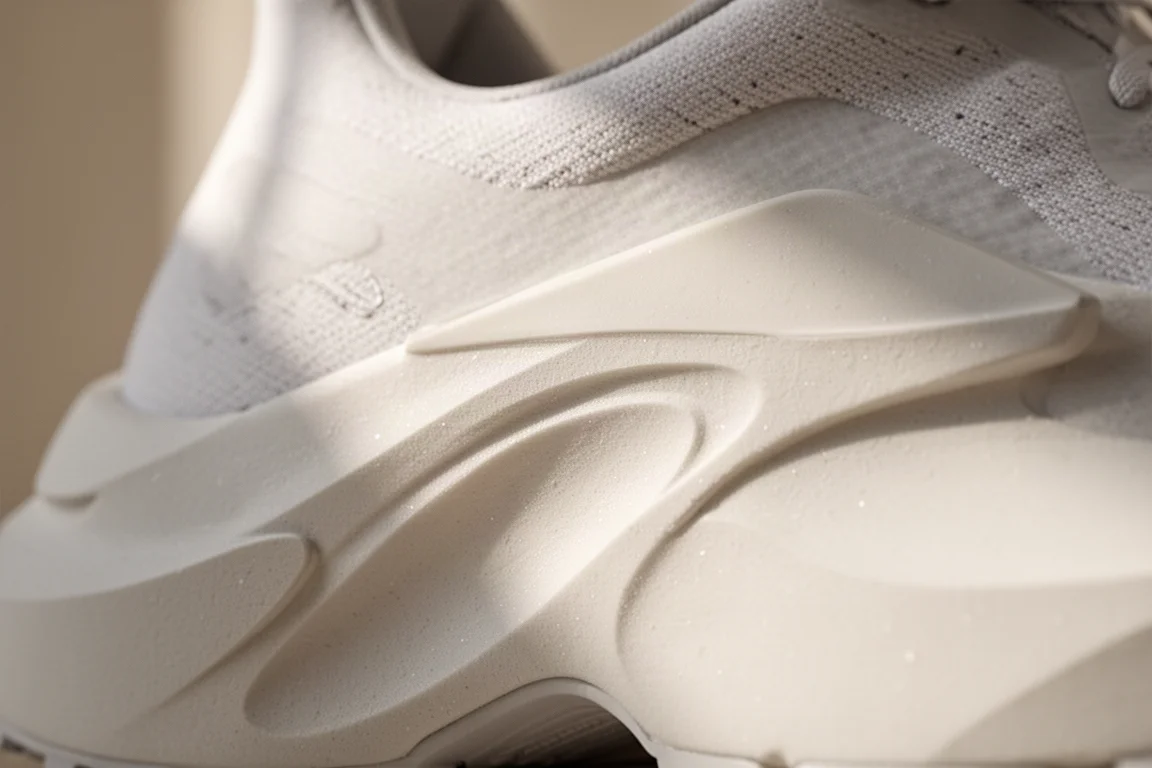
One warning worth repeating: the winged plate actually rises slightly at the edges. For some runners, compressing the midsole enough to contact the raised plate can feel like it is pinching into the foot. If you experience that, that is what is happening, and it may be a dealbreaker.
Fit and Upper
The fit is one of the more pleasant surprises. Despite visible sidewalls, testers reported no irritation or blistering, plenty of toe box width, and an easy lockdown through the midfoot and heel. The heel is rounded enough that it did not bother testers with Haglund’s deformities despite the shoe’s stiffness.
Compared with version 2, the upper fits true to size rather than running short, stretches a bit more, and is significantly more breathable. It is more snug overall, but in a secure rather than restrictive way.
Ride and Performance
At 5K, 10K, and half marathon paces, the Rocket X 3 shines. One tester described hitting low 5-minute-mile pace during a fartlek and immediately feeling that the shoe was special. The plate geometry, midsole tuning, and stability work together to keep the foot centered through the entire gait cycle, which means less ankle and posterior tibialis fatigue on runs of 8 to 10 miles compared with less stable super shoes.

Because the shoe keeps you centered through heel strike and forefoot push-off, it works across a wide range of distances rather than being tuned for one specific race length. For the price, that versatility matters.
Who It Works For (and Who It Does Not)
Here is the honest catch: two testers with very different mechanics had completely opposite experiences.
The runner who collapses medially and needs help staying centered found the shoe excellent. The filled-in midfoot, medial outsole coverage, and winged plate provided just enough resistance to guide the foot through the forefoot without feeling like a stability shoe.
The runner with the opposite mechanics, who already lands laterally and supinates slightly, experienced anterior-lateral ankle pain and posterior tibialis irritation on both sides after tempo and steady runs. The lateral forefoot cutout makes the medial forefoot stiffer, adding resistance to loading the first metatarsal, which overworks the posterior tibialis for this foot type. Easy runs felt fine, but workouts at faster paces exposed the problem, since higher ground forces amplify the mismatch.
The practical takeaway: if you need medial guidance, the Rocket X 3 is a strong candidate. If you tend to roll to the outside of your foot or need an easy path onto your first metatarsal at push-off, this shoe is likely not for you. Hoka positions the Rocket X 3 as the more stable option in its racing lineup, with the Cielo X1 2.0 as the more aggressive, faster alternative, so runners with the latter mechanics have a clear alternative within the same brand.
Durability: Watch the Outsole
Durability is the main shared concern. At only 20 to 25 miles, testers were already seeing visible wear on the exposed midsole, and the exposed midsole section at the toe-off area is a worry. Reducing outsole rubber is a common weight-saving move in super shoes, and it shows here.
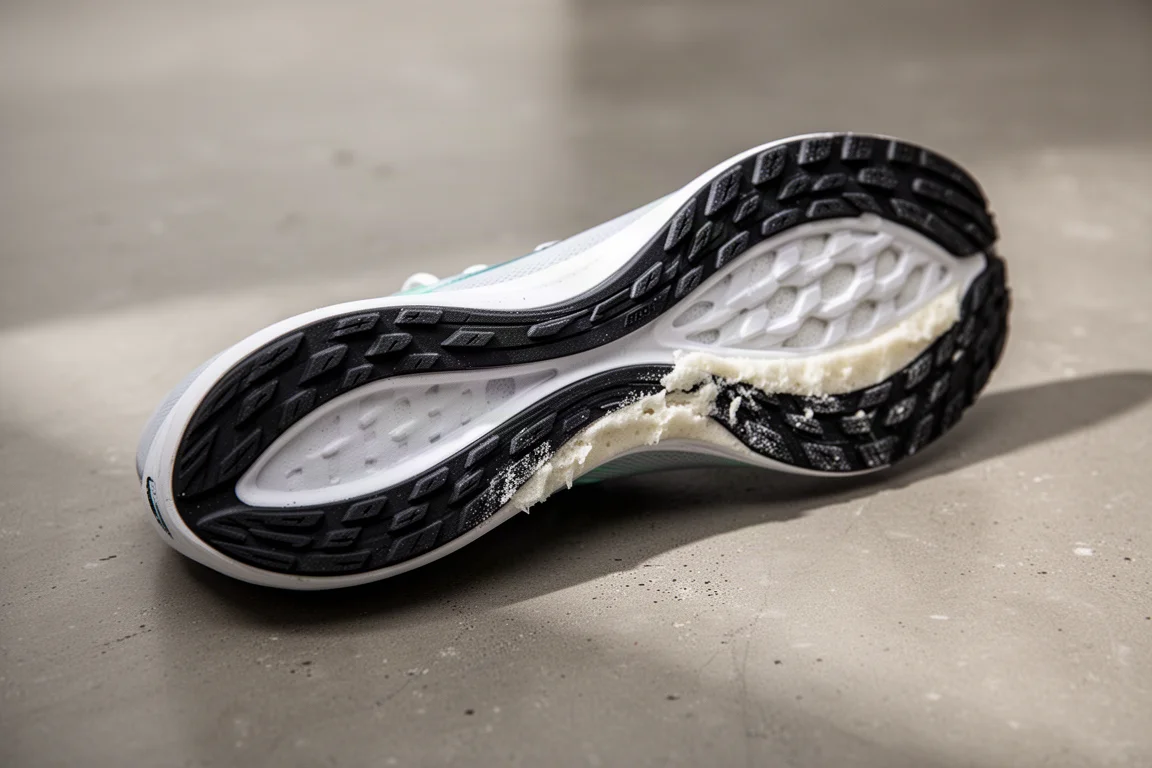
Version 2 had similar issues, with an outsole that began separating before 100 miles. Most super shoes compromise on outsole coverage, and a handful of models with full-length rubber coverage last far longer, but the Rocket X 3 sits on the more fragile end of that spectrum. Plan on treating it as a race day and workout shoe rather than a daily trainer.
Buying Advice: Breaking In a Super Shoe
If you plan to race a marathon in this shoe, do not race it fresh out of the box. Testers recommend at least one marathon-pace long run, and ideally 30 to 40 total miles, before trusting a super shoe over 26.2. Shoes need to break in, and your body needs to adapt to the shoe in return. Keep it under roughly 50 miles before race day so the foam retains its best properties, and remember that quality can vary between pairs due to shipping and storage conditions. For 5K and 10K races, you can be more relaxed about break-in.
Conclusion
The Hoka Rocket X 3 is a thoughtfully designed super shoe that fills a real gap: a neutral carbon racer with genuine stability. The dual-layer PEBA midsole is firm, bouncy, and fast, the upper fits well, and the shoe works across distances from 5K to marathon for runners who benefit from medial guidance. The trade-offs are early outsole wear and a fit that strongly favors one type of mechanics over another. If staying centered at speed is your problem, this may be your race shoe of the year. If you supinate or struggle to load your medial forefoot, look elsewhere, ideally at the more aggressive sibling in Hoka’s lineup.
Product link
View more details for Hoka Rocket X 3
This product is mentioned in the review. Check the specifications, options, and compatibility before buying.
View more details for Hoka Rocket X 3Further reading
Related Reviews

Running Shoes
Best Road-to-Trail Running Shoes: Three Versatile Options for Mixed Terrain
A practical guide to three road-to-trail running shoes that handle both pavement and mild trails, with clear strengths and trade-offs for different runner types.

Running Shoes
Best Running Shoes for Achilles Tendonitis: Three Options Explained
Three running shoes with different heel drops and support features designed to help reduce Achilles tendon pain during walking and running.

Running Shoes
Best Running Shoes for Women: Five Top Choices Ranked
A ranked guide to five women's running shoes, from versatile daily trainers to high-performance racing options, with real strengths and trade-offs for each.