Running Shoes
Hoka Rocket X 2 vs Hoka Cielo X1: Which Hoka Racer Fits Your Race Day?
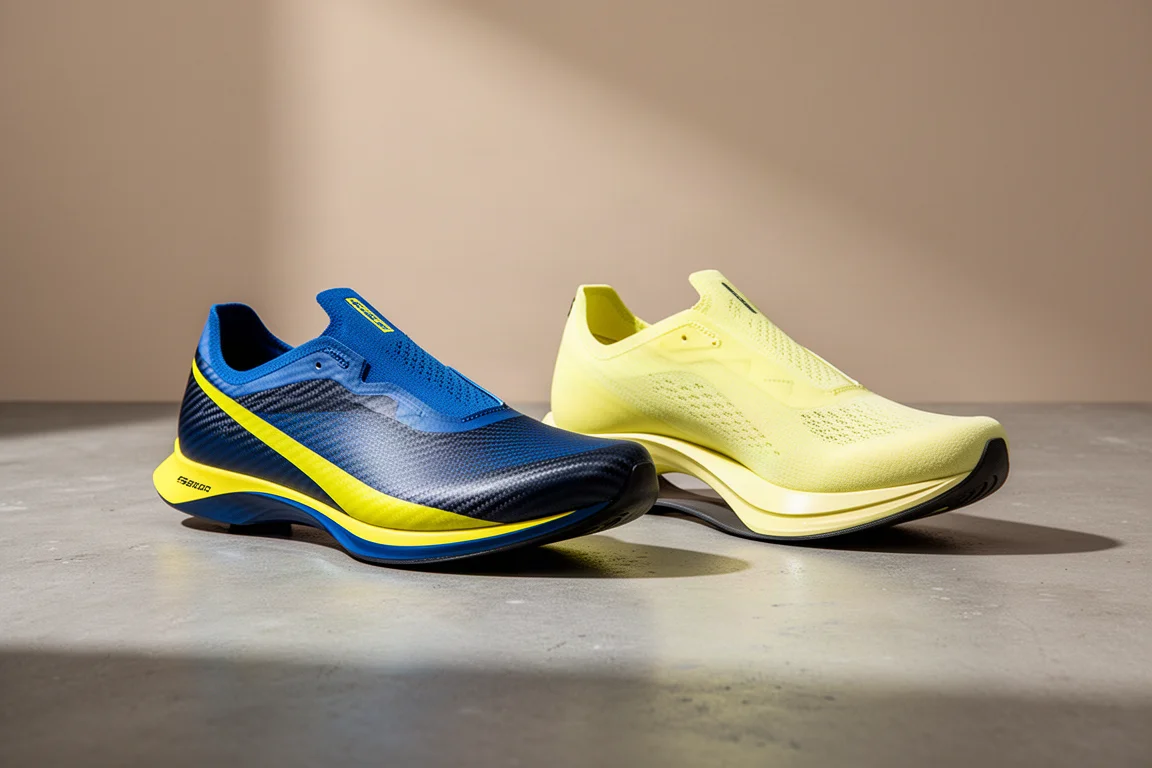
Two Hoka marathon racing shoes with very different personalities: a snappy, streamlined half marathon weapon and a plush, bouncy marathon workhorse.
Introduction
Hoka now fields two dedicated marathon racing shoes, and they sit at noticeably different ends of the racing spectrum. The Rocket X 2 follows the more traditional carbon-plated formula: streamlined, firmer, and built for quicker, shorter efforts. The Cielo X1 is the experimental one, with a more aggressive rocker, softer foam, and enough cushioning to hold up over long miles. We ran both back to back to figure out which runner each shoe actually serves.
How They Compare on Paper and on the Scale
The Rocket X 2 weighs about 236 grams in US men’s 10.5, which places it almost exactly on par with the Saucony Endorphin Pro 4 and noticeably heavier than the Nike Vaporfly at roughly 204 grams. The Cielo X1 comes in much heavier at around 270 grams, the result of a taller stack and significantly more foam underfoot.
Both shoes use PEBA-based foam and a full carbon fiber plate. The key difference is how that foam is tuned: the Rocket X 2’s midsole feels firmer with a snappy, energetic response, while the Cielo X1’s softer PEBA compresses deeply and gives a pronounced propulsive roll through the stride.
Hoka Rocket X 2: The Streamlined Half Marathon Racer
The Rocket X 2 pairs a full carbon fiber plate with PEBA foam and a lightweight, highly flexible upper. There is very little padding or structure in the heel counter, and Hoka fully commits to that choice rather than adding a partial plastic heel cup. The fit is remarkably snug, with a gusseted tongue and a tight, almost second-skin upper that locks the foot down so well that the unstructured heel never became an issue. If you normally find heel slip bothers you, the sock-like front half of this shoe largely solves it through tension.
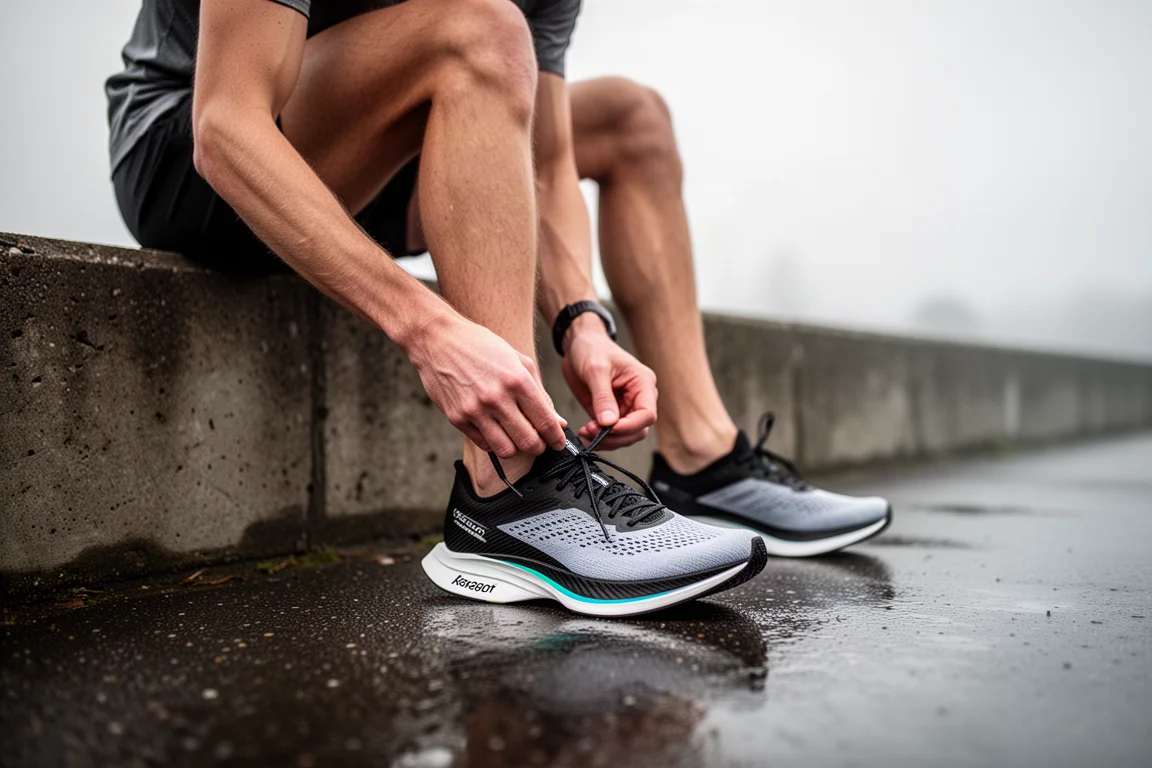
On a 10-mile tempo run averaging around 6:10 per mile, the shoe felt like a blend of two familiar references: the rocker geometry and flat, stable heel platform of the Saucony Endorphin Pro 3, and the soft, lightweight glide of the Nike Vaporfly. For powerful runners who put a lot of force into the ground, it responded especially well. It also offers surprisingly nimble, planted handling in the forefoot, which makes it a credible option for track athletes who want more protection than a spike during faster workouts.
Durability and Outsole Notes
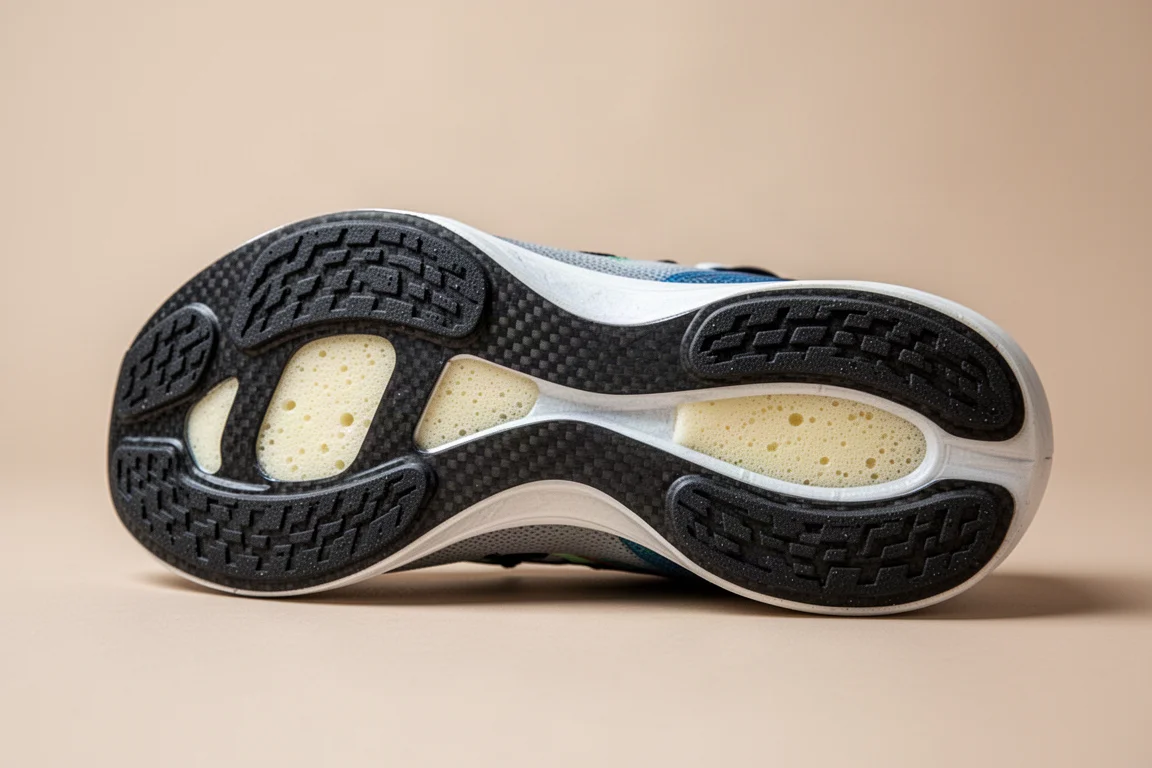
The Rocket X 2 carries a decent amount of rubber across the forefoot and heel, which puts it ahead of some ultra-lightweight elite racing shoes, but the layer is not thick. After roughly 60 miles, visible wear was already showing in the heel foam, particularly for an aggressive heel striker. This is not a shoe built for a full training cycle, and if you need a durable do-everything racer, options like the Saucony Endorphin Pro 4 or the Adidas Adios line are better suited to that job.
Hoka Cielo X1: The Plush, Bouncy Marathon Option
The Cielo X1 is a different animal. Hoka uses a taller platform to push the envelope on cushioning, and the result is a shoe that feels noticeably softer and more propulsive through the stride. The rocker is aggressive enough that walking feels like being on your tiptoes, and heel strikers may find themselves fighting over the midfoot arch bump to land comfortably at easy paces. At race pace, though, that geometry works in your favor, delivering a rolling, bouncy sensation that makes long efforts genuinely comfortable.
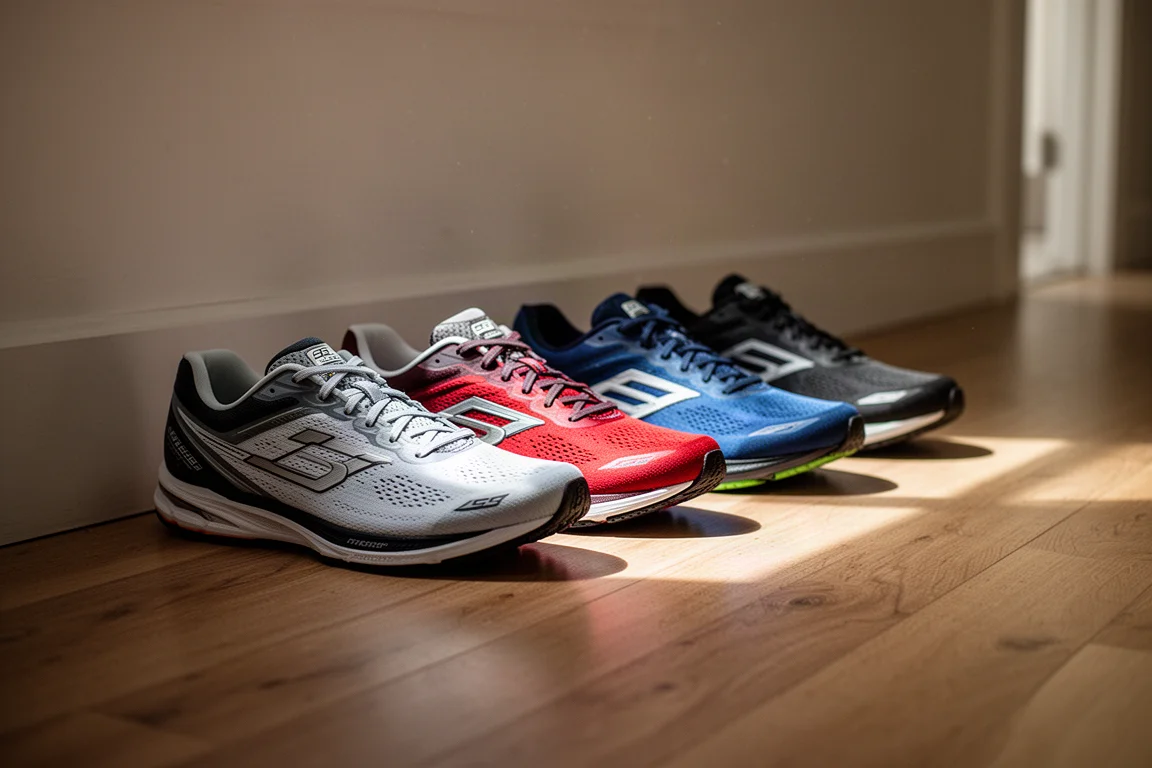
A 22-mile long run with marathon pace and threshold segments mixed in is a strong endorsement for a racing shoe. The deep cushioning held up through the entire session, and stability at marathon efforts was noticeably better than in sharper, more aggressive racing shoes. If you are choosing between the two Hokas for a full marathon, this is the one that will still feel good in the closing miles.
Buying Advice: Matching the Shoe to Your Race
For most runners, the simplest framing is this: the Rocket X 2 is the half marathon and 10K shoe, and the Cielo X1 is the marathon shoe. The Rocket X 2’s firmer ride started to feel a little harsh by the end of a 10-mile effort, and three more miles at race pace would have stretched it. It shines at distances where its snap, light ground feel, and nimble handling matter most.

For the full marathon, a more cushioned platform is generally the safer pick. The Cielo X1 offers more comfort, better stability at slower race paces, and the kind of ride that stays pleasant deep into a race. If your marathon is the goal and you want a Hoka, start there. If you are racing a half marathon or shorter and want something streamlined and fast, the Rocket X 2 is the more natural fit. The Rocket X 2 is priced at $250, sitting right in the center of the current racing shoe market.
Conclusion
Hoka’s two-shoe approach works because each model has a clear identity. The Rocket X 2 is a snappy, snug-fitting half marathon racer with a firm PEBA ride and a lightweight upper that locks down impressively well. The Cielo X1 trades some weight for deep cushioning and a bouncy rocker that makes marathon-distance racing far more comfortable. Pick based on your race distance, and neither shoe will disappoint.
Product link
View more details for Hoka Rocket X 2
This product is mentioned in the review. Check the specifications, options, and compatibility before buying.
View more details for Hoka Rocket X 2Further reading
Related Reviews

Running Shoes
Best Road-to-Trail Running Shoes: Three Versatile Options for Mixed Terrain
A practical guide to three road-to-trail running shoes that handle both pavement and mild trails, with clear strengths and trade-offs for different runner types.

Running Shoes
Best Running Shoes for Achilles Tendonitis: Three Options Explained
Three running shoes with different heel drops and support features designed to help reduce Achilles tendon pain during walking and running.

Running Shoes
Best Running Shoes for Women: Five Top Choices Ranked
A ranked guide to five women's running shoes, from versatile daily trainers to high-performance racing options, with real strengths and trade-offs for each.