Running Shoes
The Hoka Road Running Lineup Explained: 8 Shoes for Every Part of Your Training
From daily trainers to race day rockets, a practical guide through Hoka's performance road shoe collection and where each one fits in a rotation.
Introduction
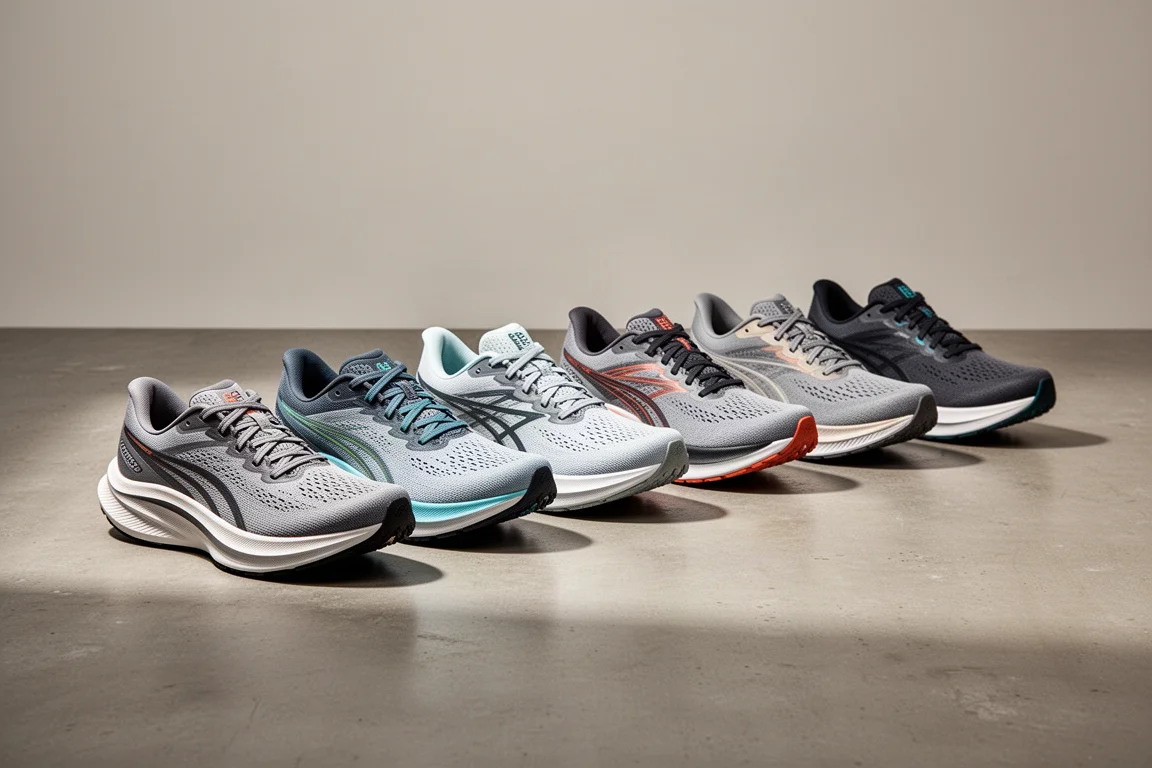
Hoka’s performance road line covers a wider spread of use cases than most brands. You can build an entire training week out of it, from slow recovery miles to race day. This guide walks through the current lineup, what changed in each shoe, and which runner each one actually suits.
Hoka Clifton 11
The Clifton is Hoka’s most familiar shoe, and the Clifton 11 keeps that identity intact. Compared to the Clifton 10, not much has changed: this update is mainly an upper refresh. You still get a traditional Clifton ride on a standard compressed EVA midsole, focused on all-day comfort. That is exactly why it has drifted from a performance trainer into something closer to a daily wear shoe that plenty of people buy simply because it is comfortable.
At $155, it remains an easy entry point into the brand for everyday comfort first and performance second.
Hoka Clifton Pro
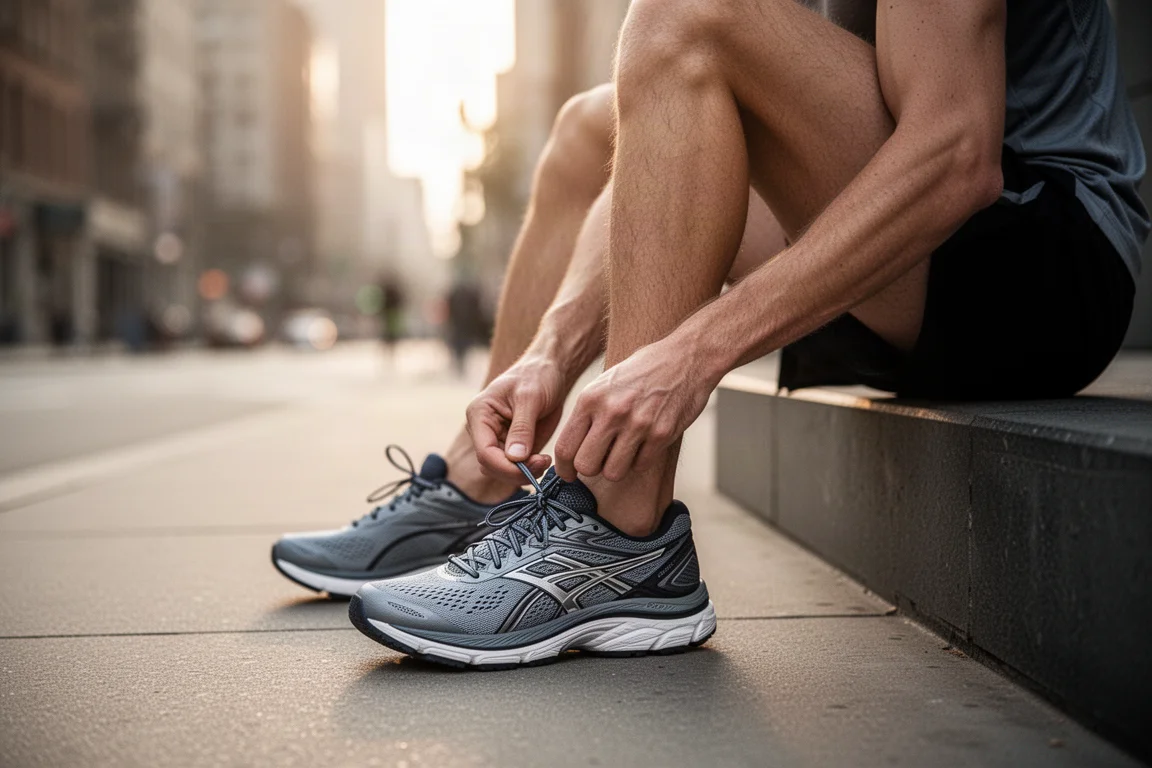
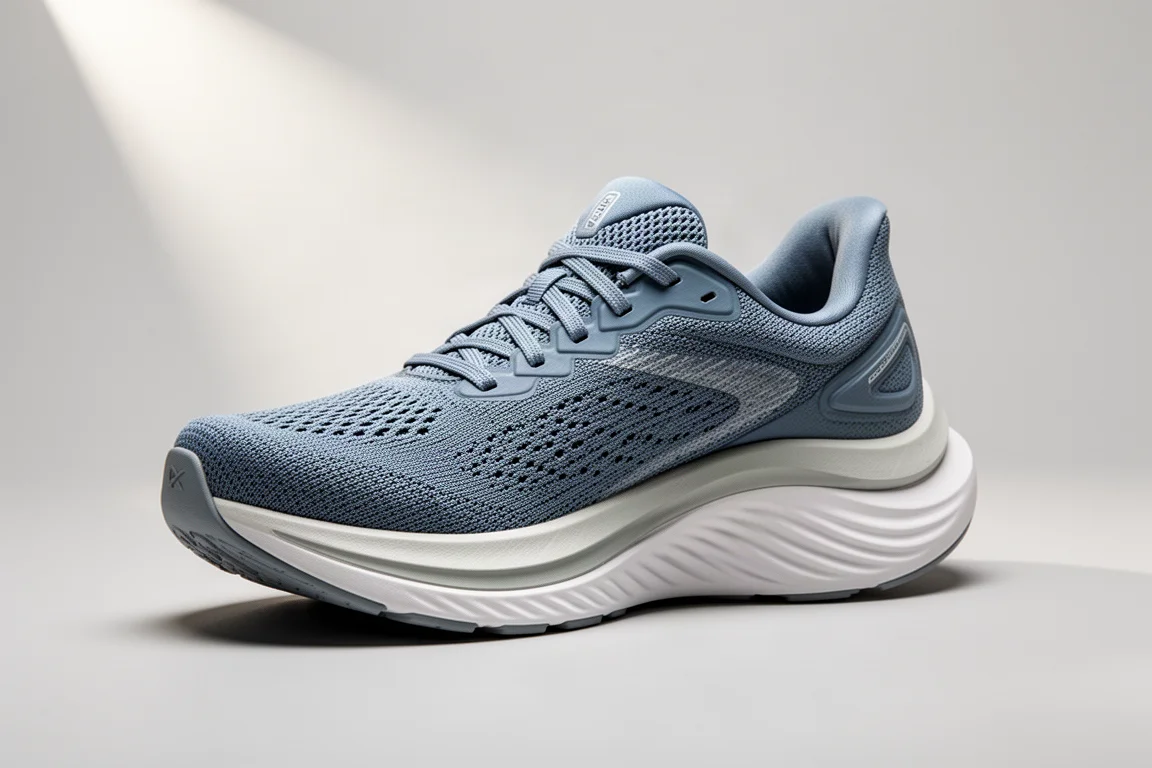
The Clifton Pro answers a fair question: how do you get the performance runner back into a Clifton? It looks and feels similar to the standard Clifton but uses a revamped midsole with super critical EVA, adding a bit more bounce and a more performance-oriented character. The signature rocker bottom carries over, so the stride still rolls through smoothly, and the extra foam bounce makes a noticeable difference on real runs.
The upper is built for performance too, with a more open toe box for airflow and a design element over the midfoot that also improves lockdown. It is still fine for walking around, but if you plan to run in it rather than wear it casually, the jump up from the Clifton 11 makes sense. It costs $10 more at $165.
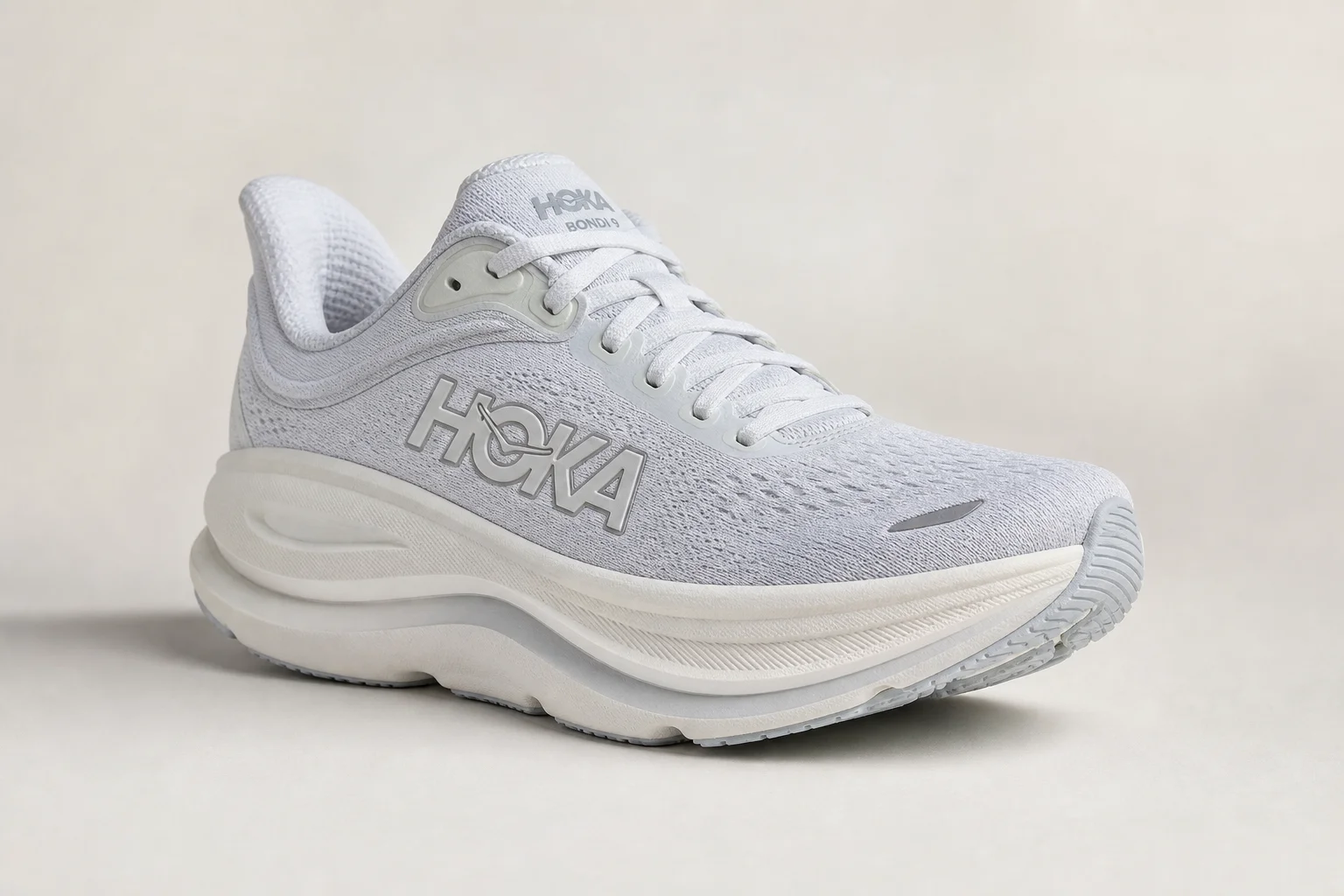
Hoka Bondi 9
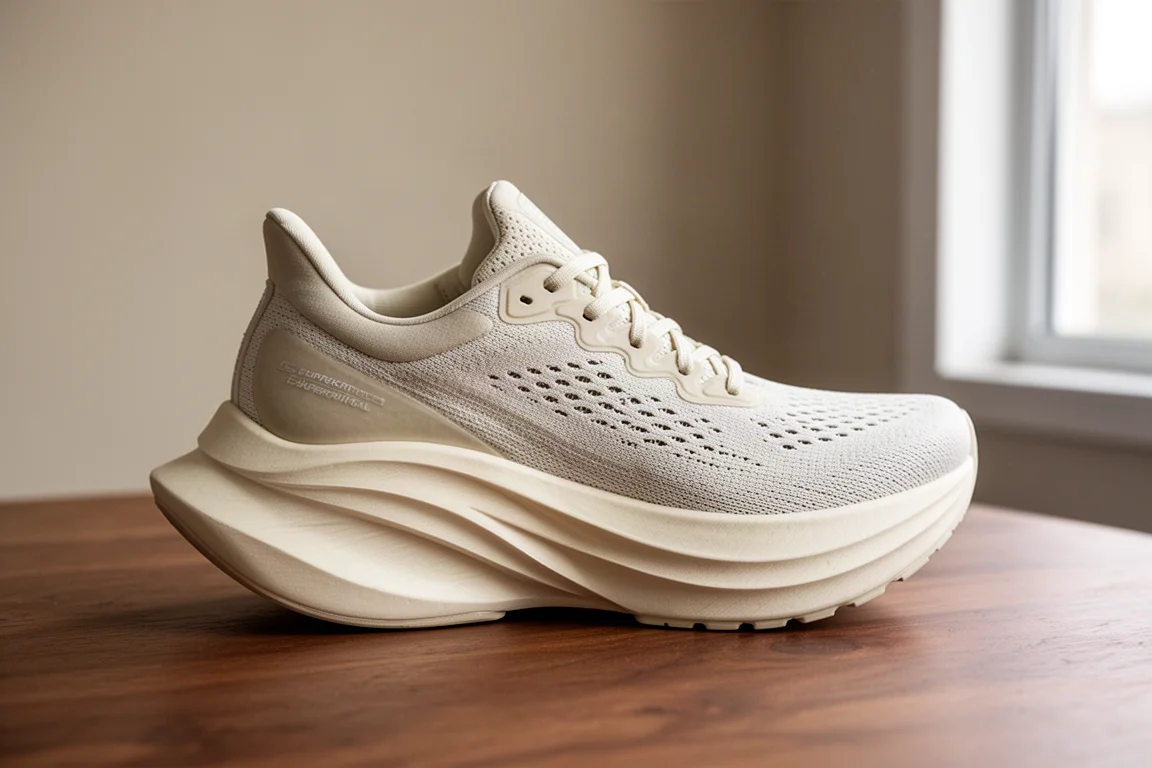
Think of the Bondi as the bigger Clifton: more cushioning, more stack, just more shoe. It is the comfort cruiser of the lineup, with a very high stack that works well for running, walking, and generally hanging out. It carries a premium price tag at $175, but you are getting a lot of shoe for it.
For many runners this is the recovery tool: the shoe you reach for when your legs are tired, after a speed session, or the day after a long run, when you want something that will not crush your legs. Hoka releases the Bondi roughly every two to three years rather than annually, so version nine is likely to stick around for a while.

Hoka Skyward X 2
The Skyward X 2 is essentially the plated Bondi. After the plated Bondi X was discontinued, the Skyward line picked up that role, and the second version elevates it further. The construction stacks a PEBA top layer of foam, a carbon fiber plate, and a bottom layer of super critical EVA. Aesthetically it resembles the Bondi, but it is a premium, more performance-oriented take that is honestly more fun.
It suits long easy runs and recovery runs best, though you can pick up the pace in it if you want. For some, it works as a light daily trainer with the option to push, while others treat it as a straight-up cruiser where you lock into a pace and roll on the rocker bottom. At $225 it sits well above the Clifton Pro, so the choice between them comes down to budget and use case.
Hoka Mach 7
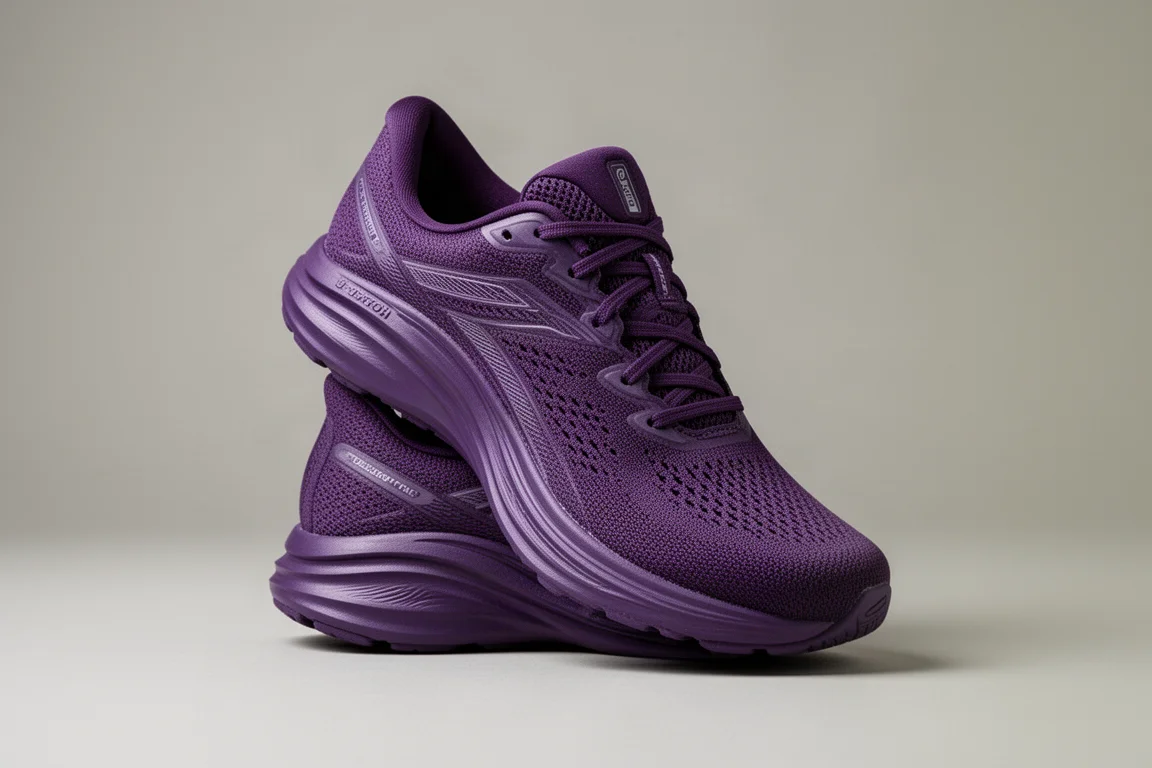
The Mach 7 is a lightweight, simple, crowd-pleasing up-tempo trainer. There was not much of an update from the previous version beyond a lightweight upper and a bigger Hoka logo on the side. Underneath, you get a really nice super critical foam bottom.
At $145 it is one of the most accessible performance options in the lineup, versatile enough to recommend to almost any runner at any level. It is great for daily miles, and on the days when you are feeling good and want to pick up the pace, it goes with you. Simple build, and it just works.
Hoka Mach X 3
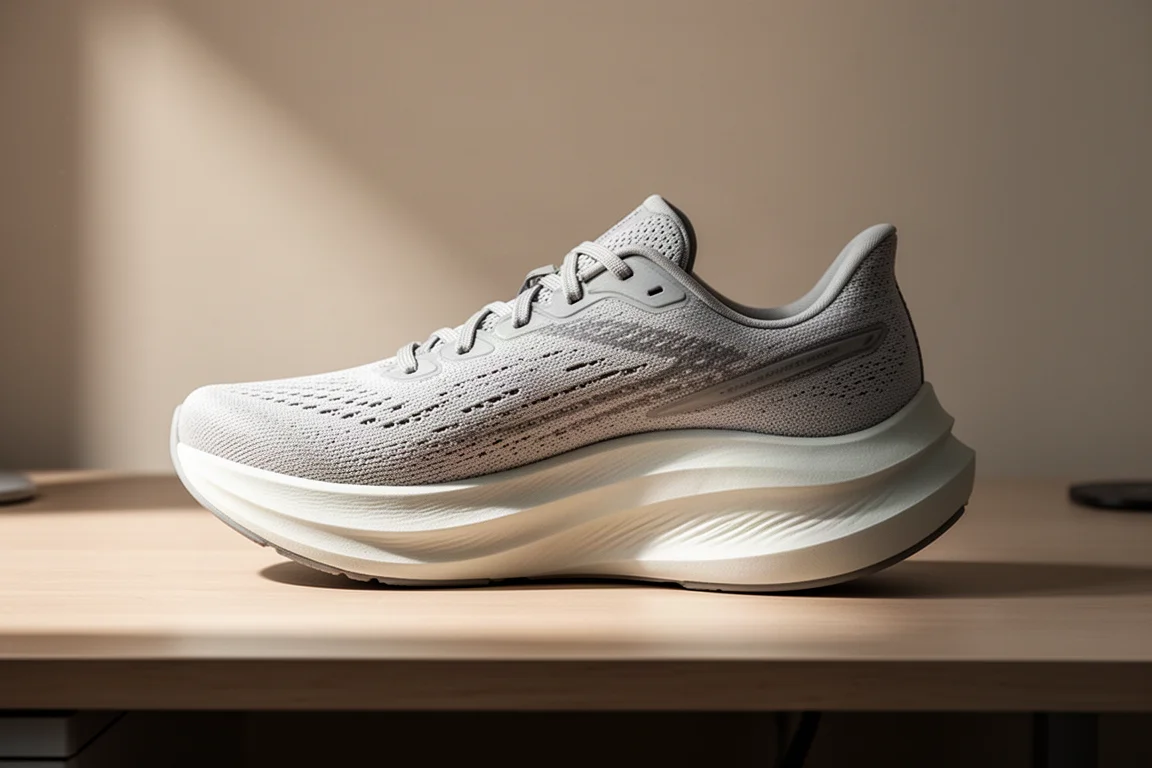
The Mach X 3 adds a plate to the Mach formula. This was also not a huge update from the previous iteration: a soft PEBA layer of foam under the foot, a nylon plate, and traditional EVA on the bottom rather than super critical EVA. That firmer bottom foam gives the shoe a nice toe-off landing plus stability at the back, with a bit of pop and zing to the ride.
It is the kind of shoe that kicks your training into second gear: fast enough for workouts but still grounded in daily training. At $190, some may wish for more PEBA underfoot, which is exactly where the next tier of the lineup comes in.
Hoka Rocket X 3
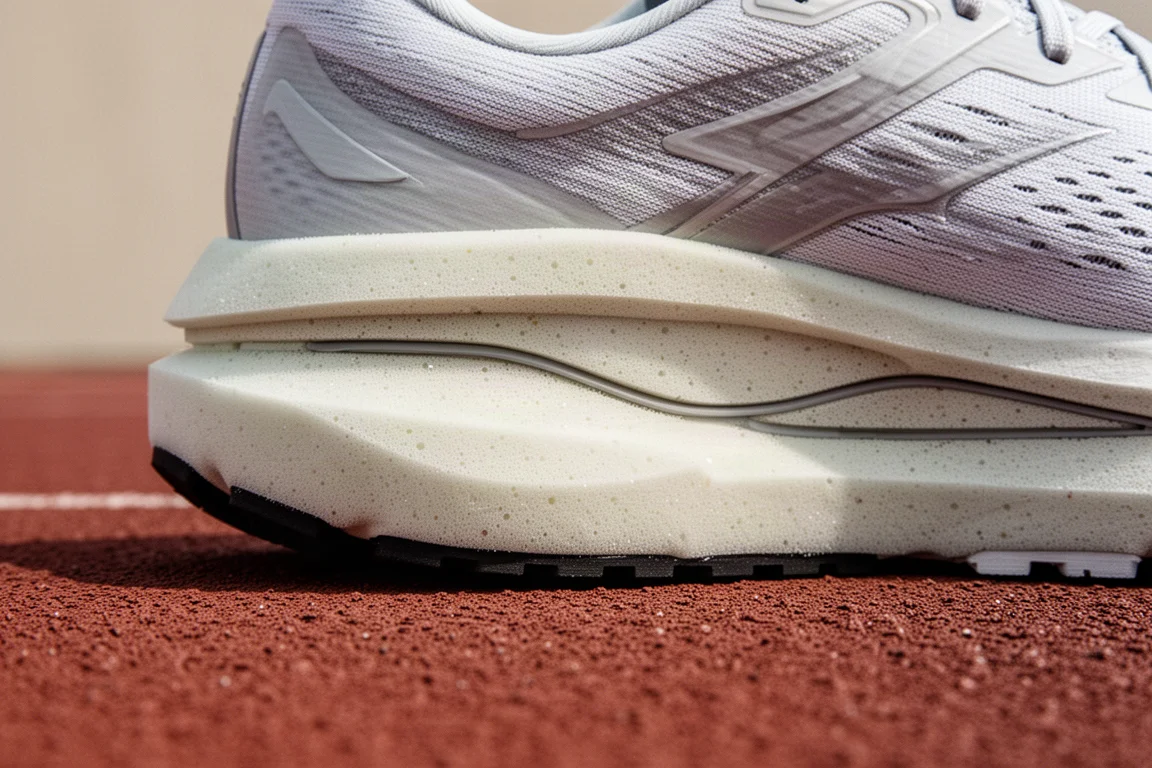
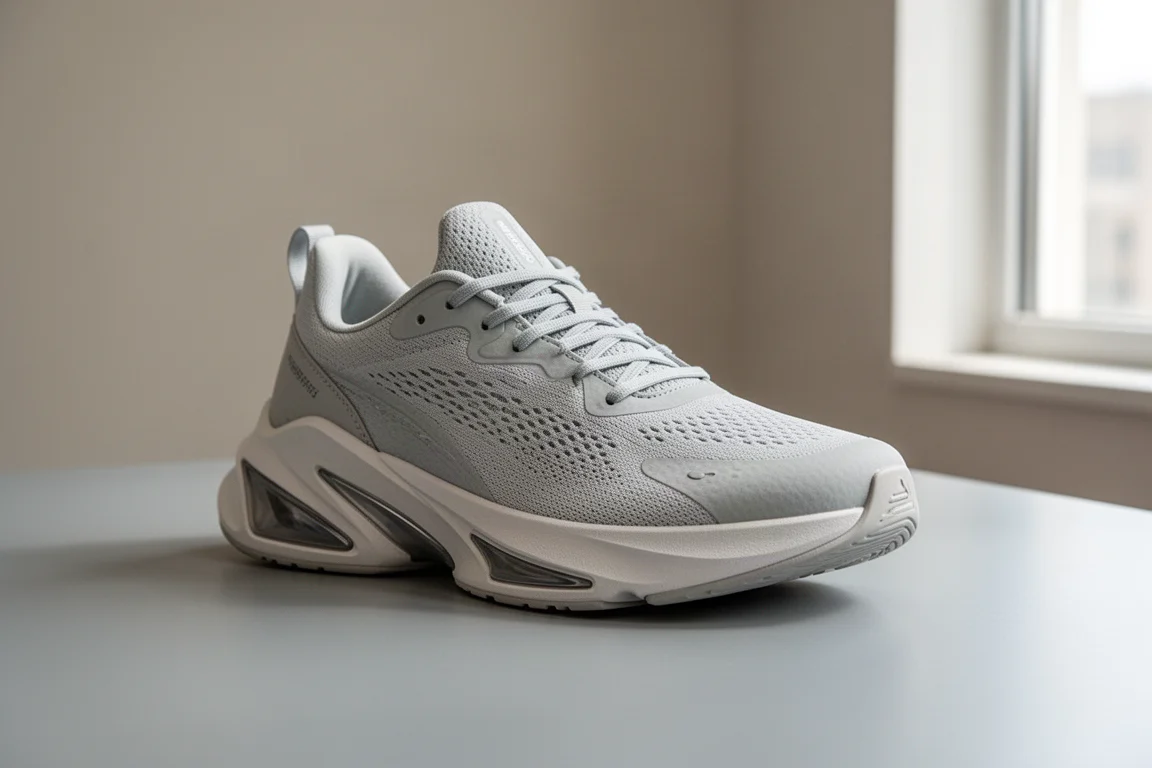
Hoka now offers two race day shoes, and the Rocket X 3 is the more stable of the two. It feels like a traditional race day marathon shoe: good cushioning under the forefoot, a carbon plate, and a firmer foam that adds stability compared to its more aggressive sibling. The upper is lightweight and relatively no-frills.
It is light, it is bouncy, and it feels like a stable, safe bet compared with some of the wilder rockered race shoes on the market. At $250 it undercuts the top-tier option, but many runners will find the choice for race day leans toward the Cielo instead.
Hoka Cielo X 1 3.0
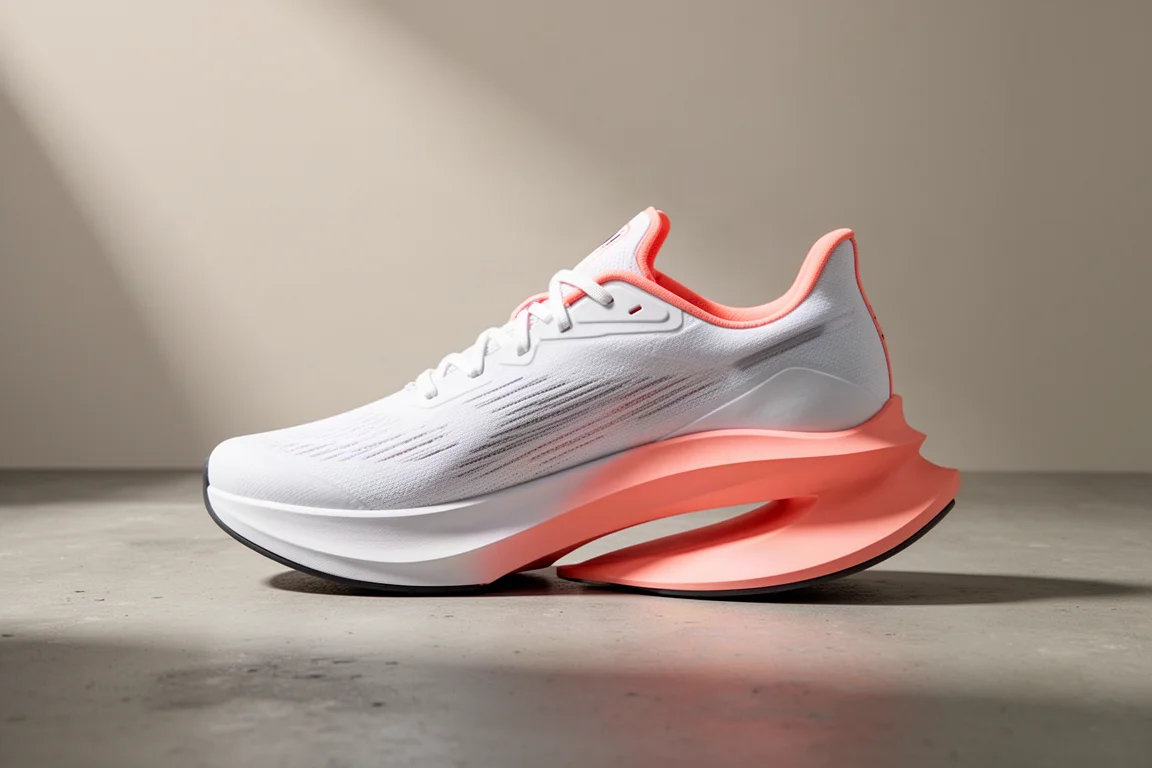
The Cielo X 1 3.0 is Hoka’s top-tier race day shoe, and it has come a long way. Earlier versions experimented with midsole cutouts on the lateral and medial sides; those are gone now, replaced by a valley in the middle of the midsole. The result is more stable than the last version, though still not a fully stable choice and a little wobbly for some runners.
What you get instead is a much more aggressive rocker, soft PEBA foam throughout rather than two formulations, a carbon fiber plate, and a genuinely light build. It sings on race pace efforts and accommodates more runners than most aggressive race shoes. At $275, it is $25 more than the Rocket X 3, and for many it is the clear pick and arguably Hoka’s best race day shoe ever.
Building a Three-Shoe Hoka Rotation
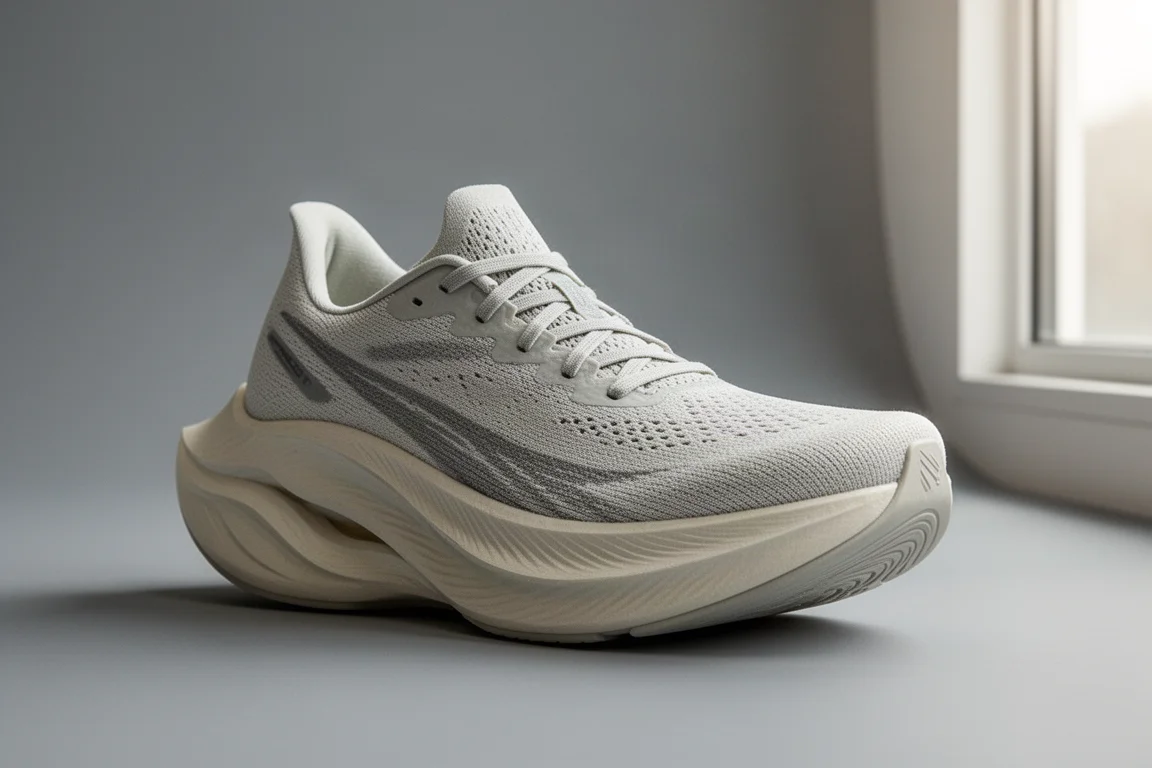
A sensible three-shoe rotation from this lineup is easy to assemble. One approach: the Clifton Pro for the bulk of your running, easy days, runs between workouts, and long runs without marathon pace. The Cielo X 1 3.0 for fast workouts and long runs with marathon pace, plus racing. Then the Skyward X 2 for recovery days and the mornings when you need motivation to get out the door.
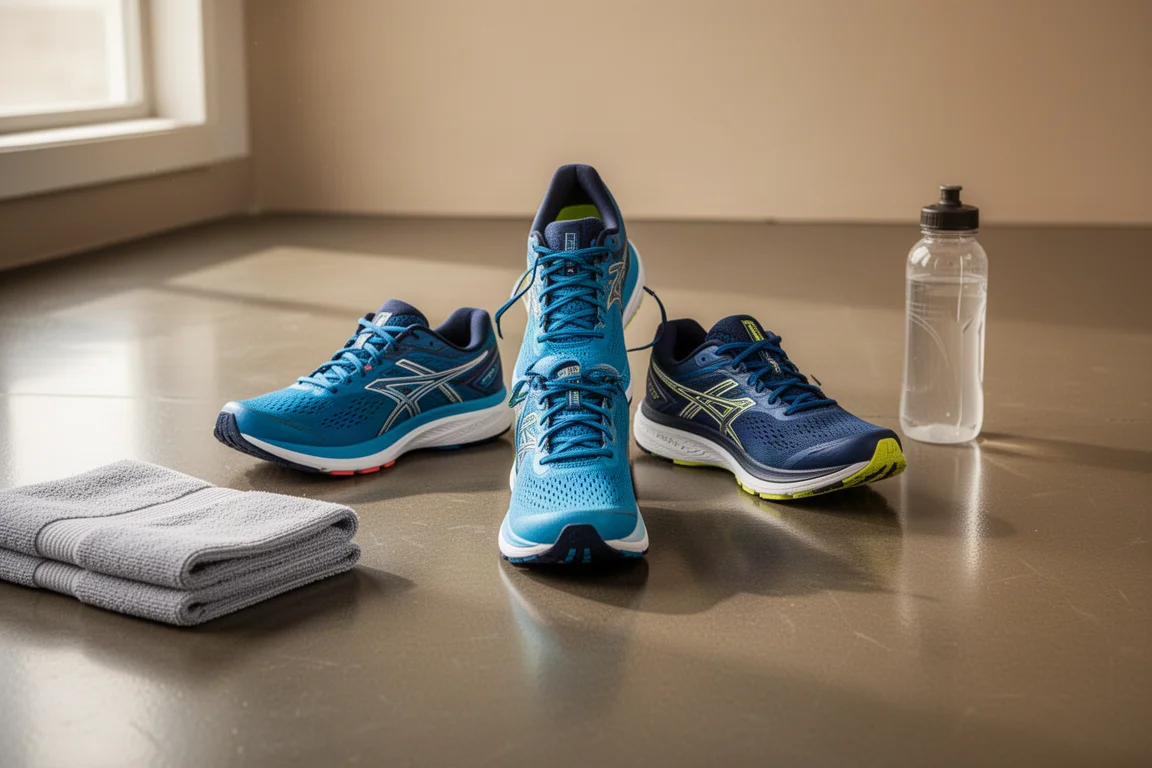
A slightly lighter alternative swaps the Clifton Pro for the Mach 7 on daily miles, keeps the Cielo X 1 3.0 for speed work and racing, and matches the Skyward X 2 for recovery, since it is the shoe that leaves your legs ready for the next session.
Conclusion
Hoka’s road lineup runs from easy daily training all the way to super fast race day, with a clear step up in price and performance at each level. Pick the Clifton 11 or Bondi 9 for comfort, the Clifton Pro, Mach 7, Mach X 3, or Skyward X 2 for structured training, and the Rocket X 3 or Cielo X 1 3.0 when race day matters most.
Further reading
Related Reviews

Running Shoes
Best Road-to-Trail Running Shoes: Three Versatile Options for Mixed Terrain
A practical guide to three road-to-trail running shoes that handle both pavement and mild trails, with clear strengths and trade-offs for different runner types.

Running Shoes
Best Running Shoes for Achilles Tendonitis: Three Options Explained
Three running shoes with different heel drops and support features designed to help reduce Achilles tendon pain during walking and running.

Running Shoes
Best Running Shoes for Women: Five Top Choices Ranked
A ranked guide to five women's running shoes, from versatile daily trainers to high-performance racing options, with real strengths and trade-offs for each.