Running Shoes
Hoka Rincon 3 vs Hoka Mach 5: Which Lightweight Trainer Should You Buy?
Two of Hoka's lightweight daily trainers go head to head. We compare fit, ride, midsole foam, and value to help you pick the right one.
Introduction
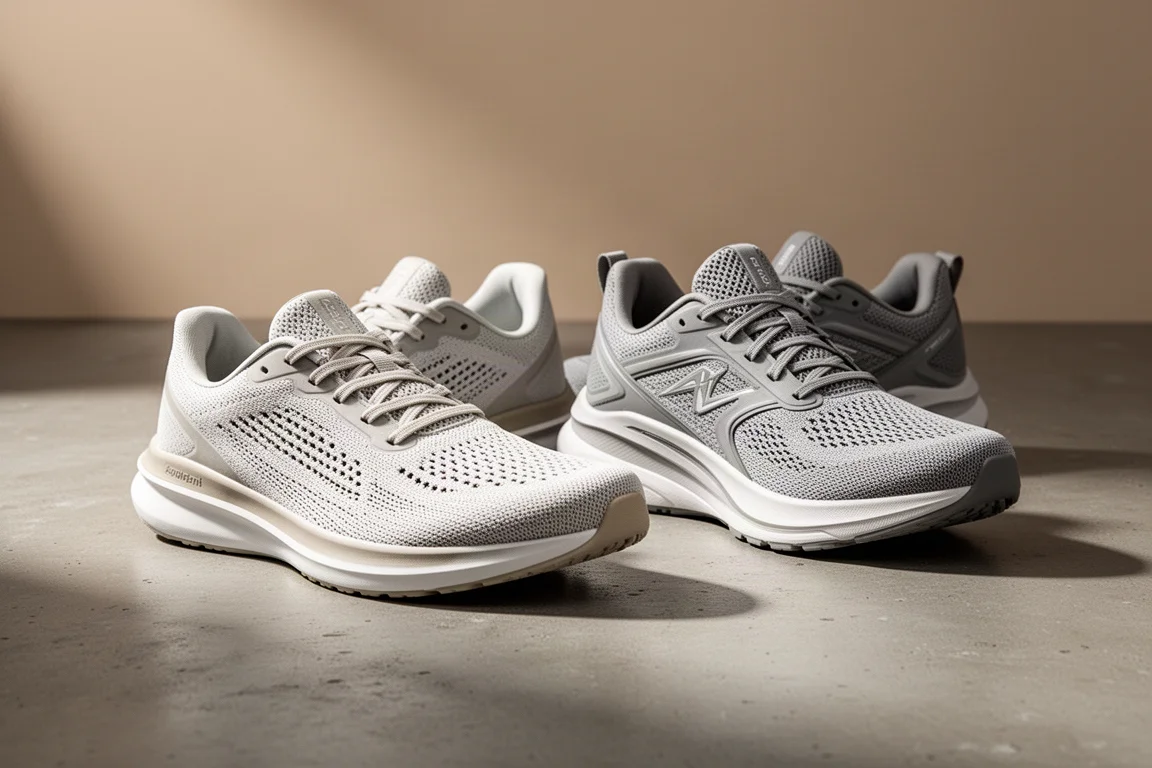
Hoka’s Rincon 3 and Mach 5 sit in the same corner of the lineup: lightweight trainers built for daily training that can also handle faster efforts. They are similar in a lot of ways, including weight and intended use, but the differences in midsole construction and price make this a genuinely interesting head to head.
This comparison walks through the specs, fit, ride feel, and overall value of each shoe so you can decide which one belongs in your rotation.
Key Specs at a Glance
Both shoes share the same 5mm heel-to-toe drop, but the stack heights differ. The Rincon 3 has slightly more volume, with a 33mm heel and 28mm forefoot, while the Mach 5 sits at 29mm in the heel and 24mm in the forefoot.
Weight also favors the lighter shoe. In a UK men’s 8.5, the Mach 5 comes in at 8.4 ounces (238g), while the Rincon 3 is 7.8 ounces (220g). On price, the Rincon 3 is the cheaper of the two with an RRP of £110 ($125), while the Mach 5 retails at £130 ($140), though both can often be found discounted.
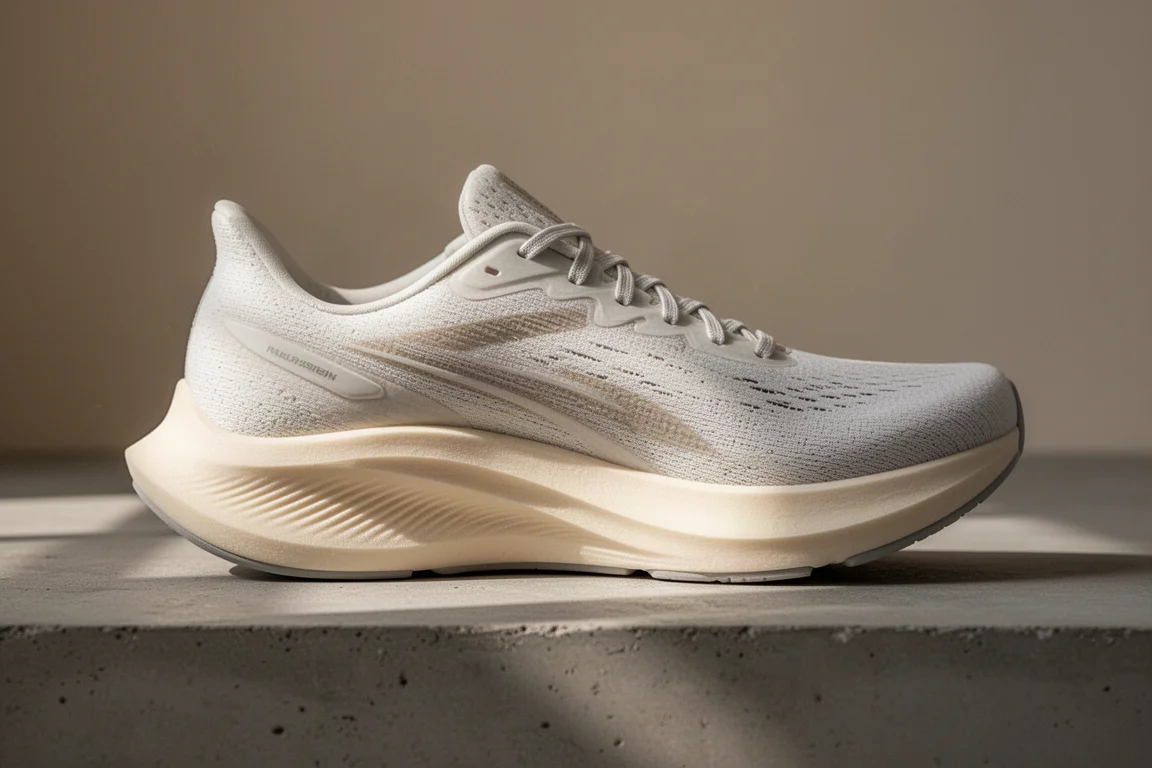
In terms of construction, the Rincon 3 keeps things simple: a vented mesh upper, a single-density compression molded EVA midsole, a molded EVA sockliner, an early-stage MetaRocker, and light, strategically placed outsole rubber for grip and durability. The Mach 5 takes a more layered approach with a creel Jacquard engineered mesh upper, a dual-density Profly+ midsole that is softer under the heel and firmer under the toes, a flat gusseted tongue, an articulated heel collar, and a rubberized EVA outsole.
Fit and Sizing
Both shoes fit true to size, and that is the recommendation here. It is worth noting, though, that as Hokas they run a little narrower than many other shoes on the market, so that is worth factoring in if you have wider feet.
The Rincon 3 arguably has a slightly roomier feel, particularly in the toe box. The Mach 5 is more hugging and snug across the midfoot into the forefoot. If you have particularly wide feet, the Rincon 3 is available in a wide version, which makes it the more flexible option of the two.
Ride Feel: How They Run
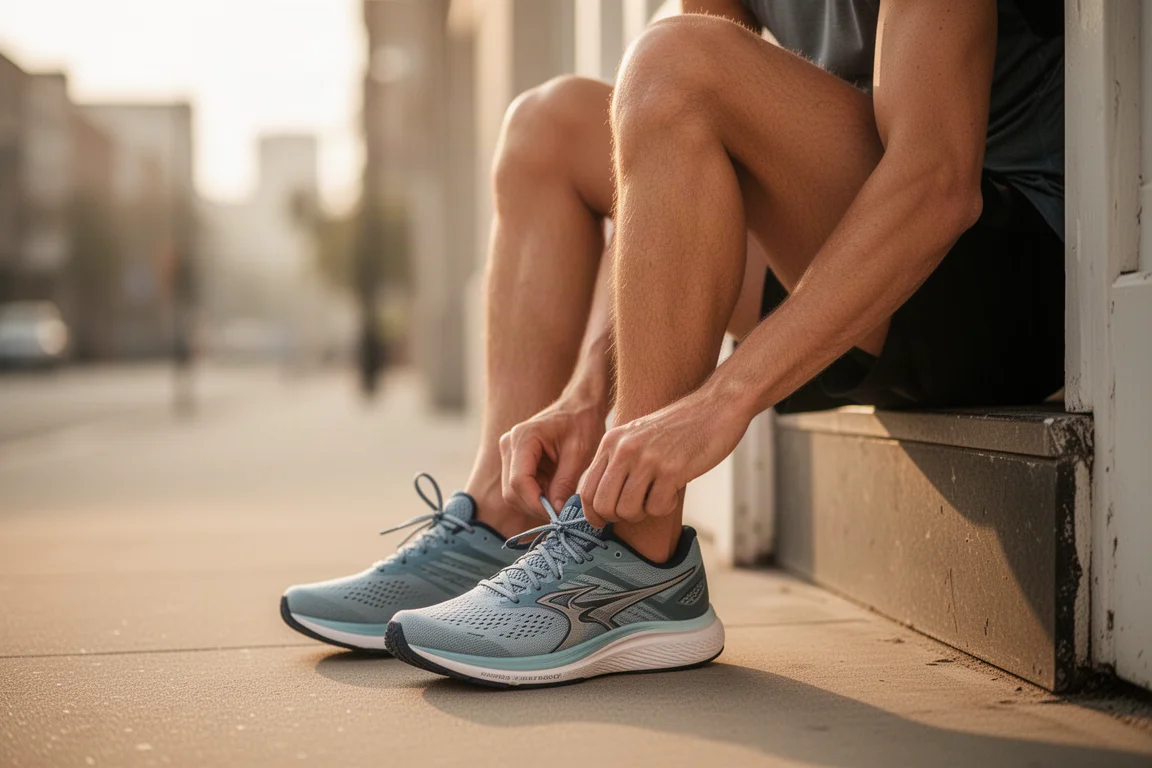
The biggest contrast between these shoes shows up in the ride. The Rincon 3 feels flatter underfoot, with the foot landing in a more level, direct way. It feels a bit lighter on the foot, a bit more agile, and a bit closer to the ground, but you have to do more of the work yourself. There is a nice little bit of bounce in the EVA foam, though it is not the most advanced foam on the market.
The Mach 5, by contrast, feels springier and punchier. The dual-density Profly+ midsole creates a pronounced roll through the midfoot into the next step, and you can genuinely feel that rocker doing its job. Part of that propulsion comes from the fact that there is simply more foam underfoot, giving a slightly wider base, particularly toward the heel.

In terms of stability, the two are a pretty good match. The Mach 5 may be marginally less stable because of its more pronounced roll, but neither shoe is compromised in that respect.
Both shoes can do slow miles and fast running. The Rincon 3 is a bit more comfortable and softer, but probably not as fast. The Mach 5 really comes into its own on faster reps, interval sessions, and tempo work, where its dual-density midsole hits the sweet spot between cushioning and an efficient, fluid, non-sluggish ride. It has even been used as a primary non-carbon-plate training shoe for marathon build-ups, covering everything from easy 5K runs to track intervals.
Value and Durability
The Rincon 3 is the budget-friendly pick. It is a no-frills shoe: nothing stands out dramatically apart from the fact that it is stripped down, very lightweight, and comfortable, with a breathable upper that works well for hot, fast runs. A common complaint worth knowing about is that some runners report reduced durability from the midsole foam, though this varies with use.
That value angle gets even stronger on the secondary market. The Rincon 3 can often be found well under £60, which is a steal for a shoe this versatile, even factoring in the durability question.
The Mach 5 has a reputation for better durability, which helps justify its higher price. It is often available under £100 despite its £130 RRP, which is strong value for a shoe this capable.
Verdict: Which One Should You Buy?
Both are excellent daily trainers, and you can’t really go wrong with either. But if one has to win, the Mach 5 just edges it. It is more versatile, livelier, and punchier, and it handles everything from easy miles to race day without a carbon plate.
If you want a shoe that is lighter, roomier, more direct, with more ground feel and less propulsion, and you want to spend less, go for the Rincon 3. It is also a great pick for beginners who want one shoe that can do it all, especially at its discounted prices.
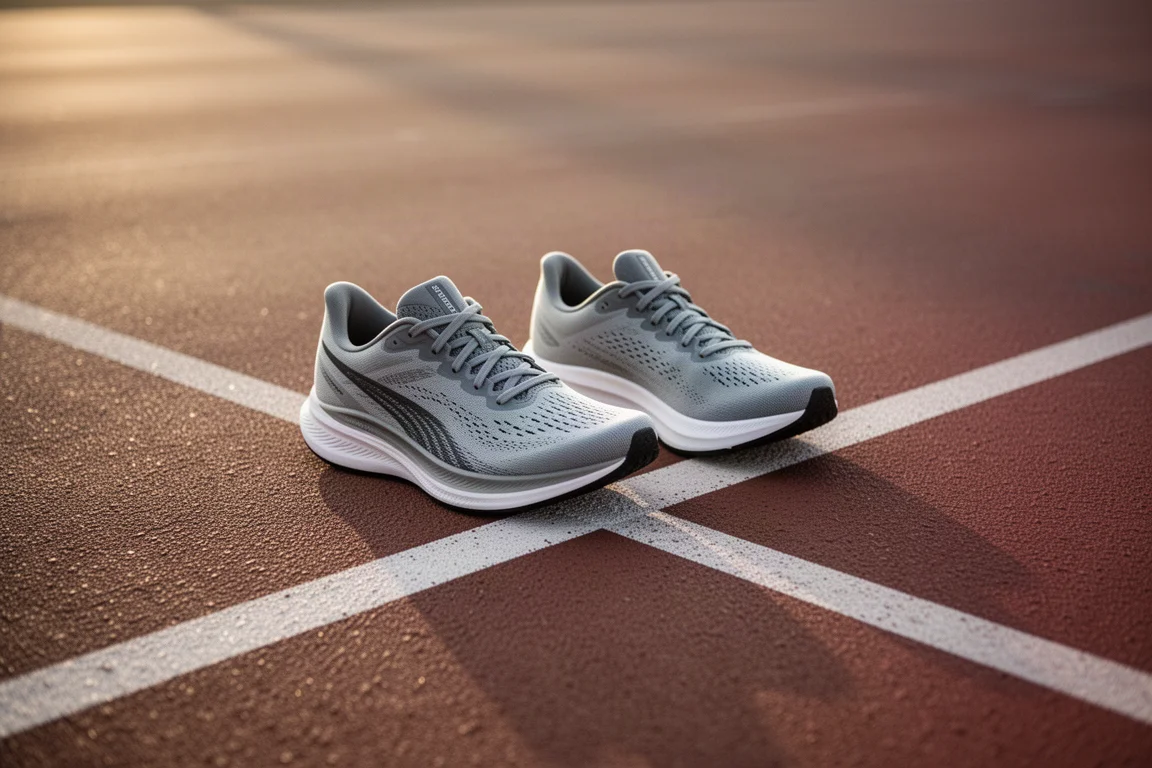
If you want a bit more cushioning, a wider base underfoot, more spring and protection, and a punchier, more energetic ride, and you don’t mind the extra weight and cost, the Mach 5 is the one. If there were one non-race, non-carbon-plate shoe to keep in a collection, this would be it.
Conclusion
The Hoka Rincon 3 and Mach 5 are two of the more compelling lightweight daily trainers around, and both earn their place in a rotation. The choice comes down to priorities: value, lightness, and ground feel favor the Rincon 3, while ride energy, cushioning, and all-round versatility favor the Mach 5. Weighing those trade-offs against how you actually run is the best way to land on the right shoe.
Product link
View more details for Hoka Rincon 3
This product is mentioned in the review. Check the specifications, options, and compatibility before buying.
View more details for Hoka Rincon 3Further reading
Related Reviews

Running Shoes
Best Road-to-Trail Running Shoes: Three Versatile Options for Mixed Terrain
A practical guide to three road-to-trail running shoes that handle both pavement and mild trails, with clear strengths and trade-offs for different runner types.

Running Shoes
Best Running Shoes for Achilles Tendonitis: Three Options Explained
Three running shoes with different heel drops and support features designed to help reduce Achilles tendon pain during walking and running.

Running Shoes
Best Running Shoes for Women: Five Top Choices Ranked
A ranked guide to five women's running shoes, from versatile daily trainers to high-performance racing options, with real strengths and trade-offs for each.