Running Shoes
Hoka Rincon 3 Review: 200 Miles Later, Still a Solid Budget Daily Trainer
After 200-plus miles of testing on roads and light trails, the Hoka Rincon 3 proves light, agile, and more durable than its reputation suggests.
Introduction
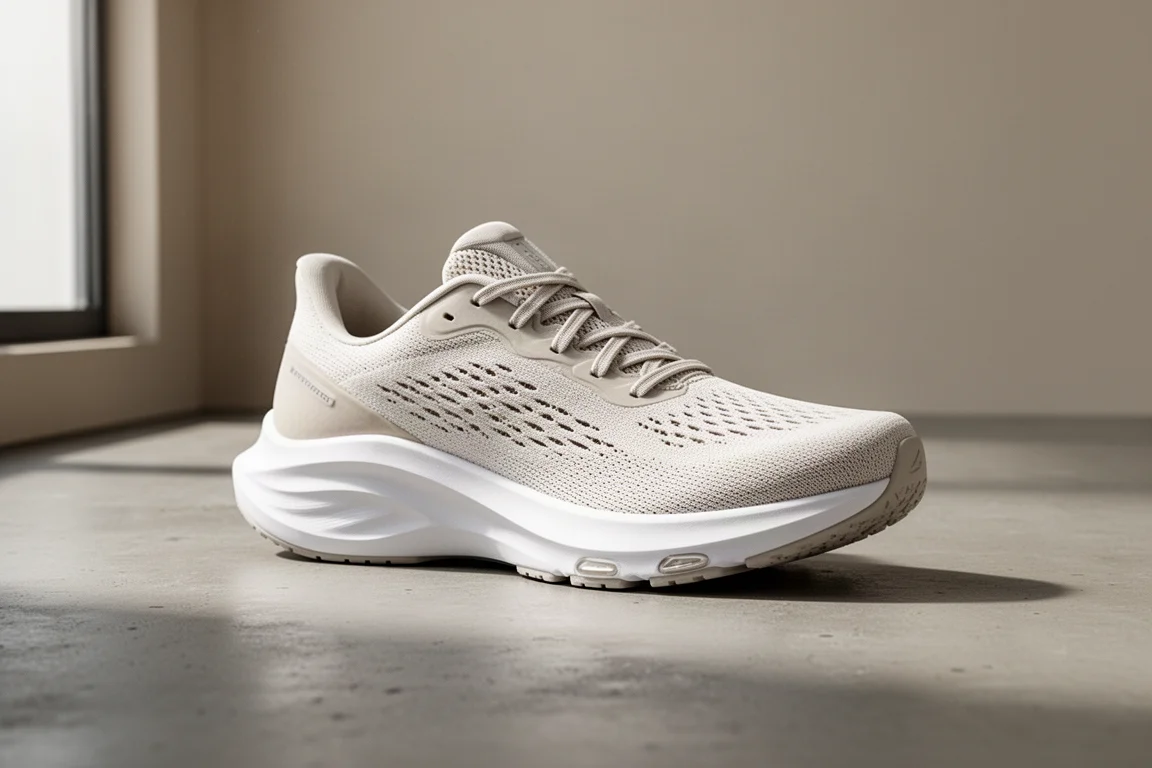
The Hoka Rincon 3 takes some heat for not being quite as durable as some runners would like, so this review puts that criticism to the test. After more than 200 miles on a mix of roads, stony paths, and varied paces, the question is simple: does the shoe hold up, is it better than the Rincon 2, and is it a bargain at the price?
Quick Details and What’s New
The Rincon 3 comes in at 210 grams (7.4 oz) in the men’s version and 176 grams (6.2 oz) in the women’s, with a 5mm drop. It is priced at £105 in the UK or $115 in the US, and wide sizes are available.
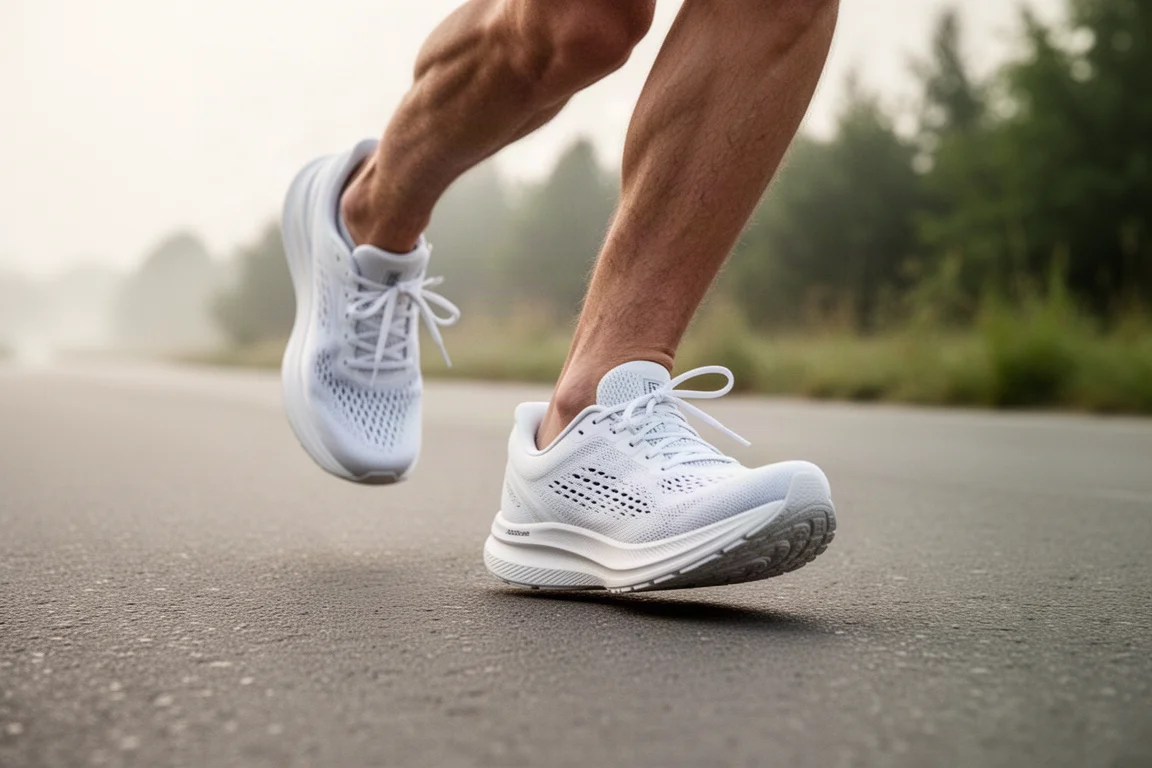
This third generation is meant to be a fast, light, cushioned trainer that can even step up to a bit of racing. You still get a decent slab of molded EVA foam in the midsole paired with an early-stage Meta-Rocker that has been slightly tweaked from the second generation. Notably, the Rincon 3 is lighter than the Hoka Carbon X3 and the Hoka Mach 4, and roughly in the same weight bracket as the Rocket X. What you do not get is the more responsive ProFly foam found in those shoes.
Elsewhere there is a new vented mesh upper and a flatter, thinner foot-wrapping tongue with much less padding than before, though the heel collar keeps a healthy amount of padding for comfort. There is also a slightly accentuated heel tab to help with slipping the shoes on and off, plus high-abrasion rubber zones that protect the EVA midsole and add a bit of grip and durability.
Fit and On the Run
Sizing ran true to size with a good hold around the heel and a nice lockdown across the top. There is a reasonable amount of room in the toe box, so no problems there. Runners with genuinely wide feet sometimes report Hoka fits coming up narrow, but wider sizes are available if that is a recurring issue for you.
Over 200 miles on mixed terrain and paces, the ride itself stays largely the story. These run light and fairly agile, and the uppers have a lovely disappearing feel on foot. The shoe offers a genuine balance of directness, cushioning, and protection that many trainers struggle to hit. It does run a little firmer than some people might like, but for runners who enjoy a direct ground-contact feel, that firmness is a feature rather than a flaw.
Versatility is the real strength here. The lightweight build combined with a still fairly high stack of foam means it copes with long, slow runs, yet it is agile enough to pick up the pace for shorter, faster efforts. It is not a fast-fast training shoe, but it handles runs where you start slower and progress to faster miles, long runs with marathon-pace intervals, and easy recovery jogs alike. It has coped remarkably well on very long three-hour plods, though it would not be the first choice as a marathon or half marathon race shoe. It is capable over that distance, but there are better options for racing.
The Stability and Comfort Story
One quality that becomes especially apparent on long runs is the wide base. It is a good, wide platform that offers reliable stability, particularly for mid-to-forefoot strikers, even when legs are tired and form starts getting ragged.
Then there is Hoka’s trademark bucket-seat feel. Although this feels like a high-stack shoe, the foot actually sits a little lower inside and is held securely in place, which adds to overall comfort and ground feel. Despite the light weight, Hoka has squeezed in decent long-run cruiser cushioning that you would normally only find on heavier, more comfort-oriented shoes.

The early-stage rocker also creates a nice, easy roll through the stride. That makes the shoe feel a little faster and more nimble, particularly at cruising paces where it really comes into its own.
Durability After 200 Miles
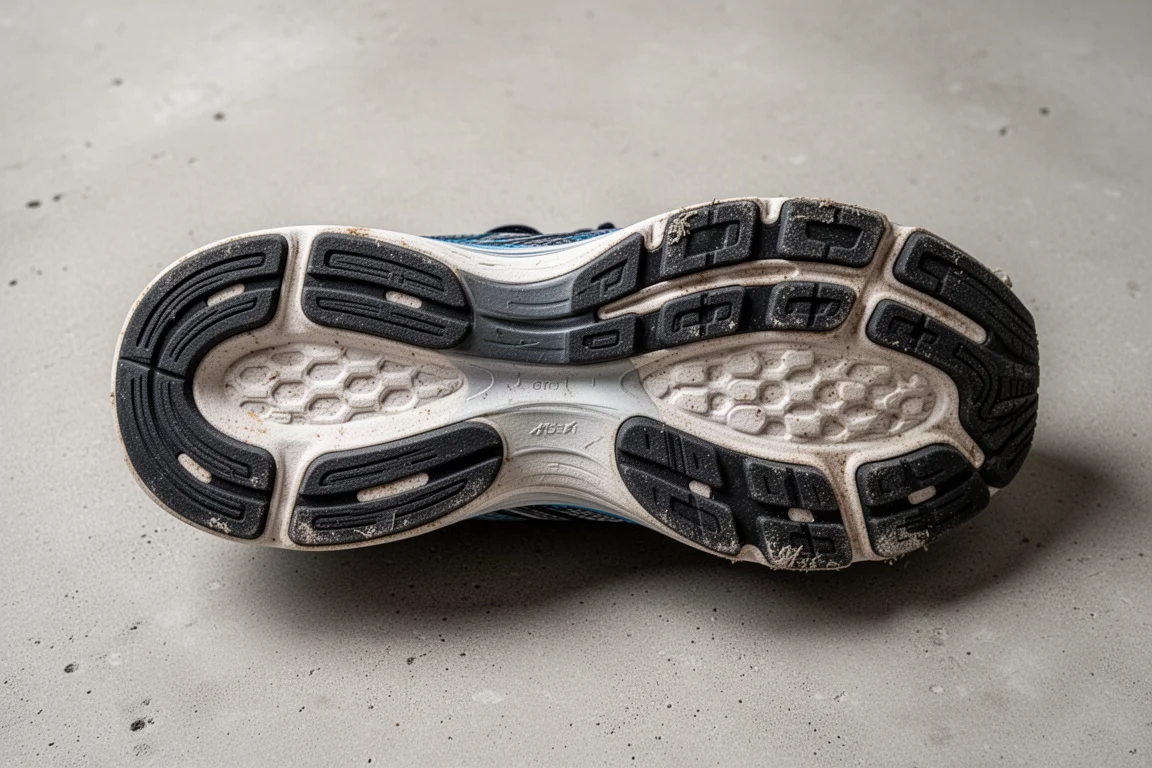
Durability is the major criticism leveled at this shoe, and after 200-plus miles the verdict is surprisingly positive. As a mid-weight runner at around 83 kg, the EVA midsole foam has shown no noticeable loss of performance over those miles. The outsole rubber has done a good job too, with very little wear showing, even in the heel areas that tend to break down early on many shoes.
Some scuffing appeared after taking the shoe onto light, stony trails, but that damage is aesthetic rather than functional. It does not affect the overall performance of the shoe. From a durability standpoint, the Rincon 3 has held up remarkably well.
The Generational Question
The other criticism is that not enough has changed between generations. There is a slightly tweaked upper, though it is not particularly noticeable on the run, and a slight tweak to the Meta-Rocker, but essentially these run very similarly to the Rincon 2. If you liked the second generation, that is great news and you will get pretty much the same ride. If you were not a fan of the Rincon 2, the changes here are unlikely to win you over.
There is a fair argument that other brands have moved on with new foams and that Hoka risks being left behind if it does not upgrade this platform. But this shoe does a very specific job: direct ground contact with a still high stack of midsole foam, in a lightweight package. If you like the Rincon 2, keeping a classic a classic at the same price is fair enough.
How It Compares and Who Should Buy It
After 200-plus miles, the uppers have held up well with no significant wear around the heel collar, and the midsole has lost none of its performance. At £105, these still represent a genuinely good, budget-friendly daily trainer option. They are comfortable, light, and agile, and if you like a firmer, more direct shoe, you will probably enjoy them. If you prefer a softer, squishier ride, look elsewhere.
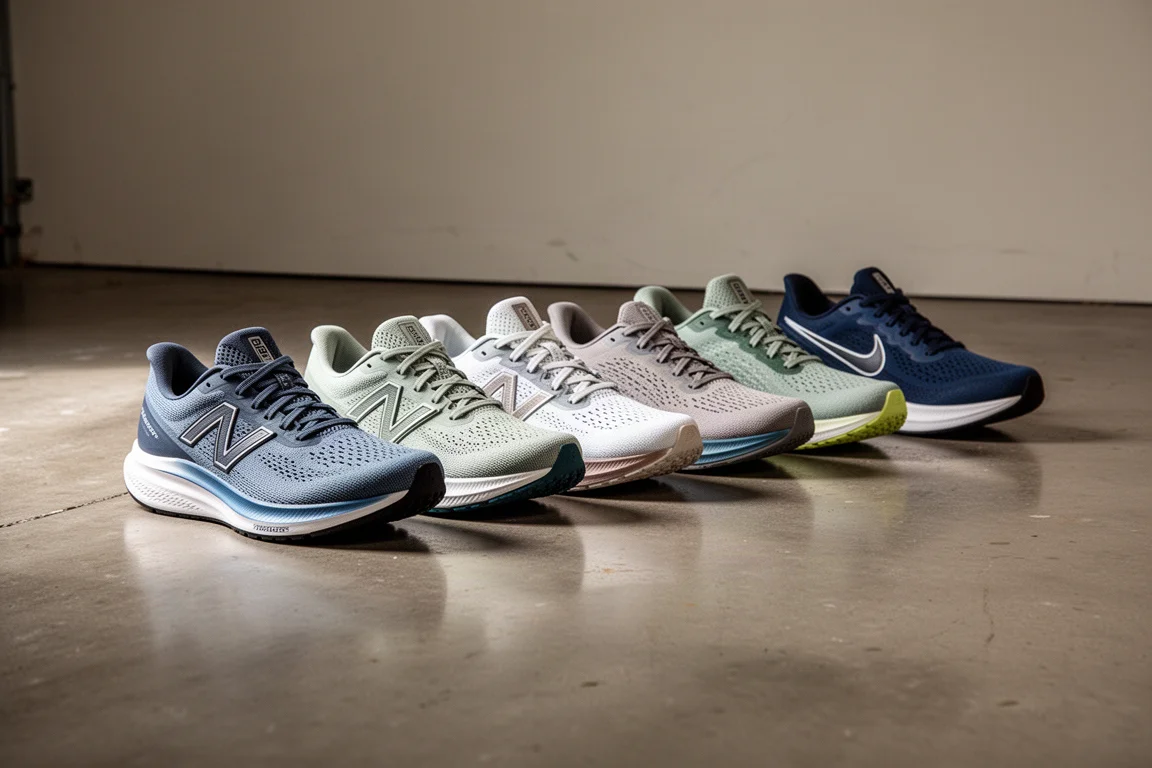
Are there better daily trainers out there? Absolutely. The Saucony Endorphin Speed 2 would do a better job for many, and there is the question of the Mach 4, the Puma Deviate Nitro, and the Adidas Boston 10. But if you liked the Rincon 2, you will like the 3, and if you already own the 2, you do not need to upgrade. If you are adding another pair to a rotation and want the same ride, the 3 will not go wrong. It is a solid workhorse that slots into a range of runs, and given how well the durability has held up, it earns a recommendation as a strong budget option.
Conclusion
The Hoka Rincon 3 is a lightweight, agile daily trainer with a direct ground feel, dependable stability, and durability that outperforms its reputation. Not much separates it from the Rincon 2, but at this price, if the firmer, ground-connected ride appeals to you, it remains a very easy shoe to recommend.
Product link
View more details for Hoka Rincon 3
This product is mentioned in the review. Check the specifications, options, and compatibility before buying.
View more details for Hoka Rincon 3Further reading
Related Reviews

Running Shoes
Best Road-to-Trail Running Shoes: Three Versatile Options for Mixed Terrain
A practical guide to three road-to-trail running shoes that handle both pavement and mild trails, with clear strengths and trade-offs for different runner types.

Running Shoes
Best Running Shoes for Achilles Tendonitis: Three Options Explained
Three running shoes with different heel drops and support features designed to help reduce Achilles tendon pain during walking and running.

Running Shoes
Best Running Shoes for Women: Five Top Choices Ranked
A ranked guide to five women's running shoes, from versatile daily trainers to high-performance racing options, with real strengths and trade-offs for each.