Running Shoes
Hoka Rincon 3 After 100 Miles: A Lightweight Daily Trainer That Finally Holds Up
One hundred miles of easy runs, speed work, and travel later, we check whether the Rincon 3's durability concerns are actually solved.
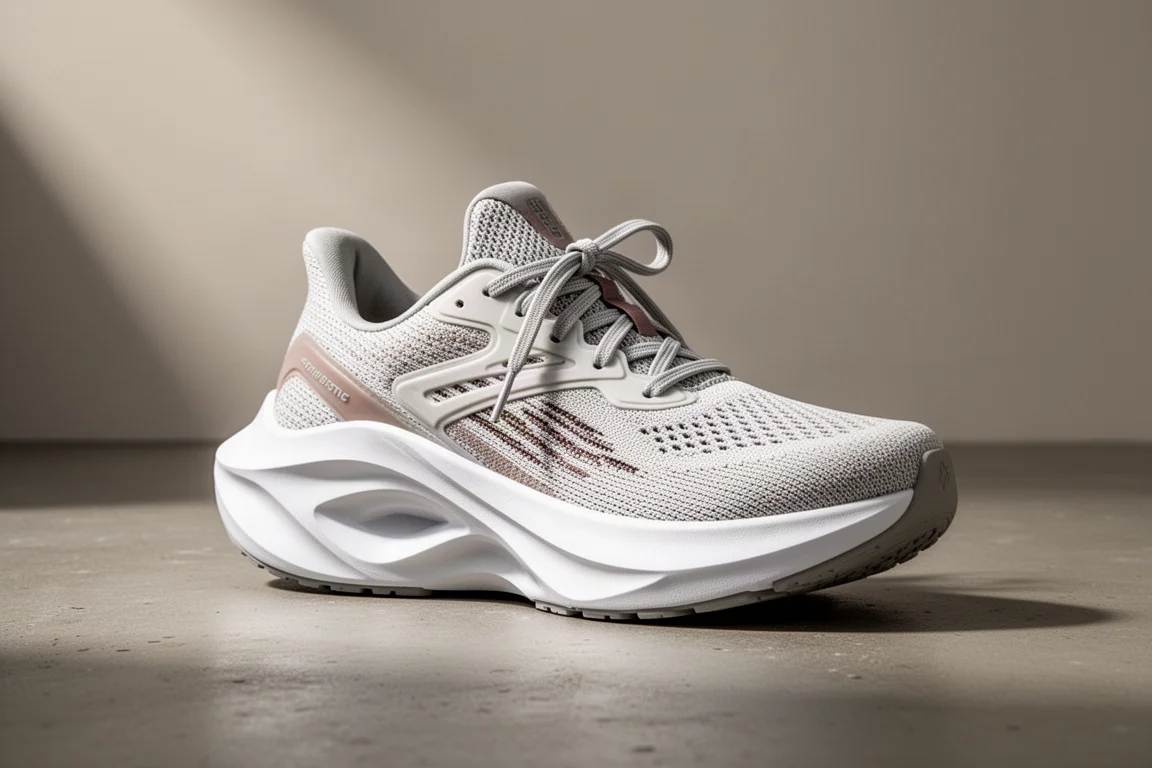
Introduction
The Rincon 3 has long been one of Hoka’s most appealing lightweight trainers: a do-it-all shoe that works for easy mileage but really comes alive when you want to pick up the pace. The one criticism that has followed the line from the start is durability. It simply did not hold up over the miles the way many runners hoped.
So what happens after 100 miles in version 3? The short answer: it holds up better than either of the first two Rincons, though it still gives up a little longevity compared with some shoes at a similar price point and use case. For runners who prioritize a light, quick daily trainer, that trade is worth a close look.
Who This Shoe Is For
The Rincon 3 works best as an everyday trainer with a bias toward pace changes. Think of a ten-mile easy run where you throw in a set of short strides late in the session, or 5K pace work with 800-meter intervals. The shoe delivers quick turnover and a fast feeling when pushing off the toes, and it stayed capable all the way up to roughly mile pace in testing.
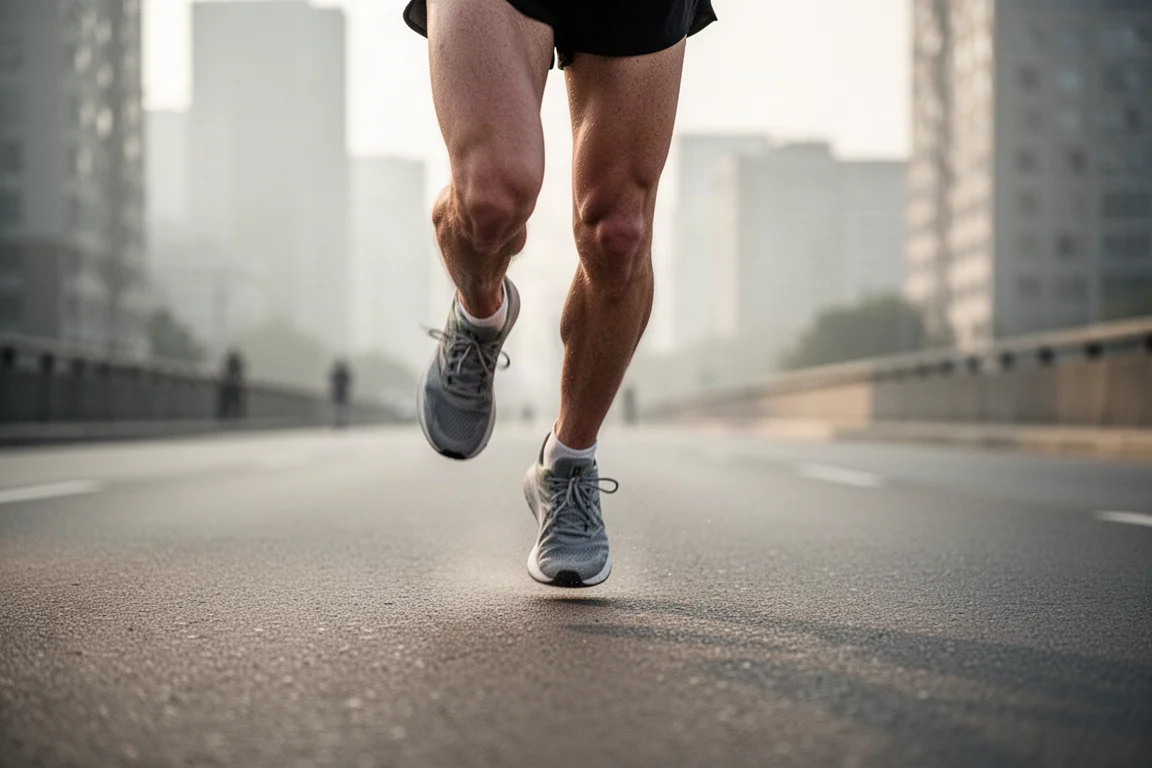
It also fits a specific kind of day: lots of time on your feet mixed with sudden bursts of hard running. The compression molded EVA midsole stays comfortable for long periods of standing and walking, then transitions to fast running without asking you to think about it. That range, from a literal standstill to a sprint, is the shoe’s core strength.
If your preference is simply a lighter-weight daily trainer, this shoe fits that bill too. It even works well as a travel shoe, with a roomy toe box that stays comfortable when feet swell on long flights or full days in airports.
How It Performs Across Pace Ranges
In easy running, the Rincon 3 is comfortable and unobtrusive. In speed workouts, it stands out. The shoe handles quick cadence changes well and feels lively when you push off the toes, which is unusual for a shoe this light without any plate.
The midsole is compression molded EVA with no plate or other internal structure, paired with a strategically placed rubber outsole for traction. That simple construction is a big part of why it feels nimble, and it is also where the durability story begins.
Durability After 100 Miles
Durability was always the biggest question mark for this shoe. After 100 miles, the verdict is genuinely positive: the Rincon 3 is holding up better than the previous two versions did.
That said, compression molded EVA does compress over time. Visible creasing in the midsole indicates the foam is starting to lose some of its liveliness, and this midsole does lose a bit of life faster than some comparable shoes.
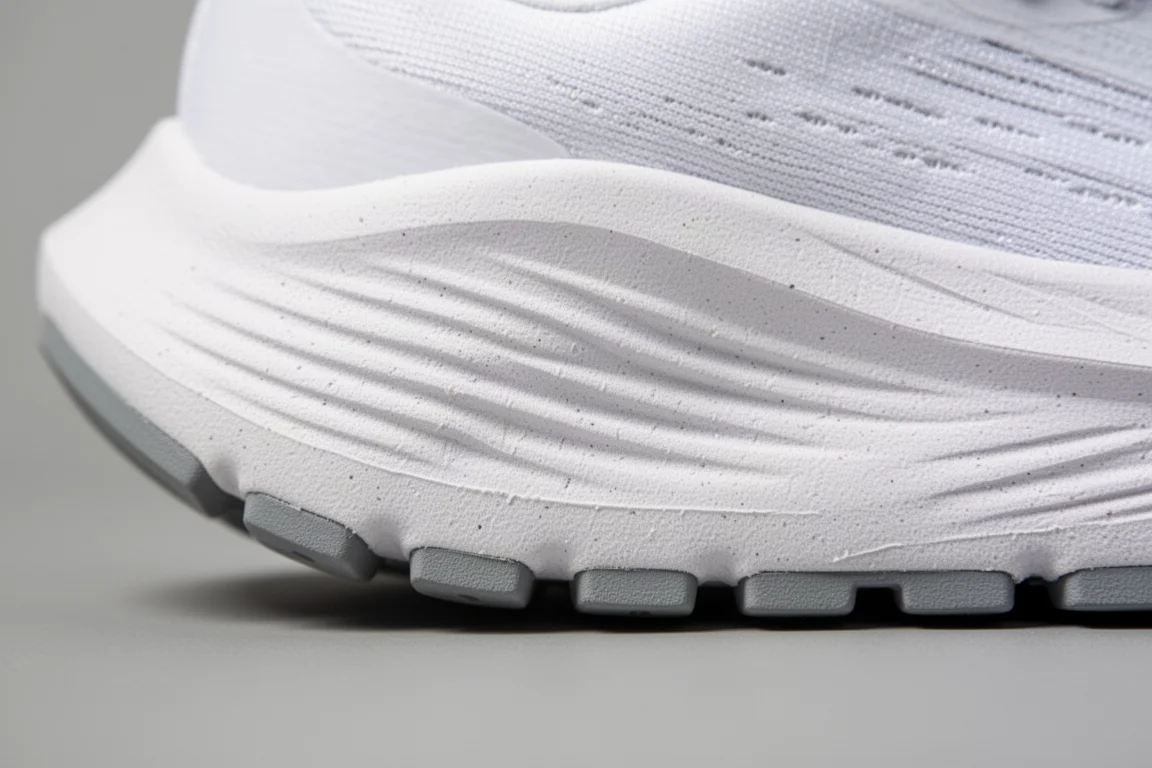
Even so, the shoe still absorbs road impact well and remains fully capable of faster work, which is what matters most in practice.
The bigger improvements come from the outsole. Hoka changed the rubber layout, adding an extra row of small rubber pods and repositioning them so the high-traffic areas that got chewed up in version 2 now see only normal rubber wear instead of direct foam contact. Some exposed foam sections do show light scuffing where they touch pavement, but the pods are doing their protective job well.
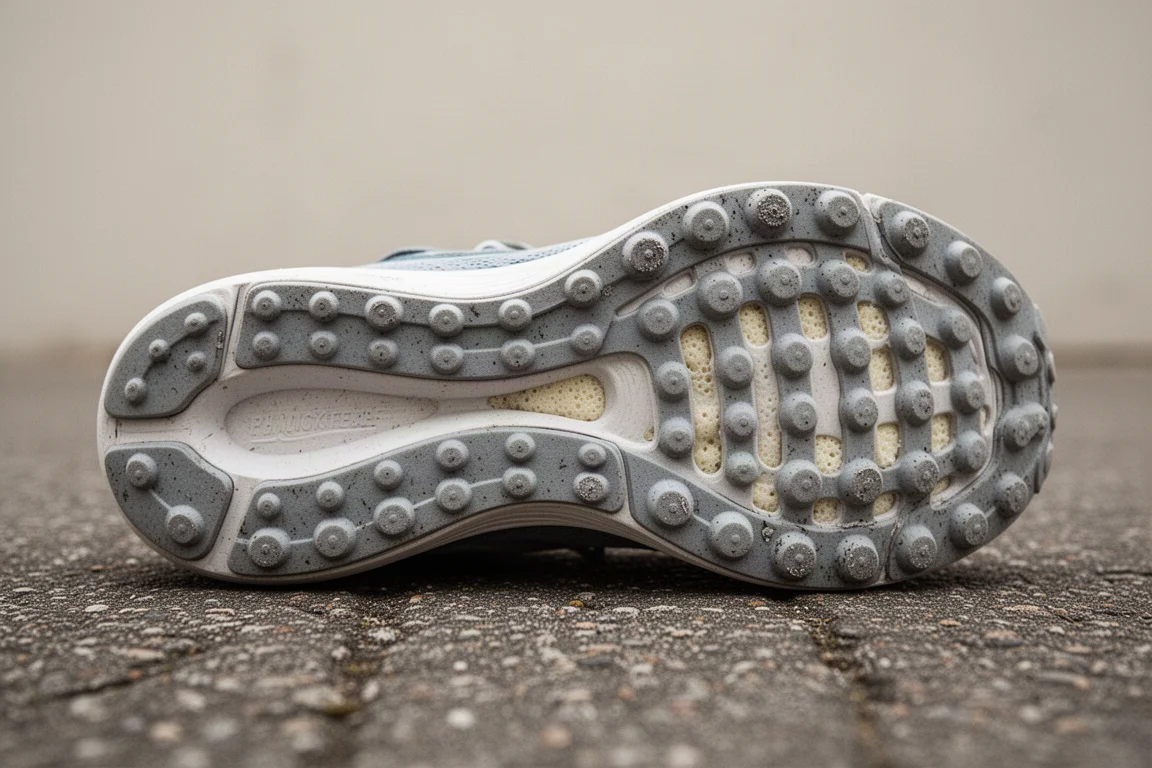
One caveat: the rubber is a soft compound. That helps grip, but it wears down a little faster than you would typically expect at 100 miles. The upper, meanwhile, shows no signs of wear or material failure after 100 miles. It remains comfortable, breathable, and true to size for most runners. Even the small pull tab at the heel, which seemed destined to rip early, survived intact and still functions.
Things to Consider Before Buying
The durability trajectory is improving, but it is not solved. Expect the midsole foam to compress a bit sooner than in some similar shoes, and expect the soft rubber to show wear at a quicker rate than harder compounds. Neither issue prevented the shoe from handling a ten-mile run with strides late in testing, and there is no hesitation about continuing to run similar sessions in it for many more miles.
If you want a plated super trainer or maximum longevity above all else, other options make more sense. If you want a light, versatile daily trainer that handles everything from standing around to mile pace, the Rincon 3 is a strong pick.
Buying Advice
Buy the Rincon 3 if your running mix includes mostly easy mileage with regular pace changes, or if you simply prefer a lightweight trainer for everyday use. Go true to size; that was the right call in testing and is likely the right call for most runners. It is also a sensible choice for runners who travel frequently and want one shoe that handles long days on foot and sudden hard efforts.
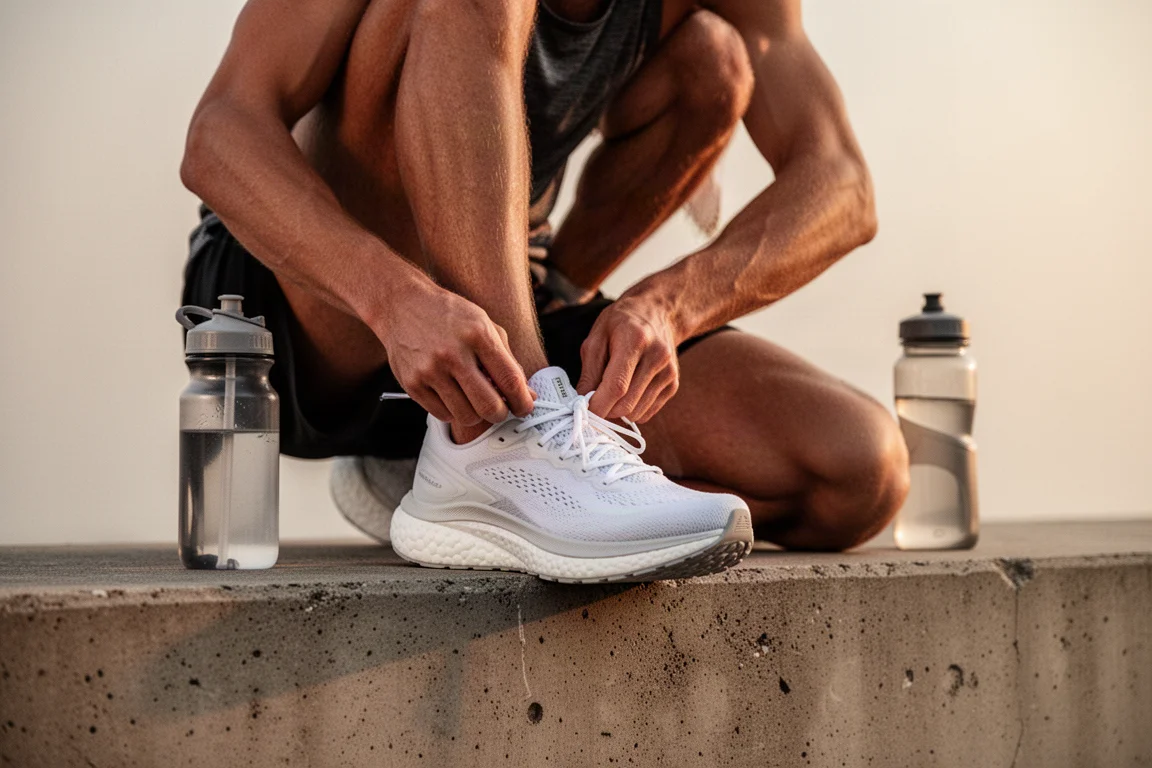
Anyone prioritizing long-term midsole resilience above everything else should weigh that against the shoe’s clear strengths in comfort, versatility, and improved outsole durability.
Conclusion
After 100 miles, the Rincon 3 looks like the most durable version of the line yet. The midsole still compresses a little faster than some rivals, and the soft rubber wears quicker than average, but the redesigned outsole pods protect the foam where it matters. For a lightweight daily trainer that comfortably spans easy runs, speed work, travel days, and everything in between, the Rincon 3 earns its place in the rotation.
Product link
View more details for Hoka Rincon 3
This product is mentioned in the review. Check the specifications, options, and compatibility before buying.
View more details for Hoka Rincon 3Further reading
Related Reviews

Running Shoes
Best Road-to-Trail Running Shoes: Three Versatile Options for Mixed Terrain
A practical guide to three road-to-trail running shoes that handle both pavement and mild trails, with clear strengths and trade-offs for different runner types.

Running Shoes
Best Running Shoes for Achilles Tendonitis: Three Options Explained
Three running shoes with different heel drops and support features designed to help reduce Achilles tendon pain during walking and running.

Running Shoes
Best Running Shoes for Women: Five Top Choices Ranked
A ranked guide to five women's running shoes, from versatile daily trainers to high-performance racing options, with real strengths and trade-offs for each.