Trail Running Shoes
Hoka One One Speedgoat 4 Review: A Trail Shoe Built for Long Days
A detailed look at the Hoka One One Speedgoat 4 after 300 plus kilometres of trail running, hiking and backpacking, including grip, cushioning, fit and durability trade-offs.
Introduction
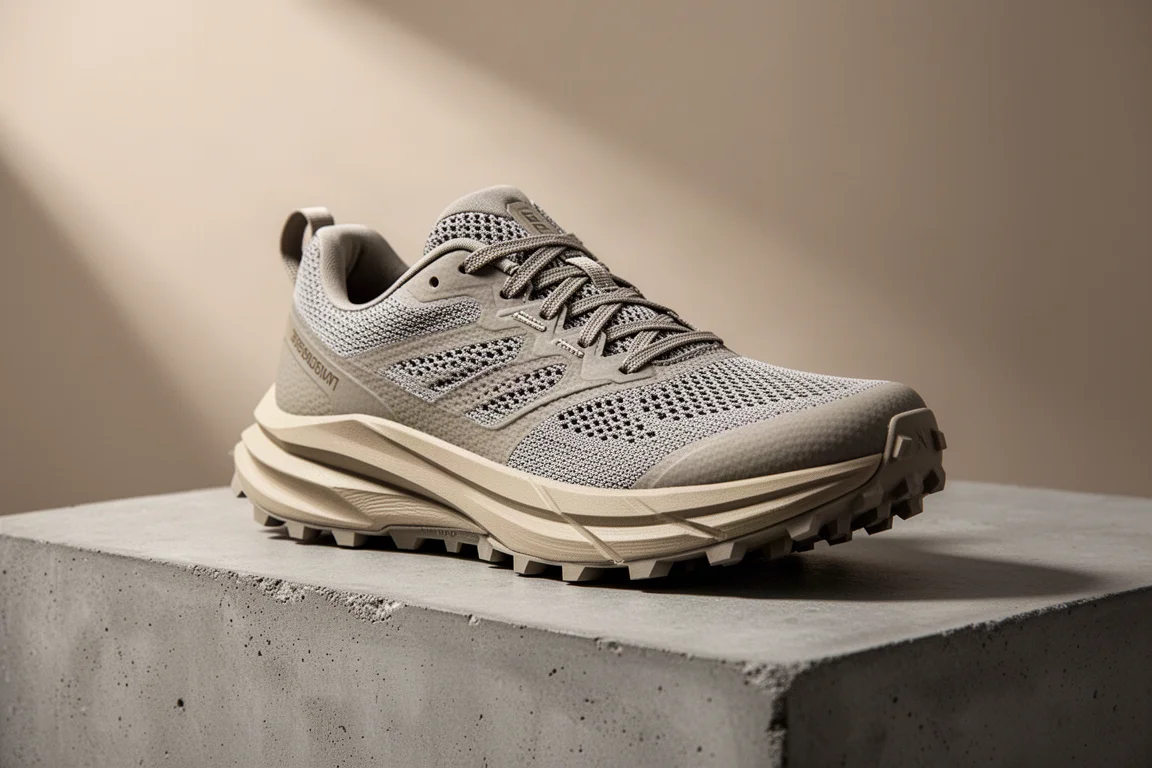
Cushioned trail shoes often ask you to trade grip for comfort, or comfort for stability. The Hoka One One Speedgoat 4 sets out to avoid that trade-off, pairing a Vibram Megagrip outsole with a thick EVA foam midsole. After more than 300 kilometres of trail running, hiking and backpacking, the shoe has proven durable and predictable on technical ground. It is not flawless, and a couple of small issues are worth knowing about before you commit, but the overall package makes a strong case for long days out.
Who This Shoe Is For
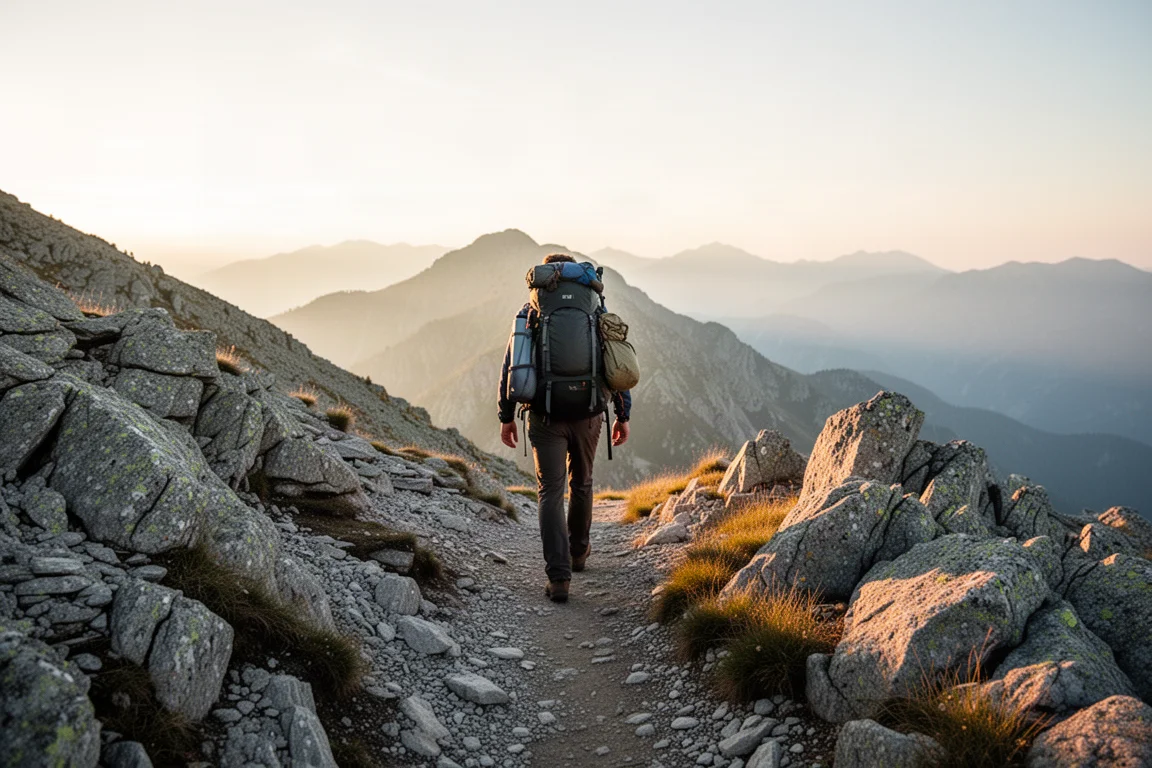
This is a shoe for people who cover real distance on mixed terrain. It suits trail runners who want a tall stack of cushioning without losing ground feel, hikers carrying a light pack, and backpackers who alternate between rocky ridgelines and muddy, root-covered climbs. If your outings regularly run past the four or five hour mark, the cushioning is where the shoe earns its keep.
It also works for a slightly wider forefoot. The regular width is cut a little roomier than some road-oriented Hoka models, so a moderately wide foot fits without stepping up to the wide version, which is also available if you need more space.
Water crossings are another point in its favour. The standard non-waterproof build takes on water but dries within 30 minutes to an hour when worn with a thin synthetic sock. A waterproof version exists, and it will hold moisture noticeably longer, so the non-waterproof model is the more practical choice if you are regularly in and out of streams.
Main Strengths
Three areas stand out: the outsole, the midsole, and the way the shoe locks the foot in place.
Outsole Grip and Durability
The outsole uses Vibram Megagrip, a compound that stays sticky on wet rock and keeps traction in snow and mud. That grip is what makes the shoe feel dependable on technical ground, where a slip costs far more than a few seconds.
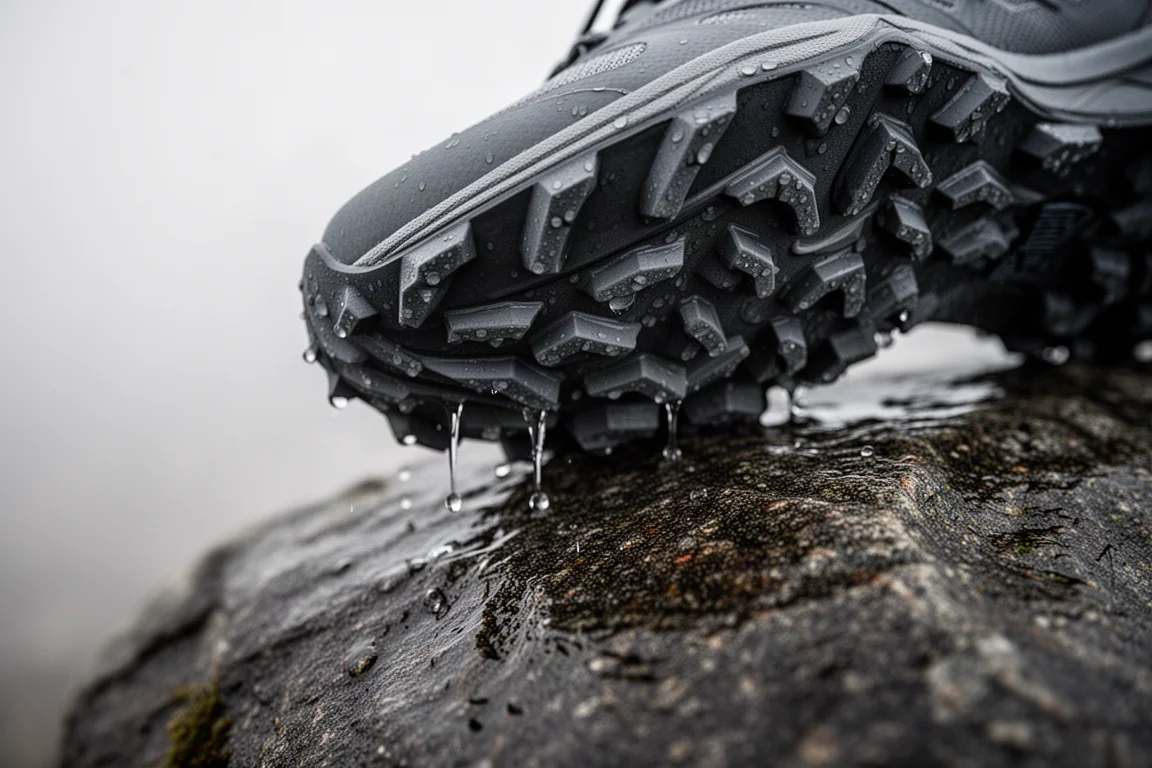
Durability matters just as much. After more than 300 kilometres the outsole is holding up well, with no meaningful wear to show for the distance covered.
Midsole Cushioning and Stability
The midsole is thick and built from EVA foam. A stack height this tall usually raises questions about stability and ground feel, but it strikes a good balance: enough cushioning that feet are not sore at the end of a long day, and not so much that the ride feels unstable or disconnected from the trail. Technical running and hiking have both been comfortable.
The foam has also proven durable. After 300 kilometres there are no compression issues, while other shoes in the same rotation started to show foam compression at the 200 to 300 kilometre mark.
Upper, Breathability, and Fit
The upper is a tight mesh. It breathes well enough that cool-weather runs do not leave feet overheating, although in genuinely hot conditions the tight weave can start to feel warm.
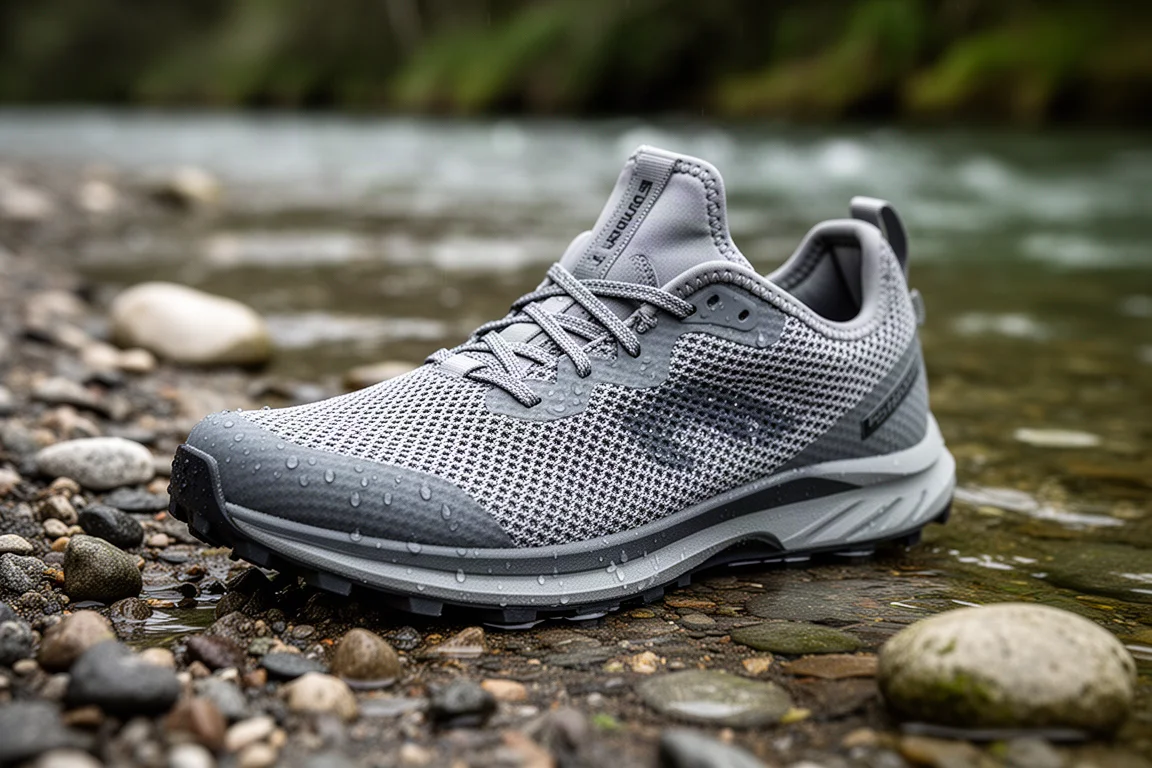
That same tight weave is what makes the upper durable. Bushwhacking and rough terrain have not produced cuts or slices in the material. The main durability caveat is cosmetic: on one shoe the toe overlay began to peel, with a smaller amount of peeling along the side. It does not affect structural stability.
Expect a short break-in period. The upper feels inflexible at first and can create odd pinch points where it folds, but it loosens up considerably after 10 to 20 kilometres, which also helps a wider foot settle into place.
Gusseted Tongue and In-Shoe Comfort
The gusseted tongue is one of the more practical details. With the laces fully loosened, the foot slides in like a slipper. At camp, the laces can be let out and the insole removed so the shoe dries and the feet breathe, which removes the need to carry camp shoes.
Inside, the heel locks down securely with no rubbing, tearing or abrasion. The stock insole may feel a little mushy for some people, or simply too soft for very long hiking days. Swapping in a firmer, more supportive insole is an easy fix.
Things to Consider Before Buying
- Overlay peeling at the toe and along the side, which is cosmetic but visible over time.
- A break-in period of roughly 10 to 20 kilometres, with possible pinch points at first.
- Warm feet in genuinely hot weather, a direct consequence of the tight, durable mesh.
- A soft stock insole that some buyers will want to replace for long hiking days.
- Waterproofing is a trade-off: the waterproof version keeps water out but holds moisture much longer once it gets in.
Buying Advice
Match the shoe to your water crossings first. If you are regularly wading through creeks, the standard non-waterproof build is the one to get, since it dries in 30 minutes to an hour with a thin synthetic sock. The waterproof version makes more sense for cold, wet conditions where staying dry matters more than drying fast.
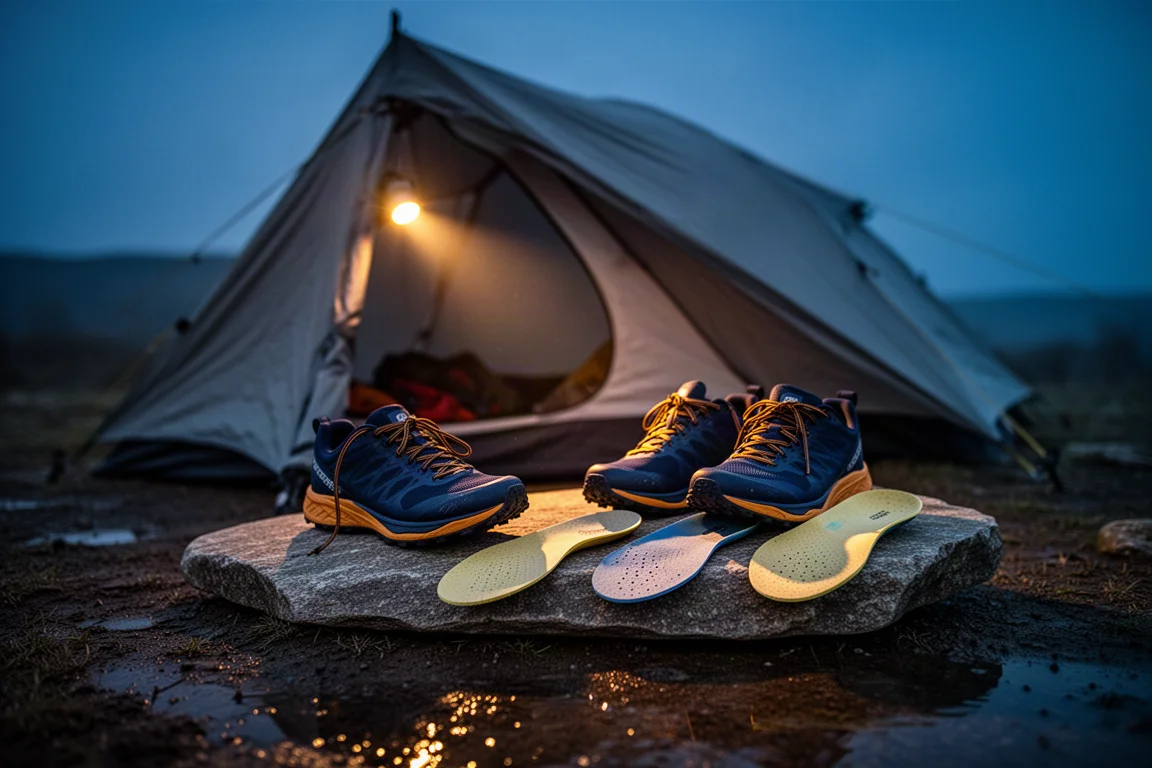
If your forefoot is wide, start with the regular width, since it is cut a little roomier than some Hoka road shoes, and keep the wide version as a fallback. If you plan long hiking days with a pack, budget for a firmer aftermarket insole. And plan on a short break-in period rather than judging the fit in the first few kilometres.
The shoe has already been chosen for a 1,100 kilometre long-distance route, which says something about how much confidence it inspires on multi-week trips.
Conclusion
The Hoka One One Speedgoat 4 gets the fundamentals right: sticky Vibram Megagrip traction, a cushioned EVA midsole that stays stable on technical ground, and a secure heel that has held up over hundreds of kilometres. The trade-offs are minor and mostly cosmetic, plus a short break-in and a soft stock insole. For trail runners, hikers and backpackers who want one shoe to handle long days on varied terrain, it is a well-rounded choice.
Product link
View more details for Hoka One One Speedgoat 4
This product is mentioned in the review. Check the specifications, options, and compatibility before buying.
View more details for Hoka One One Speedgoat 4Further reading
Related Reviews
Trail Running Shoes
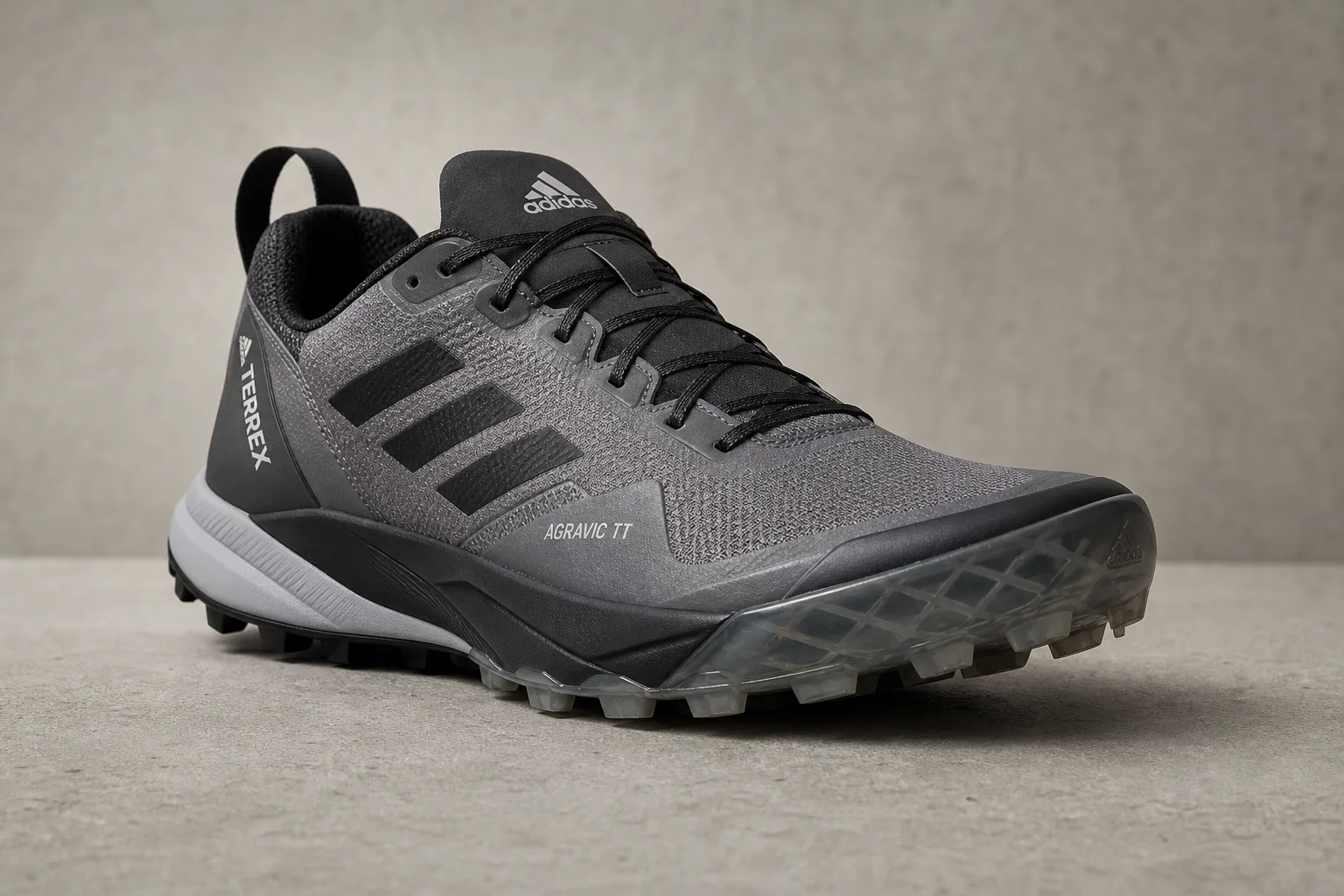
Adidas Terrex Agravic TT Review: A Technical Trail Shoe Built for Rocky Terrain
The Adidas Terrex Agravic TT combines a full-coverage rock plate with a firmer midsole to deliver protection and stability on technical, rocky trails. A capable choice for runners who prioritize underfoot defense over lightweight cushioning.
Trail Running Shoes
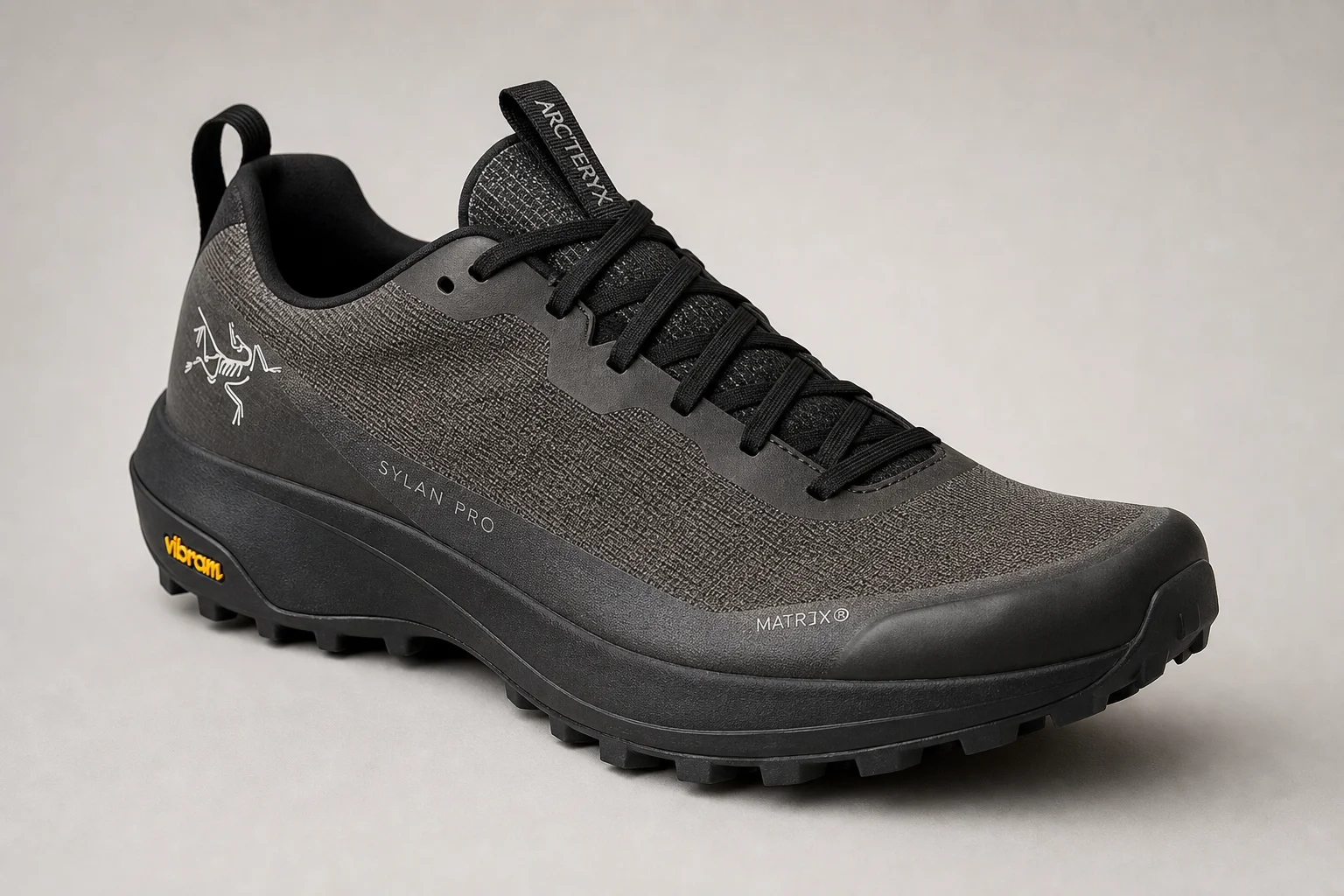
Arc'teryx Sylan Pro Review: A Rocker-Focused Mountain Running Shoe Tested on 20 Miles
The Arc'teryx Sylan Pro brings a pronounced rocker geometry and secure fit to mountain terrain. We tested it on a 20-mile Sawtooth loop to evaluate its climbing efficiency, protection, and handling of technical descents.
Trail Running Shoes
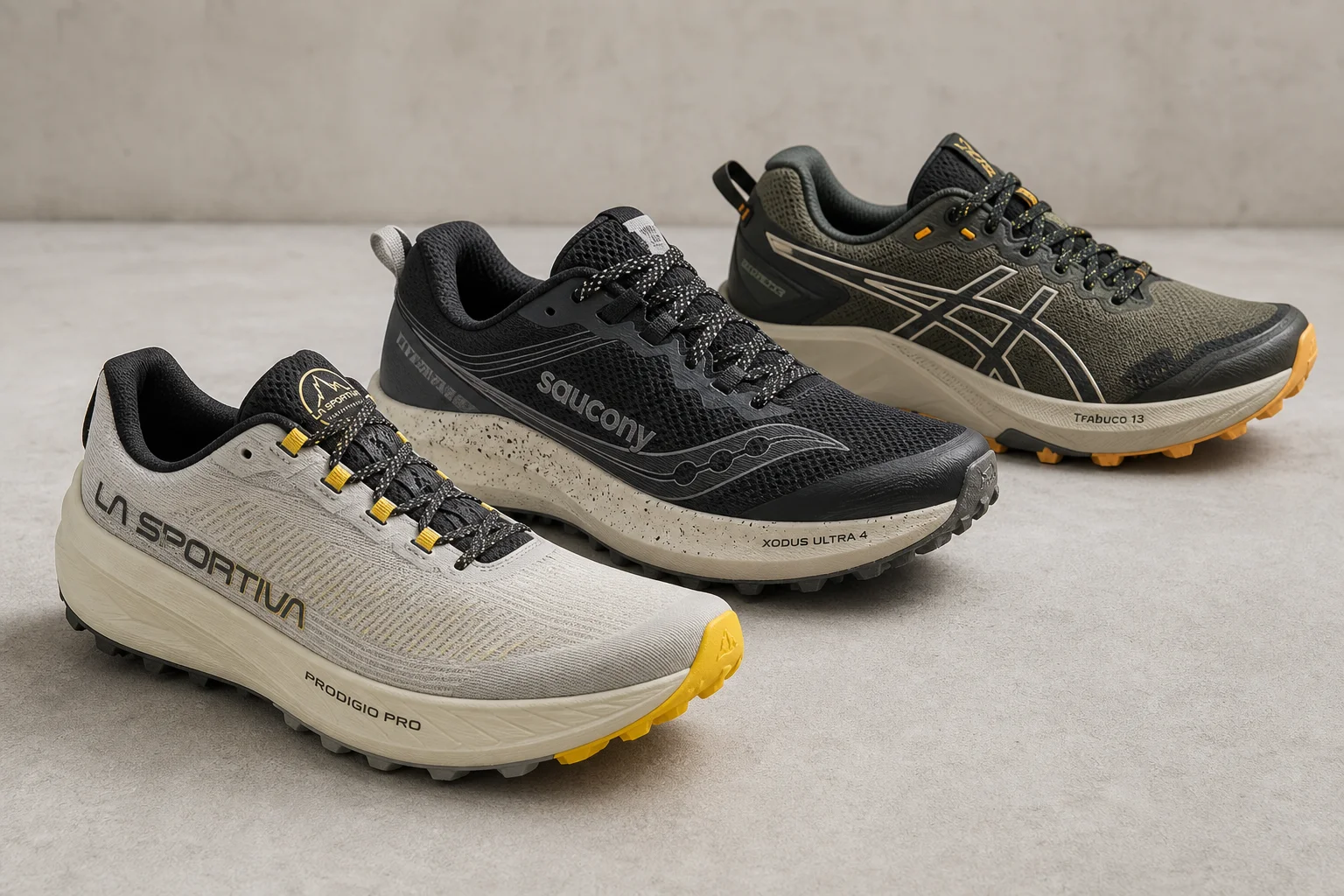
Best All-Mountain Trail Running Shoes: Three Versatile Options for Any Trail
A focused roundup of three all-mountain trail running shoes that handle technical terrain, long distances, and variable conditions with real strengths and practical trade-offs.