Running Shoes
Hoka One One Bondi X Review: A Cushioned Daily Trainer With a Confusing Carbon Plate
A maximal-cushion Bondi with a carbon plate and extended rocker. Comfortable for easy miles, but the price and the plate raise questions.
Introduction
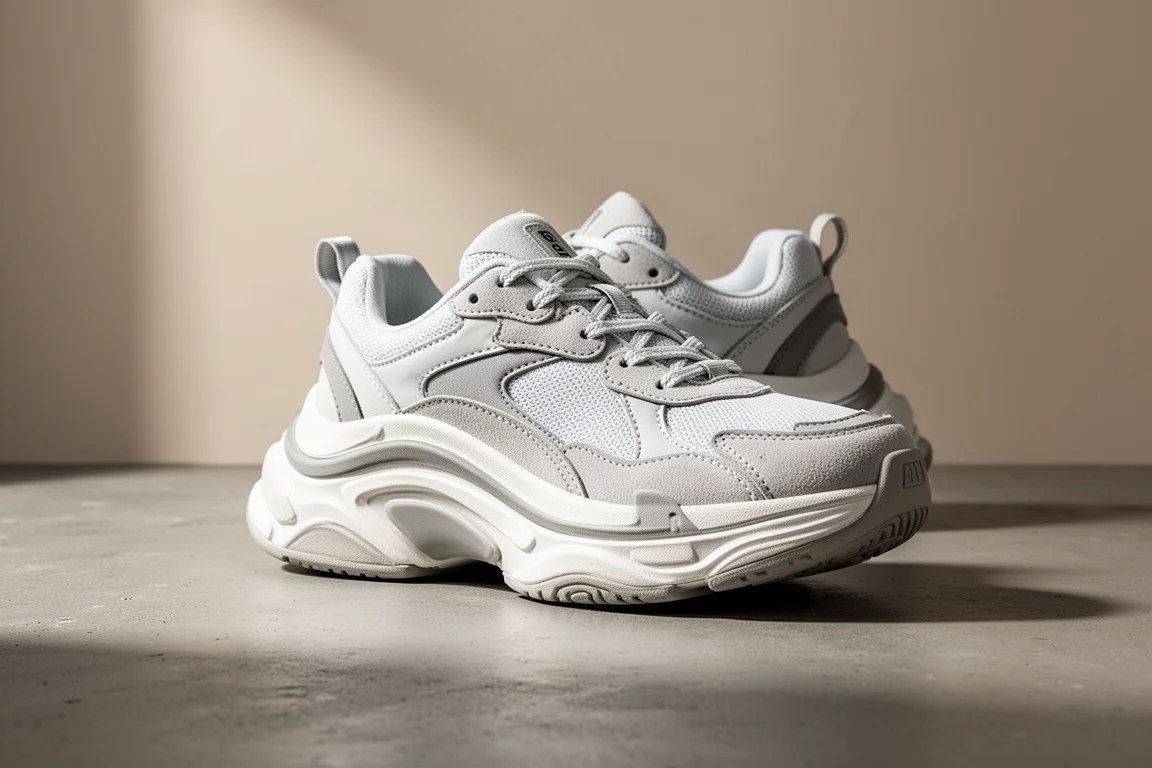
The Hoka One One Bondi X takes the popular Bondi design and adds a carbon fiber plate, with Hoka promising more efficient movement per stride and an extended rocker for increased acceleration. It costs £180 / $200, weighs 288g (10.6 oz) for men in size eight, and has a 5mm drop.
After extended testing by several experienced runners, the picture is mixed. As a comfortable easy-run shoe it works fine. As a carbon plate shoe, it leaves a lot of questions unanswered, and the price makes those questions harder to ignore.
Who This Product Is For
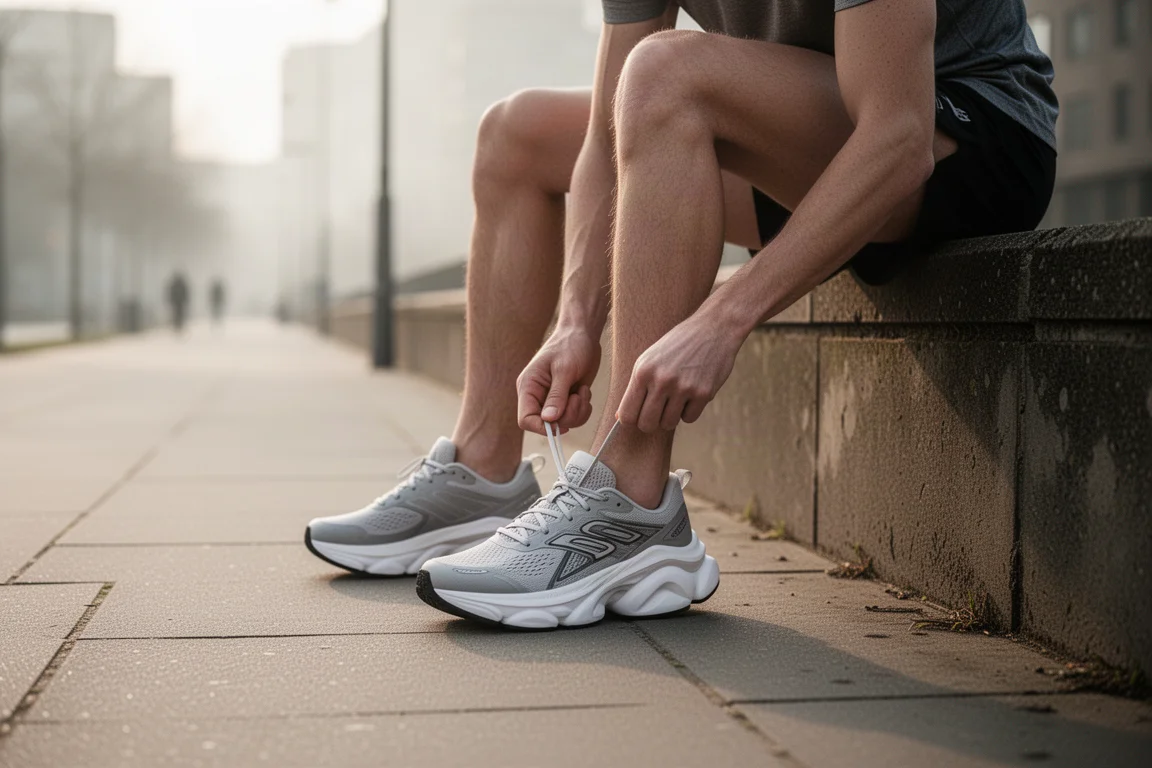
This is a shoe for runners who want maximum cushioning for easy, steady, and long runs, and who already like the Bondi formula. If you are a devoted Bondi fan and want a shoe that might also cover faster training sessions, the Bondi X is aimed squarely at you.
It is not aimed at runners shopping for a carbon plate racing shoe. Compared with dedicated racing shoes, it is a very different animal, and expecting super shoe propulsion here will end in disappointment.
Main Strengths
The cushioning is the headline. The maximally cushioned EVA midsole matches the Bondi series style but adds an extended crash pad for extra softness on landing, and the soft feel is most noticeable through the midsole and toward the forefoot.
The extended rocker genuinely helps the shoe flow. On longer runs, and especially on progression runs where you settle into a rhythm and gradually go through the gears, the ride feels natural and comfortable. One tester described it as the faster, younger little brother of the Bondi: lighter, and quicker on a long run.
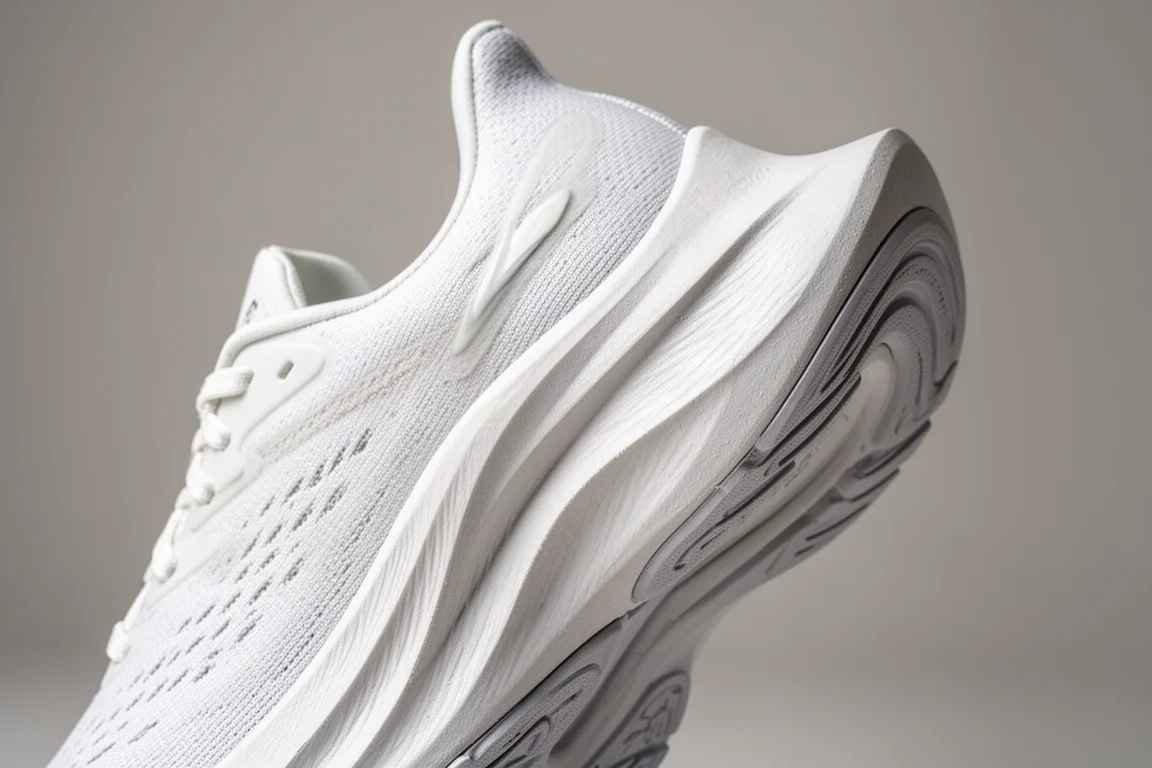
The upper is also lighter than the classic Bondi, with a slimmer racing-style tongue, breathable mesh with embroidered TPU yarn, and a heel tab for easier on-and-off. The outsole rubber adds grip and protects the midsole foam.
Things to Consider Before Buying
The carbon plate is the sticking point. Testers consistently struggled to feel any propulsive snap from it. On speed sessions, one tester needed about half a mile before any snap appeared, and even then it was not enough. Another simply could not see why the plate is there at all, concluding that it mostly makes the shoe stiffer and harder.
The heel is a recurring complaint. A clunky, cumbersome sensation in the heel never went away across runs, and it became especially noticeable at quicker paces. There is also a quirk with the extended heel: it catches on the back of stairs, which makes walking down steps feel oddly precarious.

Fit has mixed reports. One narrow-footed tester found it true to size but tight around the forefoot, typical of Hoka. Another found the shoe wide and accommodating, particularly in the midfoot, but noted heel slippage against the softly padded collar and wished the thin tongue were a few centimeters longer. A third, with slightly wider than average feet, found it not generous in width, though the forgiving upper prevented any rubbing. If you have wide feet, this may not be the shoe for you.
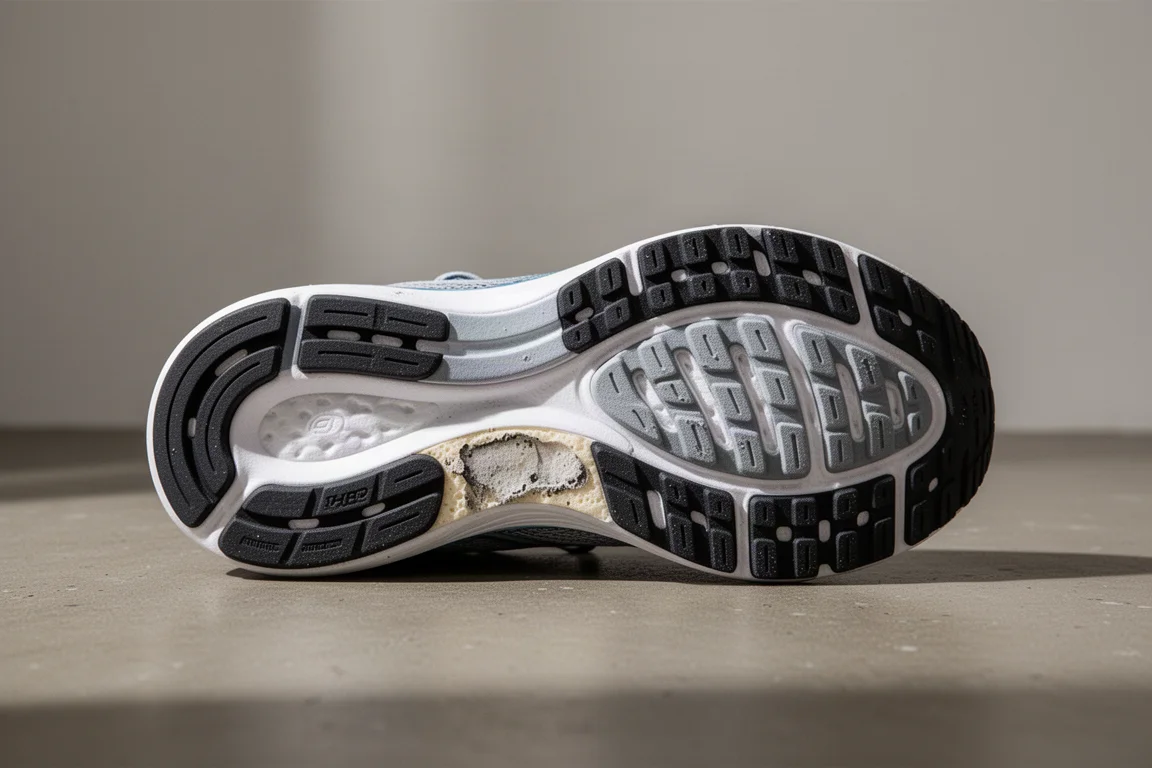
Durability is also worth watching: one tester saw wear on the exposed midsole section after only 50k.
Buying Advice
At £180 / $200, this is an expensive shoe for what it delivers. Plenty of max-cushion shoes do a similar job for considerably less, and alternatives mentioned include the Saucony Triumph 19, the softer Asics Novablast 2, and the solid Puma Magnify Nitro, all with big cushion stacks and arguably more energetic rides. Even some carbon plate training shoes, like the New Balance FuelCell TC, or the firmer Saucony Endorphin Speed with its nylon plate, sit in this space.
The honest verdict: judged purely as a comfortable daily trainer, with no plate and no price tag mentioned, it is not a bad shoe. Add the plate and the price, and the value case gets shaky. Buy it only if you are a committed Bondi loyalist who wants one shoe covering long runs plus the occasional tempo session. Otherwise, the classic Bondi 7 remains the better buy for long runs, and dedicated racers should look elsewhere.
Conclusion
The Bondi X is a genuinely comfortable, softly cushioned shoe built for easy and steady miles, with a rocker that shines on longer efforts. But the carbon plate adds little beyond stiffness, the heel feels clunky at pace, and the price is hard to justify when cheaper cushioned shoes do the same job. A solid easy-day trainer wrapped in a confusing, costly plate package.
Product link
View more details for Hoka One One Bondi X
This product is mentioned in the review. Check the specifications, options, and compatibility before buying.
View more details for Hoka One One Bondi XFurther reading
Related Reviews

Running Shoes
Best Road-to-Trail Running Shoes: Three Versatile Options for Mixed Terrain
A practical guide to three road-to-trail running shoes that handle both pavement and mild trails, with clear strengths and trade-offs for different runner types.

Running Shoes
Best Running Shoes for Achilles Tendonitis: Three Options Explained
Three running shoes with different heel drops and support features designed to help reduce Achilles tendon pain during walking and running.

Running Shoes
Best Running Shoes for Women: Five Top Choices Ranked
A ranked guide to five women's running shoes, from versatile daily trainers to high-performance racing options, with real strengths and trade-offs for each.