Running Shoes
Hoka Max 6 First Run Review: A Lightweight Daily Trainer That Wants You to Run Faster
Hoka's new lightweight neutral daily trainer pairs a supercritical foam midsole with a plush, breathable upper. Our first run in wet, windy conditions revealed a lot to like, plus one sizing caveat.
Introduction
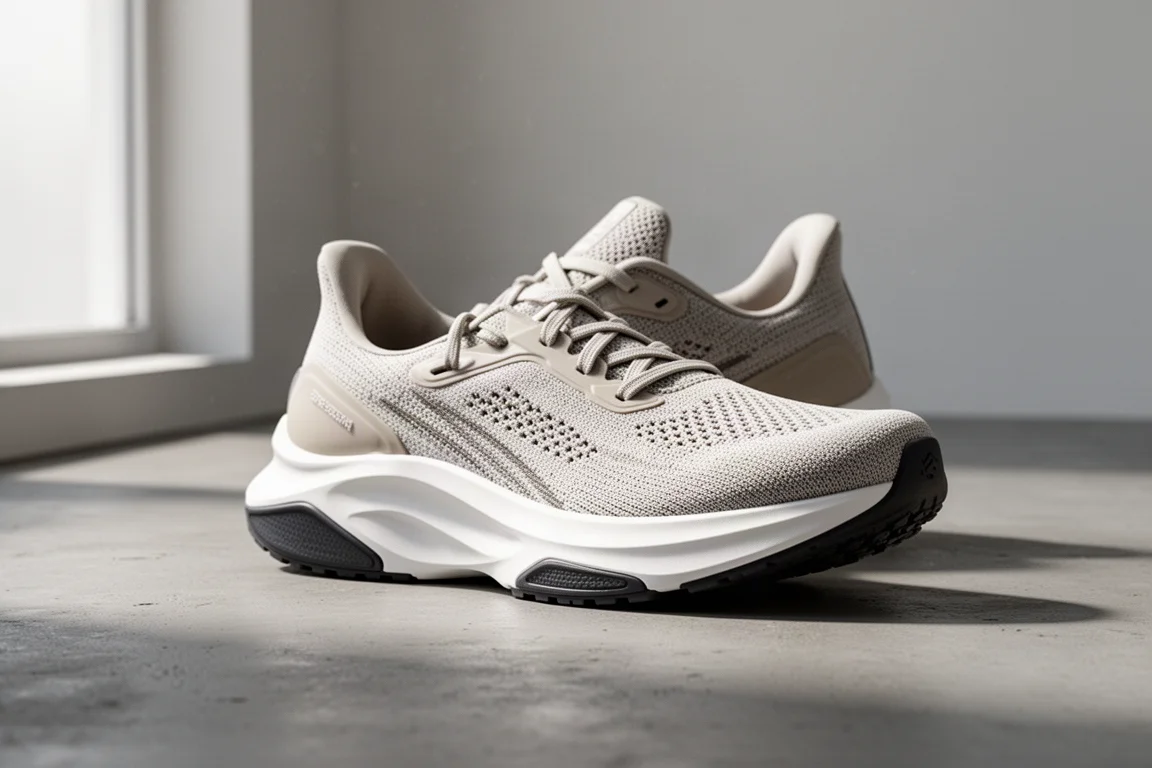
It has been a while since a Hoka road shoe earned serious miles under our feet, but the new Max 6 makes a strong case for coming back. Positioned as a lightweight neutral daily trainer, it retails for £140 in the UK, and a UK 9.5 pair weighs just 237g. Add a 37mm heel stack, 32mm under the forefoot, and a 5mm heel-to-toe drop, and you have the profile of a shoe built to disappear on your feet while still delivering plenty of energy.
After a first run through heavy rain and 45mph gusting winds, the early verdict is very positive. Here is what you need to know before buying.
Key Specs at a Glance
- Price: £140 (UK)
- Weight: 237g in a UK 9.5
- Stack height: 37mm heel / 32mm forefoot
- Drop: 5mm
- Category: lightweight neutral daily trainer
Construction: A Soft, Breathable Upper With Thoughtful Details
The Max 6 uses a lightweight, breathable and very soft creel mesh upper. The tongue is thin and gusseted, but Hoka has worked a small amount of padding into the logo at the top of the tongue where the laces pull across, a genuinely nice touch of comfort in a high-pressure spot.
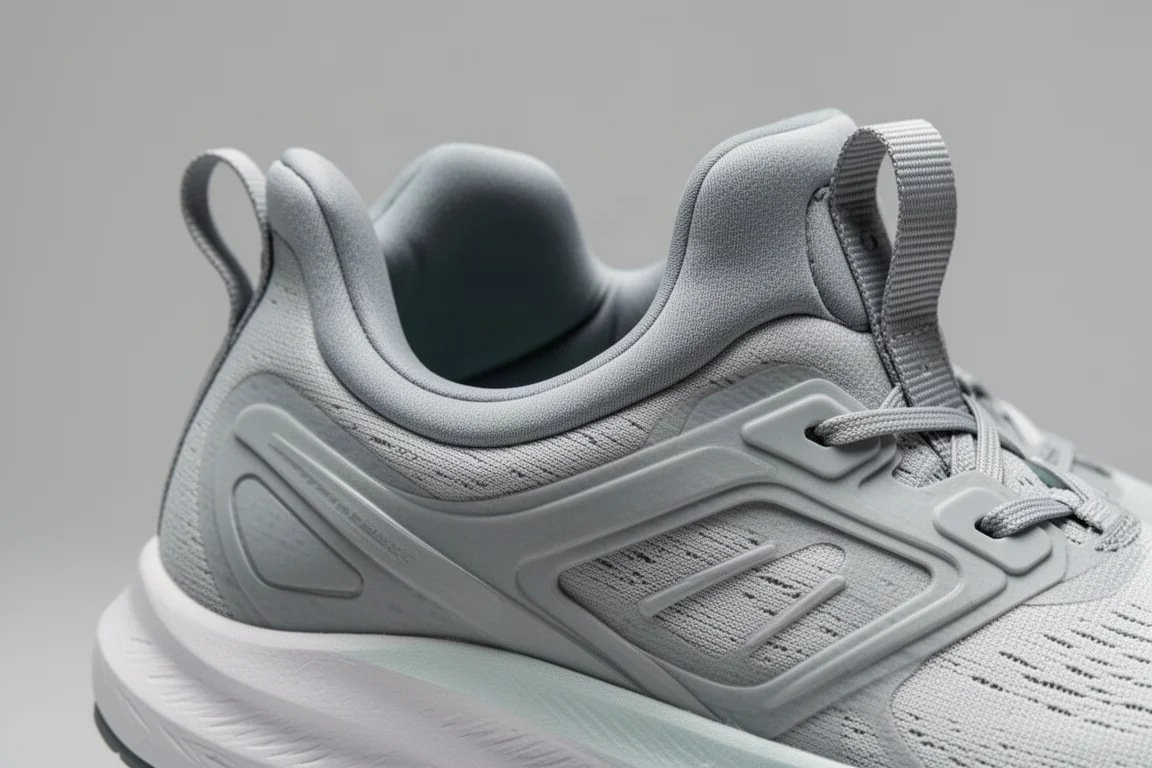
Around the ankle collar and heel cup, padding is moderate rather than plush. The heel carries Hoka’s signature flare design, with upper overlays around the heel and lace eyelets plus internal structuring in the toe box to give the soft upper some substance and durability. The lacing is standard and effective, and the overall impression is a very light, comfortable, foot-hugging upper.
First Run Impressions in Poor Weather
The test run was anything but ideal: heavy rain, greasy pavements and 45mph gusts. That turned out to be a useful stress test. The upper felt secure in the heel with no movement at all, lockdown around the midfoot was excellent, and breathability held up well.

Two fit notes emerged. First, the Max 6 sizes up a little short: on a slightly longer foot, the toes sat close to the end of the shoe. It caused no discomfort on shorter runs, but going up half a size would be smart for longer efforts like marathon training. Second, this is a narrow-fitting shoe. Even on a foot that is not especially wide, the toe box felt tight, so wide-footed runners should be cautious.
The Standout: A Bouncy Supercritical Foam Midsole
The clear highlight is the midsole. Hoka has switched to a supercritical foam that feels soft underfoot yet noticeably bouncy, with strong energy return. It is the kind of shoe that encourages you to open your stride and pick up the tempo without being asked.
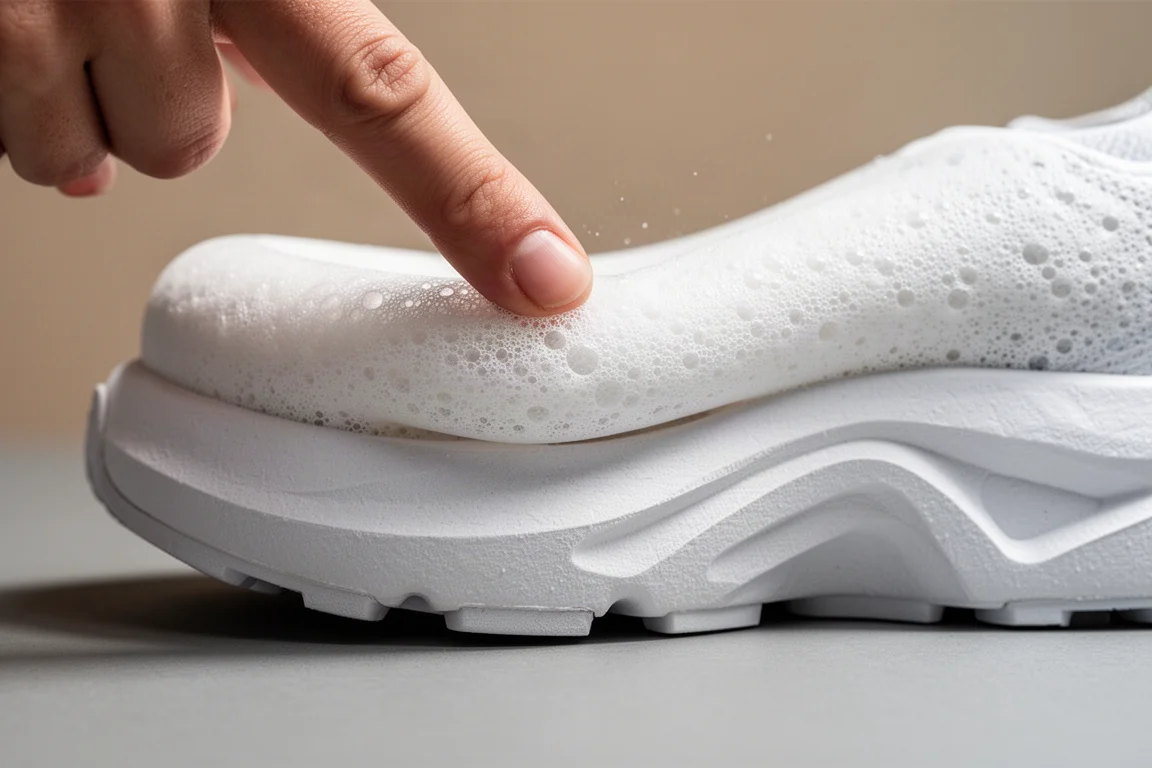
In feel, it recalls the best lightweight daily trainers of recent years: bouncy, high-energy and genuinely fun to run on. That places the Max 6 in direct competition with something like the New Balance Rebel v4 as a versatile lightweight neutral trainer, and on this evidence the Max 6’s midsole has the edge in sheer liveliness.
Grip and Durability: Real Rubber Where It Counts
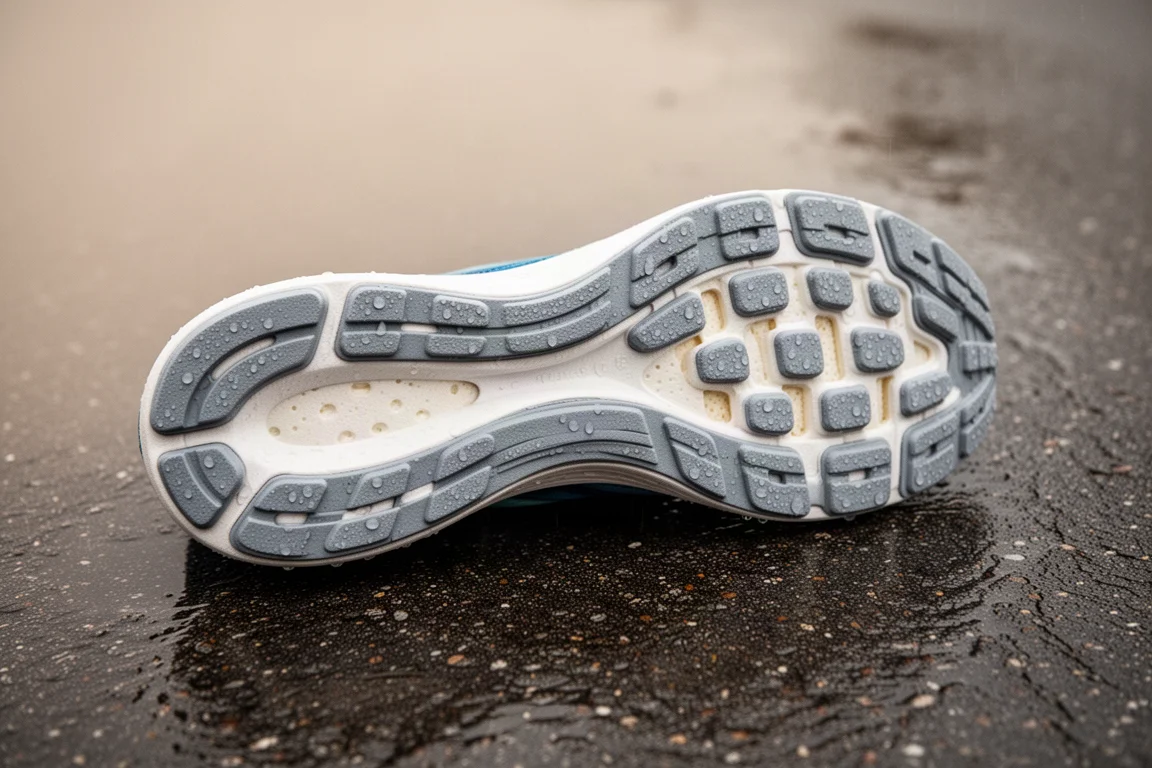
On wet, slippery roads, the outsole did its job. Hoka has added a good helping of rubber strategically placed in high-wear areas, delivering confident grip on greasy tarmac. Previous versions of this model used a rubberized EVA outsole, so the move to real rubber should improve both wet-weather traction and long-term durability across training miles.
Buying Advice
The Max 6 looks versatile enough to cover nearly every type of training run: speed work, tempos, intervals, longer recovery efforts, and it would be a fun race-day option from quick 5Ks up to marathon distance. The main purchase decisions come down to fit:
- Consider going up half a size, especially for longer runs or if you are between sizes.
- Wide-footed runners should try before buying, as the fit is narrow.
- If you want one shoe for varied training rather than a rotation, this is a compelling candidate.
Conclusion
The Hoka Max 6 makes an excellent first impression. A comfortable, secure and breathable upper, a genuinely exciting supercritical foam midsole, and rubber where it matters for grip and durability make it one of the more appealing lightweight neutral daily trainers available. The narrow fit and slightly short sizing are worth checking before you buy, but once the fit is right, this is a shoe that makes easy miles feel faster. Early impressions point to a very complete daily trainer, and it deserves a spot on your shortlist.
Product link
View more details for Hoka Max 6
This product is mentioned in the review. Check the specifications, options, and compatibility before buying.
View more details for Hoka Max 6Further reading
Related Reviews

Running Shoes
Best Road-to-Trail Running Shoes: Three Versatile Options for Mixed Terrain
A practical guide to three road-to-trail running shoes that handle both pavement and mild trails, with clear strengths and trade-offs for different runner types.

Running Shoes
Best Running Shoes for Achilles Tendonitis: Three Options Explained
Three running shoes with different heel drops and support features designed to help reduce Achilles tendon pain during walking and running.

Running Shoes
Best Running Shoes for Women: Five Top Choices Ranked
A ranked guide to five women's running shoes, from versatile daily trainers to high-performance racing options, with real strengths and trade-offs for each.