Trail Running Shoes
Hoka Mafate X Review: A Max-Stack Trail Shoe Built for Long, Steady Miles
The Hoka Mafate X pairs Pebax foam, a carbon fiber plate, and a 49 mm heel stack for ultra-distance trail and gravel running. Here is how it performs, and who it fits.
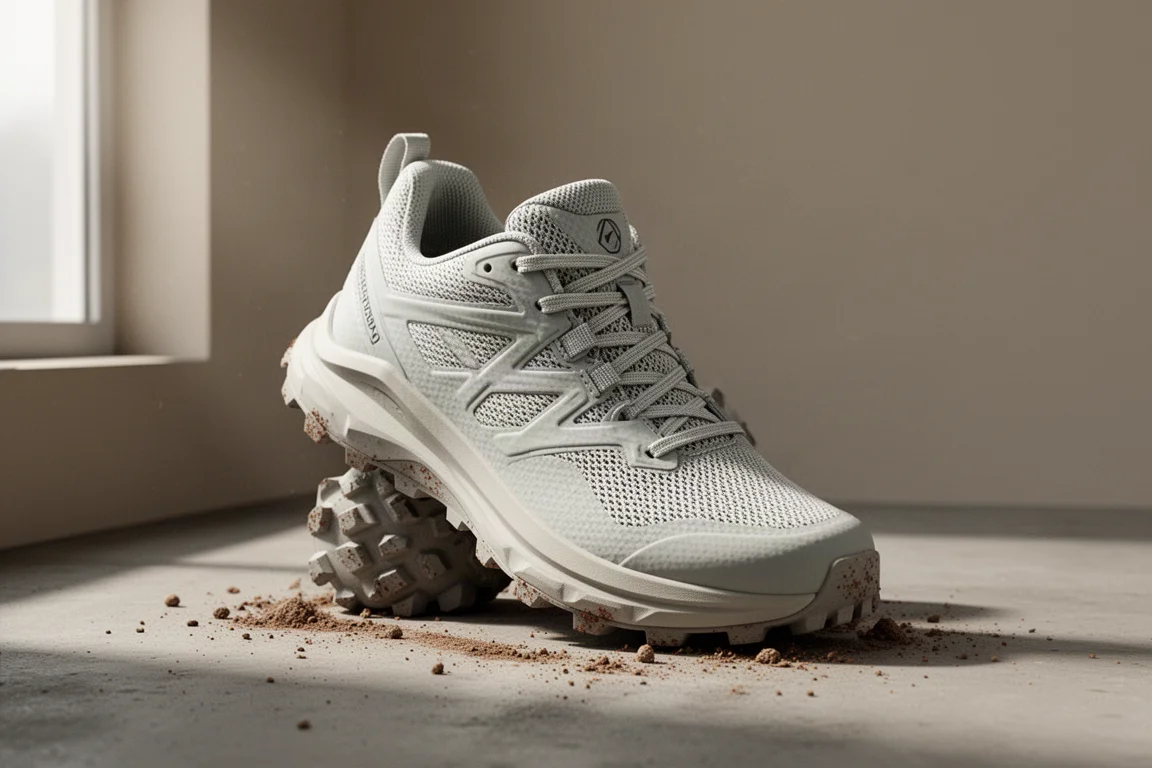
Introduction
The Mafate X is a new trail shoe in the Hoka lineup, positioned as something like a trail version of the Skyward X with a few deliberate differences. It is built around a very tall stack height, a Pebax foam top layer, a carbon fiber plate, and a super critical EVA bottom layer, with a moderate set of lugs underneath. The intended use case is clear: ultra marathon and long trail efforts, plus long days on gravel. After roughly 30 miles of testing across road, gravel, dirt, and some properly muddy Pacific Northwest trails, the picture that emerges is of a well-balanced cruiser for steady, moderate terrain that is also unusually stiff and heavy for the category.
Who This Product Is For
The Mafate X makes the most sense for runners who want to grind out long miles on relatively level terrain: gravel roads, dirt paths, and moderate trails, with occasional road sections mixed in. If your long efforts involve big climbs, technical descents, or deep mud, this is not the shoe for those jobs. It is also aimed at people who like a firmer, structured ride rather than a plush, mushy platform, and who are already comfortable with carbon-plated footwear. Runners who need a bit of guidance from a stiffer platform, in what the review describes as a stable neutral feel, will find the shoe accommodating.
Specs and First Impressions
In a men’s size 10, the Mafate X comes in at 12.4 oz, about 350 g, which is heavy by any standard. The stack height is 49 mm in the heel and 41 mm in the forefoot, for an 8 mm drop, though on foot it feels closer to a 5 or 6 mm drop shoe. The weight is significant, but the ride quality partly offsets it on the move.

The Pebax top layer adds a noticeable bounce that makes the shoe feel lighter than its listed weight. It does not feel like a full super shoe, and it lacks the extra pop of something like the Tecton X 3 or the tall, mushy platform of the Skyward X. Instead it sits right on the border between soft and slightly firm, which is a genuinely well-balanced place to be. The carbon fiber plate sits directly under the Pebax layer, adding stiffness on top of the tall midsole, so the shoe never feels mushy.
Ride and Geometry
The forefoot is where the stiffness shows itself. There is essentially zero flexibility in the shoe, so as the miles pile on, the forefoot starts to feel firmer. The plate makes it a bit snappy rolling through the front of the shoe, which feels good initially, but unless you are holding a decent pace it firms up. The heel stays fairly good throughout, again landing between soft and firm.
Geometrically, the Mafate X has a rockered ride, but the heel bevel is small and centered rather than angled back. Combined with the 49 mm heel stack, this makes the heel feel a little clunky if you land far back on it, especially on hard road. Landing slightly farther forward feels better, and once you move onto softer terrain the heel transition stops being an issue entirely.
Traction and Terrain
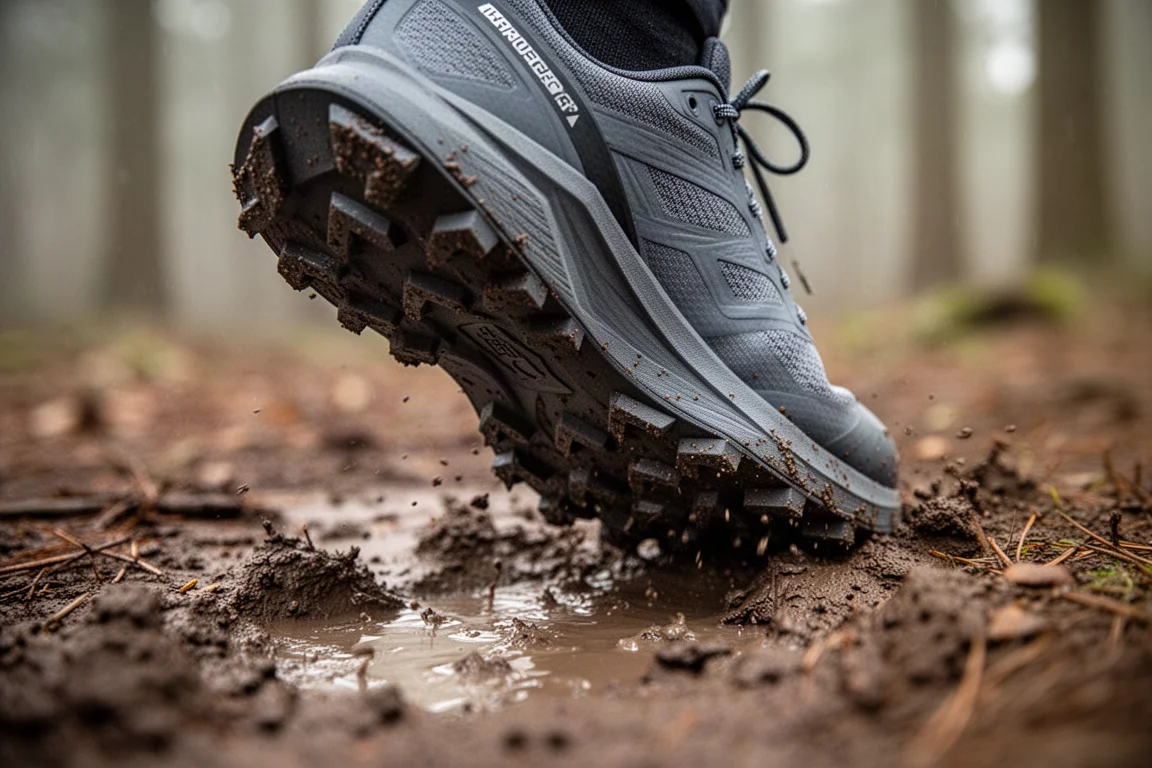
On gravel, this shoe really performs. The lugs are not especially large or deep, which turns out to be an advantage on gravel roads and trails, where very deep lugs can actually get in the way. Long, gradual climbs and flat gravel grinding sessions are exactly what it was built for.

Muddy trails are a different story. The combination of a large, heavy shoe and moderate lugs means it is not the best choice for the wet, muddy conditions that are common in the rainy season. This is not a technical trail shoe. Hillier courses also give it trouble: the stiffness makes climbing uncomfortable, and while downhills are not terrible, the heel transition is not the best on steeper descents. The flip side is that the tall stack completely masks the lugs on pavement, so it handles road sections easily, making it a surprisingly capable hybrid for routes that mix road, trail, and gravel.
Fit and Comfort
Hoka shoes traditionally run a bit snug, and the Mafate X follows a pattern closer to the Stinson 7, with a slightly more open forefoot. It is not wide, but not narrow either, with a little extra room on the lateral side of the toe box and a slightly more rounded shape that sits nicely on foot.
The key caveat is volume: the upper fits very low. The mesh does stretch a little over the first miles, but this is not a shoe for high-volume feet, or for runners whose feet swell significantly over long distances. The tongue is thin and gusseted, so it holds securely without needing a lace lock, and there is enough padding to avoid lace bite. Between the internal heel counter and an external heel structure, heel lockup is excellent with no slippage at all. Security feels balanced, firm without being constricting.
Things to Consider Before Buying
The biggest question mark is the carbon fiber plate. The argument against it here is straightforward: at this stack height, the shoe is already extremely stiff from sheer volume of material, and a plate adds stiffness rather than springiness. Plates facilitate forward motion and change how the foot transitions through the front half of the shoe; they do not act like springs. Foam, especially Pebax foam, is what provides that spring-like quality. Removing the plate would likely make the ride softer and bouncier.
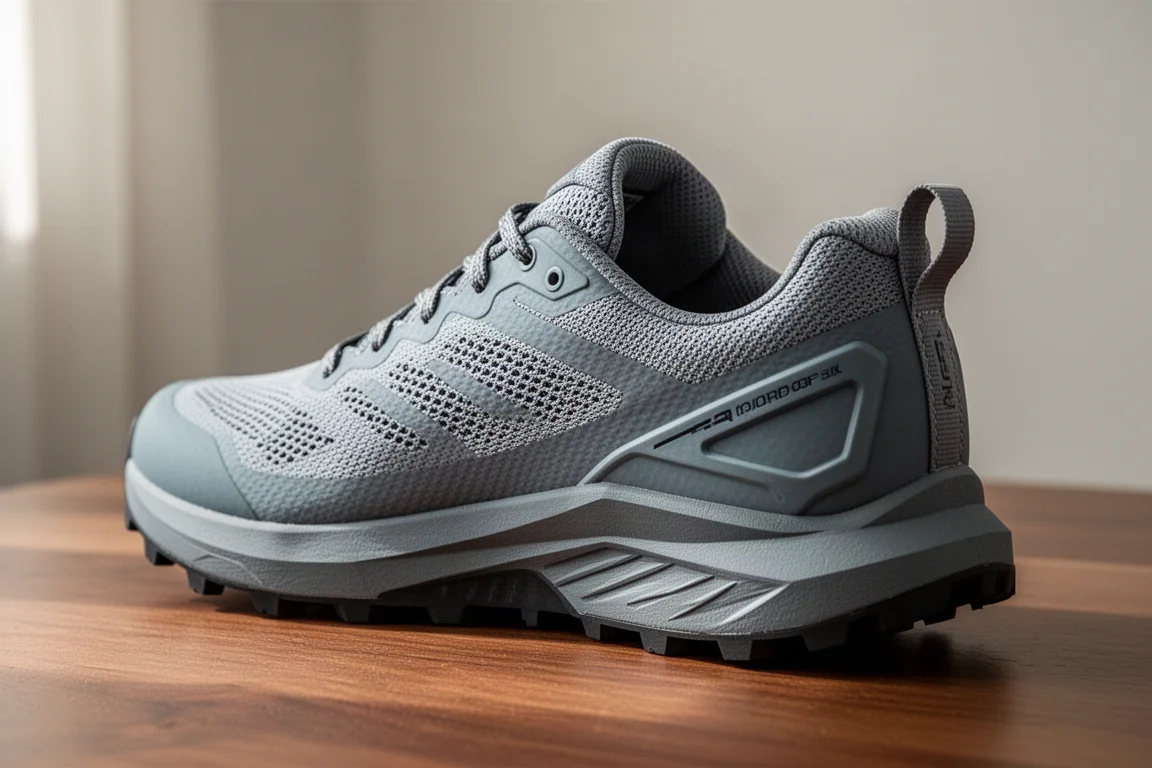
For runners who are sensitive to a stiff forefoot, or who already carry stiffness in their calves, the combination of a plate and a super tall midsole can cause real problems: an early heel lift, or as fatigue sets in late in a run, a tendency toward knee hyperextension late in stance phase. This reviewer noticed a bit of knee irritation on stiff calves that a slightly flexier or better-rockered shoe would not have produced. Runners who enjoy genuinely firm, structured rides, or who are already used to carbon-plated shoes, will be fine, and the shoe does break in somewhat over the first miles.
Buying Advice
If you want a heavy-duty, well-balanced cruiser for long miles on gravel, dirt, and moderate terrain, and you appreciate structure and stiffness rather than plushness, the Mafate X is a strong match. Its traction on gravel, easy road manners, secure low-volume fit, and balanced ride make it a distinctive option for ultra-distance training on non-technical routes.
If you have high-volume feet, sensitive knees or calves, a preference for softer or bouncier rides, or routes that involve mud, steep climbs, or technical descents, look elsewhere. Durability over the first 30 miles has been strong, so the shoe should hold up to the long grinding efforts it is designed for.
Conclusion
The Mafate X is an interesting, well-executed take on the max-stack trail category, with a balanced Pebax-and-EVA ride, excellent gravel performance, and a secure, low-volume fit. Its defining trade-off is stiffness: the carbon plate pushes the forefoot beyond what the tall stack already demands, and not every runner will welcome that. If the description of long, steady miles on moderate terrain sounds like your kind of running, it deserves a close look. The broader takeaway stands on its own too: more stiffness is not automatically better, and the right amount of stiffness is the one that works for the most runners.
Product link
View more details for Hoka Mafate X
This product is mentioned in the review. Check the specifications, options, and compatibility before buying.
View more details for Hoka Mafate XFurther reading
Related Reviews
Trail Running Shoes
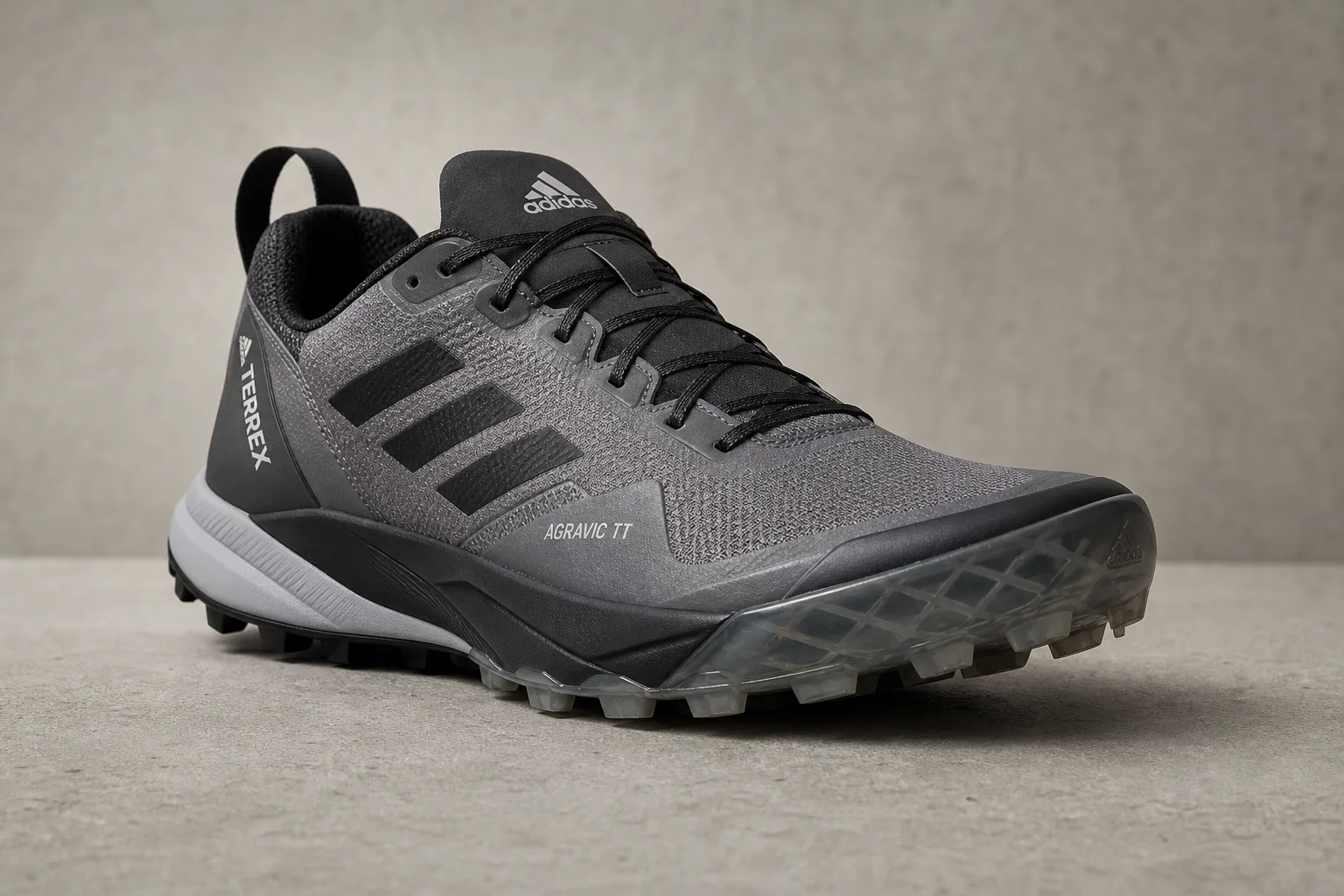
Adidas Terrex Agravic TT Review: A Technical Trail Shoe Built for Rocky Terrain
The Adidas Terrex Agravic TT combines a full-coverage rock plate with a firmer midsole to deliver protection and stability on technical, rocky trails. A capable choice for runners who prioritize underfoot defense over lightweight cushioning.
Trail Running Shoes
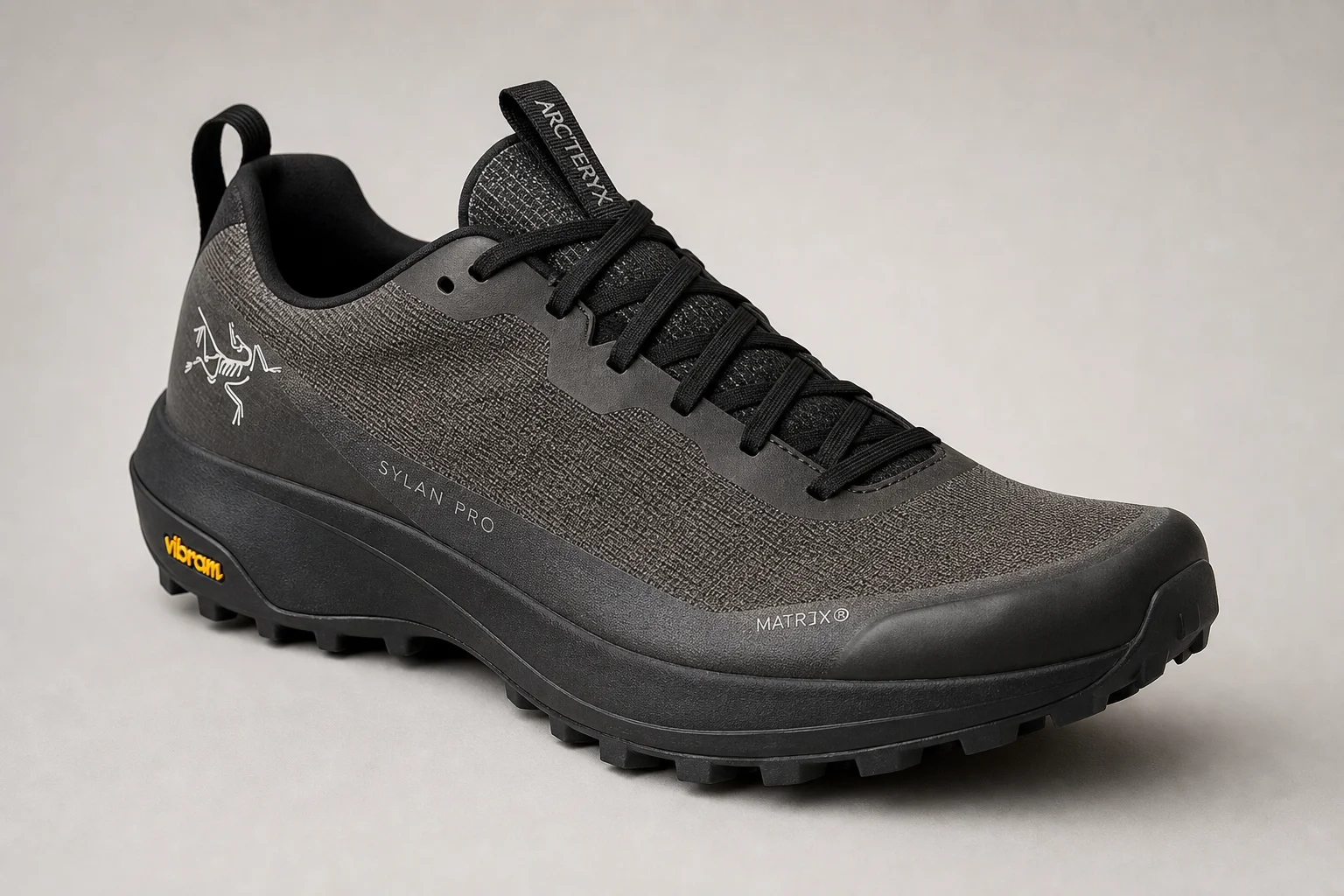
Arc'teryx Sylan Pro Review: A Rocker-Focused Mountain Running Shoe Tested on 20 Miles
The Arc'teryx Sylan Pro brings a pronounced rocker geometry and secure fit to mountain terrain. We tested it on a 20-mile Sawtooth loop to evaluate its climbing efficiency, protection, and handling of technical descents.
Trail Running Shoes
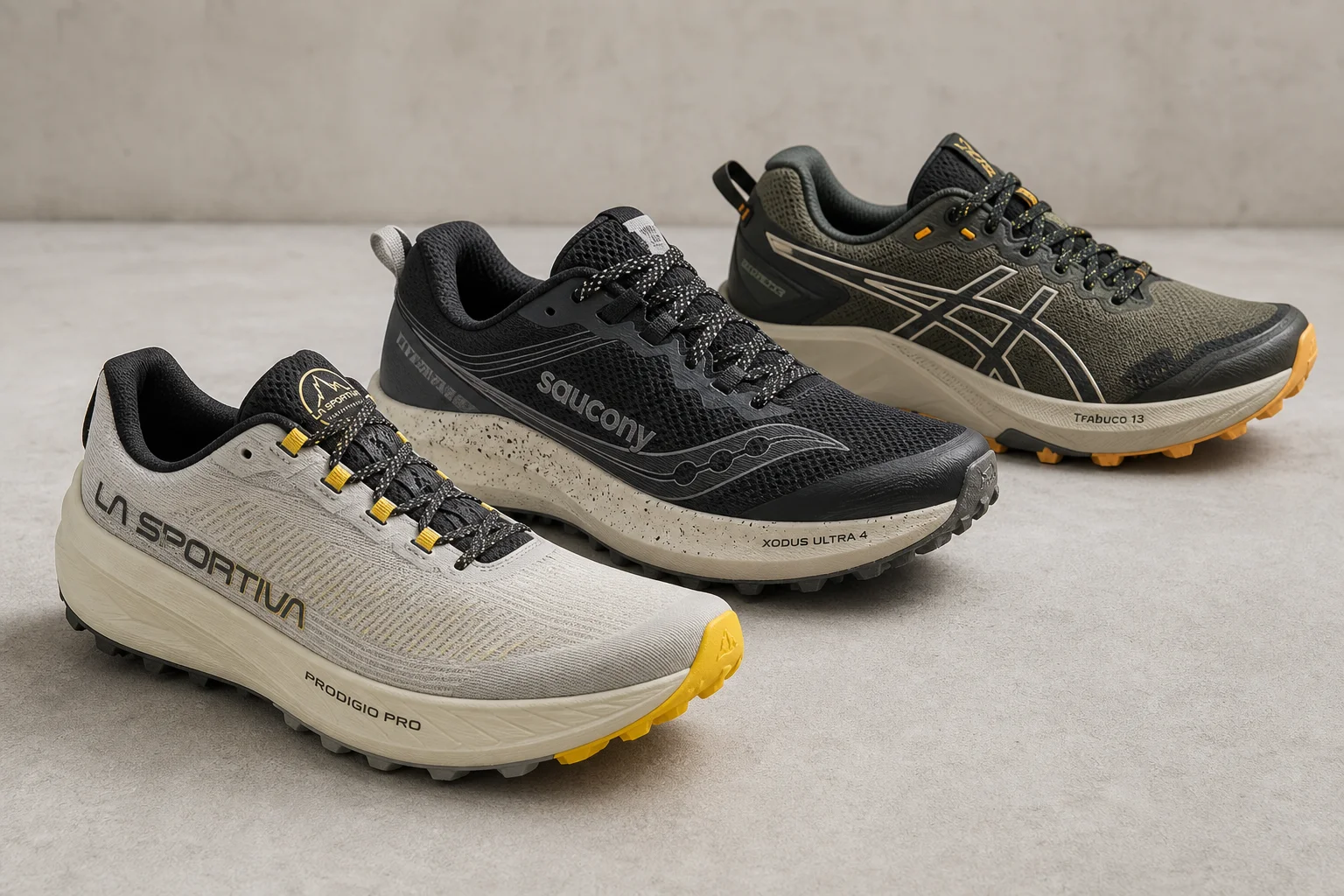
Best All-Mountain Trail Running Shoes: Three Versatile Options for Any Trail
A focused roundup of three all-mountain trail running shoes that handle technical terrain, long distances, and variable conditions with real strengths and practical trade-offs.