Trail Running Shoes
Hoka Mafate Speed 5 Review: A Bold Overhaul of a Beloved Max-Stack Trail Shoe
The Mafate Speed 5 gets a much heavier build and a new fit, but delivers a smoother, more cushioned ride that may win over even more trail runners.
Introduction
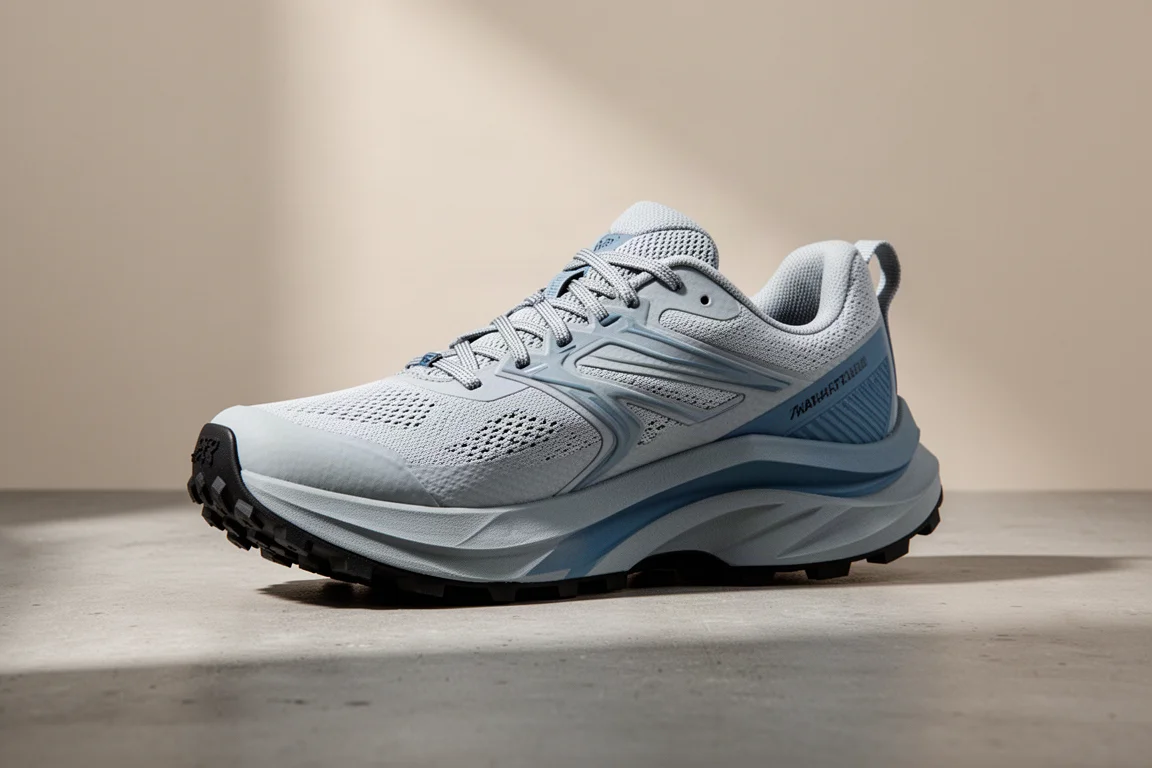
Few shoes arrive with as much emotional baggage as the Hoka Mafate Speed 5. The previous version was a favorite for a huge number of trail runners, often chosen over the Speedgoat at races and on group runs thanks to its dynamic cushioning, accommodating fit, dependable grip, and surprisingly light feel for the stack. This new version is a big overhaul of a package that had already been reworked recently, and that boldness is exactly what makes it so interesting.
The ideas carry over, but the materials and execution are elevated. The result sits somewhere between the Mafate Speed 4 and the more smooth-terrain, maximum-cushion Mafate X. The headline trade-off is weight: the shoe is noticeably heavier, yet it does not feel heavy on foot, and the ride is smooth enough to forgive the number on the scale.
Who This Shoe Is For
This is a max-stack, highly cushioned trail shoe aimed at runners who want one shoe that can handle a wide range of terrain and paces, including longer and ultra distances. If you loved the Mafate Speed 4 but wanted more cushion and a broader, more accommodating fit, this is squarely your shoe.

It is also worth considering if you have struggled with Hoka’s narrower fits in the past. The fit here is broader all the way through, closer in feel to the Mafate X, and the dynamic vamp stretches to work with your foot in the forefoot.
Main Strengths
The underfoot recipe is the star. A soft supercritical EVA runs from heel to toe, thick in the heel and making up about half of the forefoot stack, giving an unfiltered sense of cushion and energy return, especially from the midfoot back. A compression molded EVA layer sits midfoot-forward to add structure and stability to the forefoot.
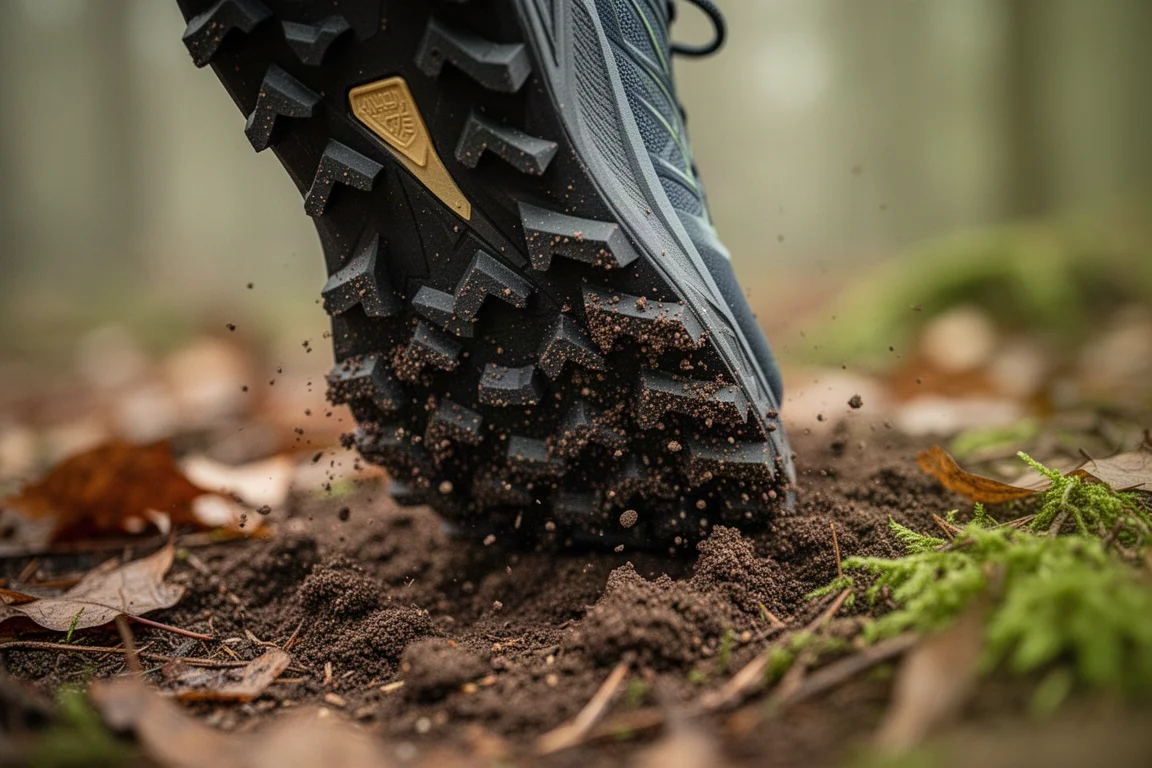
In the forefoot there is a TPU plate called Rocker Integrity Technology. Its job is exactly what the name suggests: keeping the 4mm rocker from flattening out as the foam ages. Over 50-plus miles of testing, the rocker, energy return, and stability did not change, and the plate doubles as a stability element that makes the shoe more versatile than it would otherwise be.
Other strong points include the engineered mesh upper with strategic overlays that enhance midfoot structure, extra heel padding, gaiter hooks, and a Vibram MegaGrip outsole that keeps the 5mm lugs and places rubber strategically around the rim and forefoot. After 50-plus miles in the Rocky Mountains, wear was minimal.
Things to Consider Before Buying
The weight is the obvious sticking point. A US men’s 10.5 weighs 11.9 oz, a gain of 0.9 oz over the previous version. There is a good reason for the gain, but not everyone will accept it.
The drop moves from 5mm to 8mm, which combines with the moderately aggressive rocker to create an especially smooth ride. If you preferred the lower, more grounded feel of the Speed 4, that is a change worth noting.

Technical terrain is not the shoe’s best application. It handled it confidently at speed when landing midfoot or forward, and heavier heel strikes could feel some instability in the heel on downhills. Runners with a bunion or wider forefoot may also feel slight rubbing from the plate on very long runs of three-plus hours, though it left no marks in testing.
Buying Advice
If you race ultras or simply want a true max-stack shoe that stays viable across a lot of different terrain, this is one of the strongest options available. It is buttery smooth on smoother to moderate terrain, versatile enough across paces, and durable for a max-stack trail shoe.

If your priority is high-end technical terrain, the lighter and lower Mafate Speed 4 still holds an edge. For everyone else, the comfort, cushion, and ride here are exactly what most people want from a max-stack trail shoe.
Conclusion
Hoka took a risk by overhauling a beloved shoe so soon, and the gamble mostly pays off. The Mafate Speed 5 keeps the familiar ideas, adds meaningful comfort and a broader fit, and rides beautifully across a wide range of trails. It loses some points for the weight gain and a fit that feels less locked-in than before, but for smooth to moderate terrain and long distances, it is a compelling max-stack choice.
Product link
View more details for Hoka Mafate Speed 5
This product is mentioned in the review. Check the specifications, options, and compatibility before buying.
View more details for Hoka Mafate Speed 5Further reading
Related Reviews
Trail Running Shoes
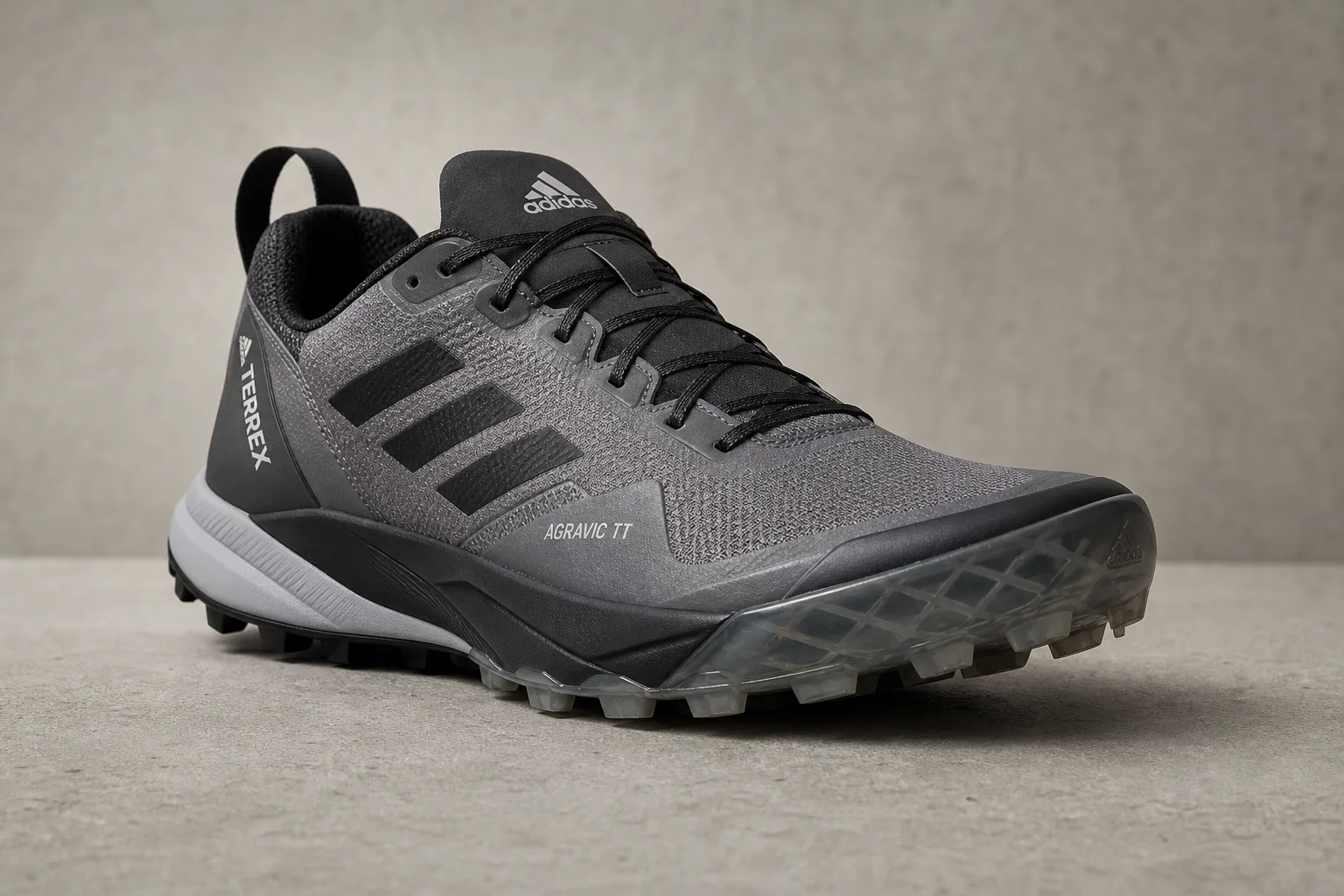
Adidas Terrex Agravic TT Review: A Technical Trail Shoe Built for Rocky Terrain
The Adidas Terrex Agravic TT combines a full-coverage rock plate with a firmer midsole to deliver protection and stability on technical, rocky trails. A capable choice for runners who prioritize underfoot defense over lightweight cushioning.
Trail Running Shoes
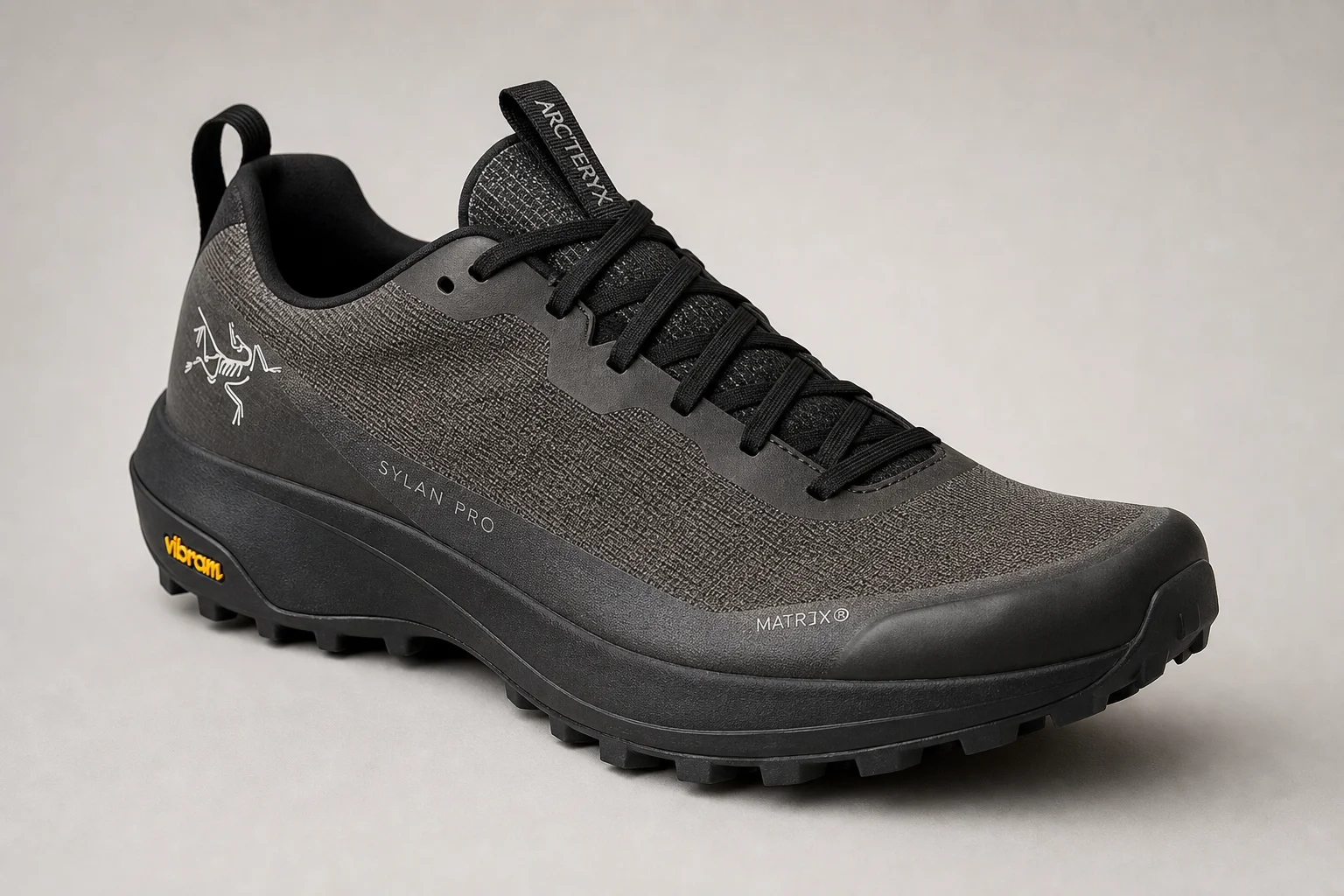
Arc'teryx Sylan Pro Review: A Rocker-Focused Mountain Running Shoe Tested on 20 Miles
The Arc'teryx Sylan Pro brings a pronounced rocker geometry and secure fit to mountain terrain. We tested it on a 20-mile Sawtooth loop to evaluate its climbing efficiency, protection, and handling of technical descents.
Trail Running Shoes
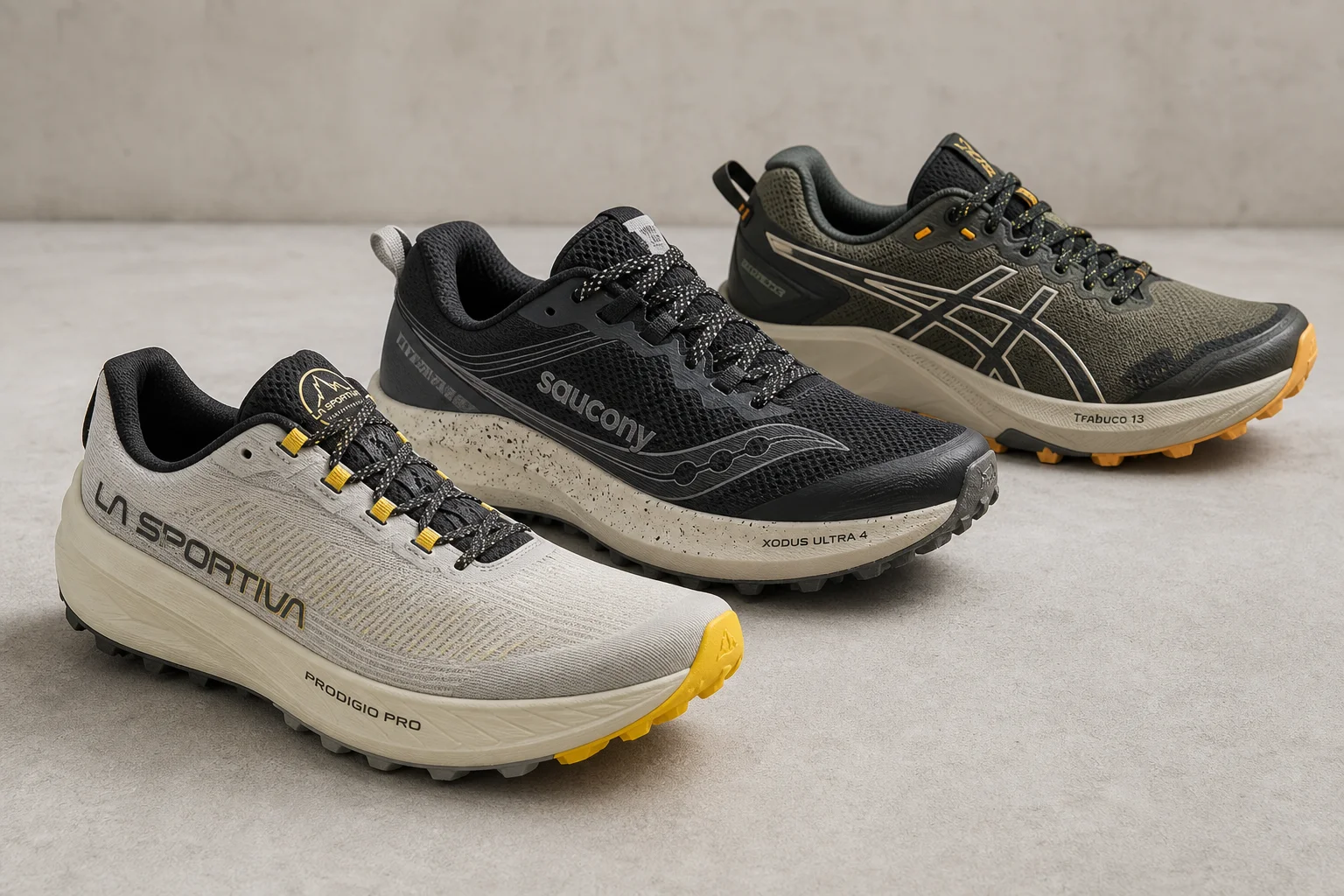
Best All-Mountain Trail Running Shoes: Three Versatile Options for Any Trail
A focused roundup of three all-mountain trail running shoes that handle technical terrain, long distances, and variable conditions with real strengths and practical trade-offs.