Trail Running Shoes
Hoka Mafate Speed 5 First Impressions: A Bold Trail Shoe Update Worth a Close Look
Hoka's new Mafate Speed 5 brings a dual-density midsole, a rocker-stabilising plate and a big price jump. Here's how it stacks up on the trails.
Introduction
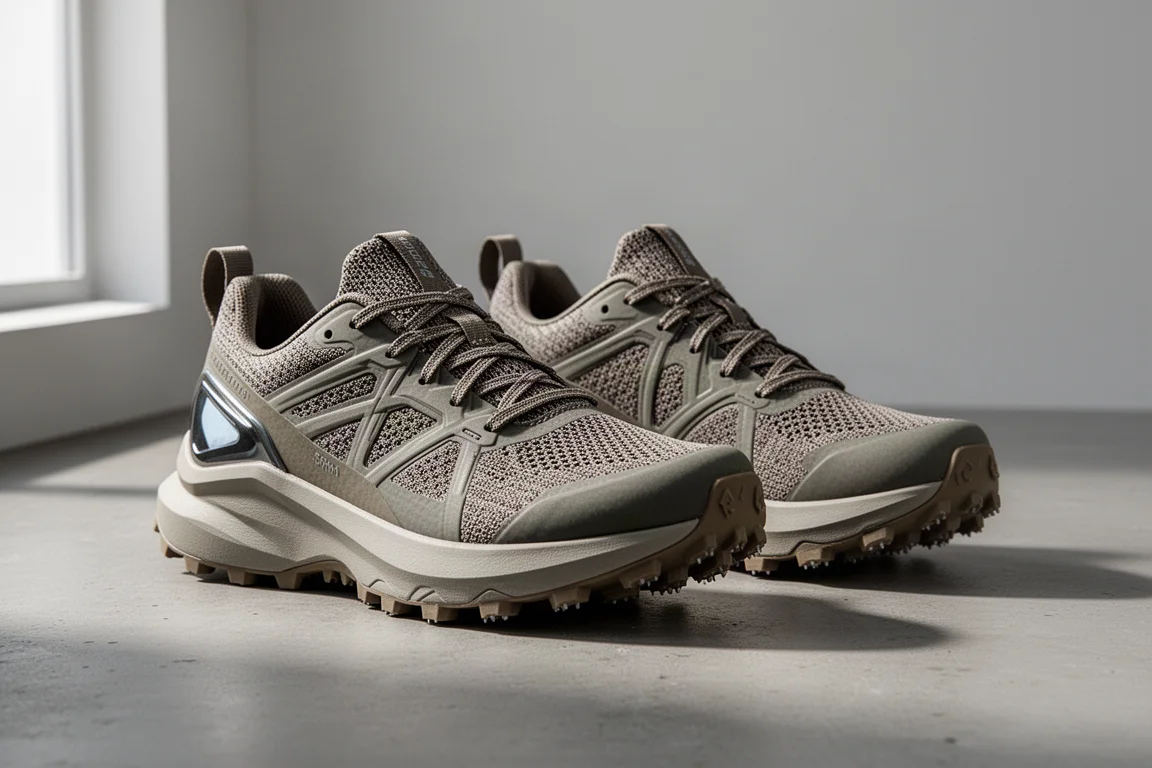
The Hoka Mafate Speed 5 has landed as one of the more talked-about trail shoe updates of the year, and the buzz was hard to miss at this year’s UTMB, where plenty of runners were spotted walking town and running trails in them. It has also been a somewhat divisive update: feedback from runners has been genuinely split, with plenty of praise alongside a fair share of criticism.
After a 7.5-mile first run straight out of the box, the shoe performed noticeably better than expected. The full picture is more nuanced though, because Hoka has changed a lot here: pricing, weight, stack geometry and midsole construction have all moved in ways that some runners will welcome and others will question.
Who This Shoe Is For
The Mafate Speed 5 is aimed at trail runners who want maximum cushioning with genuine grip, particularly over long distances and mixed terrain. It suits runners who value a soft, protective heel for descents and a more planted forefoot feel on technical ground.

If you have a history with the Mafate Speed 4, be aware this version feels quite different in performance. It sits somewhere between the Mafate Speed 4 and a pair of Hoka Challenger ATRs, so it leans slightly more towards everyday versatility than pure rugged racing.
Main Strengths
The headline feature is the dual-density midsole with a top layer of supercritical foam. The heel section is notably soft and is designed to absorb heavier impact when running downhill and loading through the heels, while the firmer foam under the forefoot gives a more planted, stable feel on technical trails. The stack measures 44mm at the heel and 36mm at the forefoot, giving an 8mm heel offset.
Hoka has also built in its Rocker Integrity Technology, a TPU plate sandwiched between the two foam layers under the forefoot. This is not a performance propulsion plate; it exists to reinforce the shoe’s aggressive meta-rocker and keep it from flattening out over time. In practice it also seems to add a measure of underfoot stability on technical trails and doubles up as a form of rock protection over rocky ground.
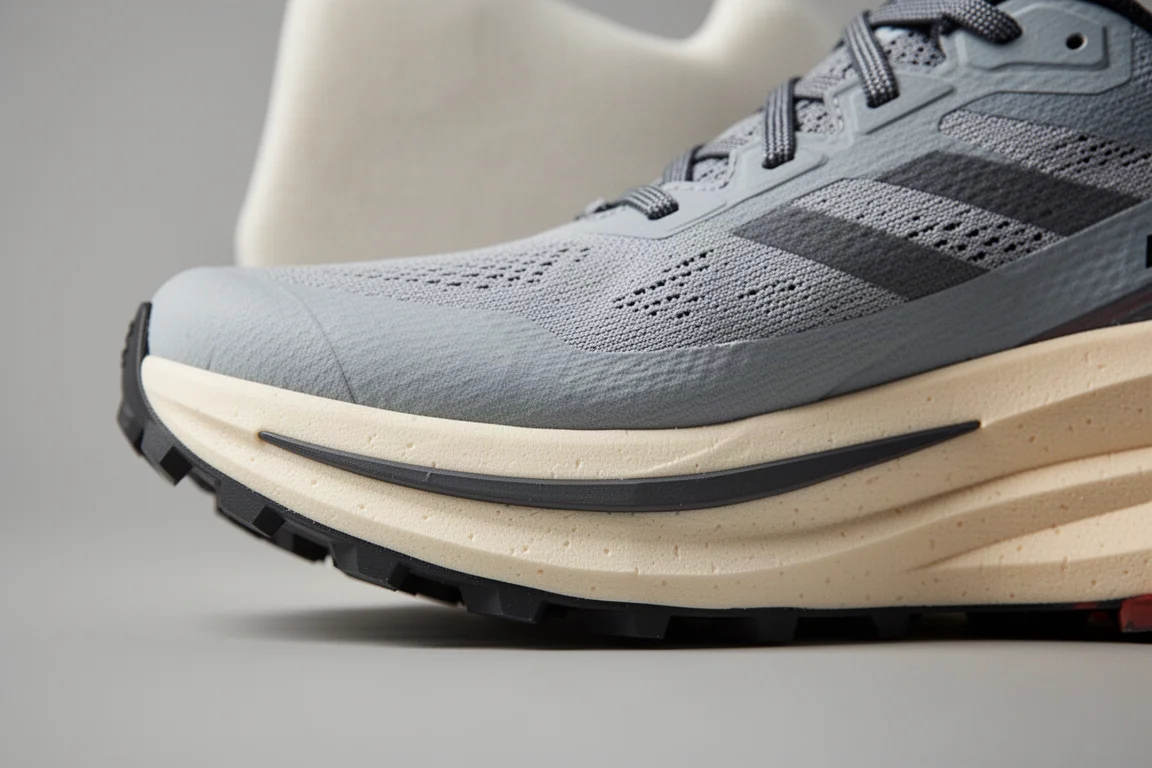
The upper is a wrap-knit construction with an anti-fray treatment that looks and feels breathable, reinforced with structural overlays from heel through midfoot and lace eyelets to the toe box. A substantial toe bumper adds upfront trail protection, and there is good padding and support around the ankle collar and heel cup. A large reflective heel tab makes the shoe easy to pull on and off, and a handy gaiter attachment at the base of the heel is a welcome trail detail.
On fit, the toe box offers plenty of wiggle room. It is not a super wide shoe, but width and volume up front are generous by Hoka standards. The lockdown around the midfoot is secure and the heel hold is solid, and the midsole ride quality is noticeably more cushioned than the stiff, firm midsole on the Speedgoat 6.
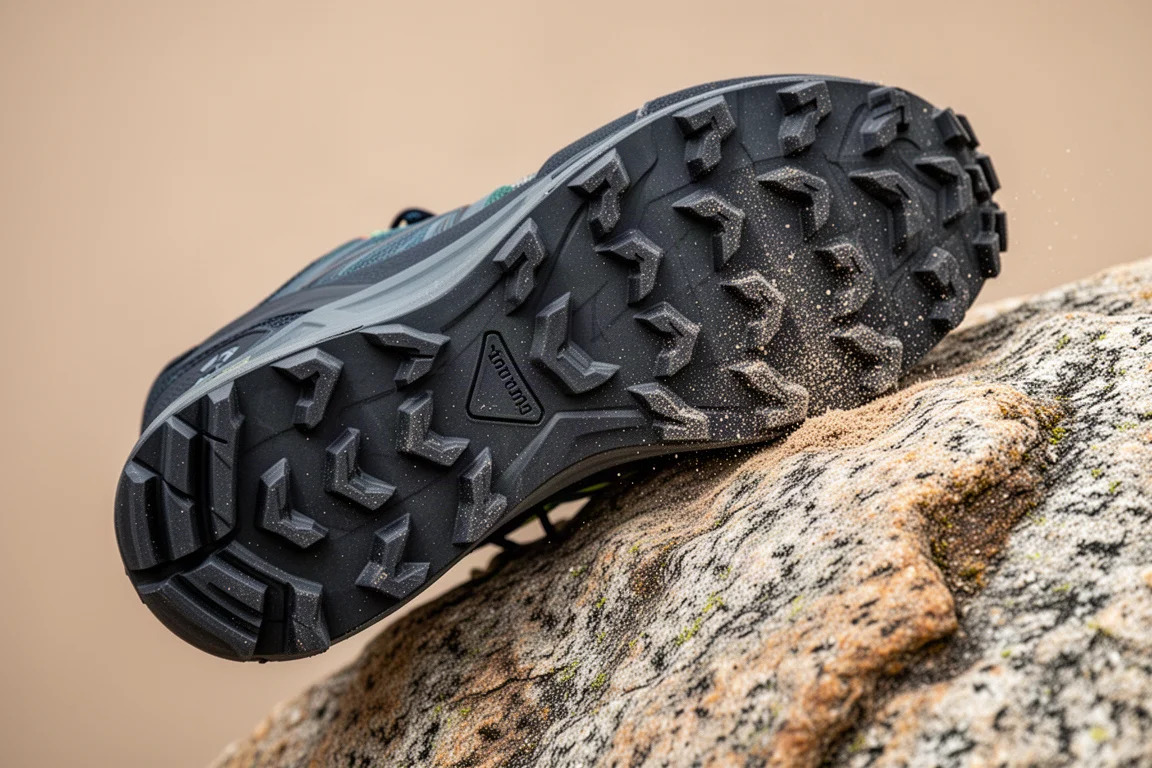
Grip comes from a Vibram Megagrip rubber outsole with a chunky 5mm multidirectional lug pattern, carried over largely unchanged from the previous model.
Things to Consider Before Buying
There are real trade-offs here. The Mafate Speed 5 retails for £170 in the UK, a sizeable step up in price compared to previous models. Weight is up too: a UK 10 pair came in at 340g, a big increase over the Mafate Speed 4, though on foot it runs lighter than the scales suggest thanks to good balance. It still feels closer to 300g than 340g while running, but Hoka could arguably strip 20-30g for an even better ride.
The 8mm heel offset is another talking point, up from 5mm on the Speed 4. It is not overwhelming, but the extra height is noticeable if you usually prefer a 4-6mm drop. Runners who like lower-drop trail shoes should try before committing.
The tongue design is unusual: it is not gusseted, very thin with essentially no padding, and short in length. In testing it caused no discomfort or lace pressure at all, though a touch of zonal padding down the centre would improve comfort on longer runs.
Buying Advice
Sizing matters here. The Mafate Speed 5 runs a little small, so going up at least half a size is the sensible move, especially for long-distance running where a bit of breathing room in the toe prevents rubbing.

This is a good choice for runners with foot sensitivity who benefit from a softly cushioned heel, and for anyone who wants a protective, grippy long-run trail shoe. If you loved the Mafate Speed 4 as a performance option, test these first, because the ride has shifted noticeably. Longer-distance testing of the upper and that thin tongue is still worth doing before making a final call.
Conclusion
The Hoka Mafate Speed 5 turned out to be a more pleasant surprise than the early mixed feedback suggested. The dual-density midsole delivers a genuinely cushioned yet stable ride, the Vibram Megagrip outsole inspires confidence, and the 7.5-mile out-of-the-box run was completely trouble-free. The higher drop, added weight and steep price are the points to weigh up, but for runners seeking a plush, protective trail companion, this update is well worth a look.
Product link
View more details for Hoka Mafate Speed 5
This product is mentioned in the review. Check the specifications, options, and compatibility before buying.
View more details for Hoka Mafate Speed 5Further reading
Related Reviews
Trail Running Shoes
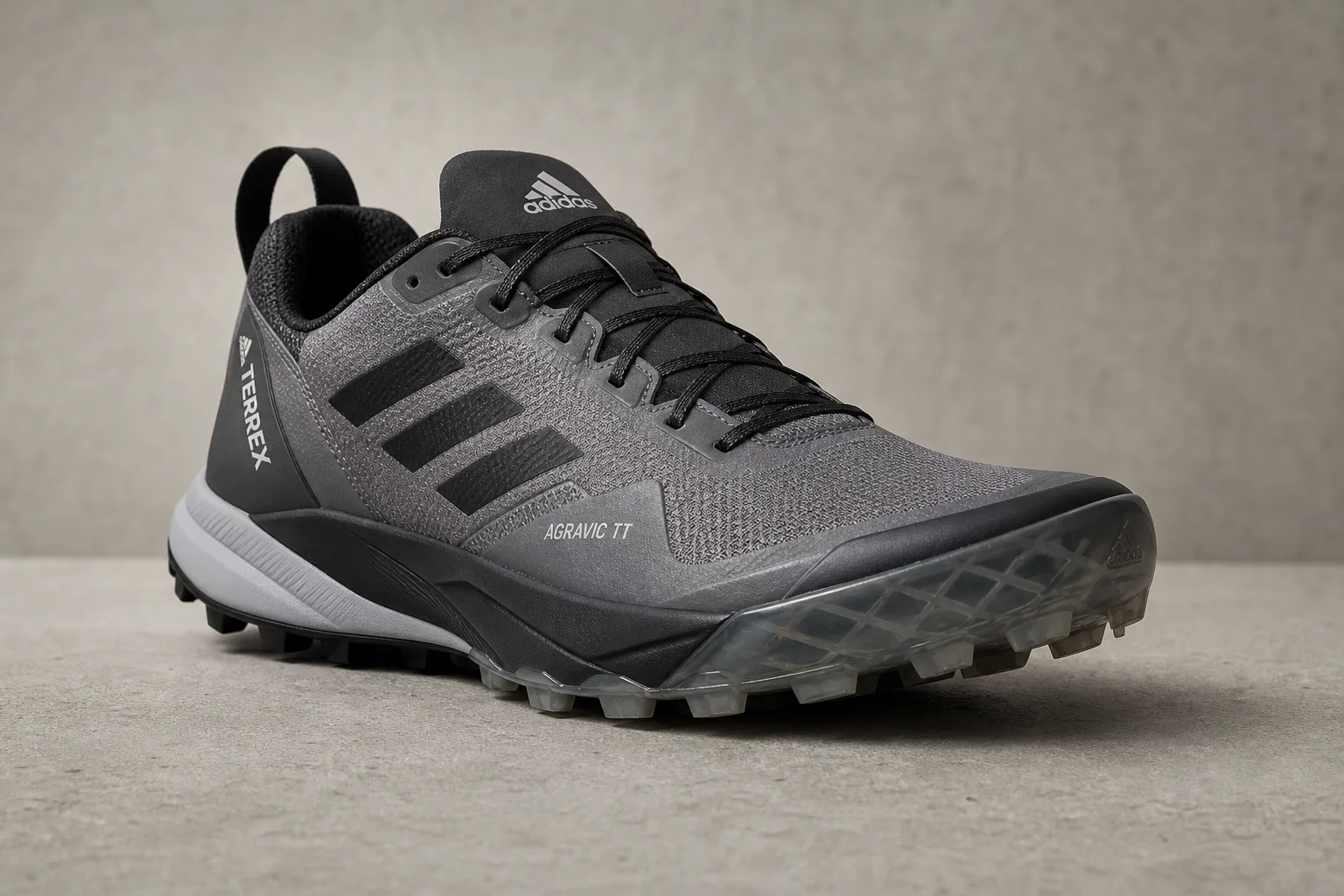
Adidas Terrex Agravic TT Review: A Technical Trail Shoe Built for Rocky Terrain
The Adidas Terrex Agravic TT combines a full-coverage rock plate with a firmer midsole to deliver protection and stability on technical, rocky trails. A capable choice for runners who prioritize underfoot defense over lightweight cushioning.
Trail Running Shoes
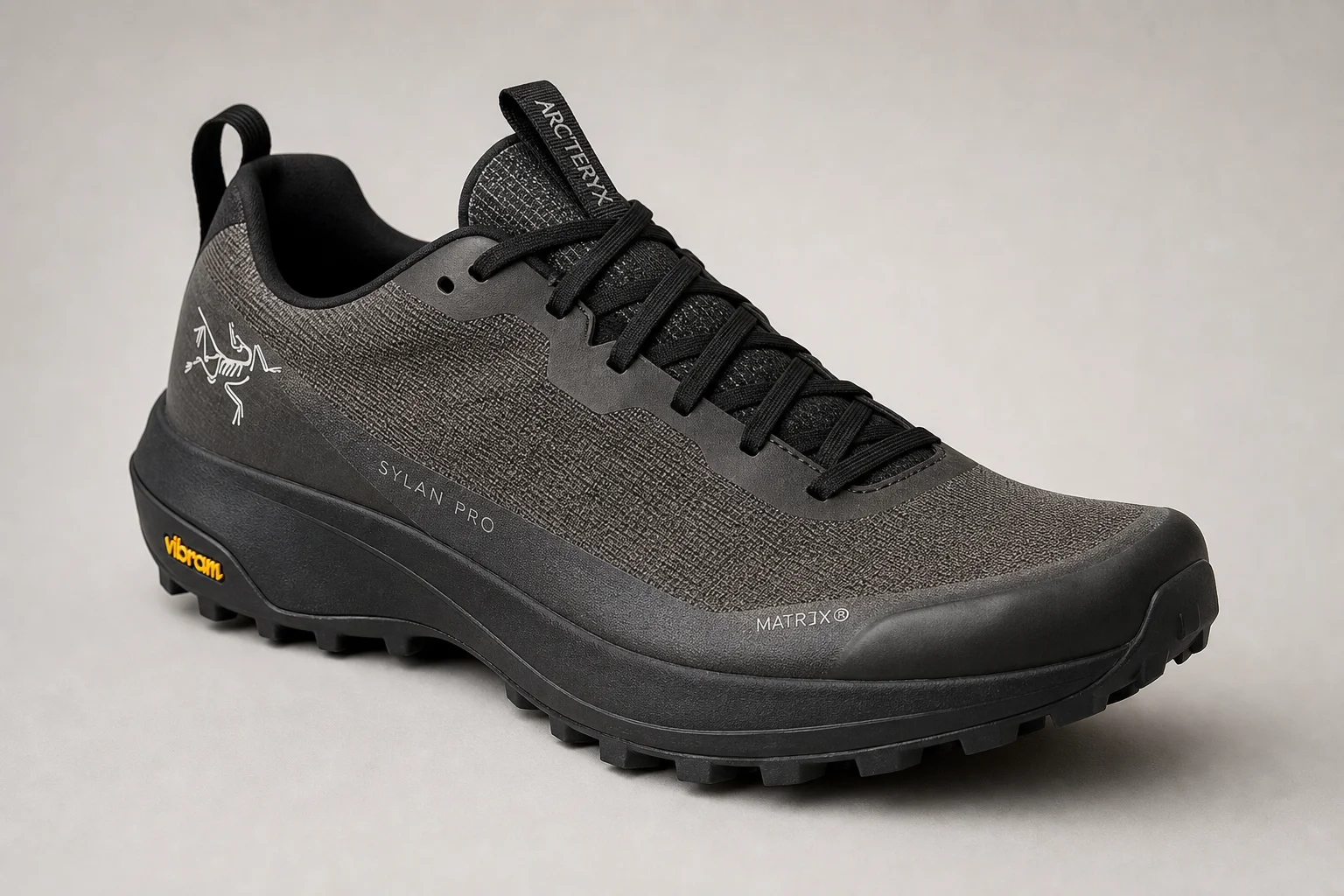
Arc'teryx Sylan Pro Review: A Rocker-Focused Mountain Running Shoe Tested on 20 Miles
The Arc'teryx Sylan Pro brings a pronounced rocker geometry and secure fit to mountain terrain. We tested it on a 20-mile Sawtooth loop to evaluate its climbing efficiency, protection, and handling of technical descents.
Trail Running Shoes
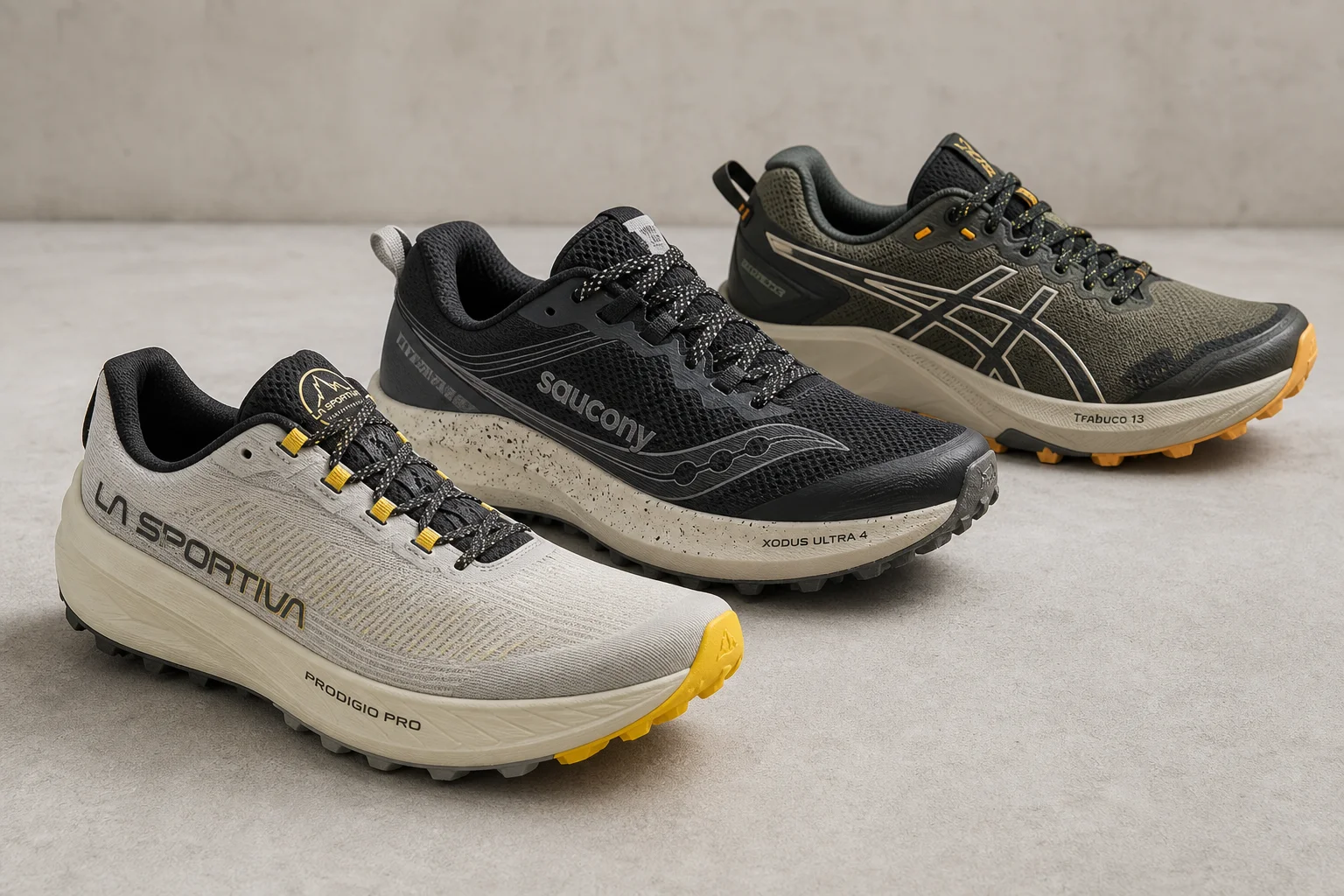
Best All-Mountain Trail Running Shoes: Three Versatile Options for Any Trail
A focused roundup of three all-mountain trail running shoes that handle technical terrain, long distances, and variable conditions with real strengths and practical trade-offs.