Trail Running
Hoka Mafate Speed 4 vs Speedgoat 5: First-Run Comparison on Chamonix Trails
Two Hoka trail shoes, two very different missions. Our early miles in the Mafate Speed 4 reveal where it excels and where the Speedgoat 5 still holds the edge.
Introduction
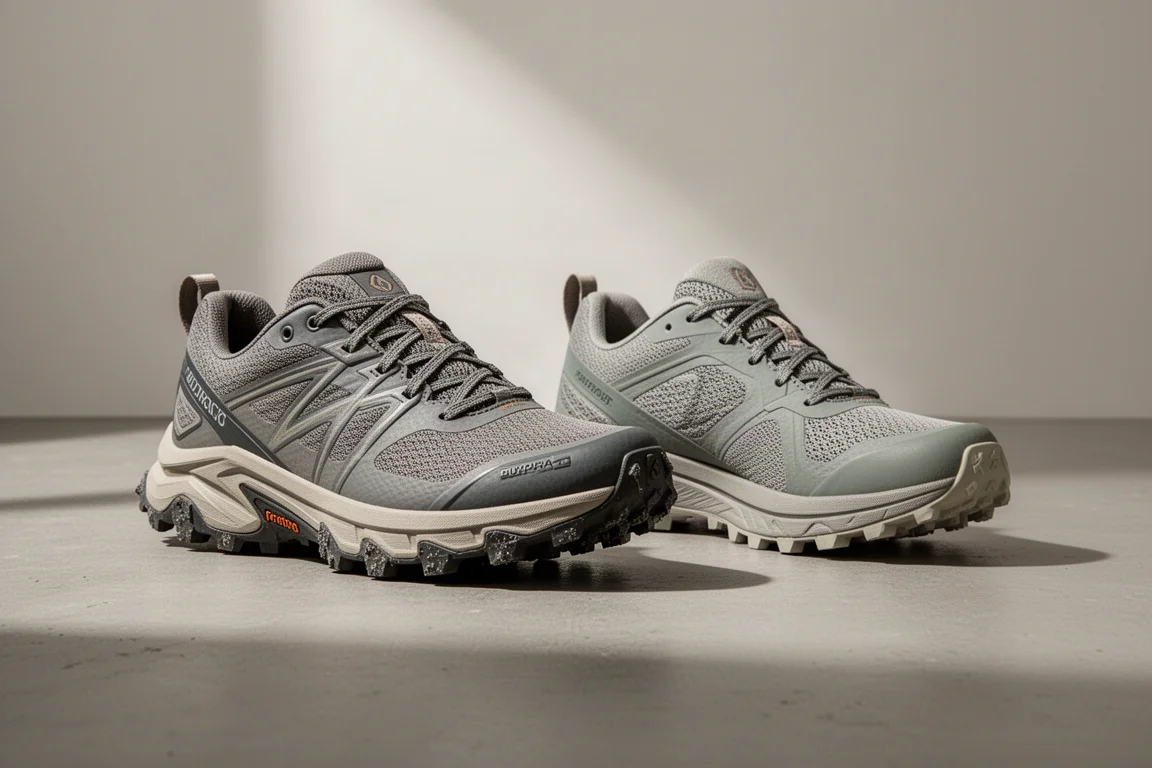
Hoka’s trail lineup has a clear split in personality. The Speedgoat 5 is the all-round favourite for everyday trail work, while the Mafate Speed 4 is positioned as the protective, long-distance option for racing in technical mountain terrain. We took the Mafate Speed 4 out for a couple of easy runs plus a longer hour-plus session on mixed, mostly flat but rocky trails near Chamonix to see what it is really made of.
Testing Conditions
The test routes were kept relatively flat, but the surface character shifted: predominantly rocky and stony underfoot, growing more challenging and slightly more hilly as the runs progressed, with hot, humid conditions adding to the effort. That mix makes a decent early read on protection, stability and traction, though the really technical stuff remains for longer-term testing.

Hoka Mafate Speed 4: First-Run Impressions
The Mafate Speed 4 costs £160 in the UK and $185 in the US, weighs 295 grams, and runs a 4-millimeter heel-to-toe drop. It is built to deliver strong support and cushioning in technical terrain for trail racing. Changes from the Speed 3 include a lighter dual-density ProFly+ midsole foam for a more responsive ride, an updated Vibram Megagrip outsole with five-millimeter lugs for improved all-terrain grip, and a single jacquard upper intended to give a more dynamic fit.
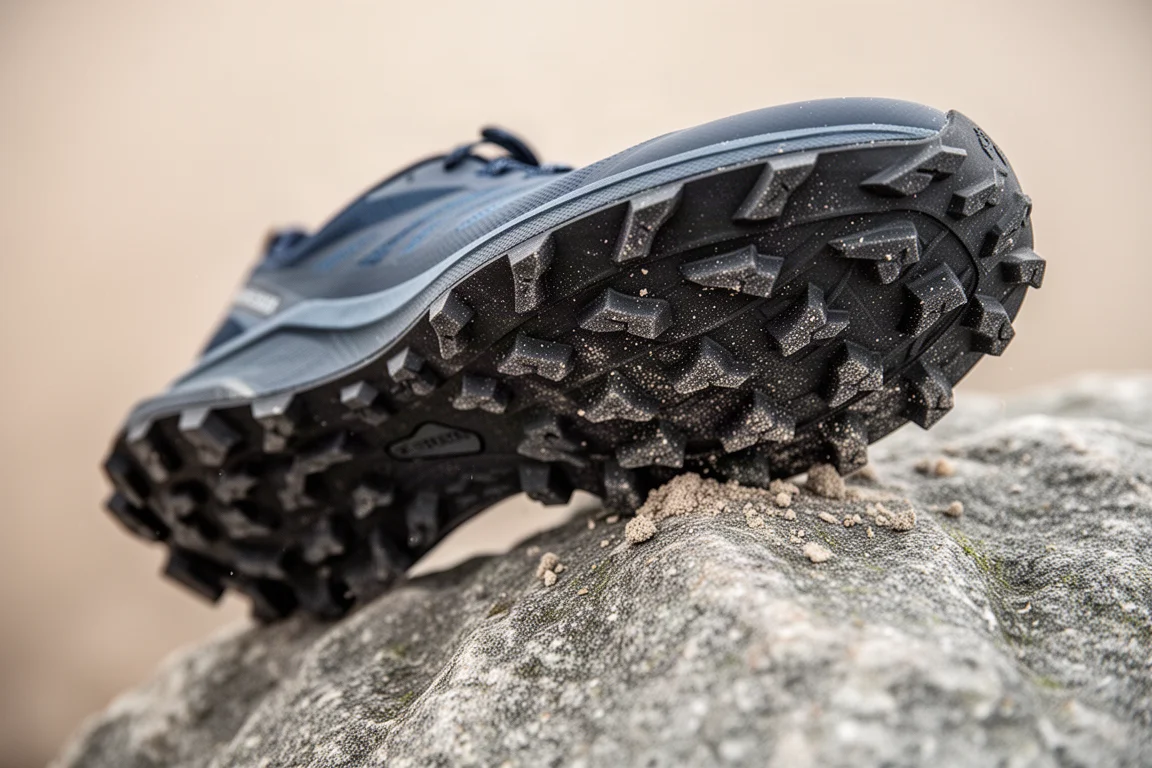
On the run, the shoe felt protective and secure. The midsole creates something that feels nice and soft, the outsole grip was the highlight of the test, and the shoe stayed stable and quick even when the terrain turned rougher and pace picked up on the first half. It did not feel as smooth and responsive as some other Hoka shoes using that midsole foam, but the stability and protection stand out, which is exactly what longer trail races and elevated terrain demand.
Fit and Upper
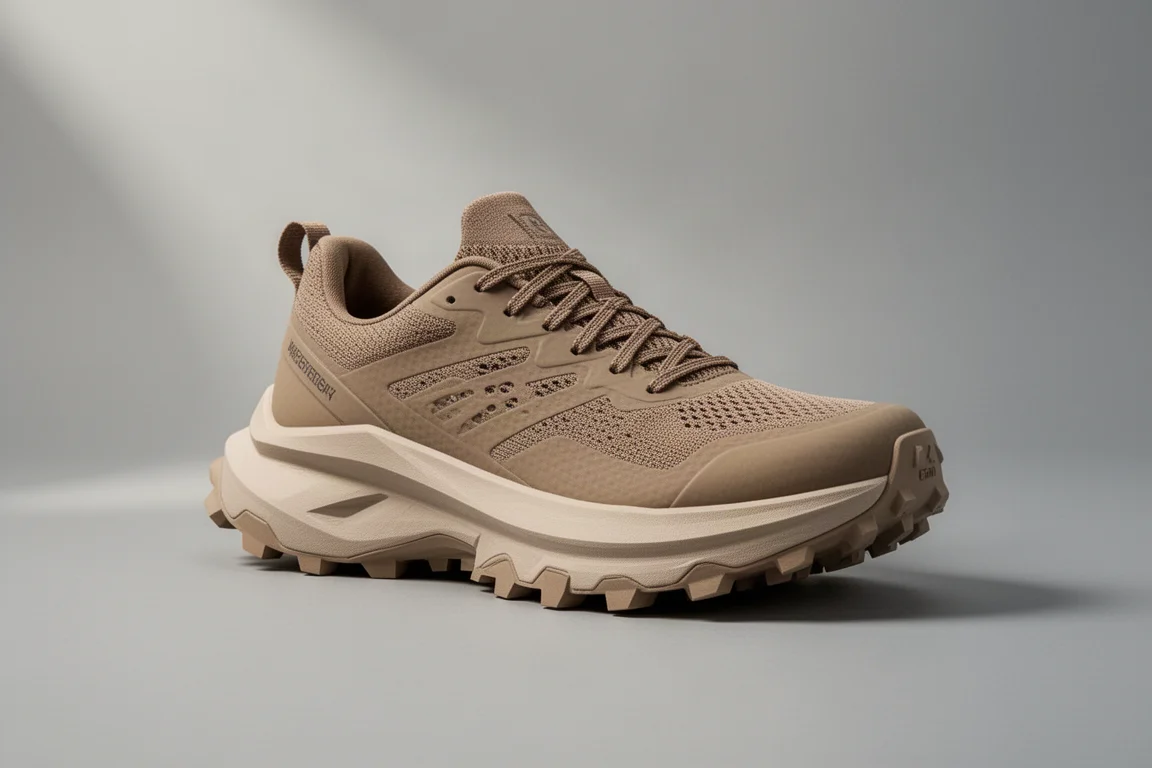
The fit came out spot on in typical UK sizing, and the advice is to go true to size. There is a decent amount of room in the toe box, a good hold through the midfoot, and heel collar padding similar to the Speedgoat 5, with a bit more padding on the tongue. The tongue-and-laces combination delivered a nicely locked-down feel. Note that this shoe comes in a regular fit only; a wide option is available on some other Hoka models, including the Speedgoat 5. One early caution: the upper may come under strain in very technical terrain where you are really tapping through quickly, though that will only be confirmed with more testing.
Hoka Speedgoat 5: The Familiar Benchmark
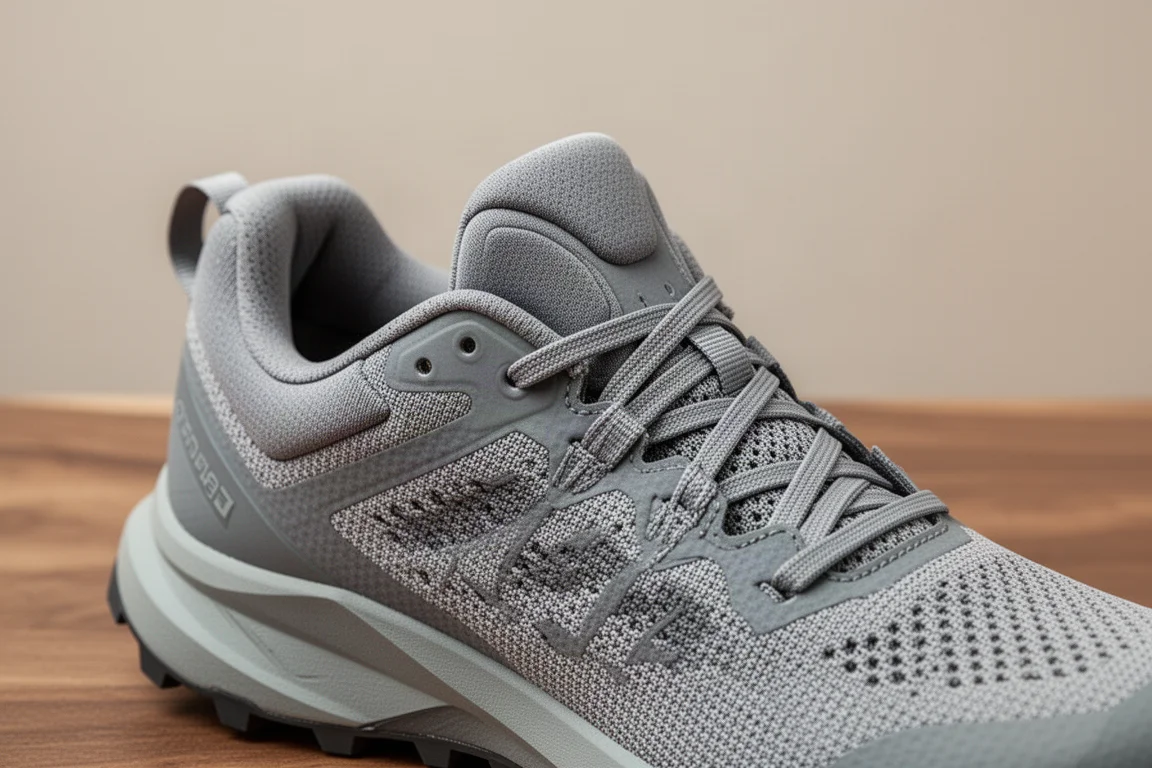
Anyone considering the Mafate Speed 4 will inevitably compare it with the Speedgoat 5, priced at £130 in the UK and $155 in the US. After plenty of miles in both, the Speedgoat 5 feels a little more accommodating in fit and a touch more responsive in the ride. It also feels lighter overall, despite the two being technically similar in weight on paper.
Overall Buying Advice
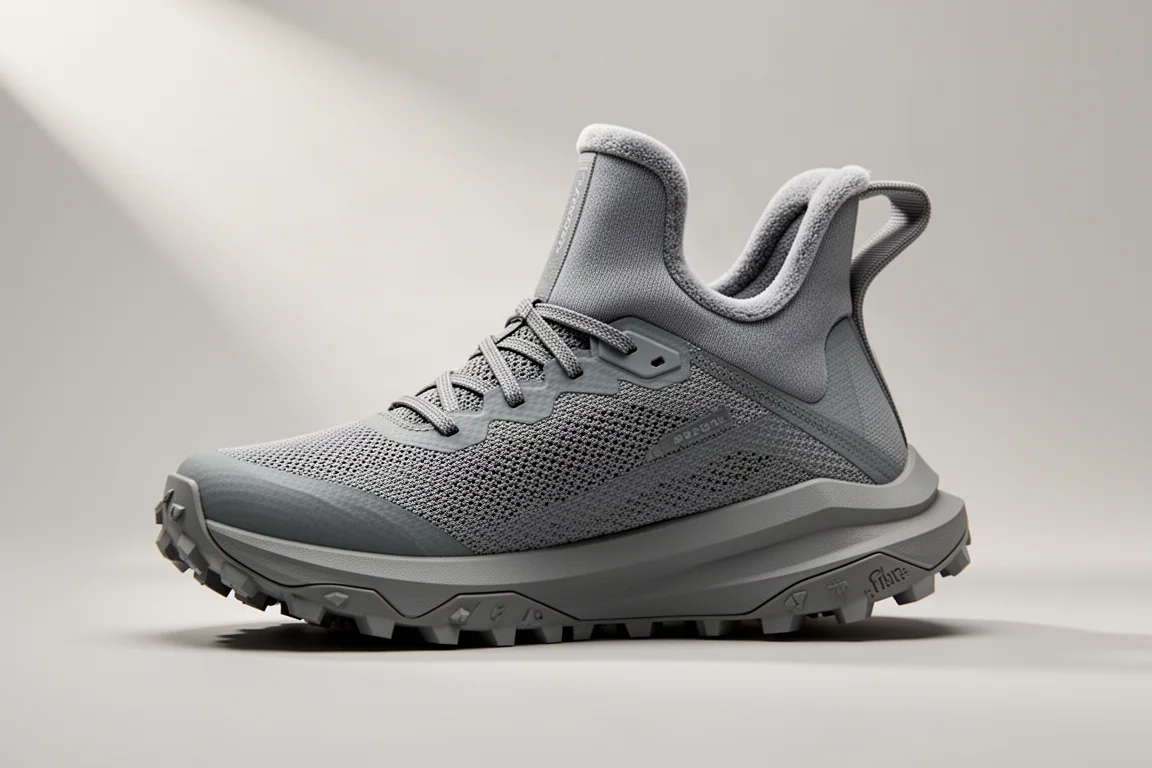
Where the Mafate Speed 4 clearly pulls ahead is traction: the Speedgoat 5 does not match the level of grip from the Mafate’s outsole. If you are racing long in big, technical mountain terrain and want maximum protection underfoot, the Mafate Speed 4 makes a strong case. If you want the nicer all-round fit, the lighter feel and the more responsive ride for everyday trail running, the Speedgoat 5 remains the pick. There is also a price gap to weigh, with the Mafate sitting at a premium over the Speedgoat.

Conclusion
The Hoka Mafate Speed 4 is a shoe designed to go long: big protection, really strong outsole grip and a comfortable upper, as these early runs confirmed. The Speedgoat 5 still edges it on fit and responsiveness, but for demanding, elevated terrain where traction and cushioning matter most, the Mafate Speed 4 looks like a genuinely capable long-distance trail racing shoe. Plenty more running to do before a full verdict.
Further reading
Related Reviews
Trail Running
How to Choose Trail Running Shoes: A Guide to Shoe Type, Cushioning, and Drop
Learn the three most important factors when selecting trail running shoes: shoe type, cushioning level, and heel-to-toe drop.
Trail Running
Trail Running Poles: A Complete Guide to Technique, Fit, and Use
Learn why trail running poles redistribute workload, how to choose the right length and strap system, and master three essential climbing techniques for longer races.
Trail Running
Arc of Attrition Kit List: The Gear Worth Packing for a Winter Ultra
A practical look at the shoes, waterproofs, lighting, race vest and poles lined up for a brutal 100-mile winter coastal ultra, and why each piece earned its place.