Trail Running Shoes
Hoka Mafate Speed 4 vs Mafate 5: Two Different Shoes for Two Different Runners
The Mafate Speed 4 stays nimble and technical while the Mafate 5 goes big on stack and cushion. Here is how to pick the right one.
Introduction
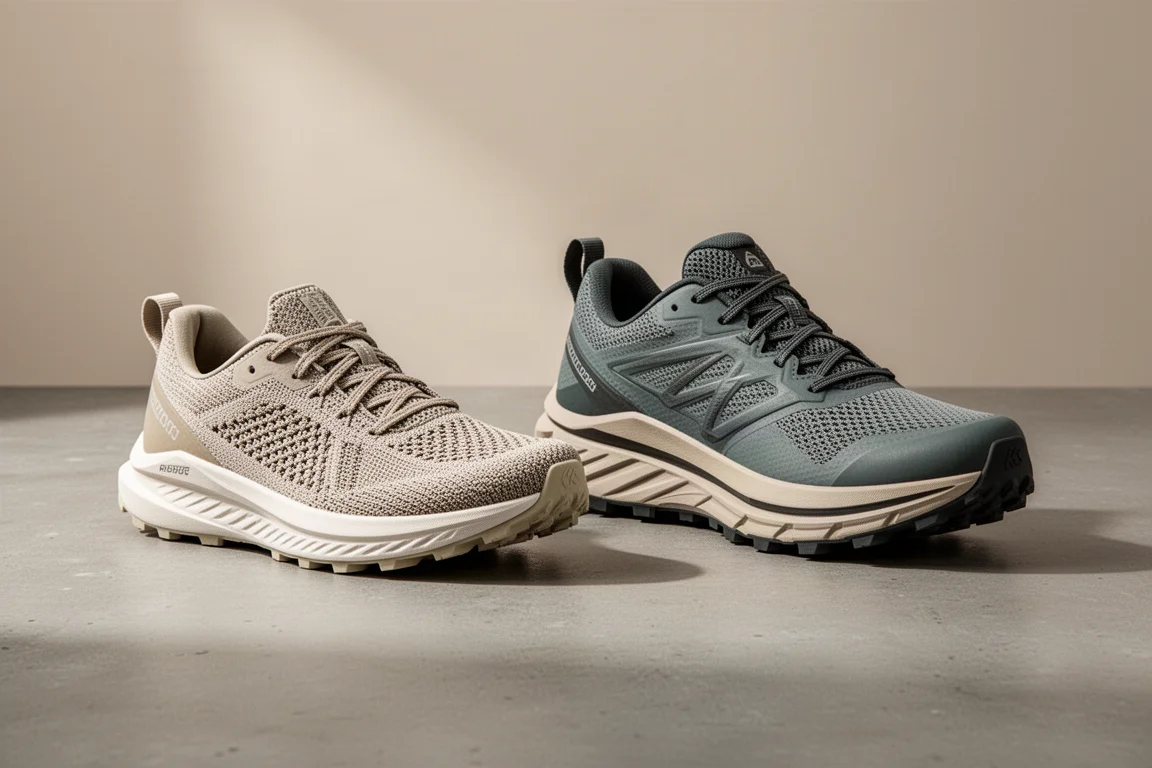
The Mafate series is one of Hoka’s most beloved trail lines, and the Mafate Speed 4 earned high praise from both reviewers and everyday runners. So when Hoka released a massive update in the Mafate 5, complete with a dropped “Speed” tag, plenty of loyal fans were understandably concerned.
The reality is simpler than the debate suggests: these are now shoes in different categories. The Mafate Speed 4 remains a moderate-stack, fairly lightweight option for technical terrain, while the Mafate 5 leans fully into ultra-distance, max-cushion territory. Both still sit at $185, so your choice comes down to fit, terrain, and ride preference rather than price.
Mafate Speed 4: The Secure Technical Pick
The Mafate Speed 4 uses a 33 mm heel to 29 mm forefoot stack with a 4 mm drop, placing it firmly in the moderate stack category. It is also noticeably lighter, more than an ounce lighter than the Mafate 5 in a comparable sample size.
On the foot, it delivers a much more secure, close-to-foot fit. The midfoot is snug and the heel is nicely structured and padded, which gives a locked-in feel on technical ground. The forefoot is a touch broader than some other Hoka models but not wide by any means, and the stretchy vamp helps. Runners with narrower feet, or anyone who wants a secure fit for technical terrain, will get the most out of this one.

The woven jacquard upper is a little heavier and runs a bit warmer than mesh alternatives, and the fit can feel slightly narrow throughout, which is consistent with past Hoka trail shoes.
Mafate 5: The Ultra Distance Max Stack Shoe
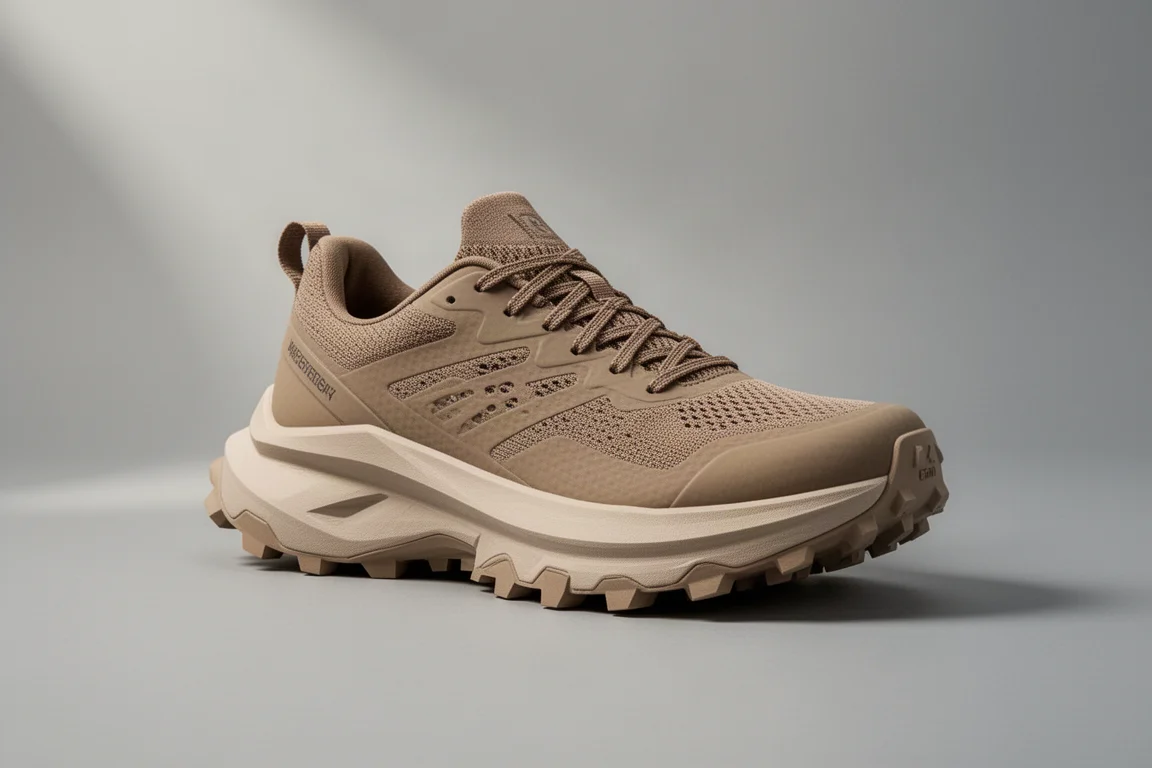
The Mafate 5 is a different animal. The stack jumped to 45 mm in the heel down to 37 mm in the forefoot, that is roughly 12 mm more stack than the Speed 4, and weight climbed to 11.7 oz for a sample size. The “Speed” tag is gone, and with it any pretense that this is the same shoe.
The upper switched to a lighter engineered mesh with strategic overlays. It maintains structure and padding in the heel, but the rest of the foot gets far more volume, which makes it more accommodating for a wider variety of feet and for feet that swell over long races. It is also more breathable than the jacquard upper on the Speed 4.

This is now a true ultra-distance, max stack shoe. If you want cushion, room, and a relaxed fit for long days out, this is where the Mafate 5 earns its keep.
Outsole and Traction
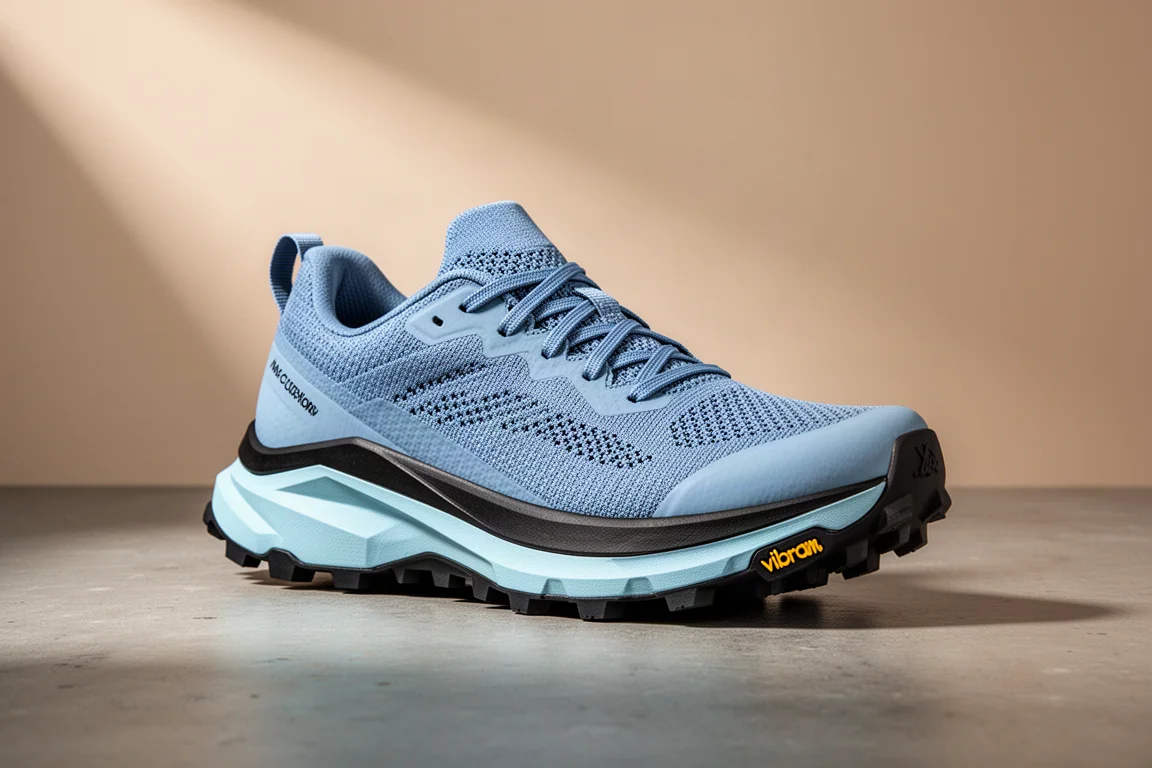
Here the two shoes are nearly identical in practice. Both use Vibram Mega Grip with traction lugs, and both performed well across a wide range of conditions. The exposed foam that worried some runners has shown no meaningful wear and tear even with considerable miles on each shoe.
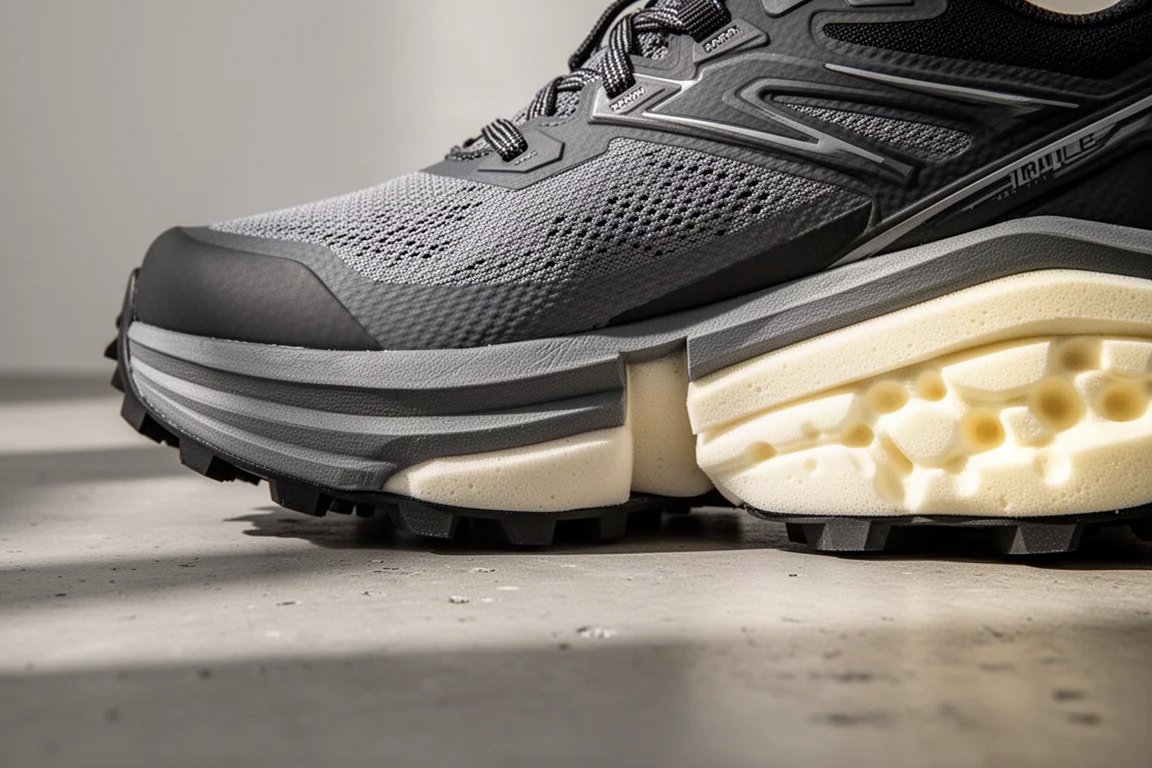
You cannot go wrong with the Vibram Mega Grip and traction lug combination on either version. It is effectively a wash.
Stack Height and Ride Feel
This is where the shoes truly diverge. The Mafate Speed 4 still feels cushioned but sits lower to the ground and feels quite stable. It is one of the few shoes that manages to feel plush while still handling technical terrain well, which is exactly what made it so popular for everything from 100 milers to daily training.
The Mafate 5 uses a layered midsole: a more stabilized traditional EVA section up front, with a super critical, highly reactive foam behind it that feels cushioned, energetic, and smooth. It also has a slightly more aggressive forefoot rocker, which feels great on light and moderate terrain. Even with the higher stack and relaxed fit, it stays surprisingly stable thanks to a broad outsole, and it handled Rocky Mountain terrain reasonably well, though the occasional ankle roll confirms it is not as secure as the Speed 4 on truly technical ground.
Which One Should You Buy?
If your season leans toward gravel roads, door-to-trail routes, and smoother to moderate terrain, the Mafate 5 delivers an energetic, cushioned, feel-good ride that holds up over distance. If your calendar is full of peaks and technical terrain, or you simply want a more secure, lower-to-the-ground, in-control shoe, the Mafate Speed 4 is the better tool.

The honest answer is that both are excellent at different jobs. Pick based on the terrain you run most often, not on nostalgia for what the series used to be.
Conclusion
The Mafate Speed 4 and Mafate 5 are no longer competitors in the same category, and that is okay. One is a snug, stable, technical trail shoe with a moderate stack; the other is a max-cushion ultra-distance workhorse with room to spare. Both share the same excellent Vibram outsole and the same $185 price, so the deciding factors are fit, terrain, and how much stack you actually want underfoot.
Further reading
Related Reviews
Trail Running Shoes
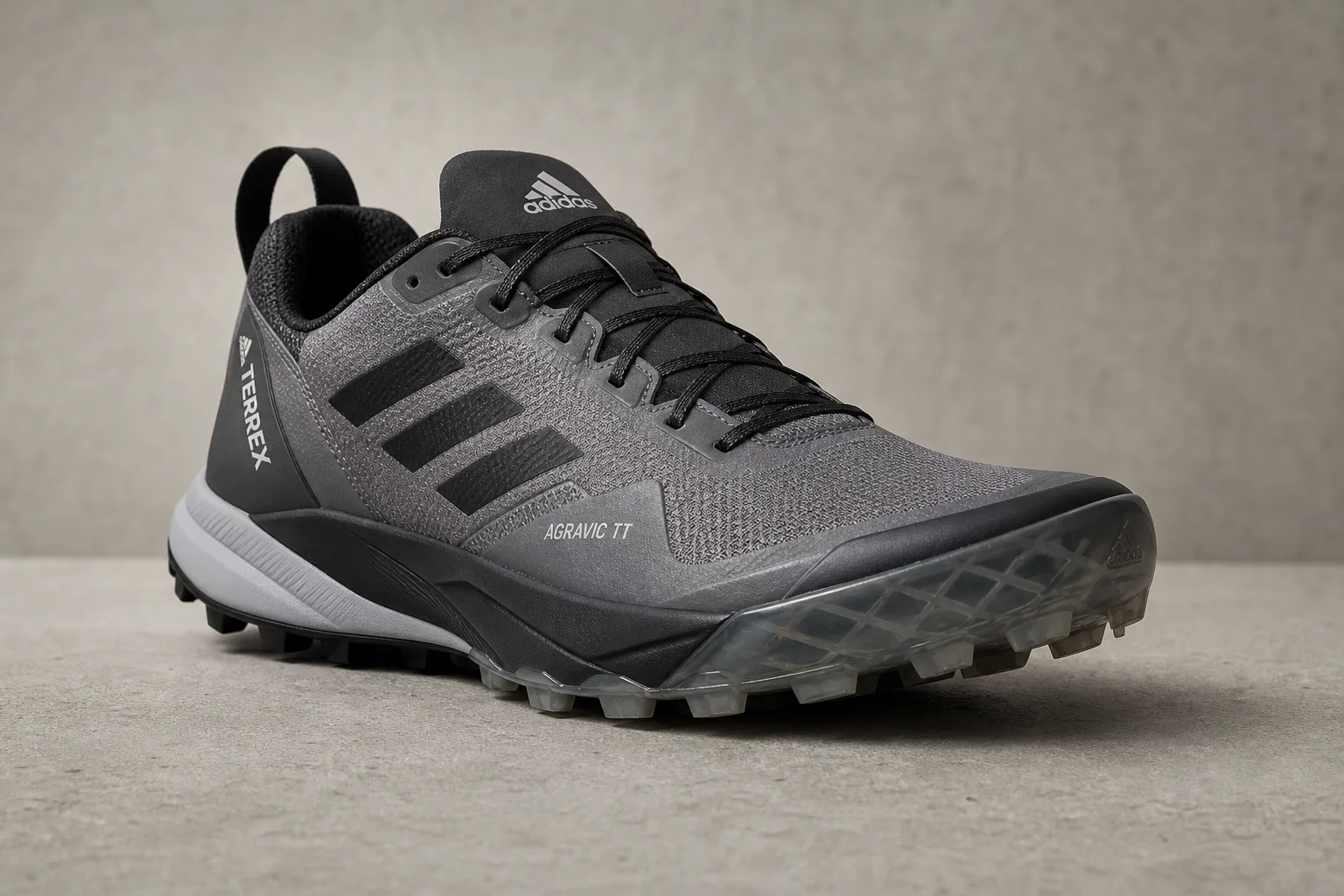
Adidas Terrex Agravic TT Review: A Technical Trail Shoe Built for Rocky Terrain
The Adidas Terrex Agravic TT combines a full-coverage rock plate with a firmer midsole to deliver protection and stability on technical, rocky trails. A capable choice for runners who prioritize underfoot defense over lightweight cushioning.
Trail Running Shoes
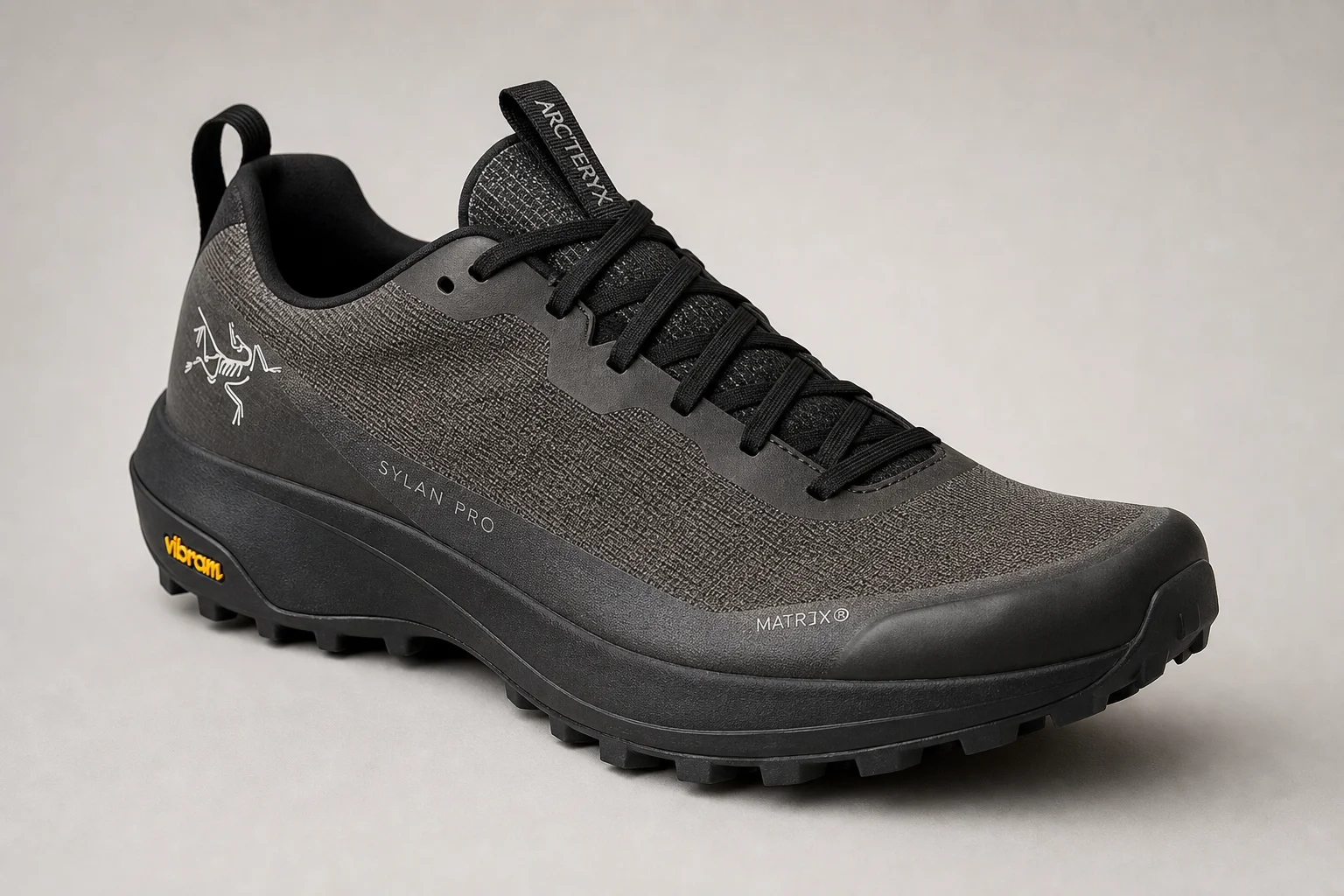
Arc'teryx Sylan Pro Review: A Rocker-Focused Mountain Running Shoe Tested on 20 Miles
The Arc'teryx Sylan Pro brings a pronounced rocker geometry and secure fit to mountain terrain. We tested it on a 20-mile Sawtooth loop to evaluate its climbing efficiency, protection, and handling of technical descents.
Trail Running Shoes
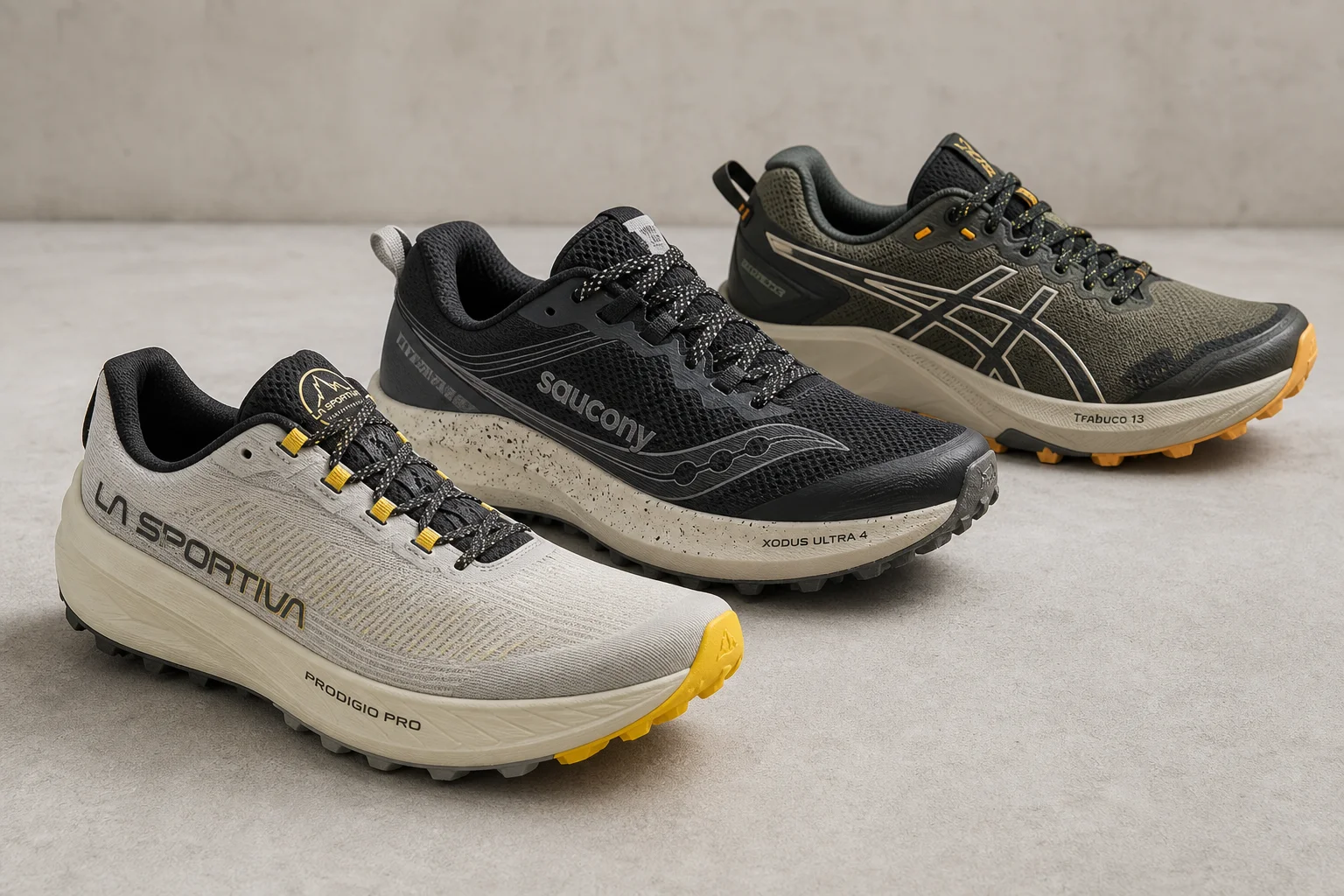
Best All-Mountain Trail Running Shoes: Three Versatile Options for Any Trail
A focused roundup of three all-mountain trail running shoes that handle technical terrain, long distances, and variable conditions with real strengths and practical trade-offs.