Trail Running Shoes
Hoka Mafate Trail Running Shoe Review: A Capable Mudder With a Build-Quality Question
The Hoka Mafate offers strong comfort and a dual-density midsole, but a torn eyelet during testing and a high price hold its overall score back.
Introduction
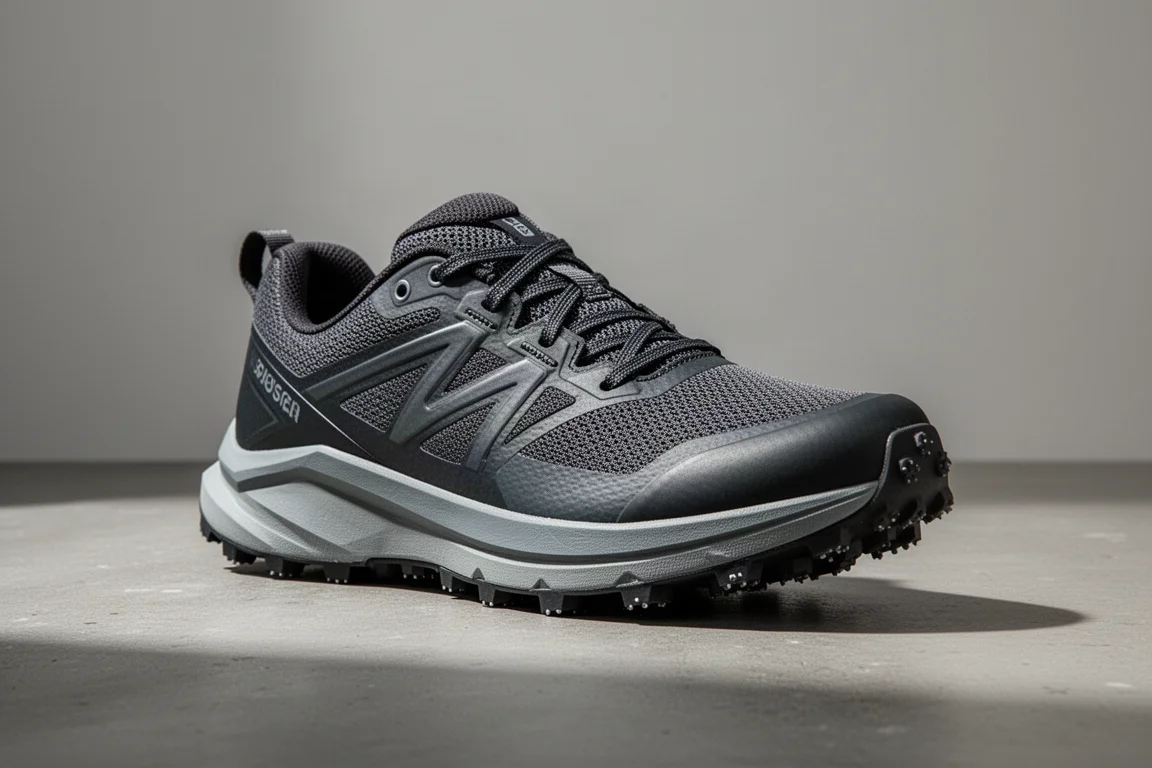
The Hoka Mafate went through muddy, gritty testing and came out with a clear picture: a comfortable, well-cushioned trail runner with real strengths in the midsole, but held back by a build-quality issue and a steep price. The full review score lands at 6.5 out of 10.
Weight and Specs
In a men’s size 9.3 in testing (size 8), the Mafate comes in at 9.3 oz, which scores 8 out of 10. That is significantly under the 10 oz mark, and anything under 10 oz is a good sign for a max-cushion trail shoe. The upper uses Hoka’s jacquard mesh, and the shoe is made in Vietnam.
Upper: Comfortable Mesh With a Serious Flaw
The jacquard mesh upper includes a semi-gusseted tongue and a heel flare at the back of the heel counter, which testers appreciated. The toe cap is pretty stout: not the most protective in the world, but it should do the trick if you kick a rock or root out on the trail.

The major flaw showed up immediately. On the very first lacing, the eyelet chain hole tore at the top. This could be a factory issue with the test pair rather than a design problem across the board, but it earned a ding on the upper score. Overall the upper still pleases, and the takeaway is simple: Hoka needs to reinforce those eyelet chain holes a little more.
Midsole: ProFly Plus and Dual-Density Design
The Mafate uses ProFly Plus foam with a dual-density construction: 43 durometer on the base layer closest to the ground and 33 underfoot. Dual-density midsoles were one of the notable running shoe design trends in recent years, and this approach changes the feel without putting a nylon or carbon plate in the midsole.
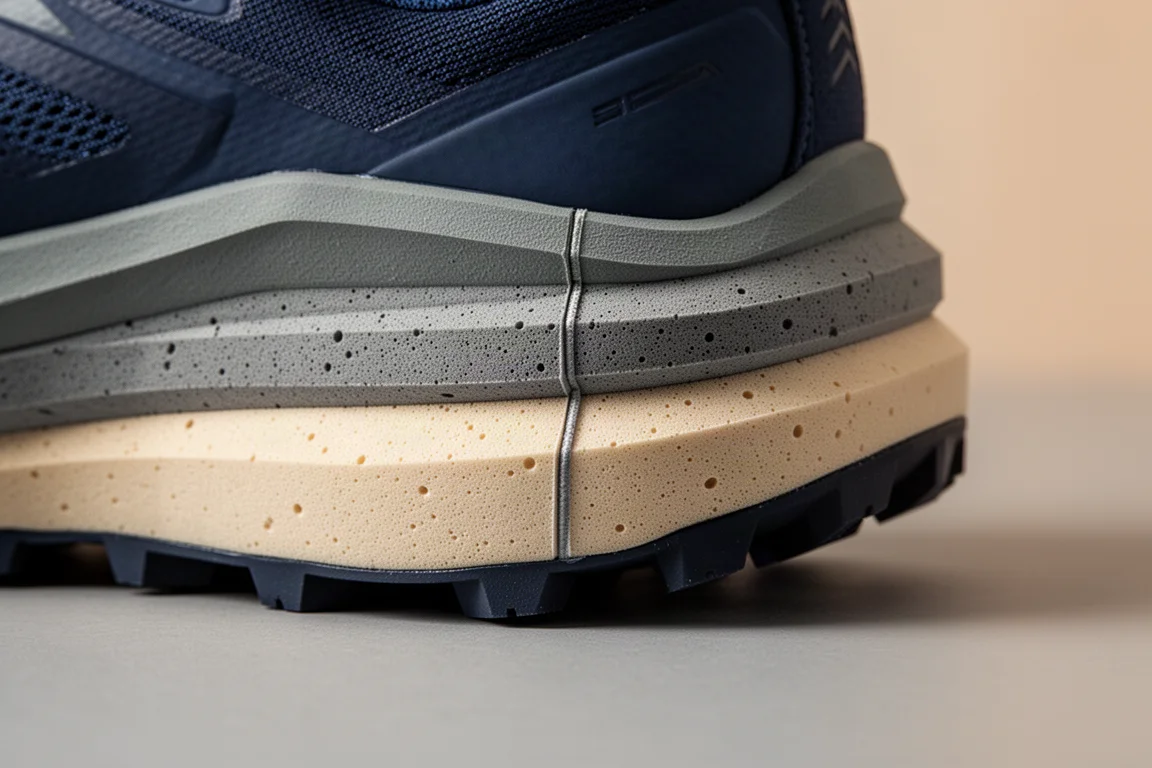
Ride and energy return score a strong 8 out of 10, and the thumb-press test confirms it: the foam throws the thumb right back. That said, early breakdown is already visible after testing, with some creasing in the midsole, so durability scores 7 out of 10. The more involved dual-density production is one likely contributor to the shoe’s high price.
Outsole and Traction
The outsole uses what Hoka calls Light Base construction: a thin layer of rubber rather than plastering the outsole with it. That keeps weight down, but grip was mixed in testing. On one of the steeper local climbs, traction was not gripping well, particularly in mud and snow.
The lug pattern runs 5mm deep, which is bitey on paper, but the lugs feel too wide for that depth. A narrower, more cleat-like lug, similar to a soccer cleat, would bite the ground better. Keep in mind the testing conditions were mud and snow, which are among the hardest conditions for any outsole.
Comfort, Price and Overall Score
Comfort is a clear positive, alongside the ProFly Plus midsole as the standout feature. The drawbacks are just as clear: the torn eyelet chain and the price. At $185, the Mafate is expensive, and combined with the early midsole creasing and the eyelet issue, it is hard to call this shoe good value. The final review score comes in at 6.5 out of 10.
Buying Advice: Who the Mafate Is For
The best use case is 8 to 12 mile trail runs without big vertical: no more than about 1,500 ft of climbing and no steep grades. The 5mm lugs have enough bite for moderate terrain, but the wide lug pattern and mixed wet-surface grip make steep, technical climbs a weak spot.

If your runs stay on moderate terrain and you value cushion and comfort over price, the Mafate can work well. If you regularly climb steep grades or run in persistent mud, there are likely better options. And if you have run in the Mafate, especially if you have experienced eyelet chain tearing, sharing that experience helps everyone get a clearer picture of the shoe’s build quality.
Conclusion
The Hoka Mafate delivers a comfortable, energetic ride thanks to its dual-density ProFly Plus midsole, and its sub-10 oz weight is genuinely competitive. But a torn eyelet on first lacing, early midsole creasing, mixed traction on steep or muddy climbs, and a $185 price tag add up to a 6.5 out of 10. A strong shoe for moderate trail miles, with real question marks around durability and value.
Product link
View more details for Hoka Mafate
This product is mentioned in the review. Check the specifications, options, and compatibility before buying.
View more details for Hoka MafateFurther reading
Related Reviews
Trail Running Shoes
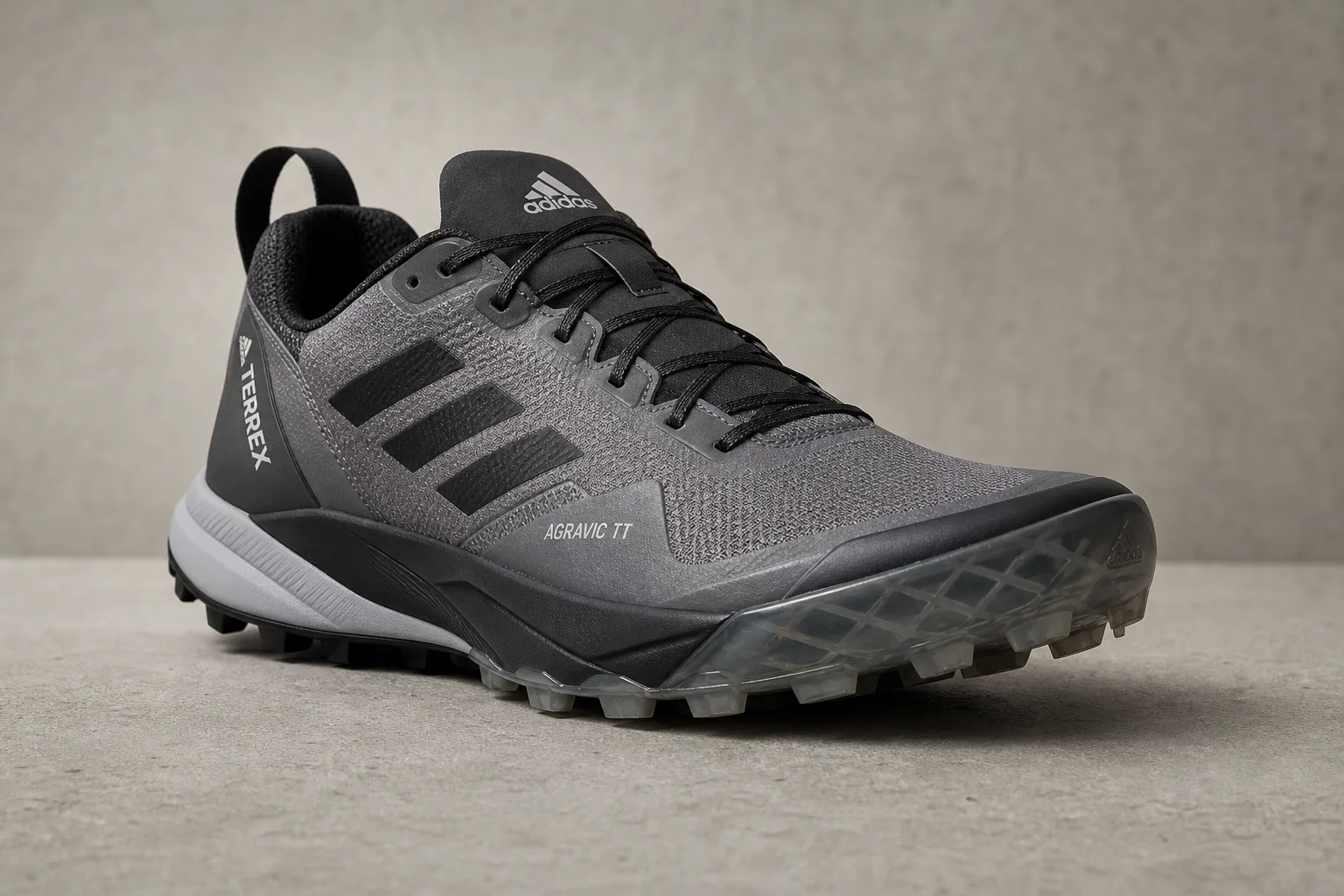
Adidas Terrex Agravic TT Review: A Technical Trail Shoe Built for Rocky Terrain
The Adidas Terrex Agravic TT combines a full-coverage rock plate with a firmer midsole to deliver protection and stability on technical, rocky trails. A capable choice for runners who prioritize underfoot defense over lightweight cushioning.
Trail Running Shoes
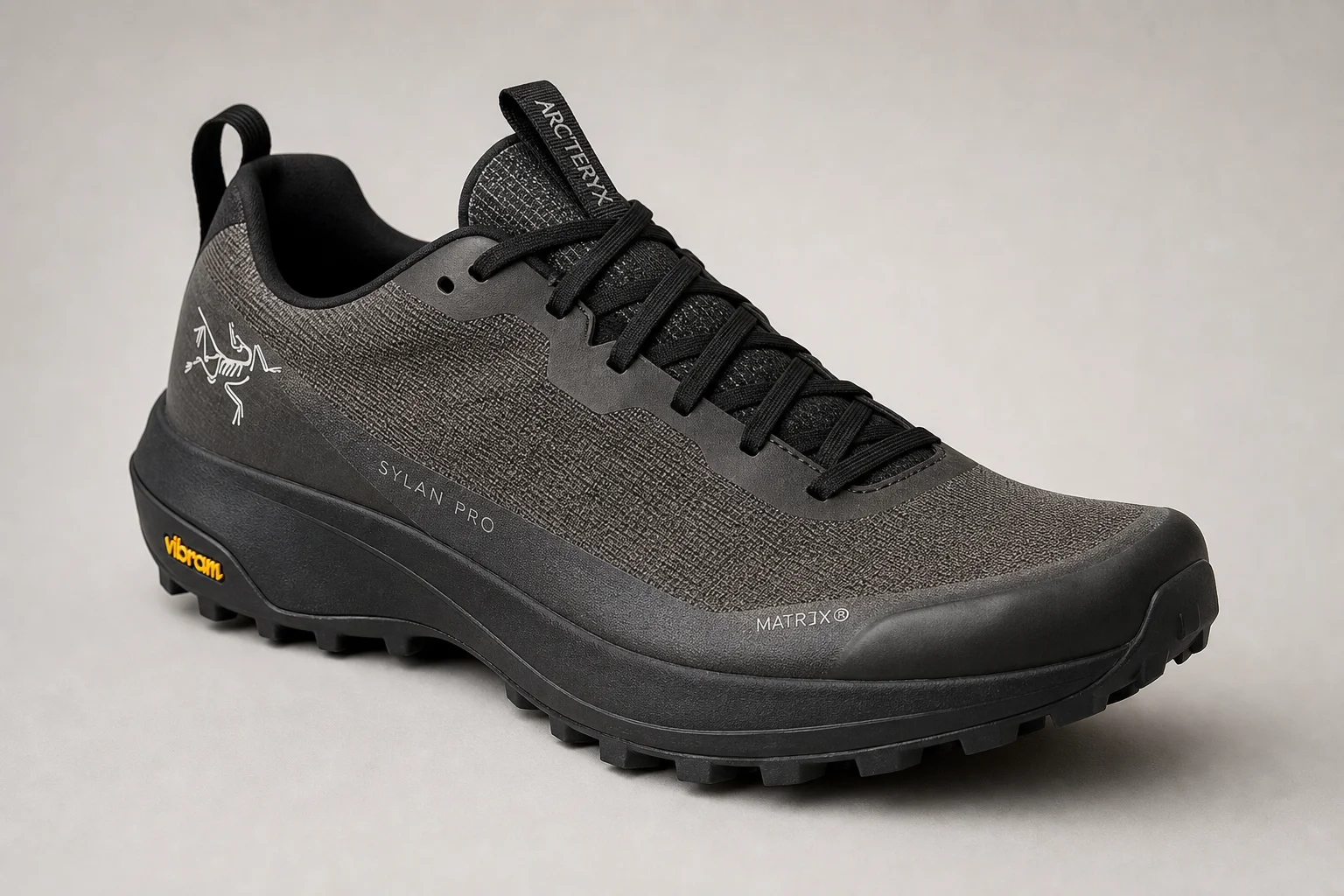
Arc'teryx Sylan Pro Review: A Rocker-Focused Mountain Running Shoe Tested on 20 Miles
The Arc'teryx Sylan Pro brings a pronounced rocker geometry and secure fit to mountain terrain. We tested it on a 20-mile Sawtooth loop to evaluate its climbing efficiency, protection, and handling of technical descents.
Trail Running Shoes
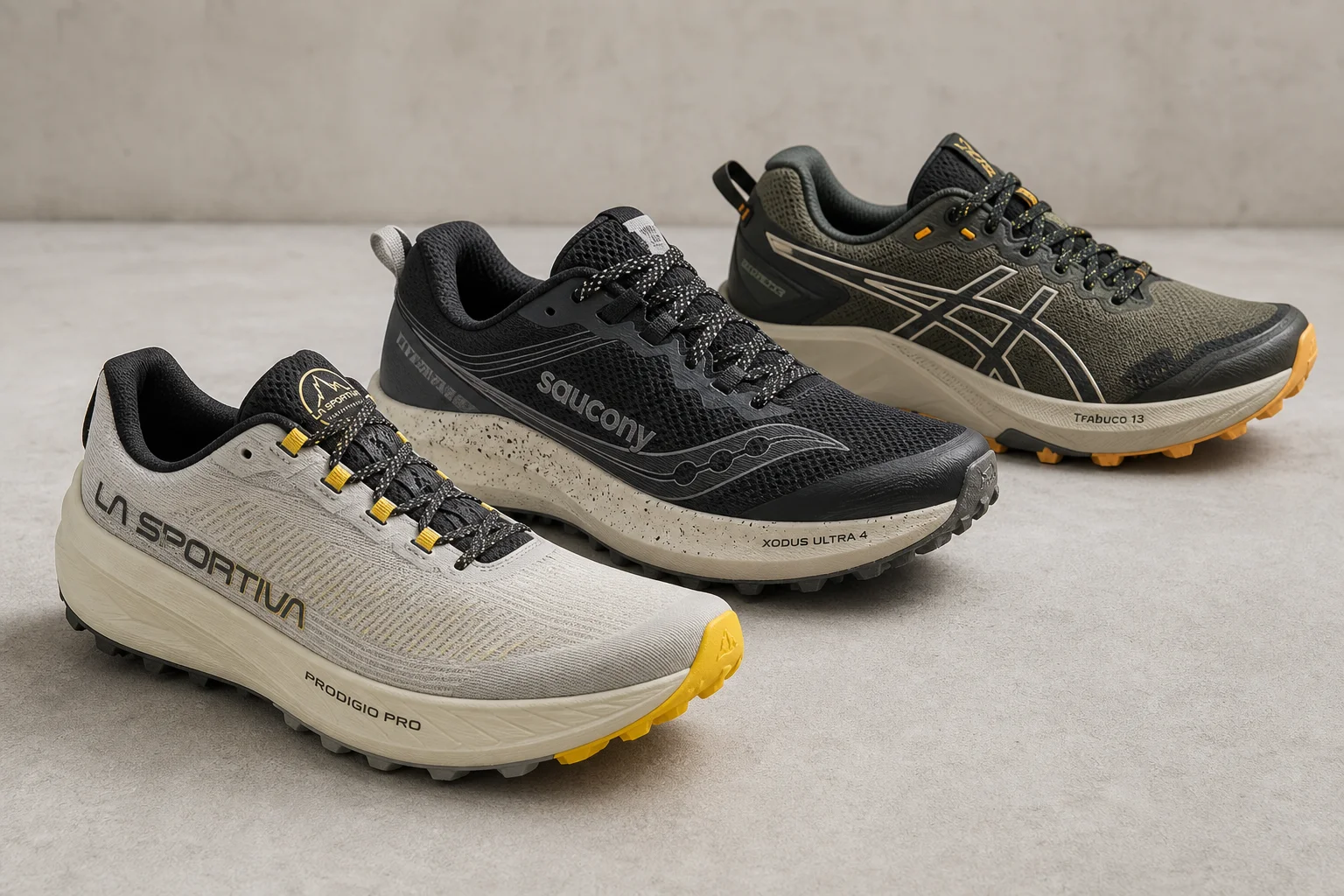
Best All-Mountain Trail Running Shoes: Three Versatile Options for Any Trail
A focused roundup of three all-mountain trail running shoes that handle technical terrain, long distances, and variable conditions with real strengths and practical trade-offs.