Running Shoes
Hoka Mach X3 vs Mach 6: Two Shoes, Two Very Different Personalities
Hoka calls one a lively trainer and the other a propulsive speed partner. After road time in both, the reality is more interesting than the marketing.
Introduction
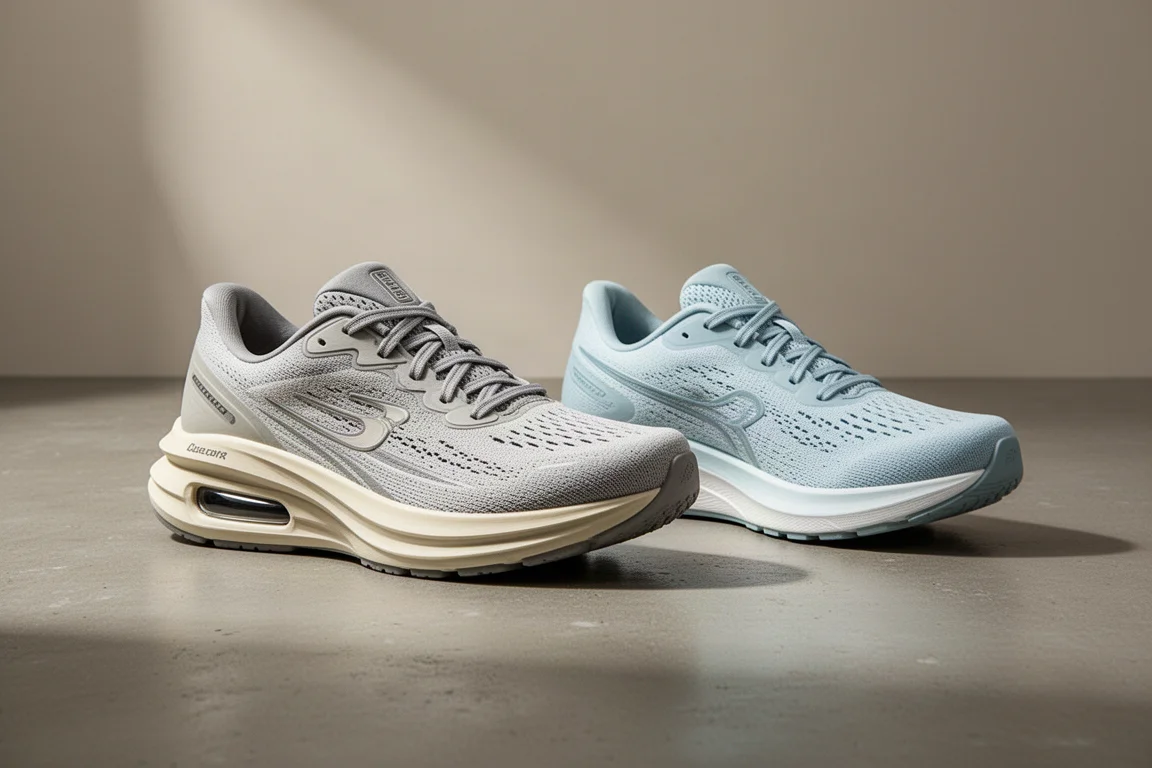
Hoka positions the Mach X3 as a propulsive speed training partner and the Mach 6 as a lively trainer. On paper they look like siblings with one clear upgrade path: the X3 is the faster, more aggressive take on the Mach formula. Spend real miles in both, though, and the roles almost reverse. The Mach X3 turns out to be a controlled, lightly stabilized daily trainer, while the Mach 6 remains the lighter, more versatile shoe most runners will actually enjoy. This comparison breaks down where each shoe excels, who each one suits, and which one deserves your money at their very different price points.
Hoka Mach X3: Specs and Construction
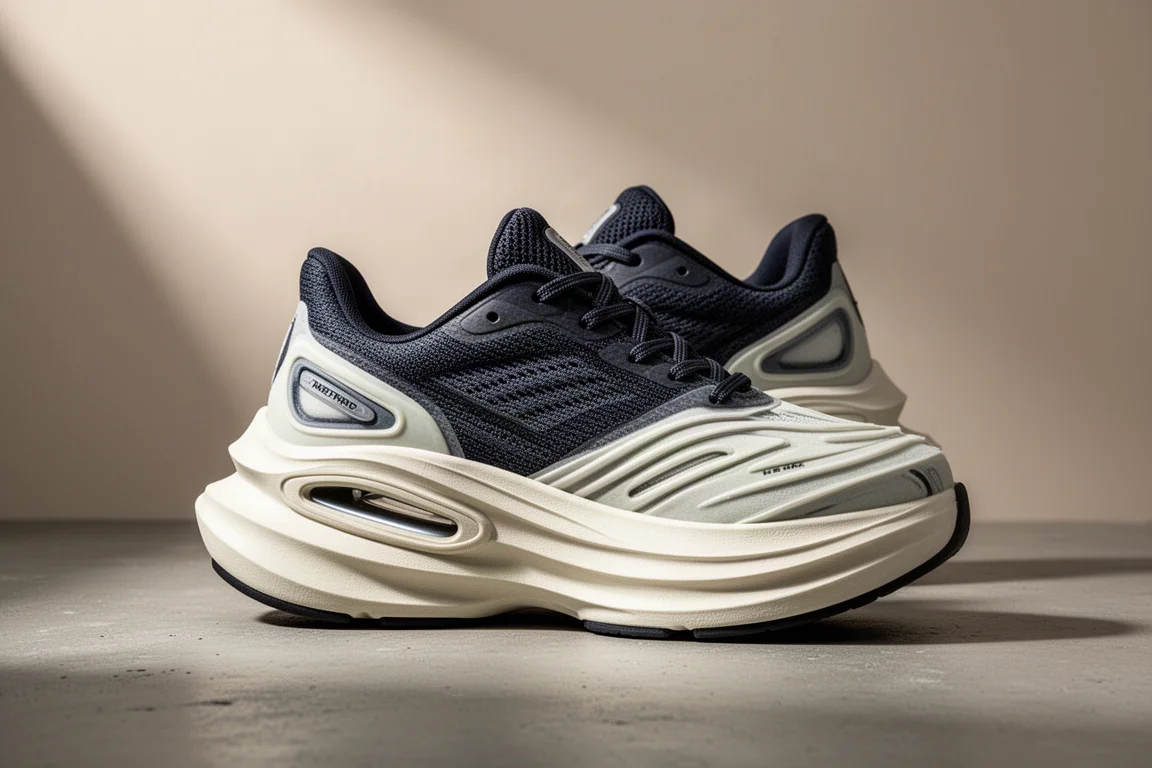
The Mach X3 is a 44 mm stack height shoe with a 5 mm drop, giving 39 mm in the forefoot. Three components make up the ride: a PEBA foam top layer, a firmer EVA bottom layer, and a PEBAX plate sandwiched between them. The plate’s angle is visible through three windows in the midsole, and those same sculpted sidewalls, a signature of every Mach X so far, help keep the ankle from moving too much at ground contact. This is a shoe with genuine motion control elements.
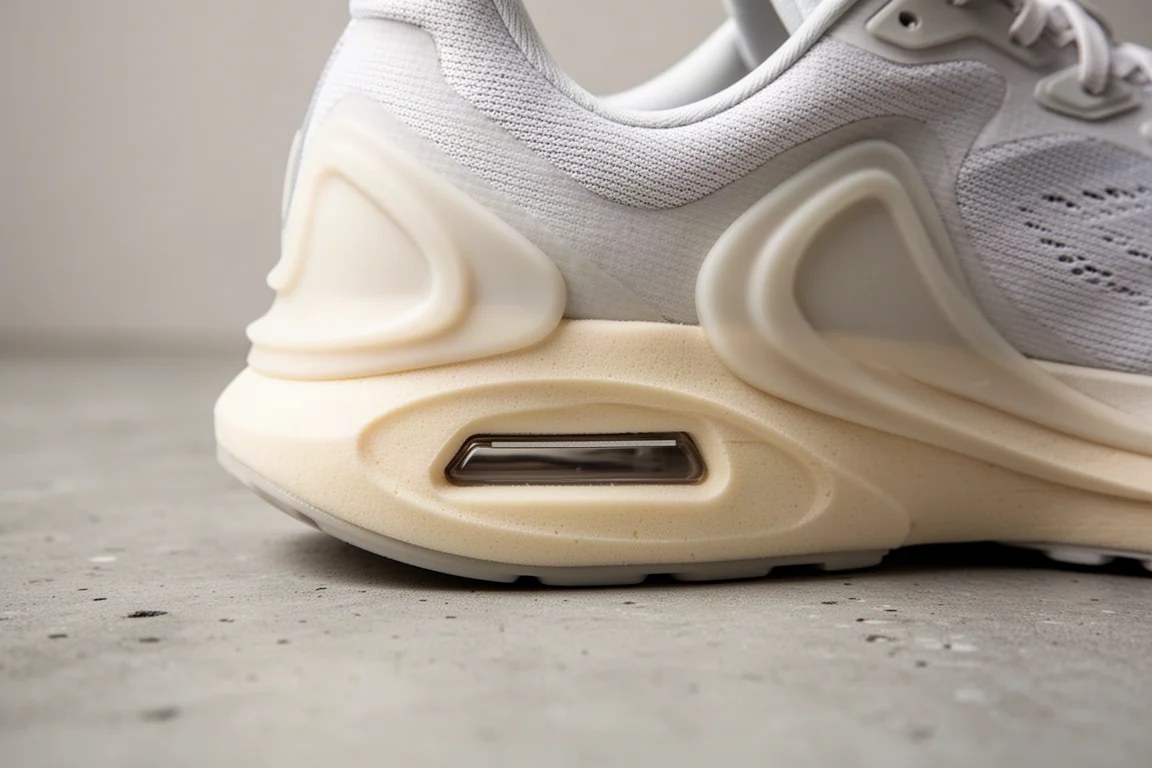
The outsole carries a decent amount of rubber to protect the midsole, though exposed foam remains in the plate-window areas. Its layout borrows heavily from previous Mach X versions and the Mach 6. The upper appears ported from the Mach 6 in silhouette, but the materials feel stronger and less stretchy, which suits a shoe meant to hold the foot in place at speed. The tongue is lightly padded and non-gusseted, keeping weight low, and the heel features an Achilles flare with modest padding. Sizing runs true for most: this reviewer’s regular size worked perfectly.
How the Mach X3 Rides
On the road, the landing is stable and predictable whether you hit heel or forefoot, and the meta-rocker works nicely, especially for midfoot and heel strikers. The PEBA delivers a pleasant mix of softness and responsiveness, and the softness actually feels improved over last year’s version, particularly at slower paces and even when walking around casually.

The catch is the balance of materials. The ratio of soft PEBA to firm stabilizing EVA feels off, with too much of the firm stuff. Despite Hoka marketing this as an up-tempo trainer for speed work, it does not feel like a speedy shoe. It reads as a daily training shoe with a lot of stability built in, agreeable at easy paces but resistant when you try to push. At a measured 9.4 oz (266 g) in US men’s size 9, it is also 1.8 oz heavier than the Mach 6. If you loved previous Mach X versions, this is a safe update. If you could not run in the Mach 6 because it felt too unstable, the Mach X3 is the shoe built for you.
Mach 6: The Lively One in the Family
The Mach 6 is the regular Mach, and it remains the best daily trainer in Hoka’s lineup. It is lightweight, responsive, and cushioned, and it handled everything from easy runs to long runs and tempo work with pace changes. It is a fun, agile shoe that rewards a quicker cadence rather than fighting it.
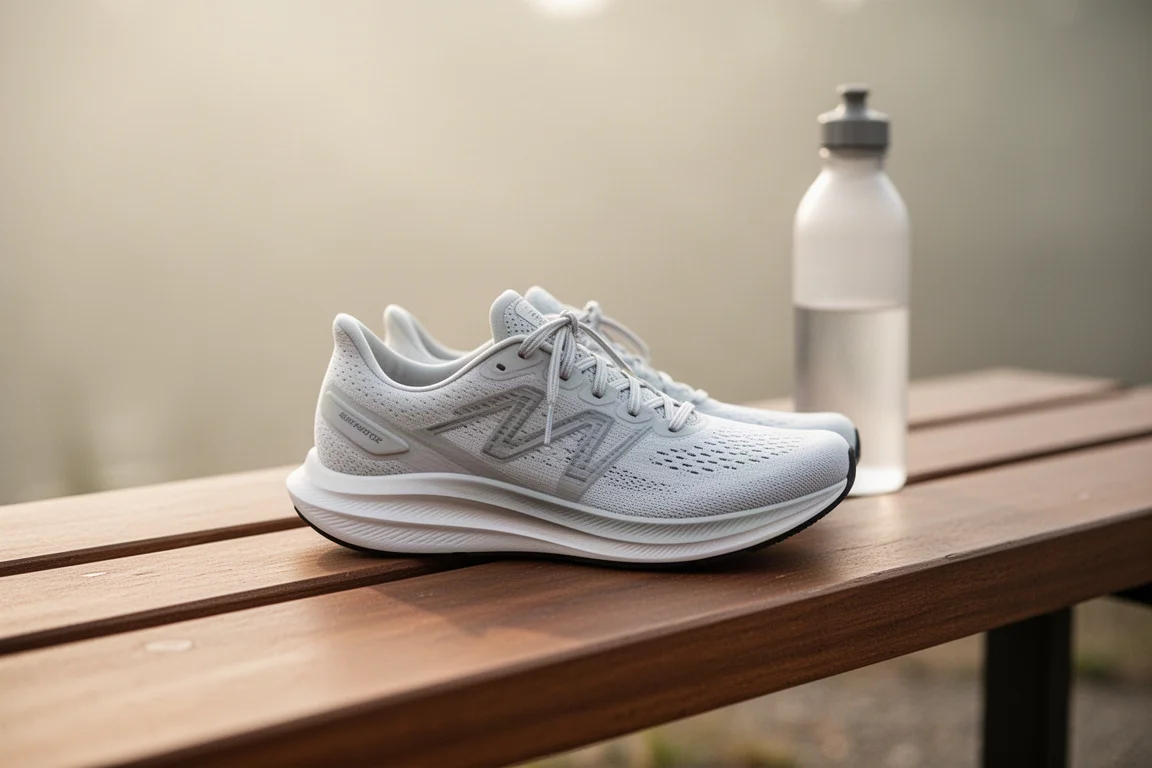
Where the X3 adds a plate and stabilization and ends up feeling controlled and heavier, the Mach 6 keeps the formula simple. If you want the lightest, fastest, most fun shoe in the Mach family, this is it. Since it has been out for a long time without an update, some colorways are already discounted, which makes it an even easier recommendation over the pricier X3.
Where They Fit in a Hoka Rotation
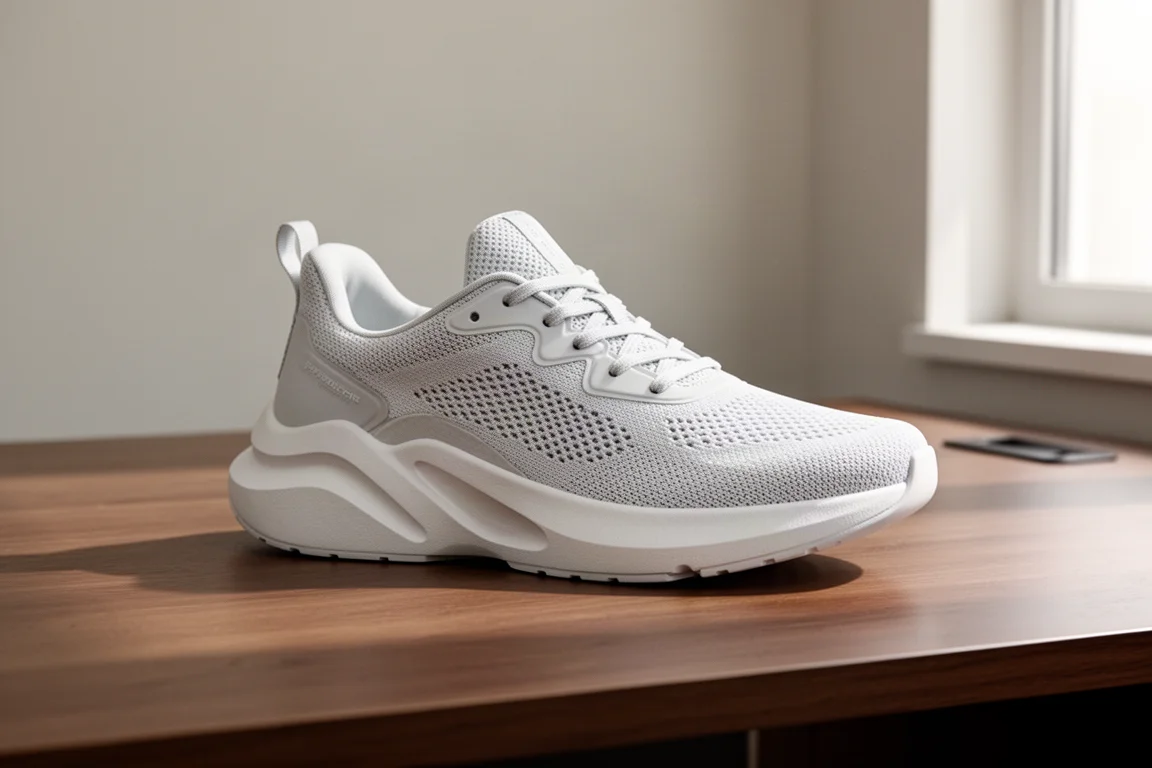
Within Hoka’s broader lineup, the Clifton is the default daily trainer, the Bondi covers max-cushion days, and the Rocket X3 sits as the racing shoe. Hoka slots the Mach X3 in between, as an up-tempo trainer with race materials like the PEBA top layer and PEBAX plate plus daily-trainer durability. The problem is that it does not really deliver the tempo experience, which leaves Hoka without a true tempo trainer in the current lineup.
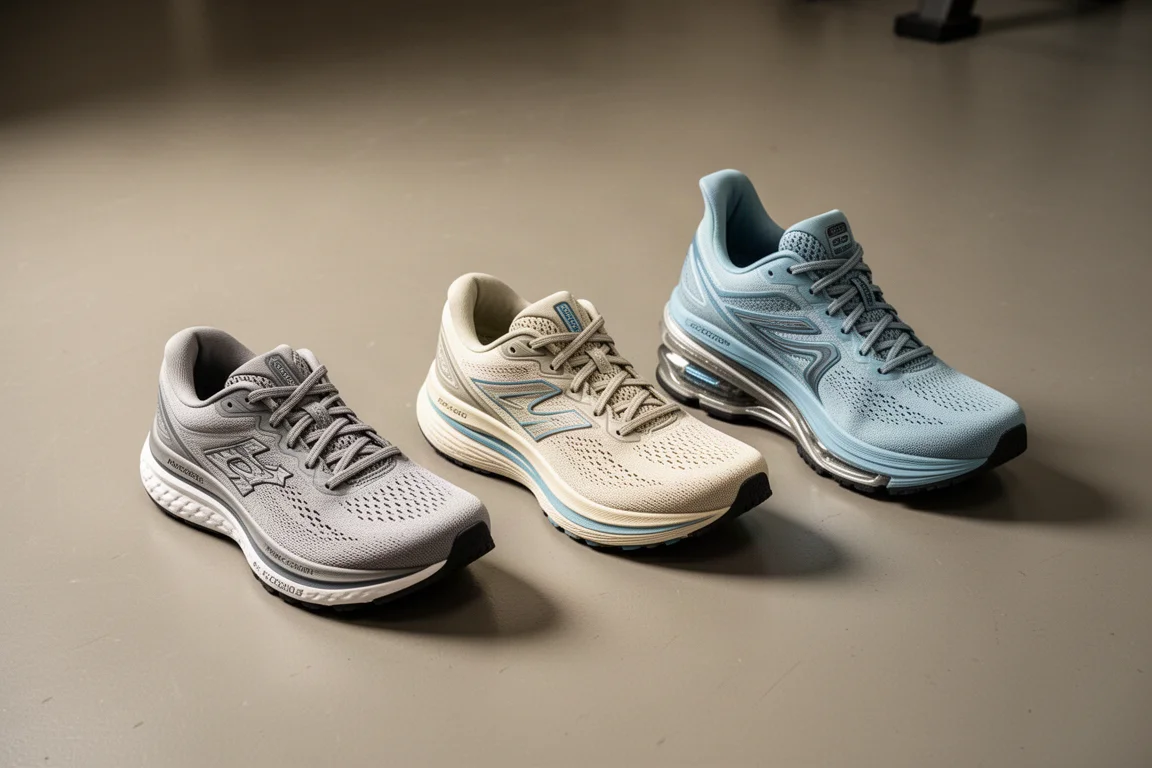
Alternatives exist if you shop around: the Skyflow adds light stability to a daily trainer, the Skyward X serves as a price-no-object max cushion option with a carbon fiber H-plate, and the Cielo X1 2.0 is a fun, fast racing alternative. Outside the brand, the Adidas Boston 13 shares a similar construction formula with racing foam up top, EVA below, and energy rods for stabilization, and it is noticeably softer and more comfortable. The ASICS Sonic Blast has the same genesis and the same execution issue as the Mach X3: an exciting base shoe that lost some of its fun once a plate went in.
Buying Advice
Viewed as a lightly stabilized daily trainer with updated materials, the Mach X3 does a genuinely good job: comfortable, predictable, and more pleasant than last year’s version. But at $190 full retail, it is hard to recommend broadly. If the concept appeals but the price does not, the Mach X2 is now on sale at $152 and offers much of the same experience. If you simply want the best Mach, the Mach 6 delivers more fun and more versatility, with some colorways available at $112. For runners who want stabilization in a daily trainer, the Mach X3 will likely please far more than it does anyone chasing a speed shoe.
Conclusion
The naming is confusing, but the shoes are not. The Mach X3 is a comfortable, lightly stabilized daily trainer that happens to wear the wrong badge, while the Mach 6 is the lively, versatile trainer most runners should buy first. Match the shoe to what you actually need: stability and a controlled ride, or lightness and fun.
Further reading
Related Reviews

Running Shoes
Best Road-to-Trail Running Shoes: Three Versatile Options for Mixed Terrain
A practical guide to three road-to-trail running shoes that handle both pavement and mild trails, with clear strengths and trade-offs for different runner types.

Running Shoes
Best Running Shoes for Achilles Tendonitis: Three Options Explained
Three running shoes with different heel drops and support features designed to help reduce Achilles tendon pain during walking and running.

Running Shoes
Best Running Shoes for Women: Five Top Choices Ranked
A ranked guide to five women's running shoes, from versatile daily trainers to high-performance racing options, with real strengths and trade-offs for each.