Running Shoes
Hoka Mach X3 First Run Review: The Fix Fans Were Waiting For
Hoka's Mach X3 keeps the fast, bouncy ride of the Mach X2 and finally delivers a comfortable upper, at the cost of around 20g of extra weight.
Introduction
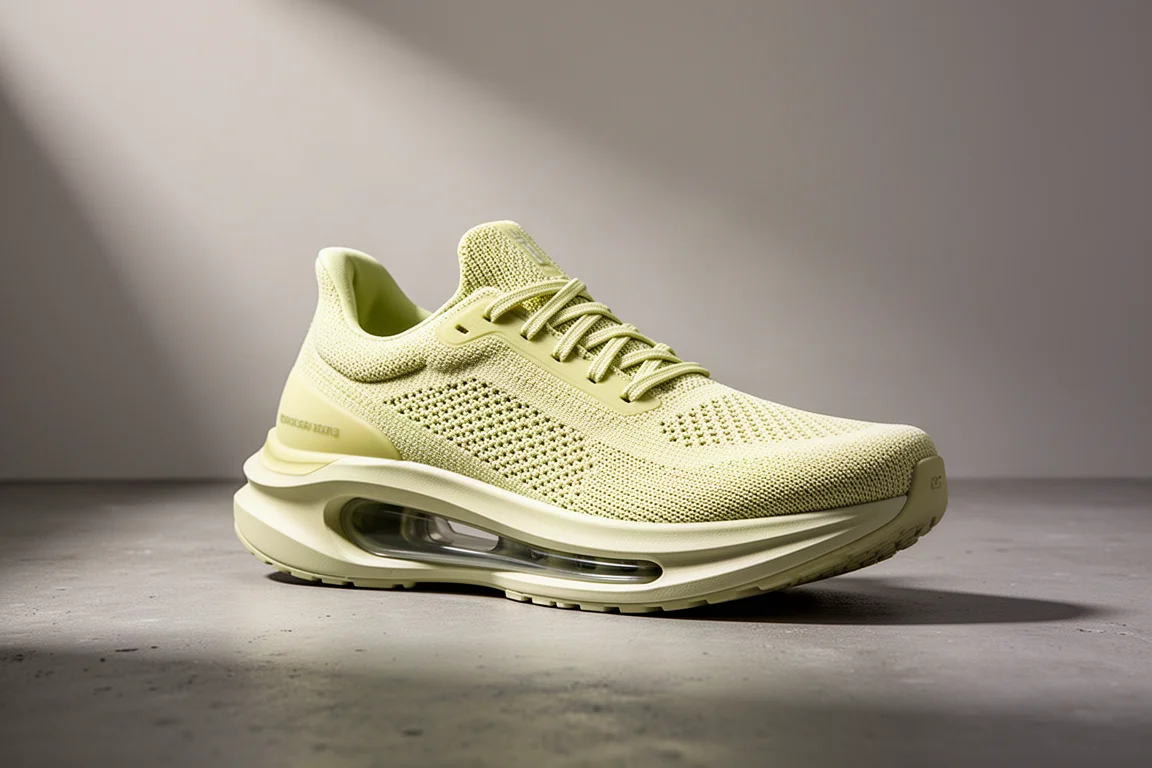
The Hoka Mach X3 arrives with one job: fix the thing that held back one of the most likeable plated trainers of recent years. The Mach X2 was a genuinely versatile shoe, fast enough to fill in for a carbon-plated racer in sessions and races, yet comfortable enough for easy runs. Its weakness was the upper, which was too racy and uncomfortable, especially around the heel. With the Mach X3, Hoka has addressed that directly while keeping the ride largely intact.
The trade-off is weight. The Mach X3 is priced the same as the Mach X2 at £170 in the UK and $190 in the US, and the new padded upper adds around 20 grams. In a UK 9 (US 9.5), it now weighs 274g or 9.7 oz. The question this first run set out to answer is simple: does the added weight dull the ride, or is the more comfortable upper worth it?
What Changed From the Mach X2
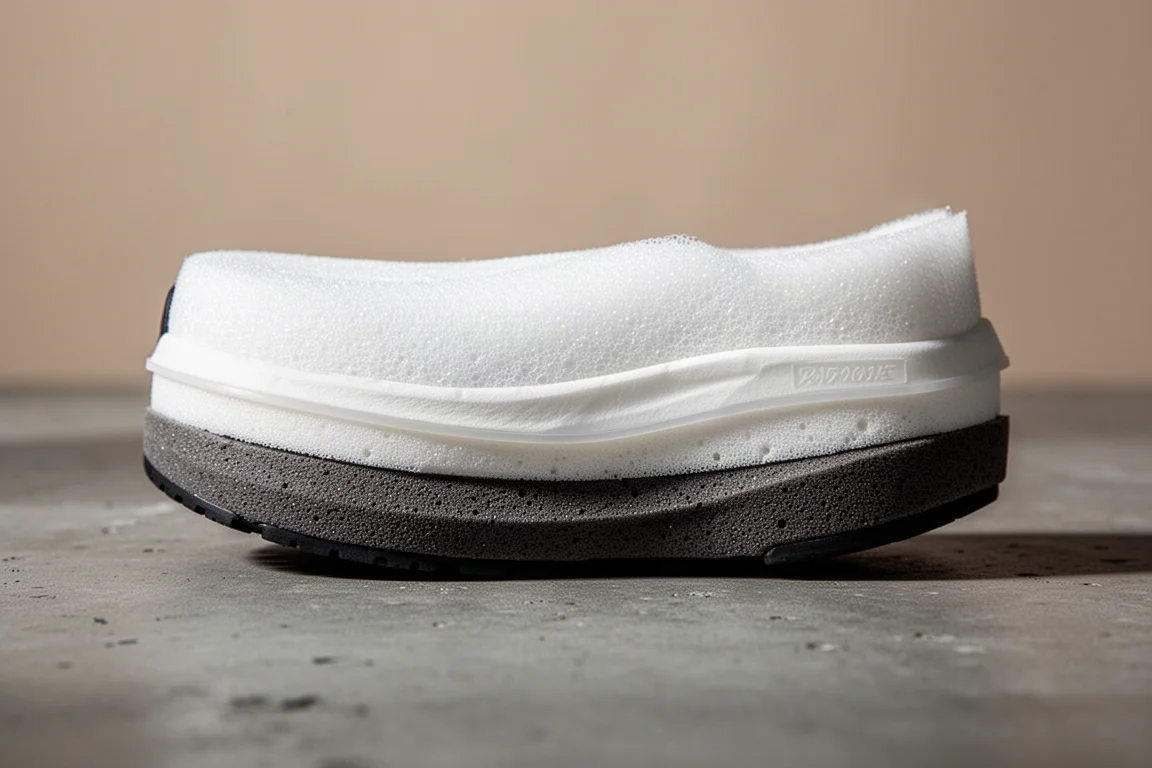
Most of the shoe carries over. The midsole is still a dual-density setup with a top layer of PeBA foam, that bouncy, lightweight, high-performance foam also used in some of Hoka’s racing shoes. A PBack plate runs through the shoe, a plastic plate rather than a full carbon one, with winglets under the forefoot to deliver a propulsive ride while staying slightly more flexible than a carbon shoe. A bottom layer of EVA foam stabilizes the whole setup and should help durability compared with a full PeBA midsole.
The outsole is also the same, with sparing rubber coverage but thick, durable rubber. Cutouts reduce weight on the bottom of the shoe, positioned so they should not cause instability: no cutout on the medial side, and only a small one on the lateral side.
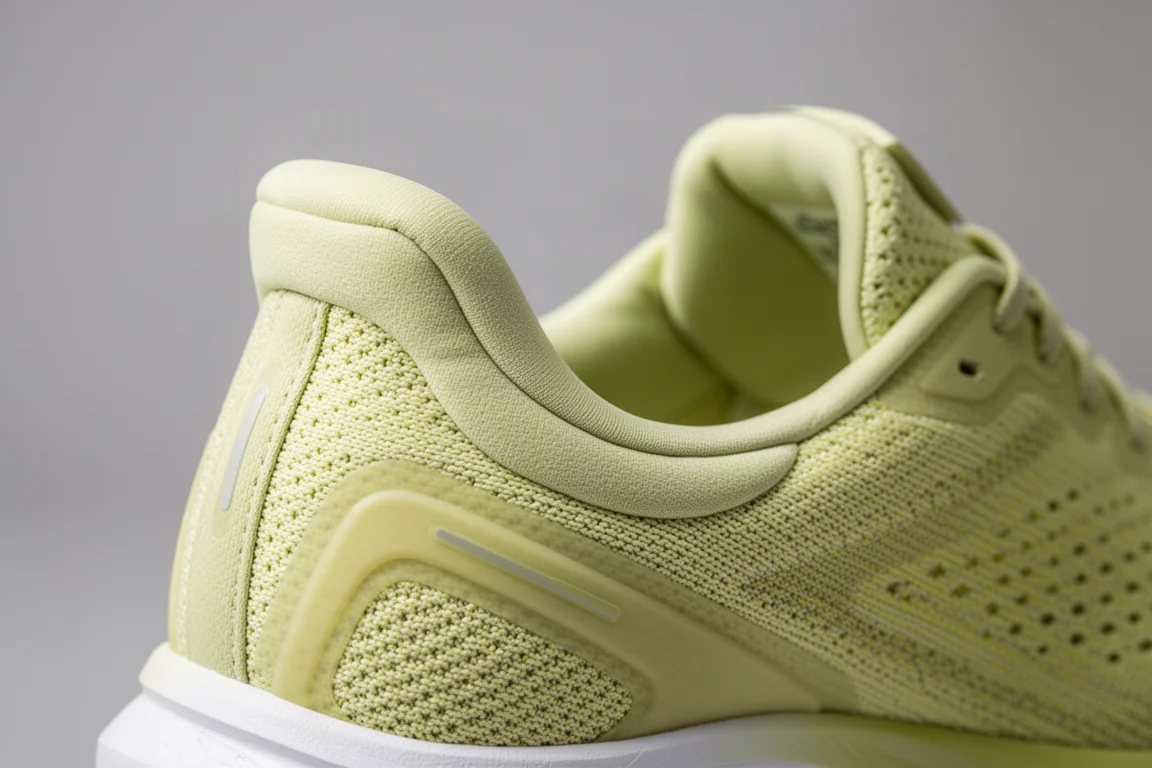
The big change is the upper. The Mach X3 gets a new warp knit upper with substantially more padding around the heel and tongue, especially at the top of the tongue to reduce the risk of lace bite. There is a slightly stiffer design at the back of the heel too, so the shoe should hold the foot more securely while feeling more comfortable. The thick, heavy laces of the Mach X2 are gone, replaced with more normal laces. The drop stays at five millimeters, with a stack height of around 44mm at the heel in the men’s shoe and 43mm in the women’s.
Fit and Comfort on the Run
Fit is the headline here, and in a normal size the new upper delivered with no problems at all. The shoe slipped on nicely, laced up easily, and gave a good hold around the midfoot without pressure across the top of the foot, thanks to the padded tongue. The heel hold was secure with no rubbing and no movement, just a comfortable amount of padding that never felt oppressive.
On a sunny day with plenty of warmth, the upper did not feel like it was lacking breathability. It feels much more like a standard Hoka trainer upper, the kind you find on the Clifton, which is exactly what a shoe intended for lots of daily miles needs. Two mild caveats: the shoe runs reasonably narrow, and the tester has a narrow foot, so wider-footed runners may want to think that through. Length was spot on in the normal Hoka size, with no toe bumping even on steep downhills.
The Ride: Still the Same Effortless Speed
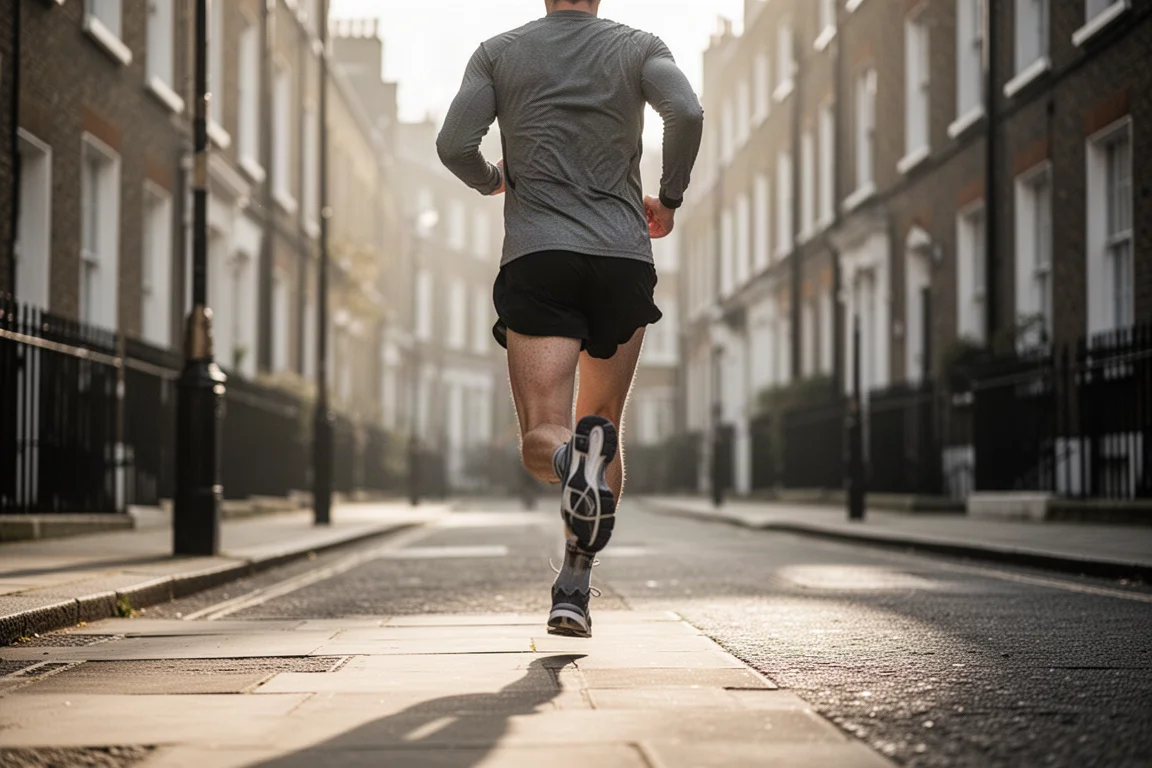
The first outing was a 15-mile long run at a range of paces, from relaxed cruising to a 1K rep at around 320-per-km pace. The shoe felt good across the whole spectrum. It is genuinely bouncy, easy to turn over quickly, and delivers that effortless pace the best plated shoes are known for: you cruise along and find yourself running a bit quicker than you think.
The extra 20 grams were not perceptible on the run. In a short back-to-back run against the Mach X2, the main sensations were the great bounce underfoot in both shoes and a touch more comfort on top. For out-and-out sessions, the Mach X2 was excellent, and there is every reason to expect the Mach X3 to be a high performer for track and tempo work while still allowing a nice, relaxed pace when easing back.
It is worth noting the weight gain matters on paper more than it did in practice. The Mach X3 is now a bit heavier than shoes like the Nike Zoom Fly 6 and the Saucony Endorphin Speed 5, shoes the Mach X2 matched or beat on weight. On the run, though, it was not a real difference.
How It Fits Into the Market
The new upper changes the buying equation in one useful way. If the Mach X2 upper fit you fine, that shoe is still slightly lighter and may be the better pick. But for anyone who found the Mach X2 uncomfortable at the back of the heel, the Mach X3’s more comfortable upper is very likely worth the extra weight, because you keep that fast and versatile ride underfoot.
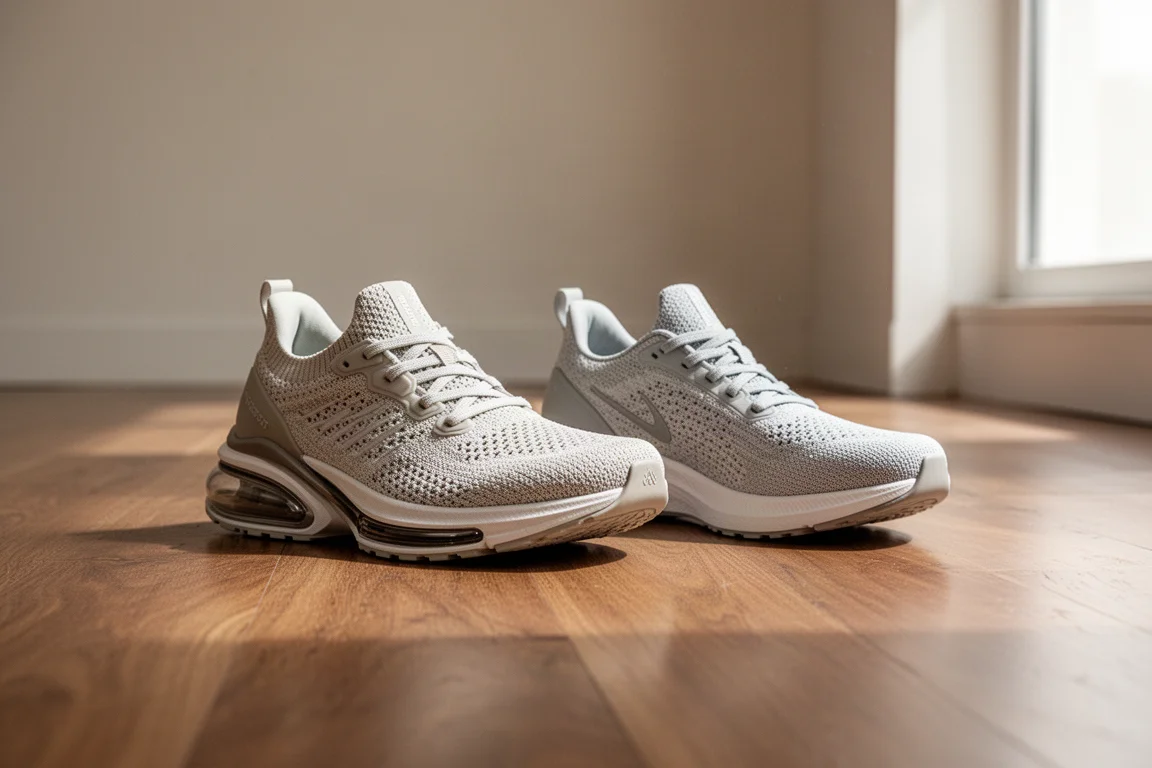
The comparison set has shifted, though. The Zoom Fly 6 and Endorphin Speed 5 are both excellent plated all-rounders that are now a touch lighter, and the ride here is arguably better: more comfortable and propulsive, though the Zoom Fly 6 comparison was close. On paper, some runners may prefer a lighter option. There are also plate-free shoes, like the Adidas Adizero Evo SL and the Mega Blast, that are now a fair bit lighter. The Mega Blast is so expensive that the Mach X3 will likely be the better option in general, but the Evo SL is substantially cheaper and forces a hard question about what the extra money buys. With the Mach X3 you get a more substantial plate, a higher stack, and more all-around comfort, but budget plate-free alternatives are making every premium trainer justify its price tag.
Buying Advice
Buy the Hoka Mach X3 if you want one shoe for a wide range of running: fast sessions, tempo work, and comfortable daily miles, with a ride that is more propulsive than most of its plated rivals. The comfortable new upper means it no longer needs to be restricted to speed sessions only. If the Mach X2 fit you comfortably and weight matters to you, the older shoe remains a slightly lighter alternative at the same price.
Conclusion
Hoka fixed the thing that needed fixing. The Mach X3 keeps the bouncy, fast, effortless ride that made the Mach X2 special, wraps it in an upper that finally suits daily training, and pays for it with around 20 grams that did not show up on the run. Early impressions are very positive, with longer testing and harder sessions still to come, but as a first look this is a strong start for a shoe that is back in the conversation at the top of the plated all-rounder class.
Product link
View more details for Hoka Mach X3
This product is mentioned in the review. Check the specifications, options, and compatibility before buying.
View more details for Hoka Mach X3Further reading
Related Reviews

Running Shoes
Best Road-to-Trail Running Shoes: Three Versatile Options for Mixed Terrain
A practical guide to three road-to-trail running shoes that handle both pavement and mild trails, with clear strengths and trade-offs for different runner types.

Running Shoes
Best Running Shoes for Achilles Tendonitis: Three Options Explained
Three running shoes with different heel drops and support features designed to help reduce Achilles tendon pain during walking and running.

Running Shoes
Best Running Shoes for Women: Five Top Choices Ranked
A ranked guide to five women's running shoes, from versatile daily trainers to high-performance racing options, with real strengths and trade-offs for each.