Running Shoes
Hoka Mach X2 vs New Balance SC Trainer V3: Which Plated Super Trainer Deserves Your Miles?
Two 2024 plated super trainers compared on specs, fit, ride and value, with a clear verdict on which one deserves a spot in your marathon training rotation.
Introduction
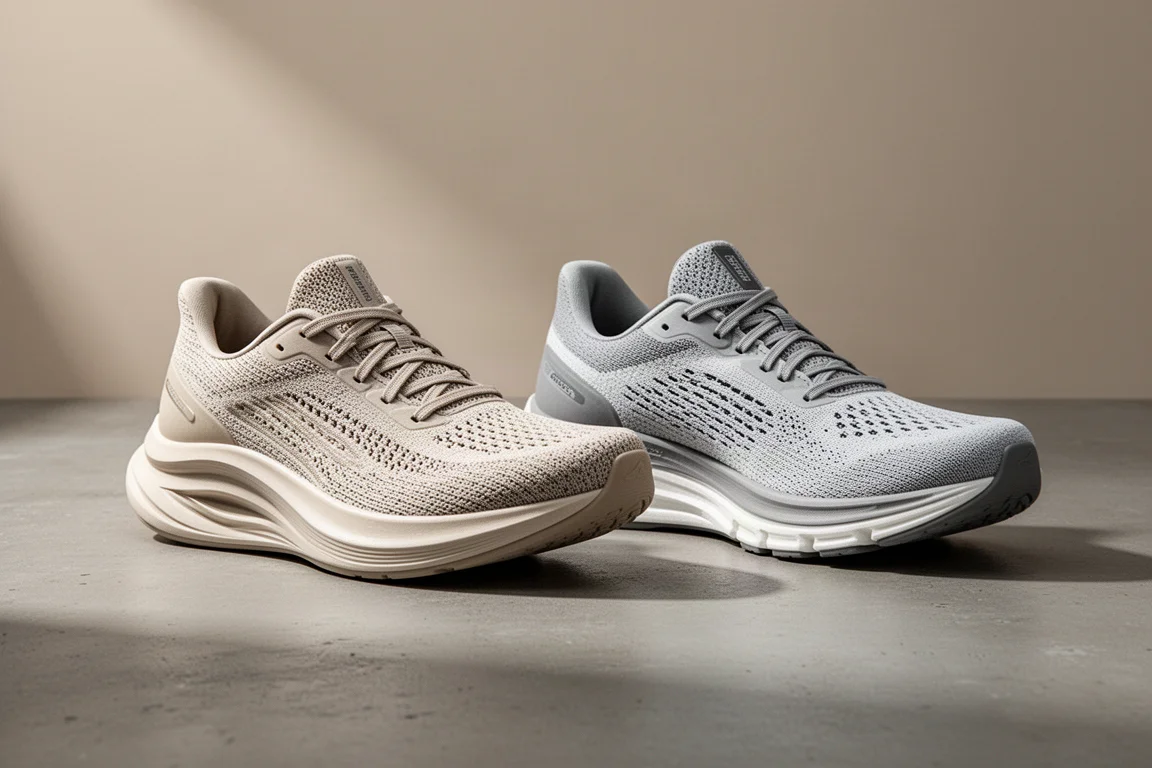
The Hoka Mach X2 and the New Balance SC Trainer V3 are 2024’s plated super trainers from their respective brands, and both are designed to act as training partners to each company’s top-end racing shoes. They occupy the same niche, target the same runner, and both carry a premium price, which makes choosing between them genuinely tricky.
After covering a lot of ground in both pairs across easy runs, progression runs, hard workouts and even a half marathon, the differences come down to fit, ride character and value. Here is how they stack up.
Specs and Price at a Glance
The Hoka Mach X2 is the lighter shoe of the pair, weighing 255g (9oz) in UK 9 / US 9.5, while the SC Trainer V3 comes in at 278g (9.8oz) in the same size. The New Balance carries a 6mm drop with a 40mm heel and 34mm forefoot stack; the Mach X2 has a 5mm drop and a higher platform, with 44mm at the heel and 39mm at the forefoot for men, and 42mm/37mm for women.
On pricing, the New Balance SC Trainer V3 costs $180 in the US but is £230 in the UK. The Hoka Mach X2 is £170 in the UK or $190 in the US. That regional gap matters a lot for the final recommendation, as you will see later.
Fit and Feel on Foot
Fit is the biggest single difference between these two shoes. The SC Trainer V3 is a super roomy shoe, with New Balance recommending most people go half a size up. There is loads of room in the toe box for toes to flex and move, the upper hugs securely without feeling restrictive, and a medium-padded tongue removes any lace pinch. It is the kind of roomy, accommodating fit you want in a long-haul shoe.
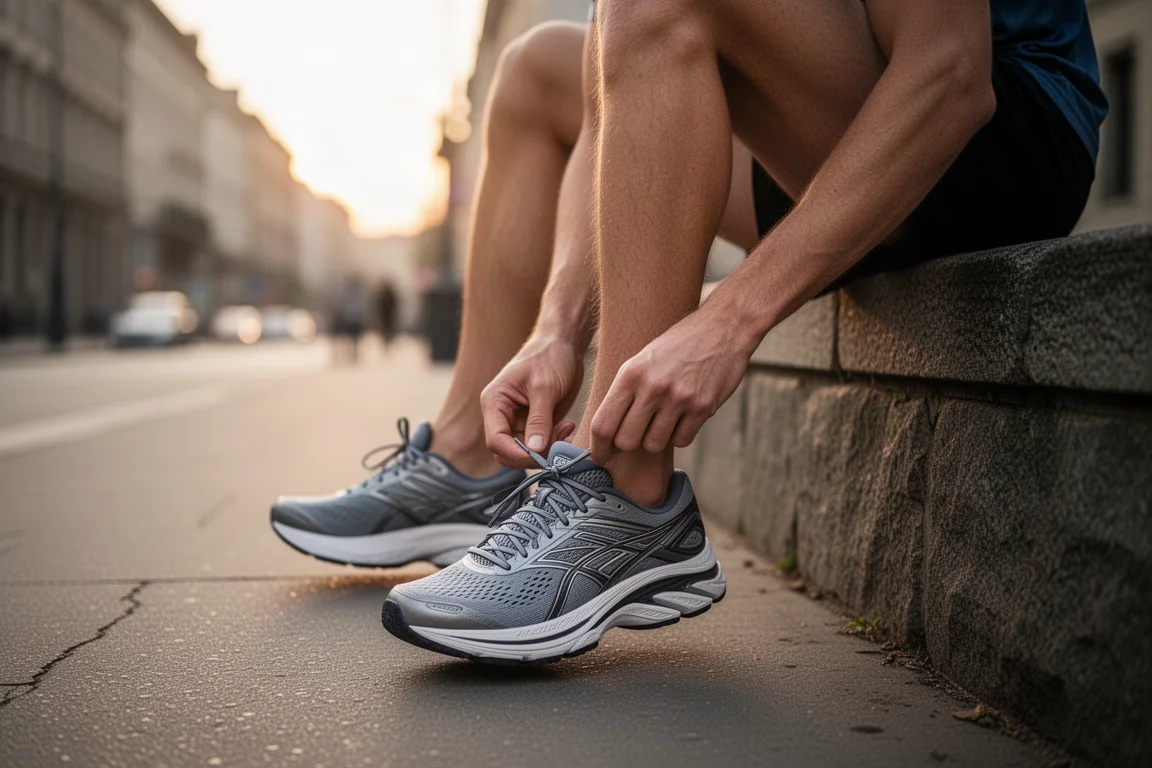
The Mach X2 goes the other way entirely. It is instantly narrow, almost straight-cut at the forefoot, with a snug race-like fit that holds the toes and the top of the foot closely. Length in the toe box is fine, but toe room is limited. Midfoot lockdown is excellent with no movement at all, and despite the minimal, stripped-back heel collar with very little padding, it has not caused Achilles rubbing issues in testing. If the standard width is too tight, Hoka offers two width options including a wide fit. The New Balance also comes in a couple of width options.
Try both on before buying if you can, because fit is where these shoes diverge most sharply.
Hoka Mach X2: Bouncy, Aggressive, Race-Ready
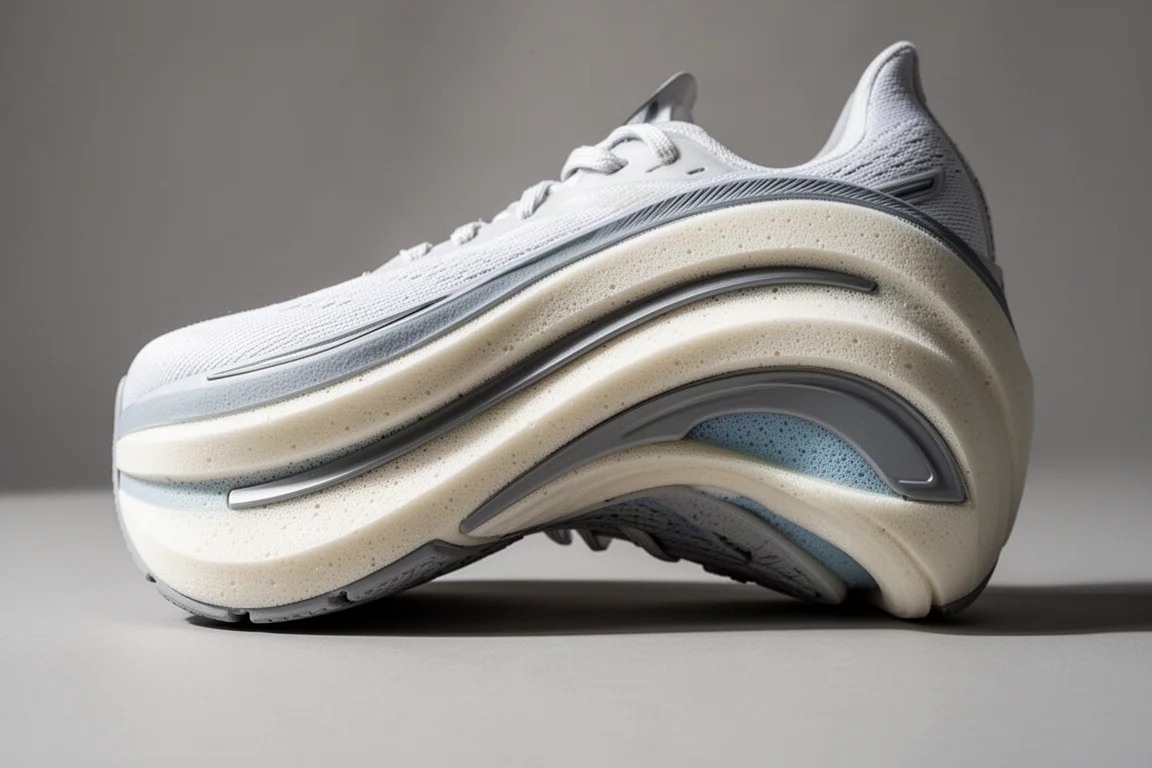
The Mach X2 uses a dual-density midsole: a top layer of Hoka’s peba foam over a bottom layer of EVA, with a PEBX plate running through the shoe. The plate has wings at the front for added stability, and side walls of foam surround the foot for support at that high stack height. Hoka’s usual rocker geometry is present, the outsole uses rubber sparingly in key impact zones with plenty of exposed foam, and cutouts in the sole keep weight down. The woven upper is light and racy with minimal padding.
On the run, this is where the shoe earns its reputation. The higher stack and tuned plate have breathed real energy into a punchy midsole, and there is clear daylight between this generation and its predecessor. The ride is bouncy, propulsive and heavily rockered, constantly tipping you forward and pushing you to run faster. It has been used for the hardest training sessions and double workout days, and it held up throughout, including a fast half marathon. It can genuinely stand in for a race day shoe up to the half marathon distance.
The trade-off is that it is not the best easy-day shoe. It prefers to move faster, though easing back into it is certainly possible, and it proved versatile enough that a beginner runner comfortably completed a two-hour-plus marathon in it.
New Balance SC Trainer V3: The Comfortable Cruiser
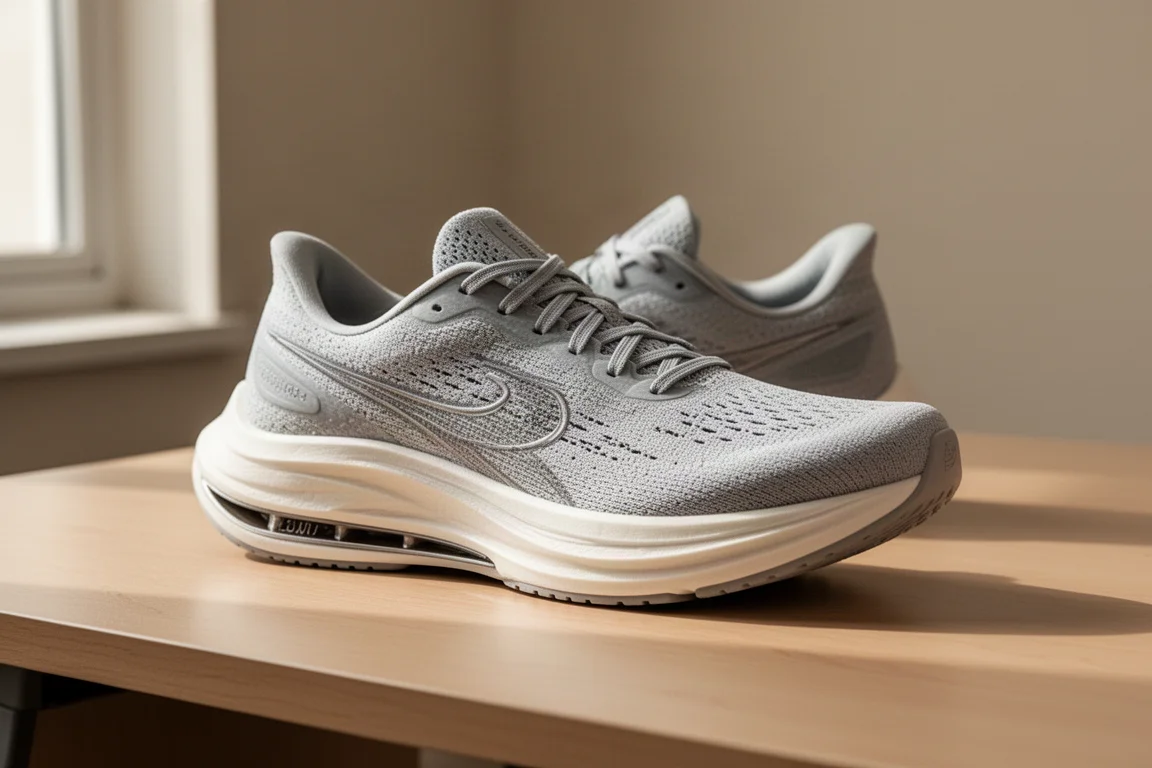
The SC Trainer V3 uses a FuelCell midsole blending peba and EVA foams, around 20% peba, with a carbon plate that forks at the front of the shoe to save weight. A cutout on the sole runs from heel to forefoot, again shedding weight and showing off the plate. The engineered mesh upper uses New Balance’s Phantom Fit design with a bit more cushioning around the heel and tongue than the Hoka, plus an internal heel counter for more structure. Rubber is used sparingly but forms a thick layer at the forefoot and heel that has delivered strong durability and grip.
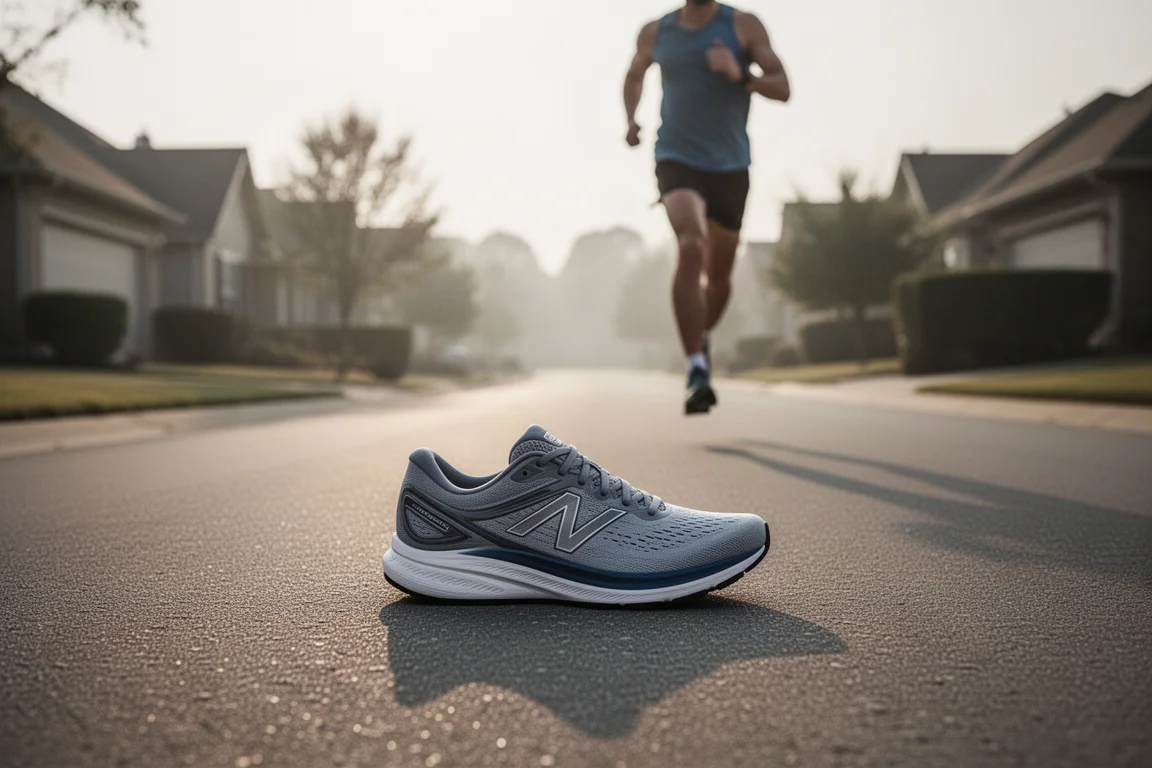
The ride is more subdued than the Mach X2 but far from dull. It relies more on bounce from the big midsole stack than on the rocker or plate, delivering controlled energy that is ideal for eating up long miles. It shines at sub-race paces, marathon pace and long runs with speedy uptempo efforts or progression segments built in, and it handles a 4 x 4km workout or a 15-mile progression run with ease. At easy paces it is more comfortable than the Hoka, both in the upper and underfoot.
It would not be the pick for faster race paces and it lacks the agility of the Mach X2, but as a protective, stable cruiser for marathon training and long runs, it excels. It is also a sensible option for heavier-set runners and for runners targeting four-hour-plus marathons or road ultras, where you want energy paired with reliable comfort over long periods.
Side-by-Side Mile Test
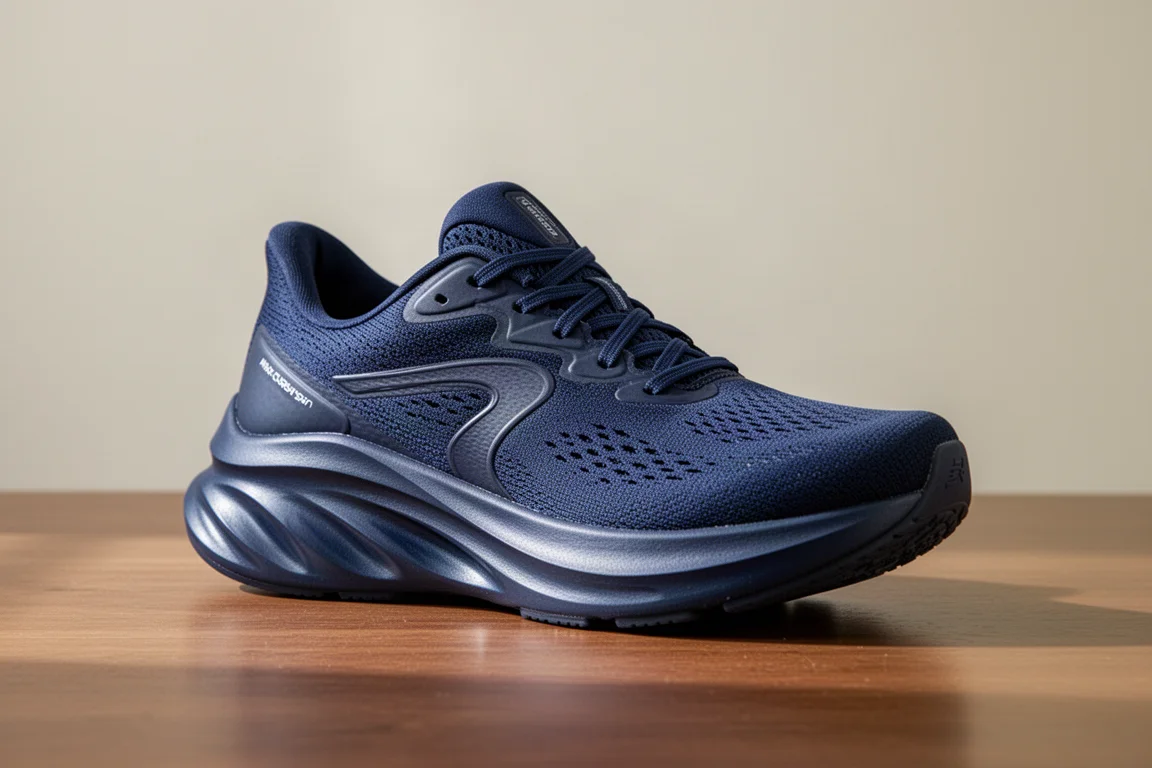
Running a mile with one shoe on each foot made the contrasts obvious. On fit, the Mach X2 is much more snug, race-like and slightly cramped in the toe box, while the SC Trainer V3 is roomier and more accommodating, feeling like a shoe you could happily wear for hours. That snugness gives the Hoka something like a half-marathon sweet spot unless you size up.
Underfoot, the Mach X2 feels more precise on a narrower platform, with a more pronounced rocker that rolls you forward onto toe-off. The V3 feels bigger, wider and slightly blockier, with more cushioning coming through. The Hoka is punchier and spritelier with better top-pace potential; the New Balance offers more long-run and easy-pace comfort.
Verdict
Both shoes benefit from being used at faster paces, but they express that in different ways. The Hoka Mach X2 is the punchier, more aggressive and faster shoe, with a snappy, springy, heavily rockered and agile ride. You will need to like the snug fit and narrower toe box to get on with it, but for racing and top-end training paces it is the stronger option, and it can cruise too.
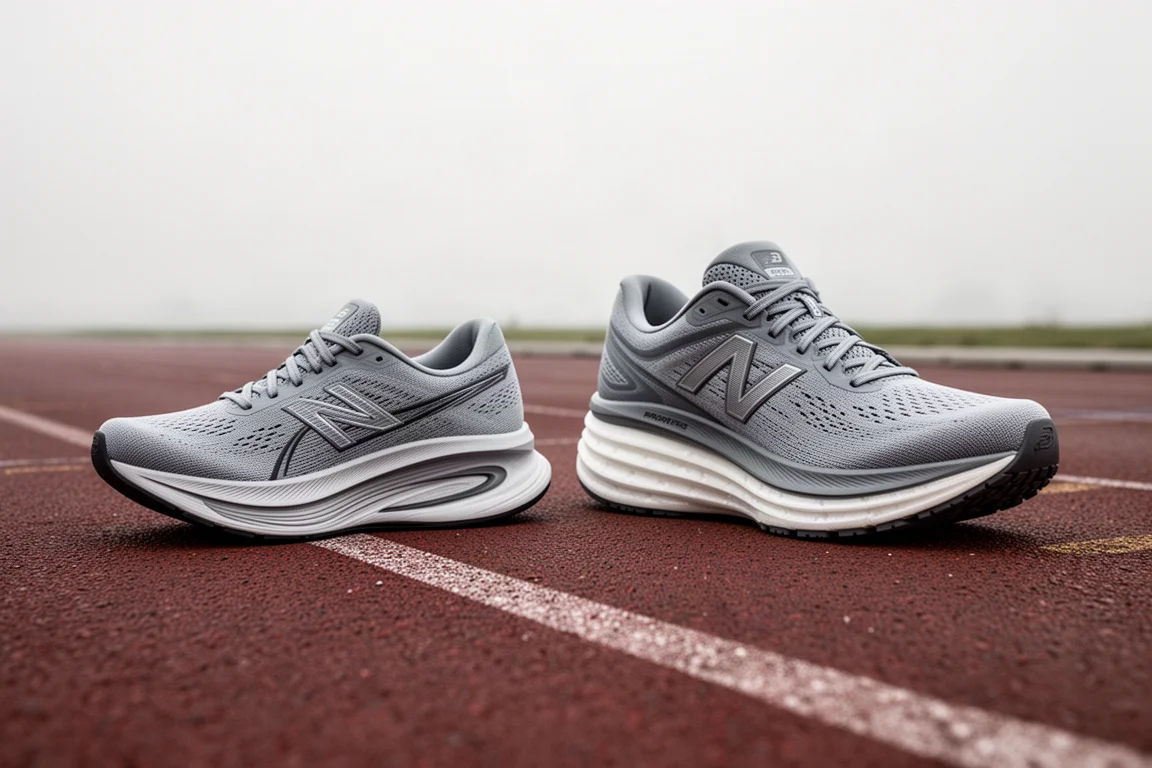
The SC Trainer V3 has its own type of energy: still punchy, but leaning on the bounce of its big midsole stack. It handles faster efforts but is not as agile or all-out as the Hoka. Where it wins is at slower paces, offering better protection and comfort, a roomier fit, and broader easy-day appeal.
In the UK, the £230 price tag makes the SC Trainer V3 hard to recommend at full RRP when the Hoka is both the preferred shoe here and considerably cheaper at £170. In the US at $180 versus $190, it is a much tougher call that comes down to fit and ride feel as much as value, though the Hoka still edges it. If you are marathon training and want a plated shoe to eat up miles, the SC Trainer V3 is a good option; the Mach X2 is simply the better one for most people.
Conclusion
The Hoka Mach X2 is the more accomplished all-rounder of the two, with a broader range that spans hard sessions, racing up to the half marathon and even easy running. The New Balance SC Trainer V3 is a brilliant, comfortable cruiser and a very capable marathon training shoe, but its UK pricing holds it back. Choose the Mach X2 for punch, speed and value; choose the SC Trainer V3 if roomy comfort and long-run protection are your priorities.
Further reading
Related Reviews

Running Shoes
Best Road-to-Trail Running Shoes: Three Versatile Options for Mixed Terrain
A practical guide to three road-to-trail running shoes that handle both pavement and mild trails, with clear strengths and trade-offs for different runner types.

Running Shoes
Best Running Shoes for Achilles Tendonitis: Three Options Explained
Three running shoes with different heel drops and support features designed to help reduce Achilles tendon pain during walking and running.

Running Shoes
Best Running Shoes for Women: Five Top Choices Ranked
A ranked guide to five women's running shoes, from versatile daily trainers to high-performance racing options, with real strengths and trade-offs for each.