Running Shoes
Hoka Mach X Preview: How It Stacks Up Against Its Tempo Trainer Rivals
Hoka's new pace-pushing trainer targets the Saucony Endorphin Speed 3, Asics Magic Speed 3, and Puma Deviate Nitro 2. Here's how the specs and pricing compare.
Introduction
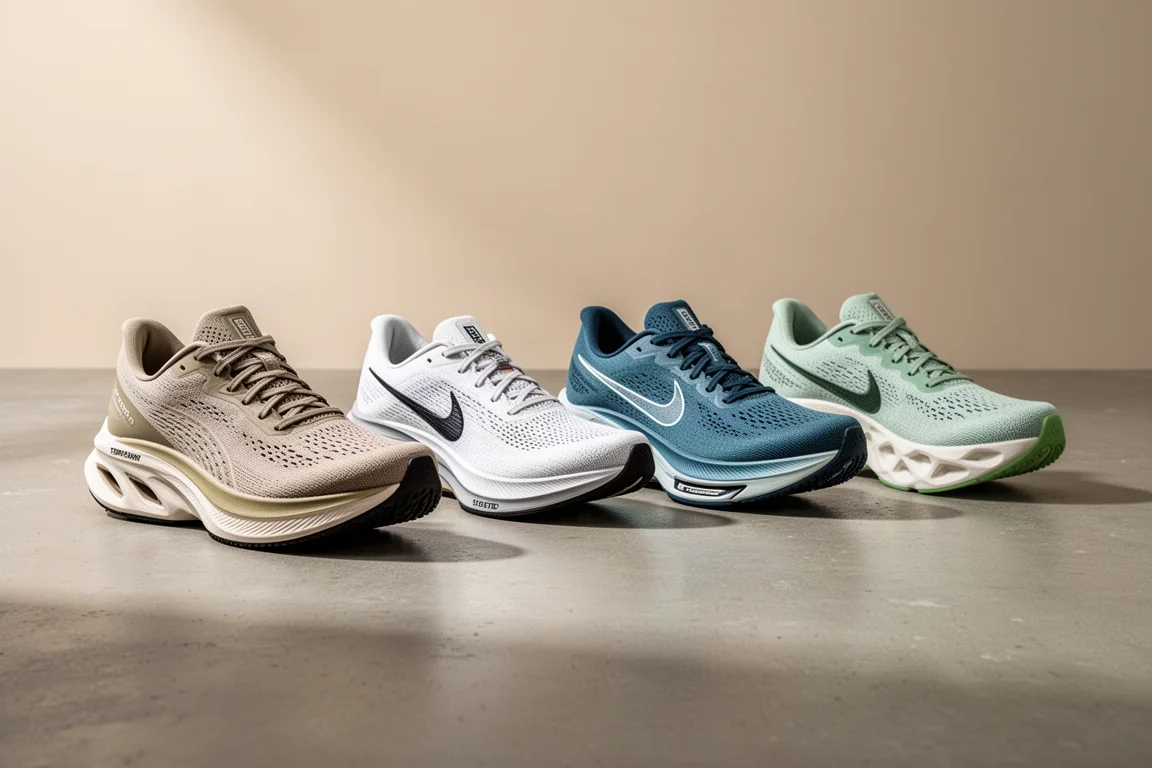
Tempo-day trainers have become one of the most competitive categories in running, and Hoka is joining the fight with the Mach X. Positioned as a pace-pushing trainer built with high rebound cushioning, it clearly takes aim at some of the most successful up-tempo shoes of the past two to three years, most notably the Saucony Endorphin Speed 3 and the Asics Magic Speed 3.
The question is whether the Mach X does enough to steal market share from established players, especially given its weight and price. Here is what we know so far, and where it stands against the competition.
Hoka Mach X: What Hoka Is promising
Hoka describes the Mach X as a pace-pushing trainer built with high rebound cushioning. The headline claim is a layer of PEBA foam that is 34% more resilient than the foam in the Carbon X 3, combined with the ProFlyX midsole for a dual-density setup.
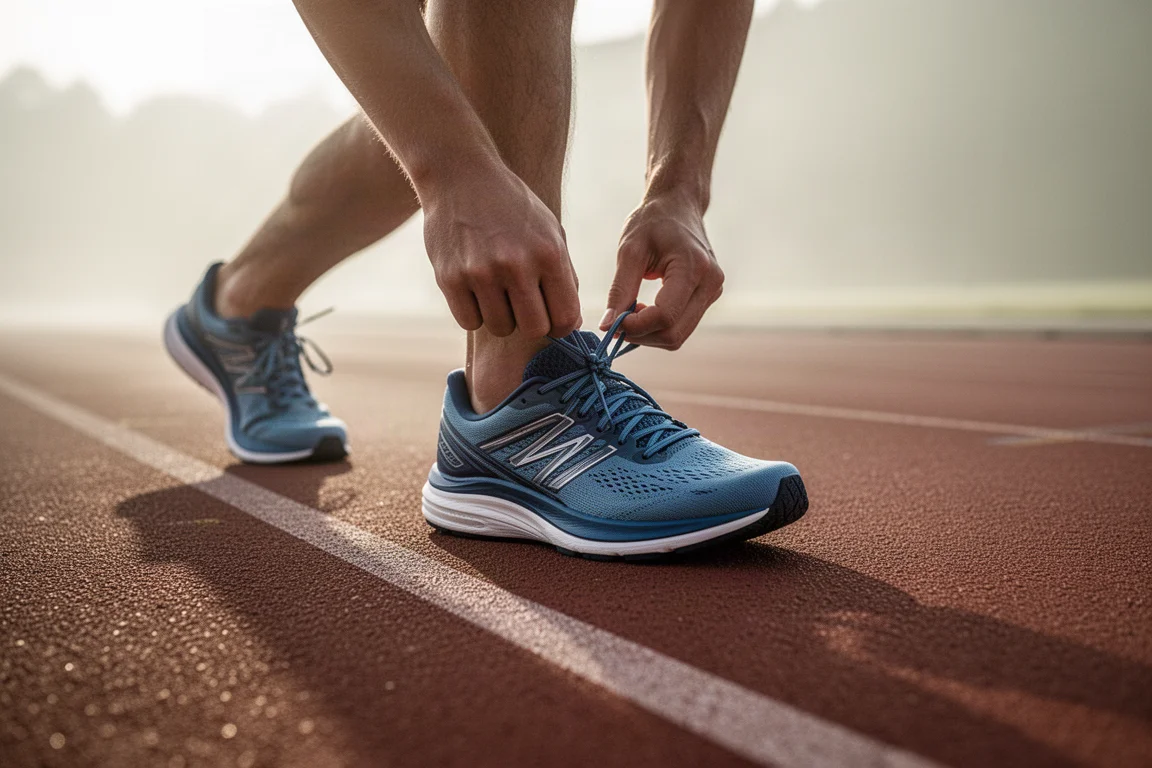
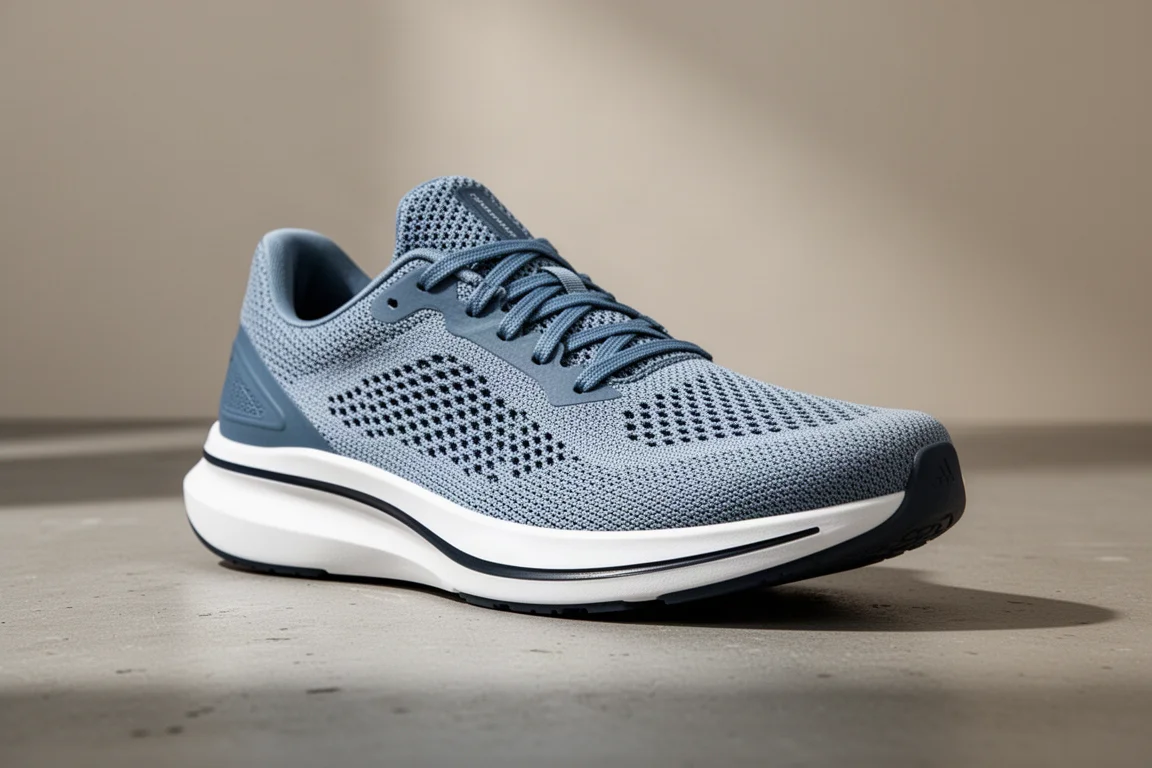
The upper is a creel jacquard construction that looks like a fairly standard race-day to up-tempo shoe upper, with a nicely padded heel collar around the back. The platform also shapes up as comfortable and stable, with a wide heel section for landing.
Construction and ride feel
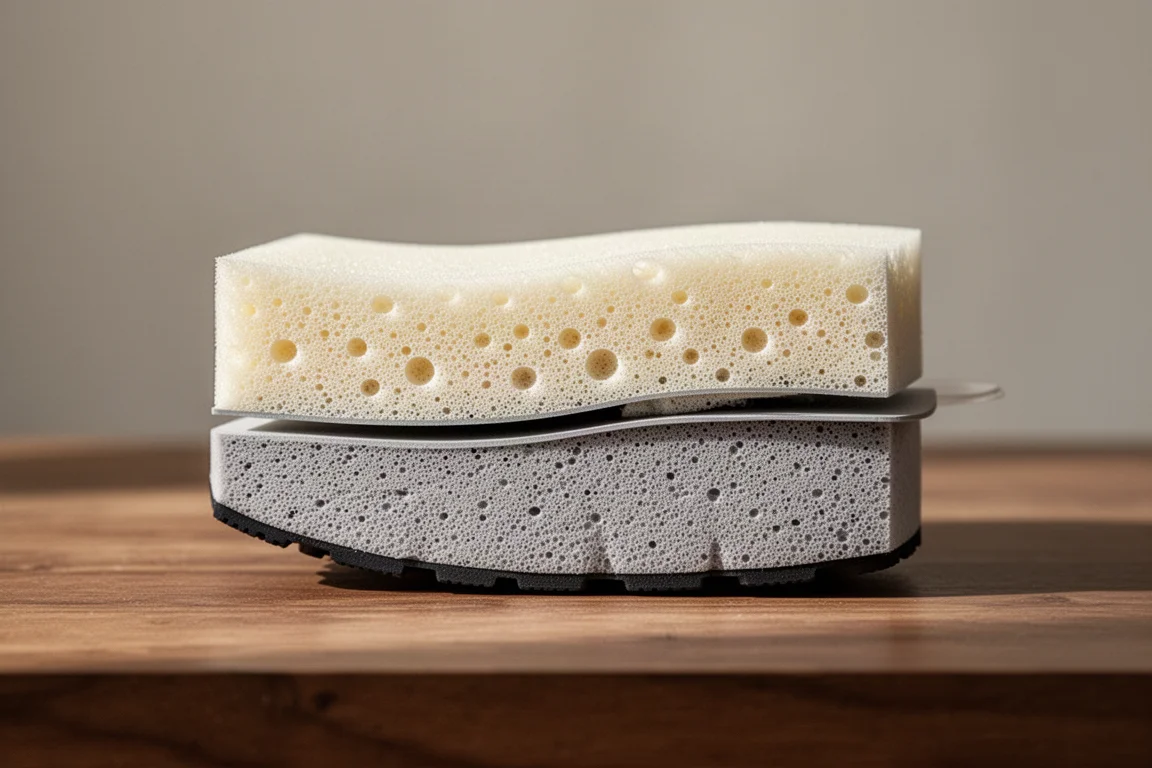
The dual-density midsole approach is a tactic many brands are using right now: a softer, bouncier supercritical foam on top paired with a firmer, more standard foam underneath. That firmer base adds stability, and the plate in the Mach X reinforces the platform.
There is a trade-off to be aware of, though. The Mach X comes in at 9.4 ounces, which is on the heavier side for a speed-day shoe, and it appears the weight comes from underneath the platform rather than the upper. The ProFlyX foam is described as denser, firmer, and heavier, without the most responsive feel. An ounce between eight and nine or between nine and ten can make a shoe feel quite different on foot, especially when that weight sits low in the midsole.
How it compares to the competition
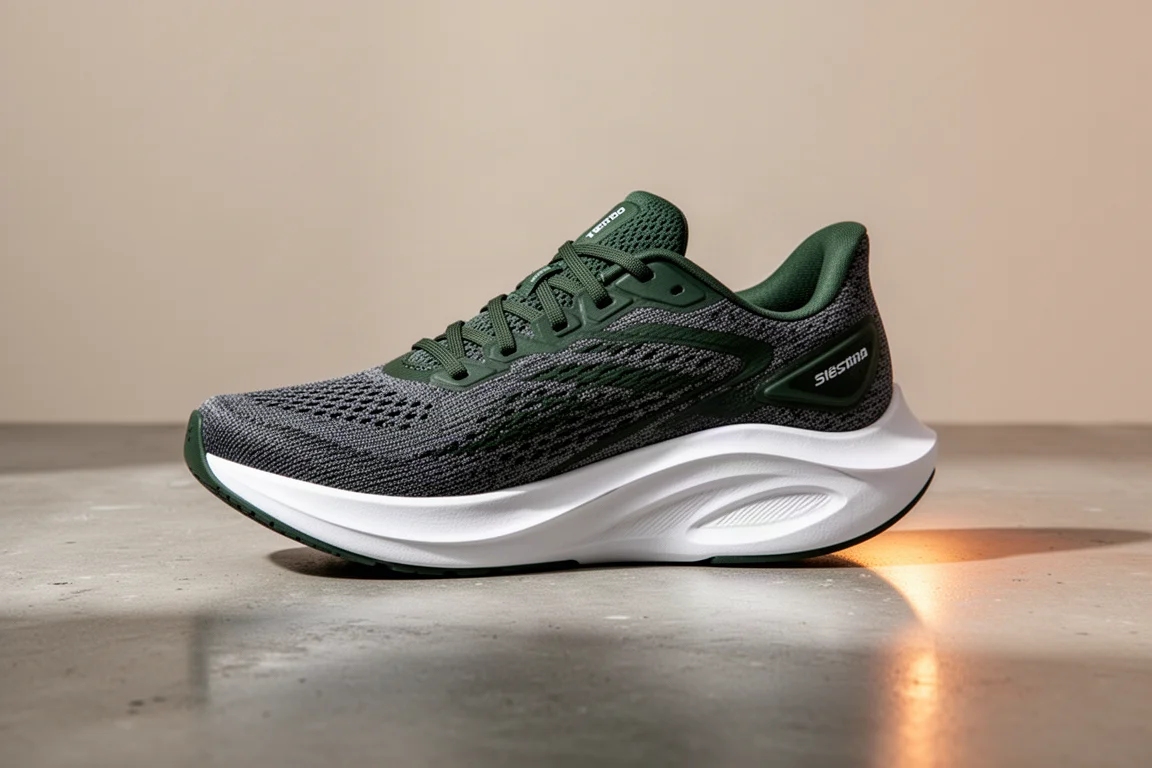
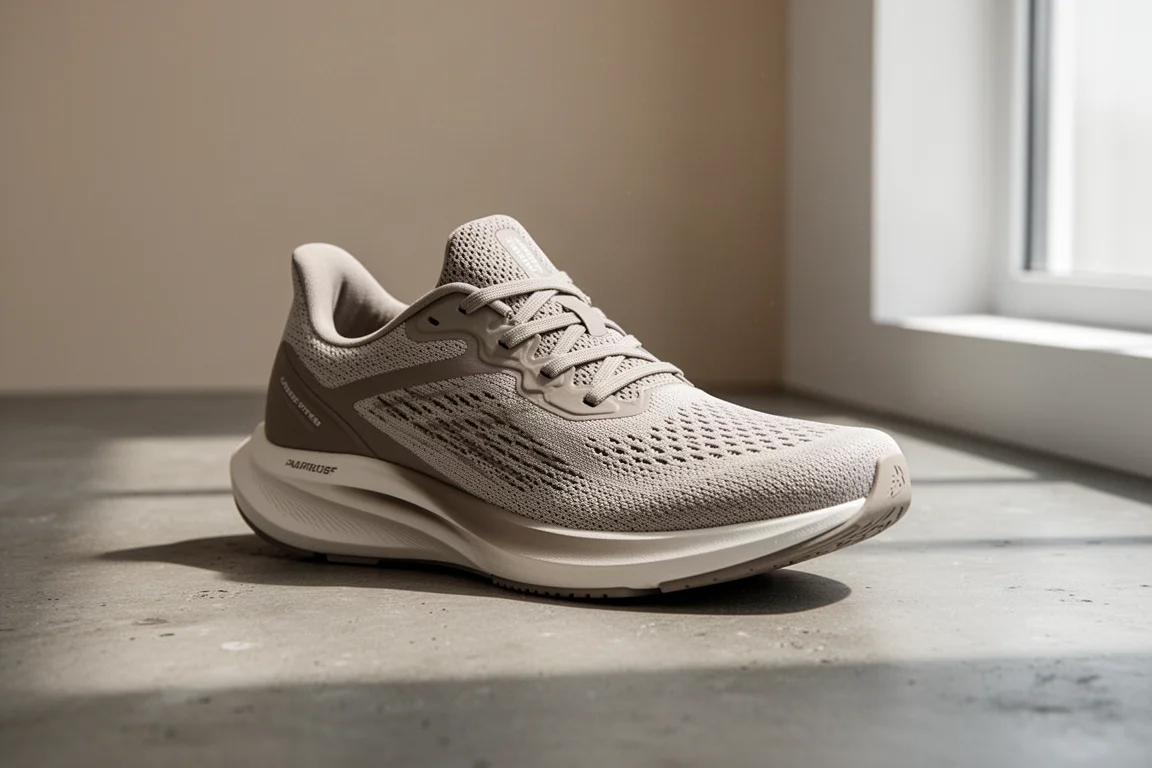
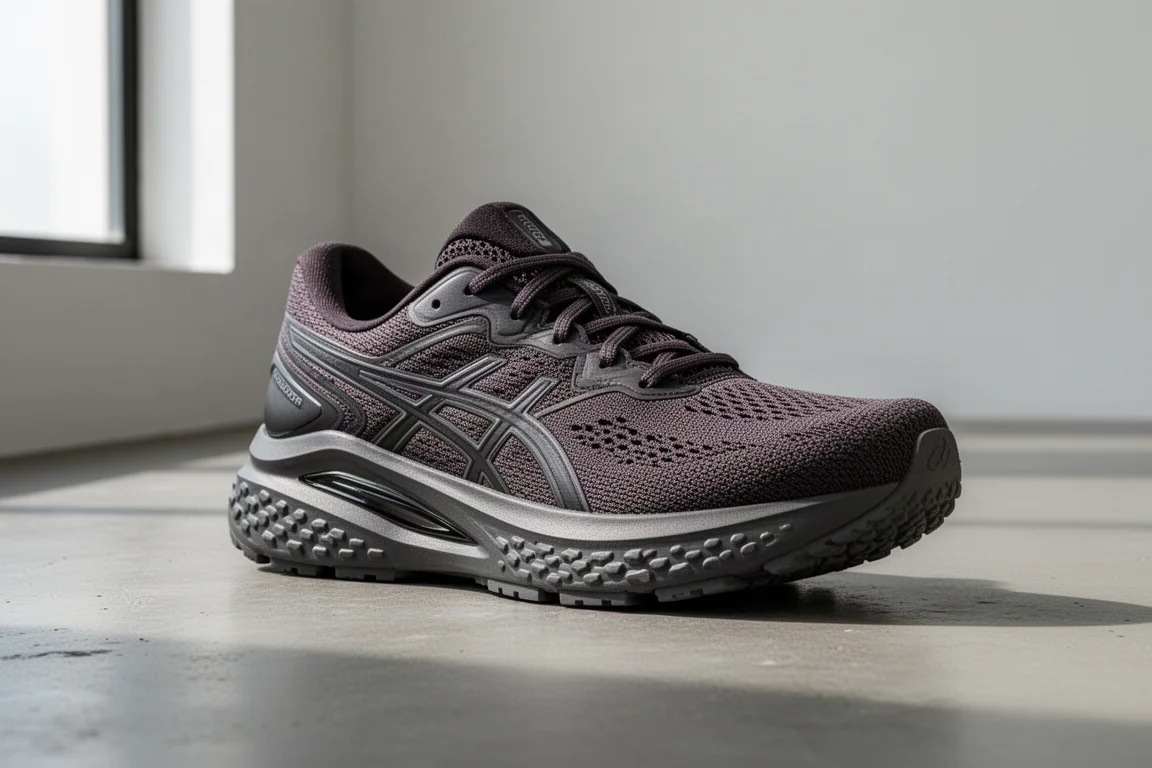
Both the Asics Magic Speed 3 and the Saucony Endorphin Speed 3 come in below 9 ounces, which puts the Mach X at a noticeable weight disadvantage for this category. The Endorphin Speed 3 also undercuts it on price, using a plastic plate rather than a carbon one.

Puma’s carbon-plated Deviate Nitro 2 offers the same carbon construction for $160, twenty dollars less than the Mach X’s $180 price tag. For the Mach X to win over runners, a good name and a good colorway alone will not be enough; it has to outperform faster daily trainers with the same construction.
Which one should you buy?
If you want the lightest tempo-day experience, the sub-9-ounce Saucony Endorphin Speed 3 and Asics Magic Speed 3 remain the benchmarks. If carbon plating matters to you and budget is a factor, the Puma Deviate Nitro 2 delivers that construction at $160.
The Hoka Mach X makes sense for runners who want Hoka’s comfortable, stable platform with a wide heel and a bouncier PEBA top layer, and who do not mind carrying a little extra weight on faster days. At $180, though, it is the most expensive of the group, so it needs to earn its place on rotation merit rather than hype.
Conclusion
The Mach X is shaping up to be one of the more interesting tempo trainers in recent memory, with genuine cushioning technology and a comfort-forward platform. Whether it can take share from the Endorphin Speed 3, Magic Speed 3, and Deviate Nitro 2 will come down to how that 9.4-ounce build feels at pace once it hits the road.
Further reading
Related Reviews

Running Shoes
Best Road-to-Trail Running Shoes: Three Versatile Options for Mixed Terrain
A practical guide to three road-to-trail running shoes that handle both pavement and mild trails, with clear strengths and trade-offs for different runner types.

Running Shoes
Best Running Shoes for Achilles Tendonitis: Three Options Explained
Three running shoes with different heel drops and support features designed to help reduce Achilles tendon pain during walking and running.

Running Shoes
Best Running Shoes for Women: Five Top Choices Ranked
A ranked guide to five women's running shoes, from versatile daily trainers to high-performance racing options, with real strengths and trade-offs for each.