Running Shoes
Hoka Mach X vs Saucony Kinvara Pro: Which Super Trainer Deserves Your Money?
Two new super trainers go head to head. Both cost $180 in the US, but the comparison turns out far less even than it looks on paper.
Introduction
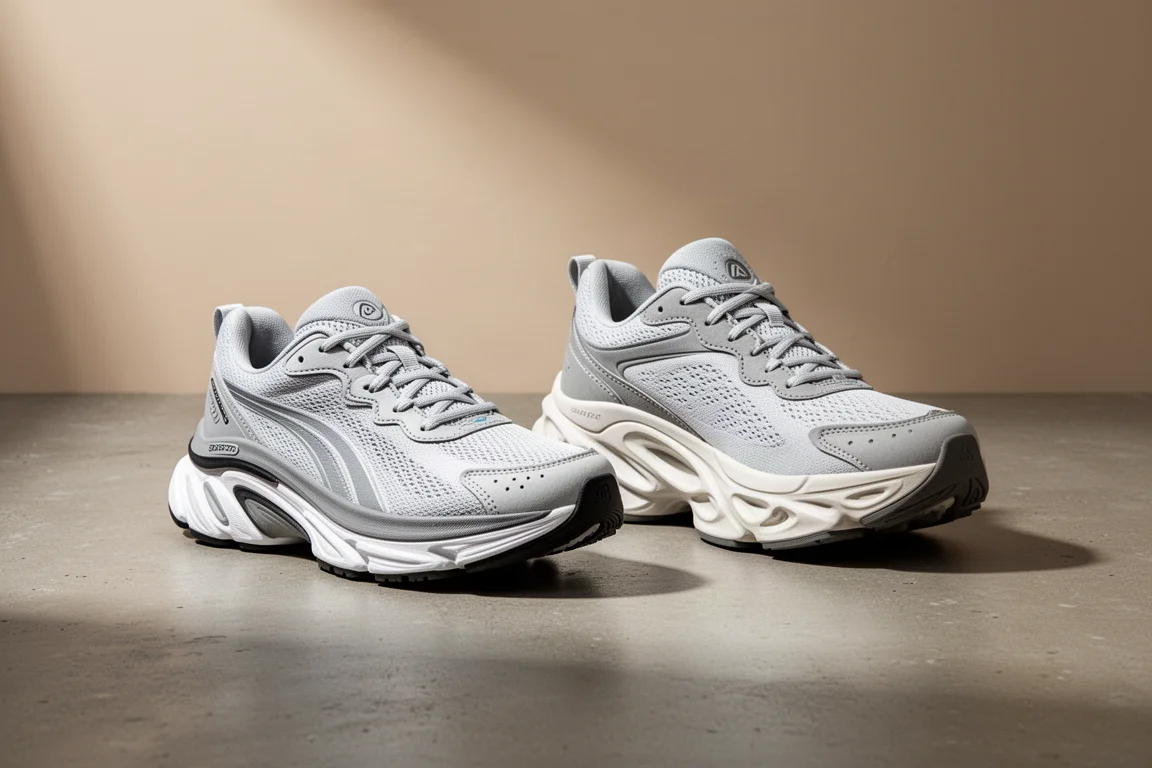
The Hoka Mach X and the Saucony Kinvara Pro are two recent arrivals in the increasingly popular super trainer category: shoes that promise daily-trainable comfort with a speed slant and a plate in the midsole. On paper they look remarkably similar, and in the US they cost exactly the same at $180. In the UK the pricing gets strange, with the Mach X at £160 and the Kinvara Pro at £200. After logging serious miles in both, one shoe clearly comes out ahead.
Specs and Construction
The Mach X is the lighter shoe at 265 grams (9.3 oz) in a UK size 9, which corresponds to a US 9.5. The Kinvara Pro weighs 303 grams (10.7 oz) in a UK 9, but that sizes up to a US 10, so the weight gap narrows slightly on the US scale. The Hoka has a 5mm drop, the Saucony 8mm. Stack heights are big on both: the Kinvara Pro measures 42mm at the heel and 34mm at the forefoot, while the men’s Mach X is 39/34mm and the women’s version 37/32mm.
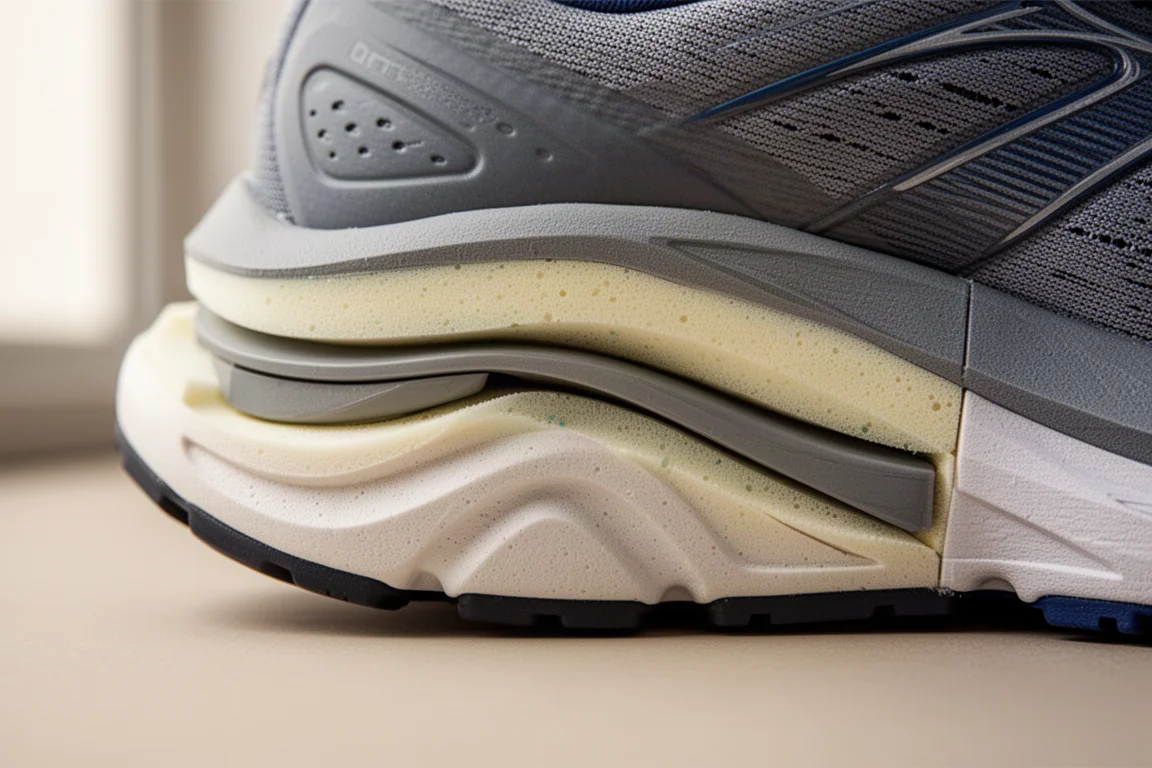
Both shoes use dual-density midsoles sandwiching a plate, with a PEBA foam top layer and an EVA-based bottom layer. Saucony’s top layer is its PWRRUN PB foam, the same used in the Endorphin Pro and Speed 3; Hoka calls its version the Profly midsole. The plates differ: a three-quarter length carbon plate in the Kinvara Pro versus a full-length Peba plate in the Mach X, which is plastic but lightweight.
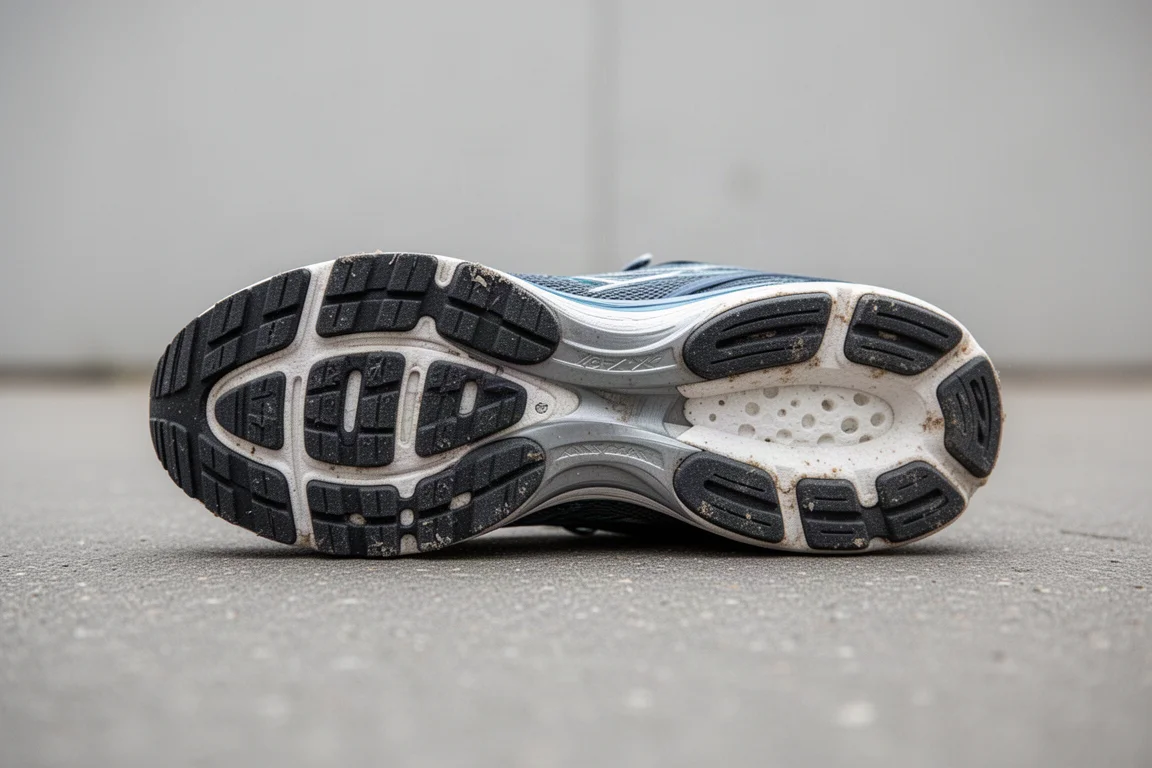
The upper on the Mach X is lighter, while the Kinvara Pro uses slightly rubbery line overlays with a touch of suede and more padding at the heel. Underfoot, the Kinvara Pro has no outsole rubber at all, relying on the molded PWRRUN PB foam for grip, whereas the Mach X adds a thin rubber layer over the forefoot and at heel sections, which should help durability.
Fit and Sizing
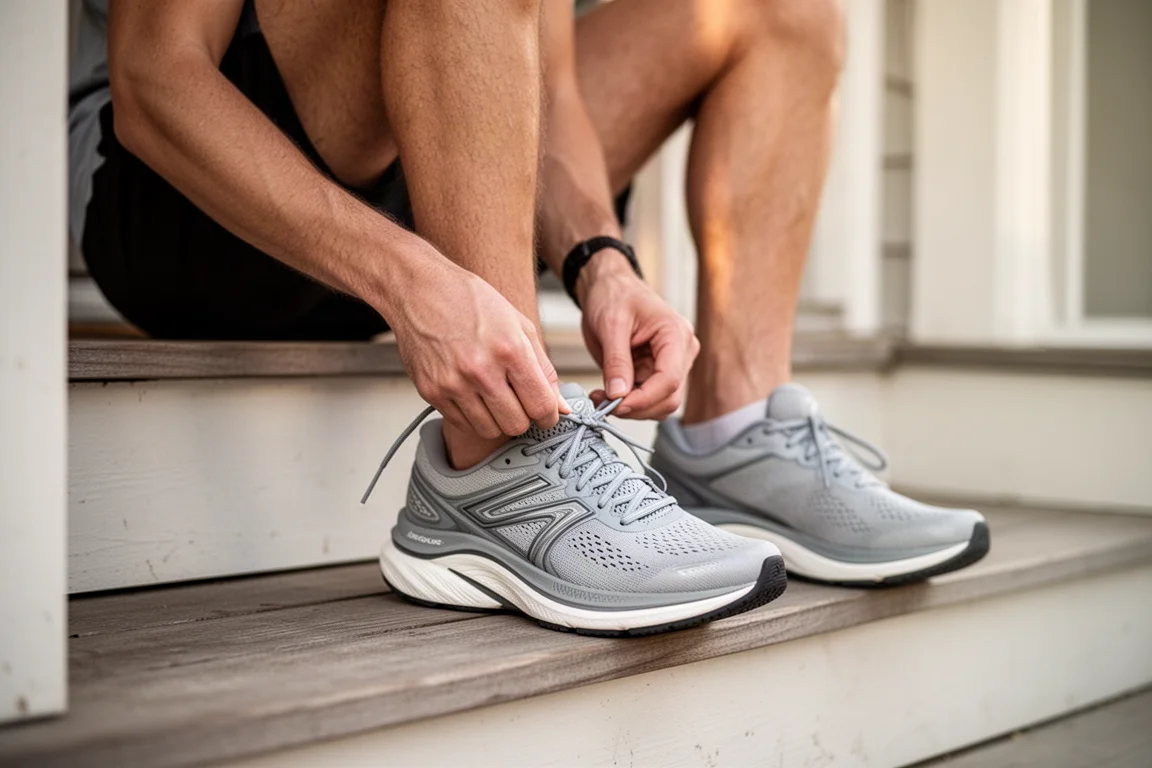
Testers consistently found both shoes run true to size, with a snug, hugging fit. The Mach X sits a little narrow, particularly around the toe knuckle, so runners with wide feet should take note. The Kinvara Pro offers slightly more room up front and a plusher, more padded tongue, while the Mach X’s tongue feels skinnier and more race-like. Heel padding is comfortable in both.
For most runners, going true to size in both shoes is the safe call. If you have wide feet, the Kinvara Pro is the more forgiving of the two, but the Mach X earned fewer complaints overall from narrow-footed testers.
Ride Feel and Versatility
The Mach X turned out to be a very good daily cushioned shoe: comfortable, stable for a plated high-stack shoe, smooth rolling off a noticeable rocker, and efficient rather than punchy. You do not get the pop of a carbon race shoe, and it is less versatile than the Mach 5, which can handle everything from slow jogs to racing. But for daily miles, easy runs, and long runs, it works well.

The Kinvara Pro is a different story. Despite the premium PWRRUN PB foam and carbon plate on paper, it feels firm, heavy, and somewhat plasticky, with a spongier and duller ride that does not return much energy even at hard effort. Testers ran easy runs, progression sessions up to around 3:35/km pace, and a 10K race in it, and struggled to find a clear use case. It is not great at easy runs, and it does not deliver much at speed either.
Where the Kinvara Pro does hold an edge is cushion protection at the slower end: the big stack of foam suits runners who want more cushion between them and the road, and it may appeal to heavier runners, though that is speculative. At higher paces, the Mach X is nimbler, lighter on the foot, and easier to find a rhythm in.
Durability and Outsole
The Kinvara Pro has logged more testing miles so far, around 40K including a half marathon, and held up reasonably well on pavement, track, and light trails with no serious wear. The Mach X, at around 70K of testing across similar terrain, also showed no bad signs of wear. Grip is similar between the two, but the Mach X’s rubber outsole coverage adds durability confidence for light trails and gravel that the outsole-free Kinvara Pro cannot quite match.
Verdict: Hoka Mach X vs Saucony Kinvara Pro
The Mach X is the clear winner. It is lighter, more direct, more agile, better at the top of the pace range, and more versatile overall, while costing £40 less in the UK and the same in the US. The Kinvara Pro only arguably wins on plushness at slower paces, and even that is undercut by its firm, heavy feel.
One honest caveat: if you already own or are considering the Mach 5, note that it offers very similar performance to the Mach X at a lower price, so it is worth looking at that shoe too. But between these two, the choice is straightforward. The Mach X is the shoe to buy, especially for marathon training blocks and faster daily training, while the Kinvara Pro remains a confusing, oddly priced misfire.
Conclusion
Two similar-looking super trainers, two very different outcomes. The Hoka Mach X does nearly everything the Saucony Kinvara Pro tries to do, does it better, and does it for less money in the UK. If you want a stable, comfortable super trainer with a bit of plate-driven pop and genuine versatility, the Mach X is the easy recommendation.
Product link
View more details for Hoka Mach X
This product is mentioned in the review. Check the specifications, options, and compatibility before buying.
View more details for Hoka Mach XFurther reading
Related Reviews

Running Shoes
Best Road-to-Trail Running Shoes: Three Versatile Options for Mixed Terrain
A practical guide to three road-to-trail running shoes that handle both pavement and mild trails, with clear strengths and trade-offs for different runner types.

Running Shoes
Best Running Shoes for Achilles Tendonitis: Three Options Explained
Three running shoes with different heel drops and support features designed to help reduce Achilles tendon pain during walking and running.

Running Shoes
Best Running Shoes for Women: Five Top Choices Ranked
A ranked guide to five women's running shoes, from versatile daily trainers to high-performance racing options, with real strengths and trade-offs for each.