Running Shoes
Hoka Mach X vs Hoka Mach 6: Which Daily Trainer Deserves Your Money?
Two of Hoka's snappiest do-it-all daily trainers go head to head. Similar fits, very different midsoles, and a clear value pick for most runners.
Introduction
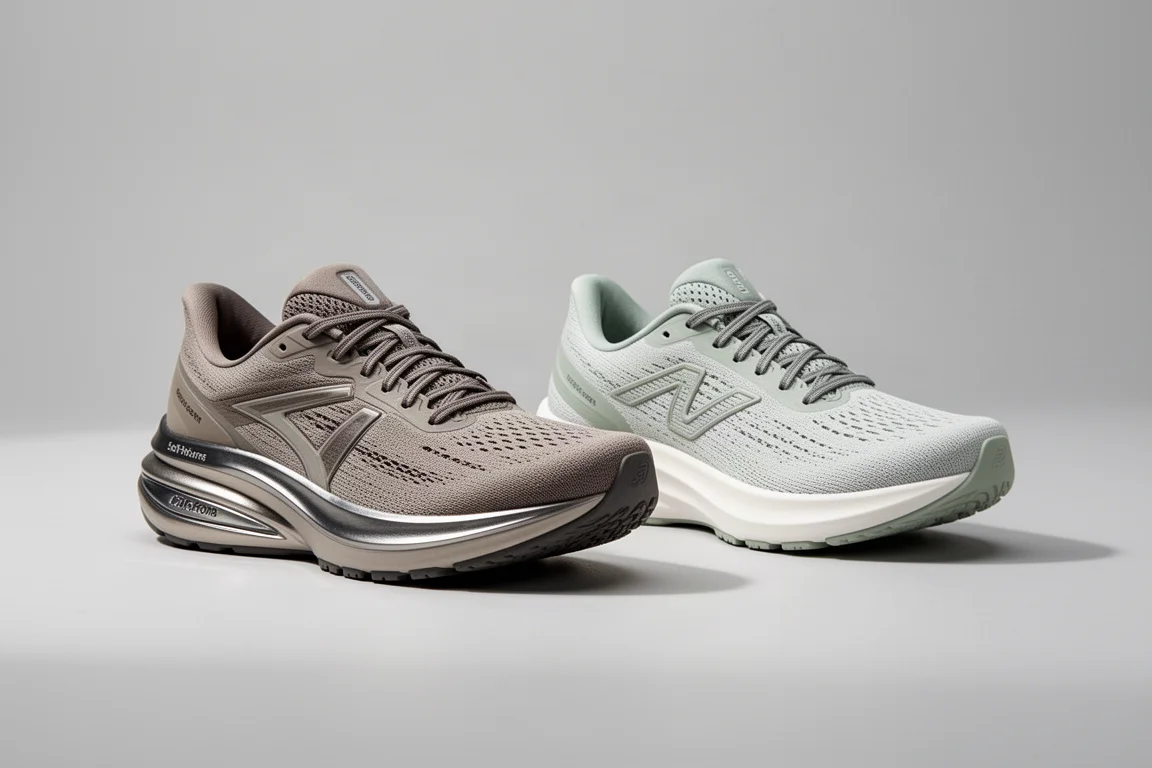
The Hoka Mach X and Hoka Mach 6 are two of Hoka’s snappiest do-it-all daily trainers, and both are built for daily miles plus faster training efforts. There is a lot of overlap in design and ride, but they are not the same shoe on the run. After 60-plus miles in each, including races, marathon training sessions and everything from easy miles to all-out intervals, one of them emerges as the clear pick for most runners.
Specs and Stacks Compared
The stacks tell a familiar Hoka story. In the women’s version, the Mach X has a 37mm heel and 32mm forefoot; in the men’s, that is 39mm and 34mm, both on a 5mm drop. The Mach 6 packs 35mm in the heel and 30mm in the forefoot for women, and 37mm and 32mm for men, again with a 5mm drop. So the Mach X sits slightly higher, but not by a dramatic amount.
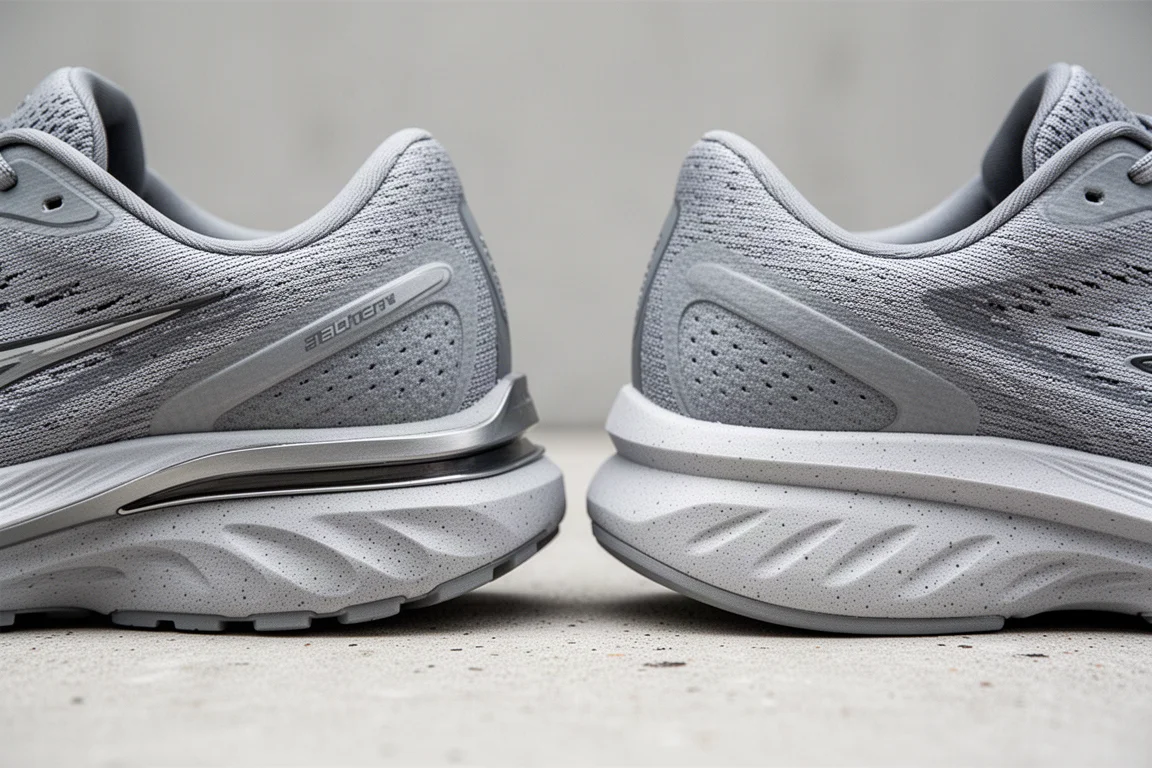
Weight is where they genuinely separate. The Mach X comes in at 9.1oz (258g) in a UK 9.5 tester size, while the Mach 6 is noticeably lighter at 8.1oz (230g). That roughly 30g difference is felt on the run. On price, the Mach X costs £160 or $180, while the Mach 6 is cheaper at £140 or $140 in the US.
Midsole and Construction
The Mach X features a ProFly X midsole that sandwiches a PEBAX plate between a layer of highly resilient PEBA foam and a layer of EVA foam, with an early-stage meta rocker to smooth out transitions. On paper that should make it a fast super trainer.
The Mach 6 makes a significant change: Hoka swapped the ProFly plus foam of the previous generation for a single layer of super critical EVA midsole, again with an early-stage meta rocker. The combination is claimed to create a more responsive ride, and there is no plate here. Despite the plate and PEBA foam in the Mach X, in testing the Mach 6 actually felt like the faster shoe of the two at quicker paces.
Uppers and Comfort
Up top, the Mach 6 gets new jacquard mesh uppers, while the Mach X uses Creel jacquard uppers with a pleasant soft lining inside and added structure on the outer layer. Both are light and breathable. Both shoes also carry half-gusseted race-style flat tongues that are very similar, though the Mach X adds a nice padding detail to prevent lace pinch.
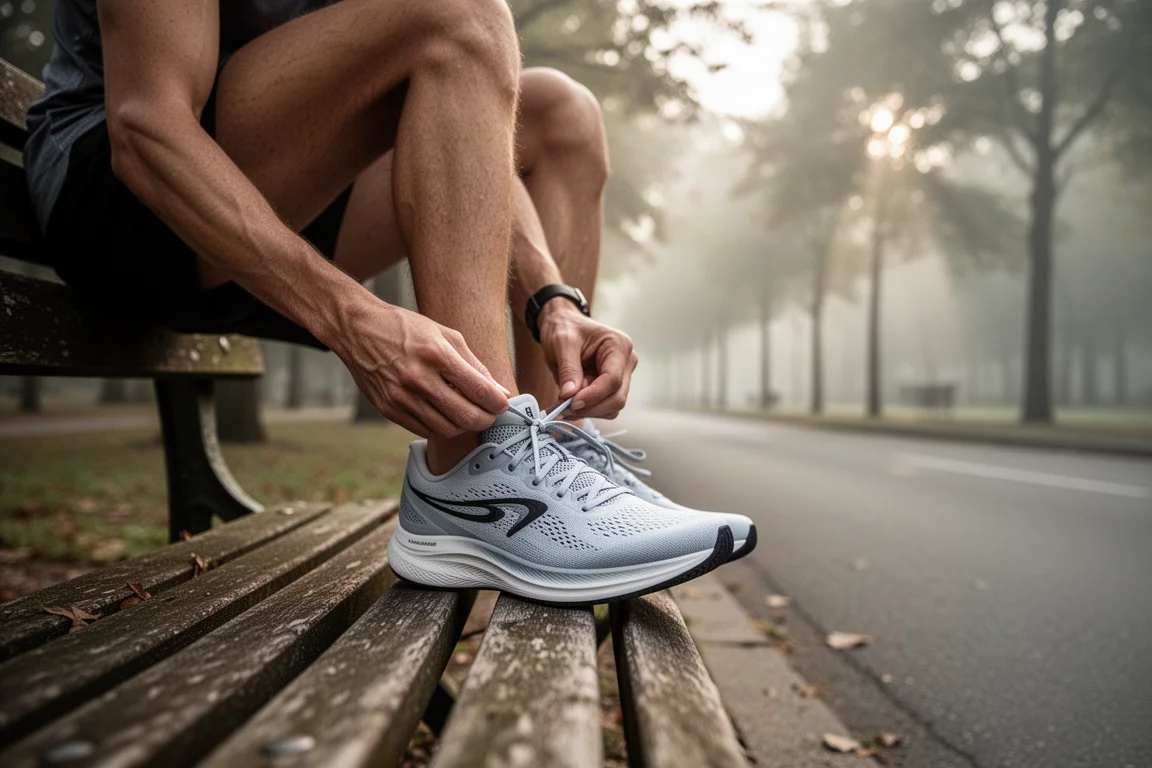
The Mach 6 heel collar is a little narrower with slightly more padding, but both are medium padded overall and comfortably secure.
Fit and Sizing
Fit is near identical across the two shoes. The tester, a UK 9.5 / US 9.5 in all Hoka shoes with a fairly narrow foot, found both fit true to size with good hold around the heel and midfoot and no Achilles irritation. The Mach 6 felt marginally tighter and shorter into the toe box, while the Mach X has just a touch of extra length.
One practical advantage goes to the Mach 6: it comes in regular and wide fit options, so if you need something more accommodating, that option exists only on the Mach 6. A couple of fit tips hold for both: they run quite snug and hugging, so thinner socks help, and if you have wide feet or want extra toe protection, consider going half a size up or choosing the wide option on the Mach 6.
How They Feel at Different Paces
A side-by-side mile with the Mach X on one foot and the Mach 6 on the other made the differences clear, if subtle. The Mach X delivers a stiffer ride: the midsole rocker is much stiffer and gives a little spring from the plate and midsole engaging. The Mach 6 offers a softer, more cushioned platform, felt most in the lateral heel. It is more forgiving and slightly more protective.

The surprise was at speed. The Mach 6 felt nicer to run quicker in: it is lighter, the midsole works better at faster paces, and it handled a 20-mile marathon training long run with smooth, stable comfort. The Mach X, despite the plate, never delivered the pop expected from a super trainer. Track sessions felt ponderous, and the plate’s presence was never really noticed. It is a comfortable, stable shoe at easier paces, but it would not be the first grab for tempo runs or faster workouts.
Outsole, Grip and Durability
Flipping both shoes over shows a clear upgrade story on the Mach 6: the flex grooves and exposed EVA of the previous version are gone, replaced by a much heavier-duty rubber covering across a substantial portion of the outsole. That is a definite durability improvement over older Mach shoes, and it does not add considerable weight.
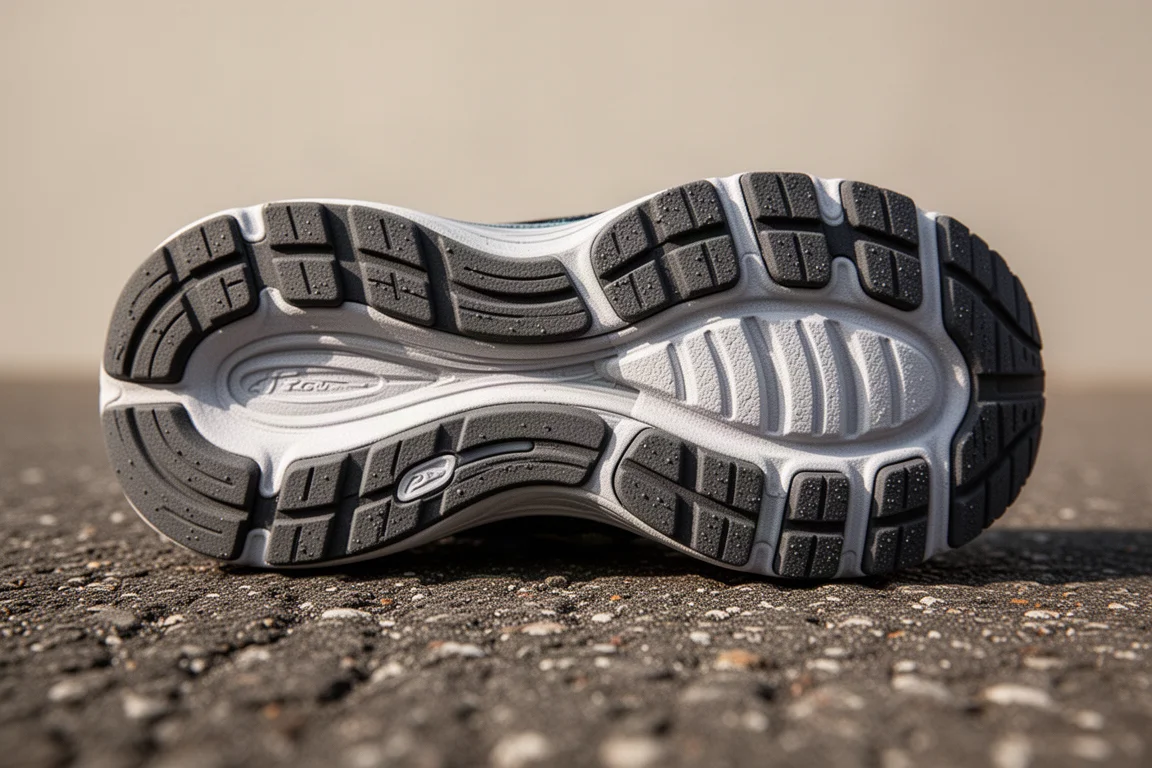
The Mach X carries a fairly extensive covering of Durabrasion rubber that takes care of the main impact zones and provides solid traction when cornering in fast efforts. Neither shoe showed a meaningful durability advantage in testing, so the Mach 6’s tougher outsole plus lower weight makes it the better-equipped all-rounder here.
Which One Should You Buy?
For most runners, this is straightforward: pick the Mach 6. It is the lighter shoe, the cheaper shoe, and the more versatile one. It works as a workhorse daily trainer, handles uptempo runs better than the Mach X despite being plateless, covers easy and long miles comfortably, and offers wide fit options.
The Mach X makes sense if you specifically want a stiffer, more direct ride with a bit more stack, and you are happy to pay more for a shoe that skews slightly to shorter, faster efforts. It is a fine plated trainer, stable and comfortable, but it does not deliver the speed and propulsive benefits you would expect from a plate compared with other super trainers on the market.
One more thing worth saying: these two shoes overlap so much that you probably do not need both. If you already own one, buying the other adds little. It is an either-or decision, and the extra cushion, lower price and lower weight tip it toward the Mach 6 for the majority of runners.
Conclusion
The Hoka Mach X and Mach 6 are both good, comfortable, versatile daily trainers that suit a wide range of paces. The differences are subtle: the Mach X is stiffer, slightly less cushioned and marginally better suited to faster paces, while the Mach 6 is a shade softer, lighter, cheaper and a touch more protective overall. Unless you specifically want the stiffer plated feel, the Mach 6 is the smarter buy and the better daily trainer of the two.
Product link
View more details for Hoka Mach X
This product is mentioned in the review. Check the specifications, options, and compatibility before buying.
View more details for Hoka Mach XFurther reading
Related Reviews

Running Shoes
Best Road-to-Trail Running Shoes: Three Versatile Options for Mixed Terrain
A practical guide to three road-to-trail running shoes that handle both pavement and mild trails, with clear strengths and trade-offs for different runner types.

Running Shoes
Best Running Shoes for Achilles Tendonitis: Three Options Explained
Three running shoes with different heel drops and support features designed to help reduce Achilles tendon pain during walking and running.

Running Shoes
Best Running Shoes for Women: Five Top Choices Ranked
A ranked guide to five women's running shoes, from versatile daily trainers to high-performance racing options, with real strengths and trade-offs for each.