Running Shoes
Hoka Mach X 3 vs Skyward X 2: Two Plated Super Trainers With Very Different Jobs
Hoka's Mach X 3 and Skyward X 2 are both plated super trainers, but one is built for speed and versatility while the other prioritises cushioned comfort for high mileage.
Introduction
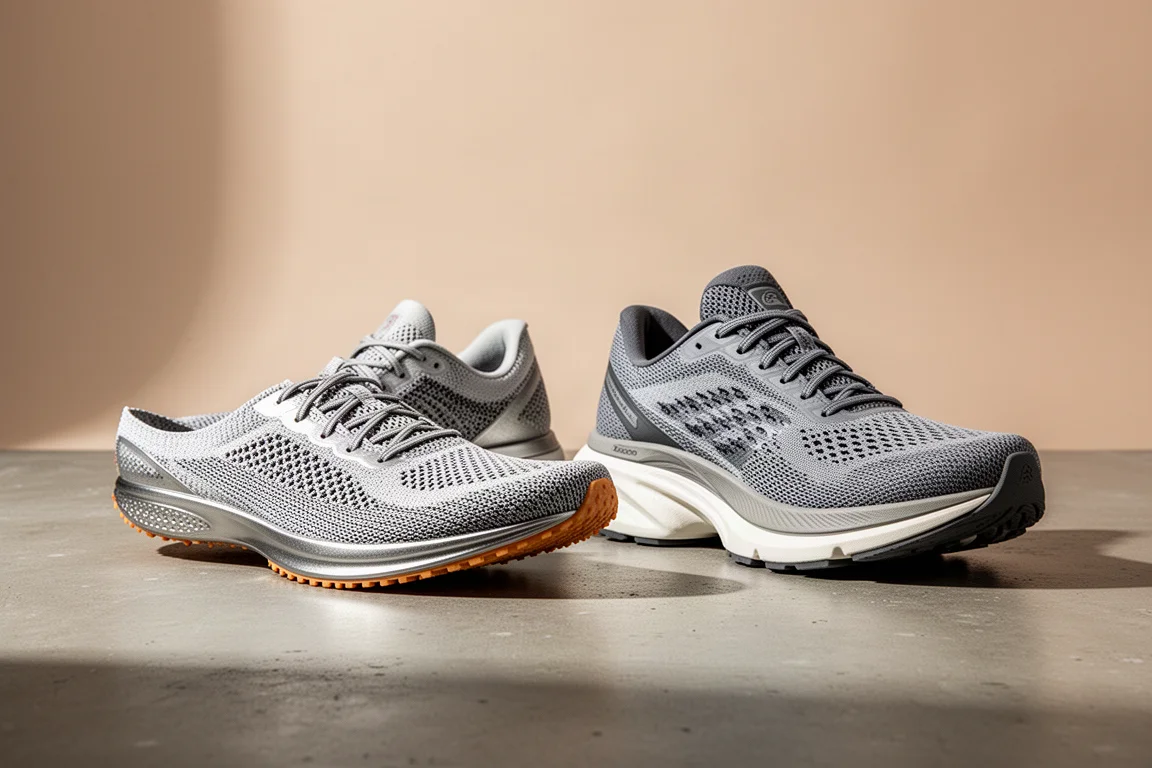
Hoka’s Mach X 3 and Skyward X 2 sit close together in the brand’s lineup. Both are plated training shoes that could fairly be described as super trainers, and both could look similar on paper. In practice, they are built for quite different purposes: the Mach X 3 leans towards speed and versatility, while the Skyward X 2 is designed to bring maximum comfort and support to long runs.
The Skyward X 2 is also the more expensive shoe of the pair, priced at £190 or $225, while the Mach X 3 comes in at £170 or $190. This comparison walks through the design, fit, and on-the-run character of each so you can pick based on the role you need in your rotation.
The Short Version
The headline differences come down to weight, price, and purpose. The Mach X 3 weighs 274 g (9.7 oz) in a UK 9, while the Skyward X 2 is a fair bit heavier at 295 g (10.4 oz) in the same size. Both share a 5-mm drop, and the stack heights are fairly similar, with the Skyward X 2 slightly higher at the heel.
At its core, the Mach X 3 is the more speed-focused shoe, a genuinely versatile daily trainer with real top-end capability. The Skyward X 2 is a comfort cruiser: softer, bouncier, more stable, and built to eat up easy and long runs.
Design: Hoka Mach X 3
The Mach X 3 uses a warp knit upper with a touch of padding on the tongue and around the collar, backed by enough structure to keep things secure. It is a balanced upper that offers a bit of comfort while staying lightweight, and it is a big step up from the lean, almost racing-shoe upper of the Mach X 2.
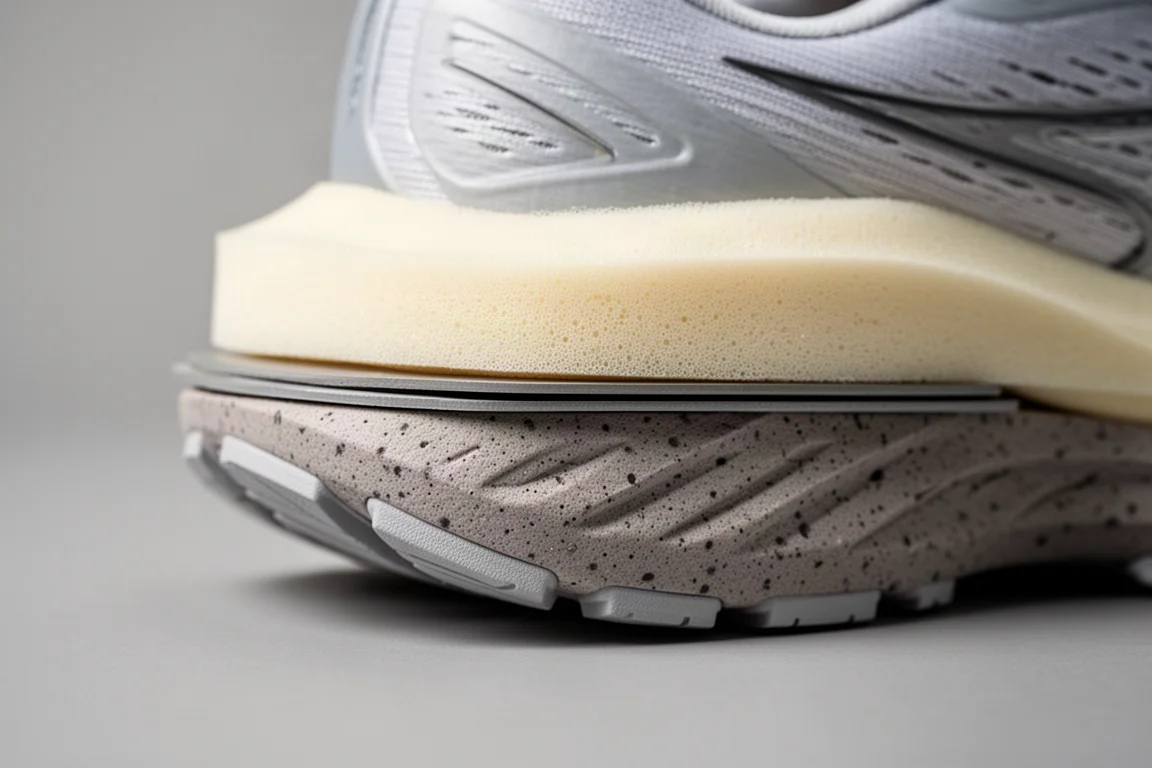
Underfoot, there is a dual-density midsole with Hoka’s bouncy Pebax foam on top, an EVA bottom layer, and a Pebax plate running between the two. Unlike the Skyward’s slotted carbon plate, this is a full plate, delivering a good amount of propulsion and stability. Rubber covers the forefoot and heel, with a few cutouts on the outsole.
Design: Hoka Skyward X 2
The Skyward X 2 uses a jacquard mesh upper with noticeably more padding around the rear of the shoe and a more prominent internal heel counter, giving it extra stability at the back. The cushioning is generous without feeling oppressive: enough padding to feel comfortable without swallowing your foot.
It also runs a dual-density midsole with Pebax foam as the top layer, but beneath it sits a slotted carbon plate rather than a full one, plus a super critical EVA bottom layer. Rubber coverage is more extensive than on the Mach X 3, with sticky rubber at the forefoot and a dual-abrasion rubber at the heel.
Fit and Sizing
Both shoes were tested in a UK 9 (US 9.5), which is normal running shoe size across the Hoka range, and both delivered a good fit for a narrow foot. That said, both lean towards the narrow end of the spectrum. Wide versions are available or will be, so if you have struggled with Hoka’s fit before, it is worth looking for a wide option.
The Skyward X 2 has a comfortable amount of padding around the rear without feeling excessive, and the Mach X 3’s padded upper makes it noticeably more comfortable for regular training runs than its predecessor. The simple advice: stick to your normal running shoe size, but consider the wide version if you need more volume.
On the Run: Where Each Shoe Shines
The Mach X 3 racked up roughly 120 km of testing, including hard workouts such as a tempo 10 K, track 800s, and long runs alongside easy and steady days. It retains much of the Mach X 2’s DNA while feeling slightly heavier and more “trainery” overall. The Pebax plate provides a nice amount of punch, and the rocker pushes you forward without being so aggressive that easy runs become awkward.

It is not the fastest super trainer on the market, and dedicated speed shoes will be lighter and nimbler, but the Mach X 3 handled workouts well while still offering plenty of comfort for easier runs. It genuinely feels like a do-it-all trainer.
The Skyward X 2 was tested over about 50 km ahead of its launch, used mainly for its intended role: easy and easy-to-steady daily runs and long runs where a big, comfortable shoe gets you out the door. It has a mild rocker that ticks you along, a pleasantly bouncy and softer ride than the Mach X 3, and noticeably more support. The heel and rear area sit within soft sidewalls of foam that cradle the foot, making it feel built for heavy mileage and heavier runners.
Side-by-Side Feel
Running in both shoes in the same session made the contrast obvious. Wearing them together, the Skyward X 2’s extra support, comfort, and stability were far more noticeable, and the Mach X 3 suddenly felt a bit more wobbly and aggressive by comparison, which is to say nimbler and quicker at tipping you forward. The Mach X 3’s firmer feel delivers a faster transition onto the forefoot, where the bounce kicks in.
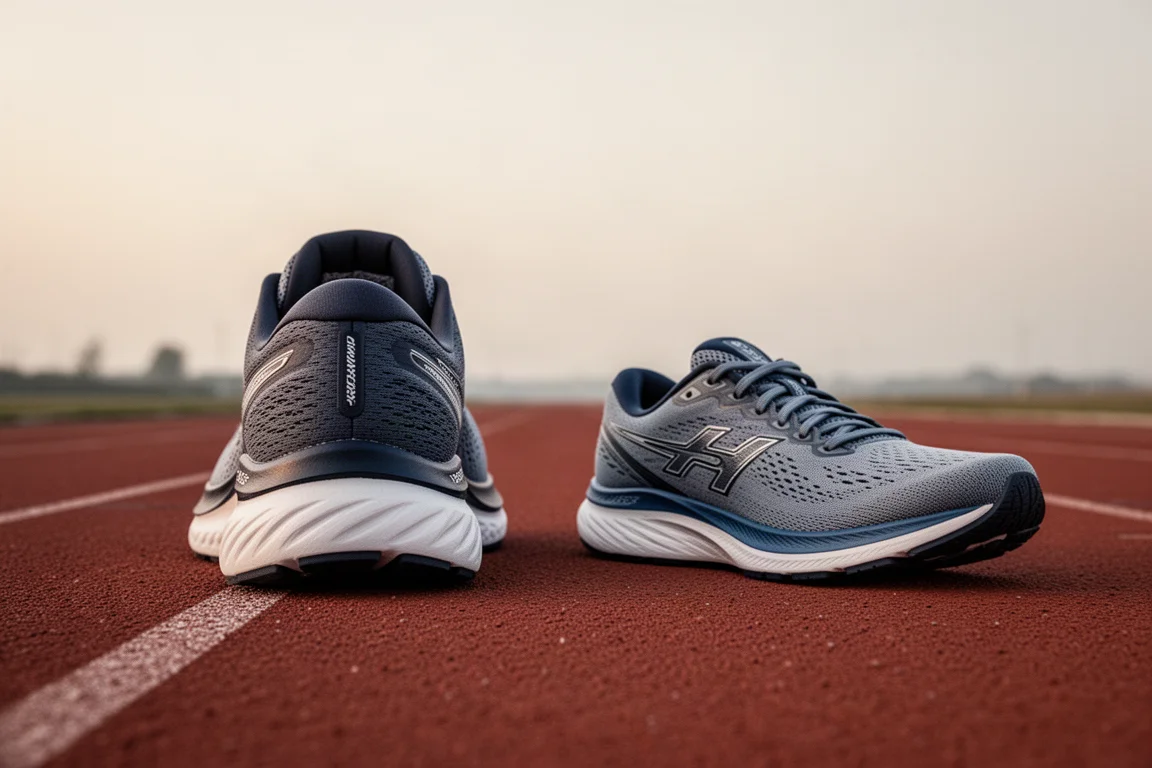
Push the Skyward X 2 through the gears and it feels a bit awkward next to the Mach X 3, not necessarily too heavy, but just big on the foot. The Mach X 3 is certainly a much quicker shoe, while the Skyward X 2 is the plusher, more supportive option underfoot.
Which One Should You Buy?
The easiest way to choose is to base the decision on each shoe’s role. If you have a rotation and want an easy day shoe for easy runs, long runs, and general mileage, with the best comfort and stability of the two, the Skyward X 2 is the clear pick. If you want a speed trainer for workouts and tempo runs with some easy running mixed in, the Mach X 3 is the better choice.
If you are after a genuine all-rounder, the Mach X 3 is the standout. It handles easy and steady runs really well, even long runs, and then has the scope to go faster. It does easy runs better than the Skyward X 2 does workouts, which speaks to its versatility. It is also a better value proposition: priced in line with other super trainers, it competes well at its price point even if it is not the outright best super trainer available. The Skyward X 2, meanwhile, is one of the best cushion shoes on the market for bouncing along on easy runs, but rivals such as the Nike Vomero Plus and the Kiprun Kipride Max offer similar or better performance at much lower prices, and it does not quite deliver the performance its super-trainer-level pricing implies.
Conclusion
The Mach X 3 and Skyward X 2 fill different roles, and both do their job well. For a versatile speed trainer that can handle everything from easy days to workouts, the Mach X 3 is the better all-round pick and the stronger value. For a comfort-focused cruiser built for high mileage weeks and long runs, the Skyward X 2 is worth its premium. Choose based on the job you need done, and either shoe will earn its place.
Product link
View more details for Hoka Mach X 3
This product is mentioned in the review. Check the specifications, options, and compatibility before buying.
View more details for Hoka Mach X 3Further reading
Related Reviews

Running Shoes
Best Road-to-Trail Running Shoes: Three Versatile Options for Mixed Terrain
A practical guide to three road-to-trail running shoes that handle both pavement and mild trails, with clear strengths and trade-offs for different runner types.

Running Shoes
Best Running Shoes for Achilles Tendonitis: Three Options Explained
Three running shoes with different heel drops and support features designed to help reduce Achilles tendon pain during walking and running.

Running Shoes
Best Running Shoes for Women: Five Top Choices Ranked
A ranked guide to five women's running shoes, from versatile daily trainers to high-performance racing options, with real strengths and trade-offs for each.