Running Shoes
Hoka Mach X 2 Review: Tall, Plush, and Not Quite Living Up to the Mach Name
A closer look at the Hoka Mach X 2, its layered PEBAX midsole and stability-focused plate, plus two alternatives that cost less.
Introduction
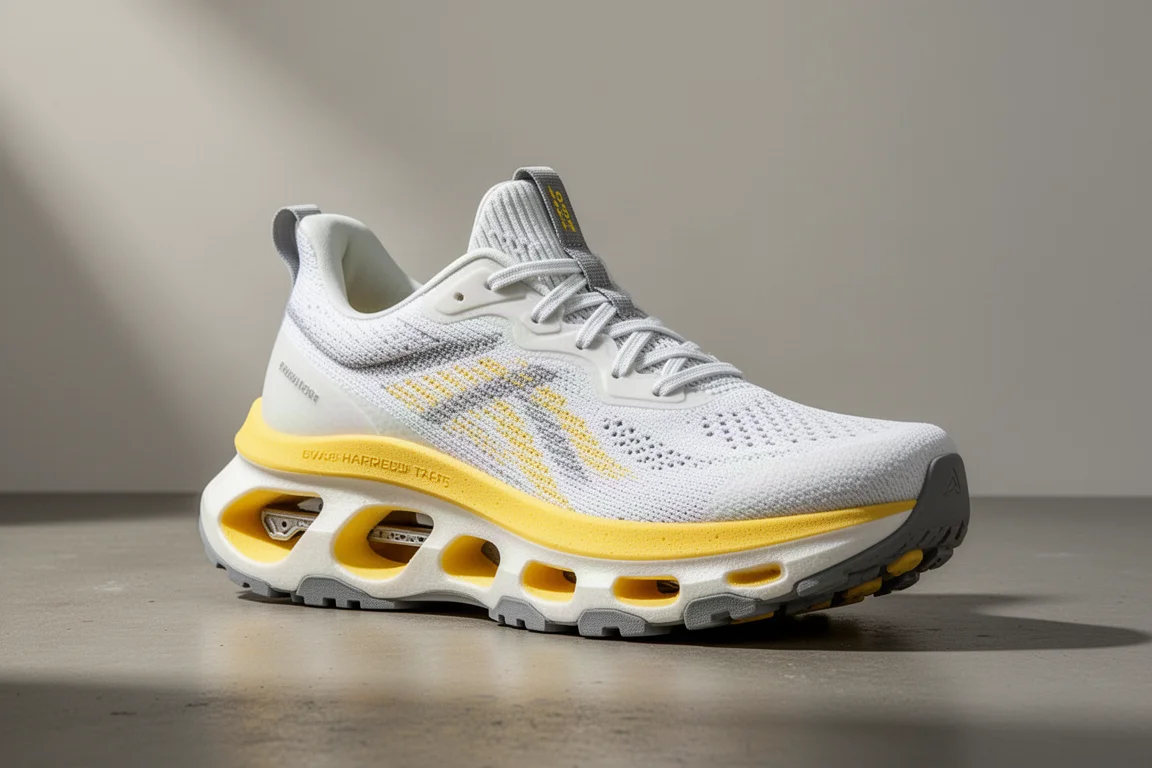
The first Hoka Mach X was a disappointing combination of a really great shoe name and underwhelming performance. The Mach X 2 aims to fix that with more premium foam, a taller stack height, and a more aggressive geometry. On paper, it looks like the shoe the original should have been. After putting real miles on it, though, the picture is more complicated.
This is a shoe built for daily training and some faster workouts, with premium materials and a stability-leaning design. Whether it earns a spot in your rotation depends heavily on how you land and what you value in a trainer.
Specs at a Glance
Hoka rates the Mach X 2 at a 44 mm stack height with a 5 mm drop, giving 39 mm of stack in the forefoot. That is a very tall platform. For a US men’s size 10, Hoka lists 9.2 oz, and a US men’s size 9 checks in at 8.8 oz (250 g). At $190, it sits firmly in the premium trainer category.
Midsole Construction: Three Layers Working Together
There are three things happening in the midsole. The white top layer is PEBAX, the high-end foam usually associated with racing-caliber shoes. The yellow bottom layer is regular EVA, acting as a firmer carrier around the softer premium foam to give the shoe more structure.
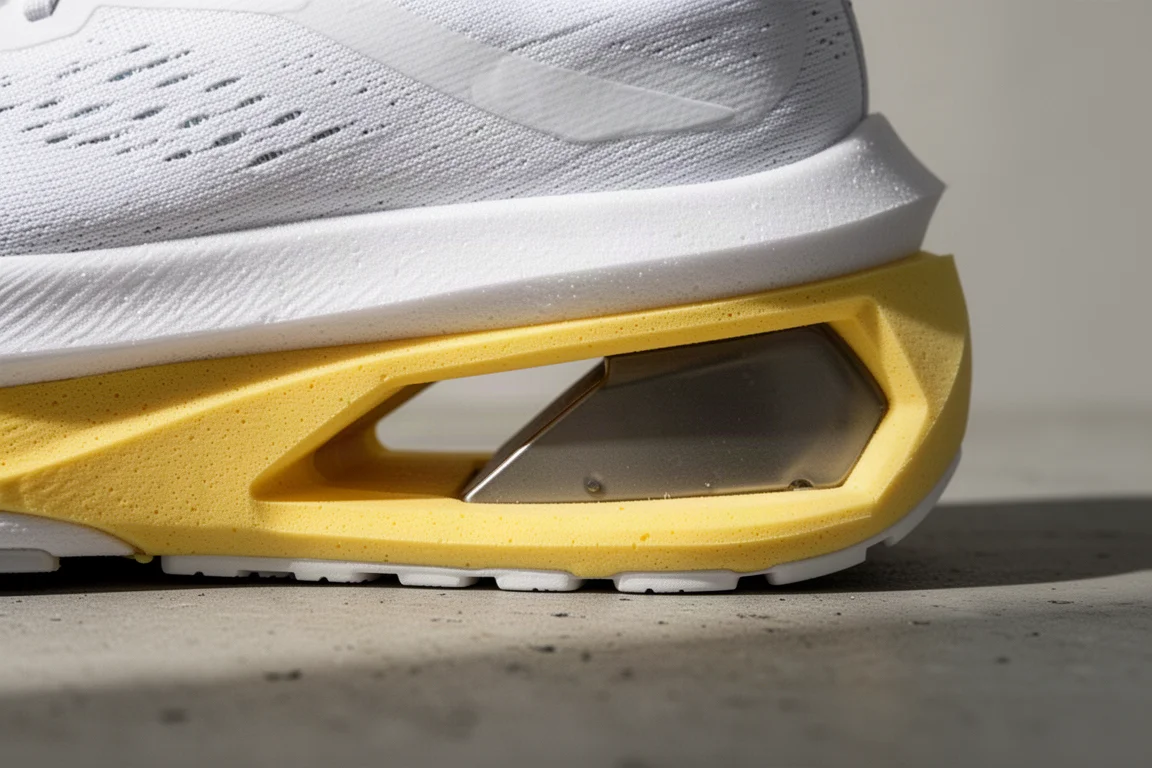
Sandwiched between the two is a plate made of a hardened Pebax Renew, a slightly different version of PEBAX that uses castor bean oil as its main oil substrate, making it a little friendlier to the environment. Two design details stand out. First, a small wing on the side of the shoe where the plate sticks out signals that this plate exists for stability more than rigidity; it is not trying to behave like a carbon plate, just keeping the foams from squishing too far in one direction on foot strike. Second, the plate position starts high in the heel and slams down low toward the forefoot, where it nearly touches the ground through a front window. That is a common trick manufacturers use to keep the foam underneath your foot from moving around too much.
The outsole uses zonal rubber placement to save weight, and the missing full-length rubber layer helps the shoe bend more easily. Where rubber does exist, though, there is a lot of it, forming thick islands rather than a thin coat.
Upper and Fit
The woven upper has a gusseted tongue, and the material is completely different from last year’s version. It is much more breathable this time, but it is also scratchy. This kind of material lets a lot of air through while helping the upper retain its shape, just do not expect a plush feel against bare skin.
Hoka is one of the few brands where sizing can go either way, and the regular size 9 worked really well here. The one recurring complaint worth flagging is a seam at the back of the heel. The heel collar is nicely floppy, which is great for a shoe you want to run fast in, but some runners find that heel seam a bit sharp, and even with a small flap covering it, it has caused irritation for a few people.
On the Road: Tall and Responsive but on the Firmer Side
The Mach X 2 is tall and responsive, with a bit of a crumple-zone feel to the foam. Overall, though, it runs firmer than I would prefer, especially for a shoe bearing the Mach name. Underfoot, the foam does not move much, and that dynamic movement is what absorbs impact on landing and then decompresses to push you forward with the energetic bounce you want in a quick shoe. I did not feel much of that here.

On the plus side, the shoe is nowhere near as stabilization-heavy as the design features suggest. Still, for runners who dislike stability elements in fast shoes, a winged plate is not a selling point. The high-in-the-heel, low-in-the-toe plate position seems built for a different kind of foot strike. Midfoot and forefoot strikers will find the geometry less suited to them, while heel strikers are the audience this shoe appears designed around. For a midfoot striker, it can feel like a lot of engineering in the shoe without much felt benefit.
Where It Fits in the Hoka Lineup
Hoka makes a lot of shoes with overlapping use cases, which makes the lineup hard to parse. Starting with the daily trainer, the Clifton has long been the default, great for easy runs and light workouts, but the Mach 6 is the better pick for daily training. It handles easy miles and goes fast really well despite lacking a PEBA top layer or PEBAX plate.
For long slow distance or just pampering your feet, the Skyward X is Hoka’s best max cushion shoe right now. It is heavy and big, but very comfortable for time-on-feet days. If you loved the Bondi and want something more modern, the Skyward X is the natural upgrade.
For racing, the Cielo X 1 stands out. It is a bit big and heavy, but the setup works beautifully for a midfoot-forefoot stride. For workouts and faster repetitions, the Rocket X 2 fits the bill nicely, particularly for shorter races or fast reps where you want a plate, even if it is a bit firm for a full marathon.
So where does the Mach X 2 slot in? It would replace the Mach 6 in a lineup, but the Mach 6 is lighter, bouncier, and softer. In an ideal Hoka lineup, the Mach X 2 does not make the cut.
Alternatives Worth Considering
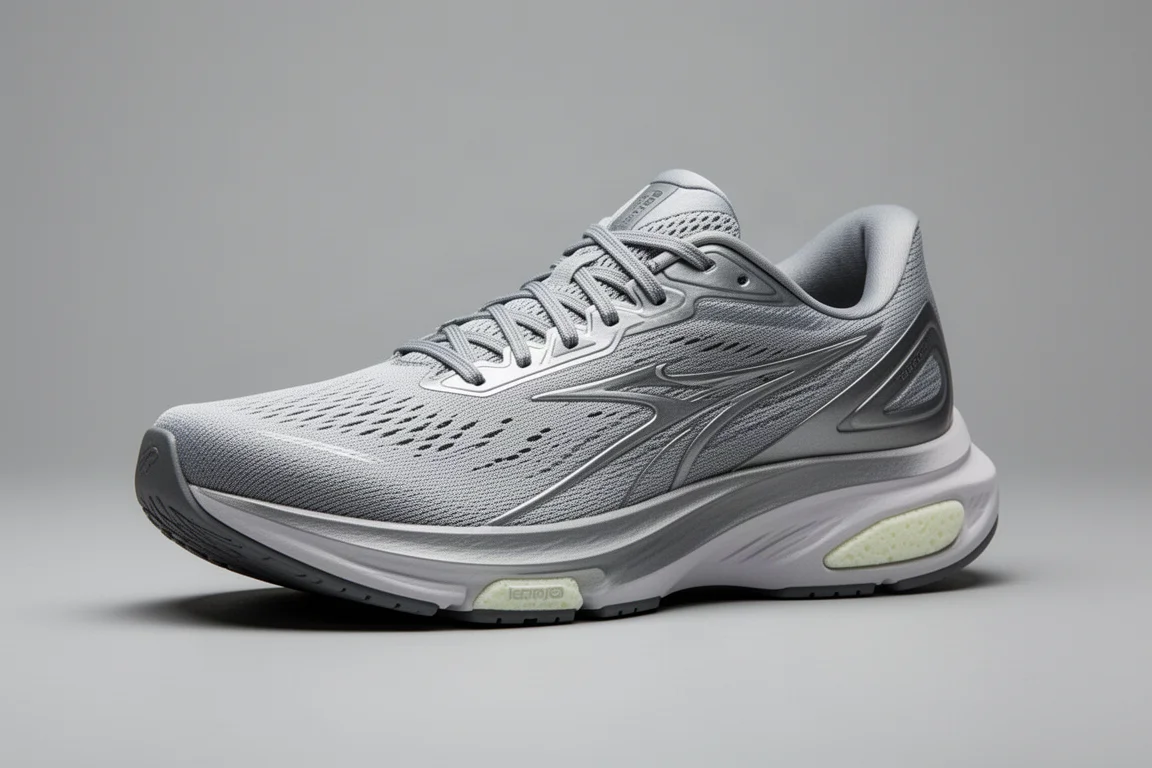
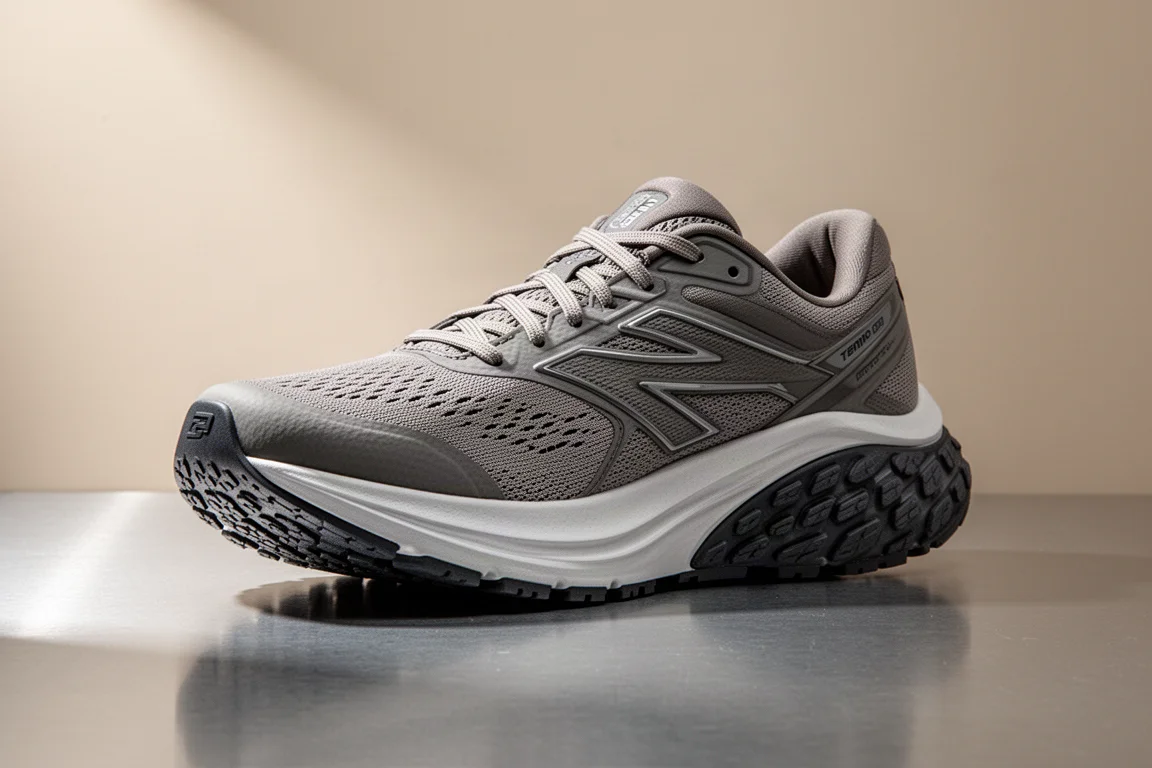
The Mach X 2’s $190 price makes alternatives worth a hard look. The first shoe that comes to mind is the ASICS Magic Speed 4, which uses a similar formula: daily training foam with a premium foam insert, in this case a small core or puck of FF Turbo foam. It is also plated, with an upper more designed for daily training, and serves a similar role in a rotation. Its different plate position better suits a midfoot-forefoot gait, and it is lighter and cheaper at $170.
The other close comparison is the Mizuno Wave Rebellion Flash 2, which delivers the most similar overall sensation to the Mach X 2. Both have really tall sidewalls and a big channel cut out underneath. The Wave Rebellion Flash 2 goes further and completely removes the foam from the center channel, leaving structural struts across the two sidewalls. Each shoe has a non-carbon plate and a combination of foams, with the Mizuno using Enerzy Lite Plus premium racing foam as a top layer over a regular EVA base. It is also targeted at heel strikers, so the overlap is significant. The Wave Rebellion Flash 2 leans more daily trainer than speed shoe, but it is lighter and also cheaper at $170.
Who Should Buy the Hoka Mach X 2
The Mach X 2 brings premium materials to a shoe intended for daily training and some workouts. Its setup makes it best suited to heel strikers and to runners who really enjoyed the original Mach X 1. But at $190, the price is hard to justify when last year’s Mach X 1 still gives you a clear sense of what Hoka is trying to do with the Mach X line at $135.
For most runners curious about this line, the smarter first step is the Mach X 1, or one of the two alternatives above that cost $55 less.
Conclusion
The Hoka Mach X 2 is a tall, thoughtfully engineered trainer that finally gives the Mach X name some premium substance. But its stability-leaning plate geometry, firmer ride, and steep price narrow its audience considerably. Heel strikers and fans of the original will find a lot to like; nearly everyone else is better served by the Mach X 1, the ASICS Magic Speed 4, or the Mizuno Wave Rebellion Flash 2.
Further reading
Related Reviews

Running Shoes
Best Road-to-Trail Running Shoes: Three Versatile Options for Mixed Terrain
A practical guide to three road-to-trail running shoes that handle both pavement and mild trails, with clear strengths and trade-offs for different runner types.

Running Shoes
Best Running Shoes for Achilles Tendonitis: Three Options Explained
Three running shoes with different heel drops and support features designed to help reduce Achilles tendon pain during walking and running.

Running Shoes
Best Running Shoes for Women: Five Top Choices Ranked
A ranked guide to five women's running shoes, from versatile daily trainers to high-performance racing options, with real strengths and trade-offs for each.