Running Shoes
Hoka Mach X 2 Review: A Plated Trainer That Leans Hard Into Speed
The Hoka Mach X 2 ditches the comfort-first approach of the original for a firmer, faster, race-shoe-like ride. Here's how it compares to the Skyward X, SC Trainer v3, Deviate Nitro 3, and Magic Speed 4.
Introduction
Plated training shoes promise a blend of race-day technology and everyday comfort, and the Hoka Mach X 2 is one of the last major releases in the category for the year. At $190, it sits close to race-shoe money, which raises a fair question: what exactly does this category still offer?
After a first 10-mile run, the answer is more interesting than expected. The Mach X 2 has moved sharply toward the speed end of the spectrum, and it now feels more like a budget racing shoe than a comfortable plated trainer. That makes it one of the best examples of the category, while also highlighting why the category itself can feel redundant.
Evaluation Criteria
The comparison here focuses on how each shoe balances comfort, speed, weight, and stability, and where each one fits in a real shoe rotation. Weight comparisons use a men’s size 10.5 where noted, with one size 11 exception flagged below.
What Changed in the Mach X 2
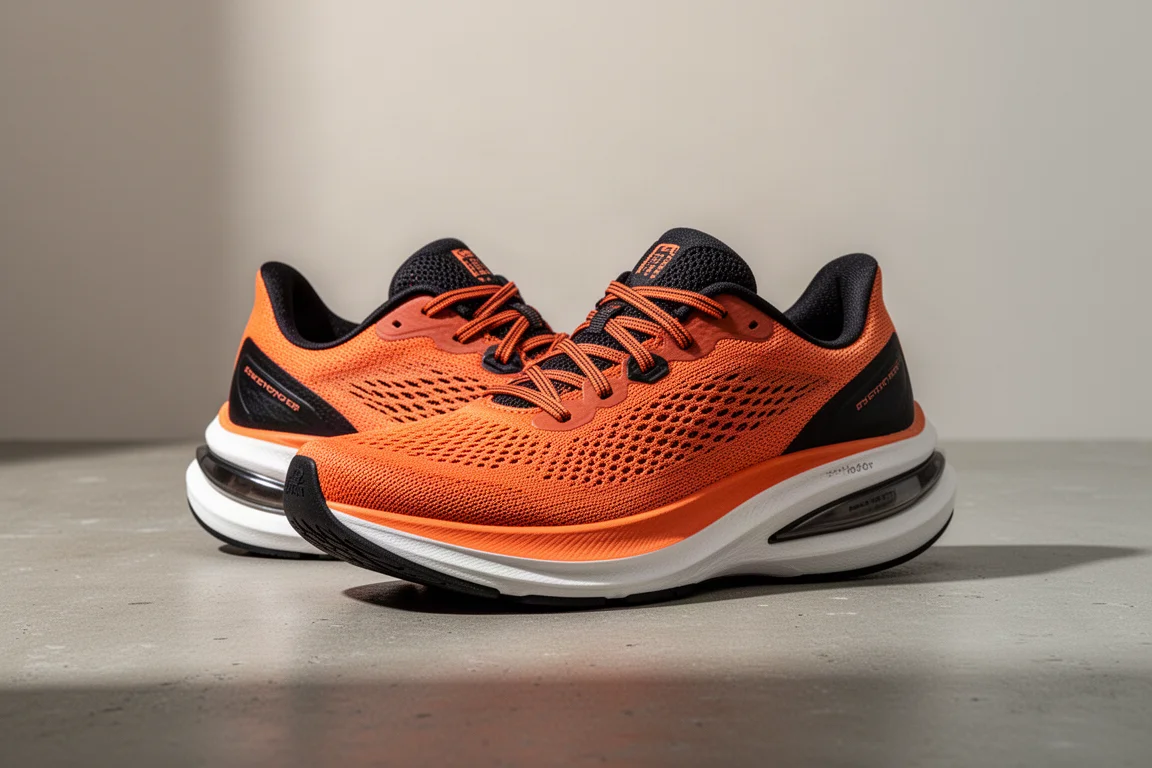
The original Mach X was a smooth, firm, comfort-leaning plated trainer. The second version goes a different way: a much more aggressive rocker, a lightweight performance upper reminiscent of a racing shoe, more race foam in the forefoot, an increased stack height, and a plate pushed out to the side so you can see it. The rocker test tells the story: the Mach X 2 rests at close to a 45-degree angle, and toe-off feels noticeably sharper than before.
On the scale, the Mach X 2 came in at about 265 g in a size 10.5, roughly three grams lighter than the original. The upper is one of the standout changes: low-cut, thin, and see-through in a way that recalls top-tier racing uppers, with a strap-down tongue. It fits snug lengthwise with a performance cut, not especially wide-foot friendly, but not as narrow as some competitors. Note that a retailer fit warning mentions possible heel rubbing due to minimal collar padding, though in testing with proper socks there were no issues at all.
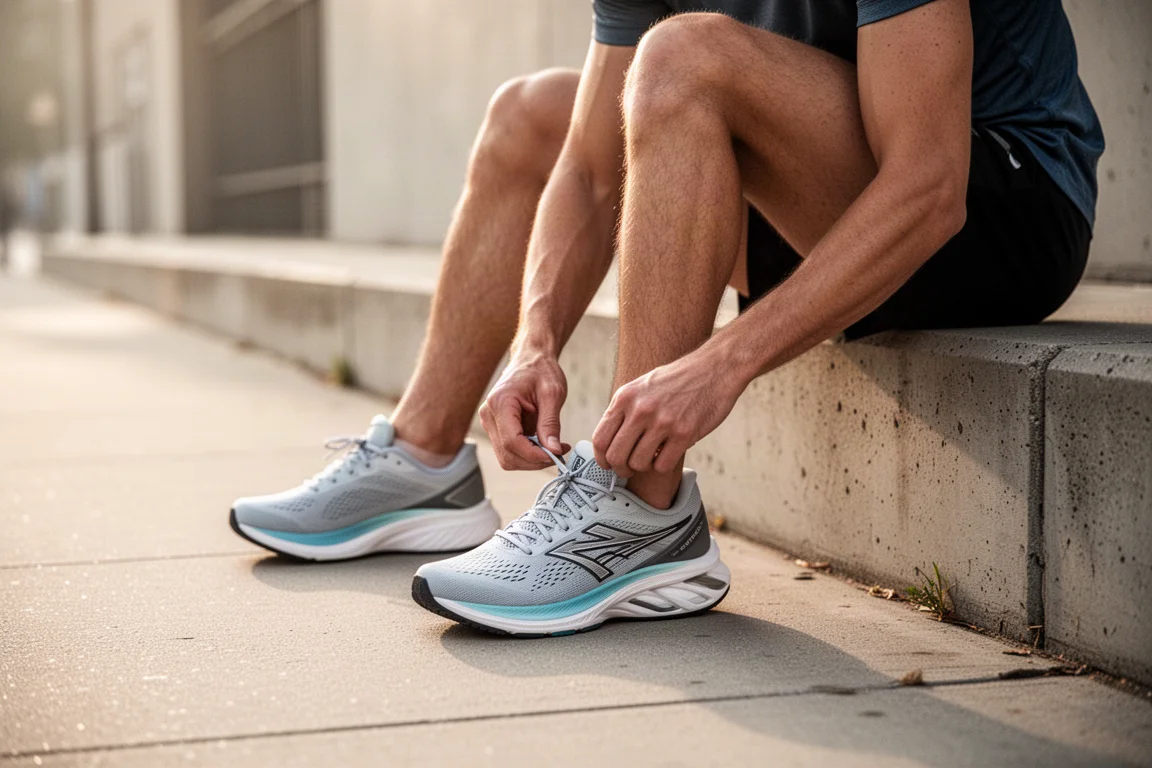
Hoka essentially split the Mach X line in two. The comfort upper and stability went to the Skyward X, while the Mach X 2 became the speed option. The result is a shoe that feels closer to a racer than to the SC Trainer v3-style comfort trainer many expected.
The Comfort Cruiser: Hoka Skyward X
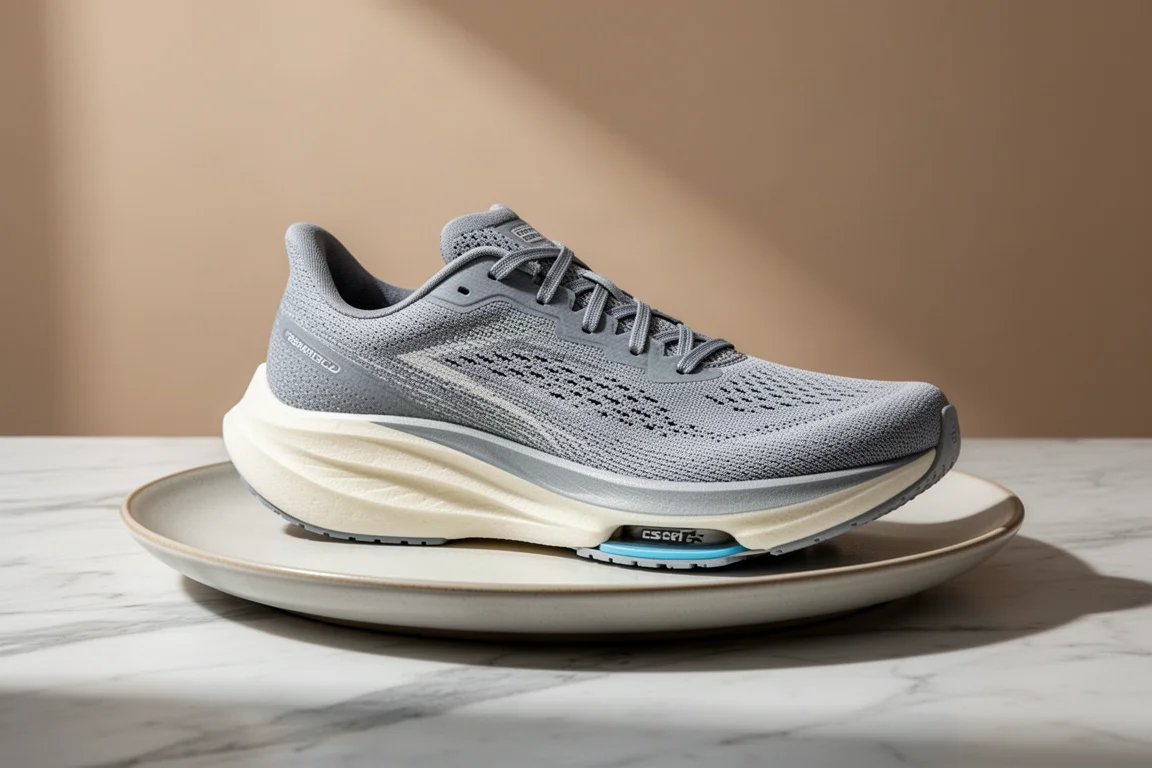
If there is one plated trainer that clearly earns its place, it is the Skyward X. This is a big, comfort-first shoe designed to take the burn out of long miles, almost making easy running feel like gliding on an elliptical. It weighs about 332 g in a size 10.5, one of the heavier shoes of the year, and it makes no apologies for it: the weight comes from a huge stack of dual foam with a carbon fiber plate, plus generous upper padding.
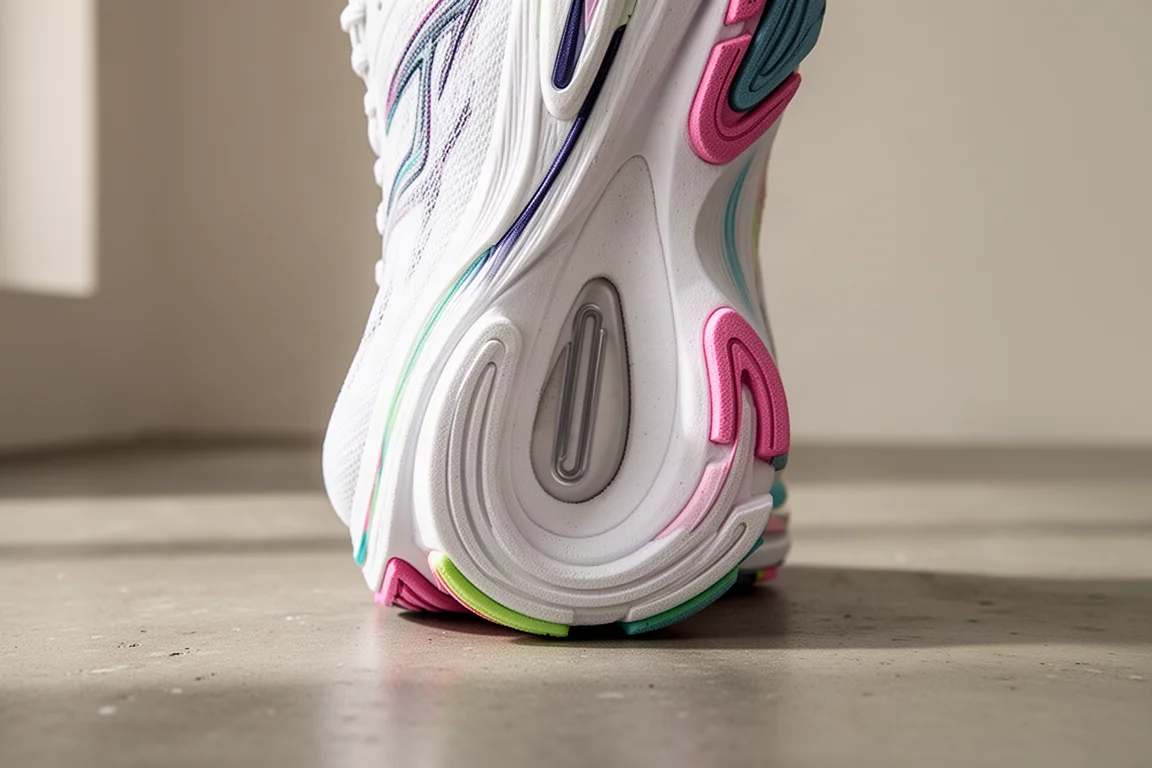
It is not a soft, squishy shoe, but it is deeply cushioned, protective, and bouncy, with good rubber coverage on the outsole. At $225 it costs more than the Mach X 2, but it delivers something genuinely different from a racing shoe, which is exactly what the best version of this category should do.
The Original: Hoka Mach X
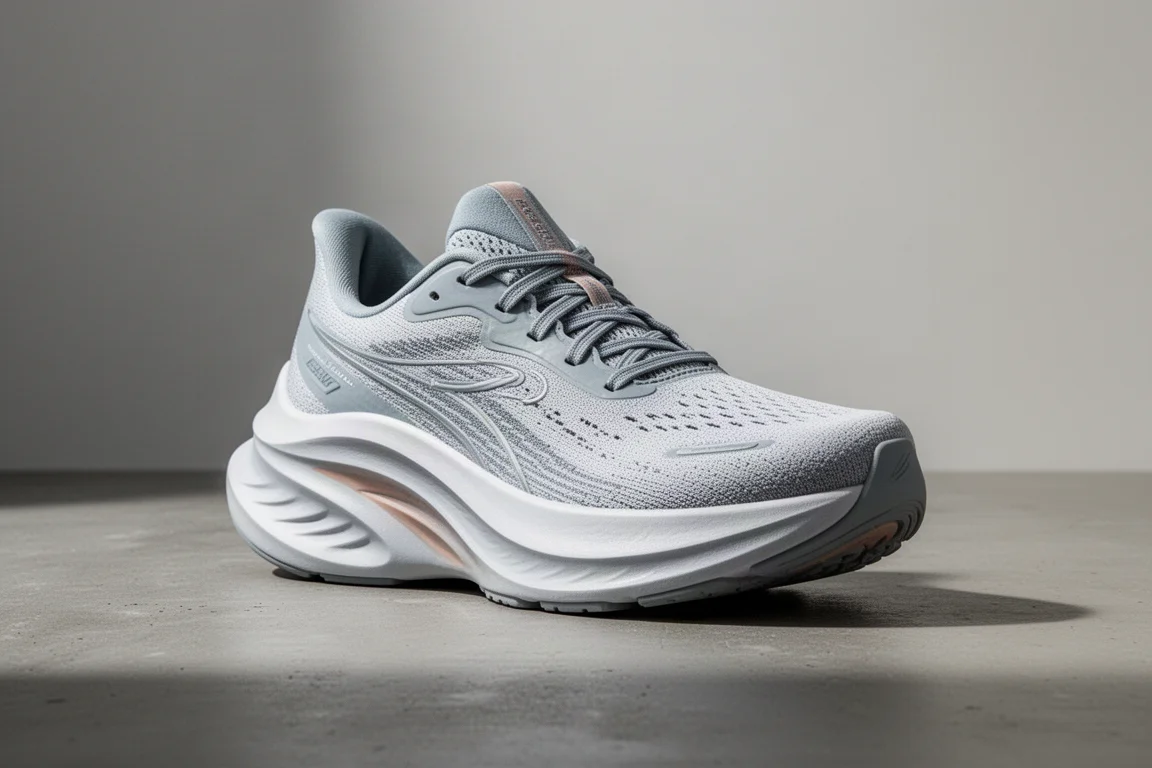
The first Mach X remains a smooth, firm, comfortable ride, and it was described by a well-known review site as one of the stiffest shoes around, carbon plate or not. It weighed about 286 g in a size 10.5. With the Mach X 2 shifting so aggressively toward speed, the original should drop in price, which could make it a strong value pick for runners who want a gentler plated trainer.
The Daily Plated Trainer: Puma Deviate Nitro 3
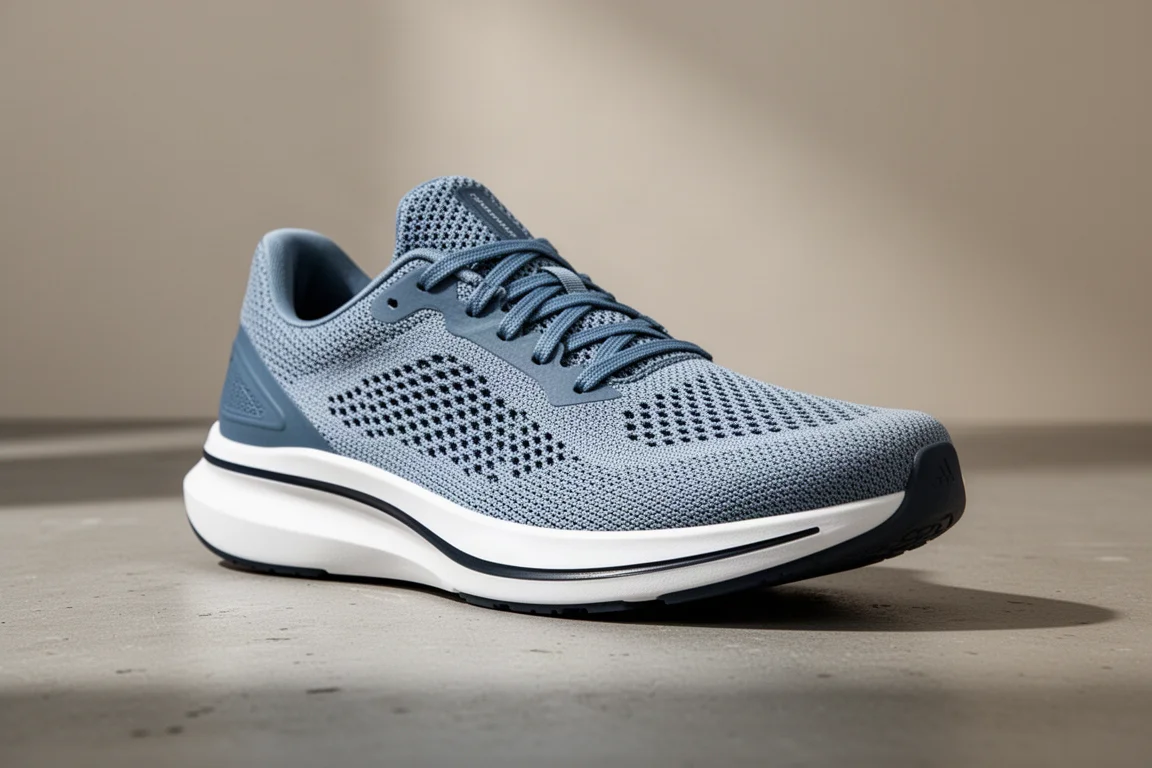
The Deviate Nitro 3 is the pick for runners who want one plated shoe that can do almost everything. It pairs a firmer Nitro foam layer on the bottom with an older race foam and carbon plate on top, tuned to feel peppy but still comfortable. It weighs about 284 g, slightly heavier than the Mach X 2, partly due to a more padded daily-trainer upper and denser foams.
Its versatility is the selling point: it handled a 20-mile day comfortably and still felt lively at faster paces. It is not as comfortable as an un-plated max-cushion daily trainer, so most runners will still want to rotate it with something else rather than wear it every single day.
The Sleeper Speed Pick: Asics Magic Speed 4
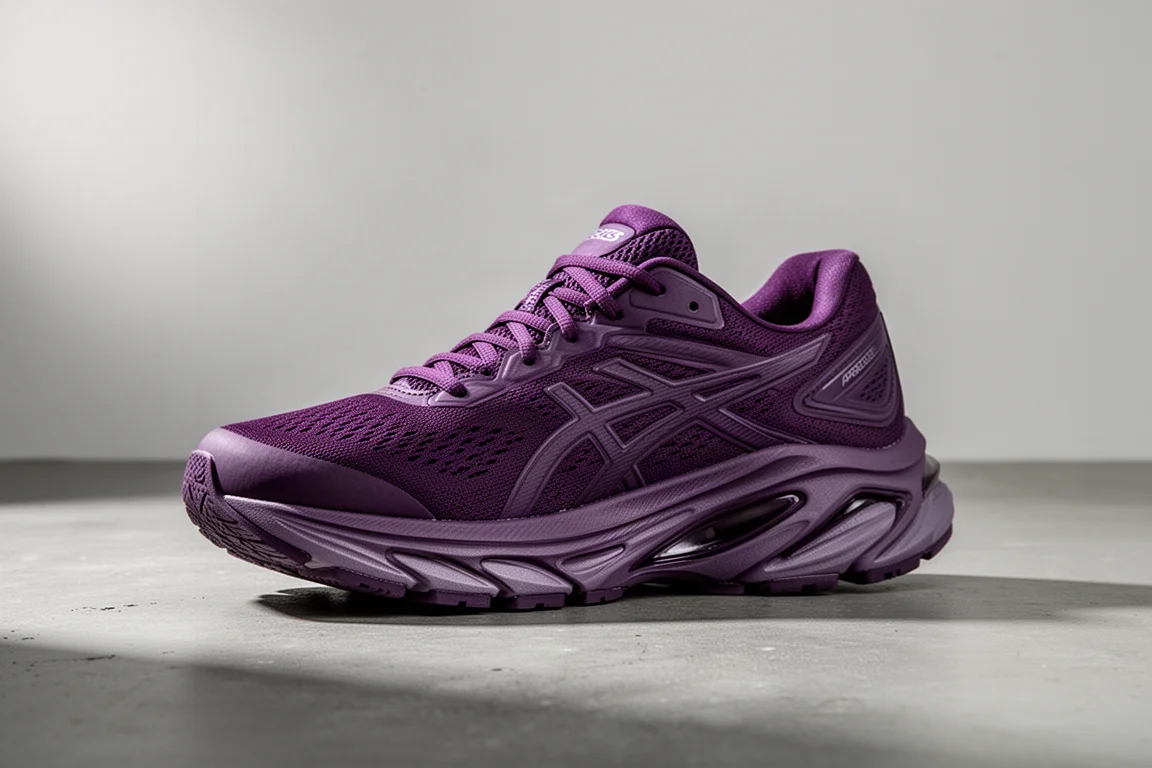
The Magic Speed 4 was a genuine surprise. At $170 and about 256 g, it feels featherweight on foot and rides soft, light, and fast, almost like a training version of a full race shoe. Some of the fastest mile and kilometer repeats of the year went through this shoe, and a 25-mile double day felt fine in it.
It is less versatile than the Deviate Nitro 3, with a more aggressive, less substantial feel, but that is the point. If you want one shoe under $200 for fast workouts and racing, this is a strong candidate.
The Comfort and Stability Option: New Balance SC Trainer v3
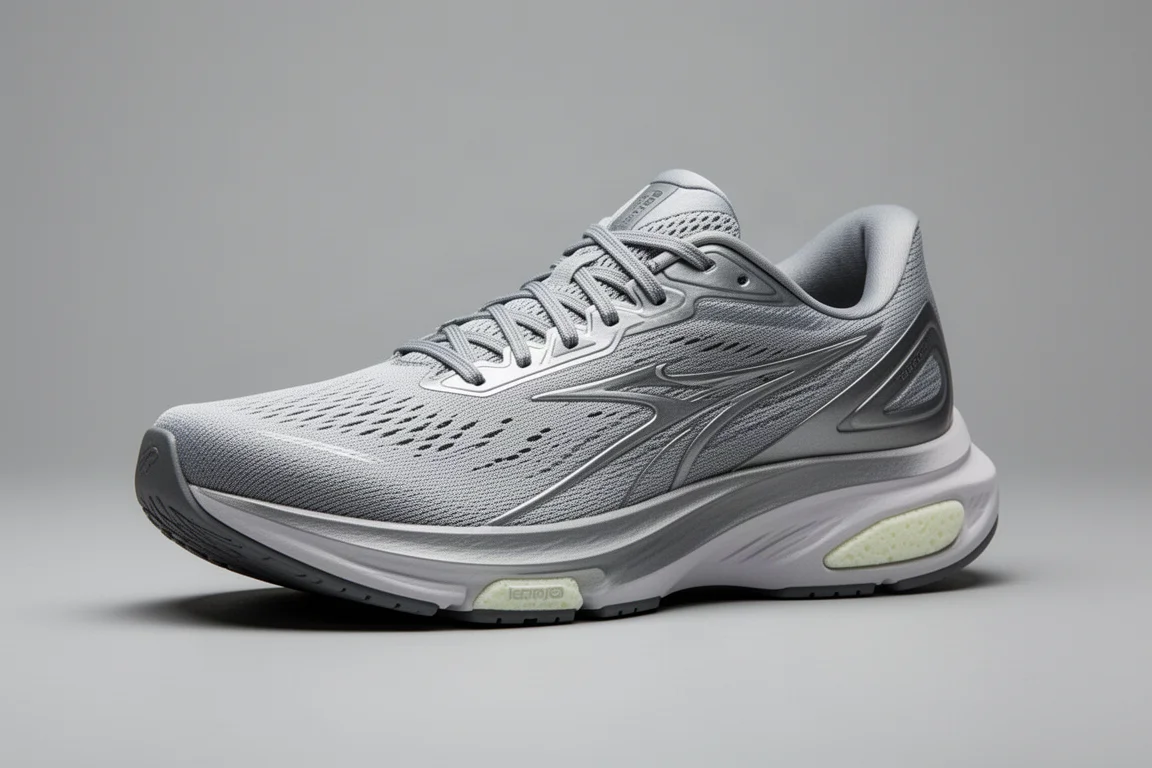
The SC Trainer v3 takes the opposite approach from the Mach X 2: more support, more comfort, more structure, and full fuel cell foam with a carbon fiber plate in a trainer-tuned version. It weighed about 304 g in a size 11, and testers report it runs snug, so sizing up may be worth considering.
For taller or higher-mileage runners it can feel a bit heavy and clunky, missing some snap. But for newer runners, or anyone whose easy pace sits around 9 to 10 minutes per mile, it lands very differently: peppy, comfortable, and stable. As a first plated shoe or a half and full marathon option that leans comfort over aggression, it remains a good pick.
How the Mach X 2 Rides
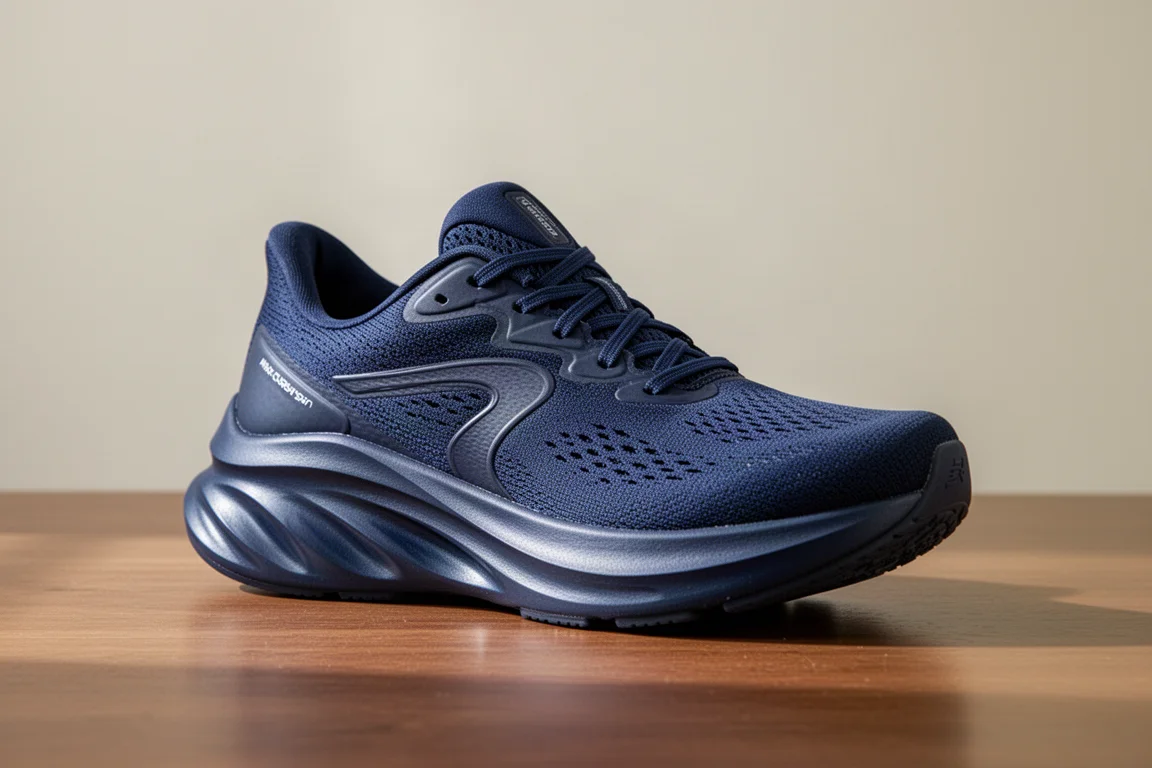
Out of the box, the Mach X 2 is firm, rigid, and not a relaxed cruiser at all. The supercritical EVA in the midsole needs force and a few miles to activate, so expect a break-in period. Once warmed up, the ride is smooth, bouncy, and quick, with a nice rocker-driven toe-off that had no trouble handling surges and marathon-pace efforts.
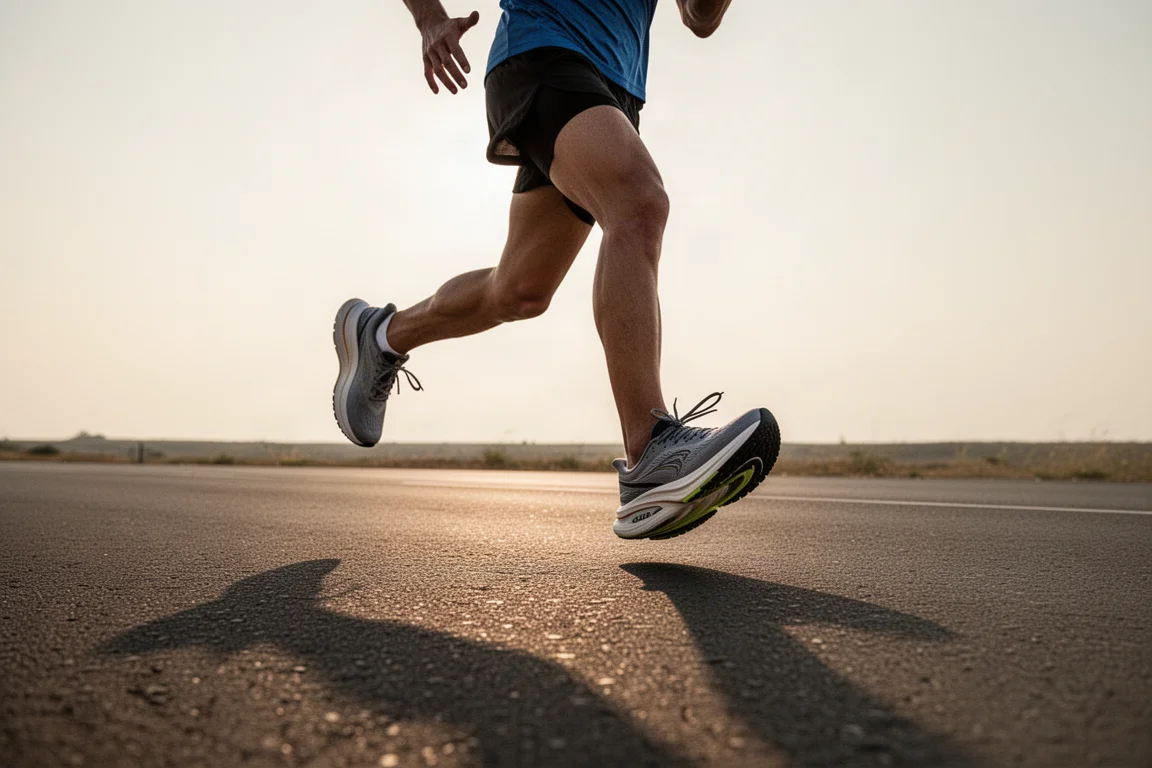
At an easy seven-flat pace it felt dialed in and effortless. At 7:30 pace or slower, it would likely feel stiff and a touch too aggressive for everyday miles. This is a speed training shoe, not a recovery-day shoe, and closer in ride character to a firm tempo trainer like the Adidas Boston 12 than to a squishy speed shoe.
The plastic plate does not make this shoe gentle. It is nearly as stiff as carbon-plated options, and the flexibility test confirms it bends about as little as a race shoe does. The plastic versus carbon distinction matters far less than the ride feel itself.
So What Is the Point of Plated Trainers?
This is the honest question the category raises. Modern racing shoes have become so comfortable, versatile, and durable that many plated trainers now feel like slightly heavier, slightly less bouncy versions of their racing counterparts. If the race shoe already lives in your rotation, the plated trainer can struggle to justify its slot.
There are real exceptions. The Skyward X offers a cushioning experience race shoes do not. The SC Trainer v3 adds comfort and stability for newer runners. The Deviate Nitro 3 genuinely works as a daily trainer with speed. The Mach X 2, meanwhile, is fast enough to be enjoyable but overlaps most with the race shoe it sits beneath, even at a lower price.
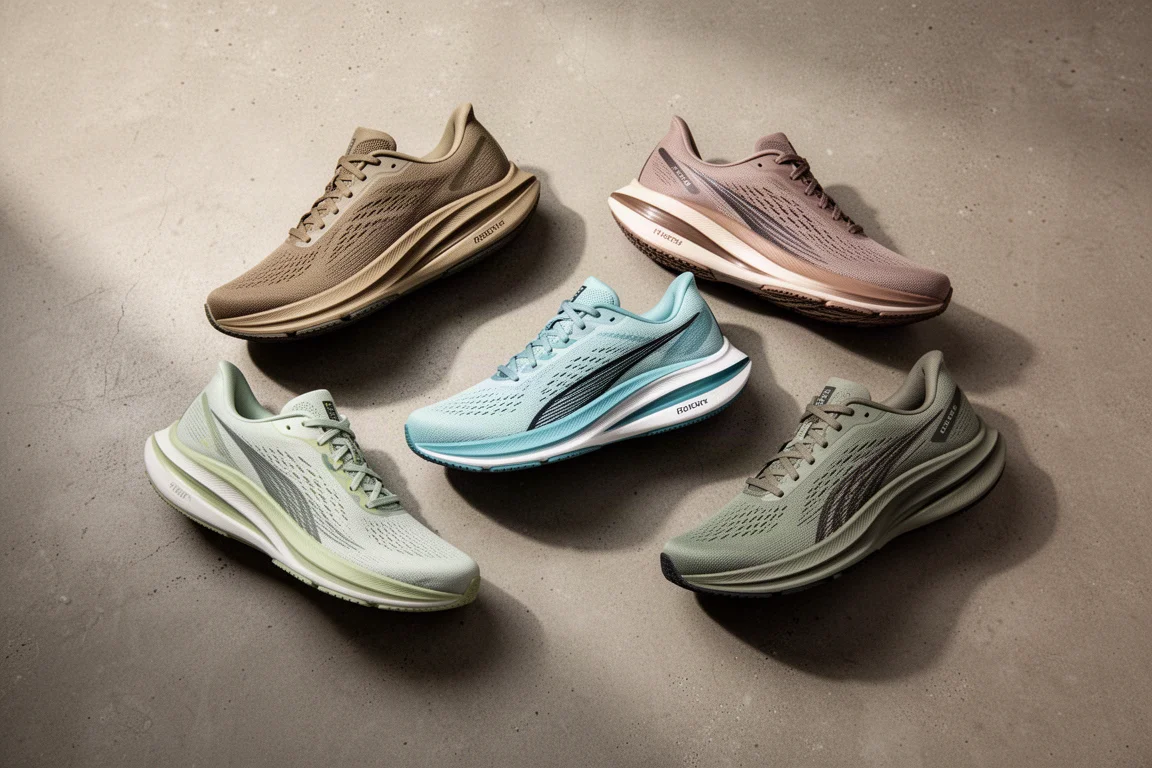
For runners who train in their race shoes, as many elites do, the Mach X 2’s role gets even harder to define. If the goal is confidence on race day, doing workouts in the shoe you will race in has real appeal. The most defensible use cases for the Mach X 2 are long runs and tempo days where you want race-shoe character with a bit more protection underfoot.
Buying Advice
- Want the easiest, most cushioned miles of your life and do not mind the weight or price? Get the Skyward X.
- Want one plated shoe for daily miles? The Deviate Nitro 3 is the most versatile here.
- Want a sub-$200 shoe for fast workouts and racing? The Magic Speed 4 is the value pick.
- Want comfort and stability as a newer runner? The SC Trainer v3 fits that brief.
- Want a firm, fast, race-shoe-adjacent trainer and accept it will not be a comfort shoe? That is exactly the Mach X 2.
Conclusion
The Hoka Mach X 2 is a sharp, dialed-in speed training shoe with a excellent lightweight upper, an aggressive rocker, and a firm ride that rewards pace. It may be the best execution of the plated trainer idea this year, alongside the Deviate Nitro 3 and Magic Speed 4. Just be clear about what you are buying: this is not a comfortable cruiser, and if comfort is what you want from the category, the Skyward X or SC Trainer v3 make a stronger case.
Further reading
Related Reviews

Running Shoes
Best Road-to-Trail Running Shoes: Three Versatile Options for Mixed Terrain
A practical guide to three road-to-trail running shoes that handle both pavement and mild trails, with clear strengths and trade-offs for different runner types.

Running Shoes
Best Running Shoes for Achilles Tendonitis: Three Options Explained
Three running shoes with different heel drops and support features designed to help reduce Achilles tendon pain during walking and running.

Running Shoes
Best Running Shoes for Women: Five Top Choices Ranked
A ranked guide to five women's running shoes, from versatile daily trainers to high-performance racing options, with real strengths and trade-offs for each.