Running Shoes
Hoka Mach 6 vs New Balance Rebel V4: Two of the Best Plateless Daily Trainers Compared
Two of the best versatile uptempo daily trainers launched in 2024, compared on fit, ride feel, durability, and who each shoe suits best.
Introduction
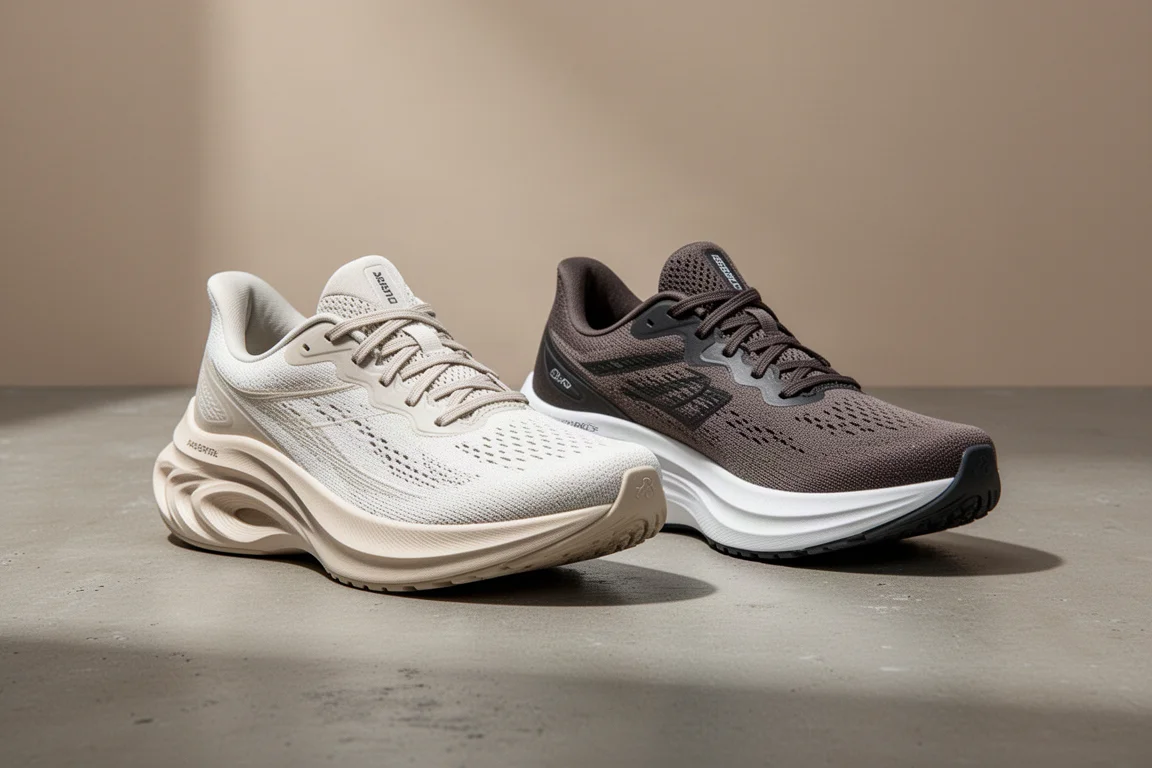
The Hoka Mach 6 and New Balance Rebel V4 are arguably two of the best new versatile uptempo daily trainers to launch in 2024. If you like the look of both but only have the budget for one, this comparison breaks down how they differ on fit, ride feel, and long-term durability, and which one makes more sense for your rotation.
Both shoes sit in the same category: non-plated, lightweight, well-cushioned daily trainers that can handle almost any kind of run, from easy miles to uptempo sessions. They even share a price tag of £140 in the UK or $140 in the US, which makes choosing between them genuinely difficult.
Specs at a Glance
Both shoes come in at the same £140/$140 price. The Mach 6 is available in regular and wide fits, while the Rebel V4 comes in regular only. The Mach 6 is the heavier of the two shoes. Stack heights and drops differ slightly, with the Mach 6 offering a 5mm drop compared to 6mm on the Rebel V4.
Both use mesh uppers and rubber outsoles with different patterns, and neither includes a plate. In the midsole, Hoka uses an EVA-based supercritical foam, while New Balance uses a TPU and EVA-based FuelCell midsole.
Fit and Sizing
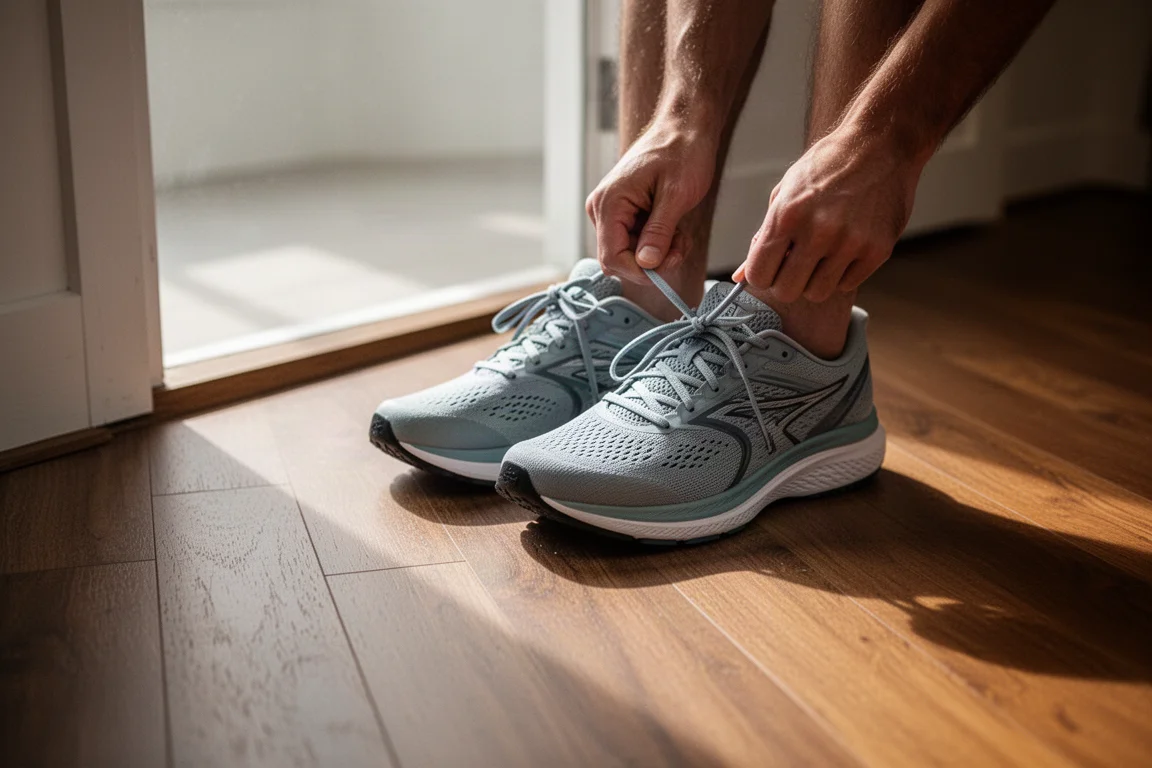
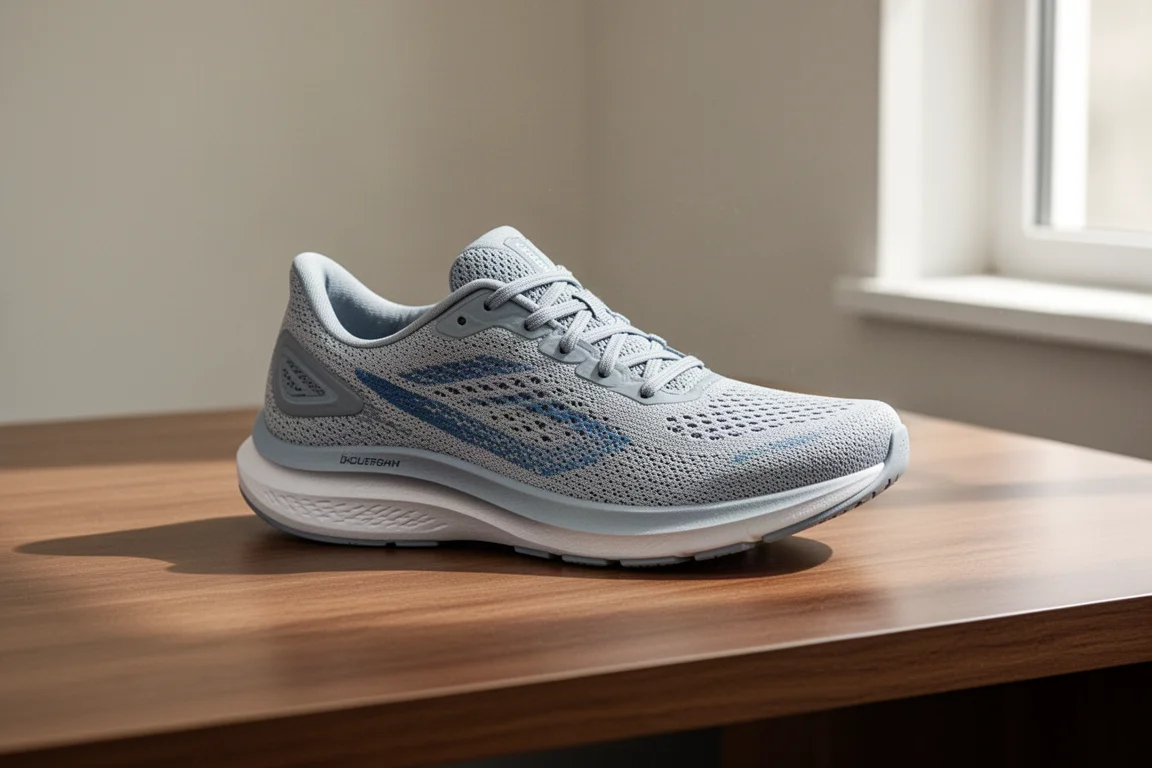
The Rebel V4 is the more spacious of the two, particularly in the toe box, which is noticeably wider this generation compared to previous Rebel models. The Mach 6 is a narrow-fitting shoe that suits narrower feet very well, but runners with wide feet may find it restrictive.
Neither shoe should require sizing up in most cases: the recommendation is to go with your normal running shoe size for both. Lockdown is similar across the two, with similar tongue thickness and lacing, and only slightly more heel padding on the Mach 6.
Ride Feel: Soft vs Rocket
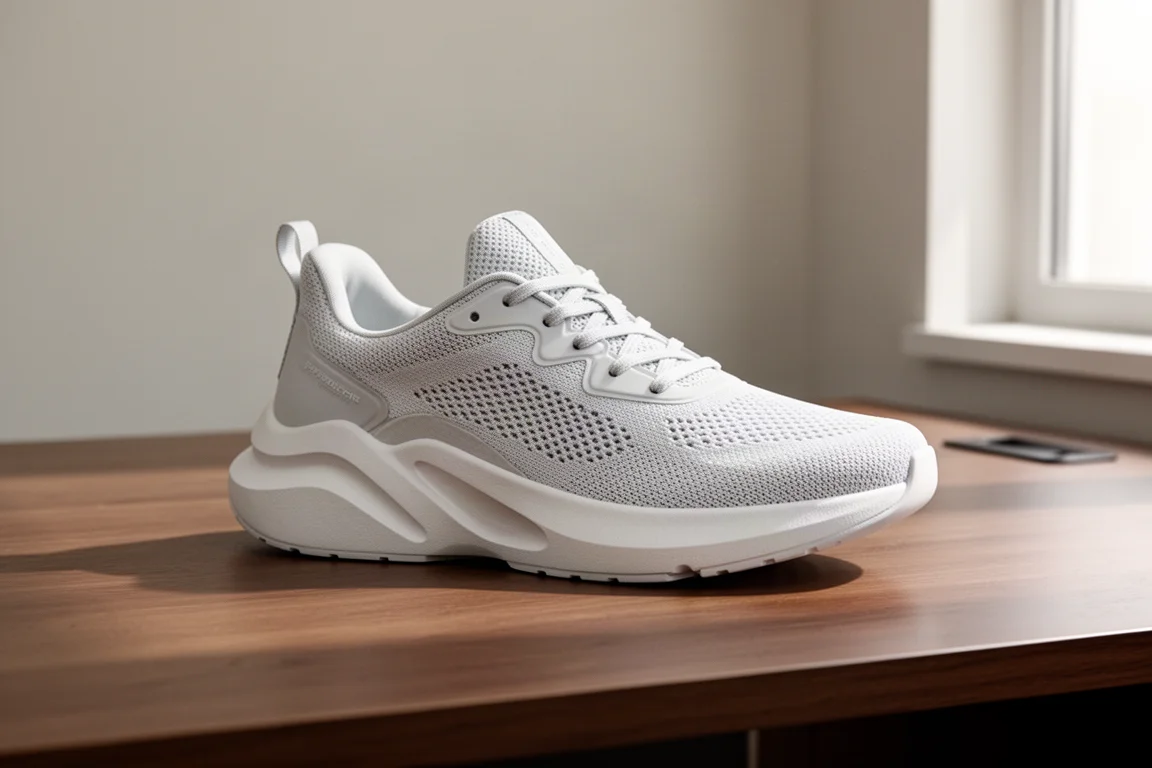
The Rebel V4 is the softer and bouncier shoe of the pair, with a lively, slightly aggressive character that encourages you onto your toes and through the stride. It is still light and quick despite a wider platform, and that width becomes an asset on slower and longer runs where the extra support pays off. It held up well over long distances without the foam feeling flat.
The Mach 6 offers a firmer, slightly more rocketed ride. It is cushioned, comfortable, and stable at easy paces, yet still responsive enough for faster running. Where it arguably stands out is in its ability to ease off: on progression runs starting slow and building speed, the Mach 6 feels more accommodating across a mixture of paces.
Durability and Outsole Grip
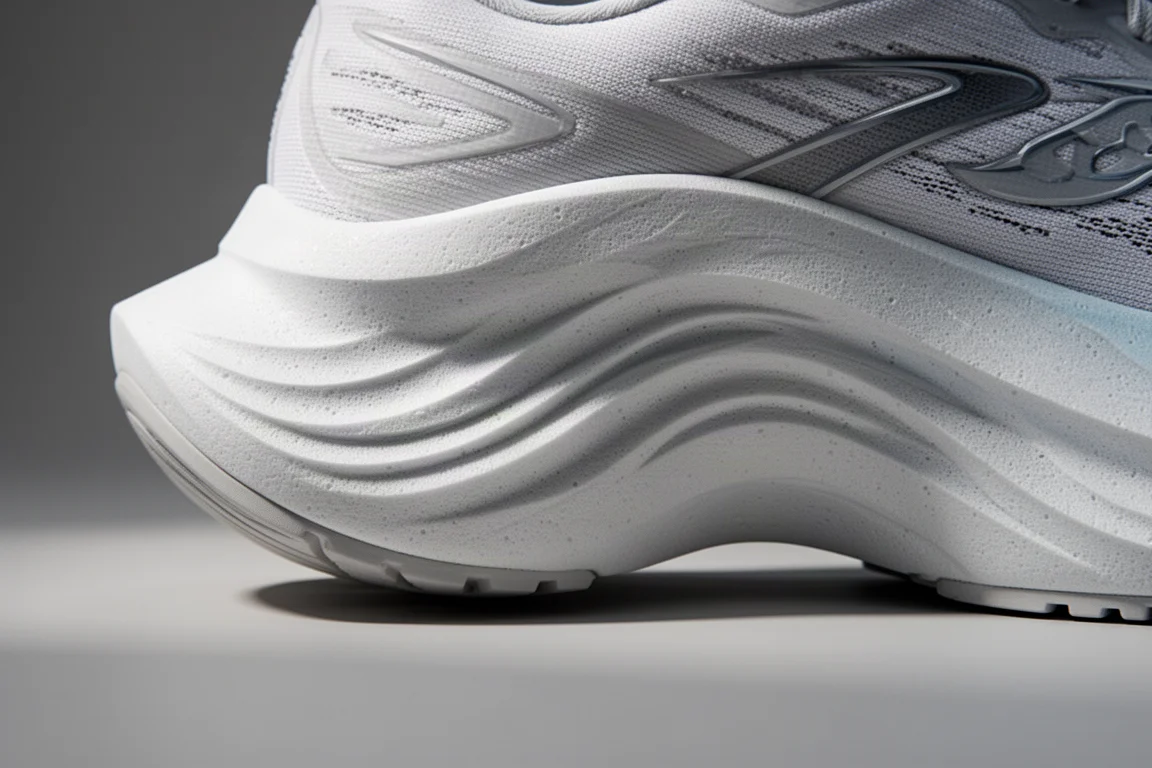
Outsole coverage is greater on the Mach 6, which uses more rubber than the Rebel V4. In testing, grip and traction were fine on both, including running in wet conditions in the Rebel V4, so the reduced rubber coverage did not prove to be an issue.
Durability has been very good for both shoes so far, but the Mach 6 is likely to give you slightly more life overall given its outsole construction. That is one reason it leans toward being the shoe for easier, longer, more frequent running, while the Rebel V4 may be better saved partly for faster training sessions.

Which Shoe Should You Buy?
This is a genuinely close call, because the two shoes are similar in price, similar in the jobs they do, and similar in grip and durability. It largely comes down to ride preference.
If you prioritize the quickest, bounciest feel and a lighter shoe on foot, the Rebel V4 has a slight edge, especially at faster paces, and it still feels just as cushioned over long distances. If you want a shoe that can handle uptempo work but feels more comfortable when easing off, with more outsole rubber and likely more longevity, the Mach 6 is the more versatile pick. Runners who dislike the Rebel V4’s width will also naturally prefer the narrower Mach 6.
Conclusion
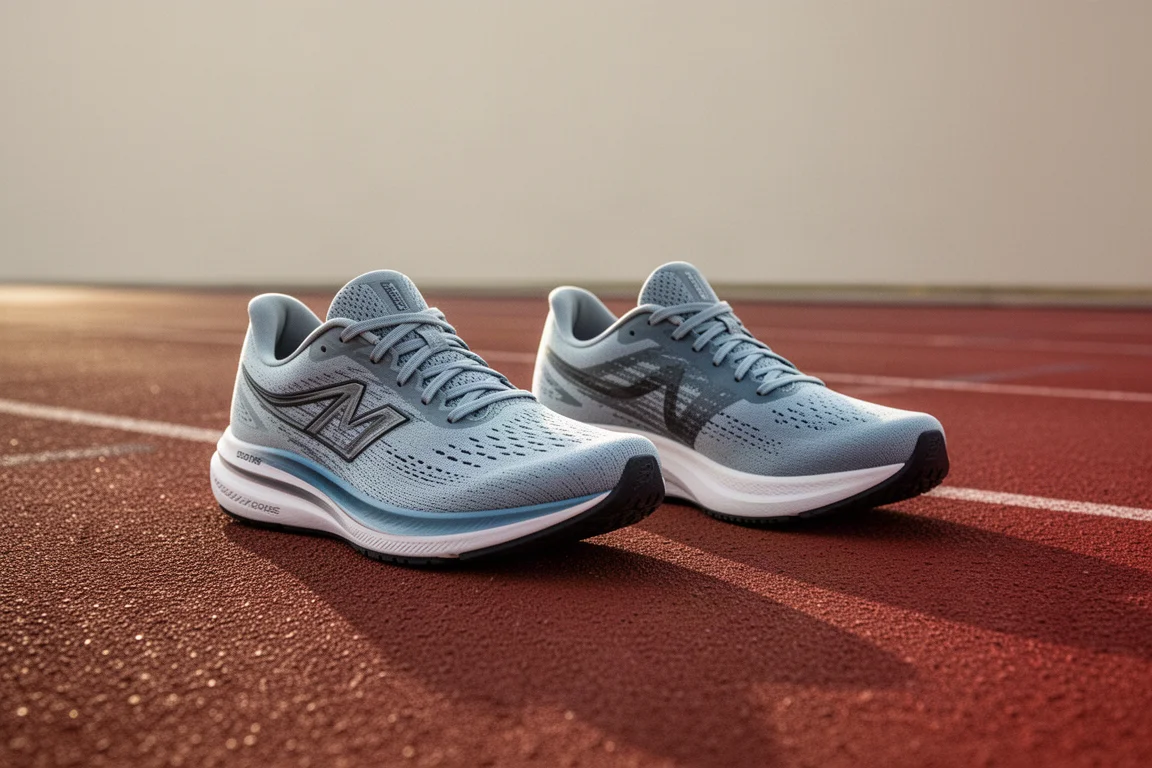
Both shoes are excellent, enjoyable, plateless daily trainers and there is genuinely not much separating them. The Rebel V4 is softer, bouncier, lighter, and slightly faster-feeling, while the Mach 6 is narrower, nimbler, and likely more durable. Whichever way you lean, you are getting a very good daily trainer at a fair price.
Further reading
Related Reviews

Running Shoes
Best Road-to-Trail Running Shoes: Three Versatile Options for Mixed Terrain
A practical guide to three road-to-trail running shoes that handle both pavement and mild trails, with clear strengths and trade-offs for different runner types.

Running Shoes
Best Running Shoes for Achilles Tendonitis: Three Options Explained
Three running shoes with different heel drops and support features designed to help reduce Achilles tendon pain during walking and running.

Running Shoes
Best Running Shoes for Women: Five Top Choices Ranked
A ranked guide to five women's running shoes, from versatile daily trainers to high-performance racing options, with real strengths and trade-offs for each.